
The BMW 328i is known for its blend of performance and luxury, but how long does it really last? With proper maintenance, most 328i models can reliably reach 150,000 to 200,000 miles—and some even surpass 250,000 miles. This guide breaks down what affects longevity and how to maximize your BMW’s lifespan.
In This Article
- 1 Key Takeaways
- 2 📑 Table of Contents
- 3 How Many Miles Does a BMW 328i Last?
- 4 Understanding the BMW 328i’s Engine and Build Quality
- 5 Factors That Affect the Lifespan of a BMW 328i
- 6 Common Problems in High-Mileage BMW 328i Models
- 7 Tips to Maximize Your BMW 328i’s Lifespan
- 8 Is a High-Mileage BMW 328i Worth Buying?
- 9 Conclusion: How Long Will Your BMW 328i Last?
- 10 Frequently Asked Questions
- 10.1 How many miles can a BMW 328i last with proper maintenance?
- 10.2 Is the BMW 328i reliable in the long term?
- 10.3 What are the most common problems with high-mileage BMW 328i models?
- 10.4 How often should I change the oil in my BMW 328i?
- 10.5 Can a BMW 328i with 200,000 miles still be a good buy?
- 10.6 Does driving style affect how long a BMW 328i lasts?
Key Takeaways
- Typical lifespan: A well-maintained BMW 328i can last between 150,000 and 200,000 miles, with some models exceeding 250,000 miles.
- Engine reliability: The N20 and N52 engines used in the 328i are generally durable but require timely oil changes and cooling system care.
- Maintenance is key: Following the manufacturer’s service schedule and using high-quality parts significantly extends the car’s life.
- Common issues to watch: Timing chain problems, water pump failures, and oil leaks are known concerns in higher-mileage 328i models.
- Driving habits matter: Gentle acceleration, avoiding short trips, and warming up the engine help reduce wear and tear.
- Pre-owned buyers beware: Always get a pre-purchase inspection and check service history when buying a used 328i.
- Resale value: Even high-mileage 328is retain decent value if they’re in good condition and have documented maintenance.
📑 Table of Contents
- How Many Miles Does a BMW 328i Last?
- Understanding the BMW 328i’s Engine and Build Quality
- Factors That Affect the Lifespan of a BMW 328i
- Common Problems in High-Mileage BMW 328i Models
- Tips to Maximize Your BMW 328i’s Lifespan
- Is a High-Mileage BMW 328i Worth Buying?
- Conclusion: How Long Will Your BMW 328i Last?
How Many Miles Does a BMW 328i Last?
So, you’re thinking about buying a BMW 328i—or maybe you already own one and are wondering how long it’ll last. You’ve probably heard mixed things: some people swear their BMW runs like new at 200,000 miles, while others complain about breakdowns at 100,000. The truth? It really depends.
The BMW 328i is one of the most popular models in the 3 Series lineup, praised for its balanced mix of performance, comfort, and driving dynamics. But like any German-engineered machine, it demands attention. If you treat it right, it can reward you with years of smooth, enjoyable driving. If you neglect it, even the best-engineered car will let you down.
In this guide, we’ll dive deep into how many miles a BMW 328i can realistically last, what factors influence its lifespan, and how you can maximize its longevity. Whether you’re shopping for a used 328i or looking to keep your current one on the road for as long as possible, this article has you covered.
Understanding the BMW 328i’s Engine and Build Quality

Visual guide about How Many Miles Does a Bmw 328i Last
Image source: bemidjibest.com
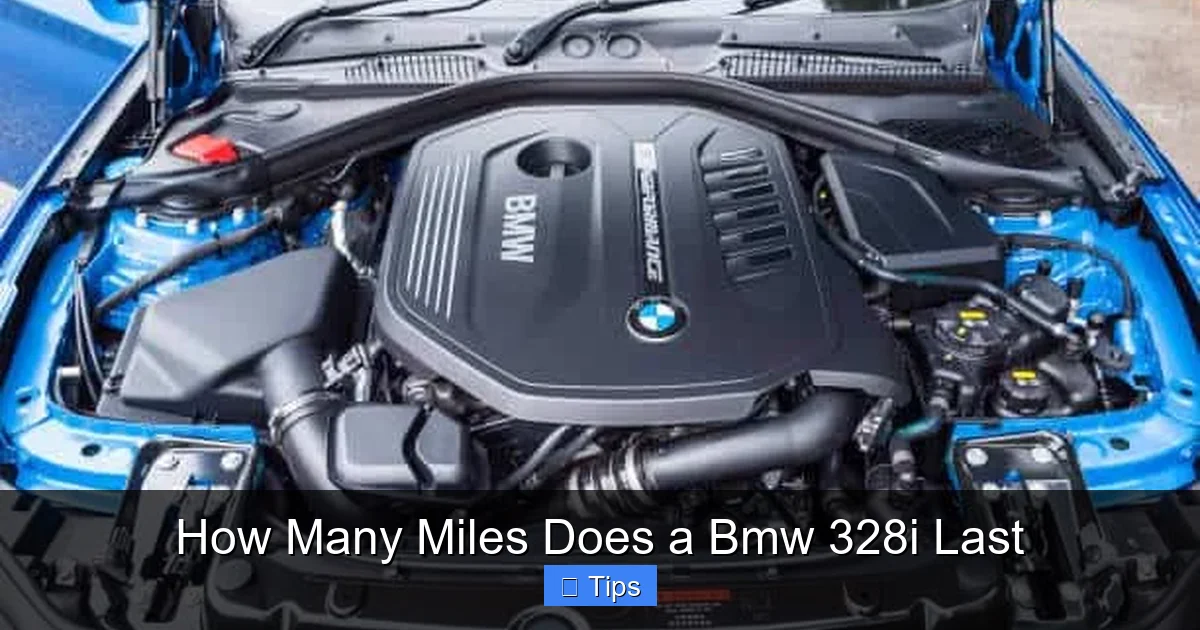
To understand how long a BMW 328i lasts, you first need to know what’s under the hood. The 328i has gone through several engine generations over the years, and each has its own strengths and weaknesses.
From 2007 to 2011, the 328i was powered by the naturally aspirated N52 inline-6 engine. This engine is widely regarded as one of BMW’s most reliable modern powerplants. It’s smooth, responsive, and built with a cast-iron block (in most versions), which adds durability. The N52 doesn’t have a timing chain tensioner issue like some other BMW engines, and it’s known for lasting well beyond 200,000 miles with proper care.
Then, in 2012, BMW introduced the turbocharged N20 inline-4 engine in the 328i. This engine offered better fuel economy and more torque, but it came with some trade-offs. The N20 is more complex, with a turbocharger, direct injection, and a timing chain that has been known to stretch or fail prematurely in some cases. That said, many N20 engines still reach 150,000 to 180,000 miles without major issues—especially if they’re maintained correctly.
Both engines are built with high-quality materials and precision engineering, which is part of why BMWs have such a strong reputation. However, that engineering also means they’re sensitive to poor maintenance. Skipping oil changes, using low-quality fluids, or ignoring warning lights can quickly turn a reliable engine into a money pit.
Real-World Mileage Examples
Let’s look at some real-world examples. Plenty of BMW 328i owners report hitting 200,000 miles with only routine maintenance. For instance, a 2008 328i with the N52 engine that’s had oil changes every 5,000 to 7,500 miles, regular coolant flushes, and timely brake and transmission services can easily cruise past 200,000 miles. Some owners even report 250,000+ miles with only minor repairs.
On the flip side, a 2013 328i with the N20 engine that’s been driven hard, rarely serviced, and filled with cheap oil might start showing signs of trouble around 100,000 miles. Common issues include timing chain rattle, turbo failure, or high-pressure fuel pump problems.
The key takeaway? The engine type matters, but maintenance habits matter more.
Factors That Affect the Lifespan of a BMW 328i
Visual guide about How Many Miles Does a Bmw 328i Last
Image source: drivingandstyle.com
So, what determines whether your 328i lasts 100,000 miles or 250,000? It’s not just luck—it’s a combination of several key factors. Let’s break them down.
Maintenance Schedule and Habits
This is the #1 factor in how long your BMW 328i will last. BMWs are precision machines, and they thrive on consistency. The manufacturer recommends specific service intervals for oil changes, brake fluid, coolant, transmission fluid, and more.
For example, BMW suggests oil changes every 10,000 miles or once a year—but many experts recommend doing it every 5,000 to 7,500 miles, especially if you drive in stop-and-go traffic or extreme temperatures. Why? Because BMW engines, especially turbocharged ones, run hot and can sludge up if oil isn’t changed frequently enough.
Other critical maintenance items include:
– Coolant system flushes every 30,000 to 50,000 miles
– Brake fluid replacement every 2 years
– Transmission fluid and filter changes (especially for automatic models)
– Spark plug replacements every 60,000 to 100,000 miles
Skipping these services doesn’t just reduce performance—it can lead to catastrophic failures. For instance, a failed water pump can cause the engine to overheat and warp the cylinder head, leading to repairs that cost thousands.
Driving Style and Conditions
How you drive your 328i plays a huge role in its longevity. Aggressive driving—frequent hard acceleration, high-speed cruising, and late braking—puts extra stress on the engine, transmission, and brakes. Over time, this accelerates wear and tear.
On the other hand, gentle driving with smooth inputs helps preserve components. Letting the engine warm up in cold weather (especially for turbo models), avoiding short trips that don’t let the engine reach full operating temperature, and using cruise control on the highway can all help extend the car’s life.
Driving conditions also matter. If you live in a cold climate, winter driving can be tough on your BMW. Road salt, potholes, and extreme temperature swings can damage suspension components, underbody parts, and the paint. Similarly, hot climates can stress the cooling system and lead to overheating if the radiator or thermostat isn’t in top shape.
Quality of Parts and Fluids
Using the right parts and fluids is crucial. BMWs are designed to work with specific specifications—using the wrong oil, coolant, or brake fluid can cause damage over time.
For example, BMW recommends synthetic oil with a specific viscosity (like 5W-30 or 0W-40) and certification (such as BMW Longlife-01). Using conventional oil or the wrong grade can lead to increased engine wear, especially in turbocharged models.
Similarly, using cheap aftermarket parts for repairs can backfire. A $50 water pump might seem like a good deal, but if it fails after 10,000 miles, you’ll end up paying more in labor and downtime. OEM (original equipment manufacturer) or high-quality aftermarket parts from reputable brands are always the better choice.
Climate and Storage
Where you live and how you store your car also impact its lifespan. If you park your 328i outside in the sun, rain, and snow, the paint, rubber seals, and interior materials will degrade faster. UV rays can fade the paint and crack the dashboard, while moisture can lead to rust and mold.
Ideally, store your BMW in a garage or covered area. If that’s not possible, use a car cover and consider rust-proofing treatments, especially if you live near the coast or in a snowy region.
Extreme temperatures also affect the battery and fluids. Cold weather reduces battery efficiency, while heat can accelerate fluid breakdown. In very cold climates, using a block heater can help the engine start more easily and reduce wear during cold starts.
Common Problems in High-Mileage BMW 328i Models

Visual guide about How Many Miles Does a Bmw 328i Last
Image source: autozonic.com
Even with great care, high-mileage BMW 328is can develop issues. Knowing what to watch for can help you catch problems early and avoid costly repairs.
Timing Chain and Tensioner Issues (N20 Engine)
One of the most well-known problems with the N20 engine is timing chain failure. The chain can stretch or the tensioner can fail, causing a rattling noise at startup. If ignored, this can lead to catastrophic engine damage.
This issue is more common in 2012–2015 models and often appears between 80,000 and 120,000 miles. The good news? BMW issued a technical service bulletin (TSB) and extended the warranty on the timing chain and tensioner to 7 years or 70,000 miles in some cases. If you’re buying a used N20 328i, ask if this repair has been done.
Water Pump and Thermostat Failures
The electric water pump in BMW 328i models (especially N52 and N20) is known to fail prematurely. Symptoms include overheating, coolant leaks, or the engine running too cool. The thermostat can also stick, causing temperature fluctuations.
These parts typically fail between 60,000 and 100,000 miles. Replacing them early—even if they’re not fully failed—can prevent overheating and engine damage.
Oil Leaks and Gasket Failures
As BMWs age, gaskets and seals can dry out and start leaking oil. Common leak points include the valve cover gasket, oil filter housing gasket, and oil pan gasket. While these leaks aren’t usually catastrophic, they can lead to low oil levels and engine damage if ignored.
Regular inspections and using high-quality gaskets during repairs can help prevent this issue.
Electrical and Sensor Problems
BMWs are packed with sensors and electronics, which can be both a blessing and a curse. Over time, sensors like the mass airflow (MAF), oxygen (O2), or crankshaft position sensor can fail, causing poor performance, check engine lights, or even stalling.
Electrical gremlins can also appear—things like window switches failing, iDrive system glitches, or battery drain. These are often harder to diagnose but usually not expensive to fix.
Suspension and Steering Wear
At high mileage, suspension components like control arms, bushings, and shocks can wear out. This leads to a rougher ride, poor handling, and uneven tire wear. Regular inspections and replacing worn parts can keep your 328i driving like new.
Tips to Maximize Your BMW 328i’s Lifespan
Want your 328i to last as long as possible? Follow these practical tips.
Stick to the Maintenance Schedule
Use the BMW maintenance schedule as your guide. Keep a log of all services and repairs. If you’re not sure what’s due, check your owner’s manual or use BMW’s online service tool.
Use High-Quality Fluids and Parts
Always use BMW-approved synthetic oil, coolant, and brake fluid. For repairs, choose OEM or reputable aftermarket brands like Bosch, Mahle, or Febi.
Warm Up the Engine (Especially in Cold Weather)
Let your engine idle for 30 seconds to a minute before driving, especially in winter. This allows oil to circulate and reduces wear during startup.
Avoid Short Trips When Possible
Short trips don’t let the engine reach full operating temperature, which can lead to moisture buildup and sludge. If you only drive short distances, consider taking longer drives occasionally to “exercise” the engine.
Drive Gently
Avoid aggressive acceleration and braking. Use cruise control on the highway. Your car—and your wallet—will thank you.
Store It Properly
Keep your 328i in a garage or covered area. Use a car cover if needed. In winter, consider rust-proofing and using a battery maintainer if the car will sit for long periods.
Get Regular Inspections
Even if nothing seems wrong, have a trusted mechanic inspect your car every 10,000 to 15,000 miles. Catching small issues early can prevent big problems later.
Is a High-Mileage BMW 328i Worth Buying?
So, what if you’re looking at a used 328i with 150,000 miles or more? Is it a smart buy?
The answer is: it depends.
A high-mileage 328i with a full service history, no major accidents, and no signs of neglect can be a great value. These cars often sell for a fraction of their original price, and if they’ve been well cared for, they still have plenty of life left.
However, avoid cars with incomplete records, signs of poor maintenance, or known issues like timing chain problems or oil leaks. A pre-purchase inspection by a BMW specialist is essential.
Look for models with the N52 engine if possible—they’re generally more reliable than the N20. Also, consider extended warranty options or setting aside a repair fund, just in case.
Conclusion: How Long Will Your BMW 328i Last?
So, how many miles does a BMW 328i last? The honest answer is: it depends on how you treat it.
With proper maintenance, gentle driving, and timely repairs, a BMW 328i can easily last 150,000 to 200,000 miles—and many go well beyond that. The N52 engine models are especially durable, while the N20 engines require a bit more attention but can still deliver excellent longevity.
The key is consistency. BMWs aren’t maintenance-free, but they reward owners who stay on top of service. By following the tips in this guide, you can enjoy your 328i for years to come—whether you’re commuting daily, taking weekend road trips, or just enjoying the thrill of driving a well-engineered machine.
Remember: a BMW is more than just a car. It’s a commitment to quality, performance, and care. Treat it right, and it’ll take you far.
Frequently Asked Questions
How many miles can a BMW 328i last with proper maintenance?
With proper maintenance, a BMW 328i can last between 150,000 and 200,000 miles. Some well-cared-for models, especially those with the N52 engine, have been known to exceed 250,000 miles.
Is the BMW 328i reliable in the long term?
The BMW 328i is generally reliable if maintained properly. The N52 engine is particularly durable, while the N20 engine requires more attention to timing chain and cooling system issues.
What are the most common problems with high-mileage BMW 328i models?
Common issues include timing chain failure (N20), water pump and thermostat failures, oil leaks, electrical gremlins, and suspension wear. Regular inspections can help catch these early.
How often should I change the oil in my BMW 328i?
BMW recommends oil changes every 10,000 miles or once a year, but many experts suggest changing it every 5,000 to 7,500 miles for optimal engine protection, especially in turbocharged models.
Can a BMW 328i with 200,000 miles still be a good buy?
Yes, if it has a complete service history, no major accidents, and no signs of neglect. A pre-purchase inspection by a BMW specialist is highly recommended.
Does driving style affect how long a BMW 328i lasts?
Absolutely. Gentle driving, avoiding short trips, and warming up the engine in cold weather can significantly extend the life of your 328i by reducing wear on the engine and other components.

At CarLegit, we believe information should be clear, factual, and genuinely helpful. That’s why every guide, review, and update on our website is created with care, research, and a strong focus on user experience.