
Experiencing a driver restraint system malfunction in your BMW can be alarming, but it’s often fixable with the right approach. This guide walks you through common causes, step-by-step fixes, and when to seek professional help—so you can drive safely and confidently again.
In This Article
- 1 Key Takeaways
- 2 📑 Table of Contents
- 3 What Is the Driver Restraint System in a BMW?
- 4 Common Causes of Driver Restraint System Malfunction in BMW
- 5 How to Diagnose a Driver Restraint System Malfunction
- 6 Step-by-Step Fixes for Common Issues
- 7 Safety Tips When Working on BMW Restraint Systems
- 8 When to Visit a BMW Specialist
- 9 Preventing Future Restraint System Issues
- 10 Conclusion
- 11 Frequently Asked Questions
- 11.1 What does a driver restraint system malfunction mean in a BMW?
- 11.2 Can I drive my BMW with a restraint system warning light on?
- 11.3 How much does it cost to fix a BMW restraint system malfunction?
- 11.4 Can I reset the airbag light myself?
- 11.5 Why does my BMW airbag light come on when I sit in the seat?
- 11.6 Is it safe to replace the clockspring myself?
Key Takeaways
- Understand the warning signs: Dashboard alerts, airbag lights, or seatbelt chimes may indicate a restraint system issue.
- Check the seatbelt buckle and pretensioner: Faulty connections or worn components are common culprits.
- Inspect the clockspring: A damaged clockspring can disrupt communication between the steering wheel and airbag system.
- Scan for error codes: Use an OBD2 scanner or visit a BMW specialist to read fault codes accurately.
- Reset the system properly: After repairs, a professional reset may be needed to clear persistent warnings.
- Know when to call a pro: Airbag and restraint systems involve high-voltage components—safety first.
- Prevent future issues: Regular maintenance and avoiding DIY modifications can extend system life.
📑 Table of Contents
- What Is the Driver Restraint System in a BMW?
- Common Causes of Driver Restraint System Malfunction in BMW
- How to Diagnose a Driver Restraint System Malfunction
- Step-by-Step Fixes for Common Issues
- Safety Tips When Working on BMW Restraint Systems
- When to Visit a BMW Specialist
- Preventing Future Restraint System Issues
- Conclusion
What Is the Driver Restraint System in a BMW?
The driver restraint system in your BMW is a sophisticated network of safety components designed to protect you during a collision. It includes the airbags, seatbelt pretensioners, crash sensors, and the electronic control unit (ECU) that manages everything. When working correctly, this system deploys airbags and tightens seatbelts in milliseconds to reduce injury risk.
But when a malfunction occurs, it’s not just an inconvenience—it’s a serious safety concern. The system might fail to deploy when needed, or worse, deploy unexpectedly. That’s why understanding how it works and how to fix issues is crucial. BMW vehicles are engineered with precision, and their restraint systems are no exception. From the moment you start the car, the system runs self-checks. If something’s off, you’ll usually see a warning light on the dashboard—often labeled “SRS” (Supplemental Restraint System) or “Airbag.”
These lights aren’t just for show. They’re your car’s way of saying, “Hey, something’s not right.” Ignoring them could mean your safety systems won’t work when you need them most. Whether you drive a 3 Series, X5, or i4, the principles of diagnosing and fixing a driver restraint system malfunction are similar. The good news? Many issues are fixable without a trip to the dealership—if you know where to look.
Common Causes of Driver Restraint System Malfunction in BMW
Visual guide about How to Fix Driver Restraint System Malfunction Bmw
Image source: cars-care.net
Before jumping into repairs, it’s important to understand what might be causing the problem. BMWs are reliable, but like any complex machine, they can develop issues over time. Here are the most common culprits behind a driver restraint system malfunction.
Faulty Seatbelt Buckle or Pretensioner
One of the most frequent causes is a problem with the seatbelt buckle or pretensioner. The pretensioner tightens the seatbelt during a crash, and the buckle contains sensors that detect whether the belt is fastened. If the buckle is dirty, damaged, or has a loose connection, the system may think the seatbelt isn’t engaged—even when it is.
For example, if you’ve spilled coffee or soda into the buckle, residue can interfere with the electrical contacts. Over time, this can cause intermittent faults. Similarly, if the pretensioner has been triggered (even in a minor fender bender), it may need replacement. BMW pretensioners are single-use devices—once activated, they must be replaced.
Damaged or Worn Clockspring
The clockspring is a coiled ribbon cable located behind the steering wheel. It allows the airbag, horn, and steering wheel controls to function while you turn the wheel. If the clockspring is damaged—often due to wear, improper installation, or a previous airbag deployment—it can break the electrical connection to the driver’s airbag.
Symptoms include the airbag light staying on, the horn not working, or steering wheel buttons becoming unresponsive. A failing clockspring is one of the top reasons for a driver restraint system malfunction in BMWs. It’s especially common in older models or vehicles that have had the steering wheel removed for repairs.
Loose or Corroded Wiring and Connectors
BMW’s restraint system relies on a web of wiring and connectors under the seats, behind the dashboard, and near the steering column. Over time, these connections can loosen, corrode, or become damaged—especially if the car has been in an accident or exposed to moisture.
For instance, if water has leaked into the footwell (a common issue in older BMWs), it can corrode the seatbelt sensor connectors under the driver’s seat. Even a small amount of corrosion can disrupt the signal and trigger a fault code. Similarly, vibrations from driving can loosen connectors, leading to intermittent issues.
Faulty Airbag Control Module
The airbag control module (also called the SRS module) is the brain of the restraint system. It processes data from crash sensors and decides whether to deploy airbags and pretensioners. If the module is damaged—due to water intrusion, electrical surges, or age—it may store error codes or fail to communicate with other components.
In some cases, the module may need to be reprogrammed or replaced. However, this is a job best left to professionals, as the module contains critical safety data and must be handled carefully.
Previous Accident or Airbag Deployment
If your BMW has been in an accident—even a minor one—the restraint system may have been partially activated. For example, a side impact might trigger the seatbelt pretensioner without deploying the airbag. In such cases, the system may still register a fault until the components are reset or replaced.
Additionally, if the airbag has deployed, the entire system typically needs to be inspected and reset by a certified technician. DIY repairs after an airbag deployment are strongly discouraged due to the risk of accidental activation.
How to Diagnose a Driver Restraint System Malfunction
Visual guide about How to Fix Driver Restraint System Malfunction Bmw
Image source: lh6.googleusercontent.com
Diagnosing the issue correctly is the first step toward a successful fix. While some problems are obvious, others require a bit of detective work. Here’s how to approach it.
Check the Dashboard Warning Lights
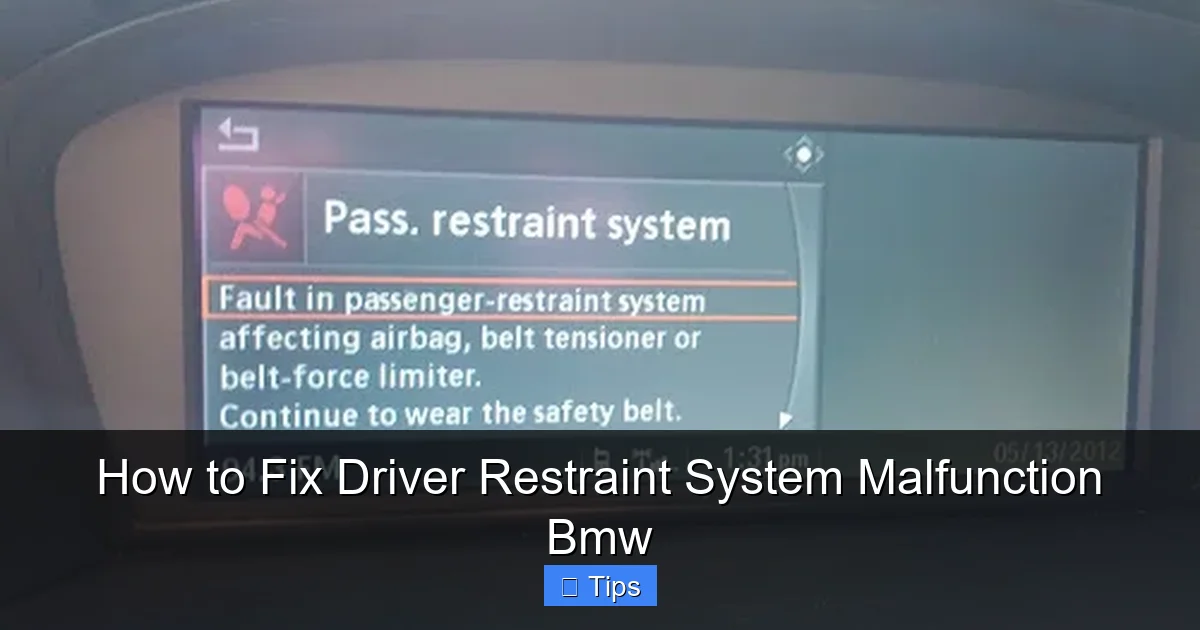
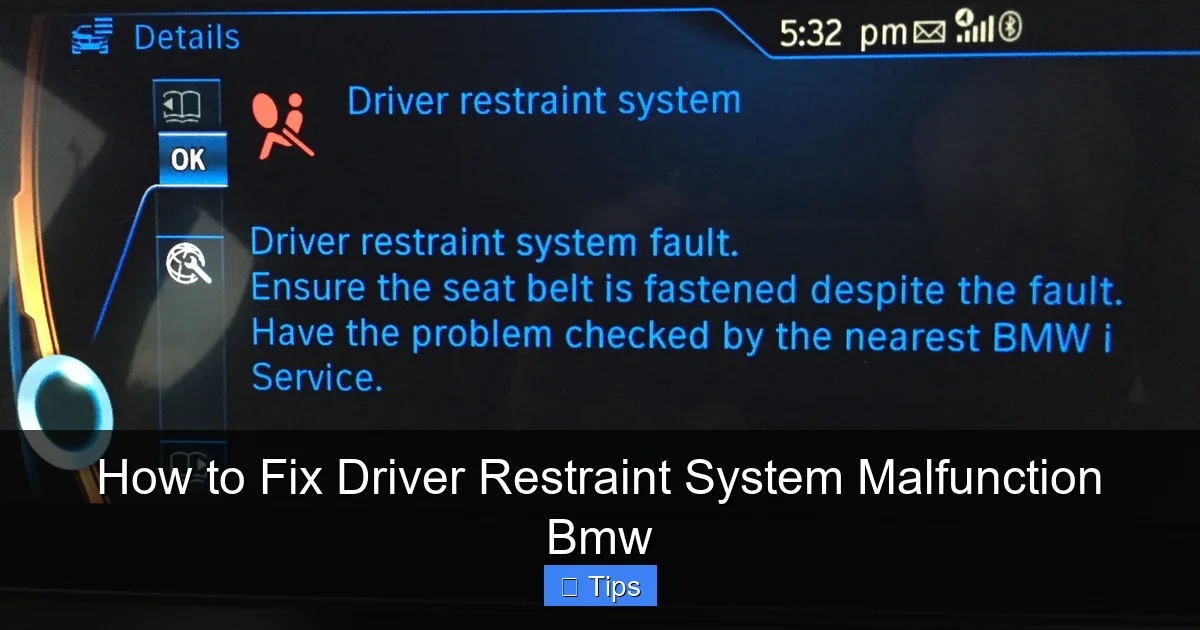
Start by observing the dashboard. If the airbag or SRS light is on, that’s your first clue. Note whether it stays on constantly, flashes, or comes on intermittently. A steady light usually indicates an active fault, while a flashing light may suggest a more serious issue.
Also, pay attention to other symptoms. Is the horn working? Do the steering wheel buttons respond? Are there any unusual sounds when you start the car? These details can help narrow down the cause.
Use an OBD2 Scanner to Read Fault Codes
The most effective way to diagnose a restraint system issue is by reading the fault codes stored in the car’s computer. While basic OBD2 scanners can read engine codes, you’ll need a more advanced scanner—or one specifically designed for BMWs—to access SRS codes.
Popular options include the Foxwell NT510, Carly for BMW, or ISTA (BMW’s official diagnostic software). These tools can read detailed fault codes like “B7F701 – Driver Seatbelt Pretensioner Circuit Open” or “93C2 – Clockspring Electrical Fault.”
Once you have the code, you can research what it means and where the problem might be located. For example, a code related to the driver’s seatbelt sensor points to an issue under the seat, while a clockspring code suggests a problem behind the steering wheel.
Inspect Physical Components
After scanning for codes, visually inspect key components. Start with the seatbelt buckle—check for dirt, damage, or loose wires. Wiggle the connector under the seat to see if the light changes. If it does, you’ve found a loose connection.
Next, examine the clockspring area. Remove the airbag (only if you’re experienced—see safety tips below) and look for signs of wear, fraying, or damage to the ribbon cable. Also, check the wiring harness for cuts, burns, or corrosion.
Don’t forget to inspect under the seats. Look for water damage, rodent chews, or disconnected sensors. BMWs often have seat occupancy sensors for the passenger side, but the driver’s side also has critical wiring for the seatbelt and pretensioner.
Step-by-Step Fixes for Common Issues
Visual guide about How to Fix Driver Restraint System Malfunction Bmw
Image source: i.imgur.com
Once you’ve diagnosed the problem, it’s time to fix it. Below are practical, step-by-step solutions for the most common causes of a driver restraint system malfunction.
Fixing a Faulty Seatbelt Buckle
If the issue is with the seatbelt buckle, start by cleaning it. Use a can of electrical contact cleaner and a small brush to remove dirt and residue. Spray into the buckle and work the tongue in and out several times. Let it dry completely.
If cleaning doesn’t work, the buckle may need replacement. You can find OEM or aftermarket buckles online. To replace it:
- Disconnect the negative battery terminal and wait 15 minutes (to prevent accidental airbag deployment).
- Remove the seat (if necessary) to access the buckle connector.
- Unplug the old buckle and install the new one.
- Reconnect the battery and test the system.
After replacement, use your scanner to clear the fault code. The light should go off if the repair was successful.
Replacing a Damaged Clockspring
Replacing the clockspring is more involved but doable with the right tools. Here’s how:
- Disconnect the battery and wait 15–20 minutes.
- Remove the airbag module. Most BMWs have two Torx screws behind the steering wheel. Use a T30 Torx bit.
- Carefully disconnect the airbag connector (usually yellow) and set the airbag face-up on a flat surface.
- Remove the steering wheel (mark its position first to ensure proper alignment).
- Unscrew the clockspring and disconnect the ribbon cable.
- Install the new clockspring, ensuring it’s centered (most have alignment marks).
- Reassemble in reverse order.
After reassembly, reconnect the battery and use a scanner to reset the system. Test the horn and steering wheel controls to confirm everything works.
Repairing Loose or Corroded Wiring
If you find loose or corroded connectors, clean them with electrical contact cleaner and a small wire brush. For corroded pins, use a pin extractor tool to remove and inspect them. If pins are bent or damaged, they may need replacement.
Secure loose connectors with zip ties or electrical tape. Avoid using excessive force when plugging them back in. If wiring is frayed or cut, you may need to splice in a new section using solder and heat shrink tubing.
Resetting the Airbag Control Module
After repairs, the system may still show a fault until it’s reset. This is especially true if you’ve replaced sensors or cleared codes. Use your BMW-compatible scanner to perform a system reset.
Note: Some modules require coding or programming after replacement. If you’ve installed a new control module, it may need to be programmed using ISTA or a similar tool. This is best done by a professional.
Safety Tips When Working on BMW Restraint Systems
Working on airbags and restraint systems can be dangerous if you’re not careful. These components store electrical energy and can deploy unexpectedly, causing injury. Follow these safety guidelines:
- Always disconnect the battery and wait at least 15 minutes before working on airbags or pretensioners.
- Never probe airbag connectors with a multimeter or test light—this can trigger deployment.
- Store airbags face-up on a flat surface, away from children and heat sources.
- Wear safety glasses and gloves when handling airbag components.
- Do not use damaged airbags—even if they appear intact, internal damage can cause unsafe deployment.
- Consult a professional if you’re unsure about any step. Airbag systems are not DIY-friendly for beginners.
When to Visit a BMW Specialist
While many driver restraint system malfunctions can be fixed at home, some situations require expert help. Visit a BMW specialist or certified technician if:
- The airbag has deployed and needs replacement.
- The control module is faulty and requires programming.
- You’re unable to clear the fault code after repairs.
- There’s evidence of water damage or electrical shorts.
- You’re uncomfortable working with high-voltage safety systems.
Dealerships and independent BMW shops have the tools and expertise to handle complex diagnostics and repairs. They can also ensure your vehicle meets safety standards after service.
Preventing Future Restraint System Issues
An ounce of prevention is worth a pound of cure. Here’s how to avoid future driver restraint system malfunctions:
- Keep the cabin dry. Fix leaks promptly to prevent water damage to sensors and wiring.
- Clean seatbelt buckles regularly. Use a soft brush and mild cleaner to remove dirt and grime.
- Avoid DIY modifications. Aftermarket steering wheels, seat covers, or electronics can interfere with sensors.
- Schedule regular inspections. Include the restraint system in your maintenance routine, especially after accidents.
- Use genuine or high-quality replacement parts. Cheap knockoffs may not meet BMW’s safety standards.
By staying proactive, you can keep your BMW’s safety systems in top condition for years to come.
Conclusion
A driver restraint system malfunction in your BMW doesn’t have to be a nightmare. With the right knowledge and tools, many issues can be diagnosed and fixed at home. From cleaning a dirty seatbelt buckle to replacing a worn clockspring, the solutions are often simpler than they seem.
However, always prioritize safety. When in doubt, consult a professional. Your life—and the lives of your passengers—depend on these systems working correctly. By understanding the causes, following proper procedures, and maintaining your vehicle, you can drive with confidence knowing your BMW’s safety features are ready when you need them most.
Frequently Asked Questions
What does a driver restraint system malfunction mean in a BMW?
A driver restraint system malfunction means there’s an issue with components like the airbag, seatbelt pretensioner, or sensors. It’s often indicated by a dashboard warning light and requires diagnosis to ensure safety systems work properly.
Can I drive my BMW with a restraint system warning light on?
It’s not recommended. While the car may still operate, the airbags or seatbelt system might not deploy in a crash. Have the issue diagnosed and repaired as soon as possible.
How much does it cost to fix a BMW restraint system malfunction?
Costs vary widely—from $50 for a new seatbelt buckle to $500+ for a clockspring or control module. Labor adds to the expense, especially at dealerships.
Can I reset the airbag light myself?
Yes, with a BMW-compatible OBD2 scanner. After repairs, use the scanner to clear fault codes and reset the system. Some issues may require professional programming.
Why does my BMW airbag light come on when I sit in the seat?
This could indicate a faulty seat occupancy sensor or loose wiring under the seat. Check connections and clean sensors. If the problem persists, scan for codes.
Is it safe to replace the clockspring myself?
Only if you have experience and follow safety procedures. Disconnect the battery, wait 15+ minutes, and handle airbag components carefully. When in doubt, seek professional help.

At CarLegit, we believe information should be clear, factual, and genuinely helpful. That’s why every guide, review, and update on our website is created with care, research, and a strong focus on user experience.