
Tinting your BMW 3 Series windows can enhance privacy, reduce heat, and improve aesthetics—but how much does it really cost? Prices typically range from $150 to $400 depending on film quality, number of windows, and local labor rates. This guide breaks down everything you need to know to make an informed decision.
So, you’ve got yourself a sleek BMW 3 Series—maybe it’s brand new, or perhaps it’s a well-loved ride that still turns heads. You love the performance, the handling, and that unmistakable German engineering. But there’s one thing you’ve been thinking about: window tinting. It’s not just about looking cool (though let’s be honest, tinted windows do add a certain mystique). It’s also about comfort, privacy, and protecting your interior from UV damage.
But here’s the real question: **How much does it actually cost to tint BMW 3 Series windows?** The answer isn’t one-size-fits-all. Prices vary based on where you live, what kind of film you choose, and whether you go DIY or hire a pro. Some people spend under $200; others drop over $500 for premium ceramic films and full-coverage jobs. And if you’re not careful, you could end up with bubbled film, peeling edges, or even a ticket for illegal tint.
Don’t worry—we’ve got you covered. In this guide, we’ll walk you through every factor that affects the cost of tinting your BMW 3 Series, from film types and labor rates to legal restrictions and hidden fees. Whether you’re driving a 2024 330i or a classic E46, this article will help you budget wisely and avoid common pitfalls. By the end, you’ll know exactly what to expect—and how to get the best value for your money.
In This Article
- 1 Key Takeaways
- 2 📑 Table of Contents
- 3 Understanding Window Tint Basics for the BMW 3 Series
- 4 Factors That Influence the Cost of Tinting Your BMW 3 Series
- 5 Legal Considerations: What You Need to Know Before Tinting
- 6 DIY vs. Professional Installation: Which Is Right for You?
- 7 Real-World Cost Breakdown: What to Expect in 2024
- 8 Tips for Getting the Best Value and Results
- 9 Conclusion
- 10 Frequently Asked Questions
- 10.1 How much does it cost to tint all windows on a BMW 3 Series?
- 10.2 Can I tint my BMW 3 Series myself?
- 10.3 Is it legal to tint BMW 3 Series front windows?
- 10.4 Will tinting interfere with my BMW’s keyless entry or GPS?
- 10.5 How long does window tint last on a BMW?
- 10.6 Should I tint the rear windshield on my BMW 3 Series?
Key Takeaways
- Cost Range: Expect to pay between $150 and $400 for professional window tinting on a BMW 3 Series, depending on film type and shop location.
- Film Quality Matters: Ceramic and carbon films offer superior heat rejection and durability but cost more than dyed or metallic options.
- Legal Limits Apply: Most states have laws regulating how dark you can tint front side windows—check local regulations before choosing a shade.
- DIY vs. Professional: While DIY kits cost less ($50–$150), professional installation ensures precision, warranty coverage, and compliance with laws.
- Additional Costs: Some shops charge extra for rear windshield tinting, removal of old film, or complex curves on BMW windows.
- Longevity & Warranty: High-end films last 10+ years and often come with lifetime warranties against fading, bubbling, or peeling.
- Seasonal Timing: Tinting in cooler months may reduce drying time and improve adhesion, leading to better results.
📑 Table of Contents
- Understanding Window Tint Basics for the BMW 3 Series
- Factors That Influence the Cost of Tinting Your BMW 3 Series
- Legal Considerations: What You Need to Know Before Tinting
- DIY vs. Professional Installation: Which Is Right for You?
- Real-World Cost Breakdown: What to Expect in 2024
- Tips for Getting the Best Value and Results
- Conclusion
Understanding Window Tint Basics for the BMW 3 Series
Before diving into pricing, it helps to understand what window tinting actually involves—especially on a vehicle as precisely engineered as the BMW 3 Series. Unlike older cars with flat, simple glass, modern BMWs feature curved windows, integrated antennas, and advanced defroster lines. These design elements can complicate the tinting process, which is why professional installation is strongly recommended.
Window tint is a thin laminate film applied to the interior side of your car’s glass. Its primary purposes are to block solar heat, reduce glare, protect against UV rays (which fade upholstery and harm skin), and enhance privacy. But not all tints are created equal. The market offers several types, each with different performance characteristics and price points.
The BMW 3 Series typically has five windows that can be tinted: two front doors, two rear doors, and the rear windshield. Some owners also choose to tint the sunroof (if equipped), though this is less common and often more expensive due to the curved surface and larger area. Keep in mind that the front windshield is usually not tinted beyond the manufacturer’s built-in UV protection, except for a small strip at the top—and even that is regulated by law in most states.
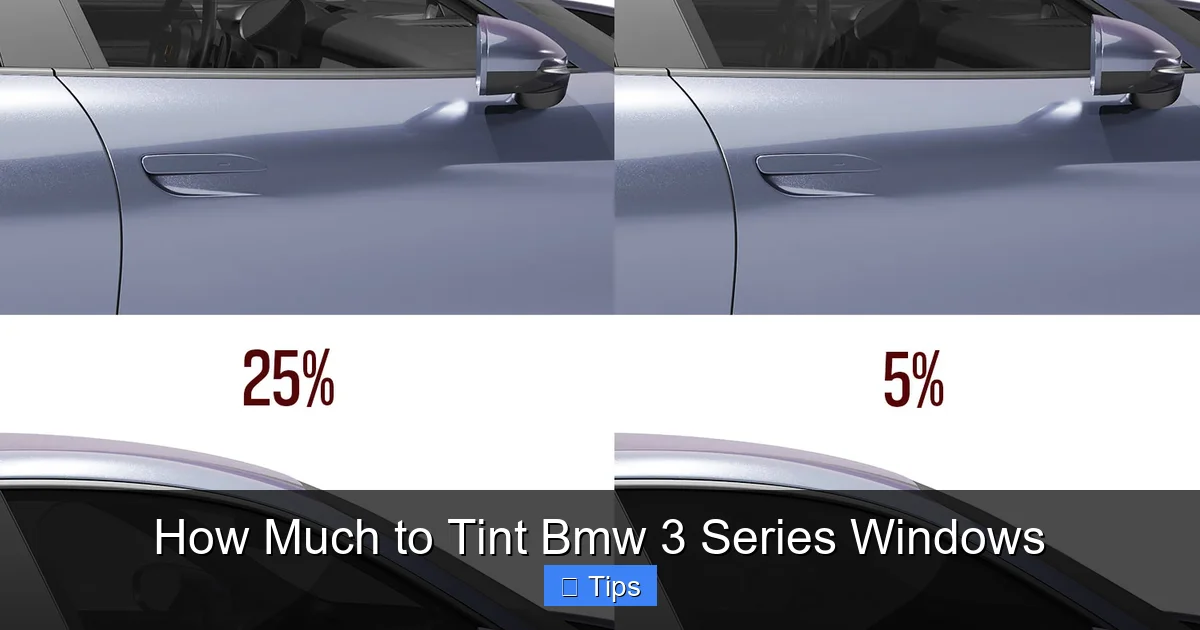
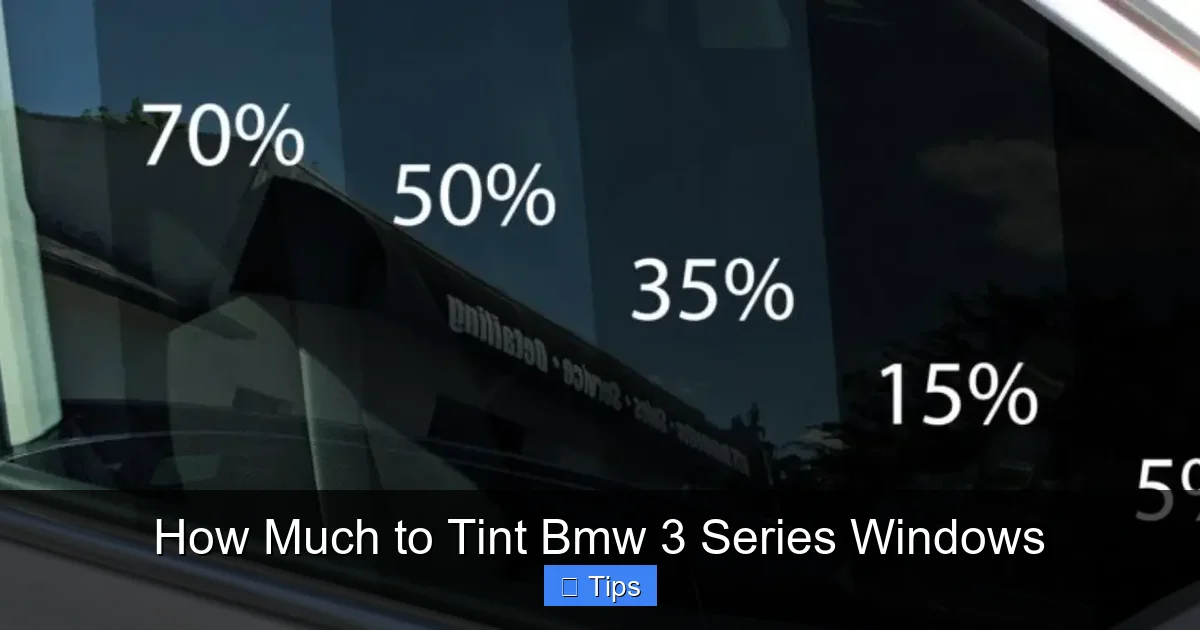
When selecting a tint, you’ll encounter terms like “VLT” (Visible Light Transmission), which measures how much light passes through the film. A 5% VLT is very dark (often called “limo tint”), while a 50% VLT is relatively light. Most states allow 35% or 50% on front side windows, but always verify local laws—more on that later.
Why the BMW 3 Series Needs Special Consideration
The BMW 3 Series isn’t just another sedan—it’s a premium vehicle with specific design features that affect tinting. For example, many models come with factory-installed rear defrosters that use fine heating wires embedded in the glass. If the tint installer isn’t careful, they can damage these wires during application, leading to defroster failure. Similarly, the curved shape of the rear windshield requires precise cutting and fitting to avoid wrinkles or gaps.
Additionally, BMW uses acoustic laminated glass on higher trims, which has a thicker interlayer. This can make the glass slightly more challenging to work with, though experienced installers handle it routinely. The key takeaway? Don’t assume any tint shop can handle a BMW properly. Look for detailers or shops that specifically mention experience with European vehicles or luxury cars.
Factors That Influence the Cost of Tinting Your BMW 3 Series

Visual guide about How Much to Tint Bmw 3 Series Windows
Image source: i.pinimg.com
Now that you understand the basics, let’s break down the main factors that determine how much you’ll pay to tint your BMW 3 Series windows. These include the type of tint film, the number of windows being tinted, labor costs in your area, and whether you opt for additional services like old film removal or warranty coverage.
Type of Tint Film
This is the single biggest cost driver. There are four main types of window tint films:
– **Dyed Film**: The most affordable option ($50–$150 for a full car). It uses a layer of dye to absorb heat and reduce glare. However, it offers minimal UV protection and can fade or bubble over time. Best for budget-conscious owners who prioritize looks over performance.
– **Metallic Film**: Contains tiny metal particles that reflect heat. More durable than dyed film and better at heat rejection, but can interfere with GPS, cell signals, and keyless entry systems—a real concern in a tech-heavy car like the 3 Series.
– **Carbon Film**: Made with carbon particles that don’t interfere with electronics. Offers excellent heat rejection, UV protection, and a matte-black finish that looks sharp on BMWs. Prices range from $200–$350.
– **Ceramic Film**: The premium choice. Uses nano-ceramic technology to block up to 99% of UV rays and 80%+ of infrared heat without signal interference. It’s scratch-resistant, long-lasting, and ideal for hot climates. Expect to pay $300–$500 or more for a full ceramic tint job.
For most BMW owners, carbon or ceramic films are worth the investment—they complement the car’s luxury feel and provide real functional benefits.
Number of Windows and Coverage
A standard tint job on a BMW 3 Series includes the four side windows and rear windshield. Some shops charge per window, while others offer package deals. Tinting only the front two windows will cost significantly less (around $80–$150), but many owners prefer full coverage for consistency and maximum benefit.
Note: The rear windshield is often the most expensive window to tint due to its large size and curvature. Some installers charge 30–50% more for this window alone. If your 3 Series has a sunroof, adding that to the job could increase the total by $50–$100.
Labor Costs and Shop Location
Labor makes up a significant portion of the total cost—typically 40–60%. Prices vary widely by region. In major cities like Los Angeles, New York, or Chicago, expect to pay $250–$450 for a quality job. In smaller towns or rural areas, you might find rates as low as $150–$250.
Reputable shops with certified installers (look for affiliations with organizations like the International Window Film Association) often charge more but provide better results, cleaner edges, and stronger warranties. Avoid the cheapest options—poor installation can lead to bubbles, peeling, or even glass damage.
Additional Services and Hidden Fees
Be aware of potential add-ons:
– **Old film removal**: If you’re replacing existing tint, some shops charge $20–$50 extra.
– **Edge sealing or ceramic coating**: Optional upgrades that improve durability and appearance.
– **Warranty registration**: Some high-end films require professional installation to activate the warranty.
Always ask for a detailed quote upfront to avoid surprises.
Legal Considerations: What You Need to Know Before Tinting
Visual guide about How Much to Tint Bmw 3 Series Windows
Image source: vicrez.com
Tinting your BMW 3 Series isn’t just a style choice—it’s also a legal matter. Every U.S. state (and many countries) has laws regulating how dark your windows can be, especially on the front side windows and windshield. Violating these laws can result in fines, failed inspections, or even having to remove the tint at your own expense.
Understanding VLT and State Laws
As mentioned earlier, VLT (Visible Light Transmission) is the key metric. It’s expressed as a percentage—the lower the number, the darker the tint. For example:
– 5% VLT = very dark (“limo tint”)
– 20% VLT = moderately dark
– 35% VLT = light tint
– 50% VLT = barely noticeable
Most states allow 35% or 50% VLT on front side windows. California, for instance, permits 70% on front windows (meaning only 30% of light is blocked), which is quite light. New York allows 70% on front windows but 20% on rear windows. Texas is more lenient, allowing 25% on front side windows.
The rear windshield and rear side windows often have more flexibility—some states allow 5% or even no restrictions—but always check your local Department of Motor Vehicles (DMV) website.
BMW 3 Series and Signal Interference
Another legal and practical concern: metallic tints can interfere with electronic systems in your BMW, including:
– Keyless entry and push-button start
– GPS navigation
– Bluetooth and cellular signals
– Tire pressure monitoring system (TPMS)
This is why ceramic and carbon films are strongly recommended for BMWs—they provide excellent performance without disrupting onboard electronics.
Medical Exemptions
Some states allow darker tints with a doctor’s note for medical conditions like lupus or severe photosensitivity. If this applies to you, carry the documentation in your car to avoid misunderstandings during traffic stops.
DIY vs. Professional Installation: Which Is Right for You?
Visual guide about How Much to Tint Bmw 3 Series Windows
Image source: clearpro.com
You might be tempted to save money by buying a DIY tint kit online ($50–$150) and doing the job yourself. After all, how hard can it be? The truth is, tinting a BMW 3 Series is far more complex than it looks—and the risks of getting it wrong are high.
The Risks of DIY Tinting
Common DIY mistakes include:
– Air bubbles trapped under the film
– Wrinkles or creases due to improper stretching
– Misaligned edges or gaps near window seals
– Damage to defroster lines or antenna strips
– Voided warranties (many film manufacturers require professional installation)
Even minor imperfections can ruin the clean, premium look of your BMW’s interior. And if you mess up the rear windshield—the largest and most curved window—you may need to replace the entire film, doubling your cost.
Benefits of Professional Installation
A skilled installer brings:
– Precision cutting using computer-patterned templates
– Clean, bubble-free application with professional tools
– Experience with BMW-specific glass shapes
– Warranty coverage (often lifetime)
– Compliance with local tint laws
Many shops also offer mobile services, coming to your home or office to tint your car while you go about your day. This convenience adds value, especially for busy professionals who own a BMW.
When DIY Might Make Sense
The only scenario where DIY could be viable is if you’re tinting a single, small window (like a rear quarter window) and are extremely patient and detail-oriented. Even then, practice on an old car first. For most BMW 3 Series owners, the peace of mind and flawless results from a professional job are well worth the extra cost.
Real-World Cost Breakdown: What to Expect in 2024
Let’s put it all together with realistic price examples based on current market rates in 2024. These estimates assume a standard BMW 3 Series sedan with four side windows and a rear windshield.
Budget Option: Dyed Film, Local Shop
– Film type: Dyed
– Coverage: All 5 windows
– Shop: Independent detailer in a mid-sized city
– Total cost: $150–$200
– Pros: Affordable, decent looks
– Cons: Poor heat rejection, may fade in 3–5 years
Mid-Range Option: Carbon Film, Reputable Shop
– Film type: Carbon
– Coverage: All 5 windows
– Shop: Certified installer with good reviews
– Total cost: $250–$350
– Pros: Great balance of price and performance, no signal interference
– Cons: Slightly less heat rejection than ceramic
Premium Option: Ceramic Film, High-End Detailer
– Film type: Ceramic (e.g., 3M Crystalline, Llumar Stratos)
– Coverage: All 5 windows + sunroof (if equipped)
– Shop: Luxury car specialist or dealership-affiliated detailer
– Total cost: $400–$600
– Pros: Maximum heat rejection, UV protection, clarity, and longevity
– Cons: Higher upfront cost
Keep in mind that prices can spike in summer months due to high demand. Booking in spring or fall may get you a better rate.
Tips for Getting the Best Value and Results
Now that you know the costs and options, here are some practical tips to ensure you get the most out of your BMW 3 Series window tinting experience:
1. **Get Multiple Quotes**: Contact at least three local shops. Ask for itemized estimates that break down film cost, labor, and any extras.
2. **Check Reviews and Credentials**: Look for shops with 4.5+ star ratings on Google or Yelp. Verify certifications (e.g., IWFA, manufacturer-trained).
3. **Ask About Warranties**: Reputable installers offer warranties covering peeling, bubbling, fading, and discoloration. Ceramic films often come with lifetime warranties.
4. **Avoid “Too Good to Be True” Deals**: If a shop quotes $99 for a full ceramic tint, run. Quality materials and skilled labor cost money.
5. **Schedule Wisely**: Tint in a clean, dust-free environment. Avoid rainy or extremely humid days, as moisture can affect adhesion.
6. **Care After Installation**: Wait at least 3–5 days before rolling windows down. Clean with ammonia-free products to preserve the film.
7. **Document Everything**: Keep your receipt and warranty info. Some insurers offer discounts for UV-protective tints—ask your agent.
Conclusion
Tinting your BMW 3 Series windows is a smart investment that enhances comfort, privacy, and protection—but it’s not a decision to take lightly. The cost can range from $150 for a basic dyed film to $600+ for premium ceramic coverage, depending on your priorities and location. While DIY might seem tempting, the precision required for BMW’s curved glass and advanced features makes professional installation the clear winner for most owners.
Remember to factor in legal limits, signal interference, and long-term durability when choosing your film. And always go with a trusted installer who understands European vehicles. With the right approach, your tinted BMW 3 Series will look sharper, stay cooler, and protect your interior for years to come—all without breaking the bank or running afoul of the law.
Frequently Asked Questions
How much does it cost to tint all windows on a BMW 3 Series?
The cost to tint all five windows on a BMW 3 Series typically ranges from $150 to $400, depending on the type of film and the installer’s rates. Premium ceramic films can push the price toward $500 or more.
Can I tint my BMW 3 Series myself?
While DIY kits are available, tinting a BMW 3 Series is challenging due to curved glass and sensitive electronics. Professional installation is strongly recommended to avoid bubbles, peeling, or damage.
Is it legal to tint BMW 3 Series front windows?
Legality depends on your state’s VLT laws. Most states allow 35% or 50% on front side windows—check your local DMV regulations before choosing a tint shade.
Will tinting interfere with my BMW’s keyless entry or GPS?
Metallic tints can interfere with signals, but ceramic and carbon films are designed to be non-conductive and safe for use with BMW’s electronic systems.
How long does window tint last on a BMW?
High-quality ceramic or carbon films can last 10+ years with proper care. Many come with lifetime warranties against fading, bubbling, or peeling.
Should I tint the rear windshield on my BMW 3 Series?
Yes, if you want maximum heat and UV protection. However, it’s often the most expensive window to tint due to its size and curvature—expect to pay 30–50% more for this window alone.

At CarLegit, we believe information should be clear, factual, and genuinely helpful. That’s why every guide, review, and update on our website is created with care, research, and a strong focus on user experience.