
The value of a 2007 BMW X3 depends on mileage, condition, service history, and location. On average, prices range from $3,500 to $8,000, with well-maintained models fetching higher prices. This guide breaks down everything you need to know to determine a fair market value.
If you’re wondering, “How much is a 2007 BMW X3 worth?” you’re not alone. This compact luxury SUV has been a favorite among drivers who want a blend of performance, comfort, and all-wheel-drive capability. But after nearly two decades on the road, its value has shifted dramatically from its original MSRP of around $38,000. Today, the 2007 BMW X3 sits in a unique spot in the used car market—offering premium features at a fraction of the cost, but also carrying the reputation of BMW’s higher maintenance demands.
So, what’s it really worth in 2024? The short answer: it depends. A lot. The value of a 2007 BMW X3 isn’t set in stone. It fluctuates based on a mix of mechanical condition, cosmetic appearance, mileage, location, and even the time of year you’re selling. Some well-cared-for examples still command respectable prices, while neglected models can be found for under $3,000. This guide will walk you through every factor that influences pricing, help you assess your own vehicle, and give you practical tips to maximize its value—whether you’re buying, selling, or just curious.
In This Article
- 1 Key Takeaways
- 2 📑 Table of Contents
- 3 Understanding the 2007 BMW X3: A Quick Overview
- 4 Factors That Determine the Value of a 2007 BMW X3
- 5 Common Issues That Affect Value
- 6 How to Determine the Market Value of Your 2007 BMW X3
- 7 Tips to Maximize Your 2007 BMW X3’s Value
- 8 Conclusion: Is a 2007 BMW X3 Worth Buying or Selling?
- 9 Frequently Asked Questions
Key Takeaways
- Mileage matters most: Lower-mileage X3s (under 100,000 miles) typically sell for $6,000–$8,000, while high-mileage models drop below $4,000.
- Service history is key: A documented maintenance record can increase value by 15–20%, especially for major services like timing chain or turbo replacements.
- Trim and options affect price: The higher-end 3.0si trim with leather, sunroof, and navigation commands a premium over base models.
- Market demand varies by region: SUVs like the X3 hold value better in colder climates where AWD is preferred.
- Common issues impact resale: Known problems like VANOS solenoid failure or cooling system leaks can lower value if not repaired.
- Private sales vs. dealers: Selling privately often yields 10–15% more than trading in or selling to a dealership.
- Timing your sale helps: Spring and early summer see higher demand for used SUVs, potentially boosting your sale price.
📑 Table of Contents
Understanding the 2007 BMW X3: A Quick Overview
The 2007 BMW X3 was part of the first generation (E83) of BMW’s compact SUV lineup. It was designed to compete with vehicles like the Acura RDX, Mercedes-Benz GLK, and Audi Q5—though it predated most of them. Built on a modified 3 Series platform, the X3 offered a sporty driving experience with the added utility of an elevated ride height and standard all-wheel drive (xDrive). It came in two main trims: the base X3 3.0i and the more powerful X3 3.0si, both powered by a 3.0-liter inline-6 engine.
The 3.0i produced 225 horsepower, while the 3.0si bumped that up to 260 hp thanks to a more advanced Valvetronic engine. Both were paired with a 6-speed automatic transmission. Inside, the X3 offered a driver-focused cockpit with high-quality materials for its time—leather seats, wood trim, and a premium audio system were common on higher trims. Features like a panoramic sunroof, heated seats, and navigation were available as options, adding to the vehicle’s luxury appeal.
Despite its strengths, the 2007 X3 wasn’t without flaws. It was often criticized for its stiff ride, limited rear legroom, and a somewhat outdated interior design compared to newer competitors. But for buyers seeking a used luxury SUV with BMW’s signature handling, it remains an attractive option—especially at today’s lower price points.
Factors That Determine the Value of a 2007 BMW X3
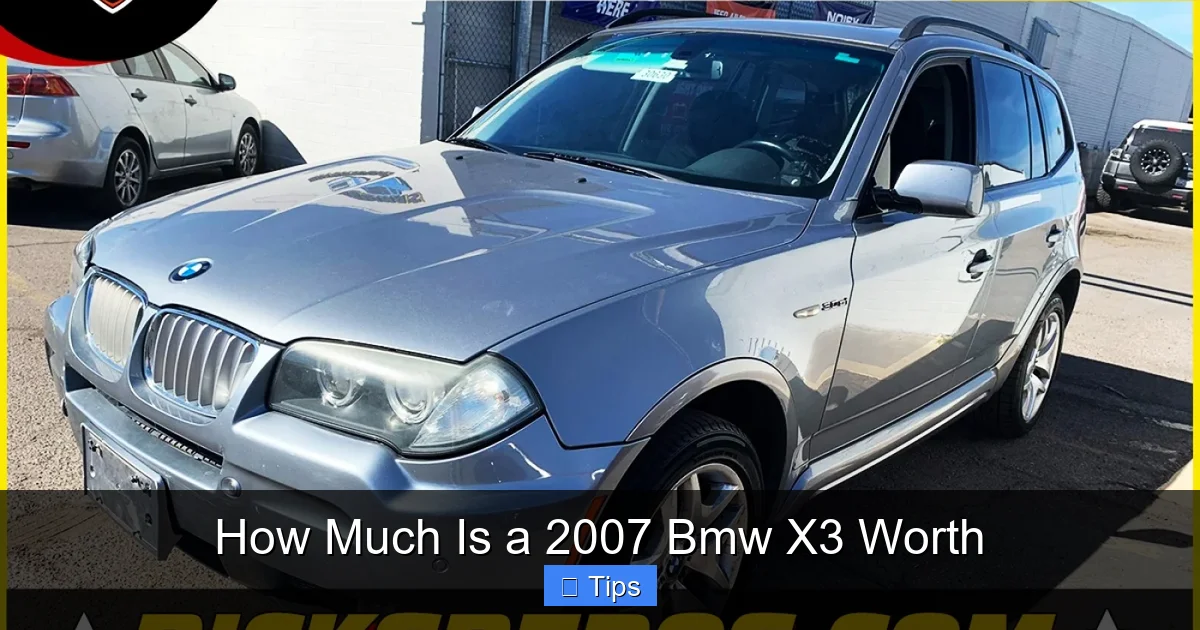
Visual guide about How Much Is a 2007 Bmw X3 Worth
Image source: ricksrepos.com
When evaluating how much a 2007 BMW X3 is worth, several key factors come into play. These aren’t just about how the car looks or how many miles it has—they’re about the overall story the vehicle tells. Let’s break down the most important ones.
Mileage: The Single Biggest Pricing Factor
Mileage is the most straightforward indicator of a car’s wear and tear. For the 2007 X3, average annual mileage is around 12,000–15,000 miles. That means a 17-year-old car with 200,000+ miles is well above average, while one with under 100,000 is considered low-mileage for its age.
Here’s a general pricing guideline based on mileage:
– Under 80,000 miles: $6,500–$8,000
– 80,000–120,000 miles: $5,000–$6,500
– 120,000–160,000 miles: $4,000–$5,000
– Over 160,000 miles: $3,000–$4,000
Keep in mind, these are rough estimates. A high-mileage X3 with a full service history and no major issues can still outperform a low-mileage one that’s been neglected.
Vehicle Condition: Mechanical and Cosmetic
Condition covers both how the car drives and how it looks. A well-maintained X3 with smooth acceleration, quiet operation, and no warning lights will always be worth more than one with clunking noises, rough shifts, or check engine lights.
Mechanically, pay attention to:
– Engine performance (no hesitation or misfires)
– Transmission smoothness (no slipping or delayed shifts)
– Suspension and steering (no clunks or vibrations)
– Brake function (responsive, no grinding)
Cosmetically, exterior paint condition, interior wear, and tire quality matter. A car with minor scratches or faded paint might still be solid, but deep dents, rust, or a torn interior can significantly reduce value. A full detailing can add $200–$500 to your sale price by making the car more appealing.
Service and Maintenance History
This is where many sellers lose value without realizing it. A 2007 BMW X3 with a complete maintenance log—especially records of major services—can command a premium. BMWs are known for requiring timely maintenance, and buyers know that skipping oil changes or ignoring service intervals can lead to expensive repairs.
Key services that boost value include:
– Timing chain and tensioner replacement (common failure point)
– VANOS solenoid service (affects engine performance)
– Cooling system overhaul (water pump, thermostat, radiator)
– Brake and suspension component replacements
If you have receipts or a digital log, include them in your listing. A car with documented timing chain work at 120,000 miles, for example, is far more trustworthy than one with unknown history—even if both have similar mileage.
Trim Level and Optional Features
Not all 2007 X3s are created equal. The base 3.0i trim is more common and typically less expensive, while the 3.0si with its more powerful engine and upgraded interior can fetch $1,000–$1,500 more.
Optional features also play a role. A model equipped with:
– Leather seats
– Heated front and rear seats
– Panoramic sunroof
– Navigation system
– Premium sound (e.g., Harman Kardon)
– Xenon headlights
…will generally sell for more than a stripped-down version. These features were expensive when new, and their presence signals a more cared-for vehicle.
Location and Market Demand
Where you live affects how much your X3 is worth. In regions with harsh winters—like the Midwest, Northeast, or mountainous areas—AWD vehicles like the X3 are in higher demand. This can push prices up by 10–15% compared to warmer climates where FWD SUVs are more common.
Urban areas with higher population density also tend to have more buyers, increasing competition and potentially driving up prices. Conversely, rural areas may have fewer interested parties, leading to lower offers.
Additionally, local market trends matter. If SUVs are hot in your area, you’ll get more interest. If the market is flooded with similar models, you may need to price competitively.
Common Issues That Affect Value

Visual guide about How Much Is a 2007 Bmw X3 Worth
Image source: media.carsandbids.com
The 2007 BMW X3 has a few well-known mechanical issues that can significantly impact its value—especially if they haven’t been addressed. Savvy buyers will look for these, and unresolved problems can lead to lowball offers or failed inspections.
Timing Chain and Tensioner Failure
This is the most notorious issue with the 2007 X3’s 3.0-liter engine. The timing chain can stretch or the tensioner can fail, leading to a rattling noise at startup and, in severe cases, catastrophic engine damage. Repair costs can exceed $2,500 if the engine needs to be opened.
A vehicle with a documented timing chain replacement is far more valuable. If the repair hasn’t been done, buyers will factor in the cost—often subtracting $1,500–$2,000 from their offer.
VANOS Solenoid Problems
The VANOS system controls valve timing for better performance and efficiency. Over time, the solenoids can clog or fail, causing rough idle, reduced power, and poor fuel economy. Replacing them is relatively inexpensive ($200–$400), but if ignored, it can lead to more serious engine issues.
A well-maintained X3 should have clean VANOS solenoids. If your car has a check engine light with VANOS-related codes, address it before selling.
Cooling System Failures
BMW’s cooling systems are prone to leaks and component failure, especially as the car ages. Common culprits include the water pump, thermostat, radiator, and expansion tank. A failing water pump can overheat the engine, causing warped heads or blown head gaskets.
A full cooling system service—typically recommended every 60,000–80,000 miles—can cost $800–$1,200. But having it done recently adds peace of mind and value.
Electrical and Sensor Issues
Older BMWs are known for electrical gremlins. Faulty oxygen sensors, crankshaft position sensors, or door lock actuators can trigger warning lights and affect drivability. While many of these are fixable, a car with multiple unresolved electrical issues will be harder to sell.
Suspension and Steering Wear
The X3’s sport-tuned suspension wears out over time. Worn control arms, bushings, or struts can cause clunking, poor handling, and uneven tire wear. Replacing these components can cost $1,000+, but a smooth-riding X3 is more appealing to buyers.
How to Determine the Market Value of Your 2007 BMW X3

Visual guide about How Much Is a 2007 Bmw X3 Worth
Image source: platform.cstatic-images.com
Now that you know what affects value, how do you actually find out what your X3 is worth? Here’s a step-by-step approach to get an accurate estimate.
Use Online Valuation Tools
Start with trusted resources like:
– Kelley Blue Book (KBB)
– Edmunds
– NADA Guides
– Autotrader’s pricing tool
Enter your VIN, mileage, trim, options, and condition. These tools give you a baseline “private party” and “trade-in” value. For example, a 2007 X3 3.0si with 90,000 miles in “good” condition might show a private party value of $6,200.
But remember: these are estimates. They don’t account for unique factors like recent repairs or local demand.
Check Recent Sales Data
Look at actual sold listings on platforms like:
– Facebook Marketplace
– Craigslist
– Cars.com
– eBay Motors
Filter for “sold” or “pending” listings to see what similar X3s have actually sold for. Pay attention to:
– Mileage
– Location
– Condition descriptions
– Included features
For instance, you might find a 2007 X3 3.0i with 110,000 miles in Ohio sold for $4,800, while a similar one in Colorado went for $5,500 due to higher SUV demand.
Get a Professional Inspection
If you’re serious about selling, consider paying $100–$150 for a pre-purchase inspection by a BMW specialist. They’ll check for hidden issues and give you a detailed report. You can use this to justify a higher price or address problems before listing.
Adjust for Your Car’s Story
Finally, adjust your price based on your X3’s unique story. If you’ve:
– Replaced the timing chain
– Done a full cooling system overhaul
– Kept detailed service records
– Recently detailed the interior
…you can price toward the higher end of the range. If the car needs tires, has a check engine light, or lacks service history, price lower to attract buyers.
Tips to Maximize Your 2007 BMW X3’s Value
Whether you’re selling soon or just want to preserve value, these tips can help you get the most out of your X3.
Address Known Issues Before Selling
Fixing common problems like VANOS solenoids, oxygen sensors, or minor leaks shows buyers you’ve maintained the car. Even small repairs can increase perceived value.
Detail the Interior and Exterior
A clean car sells faster and for more. Wash, wax, vacuum, and clean the interior thoroughly. Consider professional detailing if the car has stains or odors.
Gather and Present Documentation
Compile all service records, repair receipts, and owner’s manuals. Present them in a folder or digital format. This builds trust and justifies a higher price.
Price Competitively
Research similar listings and price yours slightly below the average to attract quick interest. You can always negotiate up if you get multiple offers.
Choose the Right Platform
Selling on Facebook Marketplace or Craigslist often yields higher returns than trading in. Dealerships need to make a profit, so they’ll offer less. But private sales take more effort—be prepared for calls, test drives, and negotiations.
Time Your Sale Right
List your X3 in spring or early summer when SUV demand peaks. Avoid winter months when buyers are less active.
Conclusion: Is a 2007 BMW X3 Worth Buying or Selling?
So, how much is a 2007 BMW X3 worth? The answer isn’t one-size-fits-all. But with average prices ranging from $3,500 to $8,000, it remains an affordable entry into luxury SUV ownership—especially for buyers who value driving dynamics and AWD capability.
For sellers, the key to maximizing value lies in maintenance, transparency, and timing. A well-documented, low-mileage X3 with recent major services can still command a strong price. For buyers, it’s a chance to own a BMW with real driving character at a fraction of the original cost—just be prepared for potential repairs.
Ultimately, the 2007 BMW X3 is a testament to the idea that age doesn’t define value. It’s the care, condition, and story behind the car that truly matter. Whether you’re buying or selling, doing your homework will ensure you get a fair deal.
Frequently Asked Questions
What is the average price of a 2007 BMW X3 in 2024?
The average price ranges from $3,500 to $8,000, depending on mileage, condition, and location. Lower-mileage, well-maintained models typically sell for $6,000–$8,000.
Is the 2007 BMW X3 reliable?
The 2007 X3 can be reliable if properly maintained, but it has known issues like timing chain failure and cooling system leaks. Regular service is essential to avoid costly repairs.
How many miles is too many for a 2007 BMW X3?
Over 160,000 miles is considered high for this model. However, a well-maintained X3 with 180,000 miles can still be a good buy if major services have been completed.
What should I look for when buying a used 2007 BMW X3?
Check for timing chain replacement, service history, cooling system condition, and electrical issues. A pre-purchase inspection by a BMW specialist is highly recommended.
Can I negotiate the price of a 2007 BMW X3?
Yes, most private sellers and dealers expect negotiation. Use comparable listings and any needed repairs as leverage to lower the price.
Is it worth fixing a 2007 BMW X3 with high mileage?
It depends on the repair cost versus the car’s value. If the repair is under $2,000 and the car is otherwise solid, it may be worth fixing. For major engine work, consider the cost carefully.

At CarLegit, we believe information should be clear, factual, and genuinely helpful. That’s why every guide, review, and update on our website is created with care, research, and a strong focus on user experience.