
Turning on the heater in a Toyota Corolla is easy once you know the basics. This guide walks you through the process, from starting your engine to adjusting climate settings for maximum comfort. Whether you’re a new driver or just need a refresher, you’ll stay cozy in no time.
In This Article
- 1 Key Takeaways
- 2 📑 Table of Contents
- 3 Introduction: Staying Warm in Your Toyota Corolla
- 4 Understanding How Your Corolla’s Heater Works
- 5 Step-by-Step Guide: How to Turn On the Heater in a Toyota Corolla
- 6 Using Automatic Climate Control (If Equipped)
- 7 Common Issues and Troubleshooting
- 8 Maintenance Tips to Keep Your Heater Running Smoothly
- 9 Conclusion: Stay Warm and Safe All Winter
- 10 Frequently Asked Questions
- 10.1 How long should I let my Corolla warm up before using the heater?
- 10.2 Can I use the heater while the engine is off?
- 10.3 Why is my Corolla’s heater blowing cold air?
- 10.4 Is it bad to leave the recirculation mode on all the time?
- 10.5 Do I need to use a specific type of coolant in my Corolla?
- 10.6 Can I drive my Corolla if the heater isn’t working?
Key Takeaways
- Start the engine first: The heater only works when the engine is running and has reached operating temperature.
- Use the climate control panel: Locate the temperature dial or touchscreen controls to adjust heat settings.
- Set fan speed and airflow direction: Choose where the warm air blows—defrost, feet, face, or a combination.
- Allow time to warm up: It may take 5–10 minutes for warm air to flow, especially in cold weather.
- Use recirculation mode wisely: It helps heat the cabin faster but should be turned off periodically for fresh air.
- Check coolant levels regularly: Low coolant can prevent the heater from working properly.
- Modern models may have automatic climate control: These systems adjust heat automatically based on your preferred temperature.
📑 Table of Contents
- Introduction: Staying Warm in Your Toyota Corolla
- Understanding How Your Corolla’s Heater Works
- Step-by-Step Guide: How to Turn On the Heater in a Toyota Corolla
- Using Automatic Climate Control (If Equipped)
- Common Issues and Troubleshooting
- Maintenance Tips to Keep Your Heater Running Smoothly
- Conclusion: Stay Warm and Safe All Winter
Introduction: Staying Warm in Your Toyota Corolla
Winter driving can be a challenge, especially when your car’s heater isn’t working as it should. If you’ve ever sat in a freezing Toyota Corolla, shivering while waiting for warmth that never comes, you’re not alone. Many drivers—especially new ones—struggle with understanding how the heating system works. The good news? Turning on the heater in a Toyota Corolla is simpler than it seems, once you know the right steps.
The Corolla, known for its reliability and fuel efficiency, also comes equipped with a dependable climate control system. Whether you drive a newer model with a touchscreen interface or an older version with manual dials, the core principles remain the same. The heater doesn’t run on electricity like a space heater at home. Instead, it uses heat from the engine’s coolant system. That means you need to let the engine warm up before expecting to feel warm air blowing from the vents.
In this guide, we’ll walk you through everything you need to know about how to turn on the heater in your Toyota Corolla. From basic operation to troubleshooting common issues, we’ll cover it all in simple, easy-to-follow steps. By the end, you’ll be able to stay comfortable and safe, no matter how cold it gets outside.
Understanding How Your Corolla’s Heater Works
Visual guide about How to Turn on Heater in Toyota Corolla
Image source: s3-ap-southeast-2.amazonaws.com
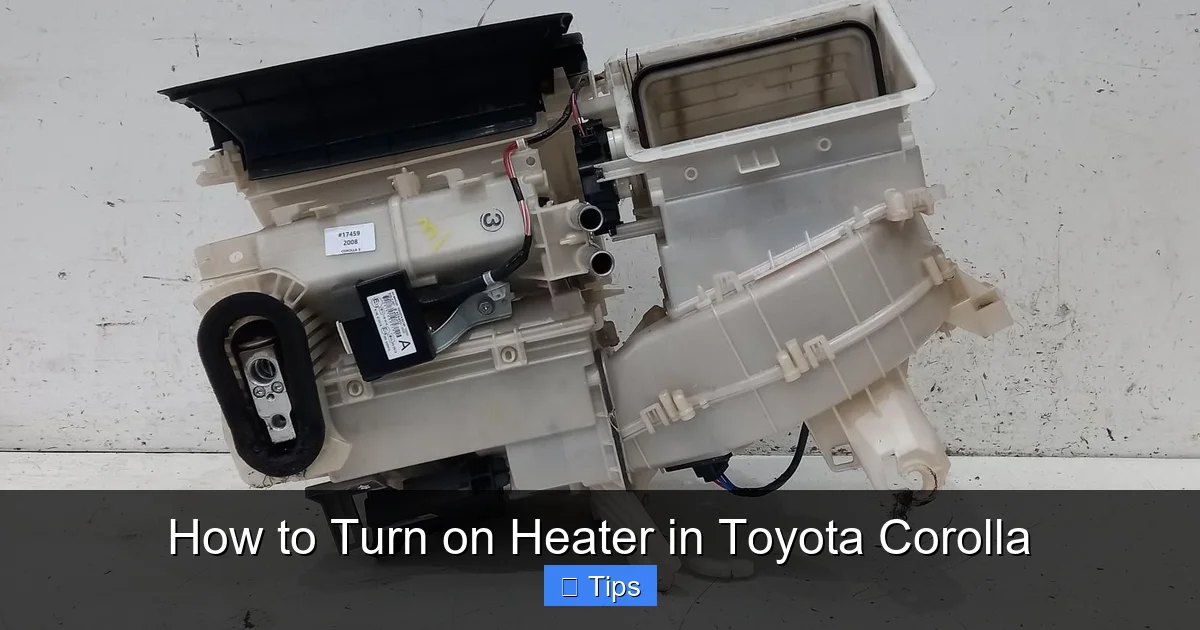
Before you can effectively use your heater, it helps to understand how it actually works. The heating system in your Toyota Corolla is part of the vehicle’s overall climate control system, which includes both heating and air conditioning. Unlike portable heaters that plug into a wall, your car’s heater relies on the engine’s cooling system to generate warmth.
When your engine runs, it produces a lot of heat. This heat is absorbed by the engine coolant—a mixture of water and antifreeze—that circulates through the engine block. As the coolant gets hot, it flows through a small radiator-like component called the heater core, which is located inside the dashboard. A fan then blows air over the heater core, warming the air before it’s sent into the cabin through the vents.
This means the heater only works when the engine is running and the coolant has reached a certain temperature. If you start your car and immediately blast the heat, you’ll likely get cold or lukewarm air at first. That’s completely normal. It takes time for the engine to warm up, especially on cold mornings. In fact, most experts recommend waiting at least 5 to 10 minutes before expecting warm air, depending on the outside temperature.
Another important factor is the thermostat. This small but crucial component regulates the flow of coolant through the engine. If the thermostat is stuck open, the engine may take longer to warm up, delaying heat production. On the other hand, if it’s stuck closed, the engine could overheat. Regular maintenance helps ensure the thermostat and cooling system are working properly.
Key Components of the Heating System
To get the most out of your heater, it’s helpful to know the main parts involved:
- Heater Core: A small radiator behind the dashboard that heats incoming air.
- Blower Motor: The fan that pushes air through the heater core and into the cabin.
- Temperature Control Valve or Blend Door: Regulates how much hot coolant flows into the heater core.
- Climate Control Panel: The dashboard interface where you adjust temperature, fan speed, and airflow.
- Coolant System: Includes the radiator, water pump, and hoses that circulate hot fluid.
Understanding these components can help you diagnose issues if your heater isn’t working. For example, if the blower motor fails, you won’t feel any air at all—hot or cold. If the heater core is clogged, you might get air, but it won’t be warm. Regular maintenance, like flushing the coolant system every few years, can prevent many of these problems.
Step-by-Step Guide: How to Turn On the Heater in a Toyota Corolla
Visual guide about How to Turn on Heater in Toyota Corolla
Image source: knowmyauto.b-cdn.net
Now that you know how the system works, let’s get into the practical steps. Turning on the heater in your Toyota Corolla is straightforward, but there are a few key things to remember for the best results.
Step 1: Start the Engine
The first and most important step is to start your car. The heater cannot function without the engine running because it relies on engine heat. Turn the key or press the start button to ignite the engine. If you’re using a remote start feature (available on some newer models), make sure the engine is fully running before you get in.
Step 2: Let the Engine Warm Up
Once the engine is running, give it a few minutes to warm up. This is especially important in cold weather. While modern engines don’t need long warm-up periods like older models, the coolant still needs time to reach operating temperature—usually around 195°F (90°C). You’ll know it’s warming up when the temperature gauge on your dashboard begins to rise from the cold (C) mark toward the middle.
Avoid revving the engine or driving aggressively during this time. Gentle idling is fine, but excessive RPMs won’t speed up the warming process and could strain the engine.
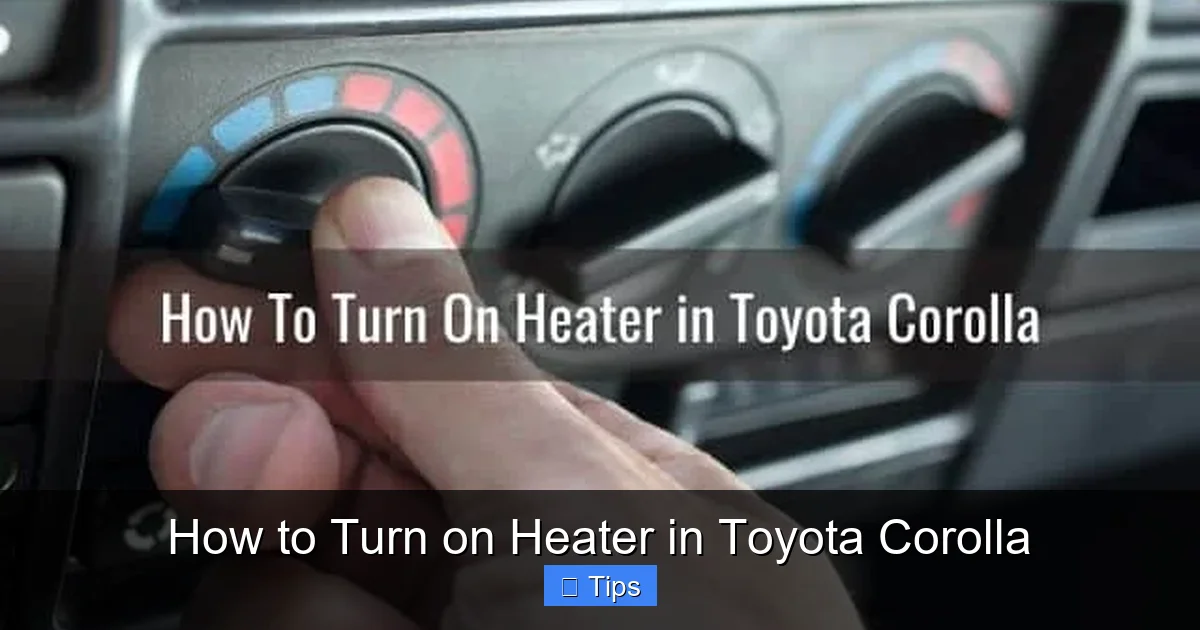
Step 3: Adjust the Temperature Setting
Now it’s time to turn on the heat. Locate the climate control panel on your dashboard. In most Toyota Corollas, you’ll see a temperature dial or digital display. Turn the dial to the right (warmer) side or press the “+” button if you have a touchscreen. The red zone or higher numbers indicate warmer temperatures.
If your Corolla has dual-zone climate control (more common in higher trims), you can set different temperatures for the driver and passenger sides. Simply adjust each side independently using the respective controls.
Step 4: Set the Fan Speed
Next, adjust the fan speed. Look for a dial or buttons labeled with numbers or fan icons. Higher numbers mean more airflow. Start with a medium setting (around 2 or 3) and increase as needed. Keep in mind that even with the heat on, the air may still feel cool at first because the heater core hasn’t warmed up yet.
Step 5: Choose the Airflow Direction
Your Corolla allows you to control where the air blows. Common options include:
- Face: Air flows toward your upper body and head.
- Feet: Air blows toward your feet—great for warming up quickly.
- Defrost: Air goes to the windshield to clear fog or ice.
- Bi-level: A mix of face and feet for balanced comfort.
For maximum warmth, especially on cold mornings, start with the “feet” setting. Warm air rises, so directing it downward helps heat the entire cabin more efficiently.
Step 6: Use Recirculation Mode (Optional)
Many Corollas have a recirculation button (usually marked with a car icon and curved arrow). When activated, this mode recirculates the air inside the cabin instead of pulling in cold outside air. This helps heat the interior faster and reduces strain on the heater.
However, don’t leave recirculation on for too long—especially with passengers. It can reduce oxygen levels and cause drowsiness. Switch to fresh air mode every 15–20 minutes to keep the air quality good.
Step 7: Monitor and Adjust
Once everything is set, sit back and wait. Within 5 to 10 minutes, you should start feeling warm air coming from the vents. If it’s still cold after 15 minutes, there may be an issue with the heating system (we’ll cover troubleshooting later).
As the cabin warms up, you can fine-tune the settings. Lower the fan speed if it’s too loud, or adjust the temperature dial to maintain comfort. Some drivers prefer to keep the heat at a moderate level to avoid overheating or drying out the air.
Using Automatic Climate Control (If Equipped)
Visual guide about How to Turn on Heater in Toyota Corolla
Image source: shop.jacksonstoyota.com
If your Toyota Corolla has automatic climate control—common in models from 2017 onward—the process is even easier. These systems use sensors to monitor cabin temperature and adjust heating, cooling, and fan speed automatically.
How to Use Auto Mode
To activate automatic climate control:
- Press the “AUTO” button on the climate panel.
- Set your desired temperature using the temperature controls.
- The system will automatically adjust fan speed, airflow direction, and even switch between heating and cooling as needed.
For example, if you set the temperature to 72°F, the system will work to maintain that level, whether it’s heating in winter or cooling in summer. This is especially convenient during seasonal transitions when temperatures fluctuate.
Tips for Best Results
- Pre-set your temperature: Choose a comfortable setting (like 70–74°F) and stick with it.
- Use the “Sync” button: If you have dual-zone climate control, “Sync” ensures both sides match.
- Avoid extreme settings: Setting the temperature too high won’t heat the car faster—it just makes the system work harder.
Automatic systems are designed for comfort and efficiency, so trust the technology. However, you can still manually override settings if needed—just press any manual control, and the system will switch out of auto mode.
Common Issues and Troubleshooting
Even with proper use, you might run into problems with your Corolla’s heater. Here are some common issues and how to fix them.
No Heat Coming from Vents
If you’ve followed all the steps and still feel cold air, the problem could be:
- Low coolant level: Check the coolant reservoir under the hood. If it’s low, top it off with the correct type of coolant (usually Toyota Super Long Life Coolant).
- Air in the cooling system: Air pockets can block coolant flow. This may require a professional bleed of the system.
- Faulty thermostat: If the engine isn’t warming up, the thermostat may be stuck open. A mechanic can test and replace it if needed.
- Clogged heater core: Over time, sediment can build up in the heater core, blocking hot coolant. Flushing the system may help.
Blower Fan Not Working
If you hear no sound when you turn on the fan, possible causes include:
- Blown fuse: Check the fuse box (usually under the dashboard or hood) and replace any blown fuses.
- Faulty blower motor: The motor may have worn out and need replacement.
- Broken resistor: Controls fan speed. If only high speed works, the resistor is likely the issue.
Weak or Intermittent Heat
If the heat comes and goes or isn’t strong enough:
- Blend door malfunction: This door controls how much air passes over the heater core. If it’s stuck, you may need a repair.
- Dirty cabin air filter: A clogged filter restricts airflow. Replace it every 12,000 to 15,000 miles.
- Coolant leak: Look for puddles under the car or a sweet smell inside the cabin—signs of a leak.
Unusual Smells or Sounds
- Sweet smell: Could indicate a coolant leak, possibly from the heater core.
- Musty odor: Often caused by mold in the evaporator or ducts. Use an HVAC cleaner or replace the cabin filter.
- Rattling or clicking: May be a loose component in the blower motor or blend door.
If you’re unsure about any of these issues, it’s best to visit a certified Toyota service center. They have the tools and expertise to diagnose and fix heating problems quickly.
Maintenance Tips to Keep Your Heater Running Smoothly
Prevention is key when it comes to heater performance. Regular maintenance can save you from cold surprises and costly repairs.
Check Coolant Levels Monthly
Coolant is the lifeblood of your heating system. Check the reservoir regularly—when the engine is cool—and top it off if needed. Use only the recommended coolant type for your Corolla.
Flush the Cooling System
Over time, coolant breaks down and collects debris. Toyota recommends flushing the cooling system every 5 years or 60,000 miles. This removes old coolant and cleans the heater core and radiator.
Replace the Cabin Air Filter
A clean filter ensures good airflow and prevents odors. Most Corolla models have a cabin air filter behind the glove box. Replace it every 12,000 to 15,000 miles, or more often if you drive in dusty areas.
Inspect Hoses and Belts
Check the coolant hoses for cracks, leaks, or soft spots. Also, inspect the serpentine belt that drives the water pump. A broken belt means no coolant flow—and no heat.
Test the Heater Before Winter
Don’t wait for the first cold snap. Test your heater in late fall to make sure everything works. This gives you time to fix any issues before you really need the heat.
Conclusion: Stay Warm and Safe All Winter
Knowing how to turn on the heater in your Toyota Corolla is essential for comfort and safety during cold weather. It’s not complicated—just start the engine, let it warm up, adjust the temperature and fan, and choose the right airflow direction. With automatic climate control, the process is even simpler.
Remember, the heater relies on engine heat, so patience is key. Don’t expect instant warmth, especially on freezing mornings. And if you run into problems, don’t ignore them. Regular maintenance and timely repairs will keep your Corolla’s heating system running smoothly for years to come.
By following the steps in this guide, you’ll be able to enjoy a warm, cozy cabin no matter how cold it gets outside. Stay safe, stay comfortable, and drive with confidence all winter long.
Frequently Asked Questions
How long should I let my Corolla warm up before using the heater?
You should let the engine run for at least 5 to 10 minutes before expecting warm air. This allows the coolant to reach operating temperature and the heater core to warm up.
Can I use the heater while the engine is off?
No, the heater requires the engine to be running. It uses heat from the engine’s coolant system, so turning off the engine cuts off the heat source.
Why is my Corolla’s heater blowing cold air?
Cold air usually means the engine hasn’t warmed up yet, or there’s an issue like low coolant, a faulty thermostat, or a clogged heater core. Check coolant levels and let the engine run longer.
Is it bad to leave the recirculation mode on all the time?
Yes, it can reduce air quality and cause drowsiness. Use recirculation to heat the cabin faster, but switch to fresh air mode every 15–20 minutes.
Do I need to use a specific type of coolant in my Corolla?
Yes, Toyota recommends using Toyota Super Long Life Coolant or an equivalent. Using the wrong type can damage the cooling system.
Can I drive my Corolla if the heater isn’t working?
Yes, you can drive safely, but you’ll be uncomfortable in cold weather. However, if the issue is related to coolant or overheating, have it checked immediately to avoid engine damage.

At CarLegit, we believe information should be clear, factual, and genuinely helpful. That’s why every guide, review, and update on our website is created with care, research, and a strong focus on user experience.