
Finding a replacement fuse for your car doesn’t have to be stressful. Whether you’re dealing with a blown headlight or a dead radio, knowing where to buy a fuse for a car—and how to choose the right one—can save you time and money. This guide covers all your options, from local auto parts stores to online marketplaces, so you can get the right fuse quickly and confidently.
In This Article
- 1 Key Takeaways
- 2 📑 Table of Contents
- 3 Where to Buy a Fuse for a Car: Your Complete Guide
- 4 Understanding Car Fuses: Why They Matter
- 5 Where to Buy a Fuse for a Car: Top Retail Options
- 6 How to Choose the Right Fuse for Your Car
- 7 DIY Tips: Replacing a Car Fuse Safely
- 8 When to See a Mechanic
- 9 Conclusion: Be Prepared, Stay Safe
- 10 Frequently Asked Questions
Key Takeaways
- Auto parts stores like AutoZone and O’Reilly offer free fuse testing and in-stock replacements. Many locations even help you install the new fuse at no extra cost.
- Dealerships sell OEM fuses that match your car’s exact specifications. While pricier, they ensure compatibility and reliability for newer or luxury vehicles.
- Online retailers such as Amazon and RockAuto provide a wide selection and competitive pricing. You can compare brands, read reviews, and have fuses delivered to your door.
- Hardware stores like Home Depot and Lowe’s carry basic automotive fuses. Great for emergencies when you’re far from a dedicated auto shop.
- Always check your owner’s manual or fuse box diagram before buying. Using the wrong amperage can damage your car’s electrical system.
- Keep a fuse kit in your glove compartment for roadside emergencies. A small investment now can prevent major headaches later.
- Fuses are inexpensive, typically ranging from $1 to $10. Buying in bulk or multi-packs can save money over time.
📑 Table of Contents
Where to Buy a Fuse for a Car: Your Complete Guide
Picture this: You’re driving home on a rainy night, and suddenly your headlights flicker and go out. Or maybe your car radio stops working, or the power windows won’t respond. One of the first things you should check? The fuse. Fuses are small but mighty components that protect your vehicle’s electrical system from overloads. When one blows, it’s usually a quick and inexpensive fix—but only if you know where to buy a fuse for a car and how to replace it properly.
Don’t let a blown fuse leave you stranded or stressed. Whether you’re a seasoned DIYer or a first-time car owner, understanding your options for purchasing a replacement fuse can make all the difference. From local auto parts stores to online retailers, there are plenty of places to get the right fuse fast. In this guide, we’ll walk you through every option, explain how to identify the correct fuse, and share tips to keep your car running smoothly. By the end, you’ll know exactly where to buy a fuse for a car—and how to avoid common mistakes.
Understanding Car Fuses: Why They Matter
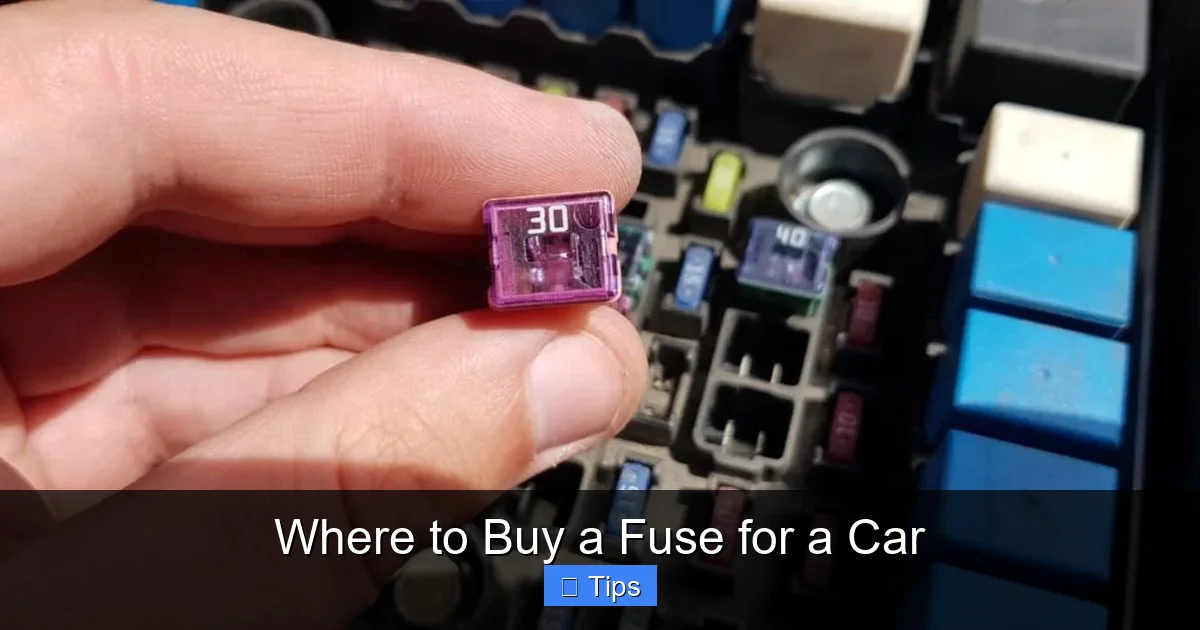
Before we dive into where to buy a fuse for a car, let’s take a moment to understand what fuses do and why they’re so important. A fuse is a safety device designed to protect your car’s electrical circuits. It contains a thin strip of metal that melts when too much current flows through it, breaking the circuit and preventing damage to wires, components, or even your entire electrical system.
Visual guide about Where to Buy a Fuse for a Car
Image source: carcarehacks.com
Think of a fuse like a circuit breaker in your home. If you plug in too many appliances and trip the breaker, you don’t panic—you just reset it. Similarly, when a car fuse blows, it’s usually because of a temporary overload, a short circuit, or a faulty component. Replacing it is often the first step in diagnosing and fixing electrical issues.
Types of Car Fuses
Not all fuses are created equal. Cars use several types of fuses, each with a specific design and purpose. The most common types include:
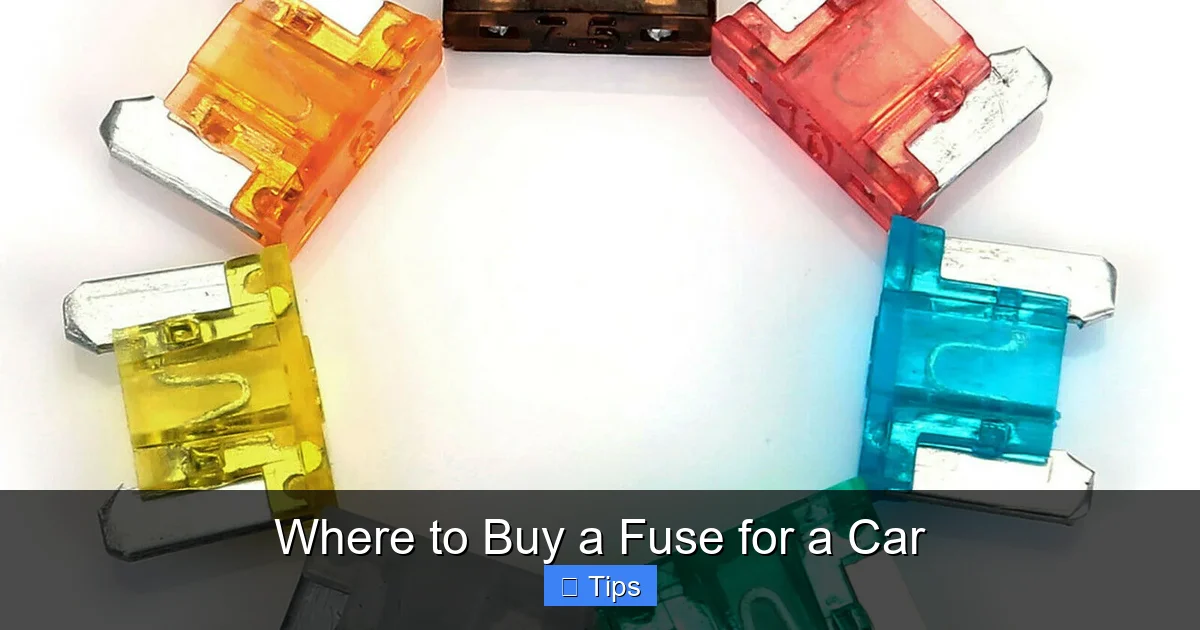
- Blade Fuses (ATO/ATC): These are the most common fuses found in modern vehicles. They’re flat, rectangular, and come in different colors that indicate their amperage (e.g., red for 10A, blue for 15A). They plug into fuse boxes under the dashboard or hood.
- Mini Blade Fuses: Smaller than standard blade fuses, these are used in tighter spaces and newer vehicles. They function the same way but take up less room.
- Micro Blade Fuses: Even smaller than mini fuses, these are common in late-model cars with compact fuse panels.
- Glass Tube Fuses: Older vehicles may use cylindrical glass fuses with metal caps. While less common today, you might still find them in classic cars or certain European models.
- Fusible Links: These are thicker wires that act as fuses for high-current circuits, like the alternator or starter. They’re not replaceable like blade fuses and require special tools to install.
How to Identify a Blown Fuse
Before you rush out to buy a replacement, make sure the fuse is actually blown. Here’s how to check:
- Visual Inspection: Remove the fuse and look inside. If the metal strip is broken or melted, it’s blown.
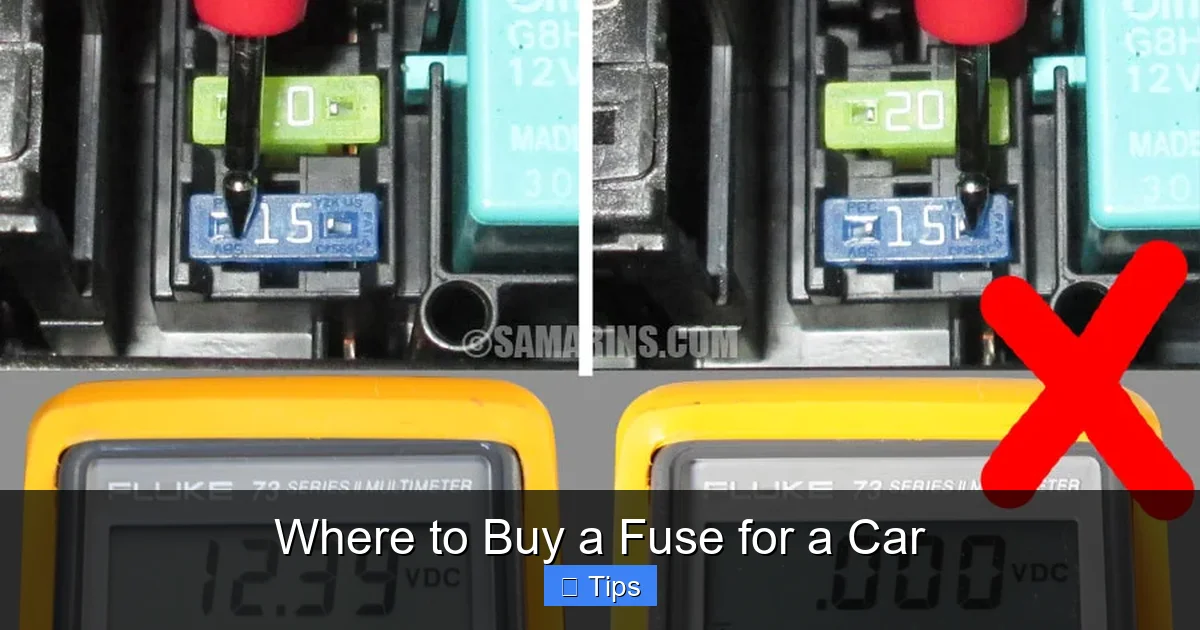
- Use a Multimeter: Set your multimeter to continuity mode. Touch the probes to both ends of the fuse. If it beeps or shows a reading, the fuse is good. No sound means it’s blown.
- Fuse Tester Tool: Many auto parts stores offer free fuse testing. Just bring in the suspect fuse, and they’ll check it for you.
Pro tip: Always replace a blown fuse with one of the same amperage. Using a higher-rated fuse can cause serious damage to your car’s electrical system. The amperage is usually printed on the fuse itself or listed in your owner’s manual.
Where to Buy a Fuse for a Car: Top Retail Options
Now that you know how to identify a blown fuse, let’s explore the best places to buy a replacement. The good news? You have more options than ever—both in-store and online. Here’s a breakdown of the most reliable and convenient sources.
Visual guide about Where to Buy a Fuse for a Car
Image source: ebaymotorsblog.com
1. Auto Parts Stores (Best for Immediate Help)
If you need a fuse right away, your local auto parts store is often the fastest and most helpful option. Chains like AutoZone, O’Reilly Auto Parts, Advance Auto Parts, and NAPA carry a wide range of fuses and offer free services that can save you time and money.
Here’s what makes auto parts stores a top choice:
- Free Fuse Testing: Most locations will test your old fuse for free to confirm it’s blown.
- In-Stock Selection: They typically stock common blade fuses (10A, 15A, 20A, 25A, 30A) in both standard and mini sizes.
- Free Installation Help: Many stores will help you replace the fuse on the spot, especially if you’re unsure how to do it.
- Knowledgeable Staff: Employees can help you identify the correct fuse type and amperage for your vehicle.
For example, if your 2018 Honda Civic’s radio stops working, you can walk into AutoZone, show them the blown 10A fuse, and walk out with a replacement in under 10 minutes—often for less than $5.
2. Car Dealerships (Best for OEM Quality)
If you drive a newer or luxury vehicle, or if you prefer factory-approved parts, your car’s dealership is a solid option. Dealerships sell OEM (Original Equipment Manufacturer) fuses that are made specifically for your make and model.
Pros of buying from a dealership:
- Exact Match: OEM fuses are designed to meet your car’s exact specifications.
- Warranty Coverage: Some dealerships include a warranty on parts, giving you peace of mind.
- Expert Support: Service advisors can help you locate the right fuse and even schedule a quick replacement.
However, there are downsides. OEM fuses are usually more expensive—sometimes 2–3 times the price of aftermarket options. For instance, a 15A fuse at a dealership might cost $8–$12, while the same fuse at AutoZone could be $2. Also, dealerships may not always have fuses in stock, especially for older models.
Still, if you’re driving a Tesla, BMW, or Mercedes, and you want the highest level of compatibility, a dealership is worth considering.
3. Online Retailers (Best for Selection and Convenience)
Can’t get to a store? Or maybe you want to compare prices and read reviews? Online shopping is a fantastic way to buy a fuse for a car—especially if you’re looking for bulk packs or hard-to-find types.
Top online options include:
- Amazon: Offers thousands of fuse options from brands like Bussmann, Littelfuse, and Blue Sea Systems. You can filter by amperage, type, and vehicle compatibility. Prime members get fast, free shipping.
- RockAuto: A go-to for car parts, RockAuto carries fuses for nearly every make and model. Their website includes detailed diagrams and part numbers.
- eBay: Great for finding deals on multi-packs or discontinued fuses. Just be sure to check seller ratings and return policies.
- Walmart.com: Offers affordable fuses with in-store pickup or home delivery.
For example, you can buy a 10-pack of 20A blade fuses on Amazon for under $10, delivered in two days. That’s perfect if you want to keep spares in your car, garage, or emergency kit.
Tip: When shopping online, double-check the fuse type and amperage. Use your car’s year, make, and model to filter results. Reading customer reviews can also help you avoid low-quality or counterfeit fuses.
4. Hardware Stores (Great for Emergencies)
Surprisingly, many hardware stores like Home Depot, Lowe’s, and Menards carry basic automotive fuses. While they won’t have the same selection as an auto parts store, they’re a lifesaver if you’re in a pinch and far from a dedicated car shop.
What you’ll typically find:
- Standard blade fuses (10A–30A)
- Fuse puller tools
- Basic fuse testers
For instance, if you’re on a road trip and your windshield wipers stop working, you might be able to grab a 25A fuse at a nearby Lowe’s and get back on the road within the hour.
Keep in mind: Hardware stores usually don’t offer free testing or installation help, so you’ll need to know what you’re looking for. But for basic replacements, they’re a solid backup option.
5. Gas Stations and Convenience Stores (Last Resort)
In a true emergency—like being stranded at night with no headlights—some gas stations and convenience stores sell basic fuses. Chains like 7-Eleven, Circle K, or Wawa sometimes carry a small selection of common blade fuses near the automotive aisle.
These are best used as a temporary fix. Prices may be higher, and selection is limited. But if you’re 50 miles from the nearest auto shop, a $5 fuse from a gas station could be worth every penny.
How to Choose the Right Fuse for Your Car
Now that you know where to buy a fuse for a car, let’s talk about how to pick the right one. Using the wrong fuse can lead to electrical damage, so it’s crucial to get this step right.
Visual guide about Where to Buy a Fuse for a Car
Image source: samarins.com
Check the Owner’s Manual
Your car’s owner’s manual is the best place to start. It includes a fuse diagram that shows:
- Which fuse controls which component (e.g., radio, headlights, power windows)
- The correct amperage for each fuse
- The location of the fuse box (usually under the dashboard or in the engine bay)
If you don’t have the manual, you can usually download a free PDF from the manufacturer’s website using your VIN.
Read the Fuse Box Label
Most cars have a label inside the fuse box cover that lists each fuse’s purpose and amperage. This is especially helpful if you’re not sure which fuse controls what. For example, you might see “Radio – 10A” or “Headlights – 15A.”
Match the Amperage and Type
Never replace a fuse with one that has a higher amperage. For example, if your radio uses a 10A fuse, don’t substitute it with a 15A fuse. The higher-rated fuse won’t blow when it should, potentially causing wires to overheat and start a fire.
Also, make sure the fuse type matches. If your car uses mini blade fuses, don’t try to force a standard blade fuse into the slot. They’re not interchangeable.
Consider Buying a Fuse Kit
Instead of buying individual fuses, consider purchasing a fuse assortment kit. These kits include 10–20 fuses in common amperages (5A, 10A, 15A, 20A, 25A, 30A) and often come with a fuse puller and storage case.
They’re available at auto parts stores and online for $10–$20. Keeping one in your glove compartment means you’re always prepared for a blown fuse—no matter where you are.
DIY Tips: Replacing a Car Fuse Safely
Replacing a fuse is one of the easiest car repairs you can do yourself. With a few simple tools and precautions, you can get your car back up and running in minutes.
Tools You’ll Need
- Fuse puller (often built into the fuse box cover)
- Replacement fuse (correct amperage and type)
- Flashlight (to see the fuse box clearly)
- Owner’s manual or fuse diagram
Step-by-Step Replacement
- Turn off the engine and remove the key. This prevents electrical shocks or short circuits.
- Locate the fuse box. Check under the dashboard (driver’s side) or in the engine compartment.
- Open the fuse box cover. Use the diagram to identify the blown fuse.
- Remove the old fuse. Use the fuse puller or needle-nose pliers to gently pull it out.
- Inspect the fuse. Look for a broken metal strip or discoloration.
- Insert the new fuse. Make sure it’s the same amperage and type. Push it in firmly until it’s seated.
- Test the system. Turn on the component (e.g., radio, headlights) to see if it works.
Safety Tips
- Never replace a fuse with the engine running.
- Don’t use foil, paperclips, or other makeshift materials to “fix” a blown fuse.
- If a new fuse blows immediately, there’s likely an underlying electrical problem. Consult a mechanic.
When to See a Mechanic
While most blown fuses are simple to replace, some situations require professional help. If you experience any of the following, it’s time to visit a mechanic:
- The new fuse blows right after installation.
- Multiple fuses blow in a short period.
- You smell burning or see smoke near the fuse box.
- The electrical issue persists even after replacing the fuse.
These signs could indicate a short circuit, faulty wiring, or a failing component like an alternator or relay. A professional can diagnose and fix the root cause, preventing further damage.
Conclusion: Be Prepared, Stay Safe
Knowing where to buy a fuse for a car is more than just a convenience—it’s a essential skill for any car owner. Whether you’re dealing with a blown headlight fuse on a dark road or a dead cigarette lighter, having the right replacement on hand can save you time, money, and stress.
From auto parts stores and dealerships to online retailers and hardware stores, you have plenty of options to get the fuse you need. Just remember to match the amperage and type, keep a spare kit in your car, and never ignore repeated fuse failures. With this knowledge, you’ll be ready to handle any electrical hiccup that comes your way.
So next time your car’s radio cuts out or your power windows stop working, don’t panic. Grab your owner’s manual, head to your nearest auto shop, or order online—and get back to driving with confidence.
Frequently Asked Questions
Where can I buy a car fuse near me?
You can buy a car fuse at local auto parts stores like AutoZone, O’Reilly, or Advance Auto Parts. Many also offer free testing and installation help. Hardware stores like Home Depot and Lowe’s also carry basic fuses.
How much does a car fuse cost?
Most car fuses cost between $1 and $10, depending on the type and where you buy them. Multi-packs or kits may offer better value, especially if you keep spares in your car.
Can I buy a car fuse online?
Yes! Online retailers like Amazon, RockAuto, and eBay offer a wide selection of car fuses. You can compare prices, read reviews, and have them delivered to your home or picked up in-store.
What happens if I use the wrong fuse in my car?
Using a fuse with a higher amperage than recommended can cause wires to overheat, leading to electrical damage or even fire. Always match the original fuse’s amperage and type.
How do I know which fuse to buy for my car?
Check your owner’s manual or the label inside the fuse box cover. It will show the correct amperage and location for each fuse. You can also ask for help at an auto parts store.
Should I keep spare fuses in my car?
Yes! A small fuse kit in your glove compartment can save you from being stranded. It’s an inexpensive way to be prepared for common electrical issues.

At CarLegit, we believe information should be clear, factual, and genuinely helpful. That’s why every guide, review, and update on our website is created with care, research, and a strong focus on user experience.