
Buying a loaner car from dealership can be a smart financial move—offering nearly new vehicles at lower prices. With proper research, inspection, and negotiation, you can drive off in a reliable car that’s been well-maintained and still under warranty.
In This Article
- 1 Key Takeaways
- 2 📑 Table of Contents
- 3 What Is a Loaner Car and Why Should You Consider Buying One?
- 4 How to Find Loaner Cars for Sale at Dealerships
- 5 What to Look for When Inspecting a Loaner Car
- 6 Understanding Warranty and Title Status
- 7 Negotiating the Best Price on a Loaner Car
- 8 Finalizing the Purchase and Taking Delivery
- 9 Frequently Asked Questions
Key Takeaways
- Loaner cars are gently used: These vehicles are typically driven by service customers or dealership staff, so they have low mileage and regular maintenance.
- They often come with remaining factory warranty: Since loaner cars are usually less than a year old, you may still benefit from the original manufacturer’s coverage.
- Prices are negotiable: Dealerships want to clear out loaner inventory to make room for new models, giving you leverage to haggle.
- Always get a vehicle history report: Even though loaner cars are low-mileage, it’s essential to check for accidents, recalls, or unusual wear.
- Inspect the car thoroughly: Bring a trusted mechanic or use a pre-purchase inspection service to spot hidden issues.
- Understand the title and registration process: Loaner cars may have a “demonstrator” or “service loaner” title, which can affect resale value slightly.
- Compare financing options: Dealerships may offer special rates on loaner vehicles, but always compare with banks or credit unions.
📑 Table of Contents
What Is a Loaner Car and Why Should You Consider Buying One?
If you’ve ever dropped your car off for service and been handed keys to a shiny, nearly new vehicle, you’ve experienced a loaner car. These are vehicles dealerships provide to customers while their own cars are being repaired or serviced. But did you know that many dealerships eventually sell these loaner cars directly to consumers? And buying a loaner car from dealership can be one of the smartest moves you make when shopping for a reliable, low-mileage vehicle.
Loaner cars are typically late-model vehicles—often less than a year old—with very low mileage. They’re usually driven by service customers or dealership employees, so they’re not used for long road trips or heavy-duty tasks. Because they’re rotated frequently and maintained on a strict schedule, they tend to be in excellent condition. Plus, since they’re still under the manufacturer’s warranty, you get peace of mind knowing that major repairs are covered.
But here’s the real kicker: dealerships often price these cars below market value to move them quickly. They want to free up space in their service fleet and make room for newer models. That means you could be driving off in a nearly new sedan, SUV, or even a luxury vehicle for thousands less than a brand-new version.
Common Misconceptions About Loaner Cars
Despite their benefits, many people hesitate to buy a loaner car from dealership due to myths and misunderstandings. One common belief is that loaner cars are “used up” or worn out. In reality, most are driven gently and maintained meticulously. Dealerships rely on these vehicles to make a good impression, so they keep them clean, serviced, and in top shape.
Another misconception is that loaner cars have been in accidents or used for test drives. While some may have been used for short test drives, they’re not the same as high-mileage demo cars driven by dozens of potential buyers. Loaner cars are typically reserved for customers who need temporary transportation, not for aggressive test drives.
Finally, some buyers worry about the title status. Loaner cars may be titled as “demonstrators” or “service loaners,” which can slightly affect resale value. But this is a minor concern compared to the savings and condition of the vehicle. With proper documentation and a clean history, these cars can still hold their value well.
How to Find Loaner Cars for Sale at Dealerships

Visual guide about How to Buy a Loaner Car from Dealership
Image source: wikihow.com
Now that you know the benefits, the next step is finding loaner cars for sale. The good news is that many dealerships openly advertise these vehicles, especially as they near the end of their loaner lifecycle—usually around 12 to 18 months or 10,000 to 15,000 miles.
Start by visiting dealership websites and filtering for “certified pre-owned” or “used” vehicles. Look for listings that mention “service loaner,” “demonstrator,” or “courtesy car.” These terms often indicate a loaner vehicle. You can also call or email dealership service departments directly and ask if they have any loaner cars available for purchase.
Another effective strategy is to visit dealerships in person. Walk into the service department and ask to speak with a manager. Let them know you’re interested in buying a loaner car. Many service managers are happy to show you their current fleet and may even offer you a discount if you buy on the spot.
Online Resources and Tools
In addition to dealership websites, several online platforms specialize in listing loaner and demo vehicles. Websites like CarGurus, Autotrader, and Cars.com allow you to filter searches by “demonstrator” or “loaner” status. You can also set up alerts so you’re notified when a loaner car matching your criteria becomes available.
Don’t forget social media and local car enthusiast groups. Facebook Marketplace, Reddit’s r/cars, and local buy/sell/trade groups often feature dealerships or private sellers offering loaner vehicles. These platforms can give you access to deals that aren’t widely advertised.
Timing Is Everything
The best time to buy a loaner car from dealership is at the end of the model year—typically late summer to early fall. Dealerships are eager to clear out current-year models to make room for new inventory, and loaner cars are often among the first to go. You’ll find better selection and more negotiating power during this period.
Additionally, consider visiting dealerships on weekdays or during slower hours. Sales staff may be more willing to negotiate when they’re not busy with walk-in customers. And if you’re flexible on make and model, you’ll have even more options to choose from.
What to Look for When Inspecting a Loaner Car
Visual guide about How to Buy a Loaner Car from Dealership
Image source: wikihow.com
Once you’ve found a loaner car that catches your eye, it’s time to inspect it thoroughly. Even though these vehicles are typically in great condition, it’s essential to do your due diligence before signing on the dotted line.
Start with a visual inspection. Walk around the car and check for dents, scratches, or mismatched paint. Look closely at the tires—uneven wear could indicate alignment issues. Open the hood and inspect the engine bay for leaks, corrosion, or signs of poor maintenance.
Next, take a look inside. Check the upholstery for stains, tears, or excessive wear. Test all the electronics—lights, infotainment system, climate control, power windows, and locks. Sit in the driver’s seat and adjust it to your comfort. Does everything feel smooth and responsive?
Test Drive the Vehicle
A test drive is non-negotiable. Take the car for a spin on different road types—city streets, highways, and residential areas. Pay attention to how it handles, accelerates, and brakes. Listen for unusual noises like squeaks, rattles, or grinding. Does the transmission shift smoothly? Does the steering feel tight and responsive?
During the test drive, also test the car’s features. Use the navigation system, connect your phone via Bluetooth, and try out any driver-assist technologies like lane departure warning or adaptive cruise control. These features are often standard on loaner cars, and you want to make sure they’re working properly.
Get a Pre-Purchase Inspection
Even if the dealership assures you the car is in perfect condition, it’s wise to get an independent pre-purchase inspection (PPI). Hire a trusted mechanic or use a service like Lemon Squad or YourMechanic to perform a thorough check. They’ll inspect the engine, transmission, suspension, brakes, and electrical systems.
A PPI typically costs between $100 and $200, but it’s a small price to pay for peace of mind. If the mechanic finds any issues, you can use that information to negotiate a lower price or walk away from the deal.
Check the Vehicle History Report
Always request a vehicle history report from services like Carfax or AutoCheck. This report will show you the car’s ownership history, accident records, service records, and whether it’s ever been declared a total loss. Even though loaner cars are low-mileage, it’s possible they were involved in a minor fender bender or had a recall.
Look for red flags like multiple owners in a short time, gaps in service records, or salvage titles. If everything checks out, you can proceed with confidence.
Understanding Warranty and Title Status
Visual guide about How to Buy a Loaner Car from Dealership
Image source: wikihow.com
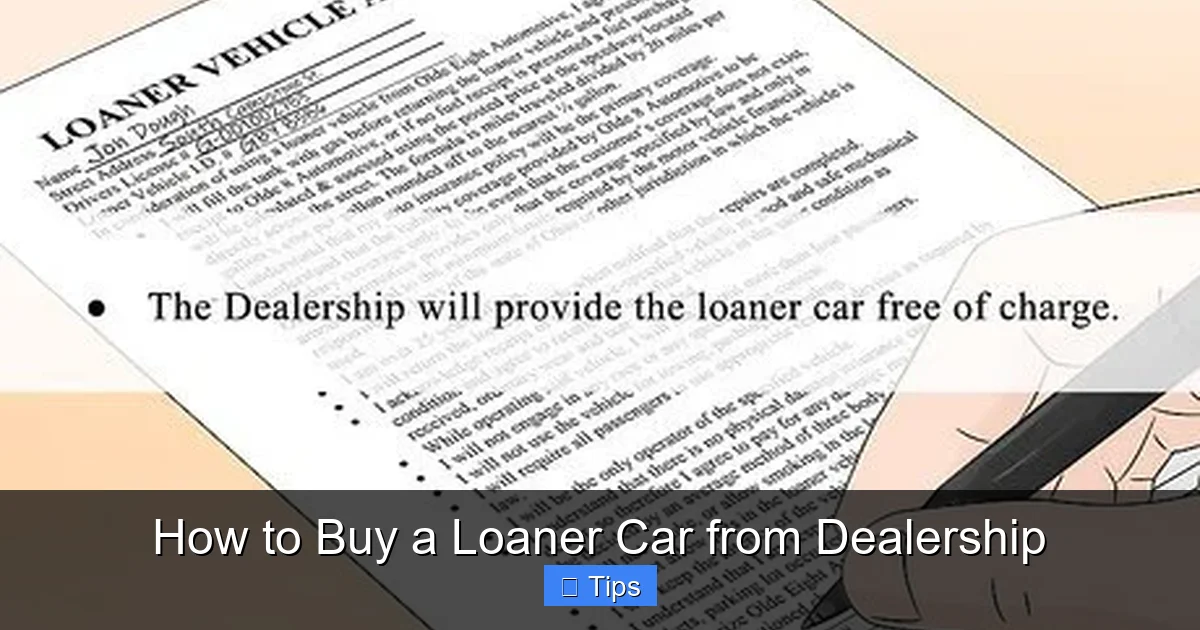
One of the biggest advantages of buying a loaner car from dealership is the remaining factory warranty. Most loaner vehicles are less than a year old and have fewer than 15,000 miles, so they’re still covered under the manufacturer’s new car warranty. This means you’re protected against defects in materials and workmanship for several years or miles.
However, it’s important to understand how the warranty transfers. Ask the dealership for a copy of the original warranty documentation and confirm that it’s still active. Some manufacturers require a warranty transfer fee, so factor that into your budget.
Title and Registration Considerations
Loaner cars may have a special title designation, such as “demonstrator” or “service loaner.” This doesn’t mean the car is damaged or unsafe—it simply indicates how it was used before sale. In most states, these titles are perfectly legal and don’t affect registration or insurance.
However, some buyers worry that a “demo” title could reduce resale value. While it’s true that a clean “clean title” may command a slightly higher price, the difference is usually minimal—especially if the car is well-maintained and has a strong service history.
When registering the vehicle, bring all necessary documents, including the title, bill of sale, and proof of insurance. The dealership should handle most of the paperwork, but it’s your responsibility to ensure everything is accurate.
Negotiating the Best Price on a Loaner Car
One of the biggest perks of buying a loaner car from dealership is the opportunity to negotiate. Unlike new cars, which have fixed MSRPs, loaner vehicles are often priced below market value to encourage quick sales. This gives you room to haggle and potentially save thousands.
Start by researching the car’s value using tools like Kelley Blue Book (KBB) or Edmunds. Enter the make, model, year, mileage, and condition to get a fair market price. Then, compare that to the dealership’s asking price. If they’re asking more than fair value, use your research to justify a lower offer.
Leverage the Car’s Loaner Status
When negotiating, remind the salesperson that the car was used as a loaner. While this doesn’t mean it’s damaged, it does mean it’s not a brand-new vehicle. Use this as leverage to justify a lower price. You might say something like, “I see this was a service loaner. Given that it’s been driven by multiple people, I’d like to discuss a more competitive offer.”
Also, point out any minor flaws you noticed during your inspection—even if they’re cosmetic. A small scratch or worn floor mat can be used to negotiate a discount.
Timing and Trade-Ins
Your negotiation power increases if you’re ready to buy immediately. Let the dealership know you’re serious and have financing pre-approved. This shows you’re not just window shopping.
If you’re trading in a vehicle, get it appraised beforehand. Use the trade-in value as part of your negotiation. For example, if your trade-in is worth $10,000 and the loaner car is priced at $25,000, you’re effectively paying $15,000 out of pocket. Use this number to negotiate the final price.
Financing and Incentives
Many dealerships offer special financing rates on loaner vehicles. These can be lower than standard auto loan rates, especially if the manufacturer is running a promotion. However, always compare these offers with rates from banks, credit unions, or online lenders.
Don’t forget to ask about additional incentives, such as free maintenance, extended warranties, or accessory packages. These can add significant value to your purchase.
Finalizing the Purchase and Taking Delivery
Once you’ve agreed on a price, it’s time to finalize the deal. Review all documents carefully before signing. Make sure the purchase agreement lists the correct vehicle, price, fees, and any included extras.
Ask for a copy of the service records. Since loaner cars are maintained by the dealership, they should have detailed logs of oil changes, tire rotations, and inspections. These records can be valuable for future resale.
Insurance and Registration
Before driving off, ensure you have insurance coverage. Contact your insurer and add the new vehicle to your policy. Most dealerships require proof of insurance before releasing the car.
Registration and title transfer are typically handled by the dealership, but confirm the timeline. Some states allow temporary tags, while others require full registration before you can drive the car.
Post-Purchase Tips
After taking delivery, schedule a thorough cleaning and detailing. Even though the car looks clean, a professional detail can remove any hidden dirt or residue.
Keep all documentation in a safe place, including the warranty, service records, and purchase agreement. These will be essential if you need repairs or decide to sell the car later.
Finally, enjoy your new ride! Buying a loaner car from dealership is a smart, cost-effective way to get a high-quality vehicle without the steep price tag of a brand-new model.
Frequently Asked Questions
Are loaner cars reliable?
Yes, loaner cars are generally very reliable. They’re typically less than a year old, have low mileage, and are maintained on a strict schedule by the dealership. Most are still under the manufacturer’s warranty, adding an extra layer of protection.
Can I negotiate the price of a loaner car?
Absolutely. Dealerships often price loaner cars below market value to move them quickly, giving you room to negotiate. Use your research, the car’s loaner status, and any minor flaws to justify a lower offer.
Do loaner cars come with a warranty?
Yes, most loaner cars are still covered under the original factory warranty since they’re usually less than a year old and have low mileage. Always confirm the warranty status with the dealership before purchasing.
Is it safe to buy a loaner car?
Yes, as long as you do your due diligence. Get a vehicle history report, pre-purchase inspection, and test drive the car thoroughly. With proper research, buying a loaner car from dealership is a safe and smart choice.
What’s the difference between a loaner car and a demo car?
A loaner car is used by service customers or dealership staff for short-term transportation, while a demo car is driven by potential buyers during test drives. Loaner cars typically have lower mileage and less wear than demo cars.
Will a loaner car affect my insurance rates?
Insurance rates depend on the car’s make, model, age, and your driving history—not whether it was a loaner. However, since loaner cars are often newer and safer, they may qualify for lower rates compared to older vehicles.

At CarLegit, we believe information should be clear, factual, and genuinely helpful. That’s why every guide, review, and update on our website is created with care, research, and a strong focus on user experience.