
Buying a used car in California doesn’t have to be stressful. With the right knowledge, you can find a reliable vehicle at a fair price while avoiding common pitfalls. This guide walks you through every step—from research to registration—so you can drive off with peace of mind.
Buying a used car in California can feel overwhelming—especially with so many options, sellers, and rules to navigate. Whether you’re a first-time buyer or upgrading from your current ride, the process doesn’t have to be confusing or risky. With a little preparation and the right approach, you can find a dependable vehicle that fits your budget and lifestyle.
California’s used car market is one of the largest in the U.S., offering everything from fuel-efficient sedans to rugged trucks and eco-friendly hybrids. But with great selection comes great responsibility. The state has strict regulations around emissions, titling, and registration, and scams are not uncommon. That’s why knowing what to look for—and what to avoid—is essential.
In this guide, we’ll walk you through every step of how to buy a used car in California, from initial research to driving off the lot (or driveway). We’ll cover pricing, inspections, paperwork, and even how to spot red flags. By the end, you’ll feel confident and informed, ready to make a smart purchase.
In This Article
- 1 Key Takeaways
- 2 📑 Table of Contents
- 3 Step 1: Determine Your Budget and Needs
- 4 Step 2: Research and Compare Used Cars
- 5 Step 3: Check the Vehicle History Report
- 6 Step 4: Inspect the Car and Take a Test Drive
- 7 Step 5: Understand California’s Smog Check and Legal Requirements
- 8 Step 6: Negotiate the Price and Finalize the Deal
- 9 Step 7: Protect Yourself from Scams and Pitfalls
- 10 Conclusion
- 11 Frequently Asked Questions
- 11.1 Do I need a smog check to buy a used car in California?
- 11.2 Can I buy a used car without a license in California?
- 11.3 How much does it cost to register a used car in California?
- 11.4 Is it better to buy from a dealer or private seller?
- 11.5 What should I do if the used car I bought has problems?
- 11.6 How long do I have to register a used car in California after buying it?
Key Takeaways
- Research is key: Use trusted sources like Kelley Blue Book and Edmunds to compare prices and models before shopping.
- Always get a vehicle history report: Services like Carfax or AutoCheck reveal accidents, title issues, and odometer fraud.
- Inspect the car thoroughly: Hire a certified mechanic for a pre-purchase inspection to uncover hidden problems.
- Understand California’s smog check rules: Most used cars must pass a smog test before transfer of ownership.
- Negotiate smartly: Use your research and inspection findings to negotiate a fair price—don’t be afraid to walk away.
- Complete all paperwork correctly: Ensure the title, bill of sale, and registration forms are filled out accurately to avoid delays.
- Beware of private sellers and scams: Meet in safe locations, avoid cash-only deals, and never skip the test drive.
📑 Table of Contents
- Step 1: Determine Your Budget and Needs
- Step 2: Research and Compare Used Cars
- Step 3: Check the Vehicle History Report
- Step 4: Inspect the Car and Take a Test Drive
- Step 5: Understand California’s Smog Check and Legal Requirements
- Step 6: Negotiate the Price and Finalize the Deal
- Step 7: Protect Yourself from Scams and Pitfalls
- Conclusion
Step 1: Determine Your Budget and Needs
Before you start browsing listings, take a moment to figure out what you really need—and how much you can afford. It’s easy to get excited by a shiny car online, but without a clear budget, you might end up overspending or choosing a vehicle that doesn’t meet your daily needs.
Calculate Your Total Budget
Start by determining how much you can comfortably spend. Experts recommend that your car payment (if financing) should not exceed 10–15% of your monthly take-home pay. But don’t forget the other costs:
- Insurance: California requires liability coverage, and rates vary by vehicle type, age, and driving history.
- Fuel: A gas-guzzling SUV might save you upfront but cost more at the pump.
- Maintenance and repairs: Older cars may need more frequent servicing.
- Registration and taxes: California charges a use tax based on the purchase price, plus registration fees.
For example, if you buy a used car for $15,000, you might pay around $1,200 in taxes and fees, plus $80–$150 per month for registration, depending on the vehicle’s value and your county.
Decide What You Need in a Vehicle
Think about how you’ll use the car. Do you commute long distances? Need space for kids or gear? Live in a rainy or snowy area? These factors will help narrow your search.
- Commuter: Look for fuel-efficient models like the Toyota Prius, Honda Civic, or Hyundai Elantra.
- Family hauler: Consider a minivan or SUV with good safety ratings, such as the Honda CR-V or Toyota Sienna.
- Weekend adventurer: A used truck or crossover with all-wheel drive, like a Subaru Outback or Ford F-150, might be ideal.
Also, consider reliability. Brands like Toyota, Honda, and Subaru consistently rank high in long-term dependability. Check consumer reports and owner reviews to see how models hold up over time.
Step 2: Research and Compare Used Cars
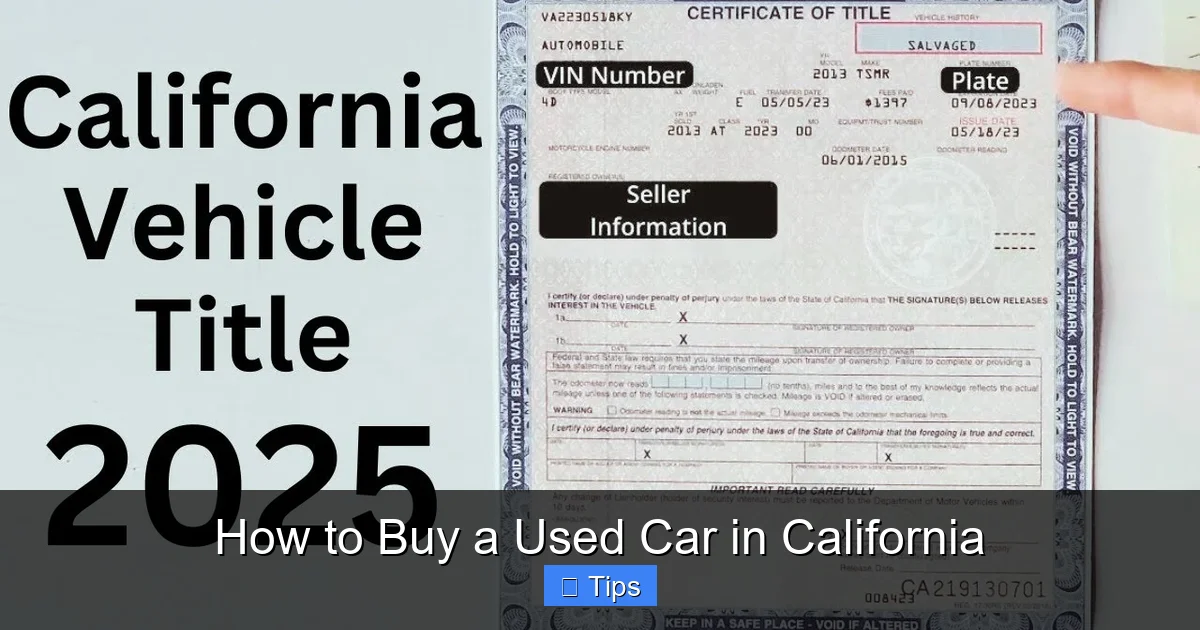
Visual guide about How to Buy a Used Car in California
Image source: i.ytimg.com
Once you know your budget and needs, it’s time to start researching. The internet makes this easier than ever, but not all sources are created equal. Stick to reputable websites and tools to get accurate, unbiased information.
Use Trusted Pricing Guides
Start with pricing guides like Kelley Blue Book (KBB), Edmunds, or NADA Guides. These tools give you the fair market value of a used car based on its year, make, model, mileage, condition, and location.
For example, a 2018 Honda Accord with 60,000 miles in good condition might be valued at $16,500 in Los Angeles but $15,800 in Sacramento due to regional demand. Always check multiple sources to get a balanced view.
Compare Listings Across Platforms
Look at listings on sites like:
- Cars.com
- Autotrader
- CarGurus
- Facebook Marketplace
- Craigslist
Each platform has pros and cons. Dealerships often offer certified pre-owned (CPO) vehicles with warranties, while private sellers may have lower prices. But private sales come with more risk—so proceed with caution.
Filter by Key Criteria
Use filters to narrow your search:
- Mileage (under 80,000 is ideal for most buyers)
- Price range
- Location (within 50–100 miles for test drives)
- Features (backup camera, Bluetooth, etc.)
- Vehicle history (clean title, no accidents)
Pro tip: Save your searches and set up alerts so you’re notified when new listings match your criteria.
Step 3: Check the Vehicle History Report
Visual guide about How to Buy a Used Car in California
Image source: vincheckpro.com
You wouldn’t buy a house without checking its history—so why skip this step with a car? A vehicle history report can reveal red flags that aren’t visible during a test drive.
Get a Report from Carfax or AutoCheck
These services pull data from DMVs, insurance companies, and repair shops to create a detailed record of a car’s past. Most reputable dealers provide a free report, but always ask. For private sellers, you may need to pay $20–$40 to run the report yourself.
What to Look For in the Report
- Accident history: Even minor fender benders can affect resale value and safety.
- Title status: Avoid cars with salvage, rebuilt, or flood titles—they may have serious hidden damage.
- Odometer rollback: Fraudulent mileage changes are illegal and dangerous.
- Number of previous owners: Fewer owners often mean better care.
- Service records: Regular maintenance is a good sign.
- Recall information: Check if the car has any open recalls that need addressing.
For example, a 2016 Toyota Camry with one owner, no accidents, and regular oil changes is a much safer bet than a similar model with three owners and a salvage title.
Verify the VIN
Always confirm the Vehicle Identification Number (VIN) on the report matches the car’s dashboard, door jamb, and paperwork. Mismatched VINs are a major red flag for theft or fraud.
Step 4: Inspect the Car and Take a Test Drive

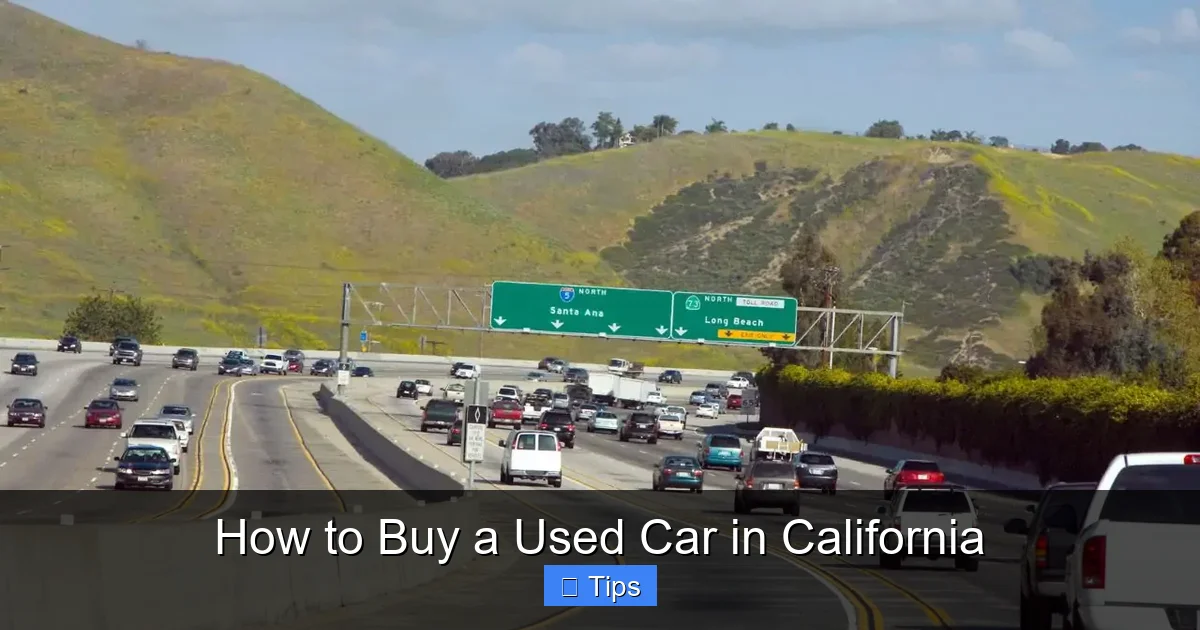
Visual guide about How to Buy a Used Car in California
Image source: suretybondsdirect.com
Even if a car looks great online and has a clean history report, you still need to see it in person. A thorough inspection and test drive can save you from buying a lemon.
Schedule a Pre-Purchase Inspection (PPI)
This is one of the most important steps in how to buy a used car in California. Hire a certified mechanic—preferably one who specializes in the make and model you’re considering—to inspect the vehicle.
A PPI typically costs $100–$200 but can uncover thousands of dollars in potential repairs. The mechanic will check:
- Engine and transmission
- Brake system
- Suspension and steering
- Exhaust and emissions
- Electrical systems
- Tires and alignment
- Frame and body for rust or damage
If the seller refuses a PPI, walk away. Legitimate sellers have nothing to hide.
Conduct a Visual Inspection
Before the mechanic arrives, do your own walk-around:
- Check for dents, scratches, or mismatched paint (signs of repairs).
- Look under the car for leaks (oil, coolant, transmission fluid).
- Inspect tire tread depth and wear patterns (uneven wear can indicate alignment issues).
- Open the hood and look for corrosion, loose belts, or worn hoses.
- Check the interior for stains, odors, or worn seats.
Take a Test Drive
Drive the car in different conditions:
- City streets (to test brakes, steering, and visibility)
- Highway (to check acceleration, noise, and stability)
- Hills (to test transmission and engine power)
Pay attention to:
- Unusual noises (squeaks, rattles, knocking)
- Vibrations or pulling to one side
- Warning lights on the dashboard
- How the transmission shifts (smooth or jerky?)
- Comfort and ease of use (seat adjustments, controls, visibility)
If anything feels off, don’t ignore it. Trust your instincts.
Step 5: Understand California’s Smog Check and Legal Requirements
California has some of the strictest emissions laws in the country. Before you can register a used car, it must pass a smog check—unless it’s exempt.
When Is a Smog Check Required?
A smog inspection is required when:
- You’re buying from a private seller
- The car is more than four years old
- The vehicle is being registered for the first time in California
- The car is changing ownership (even between family members)
Newer cars (less than four years old) are exempt, as are diesel vehicles from 1997 and earlier, and gasoline-powered cars from 1975 and earlier.
Who Pays for the Smog Check?
In private sales, the seller is legally required to provide a valid smog certificate (less than 90 days old) at the time of sale. If the car fails, the seller must repair it or provide a refund.
At dealerships, the smog check is usually included in the sale price.
How to Get a Smog Check
Visit a state-licensed smog check station. You can find one near you using the [California Bureau of Automotive Repair (BAR) website](https://www.bar.ca.gov). The test takes about 20–30 minutes and costs $30–$60.
If the car passes, you’ll get a certificate. If it fails, you’ll receive a report explaining the issues. Common problems include faulty oxygen sensors, catalytic converters, or gas caps.
Other Legal Requirements
Make sure the car has:
- A valid registration (not expired)
- Current license plates
- Liability insurance (required to register the vehicle)
Never buy a car without proof of insurance—you can’t legally drive it off the lot.
Step 6: Negotiate the Price and Finalize the Deal
Now that you’ve done your homework, it’s time to negotiate. Whether you’re buying from a dealer or private seller, there’s almost always room to haggle.
Use Your Research to Your Advantage
Bring your pricing guides and inspection report to the table. If the car needs repairs, use that as leverage. For example:
“I see the brake pads are worn, and the KBB value is $14,000. Given the repair costs, I’d like to offer $13,200.”
Most sellers expect some negotiation, so don’t be afraid to start low—but be respectful.
Know When to Walk Away
If the seller refuses to budge or pressures you to decide on the spot, it’s a red flag. There are plenty of other cars out there. Walking away can sometimes prompt the seller to reconsider.
Finalize the Paperwork
Once you agree on a price, make sure all documents are in order:
- Title: Must be signed by the seller and include the odometer reading.
- Bill of Sale: Required in California. Include buyer/seller info, VIN, sale price, and date.
- Smog Certificate: Must be attached if required.
- Release of Liability: The seller should file this with the DMV to avoid future liability.
For private sales, both parties should complete the transfer within 10 days to avoid penalties.
Register the Vehicle
Within 20 days of purchase, you must register the car with the California DMV. You’ll need:
- Completed Application for Title or Registration (REG 343)
- Proof of insurance
- Smog certificate (if applicable)
- Payment for use tax, registration fees, and any penalties
You can do this online, by mail, or in person. Once processed, you’ll receive new license plates and registration.
Step 7: Protect Yourself from Scams and Pitfalls
Unfortunately, not everyone selling a used car has good intentions. Scams are common, especially in online marketplaces. Here’s how to stay safe.
Avoid Common Scams
- Too-good-to-be-true deals: If a car is priced far below market value, it’s likely stolen, damaged, or a scam.
- Pressure tactics: Sellers who rush you or demand immediate payment are suspicious.
- Wire transfers or gift cards: Never pay with untraceable methods. Use cash, cashier’s check, or escrow services.
- Fake listings: Reverse image search photos to see if they’ve been stolen from other sites.
Meet Safely
If buying from a private seller, meet in a public place—like a police station parking lot or DMV office. Bring a friend, and never go alone.
Get Everything in Writing
Verbal promises aren’t enforceable. Make sure all agreements—price, condition, repairs—are documented.
Conclusion
Buying a used car in California doesn’t have to be a headache. By following these steps—researching thoroughly, inspecting carefully, understanding legal requirements, and negotiating wisely—you can find a reliable vehicle that fits your needs and budget.
Remember, the key to a successful purchase is patience and preparation. Don’t rush into a deal, and always trust your gut. With the right approach, you’ll be cruising down the Pacific Coast Highway in your new (to you) car with confidence and peace of mind.
Frequently Asked Questions
Do I need a smog check to buy a used car in California?
Yes, most used cars in California require a smog check before transfer of ownership. The seller must provide a valid certificate if the vehicle is more than four years old. Newer cars are exempt.
Can I buy a used car without a license in California?
You don’t need a driver’s license to purchase a car, but you must have one to legally drive it. You’ll also need insurance to register the vehicle.
How much does it cost to register a used car in California?
Registration costs vary by vehicle value, weight, and county. Expect to pay $80–$150 annually, plus a use tax of 7.25%–10.25% of the purchase price.
Is it better to buy from a dealer or private seller?
Dealers offer more protection (like warranties and return policies), while private sellers may have lower prices. Weigh the pros and cons based on your comfort level and budget.
What should I do if the used car I bought has problems?
If you bought from a dealer, check if it’s covered under California’s lemon law or a warranty. For private sales, “buyer beware” usually applies—so always get a pre-purchase inspection.
How long do I have to register a used car in California after buying it?
You must register the vehicle within 20 days of purchase. Late fees apply after that, so don’t delay.

At CarLegit, we believe information should be clear, factual, and genuinely helpful. That’s why every guide, review, and update on our website is created with care, research, and a strong focus on user experience.