
Smelling petrol in your car is never normal and can signal serious safety risks like fuel leaks, faulty evaporative systems, or engine issues. Ignoring the odor may lead to fire hazards or health problems, so prompt diagnosis and repair are essential.
In This Article
- 1 Key Takeaways
- 2 📑 Table of Contents
- 3 Why Can I Smell Petrol in My Car? Understanding the Risks and Causes
- 4 Common Causes of Petrol Smells Inside Your Vehicle
- 5 When the Smell Isn’t Actually Petrol: Common Misidentifications
- 6 Safety First: What to Do If You Smell Petrol
- 7 Prevention Tips to Avoid Future Petrol Odors
- 8 When to See a Mechanic: Red Flags You Can’t Ignore
- 9 Conclusion: Don’t Ignore the Smell—Act Now
- 10 Frequently Asked Questions
Key Takeaways
- Fuel leaks are the most dangerous cause: Even small drips from fuel lines, injectors, or the tank can release flammable fumes and require immediate attention.
- A faulty EVAP system often causes interior petrol smells: This system captures fuel vapors; if it fails, vapors escape into the cabin or engine bay.
- Overfilled fuel tanks can trigger odors: Pumping gas past the “click-off” point may overwhelm the vapor recovery system and let fumes enter the car.
- Worn or damaged fuel injectors may leak: Leaking injectors drip fuel into the engine, creating strong smells, especially after turning off the engine.
- Cabin air filter contamination spreads odors: A dirty or fuel-soaked filter can circulate petrol smells throughout the interior.
- Exhaust system leaks near the engine bay can mimic fuel odors: Burning fuel residue on hot components may smell like petrol but stem from exhaust issues.
- Always prioritize safety: If you smell petrol, avoid smoking, sparks, or starting the car until the issue is diagnosed by a professional.
📑 Table of Contents
- Why Can I Smell Petrol in My Car? Understanding the Risks and Causes
- Common Causes of Petrol Smells Inside Your Vehicle
- When the Smell Isn’t Actually Petrol: Common Misidentifications
- Safety First: What to Do If You Smell Petrol
- Prevention Tips to Avoid Future Petrol Odors
- When to See a Mechanic: Red Flags You Can’t Ignore
- Conclusion: Don’t Ignore the Smell—Act Now
Why Can I Smell Petrol in My Car? Understanding the Risks and Causes
You’re driving down the road, windows up, enjoying your favorite playlist—when suddenly, a sharp, unmistakable odor hits your nose: petrol. It’s not just unpleasant; it’s alarming. Why can I smell petrol in my car? Is it dangerous? Should you pull over right away?
The short answer is yes—this smell should never be ignored. Petrol (gasoline) has a distinct, pungent scent that most drivers recognize instantly. While occasional faint whiffs might seem harmless, consistent or strong petrol odors inside your vehicle often point to underlying mechanical problems. These aren’t just inconveniences—they can pose serious safety risks, including fire hazards, carbon monoxide exposure, or damage to your car’s engine and emissions systems.
In this guide, we’ll walk you through the most common reasons you might smell petrol in your car, how to identify the source, what steps to take immediately, and when it’s time to visit a trusted mechanic. Whether you’re a seasoned driver or new to car ownership, understanding these causes empowers you to act quickly and keep yourself—and others—safe on the road.
Common Causes of Petrol Smells Inside Your Vehicle
Petrol odors in the cabin can stem from several sources, ranging from minor maintenance oversights to critical mechanical failures. Let’s break down the top culprits so you know what to look for.
Visual guide about Why Can I Smell Petrol in My Car
Image source: shunauto.com
Fuel Leaks: The Most Urgent Concern
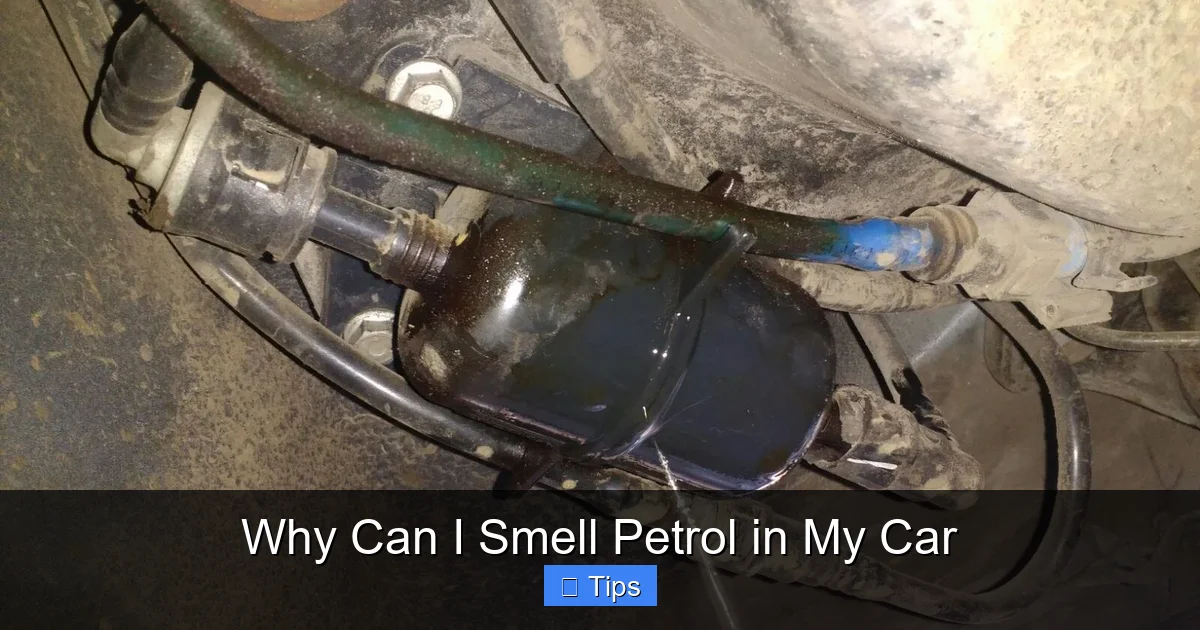
The most dangerous reason for smelling petrol is an actual fuel leak. Gasoline is highly flammable, and even a small drip can create explosive vapors, especially in enclosed spaces like the engine bay or under the car. Leaks commonly occur at:
- Fuel lines: Rubber or metal tubes that carry fuel from the tank to the engine can crack, corrode, or loosen over time.
- Fuel injectors: These precision components spray fuel into the engine. If their seals wear out, they may drip fuel onto hot engine parts, causing strong smells—especially after shutdown.
- Fuel tank: Damage from road debris, rust, or poor repairs can cause the tank to develop holes or loose fittings.
- Fuel pump: Located inside or near the fuel tank, a failing pump may leak fuel around its seal.
If you notice a strong petrol smell combined with visible wet spots under your car, reduced fuel efficiency, or a gasoline puddle in your garage, stop driving immediately. Turn off the engine, avoid using electrical switches (which could spark), and call a tow truck to transport your vehicle to a repair shop.
Evaporative Emission Control (EVAP) System Failure
Modern cars are equipped with an Evaporative Emission Control (EVAP) system designed to capture fuel vapors before they escape into the atmosphere. This system routes vapors from the fuel tank through a charcoal canister, where they’re stored until the engine can safely burn them.
When the EVAP system malfunctions—due to a cracked hose, faulty purge valve, clogged canister, or loose gas cap—fuel vapors can leak into the engine bay or even enter the cabin through the ventilation system. You might notice the smell more strongly when the engine is cold or after refueling.
A common sign of EVAP issues is the “Check Engine” light illuminating on your dashboard. Many auto parts stores offer free diagnostic scans that can pinpoint EVAP-related trouble codes (like P0440 or P0455). While not always an emergency, unresolved EVAP problems can lead to increased emissions, failed inspections, and worsening fuel odors over time.
Overfilling the Fuel Tank
It’s easy to get distracted at the pump and keep squeezing the nozzle after the automatic shut-off clicks. But overfilling your tank forces liquid fuel into the EVAP system’s vapor lines, overwhelming the charcoal canister. This can cause fuel vapors—or even liquid gasoline—to back up into the filler neck or escape through vents.
The result? A strong petrol smell inside the car, especially near the rear seats or trunk. In some cases, you might even see fuel dripping from the filler door area. To avoid this, always stop pumping once the nozzle clicks off. If you accidentally overfill, don’t start the engine—wipe up any spills, open windows for ventilation, and consider having the EVAP system inspected.
Faulty or Worn Fuel Injectors
Fuel injectors operate under high pressure and precise timing. Over time, their internal seals can degrade, allowing tiny amounts of fuel to seep out when the engine is off. This fuel pools on hot engine components like the exhaust manifold, vaporizing and creating a strong petrol odor that wafts into the cabin.
This issue is often more noticeable after parking, especially in warm weather. You might also experience rough idling, misfires, or decreased fuel economy. Replacing worn injectors is typically a job for a professional mechanic, as it requires specialized tools and knowledge of fuel system pressure.
Contaminated Cabin Air Filter
Your car’s cabin air filter cleans outside air before it enters the HVAC system. If this filter becomes soaked with fuel—perhaps due to a nearby leak or spill during maintenance—it can emit a persistent petrol smell every time you turn on the fan or AC.
Check your owner’s manual for the filter’s location (usually behind the glove box or under the dashboard). If it looks discolored, damp, or smells strongly of gasoline, replace it immediately. While this won’t fix the root cause of the leak, it will stop the odor from circulating inside your car.
When the Smell Isn’t Actually Petrol: Common Misidentifications
Not every strong odor in your car is gasoline. Sometimes, other issues produce scents that are easily mistaken for petrol—especially if you’re not familiar with car mechanics. Learning to differentiate these can save you unnecessary worry and help you describe the problem accurately to a technician.
Visual guide about Why Can I Smell Petrol in My Car
Image source: grimmermotors.co.nz
Exhaust System Leaks
A leaking exhaust manifold or gasket can allow unburned fuel and combustion byproducts to escape near the engine. When these gases contact hot engine surfaces, they may produce a smell reminiscent of petrol—but it’s actually burning oil, coolant, or raw exhaust. This odor often intensifies when the engine is cold or under load.
Unlike fuel leaks, exhaust leaks usually don’t produce visible liquid, but you might hear a ticking or hissing noise near the engine. Left unchecked, they can lead to carbon monoxide entering the cabin—a silent, deadly threat. Always have exhaust issues inspected promptly.
Burning Oil or Coolant
Older engines or those with worn piston rings may burn small amounts of oil, creating a smoky, acrid odor that some drivers confuse with petrol. Similarly, a leaking heater core (which circulates coolant through the HVAC system) can release a sweet, chemical smell that lingers in the cabin.
If the smell changes with engine temperature or appears only when using the heater, it’s likely not fuel-related. However, don’t assume it’s harmless—coolant leaks can lead to overheating, and oil burning indicates internal engine wear.
Recent Fuel Spill or Cleaning Product
Sometimes, the source is simpler: you recently spilled gasoline while refueling, used a fuel-based cleaner under the hood, or drove past a gas station with strong fumes. These temporary odors usually dissipate within hours, especially with windows open or the AC on fresh-air mode.
If the smell persists for more than a day or returns regularly, it’s time to investigate further. Keep a log of when and where you notice the odor—this helps mechanics narrow down the cause.
Safety First: What to Do If You Smell Petrol
Your immediate response to a petrol smell can prevent a minor issue from becoming a major hazard. Follow these steps to protect yourself and your vehicle:
Visual guide about Why Can I Smell Petrol in My Car
Image source: team-bhp.com
Stop Driving If the Smell Is Strong
If the petrol odor is intense, especially accompanied by visible fuel, smoke, or a “Check Engine” light, pull over safely and turn off the engine. Do not restart the car. Gasoline vapors are heavier than air and can accumulate in low areas, creating an explosion risk near sparks or open flames.
Ventilate the Cabin
Open all windows and doors to allow fresh air to circulate. Avoid using the recirculation mode on your AC, as this traps fumes inside. If you’re parked, turn off the ignition and wait at least 15–20 minutes before re-entering the vehicle.
Avoid Ignition Sources
Do not smoke, use lighters, or operate electrical devices (including your phone) near the car. Even static electricity from touching the door handle can ignite fuel vapors in rare cases. Stay clear until the area is well-ventilated.
Inspect Visually (Safely)
Once the car is off and cool, check under the hood and beneath the vehicle for signs of leaks: wet spots, stains, or dripping fluid that smells like gasoline. Look specifically around the fuel tank, fuel lines, injectors, and gas cap. Use a flashlight—but never a flame or spark-producing tool.
Check the Gas Cap
A loose, missing, or damaged gas cap is one of the simplest causes of petrol odors. It allows vapors to escape from the filler neck and can trigger EVAP system warnings. Tighten it securely or replace it if cracked. Many modern caps have a torque-limiting feature—you’ll hear a click when it’s properly sealed.
Schedule a Professional Inspection
Even if the smell seems to fade, don’t assume the problem is gone. Fuel system issues can worsen rapidly. Take your car to a certified mechanic or dealership for a thorough inspection. They’ll use smoke tests, pressure checks, and diagnostic scanners to locate hidden leaks or EVAP faults.
Prevention Tips to Avoid Future Petrol Odors
An ounce of prevention is worth a pound of cure—especially when dealing with flammable substances like gasoline. Adopting these habits can help you avoid petrol smells and keep your fuel system in top condition.
Refuel Carefully
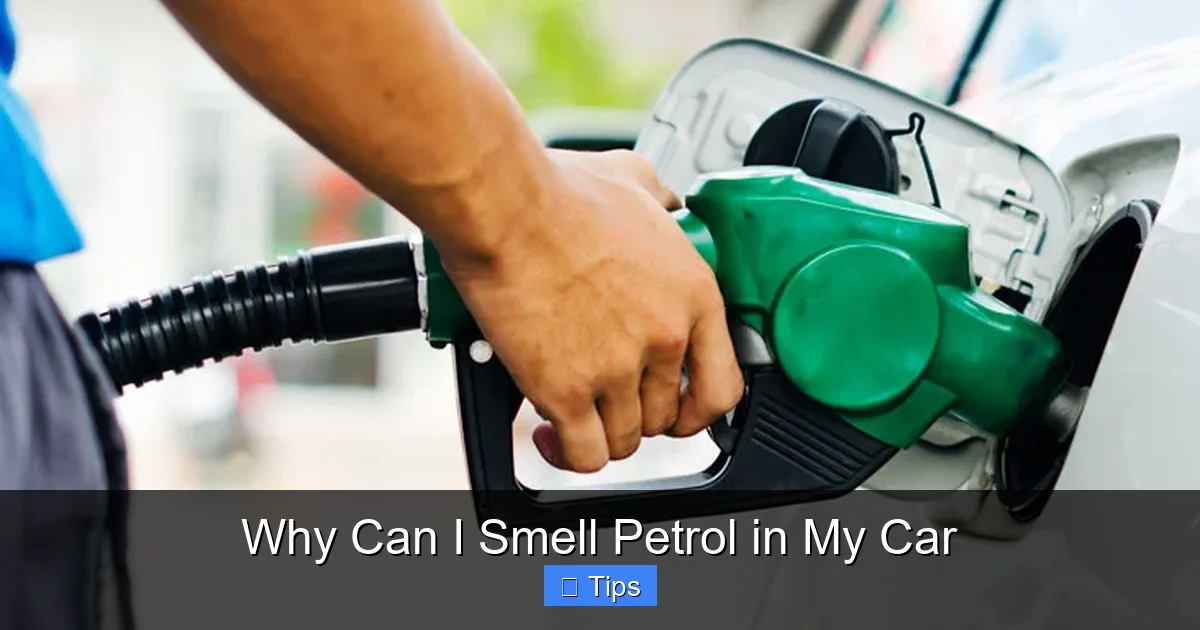
Always stop pumping when the nozzle clicks off. Resist the urge to “top off” your tank—it doesn’t improve mileage and risks damaging the EVAP system. Wipe up any spills immediately with a rag, and never leave the nozzle unattended.
Replace the Gas Cap as Needed
Gas caps wear out over time. If your car is more than 5–7 years old, consider replacing the cap during routine maintenance. Choose an OEM (original equipment manufacturer) part for the best seal.
Maintain the EVAP System
Follow your manufacturer’s recommended service schedule for the EVAP system. This may include inspecting hoses, cleaning the charcoal canister, or replacing valves. Many modern cars go 100,000+ miles without EVAP issues—but neglect can lead to costly repairs.
Use Quality Fuel and Additives
Stick to reputable gas stations and avoid cheap, contaminated fuel. Occasional use of a fuel system cleaner (like those containing polyetheramine) can help keep injectors and lines clean, reducing the risk of leaks or clogs.
Address Warning Lights Promptly
Never ignore the “Check Engine” light. Modern OBD-II systems detect EVAP leaks as small as 0.020 inches in diameter. Early diagnosis prevents bigger problems and keeps your car running efficiently.
When to See a Mechanic: Red Flags You Can’t Ignore
While some petrol smells are minor, others demand immediate professional attention. Watch for these warning signs:
- The smell is strong, constant, or worsening.
- You see liquid fuel under the car or around the engine.
- The “Check Engine” light is on, especially with EVAP-related codes.
- Your fuel economy drops suddenly.
- You hear hissing, dripping, or unusual noises from the fuel system.
- The odor returns shortly after refueling or only appears when the engine is hot.
Mechanics use specialized tools like smoke machines to pressurize the fuel system and trace invisible leaks. They can also test fuel pressure, inspect injectors, and verify EVAP component function. Don’t delay—fuel system repairs are often covered under warranty or emissions programs, and catching issues early saves money and stress.
Conclusion: Don’t Ignore the Smell—Act Now
So, why can I smell petrol in my car? Whether it’s a loose gas cap, a failing EVAP valve, or a dangerous fuel leak, the answer almost always points to a fixable issue—but one that requires prompt action. Petrol odors are your car’s way of saying, “Something’s wrong.” Ignoring them risks your safety, your wallet, and your vehicle’s longevity.
By understanding the common causes, knowing how to respond, and practicing preventive maintenance, you can drive with confidence and peace of mind. When in doubt, consult a professional. Your nose might just be the first warning system your car ever had—so listen to it.
Frequently Asked Questions
Is it normal to smell a little petrol after refueling?
A very faint odor immediately after filling up is common and usually harmless, especially if you overfilled slightly. However, if the smell lingers for hours or returns frequently, it indicates an underlying issue like a faulty EVAP system or loose gas cap.
Can a bad oxygen sensor cause a petrol smell?
Not directly. A faulty oxygen sensor affects fuel mixture and emissions but doesn’t typically cause fuel odors. However, it may trigger a rich fuel condition that increases vapor production, potentially worsening existing EVAP leaks.
Why do I only smell petrol when I turn on the AC?
This often points to a contaminated cabin air filter or a leak near the HVAC intake (usually in the engine bay). Fuel vapors are drawn in and circulated through the vents. Replace the cabin filter and inspect for nearby leaks.
Can petrol fumes harm my health?
Yes. Prolonged exposure to gasoline vapors can cause headaches, dizziness, nausea, and respiratory irritation. In high concentrations, they pose a fire or explosion risk. Always ventilate the area and avoid inhalation.
Will a new gas cap fix the petrol smell?
Possibly—if the cap is loose, cracked, or missing. It’s a cheap and easy first step. But if the smell persists after replacing it, the issue likely lies elsewhere, such as a fuel leak or EVAP fault.
How much does it cost to fix a fuel leak?
Costs vary widely: a gas cap replacement is $10–$30, while fuel line or injector repairs can range from $200 to $1,000+. Severe tank damage may require $500–$1,500+ in parts and labor. Always get a diagnostic estimate first.

At CarLegit, we believe information should be clear, factual, and genuinely helpful. That’s why every guide, review, and update on our website is created with care, research, and a strong focus on user experience.