
Driving a car with transmission problems is possible in emergencies, but it’s risky and can cause severe damage. Ignoring symptoms like slipping gears or strange noises may lead to costly repairs or complete failure. Always consult a mechanic before hitting the road.
In This Article
- 1 Key Takeaways
- 2 📑 Table of Contents
- 3 Can You Drive a Car with Transmission Problems?
- 4 Understanding Your Car’s Transmission
- 5 Common Signs of Transmission Problems
- 6 Can You Safely Drive with Transmission Problems?
- 7 DIY Checks and Temporary Fixes
- 8 When to Call a Professional
- 9 Preventing Transmission Problems
- 10 Conclusion
- 11 Frequently Asked Questions
- 11.1 Can I drive my car if the transmission is slipping?
- 11.2 How far can I drive with low transmission fluid?
- 11.3 Will adding transmission fluid fix the problem?
- 11.4 Can a transmission problem cause the car to not start?
- 11.5 How much does it cost to fix a transmission?
- 11.6 Can I fix my transmission myself?
Key Takeaways
- Transmission issues can worsen quickly: Even minor problems like delayed shifting or fluid leaks can escalate into total failure if ignored.
- Short-distance driving may be safe temporarily: If symptoms are mild and you’re close to a repair shop, driving cautiously might be acceptable—but avoid highways or long trips.
- Safety should always come first: A failing transmission can cause sudden loss of power or unexpected gear shifts, creating dangerous driving conditions.
- Check transmission fluid regularly: Low or burnt-smelling fluid is a common early warning sign that shouldn’t be overlooked.
- Modern cars have warning systems: Pay attention to dashboard lights like the check engine or transmission warning light—they’re your car’s way of asking for help.
- DIY fixes are rarely enough: While topping off fluid might help temporarily, most transmission issues require professional diagnosis and repair.
- Prevention saves money: Regular maintenance, including fluid changes and filter replacements, can extend your transmission’s life and prevent breakdowns.
📑 Table of Contents
Can You Drive a Car with Transmission Problems?
So, your car’s acting up—maybe it’s hesitating when you shift gears, making weird noises, or just not responding like it used to. You’re wondering: *Can I still drive it?* The short answer is: sometimes, but it’s not a good idea.
Transmission problems are among the most serious issues your vehicle can face. The transmission is essentially the heart of your car’s drivetrain—it transfers power from the engine to the wheels. When it’s not working right, everything from acceleration to braking can be affected. While you might be able to limp your car to a repair shop in an emergency, continuing to drive with known transmission issues can turn a $500 fix into a $3,000 replacement.
This guide will walk you through the signs of transmission trouble, the risks of driving with these problems, and what you should do if you find yourself in this situation. Whether you’re dealing with a slipping automatic or a grinding manual, understanding your options can save you time, money, and potentially your safety.
Understanding Your Car’s Transmission
Visual guide about Can You Drive a Car with Transmission Problems
Image source: carfromjapan.com
Before we dive into whether you should drive with transmission problems, it helps to understand what the transmission actually does—and why it’s so important.
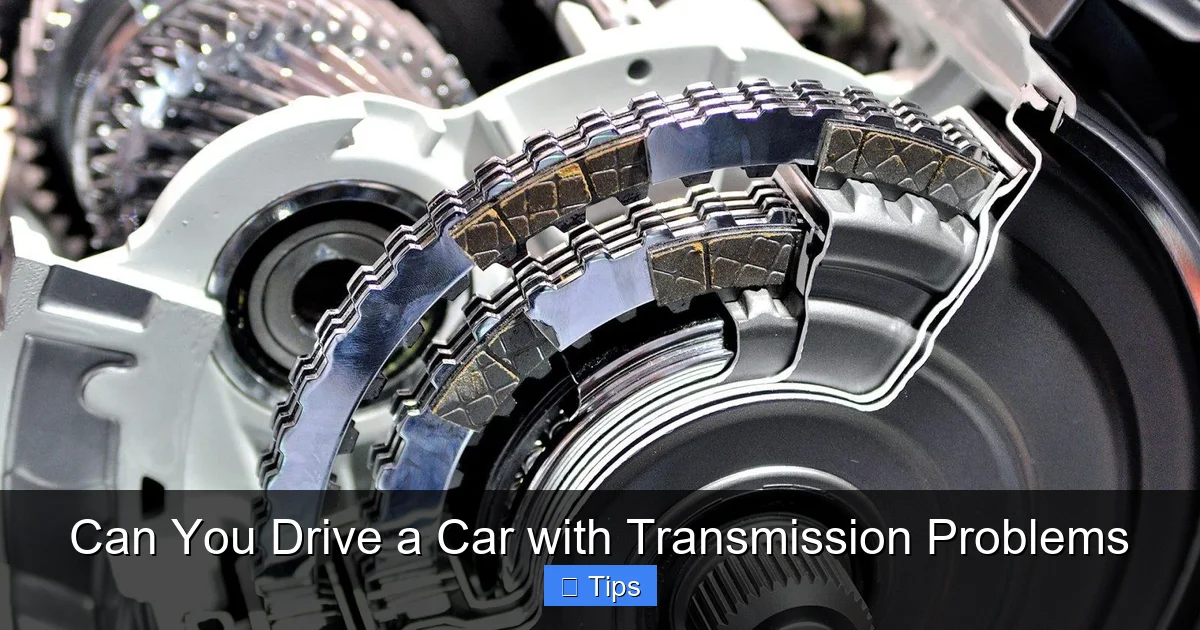
The transmission’s main job is to manage the power your engine produces and deliver it to the wheels at the right speed and torque. Without it, your car wouldn’t be able to accelerate smoothly, shift gears, or even move at all. There are two main types:
Automatic Transmissions
These are the most common in modern vehicles. They shift gears automatically based on speed and engine load. They use a complex system of hydraulic fluid, clutches, and planetary gear sets to make smooth transitions. Because they’re sealed and computer-controlled, they require less driver input—but they’re also more expensive to repair when something goes wrong.
Manual Transmissions
Also known as stick shifts, these require the driver to manually change gears using a clutch pedal and gear shifter. They’re simpler in design and often more fuel-efficient, but they demand more skill to operate. Manual transmissions are generally more durable and cheaper to fix, but they’re becoming less common in new cars.
How the Transmission Works
In simple terms, the transmission takes the high-speed rotation of the engine and converts it into the right amount of torque for the wheels. For example, when you start from a stop, you need a lot of torque to get moving—so the transmission uses lower gears. As you speed up, it shifts to higher gears to improve efficiency.
This process relies heavily on transmission fluid, which lubricates moving parts, cools the system, and helps transmit hydraulic pressure. Without clean, adequate fluid, the transmission can overheat, wear out prematurely, or fail entirely.
Common Signs of Transmission Problems
Visual guide about Can You Drive a Car with Transmission Problems
Image source: res.cloudinary.com
Recognizing the early warning signs of transmission trouble is crucial. The sooner you catch a problem, the less damage it will cause—and the safer you’ll be on the road. Here are the most common symptoms to watch for:
Delayed or Rough Shifting
If your car hesitates when shifting gears—especially when accelerating from a stop—it could mean the transmission is struggling to engage. You might notice a lag of a few seconds before the car responds, or it might jerk violently when shifting. This is often caused by low fluid levels, worn clutches, or solenoid issues.
Slipping Gears
Gear slipping happens when the transmission unexpectedly shifts out of gear or revs high without moving the car forward. For example, you might be driving at 40 mph and suddenly feel the engine revving like you’re in neutral. This is dangerous because it can happen at any time, including on highways or busy streets.
Unusual Noises
Strange sounds coming from under the hood or beneath the car are never a good sign. In automatic transmissions, you might hear humming, whining, or buzzing—especially when the car is in gear but not moving. Manual transmissions may produce grinding noises when shifting, which usually indicates clutch or synchro problems.
Burning Smell
If you smell something burning—like burnt oil or rubber—it could mean your transmission fluid is overheating. This happens when the fluid breaks down due to age, contamination, or excessive heat. Overheated fluid loses its lubricating properties, leading to increased friction and wear.
Leaking Fluid
Transmission fluid is typically red or pink and has a slightly sweet smell. If you notice red or brown puddles under your car, especially near the front or middle, you likely have a leak. Common causes include damaged seals, gaskets, or the transmission pan. Low fluid levels can cause all the symptoms above.
Check Engine or Transmission Warning Light
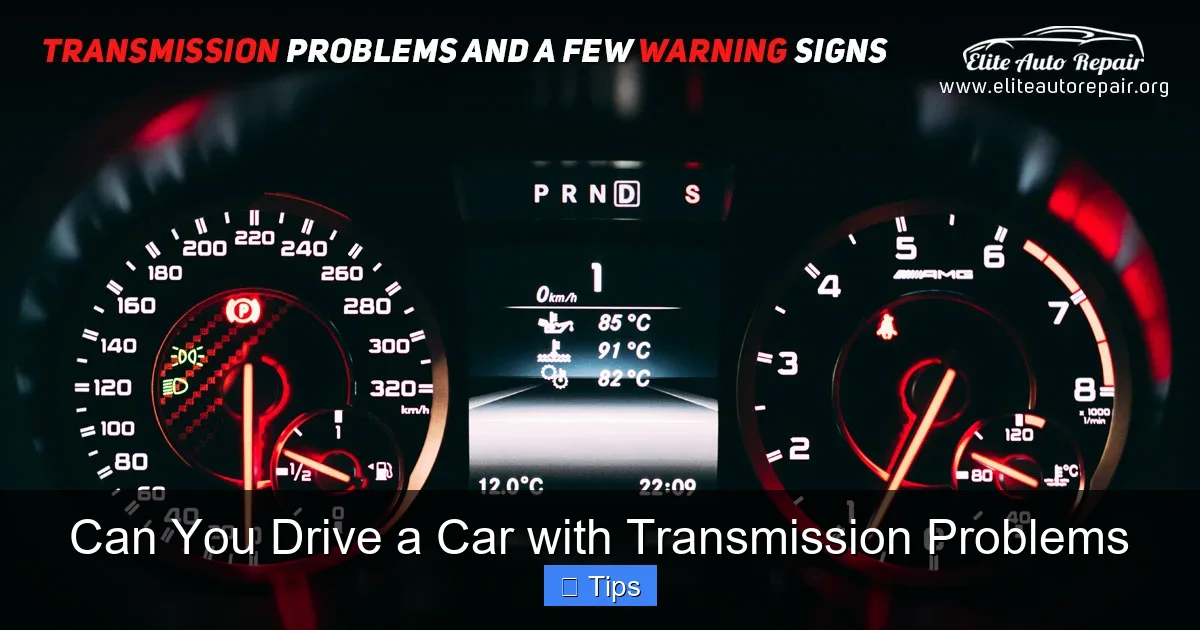
Modern cars are equipped with sensors that monitor transmission performance. If something’s off, the check engine light or a specific transmission warning light may illuminate on your dashboard. Don’t ignore these lights—they’re your car’s way of saying, “Hey, I need help!”
Car Won’t Move
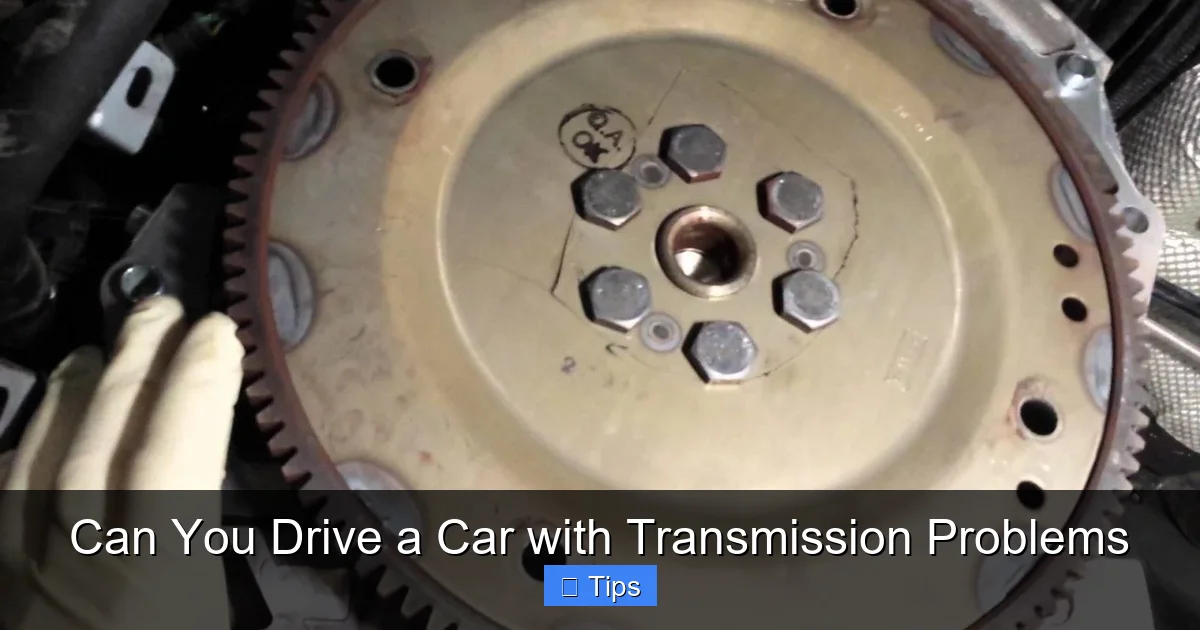
In severe cases, the transmission may fail completely, leaving the car unable to move even when the engine is running. This is often the result of internal damage, such as broken gears or a seized torque converter.
Can You Safely Drive with Transmission Problems?
Visual guide about Can You Drive a Car with Transmission Problems
Image source: static.carfromjapan.com
Now for the big question: *Can you drive a car with transmission problems?* The answer isn’t a simple yes or no—it depends on the severity of the issue, your location, and how urgently you need to get somewhere.
When It Might Be Okay (Temporarily)
In rare cases, you might be able to drive a short distance—say, a few miles—to reach a repair shop or your home. This is only acceptable if:
– The symptoms are mild (e.g., slight hesitation or a small fluid leak).
– You’re driving slowly and avoiding highways.
– You’re not carrying passengers or towing anything.
– You’re confident the car won’t stall or lose power unexpectedly.
For example, if your car is slipping slightly in first gear but shifts fine after that, you might be able to drive it 2–3 miles to a trusted mechanic. But even then, proceed with extreme caution.
When You Should NOT Drive
There are several situations where driving is a bad idea—no matter how inconvenient it may be:
– The transmission is slipping or shifting erratically.
– You hear loud grinding, clunking, or whining noises.
– The car won’t move when you shift into drive or reverse.
– The check engine light is on and flashing (this indicates a serious problem).
– You smell burning or see smoke coming from under the hood.
In these cases, driving could cause catastrophic damage—or worse, put you and others in danger. A sudden loss of power on a busy road could lead to an accident.
The Risks of Driving with Transmission Issues
Even if your car seems to be running okay, continuing to drive with transmission problems can lead to:
– **Complete transmission failure:** What started as a minor issue can escalate into total breakdown, requiring a full rebuild or replacement.
– **Increased repair costs:** Ignoring early signs often means more parts are damaged by the time you get it fixed.
– **Safety hazards:** Unexpected gear shifts, loss of power, or stalling can cause accidents, especially at high speeds.
– **Stranding:** Your car could break down in an unsafe location, like a highway shoulder or remote area.
What to Do Instead
If you suspect transmission trouble, the best course of action is to:
1. **Stop driving as soon as it’s safe.** Pull over and turn off the engine.
2. **Check the transmission fluid.** Locate the dipstick (usually near the engine), pull it out, wipe it clean, reinsert it, and check the level and condition. Fluid should be red or pink and not smell burnt.
3. **Call a tow truck.** If you’re far from home or a repair shop, it’s safer and smarter to have your car towed than to risk driving it.
4. **Contact a trusted mechanic.** Describe the symptoms and ask for a diagnosis. Some shops offer free inspections or diagnostic scans.
DIY Checks and Temporary Fixes
While most transmission problems require professional help, there are a few things you can do at home to assess the situation—or possibly buy yourself a little time.
Check the Transmission Fluid
This is the easiest and most important DIY check. Here’s how:
1. Park your car on a level surface and let the engine run for a few minutes to warm up the fluid.
2. Locate the transmission dipstick (refer to your owner’s manual if you’re unsure).
3. Pull it out, wipe it clean, reinsert it fully, then pull it out again.
4. Check the fluid level—it should be between the “Full” and “Add” marks.
5. Look at the color and smell. Healthy fluid is red or pink and smells slightly sweet. Dark, brown, or burnt-smelling fluid indicates contamination or overheating.
If the fluid is low, you can top it off with the correct type (check your manual). But be careful—overfilling can also cause problems.
Look for Leaks
Inspect the area under your car for puddles or stains. Transmission fluid is usually red, but it can turn brown over time. If you see a leak, try to identify the source:
– **Transmission pan:** A loose or damaged pan gasket can leak.
– **Seals and gaskets:** Worn seals around the input/output shafts or axle can drip fluid.
– **Cooler lines:** Rubber or metal lines that carry fluid to the radiator can crack or loosen.
Small leaks might be fixable with a sealant or new gasket, but larger ones often require professional repair.
Reset the Transmission Control Module (TCM)
Some modern cars have a Transmission Control Module that manages gear shifts. If it’s malfunctioning, it can cause shifting problems. A simple reset might help:
1. Turn off the car and disconnect the negative battery cable.
2. Wait 10–15 minutes to allow the system to reset.
3. Reconnect the cable and start the car.
This won’t fix mechanical issues, but it can resolve electronic glitches.
Use the “Limp Mode” (If Available)
Many cars have a “limp mode” that activates when the transmission detects a problem. It limits the car to one or two gears to prevent further damage. If your car enters limp mode, drive slowly and get it to a mechanic ASAP.
When to Call a Professional
While DIY checks can help you understand the problem, transmission repairs are best left to professionals. Here’s when you should definitely call a mechanic:
Persistent Symptoms
If the problem doesn’t go away after checking fluid, resetting the system, or driving carefully, it’s time for a professional diagnosis.
Dashboard Warning Lights
A flashing check engine light or transmission warning light means the car’s computer has detected a serious issue. This requires a diagnostic scan to read the error codes.
Fluid Contamination
If the fluid is dark, smells burnt, or has metal shavings in it, internal damage is likely. This could mean worn clutches, bearings, or gears.
Complete Loss of Function
If the car won’t move in any gear, don’t try to drive it. Tow it to a shop immediately.
Unusual Noises or Vibrations
Grinding, clunking, or shaking during shifts often indicates mechanical failure. Continuing to drive can destroy the transmission.
Preventing Transmission Problems
The best way to avoid transmission issues is through regular maintenance. Here’s how to keep your transmission healthy:
Follow the Maintenance Schedule
Check your owner’s manual for recommended service intervals. Most manufacturers suggest changing transmission fluid every 30,000 to 60,000 miles, depending on driving conditions.
Use the Right Fluid
Always use the type of transmission fluid specified by the manufacturer. Using the wrong kind can damage seals and reduce performance.
Avoid Overheating
Transmissions generate a lot of heat, especially when towing or driving in traffic. Consider installing an auxiliary cooler if you frequently carry heavy loads.
Don’t “Ride the Clutch” (Manual Cars)
Keeping your foot on the clutch pedal while driving wears out the clutch prematurely. Only press it when shifting.
Warm Up the Car in Cold Weather
In freezing temperatures, let the engine run for a minute or two before driving. Cold fluid is thicker and doesn’t lubricate as well.
Address Problems Early
Don’t wait for symptoms to get worse. The sooner you fix a small issue, the less it will cost—and the safer your car will be.
Conclusion
So, can you drive a car with transmission problems? Technically, yes—but it’s rarely a good idea. While you might be able to make a short, cautious trip in an emergency, continuing to drive with known issues can lead to expensive repairs, safety risks, or complete breakdowns.
The transmission is a vital part of your vehicle, and ignoring problems won’t make them go away. Instead, it often makes them worse. By learning to recognize the warning signs, performing basic checks, and seeking professional help when needed, you can protect your car, your wallet, and your safety.
Remember: when in doubt, don’t drive it out. Call a tow truck, get it checked, and let a qualified mechanic handle the repair. Your car—and your peace of mind—will thank you.
Frequently Asked Questions
Can I drive my car if the transmission is slipping?
Driving with a slipping transmission is dangerous and not recommended. Slipping can cause sudden loss of power or unexpected gear changes, especially at high speeds. It’s best to stop driving and have it inspected immediately.
How far can I drive with low transmission fluid?
You might be able to drive a few miles with low fluid, but it’s risky. Low fluid can cause overheating and damage internal components. Top off the fluid if possible and get it checked by a mechanic as soon as you can.
Will adding transmission fluid fix the problem?
Adding fluid may help if the issue is low levels, but it won’t fix leaks, worn parts, or electronic faults. It’s a temporary solution—always have the underlying cause diagnosed.
Can a transmission problem cause the car to not start?
Usually not. Transmission issues typically affect shifting and movement, not starting. However, some cars won’t start if the transmission isn’t in park or neutral due to safety interlocks.
How much does it cost to fix a transmission?
Costs vary widely. Minor repairs like fluid changes or solenoid replacements can cost $150–$500. Major repairs or replacements can range from $1,800 to $3,500 or more, depending on the vehicle and extent of damage.
Can I fix my transmission myself?
Simple tasks like checking fluid or replacing a filter can be DIY, but most transmission repairs require specialized tools and expertise. Attempting complex fixes without experience can cause more damage.

At CarLegit, we believe information should be clear, factual, and genuinely helpful. That’s why every guide, review, and update on our website is created with care, research, and a strong focus on user experience.