
Buying a car from a junkyard is possible, but it comes with risks and rewards. While you might find a hidden gem at a fraction of the price, these vehicles often have serious damage or missing parts. With careful inspection, research, and realistic expectations, a junkyard car could be a budget-friendly project—or a costly mistake.
In This Article
- 1 Key Takeaways
- 2 📑 Table of Contents
- 3 Can You Buy a Car from a Junkyard?
- 4 Why People Consider Buying from a Junkyard
- 5 Types of Vehicles Available at Junkyards
- 6 Pros and Cons of Buying a Junkyard Car
- 7 How to Safely Buy a Car from a Junkyard
- 8 Real-Life Examples: Successes and Failures
- 9 Alternatives to Buying from a Junkyard
- 10 Final Thoughts: Is It Worth It?
- 11 Frequently Asked Questions
Key Takeaways
- Junkyard cars are typically sold “as-is” with no warranty. This means you assume all risks once you drive off the lot.
- Salvage titles indicate prior major damage or theft recovery. These affect resale value and insurance options.
- Mechanical and safety inspections are crucial before purchase. Never skip a pre-buy inspection by a trusted mechanic.
- Some junkyards allow test drives or partial inspections. Always ask about their policies before committing.
- Legal and registration hurdles may apply. Check your state’s rules for titling and registering salvage vehicles.
- Junkyards can be great for parts, but full-car purchases require caution. Know what you’re getting into before handing over cash.
- Budget for repairs and towing. The low sticker price often doesn’t include hidden costs.
📑 Table of Contents
- Can You Buy a Car from a Junkyard?
- Why People Consider Buying from a Junkyard
- Types of Vehicles Available at Junkyards
- Pros and Cons of Buying a Junkyard Car
- How to Safely Buy a Car from a Junkyard
- Real-Life Examples: Successes and Failures
- Alternatives to Buying from a Junkyard
- Final Thoughts: Is It Worth It?
Can You Buy a Car from a Junkyard?
So, you’ve seen those rows of wrecked, rusted, and abandoned cars at the local junkyard—and you’re wondering: *Can I actually buy one of those?* The short answer is yes, you can buy a car from a junkyard. But the longer, more important answer is: *Should you?*
Junkyards, also known as salvage yards or auto recyclers, are places where damaged, abandoned, or end-of-life vehicles are stored. Many people think of them as graveyards for cars, but they’re also treasure troves for mechanics, DIYers, and budget-conscious buyers. While most junkyards focus on selling used auto parts, some do allow customers to purchase entire vehicles—especially if the car is relatively intact or has desirable components.
But here’s the catch: these aren’t certified pre-owned vehicles. They’re not inspected, polished, or guaranteed. Most are sold “as-is,” meaning what you see is what you get—and if it breaks down the next day, that’s on you. Still, with the right knowledge and a bit of luck, buying a car from a junkyard can be a smart move. Whether you’re looking for a project car, a parts donor, or a cheap daily driver, understanding how junkyard purchases work is the first step to avoiding a costly mistake.
Why People Consider Buying from a Junkyard
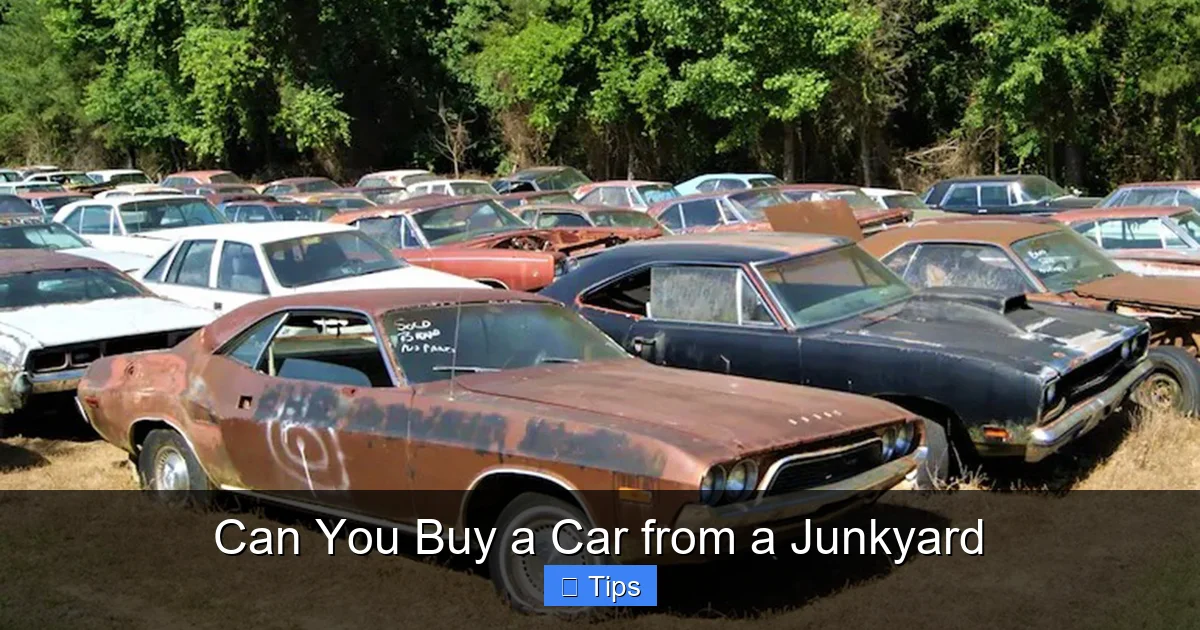
Visual guide about Can You Buy a Car from a Junkyard
Image source: motortrend.com
There are several reasons someone might consider buying a car from a junkyard. The most obvious is price. Junkyard vehicles are often priced far below market value—sometimes just a few hundred dollars. For someone on a tight budget, that’s a huge draw. Imagine picking up a 2008 Honda Civic for $800 instead of $5,000 at a dealership. It sounds almost too good to be true, and sometimes it is—but not always.
Another reason is availability. If you’re restoring an older vehicle and need a specific model for parts, a junkyard might have exactly what you’re looking for. For example, if you’re rebuilding a 1995 Ford Mustang and need a matching engine or transmission, a salvage yard could be your best bet. These places often have rare or discontinued models that aren’t available elsewhere.
Some buyers are also drawn to the DIY challenge. Fixing up a junkyard car can be a rewarding project, especially for hobbyists or those learning automotive repair. It’s a hands-on way to gain mechanical skills, save money, and end up with a unique vehicle. Plus, there’s a certain pride that comes from bringing a “dead” car back to life.
Finally, environmental consciousness plays a role. Buying a used car—even a damaged one—reduces demand for new vehicles, which in turn lowers manufacturing emissions and resource consumption. Recycling cars through salvage yards helps keep usable parts in circulation and reduces landfill waste.
Common Misconceptions About Junkyard Cars
Before diving in, it’s important to clear up some myths. First, not all junkyard cars are completely destroyed. Some have minor damage—like a fender bender or hail damage—and are still drivable with repairs. Others were declared total losses by insurance companies due to flood damage, fire, or high repair costs, even if the car could technically be fixed.
Another misconception is that all junkyard vehicles are stolen or illegally obtained. In reality, most come from legitimate sources: insurance write-offs, repossessions, or owners who simply couldn’t afford repairs. Reputable junkyards follow strict legal procedures and maintain records of vehicle origins.
Lastly, some people assume junkyards are disorganized or unsafe. While older yards might look chaotic, many modern salvage facilities are well-organized, digitized, and even offer online inventory searches. Some even have customer service desks and allow walk-in inspections.
Types of Vehicles Available at Junkyards
Visual guide about Can You Buy a Car from a Junkyard
Image source: filmthreat.com
Not all junkyard cars are created equal. The types of vehicles you’ll find depend on the yard’s location, size, and sourcing methods. Here’s a breakdown of what you might encounter:
Salvage Title Vehicles
These are cars that have been declared a total loss by an insurance company. They may have been in accidents, flooded, or damaged by fire. Even if they’re repairable, they carry a salvage title, which affects their value and insurability. Some states allow you to rebuild and retitle these vehicles, but the process can be complicated.
Parts-Only Vehicles
Many junkyard cars are sold specifically for parts. These vehicles may be missing engines, transmissions, or interior components. They’re not intended to be driven but can be valuable for someone needing specific parts. For example, a 2003 Toyota Camry with a blown engine might still have a good alternator, bumper, or seats.
Project Cars
These are vehicles that are relatively complete but need significant work. They might have minor body damage, mechanical issues, or outdated interiors. Project cars are ideal for hobbyists who enjoy restoring vehicles. A 1998 Subaru Impreza with a cracked windshield and worn upholstery could become a fun rally-inspired build with some TLC.
Flood-Damaged Vehicles
Cars that have been submerged in water—especially saltwater—are common in junkyards. Water can ruin electronics, corrode metal, and promote mold. While some flood-damaged cars can be repaired, they often have lingering issues like electrical shorts or rust. Proceed with extreme caution.
Repossessed or Abandoned Vehicles
Some junkyards acquire cars through repossession or abandonment. These vehicles may have been left at repair shops, towed from private property, or seized by banks. They’re often sold at auction or directly to the public. Because they weren’t declared total losses, they might have clean titles—but that doesn’t mean they’re in good condition.
Pros and Cons of Buying a Junkyard Car
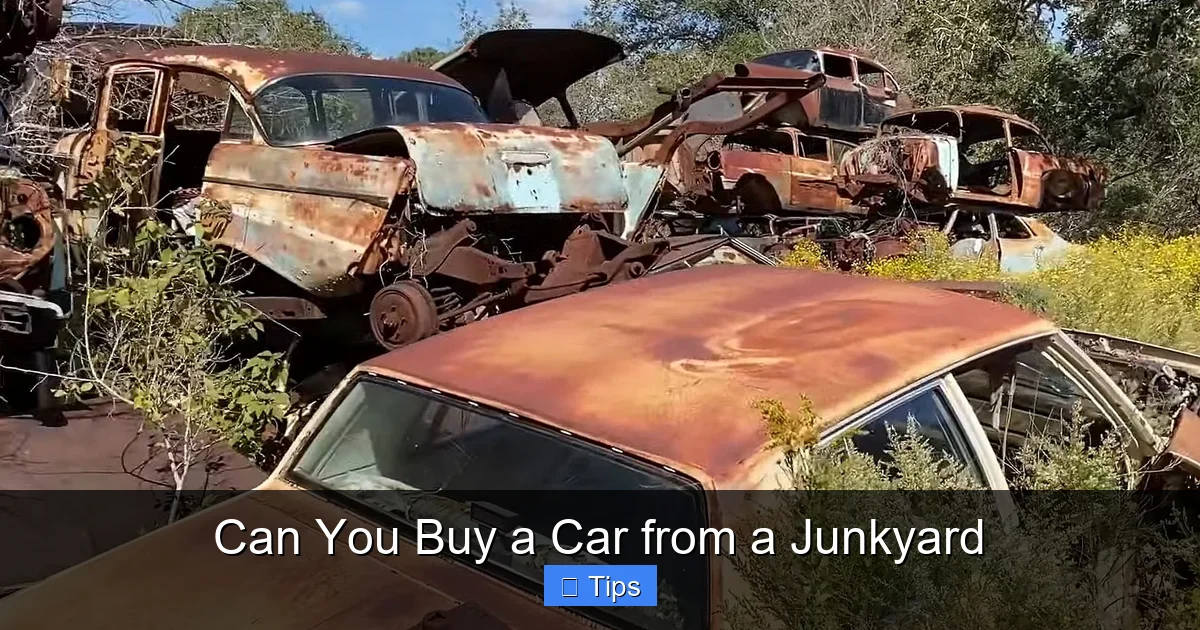
Visual guide about Can You Buy a Car from a Junkyard
Image source: s1.cdn.autoevolution.com
Like any major purchase, buying a car from a junkyard has its advantages and disadvantages. Let’s break them down so you can make an informed decision.
Pros
- Low Cost: The biggest advantage is price. You can often buy a car for a fraction of its market value. This makes junkyards appealing to students, first-time buyers, or those on a tight budget.
- Availability of Rare Models: If you’re looking for an older or discontinued vehicle, junkyards are one of the few places you might find it. Enthusiasts often hunt for specific models to restore or use as parts donors.
- Opportunity for Customization: A junkyard car gives you a blank canvas. You can modify it, upgrade it, or turn it into a unique build. It’s a great way to express creativity without breaking the bank.
- Learning Experience: Fixing up a salvage vehicle teaches valuable mechanical skills. You’ll learn about engines, transmissions, electrical systems, and bodywork—all while saving money.
- Environmental Benefits: Reusing cars reduces waste and the demand for new manufacturing. It’s a more sustainable choice than buying brand-new.
Cons
- No Warranty: Almost all junkyard cars are sold “as-is.” If something breaks, you’re on your own. There’s no return policy or guarantee.
- Hidden Damage: Even if a car looks okay, it might have serious internal issues—like frame damage, rust, or electrical problems—that aren’t visible during a quick inspection.
- Salvage Title Complications: A salvage title can make it harder to insure, register, or resell the vehicle. Some insurance companies won’t cover salvage-title cars at all.
- Repair Costs Can Add Up: The low purchase price can be misleading. Once you factor in repairs, parts, labor, and towing, the total cost might exceed that of a used car from a dealer.
- Limited Inspection Time: Many junkyards don’t allow test drives or extended inspections. You might have only 10–15 minutes to look over the car before deciding.
- Towing and Transportation: Most junkyards won’t deliver the vehicle. You’ll need a tow truck or trailer to get it home, which adds to the cost.
How to Safely Buy a Car from a Junkyard
If you’ve weighed the pros and cons and still want to move forward, here’s how to do it safely and smartly.
Research the Junkyard
Not all junkyards are the same. Some are well-run businesses with online inventories and customer support. Others are little more than scrap heaps. Start by researching local yards. Look for reviews, check if they’re licensed, and see if they have a website with vehicle listings. Some even offer photos and basic details like VIN, mileage, and damage description.
Call ahead to ask about their policies. Can you inspect the car? Are test drives allowed? Do they provide titles? A reputable yard will be transparent and helpful.
Check the Vehicle History
Always run a vehicle history report using the VIN. Services like Carfax or AutoCheck can tell you if the car was in a major accident, flooded, or had multiple owners. This is crucial for understanding the car’s past and potential issues.
If the report shows a salvage title, find out why. Was it a minor fender bender or a totaled collision? The reason matters. A car with structural damage is riskier than one with cosmetic issues.
Inspect the Car Thoroughly
Even if you can’t test drive it, you should inspect the car as much as possible. Bring a flashlight, gloves, and a notepad. Look for:
- Frame Damage: Check for bends, cracks, or misaligned panels. Use a straight edge to see if the frame is true.
- Rust: Look under the car, in the wheel wells, and around the floor pans. Surface rust is manageable, but structural rust is a red flag.
- Engine and Transmission: Check for leaks, corrosion, or missing components. If the engine turns over, that’s a good sign—but don’t assume it runs well.
- Interior Condition: Check for mold, water damage, or rodent infestations. Smell the cabin—musty odors suggest flooding.
- Electrical System: Test lights, wipers, and horn if possible. Electrical issues are common in flood-damaged cars.
If you’re not confident in your inspection skills, bring a mechanic. Many will charge $50–$100 for a pre-purchase inspection, but it could save you thousands.
Understand the Title and Registration Process
This is where things get tricky. In most states, you can’t register a salvage vehicle until it’s been repaired and inspected. The process varies by location, but generally involves:
- Providing proof of ownership (title or bill of sale)
- Submitting repair receipts
- Passing a state inspection (often called a “rebuilt salvage” inspection)
- Paying fees to retitle the vehicle
Some states require a bonded title or special documentation if the original title is missing. Check with your local DMV before buying.
Negotiate the Price
Junkyard prices are often negotiable. Don’t be afraid to haggle—especially if the car has obvious issues. Point out damage, missing parts, or needed repairs. Many yards are willing to lower the price to make a sale.
Also, ask about discounts for cash payments or bulk purchases (if you’re buying multiple cars or parts).
Plan for Towing and Repairs
Before you buy, make sure you have a way to transport the car. Rent a tow dolly or hire a tow truck. Factor this cost into your budget.
Then, create a repair estimate. Get quotes from mechanics or use online resources to estimate parts and labor. Be realistic—some repairs can take months and cost more than the car is worth.
Real-Life Examples: Successes and Failures
To illustrate what can happen, let’s look at a couple of real-world scenarios.
Success Story: The $500 Project Car
Mike, a college student, bought a 2001 Volkswagen Golf from a local junkyard for $500. The car had a salvage title due to rear-end damage, but the engine and transmission were intact. He towed it home, replaced the bumper and taillights, and fixed the alignment. After $1,200 in repairs, he had a reliable commuter car worth about $3,000. He drove it for three years before selling it for $2,500—making a small profit overall.
Failure Story: The Flooded Nightmare
Sarah bought a 2010 Nissan Altima from a junkyard for $800. The seller said it had “minor water damage.” But after towing it home, she discovered the entire electrical system was fried. The airbags had deployed, the ECU was corroded, and mold was growing inside. Repairs would have cost over $4,000. She ended up selling it for scrap at a $600 loss.
These stories show why research and inspection are so important. A little due diligence can mean the difference between a great deal and a money pit.
Alternatives to Buying from a Junkyard
If the risks of a junkyard purchase feel too high, consider these alternatives:
- Used Car Dealerships: Certified pre-owned vehicles come with inspections, warranties, and financing options. They’re more expensive but far less risky.
- Private Sellers: Buying from an individual can offer better prices and more negotiation room. Always meet in a safe location and get a pre-purchase inspection.
- Auctions: Government or police auctions sometimes sell used cars at low prices. These can be great deals, but they’re often sold “as-is” with no returns.
- Online Marketplaces: Sites like Craigslist, Facebook Marketplace, or OfferUp list used cars from individuals and dealers. You can filter by price, condition, and location.
Each option has its own pros and cons, but they generally offer more transparency and buyer protection than junkyards.
Final Thoughts: Is It Worth It?
So, can you buy a car from a junkyard? Absolutely. Should you? That depends.
If you’re mechanically inclined, have realistic expectations, and are prepared for potential setbacks, a junkyard car can be a rewarding investment. It’s a chance to save money, learn new skills, and drive something unique.
But if you’re looking for a reliable, hassle-free vehicle with minimal repairs, a junkyard purchase might not be the best choice. The low price tag can be deceiving, and the hidden costs—both financial and emotional—can add up quickly.
The key is to go in with your eyes open. Do your research, inspect thoroughly, and never rush into a decision. And remember: just because a car is cheap doesn’t mean it’s a good deal.
In the end, buying a car from a junkyard is like gambling—you might hit the jackpot, or you might walk away empty-handed. But with the right approach, you can tilt the odds in your favor.
Frequently Asked Questions
Can I drive a junkyard car home after buying it?
It depends on the car’s condition and local laws. If the vehicle is not roadworthy, you’ll need to tow it. Some states allow temporary tags for transport, but you can’t legally drive a salvage vehicle on public roads until it’s repaired and registered.
Do junkyards provide titles for the cars they sell?
Most reputable junkyards will provide a title or bill of sale, but it’s not guaranteed. Always ask before buying. If the title is missing, you may need to apply for a bonded title through your state’s DMV.
Can I insure a car bought from a junkyard?
It’s possible, but difficult. Many insurance companies won’t cover salvage-title vehicles. Some offer liability-only coverage, but full coverage is rare. Check with multiple insurers before purchasing.
Are junkyard cars safe to drive?
Only if they’ve been properly repaired and inspected. A car with frame damage, electrical issues, or rust can be unsafe. Always have a mechanic evaluate the vehicle before driving it regularly.
Can I return a car bought from a junkyard?
Almost never. Junkyard cars are sold “as-is,” meaning no returns or refunds. Make sure you’re confident in your purchase before handing over cash.
How do I find a reliable junkyard near me?
Search online for licensed auto recyclers in your area. Read reviews, check for certifications (like ARA membership), and visit in person if possible. A clean, organized yard is a good sign.

At CarLegit, we believe information should be clear, factual, and genuinely helpful. That’s why every guide, review, and update on our website is created with care, research, and a strong focus on user experience.