
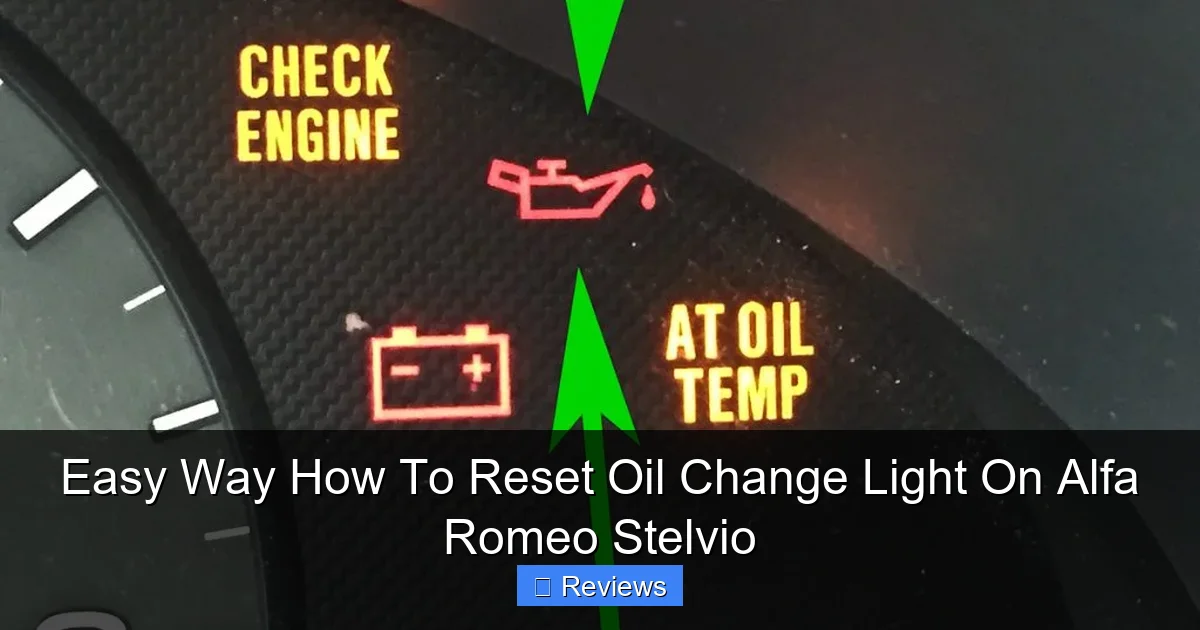
Featured image for how to reset oil change light on alfa romeo stelvio
Image source: static.carfromjapan.com
Resetting your Alfa Romeo Stelvio’s oil change light is a surprisingly simple DIY task, saving you a trip to the dealership. This guide details a quick and effective method, typically involving specific ignition and pedal sequences, to clear the service reminder yourself. Empower yourself with this easy fix to keep your Stelvio’s dashboard clear and your maintenance on track!
The exhilarating growl of an Alfa Romeo Stelvio engine isn’t just a sound; it’s a symphony of precision engineering and passionate design. Owning such a magnificent Italian SUV is a privilege, offering a driving experience that few vehicles can match. However, even the most passionate drivers must confront the practicalities of vehicle maintenance. One common, yet often perplexing, aspect of routine care is the illumination of the oil change light on your dashboard. This seemingly small amber beacon serves as a crucial reminder that your Stelvio requires attention, ensuring its continued peak performance and longevity.
While the initial appearance of this light might stir a moment of concern, understanding its purpose and knowing how to properly address it is part of being a responsible Alfa Romeo owner. This isn’t just about making a light disappear; it’s about acknowledging the fundamental role of clean engine oil in protecting your investment. Fresh oil is the lifeblood of your Stelvio’s high-performance engine, lubricating vital components, dissipating heat, and keeping the internals free from harmful contaminants. Neglecting timely oil changes can lead to premature wear, reduced fuel efficiency, and potentially costly repairs down the line.
This comprehensive guide aims to demystify the process of resetting the oil change light on your Alfa Romeo Stelvio. We’ll delve into why the light appears, the essential steps involved in verifying and performing the actual oil change, and then provide an easy, detailed walkthrough of how to reset the service reminder using your vehicle’s integrated systems. Whether you’re a seasoned DIY enthusiast or prefer professional service, this information will empower you to confidently manage your Stelvio’s maintenance schedule, keeping that magnificent engine purring for years to come. Let’s review the steps to a clear dashboard and a well-maintained Alfa Romeo.
In This Article
- 1 Key Takeaways
- 2 Understanding Your Alfa Romeo Stelvio’s Maintenance System
- 3 Essential Preparations Before Resetting the Light on Your Alfa Romeo Stelvio
- 4 Step-by-Step Guide: Resetting the Oil Change Light on Your Alfa Romeo Stelvio
- 5 Troubleshooting Common Issues After an Oil Change on Your Alfa Romeo Stelvio
- 6 Beyond the Light: Maintaining Your Alfa Romeo Stelvio’s Performance
- 7 Data Table: Alfa Romeo Stelvio Oil Change Specifications (2.0L Turbo)
- 8 Conclusion
- 9 Frequently Asked Questions
- 9.1 Why does the oil change light illuminate on my Alfa Romeo Stelvio?
- 9.2 Can I reset the oil change light on my Alfa Romeo Stelvio myself, or do I need a dealer?
- 9.3 What are the exact steps to reset the oil change light on an Alfa Romeo Stelvio?
- 9.4 What should I do if the oil change light doesn’t reset after following the steps for my Alfa Romeo Stelvio?
- 9.5 Is it important to reset the oil change light after an oil change on my Alfa Romeo Stelvio?
- 9.6 How often will I need to reset the oil change light on my Alfa Romeo Stelvio?
Key Takeaways
- Turn ignition ON: Do not start the engine; turn on accessories only.
- Press accelerator fully: Push the pedal to the floor and hold it.
- Press brake pedal fully: Also press the brake pedal to the floor and hold.
- Hold pedals 60 seconds: Maintain both pedals pressed for one full minute.
- Confirm dashboard message: Look for “Oil Change Reset” confirmation on screen.
- Release pedals slowly: After confirmation, gently lift your feet from pedals.
- Reset is a DIY task: Save dealership costs by performing this yourself.
Understanding Your Alfa Romeo Stelvio’s Maintenance System
Before diving into the specifics of how to reset your oil change light, it’s crucial to understand the underlying principles of your Alfa Romeo Stelvio’s maintenance system. This knowledge not only enhances your ability to perform routine tasks but also deepens your appreciation for the sophisticated engineering within your vehicle.
The Importance of Regular Oil Changes for Your Stelvio
The engine oil in your Alfa Romeo Stelvio is far more than just a lubricant; it’s a multifaceted fluid vital for the health and performance of your turbocharged engine. In a high-performance vehicle like the Stelvio, engine oil performs several critical functions:
- Lubrication: It creates a thin film between moving metal parts, reducing friction and preventing wear. Without proper lubrication, components like pistons, crankshafts, and camshafts would grind against each other, leading to catastrophic engine failure.
- Cooling: Engine oil absorbs heat from hot engine parts and carries it away to the oil pan, where it dissipates. This helps maintain optimal operating temperatures, especially important for forced induction engines which generate more heat.
- Cleaning: Oil contains detergents and dispersants that prevent the formation of sludge and varnish. It picks up contaminants like dirt, metal particles, and combustion byproducts, holding them in suspension until they are removed by the oil filter.
- Sealing: It helps create a seal between the piston rings and cylinder walls, preventing combustion gases from escaping into the crankcase and maintaining compression.
- Corrosion Protection: Additives in the oil protect internal engine components from rust and corrosion, which can occur due to moisture and acids formed during combustion.
For an Alfa Romeo Stelvio, which boasts impressive horsepower and torque, these functions are under considerable stress. Regular oil changes ensure that the oil’s properties remain effective, safeguarding your engine’s intricate components against the rigors of performance driving and daily commutes.
How the Stelvio’s System Detects Oil Life
Modern vehicles, including the Alfa Romeo Stelvio, no longer rely solely on a fixed mileage interval for oil changes. Instead, they utilize sophisticated algorithms to monitor various operational parameters and estimate the remaining oil life. This is often referred to as a “Maintenance Minder” or “Oil Life Monitor” system.
The Stelvio’s system takes into account factors such as:
- Engine Revolutions: The number of times the engine has rotated.
- Engine Temperature: How often the engine operates at high temperatures.
- Driving Conditions: Short trips, frequent stop-and-go driving, or towing can degrade oil faster than sustained highway driving.
- Time Elapsed: Even if mileage is low, oil degrades over time due to exposure to oxygen and contaminants.
- Fuel Consumption: The amount of fuel burned can correlate with engine workload and contaminant production.
Based on these parameters, the system calculates when an oil change is due, typically providing a percentage of remaining oil life or triggering the “oil change required” message when it reaches a certain threshold (e.g., 0% or a specific mileage countdown). This intelligent system ensures that you only change your oil when it’s actually needed, optimizing maintenance costs and reducing waste, while still providing critical reminders for your Alfa Romeo Stelvio.
Why the Oil Change Light Appears on Your Alfa Romeo Stelvio
The “oil change required” or “service due” light on your Alfa Romeo Stelvio dashboard illuminates for one primary reason: the vehicle’s onboard computer has determined that the engine oil has reached the end of its useful life based on the monitoring parameters discussed above. It’s a reminder, not an immediate emergency light indicating low oil pressure or level (those typically have their own distinct, more urgent warnings).
The light serves as a prompt for scheduled maintenance. It doesn’t mean your oil is completely gone or that your engine is about to seize. However, ignoring this warning for extended periods can certainly lead to accelerated wear and reduced engine health. It’s a gentle nudge from your Stelvio, reminding you to book that service appointment or prepare for a DIY oil change. Understanding this distinction is key to not panicking when the light first appears, but also not dismissing its importance for your Alfa Romeo Stelvio.
Essential Preparations Before Resetting the Light on Your Alfa Romeo Stelvio
The primary goal of resetting the oil change light is to signal to your Alfa Romeo Stelvio’s onboard computer that a new oil service has been performed. This is not a magic trick to make a warning disappear; it must always follow the actual service. Rushing to reset the light without changing the oil is counterproductive and harmful to your engine. Here’s what you need to prepare.
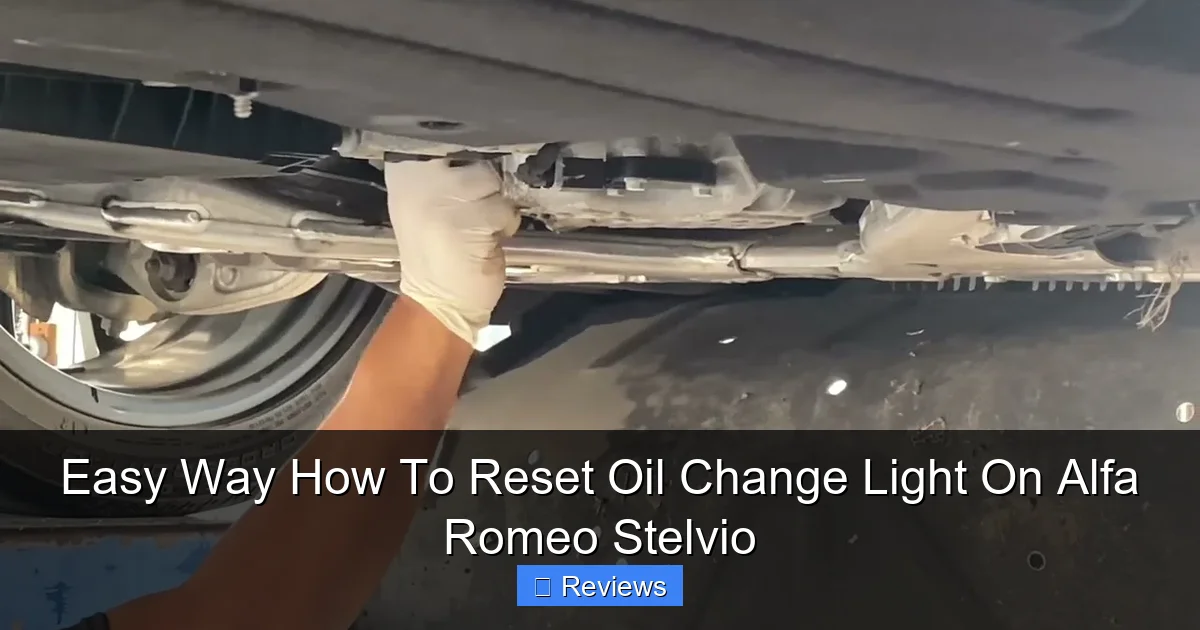
Visual guide about how to reset oil change light on alfa romeo stelvio
Image source: i.ytimg.com
Verifying the Actual Oil Change for Your Stelvio
This cannot be stressed enough: the oil and oil filter must be changed before you attempt to reset the light. The dashboard warning is a service reminder, not an indicator of oil quality that changes once fresh oil is introduced. The computer simply needs to be told that the service has been completed so it can restart its calculation of oil life.
Consider the following:
- Professional Service: If you’ve had your Alfa Romeo Stelvio serviced at a dealership or an independent mechanic, they typically reset the oil change light as part of their service. Always confirm this before you leave the shop. If they forgot, you might need to perform the reset yourself or ask them to do it.
- DIY Oil Change: If you’re performing the oil change yourself, ensure you have completed all steps, including draining the old oil, replacing the oil filter, and filling the engine with the correct type and quantity of new oil. For a high-performance vehicle like the Stelvio, using the manufacturer-specified oil (e.g., a synthetic blend or full synthetic with specific viscosity and API ratings) is paramount. Refer to your owner’s manual for precise specifications. For the Alfa Romeo Stelvio 2.0L turbo, it typically requires a 0W-30 or 5W-40 synthetic oil meeting specific ACEA or API standards.
Practical Tip: Always double-check your oil level on the dipstick after an oil change and before driving, even if you measured precisely. Run the engine for a few minutes, then let it sit for a few more minutes to allow the oil to settle before checking the level again. This ensures proper lubrication from the very first start with fresh oil.
Gathering Necessary Tools for the Oil Change and Reset
While resetting the oil change light on your Alfa Romeo Stelvio typically requires no special tools (it’s done through the vehicle’s infotainment system), performing the actual oil change certainly does. If you’re doing it yourself, ensure you have:
- Correct Engine Oil: Consult your Stelvio’s owner’s manual for the exact specifications (viscosity, API/ACEA ratings, and quantity).
- New Oil Filter: Ensure it’s the correct filter for your Stelvio’s engine. OEM (Original Equipment Manufacturer) filters are always a safe bet.
- Oil Filter Wrench: To remove the old filter.
- Drain Plug Wrench/Socket: To remove the drain plug from the oil pan.
- Drain Pan: To collect the old oil (ensure it has sufficient capacity for your Stelvio’s oil volume, typically around 5.5-6 quarts or 5.2-5.7 liters).
- Funnel: For mess-free refilling of new oil.
- Jack and Jack Stands: If you need to raise the vehicle to access the drain plug and oil filter. Always use jack stands for safety!
- Gloves and Safety Glasses: For personal protection.
- Rags/Paper Towels: For inevitable spills.
- Torque Wrench: To ensure the drain plug and oil filter are tightened to the manufacturer’s specified torque settings, preventing leaks or overtightening damage.
Once the oil change is complete, the only “tool” you’ll need for the reset is your Stelvio’s infotainment screen and control buttons.
Safety Precautions While Servicing Your Alfa Romeo Stelvio
Safety is paramount when performing any automotive maintenance, especially an oil change on your Alfa Romeo Stelvio. Adhere to these precautions:
- Vehicle Stability: If lifting your Stelvio, always use robust jack stands placed on a solid, level surface. Never rely solely on a jack. Engage the parking brake and block the wheels not being lifted.
- Engine Temperature: Perform the oil change when the engine is warm but not scalding hot. Warm oil drains more easily, but a hot engine and exhaust components can cause severe burns. Allow it to cool down for 20-30 minutes after running.
- Personal Protection: Wear gloves to protect your hands from hot oil and chemicals, and safety glasses to prevent splashes from entering your eyes.
- Proper Disposal: Never pour used engine oil down the drain or into the environment. Collect it in a sealed container and take it to an authorized recycling center or auto parts store that accepts used oil.
- Electrical Safety: When working with vehicle electronics, ensure the ignition is in the correct position (usually “RUN” or “ACC” without starting the engine) as per the reset instructions. Avoid contact with exposed wiring.
By taking these essential preparations and safety measures, you ensure a smooth and effective oil change and subsequent light reset for your Alfa Romeo Stelvio.
Step-by-Step Guide: Resetting the Oil Change Light on Your Alfa Romeo Stelvio
Once you’ve completed the crucial step of actually changing the engine oil and filter on your Alfa Romeo Stelvio, it’s time to inform the vehicle’s computer that the service has been performed. This will clear the “oil change required” message and reset the maintenance reminder. The process is straightforward and typically accomplished through the vehicle’s infotainment system.
Visual guide about how to reset oil change light on alfa romeo stelvio
Image source: cdn.shopify.com
Method 1: Using the Infotainment System (Most Common and Recommended)
This is the primary and easiest way to reset the oil change light on most Alfa Romeo Stelvio models. The exact menu names might vary slightly depending on your Stelvio’s model year and software version, but the general navigation path remains consistent.
Detailed Steps:
- Turn the Ignition ON (without starting the engine):
- Ensure the vehicle is parked safely.
- Press the engine START/STOP button without pressing the brake pedal. This will turn on the ignition and power up the infotainment system and dashboard lights, but the engine will remain off. You should see the “oil change required” message or service light illuminated.
- Access the Main Menu on Your Infotainment Screen:
- Locate the “APPS” or “MENU” button/icon on your infotainment system or center console. Press it to bring up the main menu.
- Navigate to Settings:
- Within the main menu, look for and select the “Settings” icon or option. It often looks like a gear or wrench.
- Find the Service or Maintenance Section:
- Inside “Settings,” you’ll typically find categories like “Vehicle,” “Safety & Driving,” “Display,” etc. Look for an option related to “Service,” “Maintenance,” or “Vehicle Information.” Select this option.
- Locate Oil Change or Scheduled Maintenance Reset:
- Within the “Service” or “Maintenance” section, you should see options related to various service intervals. Look specifically for “Oil Change,” “Maintenance,” “Scheduled Service,” or “Reset Service Intervals.”
- Select the “Oil Change” or similar option.
- Perform the Reset:
- Once you select the “Oil Change” option, the system will likely prompt you with a question like “Are you sure you want to reset the oil change interval?” or “Confirm reset.”
- Select “Yes,” “Confirm,” or “Reset” to confirm the action.
- You may need to hold down the “OK” or “Select” button for a few seconds to confirm the reset.
- Verify the Reset:
- After confirming, the “oil change required” message or light should disappear from your instrument cluster.
- You can navigate back to the “Oil Change” section to see if the oil life percentage or mileage counter has reset to 100% or the maximum service interval.
- Turn off the Ignition:
- Once confirmed, turn off the ignition by pressing the START/STOP button again without the brake.
Practical Example: On many Stelvio models, the path might look like this: APPS > Settings > Vehicle > Maintenance > Oil Change > Reset Oil Change. Pay close attention to the specific wording on your screen.
Method 2: Utilizing a Diagnostic Scan Tool (Professional Method)
While the infotainment system is usually sufficient for resetting the routine oil change light, there are instances where a more advanced diagnostic scan tool might be used, particularly by professional mechanics or dealerships. This method is generally not necessary for the average Stelvio owner simply performing a routine oil change.
When is this method used?
- If the infotainment system reset procedure fails for some reason (though this is rare).
- After more extensive services where other service indicators also need to be reset.
- For advanced diagnostics or software updates that require direct communication with the vehicle’s ECUs.
How it works (briefly):
- A professional-grade OBD-II scanner or dedicated Alfa Romeo diagnostic tool (like WiTECH or specialized aftermarket tools such as MultiECUScan or AlfaOBD) is connected to the vehicle’s OBD-II port (usually located under the dashboard).
- The tool communicates with the Body Control Module (BCM) or Powertrain Control Module (PCM) and can access various service functions, including resetting maintenance reminders.
- The technician navigates through the tool’s software to the “Service Functions” or “Maintenance Reset” menu and initiates the oil change light reset procedure electronically.
If you’ve followed the infotainment system steps diligently and the light persists, it might indicate an underlying issue that warrants a visit to an Alfa Romeo specialist who can utilize these diagnostic tools to investigate further.
By following these detailed steps, you should successfully reset the oil change light on your Alfa Romeo Stelvio, enjoying a clear dashboard and the peace of mind that comes with proper vehicle maintenance.
Troubleshooting Common Issues After an Oil Change on Your Alfa Romeo Stelvio
Even with the best intentions and careful execution, sometimes things don’t go exactly as planned. After changing the oil on your Alfa Romeo Stelvio, you might encounter situations where the oil change light refuses to reset, or other unexpected warnings appear. Understanding how to troubleshoot these issues can save you time and potential frustration.
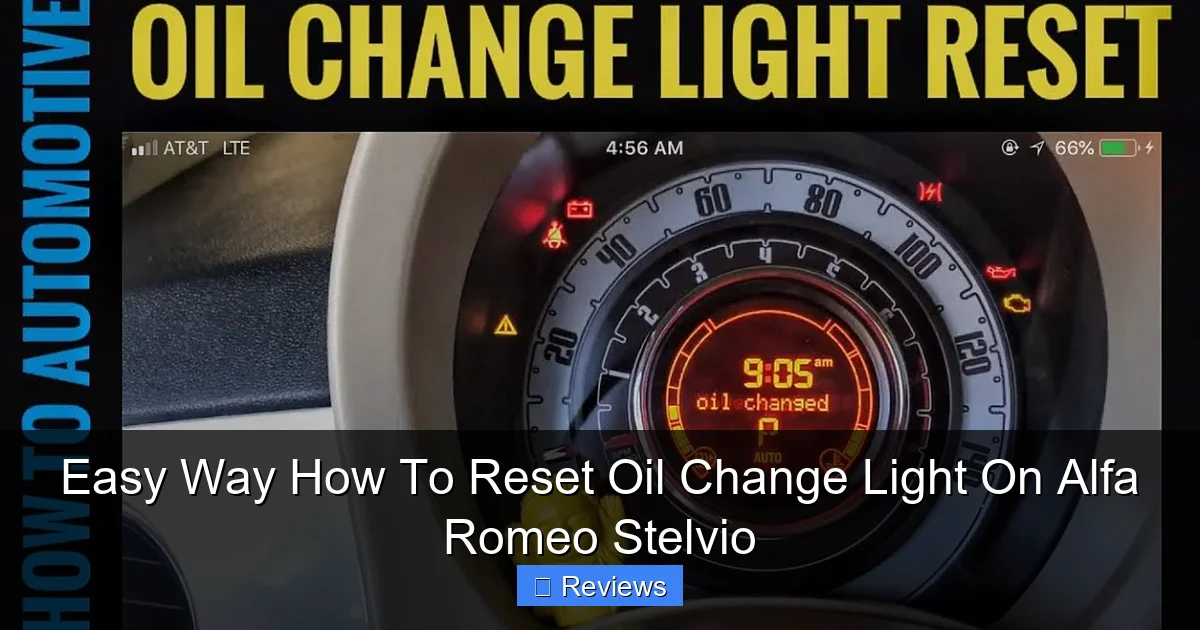
Visual guide about how to reset oil change light on alfa romeo stelvio
Image source: i.ytimg.com
Oil Change Light Won’t Reset on Your Alfa Romeo Stelvio
This is arguably the most common issue encountered after an oil change. If you’ve followed the steps in Method 1 and the light remains stubbornly lit, consider the following troubleshooting steps:
- Review the Steps Carefully:
- Did you turn the ignition ON (without starting the engine) before attempting the reset? This is a critical first step.
- Did you navigate to the exact menu path specified for your Stelvio’s model year? Menu options can sometimes be slightly different.
- Did you press and hold the confirmation button (e.g., “OK” or “Reset”) for the required duration, typically a few seconds, until the reset is confirmed on the screen? Some systems require a firm, sustained press.
- Repeat the Process: Sometimes, a simple retry can resolve the issue. Go through the entire infotainment system reset procedure once more, paying extra attention to each step.
- Check for Software Glitches: Occasionally, the infotainment system itself might experience a temporary glitch. Turning the vehicle completely off, waiting a few minutes, and then restarting the ignition sequence (without starting the engine) can sometimes clear minor software hiccups.
- Verify Actual Oil Change: While it might seem obvious, confirm that the oil change and filter replacement were actually performed. If you paid a shop to do it, politely inquire if they indeed reset the light. If you did it yourself, confirm that the correct amount and type of oil were used. The light won’t reset if it hasn’t been serviced.
- Battery Disconnect (Last Resort for Software Issues): For persistent software-related issues that might affect the reset, a brief disconnect of the negative battery terminal (for 15-20 minutes) can sometimes hard-reset the vehicle’s electronics. However, be aware that this might clear other learned settings (radio presets, clock, window auto-up/down functions may need to be re-initialized). Only attempt this if you are comfortable and understand the implications. Always refer to your owner’s manual for specific battery disconnect procedures.
If after trying these steps, the “oil change required” light on your Alfa Romeo Stelvio still refuses to reset, it might indicate a more complex issue.
Other Warning Lights Appear
It’s important to distinguish the “oil change required” light from other, potentially more serious, warning indicators. If other lights appear simultaneously or shortly after your oil change, they might be unrelated:
- Low Oil Pressure/Low Oil Level Light: This is a red light, often depicting an oil can. If this illuminates, it indicates a serious problem with oil pressure or a critically low oil level, requiring immediate attention. Stop driving your Alfa Romeo Stelvio safely and check your oil level. Do NOT confuse this with the amber oil change reminder.
- Check Engine Light (CEL): If the Check Engine Light (often yellow/amber and shaped like an engine outline) comes on, it signifies an issue detected by the engine’s onboard diagnostic system. This is almost certainly unrelated to a simple oil change and requires an OBD-II scan tool to retrieve diagnostic trouble codes (DTCs) for proper diagnosis.
- Tire Pressure Monitoring System (TPMS) Light: This light (often yellow, shaped like a flat tire with an exclamation mark) simply indicates low tire pressure. It’s a common light to see on any vehicle and is unrelated to engine oil.
If you see any lights other than the “oil change required” light that you intended to reset, do not ignore them. Consult your owner’s manual or a qualified mechanic to understand their meaning and appropriate action for your Alfa Romeo Stelvio.
When to Seek Professional Help for Your Alfa Romeo Stelvio
While DIY maintenance is rewarding, knowing when to call in the experts is crucial for complex vehicles like the Alfa Romeo Stelvio. Seek professional help if:
- Persistent Light: The oil change light on your Alfa Romeo Stelvio won’t reset despite multiple attempts following the correct procedure. There could be a sensor malfunction, a deeper software issue, or an electrical problem that requires specialized diagnostic equipment.
- New or Unrelated Warning Lights: If any other warning lights (especially the red oil pressure light or the Check Engine Light) appear after the oil change and reset attempts, immediately consult a qualified mechanic. These could indicate more serious mechanical or electronic problems.
- Unusual Engine Behavior: If your Stelvio exhibits any unusual symptoms after the oil change—such as strange noises, rough idling, loss of power, or smoke from the exhaust—stop driving immediately and have it inspected by a professional. This could indicate an issue with the oil change itself (e.g., incorrect oil, filter problem, a leak) or a separate mechanical fault.
- Lack of Confidence: If you’re unsure about any step of the oil change or reset process, or if you’re uncomfortable troubleshooting, it’s always best to consult an Alfa Romeo dealership or a reputable independent specialist. Their expertise and specialized tools can quickly identify and resolve issues, ensuring the safety and longevity of your Stelvio.
Proper troubleshooting and knowing when to escalate an issue are vital skills for any vehicle owner, especially when maintaining a high-performance machine like the Alfa Romeo Stelvio.
Beyond the Light: Maintaining Your Alfa Romeo Stelvio’s Performance
Resetting the oil change light on your Alfa Romeo Stelvio is merely one step in a comprehensive maintenance regimen. To truly preserve the thrilling performance, reliability, and value of your Italian masterpiece, it’s essential to look beyond individual warning lights and embrace a holistic approach to vehicle care. This section reviews crucial long-term maintenance practices.
Adhering to Manufacturer’s Service Schedule for Your Alfa Romeo Stelvio
The owner’s manual for your Alfa Romeo Stelvio is arguably the most important document you possess outside of your title. It contains the manufacturer’s recommended service schedule, which is tailored specifically to your vehicle’s engineering and performance characteristics. Adhering to this schedule is paramount for several reasons:
- Optimized Performance: Regular maintenance, as outlined by Alfa Romeo, ensures that all systems are functioning optimally. This includes not just oil changes, but also tire rotations, brake inspections, fluid checks, filter replacements (air filter, cabin filter), spark plug replacements, and transmission fluid changes at specified intervals.
- Longevity and Reliability: Following the schedule prevents premature wear and tear on components, significantly extending the lifespan of your Stelvio and reducing the likelihood of unexpected breakdowns or costly repairs.
- Warranty Preservation: Most vehicle warranties require adherence to the factory maintenance schedule. Failing to do so can void your warranty, leaving you financially responsible for repairs that would otherwise be covered. Document all services with receipts.
- Resale Value: A well-documented service history demonstrating consistent adherence to manufacturer recommendations significantly enhances your Alfa Romeo Stelvio’s resale value. Potential buyers appreciate knowing the vehicle has been meticulously cared for.
Practical Tip: Keep a service log, either in your owner’s manual or a separate binder. Record dates, mileage, what was done, and where it was performed. This is invaluable for tracking maintenance and future reference.
Choosing the Right Oil and Filter for Your Alfa Romeo Stelvio
The type of engine oil and oil filter you use in your Alfa Romeo Stelvio is not a trivial choice; it’s critical for the engine’s health, especially given the precise engineering of its turbocharged powerplant. Always consult your owner’s manual for the exact specifications, which typically include:
- Viscosity Grade: This refers to the oil’s thickness at different temperatures (e.g., 0W-30, 5W-40). The Stelvio’s 2.0L turbocharged engine often requires a synthetic 0W-30 or 5W-40 oil. Using the wrong viscosity can lead to inadequate lubrication or excessive engine drag.
- API/ACEA Specifications: These are industry standards that denote the oil’s performance characteristics and suitability for specific engine types. Your manual will specify a particular API service classification (e.g., API SN, SP) or an ACEA sequence (e.g., ACEA C3). These certifications ensure the oil contains the necessary additives for cleaning, wear protection, and thermal stability required by your Stelvio.
- OEM Recommendations: Alfa Romeo may recommend specific brands or have their own branded oils (e.g., Selenia) that meet their exact requirements. While not always mandatory, sticking to these or using oils that explicitly state compliance with Alfa Romeo’s specific standards (e.g., “FIAT 9.55535-GS1”) is the safest bet.
- Oil Filter: Always use a high-quality oil filter that meets or exceeds OEM specifications. Genuine Alfa Romeo filters are designed to fit perfectly and filter effectively. Quality aftermarket filters from reputable brands (e.g., Mahle, Mann, Bosch) can also be excellent choices. A cheap, low-quality filter can compromise oil flow and filtration, negating the benefits of fresh, high-quality oil.
Using the correct oil and filter is an investment in your Alfa Romeo Stelvio’s long-term health and performance. Do not compromise on these essential components.
The Benefits of Professional Maintenance for Your Alfa Romeo Stelvio
While performing some DIY tasks like resetting the oil change light can be satisfying, there are distinct advantages to having your Alfa Romeo Stelvio regularly serviced by certified professionals, especially at an authorized dealership or a reputable independent Alfa Romeo specialist:
- Expertise and Training: Technicians at dealerships are factory-trained specifically on Alfa Romeo vehicles. They possess in-depth knowledge of your Stelvio’s complex systems, including its unique engine, electronics, and specialized maintenance procedures.
- Specialized Tools and Diagnostics: Alfa Romeo service centers have access to proprietary diagnostic tools (like the WiTECH system) and specialized equipment that are essential for accurate diagnosis, intricate repairs, and software updates that might not be available to the general public or general mechanics.
- Genuine Parts: Dealerships exclusively use genuine Alfa Romeo parts, ensuring perfect fitment, quality, and compatibility with your vehicle.
- Comprehensive Inspections: During routine service, technicians perform multi-point inspections, often catching potential issues before they become major problems. They can identify wear on brakes, suspension components, fluid leaks, and other concerns that might be missed during a basic oil change.
- Warranty Protection: Having your Alfa Romeo Stelvio serviced by an authorized dealer helps maintain your vehicle’s warranty and provides a verifiable service history.
For critical services, complex diagnostics, or any work beyond your comfort level, professional maintenance is invaluable for preserving the integrity and performance of your Alfa Romeo Stelvio.
Long-Term Engine Health Tips for Your Alfa Romeo Stelvio
Beyond scheduled maintenance, adopting good habits can significantly contribute to your Alfa Romeo Stelvio’s long-term engine health:
- Regular Fluid Checks: Periodically check all fluid levels – engine oil, coolant, brake fluid, power steering fluid (if applicable), and washer fluid. Catching low levels early can prevent serious problems.
- Listen to Your Engine: Pay attention to any unusual noises – knocking, tapping, squealing, or grinding. These can be early indicators of a problem that needs investigation.
- Monitor Dashboard Lights: Don’t ignore any warning lights. Understand what they mean and address them promptly.
- Gentle Warm-up: Especially with a turbocharged engine like the Stelvio’s, avoid aggressive driving immediately after starting. Allow the engine oil to circulate and reach optimal operating temperature before putting heavy demands on the engine.
- Proper Shut-down (for Turbos): After a spirited drive, allow the engine to idle for a minute or two before shutting it off. This allows the turbocharger to cool down, preventing oil coking in the turbo’s bearings.
- Quality Fuel: Use the recommended octane fuel (typically premium unleaded) as specified in your owner’s manual. Using lower octane fuel can lead to pre-ignition (knocking) and long-term engine damage.
- Cleanliness: Keep the engine bay reasonably clean. This helps identify leaks more easily and prevents debris from accumulating.
By integrating these practices into your routine, you’re not just maintaining your Alfa Romeo Stelvio; you’re nurturing a high-performance machine designed for driving pleasure and enduring quality.
Data Table: Alfa Romeo Stelvio Oil Change Specifications (2.0L Turbo)
For those performing their own oil changes on the Alfa Romeo Stelvio 2.0L Turbo, having quick access to key specifications is invaluable. Please note that these are general guidelines, and you should always consult your specific owner’s manual for the most accurate and up-to-date information for your model year.
The following table reviews the critical specifications for a typical oil change on the 2.0L Turbocharged Alfa Romeo Stelvio:
| Specification | Detail for Alfa Romeo Stelvio 2.0L Turbo | Notes |
|---|---|---|
| Engine Oil Type (Viscosity) | Full Synthetic 0W-30 or 5W-40 | Always refer to owner’s manual. Specific temperature ranges may influence choice. |
| Oil Specification (Certifications) | API SN/SP or higher, ACEA C3, and/or FIAT 9.55535-GS1 (or equivalent) | Crucial for high-performance engines. Look for these codes on the oil bottle. |
| Engine Oil Capacity | Approx. 5.5 – 5.7 US Quarts (5.2 – 5.4 Liters) with filter | Always check dipstick during and after refill. Do not overfill. |
| Oil Filter Type | Cartridge style | Ensure correct part number for your model year. OEM or high-quality aftermarket (e.g., Mahle OX986D). |
| Drain Plug Torque | Approx. 20-25 lb-ft (27-34 Nm) | Use a torque wrench to prevent over-tightening or leaks. Always replace drain plug washer/gasket. |
| Oil Change Interval (Normal) | Typically 10,000 miles (16,000 km) or 1 year, whichever comes first. | However, follow your vehicle’s Oil Life Monitor system, which adjusts based on driving conditions. |
| Oil Change Interval (Severe Duty) | Often 5,000 miles (8,000 km) or 6 months. | Defined by frequent short trips, extreme temperatures, towing, heavy stop-and-go. |
This table provides a concise review of the essential fluid dynamics required for your Alfa Romeo Stelvio’s engine. Always ensure you are using the correct parts and fluids to maintain its stellar performance and reliability.
Conclusion
The appearance of the “oil change required” light on your Alfa Romeo Stelvio’s dashboard is a clear and unequivocal signal that your vehicle, a marvel of Italian engineering, is due for essential maintenance. Far from being a mere annoyance, this light serves as your Stelvio’s intelligent reminder that its lifeblood—the engine oil—needs to be replenished and refreshed to ensure its continued vigor and longevity. Understanding how to interpret and respond to this indicator is a fundamental aspect of responsible Alfa Romeo ownership.
This comprehensive guide has reviewed not only the crucial steps to perform the actual oil change but, more specifically, the easy and straightforward process of resetting the oil change light using your Stelvio’s integrated infotainment system. We’ve explored the intricate reasons behind regular oil changes, the sophisticated way your vehicle monitors oil life, and detailed the exact menu navigation to clear that reminder. Furthermore, we’ve equipped you with valuable troubleshooting tips for common issues and underscored the paramount importance of adhering to a holistic maintenance schedule beyond just oil changes.
Whether you choose the hands-on satisfaction of a DIY oil change or entrust your Alfa Romeo Stelvio to the expert care of a certified professional, the knowledge gained from this post empowers you to make informed decisions. By diligently maintaining your Stelvio, using the correct fluids, and promptly addressing its service needs, you are actively preserving its exhilarating performance, safeguarding its sophisticated engine, and ensuring countless more miles of unforgettable driving pleasure. So go ahead, reset that light with confidence, and enjoy the pure, unadulterated joy of driving your perfectly maintained Alfa Romeo Stelvio.
Frequently Asked Questions
Why does the oil change light illuminate on my Alfa Romeo Stelvio?
This light is a service reminder indicating that your Alfa Romeo Stelvio’s engine oil is due for replacement, or has exceeded its recommended service interval. It’s programmed to come on based on mileage or time, reminding you that regular maintenance is required for optimal engine health.
Can I reset the oil change light on my Alfa Romeo Stelvio myself, or do I need a dealer?
Yes, you can absolutely reset the oil change light on your Alfa Romeo Stelvio yourself using a simple procedure in the infotainment system. There’s no special tool or dealer visit required for this particular task, making it a straightforward DIY process.
What are the exact steps to reset the oil change light on an Alfa Romeo Stelvio?
Typically, you’ll need to turn the ignition on without starting the engine, then navigate through the vehicle’s infotainment screen or instrument cluster menu to find the “Service” or “Maintenance” section. From there, you should find an option to “Reset Oil Life” or “Reset Service Interval” and confirm the action.
What should I do if the oil change light doesn’t reset after following the steps for my Alfa Romeo Stelvio?
First, double-check that you followed all steps precisely, ensuring the ignition was on and the engine off during the process. If it still won’t reset, there might be a more complex underlying issue or a specific sequence unique to your Stelvio’s model year, which might require consulting your owner’s manual or a professional diagnostic scan.
Is it important to reset the oil change light after an oil change on my Alfa Romeo Stelvio?
Yes, it is very important to reset the oil change light after every oil service, even if you perform it yourself. Resetting the light ensures the vehicle’s maintenance system accurately tracks the oil life and prevents unnecessary warning messages from appearing on your dashboard, keeping your service schedule clear.
How often will I need to reset the oil change light on my Alfa Romeo Stelvio?
You will need to reset the oil change light on your Alfa Romeo Stelvio each time you perform an oil and filter change. The light is designed to reappear at the manufacturer’s recommended service intervals, typically around 10,000 miles or once a year, whichever comes first, to prompt your next service.

At CarLegit, we believe information should be clear, factual, and genuinely helpful. That’s why every guide, review, and update on our website is created with care, research, and a strong focus on user experience.