
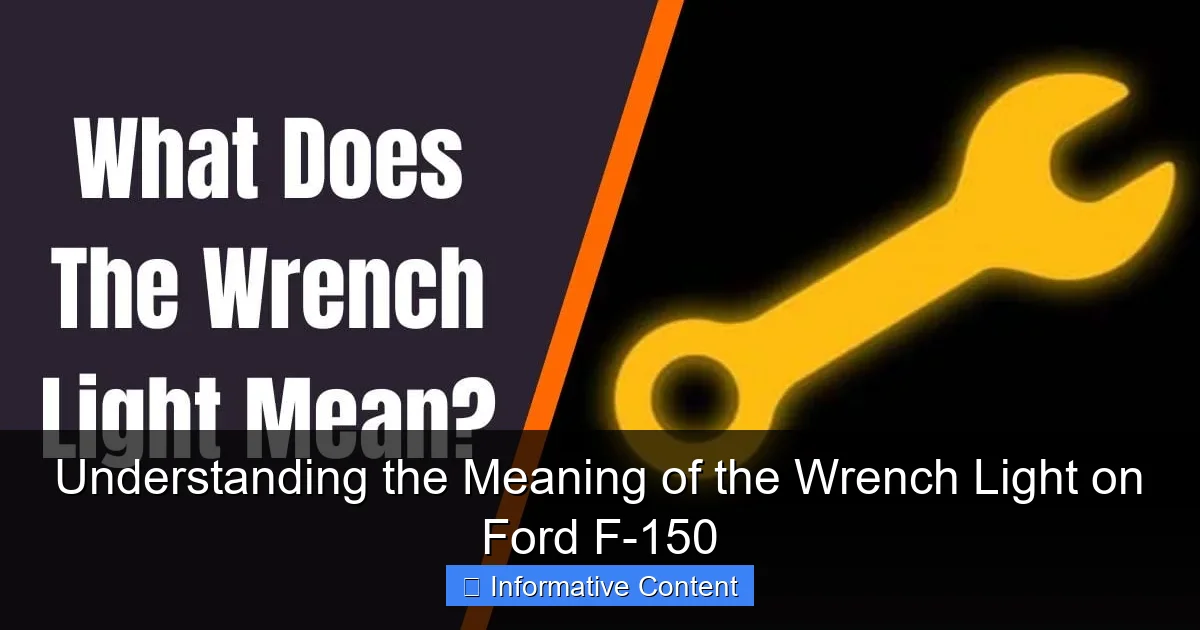
The wrench light on a Ford F-150 is a critical powertrain warning indicating an engine or transmission fault. Immediate diagnosis is essential to prevent severe damage, so reduce vehicle operation and consult a professional. Ignoring this light can lead to costly repairs and potential safety risks.
In This Article
- 1 Understanding the Meaning of the Wrench Light on Ford F-150
- 1.1 Key Takeaways
- 1.2 📑 Table of Contents
- 1.3 What Exactly Is the Wrench Light on a Ford F-150?
- 1.4 Common Reasons Why the Wrench Light Comes On
- 1.5 What To Do When the Wrench Light Illuminates: A Step-by-Step Guide
- 1.6 Understanding and Resetting the Wrench Light
- 1.7 When to Seek Professional Help: Beyond the DIY Fix
- 1.8 Data Table: Common Ford F-150 Wrench Light Trouble Codes
- 1.9 Keeping the Wrench Light Off: Proactive Maintenance Tips
- 1.10 Conclusion: Knowledge is Power
- 1.11 Frequently Asked Questions
- 1.11.1 What does the wrench light mean on my Ford F-150?
- 1.11.2 Is the wrench light on a Ford F-150 a serious problem?
- 1.11.3 How do I reset the wrench light on my Ford F-150?
- 1.11.4 Can I drive my Ford F-150 with the wrench light on?
- 1.11.5 Why did the wrench light come on in my Ford F-150?
- 1.11.6 Does the wrench light on a Ford F-150 always indicate a transmission issue?
Understanding the Meaning of the Wrench Light on Ford F-150
You’re driving your Ford F-150, the trusty companion for hauling, towing, and everyday adventures. The sun is out, the road is clear, and then it happens. A small, amber icon that looks like a wrench illuminates on your instrument cluster. Your heart might skip a beat. Is this a minor hiccup or a sign of a major, wallet-draining problem? If you’ve ever been in this situation, you know the feeling.
That little wrench light is one of the most misunderstood warning lights on modern vehicles. Unlike the glaring red “check engine” light, the wrench icon can feel vague and mysterious. For F-150 owners, especially those who rely on their truck for work or family, seeing it can trigger immediate concern. I remember the first time I saw it on my own truck; I pulled over, grabbed the manual, and spent 20 minutes trying to decipher what it *really* meant.
This guide is here to cut through the confusion. We’re going to explore exactly what the wrench light on your Ford F-150 means, why it comes on, what you should do, and how to address it. By the end, you’ll have the knowledge to face that amber icon with confidence, not anxiety.
Key Takeaways
- The wrench light signals a powertrain fault: It often relates to transmission or throttle issues.
- Immediately reduce speed and pull over: Avoid further damage by stopping safely.
- Check for other warning lights: Combined signals can indicate specific problems.
- Use an OBD-II scanner for codes: This helps diagnose the exact issue.
- Do not ignore the light: Continuing to drive can lead to costly repairs.
- Common causes include electronic throttle body faults: These are frequent in F-150s.
- Seek professional diagnosis for persistent lights: Mechanics can provide accurate solutions.
📑 Table of Contents
- What Exactly Is the Wrench Light on a Ford F-150?
- Common Reasons Why the Wrench Light Comes On
- What To Do When the Wrench Light Illuminates: A Step-by-Step Guide
- Understanding and Resetting the Wrench Light
- When to Seek Professional Help: Beyond the DIY Fix
- Data Table: Common Ford F-150 Wrench Light Trouble Codes
- Keeping the Wrench Light Off: Proactive Maintenance Tips
- Conclusion: Knowledge is Power
What Exactly Is the Wrench Light on a Ford F-150?
First things first, let’s define our subject. The wrench light on a Ford F-150 is not a single, specific alarm. Think of it more as your truck’s computer system—the Powertrain Control Module (PCM)—raising its hand to say, “Hey, I need your attention about how the engine or transmission is operating.”
Officially, Ford describes this light as the “Powertrain Malfunction Indicator Light” or “Service Engine Soon” light on some newer models. It’s distinct from the red “Engine” light. The wrench light is typically amber or yellow, indicating a caution or reduced performance mode, not an immediate, catastrophic failure.
The Two Main Roles of the Wrench Light
The wrench light on your F-150 primarily serves two functions:
- Performance and Maintenance Alert: It often indicates the vehicle has detected a condition that could affect performance, emissions, or drivability. This could range from a loose gas cap to a sensor malfunction.
- Indicator of “Fail-Safe” or “Limp Mode”: This is the critical one. If the truck’s computer detects a serious issue that could cause damage, it will limit the engine’s power and transmission’s gear selection to protect itself. You’ll feel the truck become sluggish, hesitant to accelerate, and it may not shift past a certain gear. The wrench light is your visual confirmation that this protective mode is active.
Common Reasons Why the Wrench Light Comes On
The triggers for the wrench light on a Ford F-150 are varied. Some are simple, while others require a mechanic’s touch. Here are the most frequent culprits.
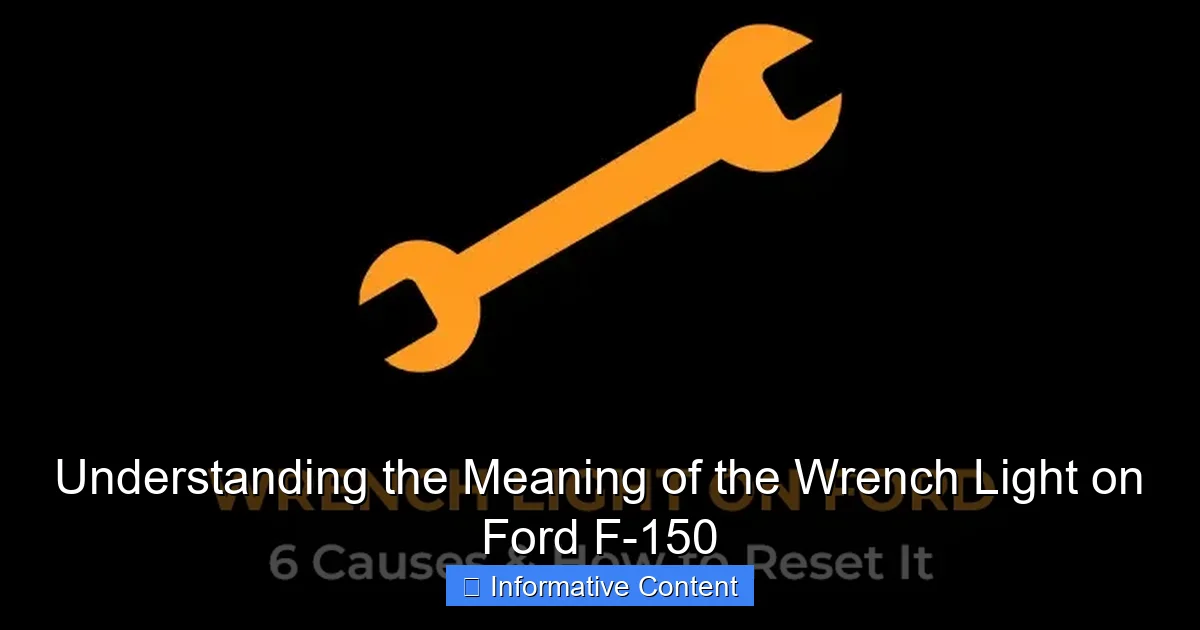
Visual guide about What Does The Wrench Light Mean On A Ford F150
Image source: obdadvisor.com
Electronic Throttle Control (ETC) System Issues
Modern F-150s use a “drive-by-wire” system. When you press the gas pedal, you’re sending an electronic signal, not pulling a cable. Problems here—like a faulty throttle body, a dirty throttle plate, or a malfunctioning accelerator pedal position (APP) sensor—are a prime cause for the wrench light. The truck goes into limp mode to prevent erratic throttle response.
Transmission and Drivetrain Faults
Given the F-150’s workhorse nature, transmission issues are common. The wrench light can illuminate for problems like solenoids sticking, irregular fluid pressure, or sensor failures within the transmission. Issues with the 4WD system or transfer case can also trigger it.
Sensor and Electrical Glitches
Your truck is a network of sensors. A failing Mass Air Flow (MAF) sensor, crankshaft position sensor, or oxygen sensor can send incorrect data to the PCM, prompting the wrench light. Sometimes, it’s just a bad connection or corroded wire.
Software and Module Updates
Believe it or not, sometimes your truck just needs a “reboot.” Older software in the PCM or transmission control module can have bugs that cause false alerts. A dealer can often perform a recalibration or software update to clear the light.
What To Do When the Wrench Light Illuminates: A Step-by-Step Guide
Don’t panic. Follow this logical sequence to assess the situation safely and effectively.
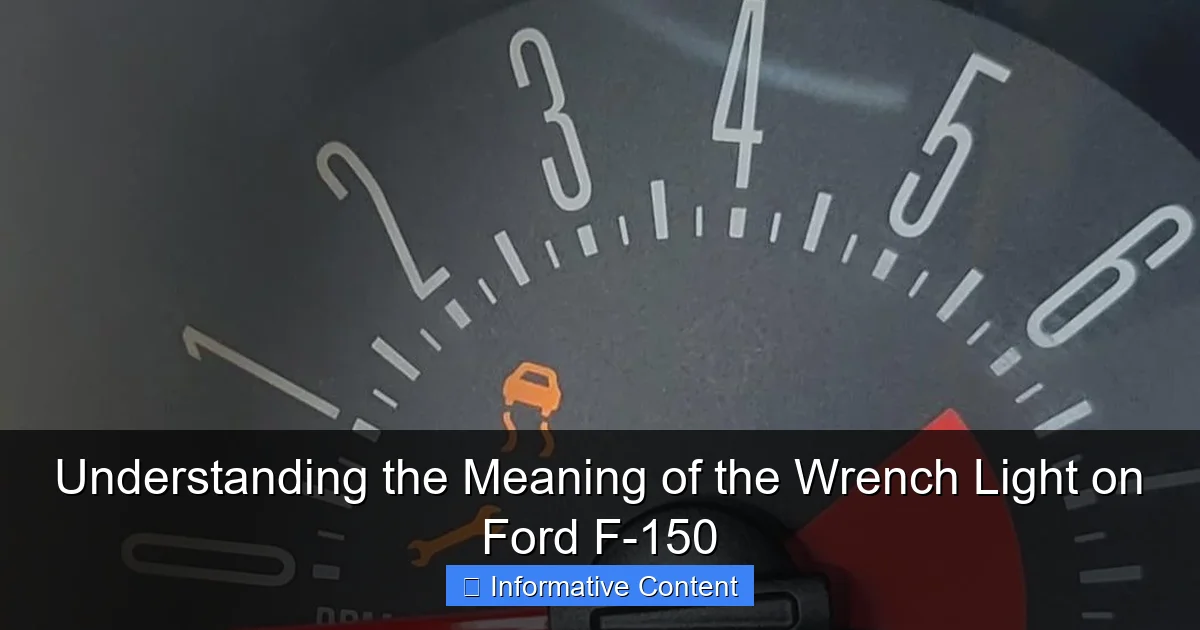
Visual guide about What Does The Wrench Light Mean On A Ford F150
Image source: i.redd.it
Step 1: Immediate Assessment and Safety
First, note how the truck is driving. Is power normal, or has it entered a noticeable limp mode? If it’s driving normally, the issue is likely less urgent. If it’s in limp mode (severely reduced power), you need to get to a safe location. Avoid high speeds, heavy acceleration, or towing. Your goal is to avoid further stress on the powertrain.
Step 2: The Simple Checks
Before calling a tow truck, try these easy fixes:
- Turn the Truck Off and On: Sometimes, a temporary glitch can be reset by turning the ignition off, waiting 30 seconds, and restarting. If the light stays off, monitor it closely.
- Check the Gas Cap: A loose, damaged, or missing fuel cap can cause an evaporative emissions leak, triggering the light. Tighten it until it clicks three times.
- Note Any Other Symptoms: Is the truck idling rough? Shifting hard? Any strange noises? This information is gold for a mechanic.
Step 3: Retrieving Trouble Codes
The wrench light itself is a symptom. The cause is stored as a Diagnostic Trouble Code (DTC) in the truck’s computer. You’ll need an OBD-II scanner. Plug it into the port under the dashboard on the driver’s side. The code (like P2112 for a throttle body issue) will point you in the right direction. Even a basic $30 scanner can provide this crucial clue.
Understanding and Resetting the Wrench Light
Once you have a code or have addressed a simple issue, you’ll want to turn the light off.
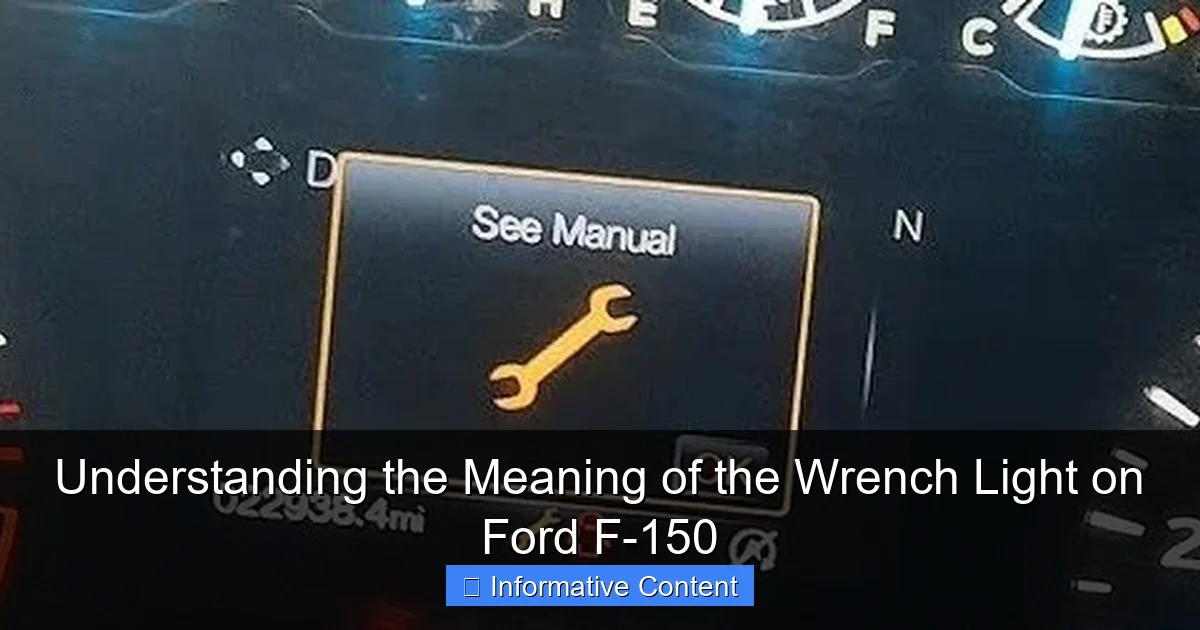
Visual guide about What Does The Wrench Light Mean On A Ford F150
Image source: goodfellasautotn.com
Will the Wrench Light Reset Itself?
Sometimes. If the condition that triggered it (like a loose gas cap) is fixed, the PCM will run a series of drive cycles. If it passes the self-tests, the light may turn off on its own after several starts and drives. This can take days.
How to Manually Reset the Wrench Light
For a faster reset, use your OBD-II scanner to clear the codes. This erases the stored codes and extinguishes the light. Warning: Only do this after you believe the problem is fixed. Clearing codes without repairing the issue will cause the light to return, and you’ll erase valuable diagnostic history for a mechanic.
Some older models may have a manual reset procedure involving the ignition key and pedals, but using a scanner is the most reliable modern method.
When to Seek Professional Help: Beyond the DIY Fix
While some wrench light scenarios are DIY-friendly, others demand a professional. Here’s when to call in the experts.
Signs You Need a Mechanic Immediately
- The light is flashing or is red (though rare, some models may show a red wrench).
- The truck is stuck in a pronounced limp mode and is unsafe for highway driving.
- You hear clunking, grinding, or whining from the transmission.
- The engine is misfiring, stalling, or running very rough.
- You’ve cleared the code, but it returns immediately or within a short drive.
What a Professional Diagnosis Involves
A good mechanic won’t just read the code and replace the part. They will use advanced scan tools to look at live data from the sensors, test components like the throttle body, and check for technical service bulletins (TSBs) from Ford about known issues for your F-150’s specific year and engine. This comprehensive approach is often cheaper in the long run than throwing parts at the problem.
Data Table: Common Ford F-150 Wrench Light Trouble Codes
Here is a quick reference table for some frequent Diagnostic Trouble Codes (DTCs) associated with the wrench light. This can help you understand what your scanner is telling you.
| Trouble Code | Likely Meaning | Common Associated Symptoms |
|---|---|---|
| P2112 | Throttle Actuator Control System – Stuck Closed | Limp mode, lack of power, engine won’t rev high. |
| P0700 | Transmission Control System (MIL) Request | Wrench light on, harsh shifts, gear slippage. |
| P0121 | Throttle/Pedal Position Sensor/Switch “A” Circuit Range/Performance | Erratic idle, stumbling acceleration, wrench light. |
| P0340 | Camshaft Position Sensor “A” Circuit Malfunction | Hard starting, rough run, loss of power, possible limp mode. |
| P0455 | Evaporative Emission System Leak Detected (Gross Leak) | Wrench or Check Engine light, often caused by a loose gas cap. |
Keeping the Wrench Light Off: Proactive Maintenance Tips
Prevention is always better than a cure. A few good habits can significantly reduce your chances of seeing the wrench light on your Ford F-150.
Adhere to Your Service Schedule
This seems basic, but it’s vital. Regular oil changes with the correct oil, timely transmission fluid services, and changing filters (air, fuel) keep systems running smoothly and prevent sensor contamination.
Use Quality Fuel and Parts
Cheap, off-brand gas can contain contaminants. Sticking with reputable stations helps. When repairs are needed, use quality OEM or reputable aftermarket parts, especially for critical sensors.
Listen to Your Truck
You know your F-150 better than anyone. A new vibration, a slight hesitation, or a shift that feels “off” are early warnings. Addressing these small sounds and feelings early can prevent a bigger issue—and that dreaded wrench light—later.
Conclusion: Knowledge is Power
Seeing the wrench light on your Ford F-150 dashboard doesn’t have to be a moment of dread. While it’s a signal that demands your attention, it’s often a manageable one. By understanding that it’s your truck’s way of communicating a powertrain concern—from a minor glitch to a serious fault requiring limp mode—you can respond calmly and correctly.
Start with the simple checks, invest in a basic code reader to demystify the alert, and know when it’s time to hand the keys to a professional. Your F-150 is built tough, and its warning systems are there to help protect that longevity. With this knowledge in hand, you can ensure that little wrench symbol is just a minor bump on the road, not the start of a stressful breakdown. Now, get back to enjoying the capability and freedom that comes with driving your Ford F-150.
Frequently Asked Questions
What does the wrench light mean on my Ford F-150?
The wrench light on your Ford F-150 is a powertrain or drivetrain warning indicator, often signaling issues with the transmission, throttle control, or other critical components. It’s part of the vehicle’s diagnostic system, and while not always an immediate emergency, it requires attention to prevent potential damage.
Is the wrench light on a Ford F-150 a serious problem?
Yes, the wrench light can indicate a serious issue that may affect performance, safety, or drivability. Ignoring it could lead to costly repairs, so it’s best to have the vehicle diagnosed promptly by a professional or with a scan tool.
How do I reset the wrench light on my Ford F-150?
Resetting the wrench light usually involves fixing the underlying problem and clearing fault codes with an OBD-II scanner. Simply disconnecting the battery may not work permanently, as the light will return if the issue persists, so addressing the root cause is essential.
Can I drive my Ford F-150 with the wrench light on?
Driving depends on the light’s behavior: if solid, you may proceed cautiously to a service center, but if flashing, stop immediately to avoid severe damage. Always refer to your owner’s manual for specific safety guidelines related to the wrench light on Ford F-150.
Why did the wrench light come on in my Ford F-150?
The wrench light illuminates due to various powertrain faults, such as transmission slippage, throttle body malfunctions, or sensor errors. A diagnostic scan is necessary to identify the exact trigger, as it can range from minor electrical glitches to major mechanical issues.
Does the wrench light on a Ford F-150 always indicate a transmission issue?
Not always; while commonly linked to transmission problems, the wrench light can also point to throttle, all-wheel drive, or engine management issues. Accurate diagnosis via fault codes is key to determining the specific cause and ensuring proper repairs.

At CarLegit, we believe information should be clear, factual, and genuinely helpful. That’s why every guide, review, and update on our website is created with care, research, and a strong focus on user experience.