
Featured image for How Many Quarts Of Oil Does A Nissan Titan Take
Image source: mowersmania.com
The correct oil capacity for your Nissan Titan is essential for engine longevity and varies significantly by model year and engine. Always reference your owner’s manual or a reliable vehicle database to find the precise specification, typically ranging from 5 to 7 quarts, before your next oil change.
Hey there, Titan owner! Have you ever popped the hood of your truck, dipstick in hand, and wondered exactly how much oil it really needs? I’ve been there. When I first got my Nissan Titan, I assumed all full-size trucks were roughly the same. Boy, was I wrong. Using the correct oil capacity isn’t just a number in a manual; it’s the lifeblood of your engine’s health and performance.
In this guide, we’re going to dive deep into the oil capacity of your Nissan Titan. Whether you’re a DIY enthusiast or just want to be informed for your next service appointment, knowing this specifics can save you money, prevent damage, and keep your truck running strong for years to come. Let’s get started.
Think of engine oil like the bloodstream for your Titan’s heart. Too little, and it starves. Too much, and it can foam and cause pressure issues. Getting it right is key. So, grab a cup of coffee, and let’s unravel the mystery of the oil capacity for your Nissan Titan together.
In This Article
- 1 Key Takeaways
- 2 📑 Table of Contents
- 3 Why Knowing Your Titan’s Oil Capacity is Crucial
- 4 Decoding the Numbers: What Affects Oil Capacity?
- 5 Nissan Titan Oil Capacity Specifications by Model Year
- 6 Step-by-Step Guide to Checking and Topping Off Oil
- 7 The Right Way to Perform an Oil Change on Your Titan
- 8 Pro Tips for Long-Term Engine Health
- 9 Wrapping It Up: Your Titan Deserves the Best
- 10 Frequently Asked Questions
- 10.1 What is the oil capacity for a Nissan Titan?
- 10.2 How does the oil capacity change for different Nissan Titan engines?
- 10.3 What is the oil capacity of a Nissan Titan V8?
- 10.4 What is the recommended oil type for a Nissan Titan?
- 10.5 How do I find the correct oil capacity for my Nissan Titan model year?
- 10.6 Can I use synthetic oil in my Nissan Titan, and does it affect the capacity?
Key Takeaways
- Check the owner’s manual: It provides the exact oil capacity for your model.
- Engine size matters: Capacity varies between the 5.6L V8 and other engines.
- Use recommended oil type: This ensures optimal performance and engine longevity.
- Avoid overfilling: Excess oil can cause serious engine damage.
- Verify after changes: Always check the oil level post-service.
- Consider synthetic oil: It offers superior protection for your Titan.
- Regular maintenance is key: Adhere to the manufacturer’s oil change schedule.
📑 Table of Contents
- Why Knowing Your Titan’s Oil Capacity is Crucial
- Decoding the Numbers: What Affects Oil Capacity?
- Nissan Titan Oil Capacity Specifications by Model Year
- Step-by-Step Guide to Checking and Topping Off Oil
- The Right Way to Perform an Oil Change on Your Titan
- Pro Tips for Long-Term Engine Health
- Wrapping It Up: Your Titan Deserves the Best
Why Knowing Your Titan’s Oil Capacity is Crucial
Let’s kick things off with why this matters. The oil capacity of your Nissan Titan isn’t a random figure. It’s engineered precisely for your engine’s cooling, lubrication, and cleaning needs. Ignoring it is like wearing shoes that don’t fit—sooner or later, you’ll feel the pain.
The Role of Engine Oil: More Than Just Lubrication
Engine oil does way more than just slick up moving parts. It carries away heat, traps nasty contaminants, and even helps seal piston rings. Your Titan’s oil capacity ensures there’s enough fluid to do all these jobs without overworking the oil. Too little oil, and it degrades faster. Too much, and it can aerate, leading to poor lubrication and potential damage.
Consequences of Overfilling and Underfilling
I learned this lesson early. Once, I added an extra quart “for good measure” after a change. Big mistake. The excess oil created foam, which led to erratic oil pressure readings and sluggish performance. Underfilling is just as bad—it can cause overheating and increased wear. Knowing the exact oil capacity of your Nissan Titan prevents these headaches.
A Personal Story: Why I Learned the Hard Way
A few years back, I was in a rush and guessed the oil capacity for my 2010 Titan. I ended up a quart low. Within weeks, I noticed a faint tapping noise on cold starts. A mechanic friend pointed out the low oil level was causing minor valve train wear. Since then, I’ve always double-checked the oil capacity of my Nissan Titan. It’s a small step that saves big repair bills.
Decoding the Numbers: What Affects Oil Capacity?
You might wonder why oil capacity isn’t the same for every Titan. Several factors come into play, and understanding them helps you see why that specific number in your manual is so important.
Visual guide about How Many Quarts Of Oil Does A Nissan Titan Take
Image source: cdn.z1offroad.com
Engine Size and Configuration: V8 vs. V6
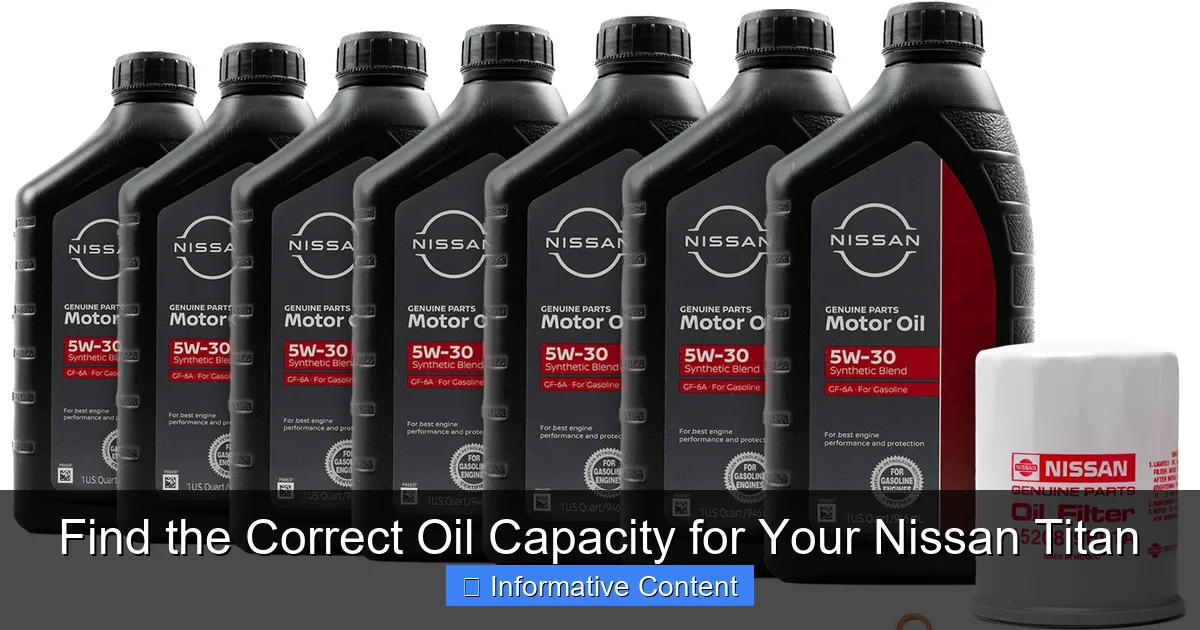
The Nissan Titan has primarily used a robust 5.6-liter V8 engine over the years. This engine design naturally requires a certain oil volume to function optimally. Generally, a larger engine like this V8 will have a higher oil capacity than a smaller one. While most Titans are V8s, always verify your specific model, as configurations can vary.
Model Year Changes and Updates
As Nissan refined the Titan across generations, slight changes in engine components, oil pan design, and even cooling systems can alter the oil capacity. The first-generation (2004-2015) and second-generation (2016-present) trucks might have subtle differences. That’s why we’ll break it down by year later.
The Impact of Oil Filter Changes
Here’s a key detail: the stated oil capacity of a Nissan Titan usually includes the volume held by a new oil filter. When you do an oil change, the filter soaks up about half a quart of oil. If you’re just topping off between changes, you’re not accounting for that filter volume. This nuance is why the “with filter” capacity is the one to remember for service.
Nissan Titan Oil Capacity Specifications by Model Year
Now, let’s get to the hard numbers. This table summarizes the typical oil capacity for various Nissan Titan models. Remember, this is a guide. Always consult your owner’s manual for the definitive specification, as optional equipment or minor mid-year changes can occur.
Visual guide about How Many Quarts Of Oil Does A Nissan Titan Take
Image source: thecarhow.com
First Generation (2004-2015) Capacities
The first-gen Titan established the truck’s reputation. Its 5.6L V8 is a workhorse, and its oil capacity is consistent for many model years.
Second Generation (2016-Present) Capacities
The refreshed Titan continued with an updated 5.6L V8. The oil capacity remained similar, but always confirm for your exact year.
| Model Year Range | Engine | Approximate Oil Capacity (with filter) | Notes |
|---|---|---|---|
| 2004-2015 | 5.6L Endurance V8 | 6.0 quarts (5.7 liters) | Standard for most first-gen models. The 5.6L V8 is the sole engine option. |
| 2016-2019 | 5.6L Endurance V8 | 6.0 quarts (5.7 liters) | Early second-gen models maintain the same capacity. |
| 2020-Present | 5.6L Endurance V8 | 6.0 quarts (5.7 liters) | Continues with minor updates. Always verify for your specific trim. |
Note: Capacities are for reference. The oil capacity of your Nissan Titan may vary slightly. For example, if the oil cooler line is drained during service, it may require a touch more. When in doubt, add oil gradually and check the dipstick.
Step-by-Step Guide to Checking and Topping Off Oil
Knowing the number is one thing; applying it is another. Let’s walk through how to check your oil level safely and how to top it off correctly without overdoing it.
Visual guide about How Many Quarts Of Oil Does A Nissan Titan Take
Image source: thecarhow.com
Gathering Your Tools and Supplies
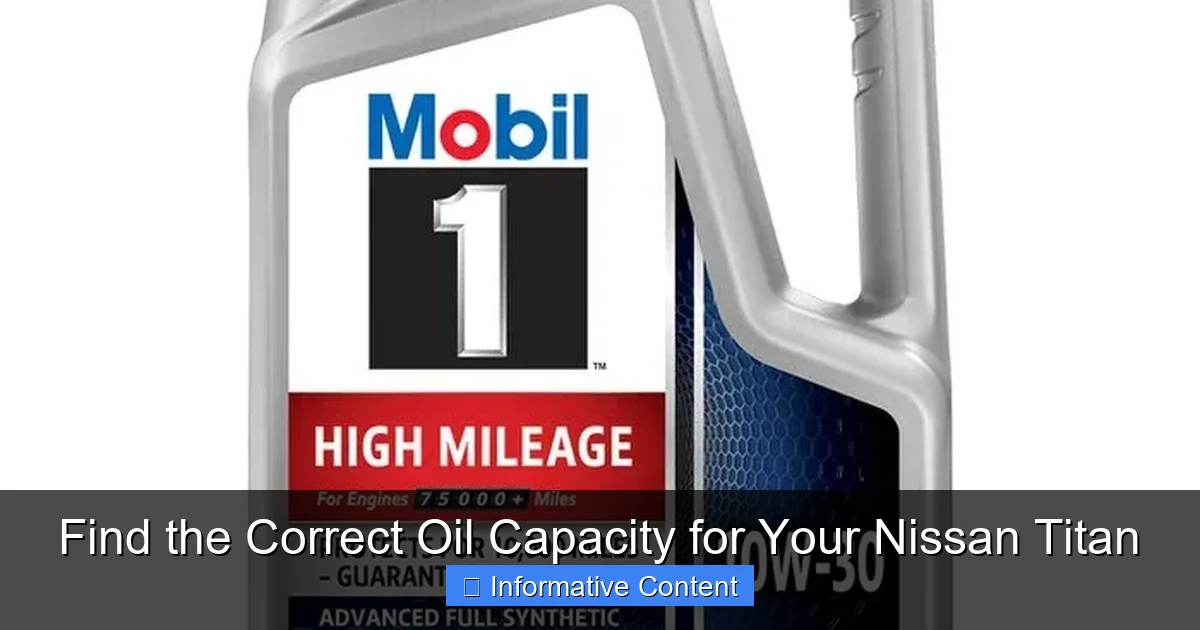
You don’t need much: a clean rag or paper towel, a funnel (to avoid spills), and of course, the correct grade and type of oil for your Titan. Keep your owner’s manual nearby to confirm the oil capacity of your Nissan Titan.
The Safe and Accurate Dipstick Method
Park on level ground and turn off the engine. Wait 5-10 minutes for oil to drain back into the pan. Pull the dipstick, wipe it clean, reinsert it fully, then pull it out again. The oil should be between the two marks or holes. If it’s near or below the lower mark, it’s time to add oil.
How to Add Oil Correctly
Here’s my tip: add oil slowly. Pour in about half a quart at a time, then recheck the dipstick. This prevents overfilling. Remember, the total oil capacity of your Nissan Titan is for a complete change, not a top-off. You’re only adding what’s needed to reach the “full” mark.
The Right Way to Perform an Oil Change on Your Titan
If you’re ready for a full DIY oil change, this section is for you. Following the proper procedure ensures you hit that oil capacity target perfectly.
Preparation and Safety First
Gather all supplies: new oil (enough for the full oil capacity of your Nissan Titan, plus a little extra), a new oil filter, a wrench, drain pan, and gloves. Wear safety glasses and use jack stands if lifting the truck—never rely solely on a jack.
Draining the Old Oil: Tips and Tricks
Run the engine for a few minutes to warm the oil (it flows better). Locate the drain plug underneath and place your pan. Loosen the plug carefully—hot oil can burn! Let it drain completely. This can take 10-15 minutes. While it drains, remove the old oil filter. Let that area drain too.
Replacing the Filter and Adding New Oil
Prep the new filter by lightly coating its rubber gasket with new oil. Screw it on hand-tight—don’t over-torque it. Reinstall the drain plug securely. Now, via the funnel, add the amount of oil specified for the oil capacity of your Nissan Titan. Start with about 5.5 quarts, then check the dipstick. Add the remaining half quart gradually until the level is correct. Start the engine, let it run for a minute, check for leaks, then recheck the dipstick after it’s settled.
Pro Tips for Long-Term Engine Health
Maintaining the correct oil capacity is just one part of the puzzle. Here are some extra insights to keep your Titan’s engine running smoothly for the long haul.
Choosing the Right Oil Type and Viscosity
Refer to your manual for the recommended oil grade (like 5W-30). Using the correct viscosity is as important as the volume. In very hot or cold climates, you might consider slight variations, but stick to Nissan’s recommendations unless advised by a professional.
Monitoring Oil Consumption Between Changes
It’s normal for engines to consume a little oil over time. Check your dipstick every other fuel fill-up. If you notice you’re consistently adding a quart or more between changes, it’s worth having a mechanic inspect for leaks or wear. Keeping track helps you stay on top of the oil capacity needs of your Nissan Titan.
When to Seek Professional Help
If you’re ever unsure about the oil capacity, the changing process, or if you encounter issues like milky oil (a sign of coolant mixing in), don’t hesitate to visit a trusted mechanic. Sometimes, paying for a professional oil change is worth the peace of mind, especially if your time is limited.
Wrapping It Up: Your Titan Deserves the Best
We’ve covered a lot of ground together. From understanding why the oil capacity of your Nissan Titan is non-negotiable, to decoding the specs, and learning how to check and change it yourself. Remember, that number—typically around 6 quarts—is your engine’s best friend.
Treat your Titan with care by always using the correct oil capacity. It’s a simple act that pays off in reliability, performance, and longevity. Whether you’re hauling loads, towing trailers, or just cruising, a well-lubricated engine is a happy engine. Now, go forth with confidence, and give your truck the precise care it deserves.
Frequently Asked Questions
What is the oil capacity for a Nissan Titan?
The oil capacity for a Nissan Titan typically ranges from 5.6 to 7 quarts, depending on the engine and model year. For example, the common 5.6L V8 engine often requires around 6 quarts with a filter change. Always consult your owner’s manual for the exact specification for your vehicle.
How does the oil capacity change for different Nissan Titan engines?
Nissan Titans have featured various engines, such as the gasoline 5.6L V8 and a 5.0L Cummins diesel. The oil capacity varies; the gasoline V8 usually holds about 6 quarts, while the diesel engine may require up to 10 quarts. Checking your specific engine details is crucial for accuracy.
What is the oil capacity of a Nissan Titan V8?
The Nissan Titan with the 5.6L V8 engine generally has an oil capacity of approximately 6 quarts, including the filter. This applies to many model years from 2004 onward, but minor differences can occur, so verify using your owner’s manual or a reliable resource.
What is the recommended oil type for a Nissan Titan?
Nissan typically recommends SAE 5W-30 viscosity oil for most Titan models, especially those with the 5.6L V8 engine. Synthetic or conventional oil can be used, but synthetic may offer improved protection and fuel efficiency. Always follow the guidelines in your owner’s manual for best results.
How do I find the correct oil capacity for my Nissan Titan model year?
To find the correct oil capacity for your specific model year, refer to your Nissan Titan’s owner’s manual as the primary source. You can also check the oil filler cap or use online tools with your VIN for precise details, as capacities can vary between years and trims.
Can I use synthetic oil in my Nissan Titan, and does it affect the capacity?
Yes, you can use synthetic oil in your Nissan Titan, and it does not alter the oil capacity. Synthetic oil provides enhanced performance and longevity, but the amount needed remains the same as specified for your engine. Ensure you use the correct viscosity and follow manufacturer recommendations.

At CarLegit, we believe information should be clear, factual, and genuinely helpful. That’s why every guide, review, and update on our website is created with care, research, and a strong focus on user experience.