
Choosing the right 185 65 15 tire for your Toyota Prius can dramatically improve fuel economy, ride comfort, and safety. This guide breaks down the top-rated tires, key features to consider, and real-world performance insights to help you make the best choice for your hybrid.
If you drive a Toyota Prius, you already know it’s one of the most fuel-efficient, eco-friendly cars on the road. But did you know that the tires you choose can make a big difference in how well your Prius performs? That’s right—your tires are the only part of the car touching the road, and they play a huge role in fuel economy, handling, comfort, and safety. That’s why selecting the best 185 65 15 tire for Toyota Prius isn’t just about fit—it’s about optimizing your hybrid driving experience.
The 185 65 15 tire size is a common fit for many Toyota Prius models, especially the earlier generations (2004–2015). This size offers a balance of stability, efficiency, and comfort, making it ideal for city commutes, highway cruising, and everything in between. But not all tires are created equal. Some are built for speed, others for rugged terrain—but for a Prius, you want something that complements its hybrid nature: low rolling resistance, quiet operation, and long tread life.
In this guide, we’ll walk you through everything you need to know about choosing the best 185 65 15 tire for your Toyota Prius. From understanding tire specs to comparing top brands and models, we’ll help you make a smart, informed decision. Whether you’re replacing worn tires or upgrading for better performance, this article has you covered.
In This Article
- 1 Key Takeaways
- 2 📑 Table of Contents
- 3 Why Tire Choice Matters for Your Toyota Prius
- 4 Understanding the 185 65 15 Tire Size
- 5 Top Features to Look for in a Prius Tire
- 6 Top 5 Best 185 65 15 Tires for Toyota Prius
- 7 Installation, Maintenance, and Tips for Longevity
- 8 Cost Comparison and Value Analysis
- 9 Conclusion
- 10 Frequently Asked Questions
Key Takeaways
- Fuel Efficiency Matters: Low rolling resistance tires help maximize your Prius’s already impressive MPG.
- Comfort and Noise: Look for tires with noise-reducing technology and a smooth ride for city and highway driving.
- All-Season Performance: Most Prius owners benefit from reliable all-season tires that handle rain, light snow, and dry roads.
- Tread Life and Durability: Hybrid drivers often prioritize long-lasting tires due to frequent stop-and-go driving.
- Top Brands to Consider: Michelin, Bridgestone, Goodyear, and Continental offer excellent 185 65 15 options for the Prius.
- Proper Inflation is Key: Maintaining correct tire pressure boosts efficiency and extends tread life.
- Warranty and Value: Compare mileage warranties and overall cost per mile for the best long-term value.
📑 Table of Contents
Why Tire Choice Matters for Your Toyota Prius
Your Toyota Prius is engineered for efficiency. From its regenerative braking system to its lightweight design, every component is optimized to reduce fuel consumption and emissions. But one often-overlooked factor is the tires. The right tires can enhance your Prius’s strengths, while the wrong ones can drag down its performance.
Let’s start with fuel economy. The Prius already sips fuel thanks to its hybrid powertrain, but rolling resistance—the energy lost as tires roll—can eat into those savings. Tires with low rolling resistance are designed to minimize this energy loss, helping your car go farther on less fuel. In fact, studies show that switching to low-rolling-resistance tires can improve fuel economy by 1–3%, which adds up over time.
Then there’s ride comfort. The Prius is known for its smooth, quiet ride, especially in city driving. But if your tires are noisy or harsh, that comfort can disappear. Tires with advanced tread patterns and noise-dampening materials can keep cabin noise low and deliver a plush ride over bumps and potholes.
Safety is another big concern. The Prius has a lower center of gravity than many cars, which helps with stability, but it still needs tires that grip well in wet or slippery conditions. All-season tires with good hydroplaning resistance and wet traction are essential, especially if you live in an area with rain or occasional snow.
Finally, consider longevity. Hybrid drivers often put more miles on their cars due to efficient city driving and long commutes. Tires with long tread life mean fewer replacements, saving you money and hassle in the long run.
Understanding the 185 65 15 Tire Size

Visual guide about Best 185 65 15 Tire for Toyota Prius
Image source: tirehungry.com
Before we dive into specific tire recommendations, let’s break down what “185 65 15” actually means. This code tells you everything you need to know about a tire’s dimensions and fit.
The first number, 185, refers to the tire’s width in millimeters. This is the distance from one sidewall to the other. A 185mm width is common for compact and hybrid cars like the Prius, offering a good balance of grip and efficiency.
The second number, 65, is the aspect ratio. This is the height of the tire’s sidewall expressed as a percentage of the width. So, a 65 aspect ratio means the sidewall is 65% of 185mm, or about 120mm tall. A lower aspect ratio (like 55) means a shorter sidewall, which can improve handling but may reduce comfort. A higher ratio (like 70) means a taller sidewall, which absorbs more road shock but can feel less responsive.
The final number, 15, is the diameter of the wheel (rim) in inches. This tells you what size wheel the tire fits. Most Prius models from 2004 to 2015 use 15-inch wheels, especially the base and mid-level trims.
Put it all together, and the 185 65 15 tire is a well-balanced size for the Prius—wide enough for stability, with a moderate sidewall for comfort, and compatible with standard wheels.
Why This Size Works for the Prius
The 185 65 15 size is ideal for the Toyota Prius because it matches the car’s design philosophy: efficiency without sacrificing practicality. The narrower width reduces rolling resistance, which helps with fuel economy. The moderate aspect ratio provides enough cushioning for a smooth ride, while still offering responsive handling.
Additionally, this size is widely available, making it easy to find quality tires at competitive prices. You’ll find options from all the major brands, including Michelin, Bridgestone, Goodyear, and Continental—each offering models tailored to hybrid drivers.
One thing to note: always check your owner’s manual or the tire placard on your driver’s side door jamb to confirm the correct size. While 185 65 15 is common, some Prius models (especially later generations) may use 195 65 15 or other sizes. Using the wrong size can affect speedometer accuracy, handling, and even safety.
Top Features to Look for in a Prius Tire
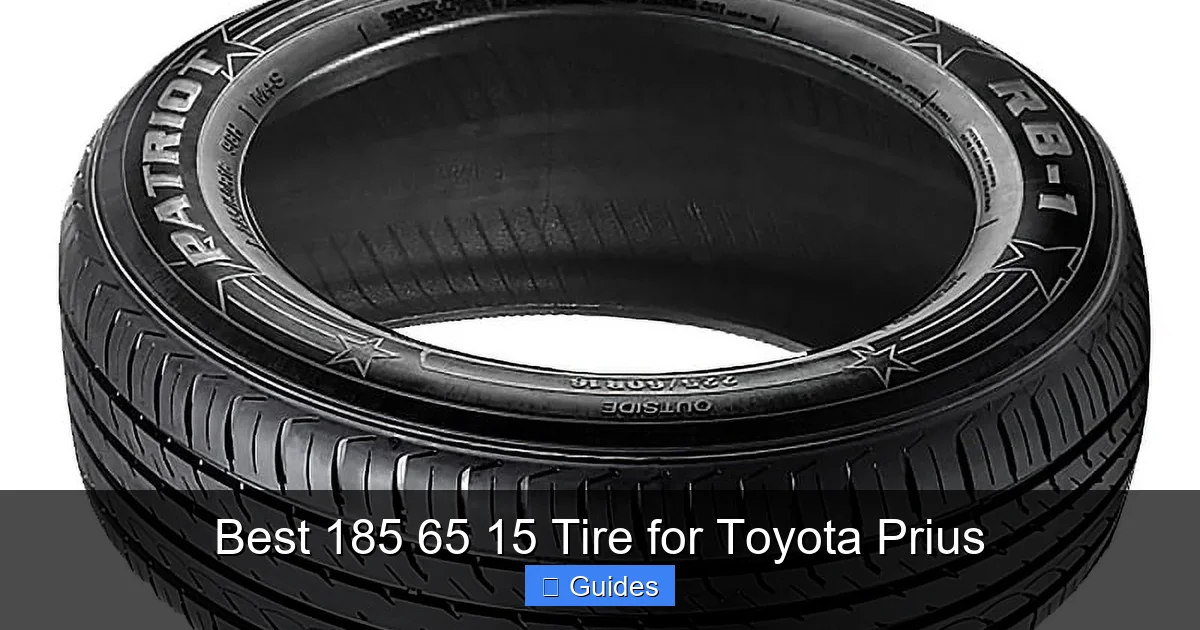
Visual guide about Best 185 65 15 Tire for Toyota Prius
Image source: i5.walmartimages.com
Now that you understand the basics, let’s talk about what makes a tire truly great for your Prius. Not all 185 65 15 tires are created equal, and knowing what to look for can save you from a disappointing purchase.
Low Rolling Resistance
This is the #1 feature for hybrid drivers. Low rolling resistance (LRR) tires are designed to reduce the energy needed to keep the car moving. They use special rubber compounds and tread designs that minimize friction with the road.
Why does this matter? Because every bit of energy saved translates to better fuel economy. For a car like the Prius, which already prioritizes efficiency, LRR tires are a natural fit. Look for tires labeled “low rolling resistance” or “fuel-efficient.” Many top brands now highlight this feature prominently.
All-Season Performance
Most Prius owners drive year-round, so all-season tires are the go-to choice. These tires are designed to handle dry, wet, and light snow conditions—perfect for city driving and occasional road trips.
When shopping, check the tire’s traction ratings. The UTQG (Uniform Tire Quality Grading) system rates tires on treadwear, traction, and temperature resistance. For wet traction, look for an “A” or “B” rating. Avoid “C” ratings, which indicate poor grip in rain.
Also, consider tread pattern. Tires with circumferential grooves and siping (small slits in the tread blocks) channel water away and improve grip on wet roads. This is especially important for the Prius, which can feel light on its feet in heavy rain.
Noise Reduction and Comfort
Let’s face it—nobody wants a noisy ride. The Prius is known for its quiet cabin, but cheap or worn tires can ruin that experience. Look for tires with noise-reducing technology, such as:
– Variable pitch tread blocks (reduce harmonic noise)
– Sound-absorbing foam inside the tire (found in some premium models)
– Optimized groove patterns that minimize road roar
Many top-tier tires now include these features. For example, Michelin’s Acoustic Technology uses foam lining to cut cabin noise by up to 20%. That might not sound like much, but on a long drive, it makes a big difference.
Tread Life and Durability
Hybrid drivers often rack up miles quickly. Stop-and-go city driving, frequent braking, and regenerative systems can wear tires faster than average. That’s why tread life is a major factor.
Check the treadwear rating on the UTQG label. A higher number (like 600 or 800) means longer life. For example, a tire with a 700 treadwear rating should last about 70,000 miles under normal conditions—though real-world results vary based on driving habits, road conditions, and maintenance.
Also, look for mileage warranties. Many brands offer 60,000- to 80,000-mile warranties on their long-life tires. This not only gives you peace of mind but also helps calculate cost per mile—a smart way to compare value.
Wet and Snow Traction
Even if you don’t live in a snowy climate, you’ll still face rain, puddles, and wet leaves. Tires with good wet traction prevent hydroplaning and improve braking distance.
Look for the Three-Peak Mountain Snowflake (3PMSF) symbol if you drive in cold climates. This indicates the tire meets severe snow service standards. While not all-season tires have this, some “all-weather” models do—offering better winter performance without needing seasonal swaps.
For most Prius drivers, a high-quality all-season tire with strong wet ratings is sufficient. But if you see regular snow or ice, consider upgrading to an all-weather or winter tire for added safety.
Top 5 Best 185 65 15 Tires for Toyota Prius
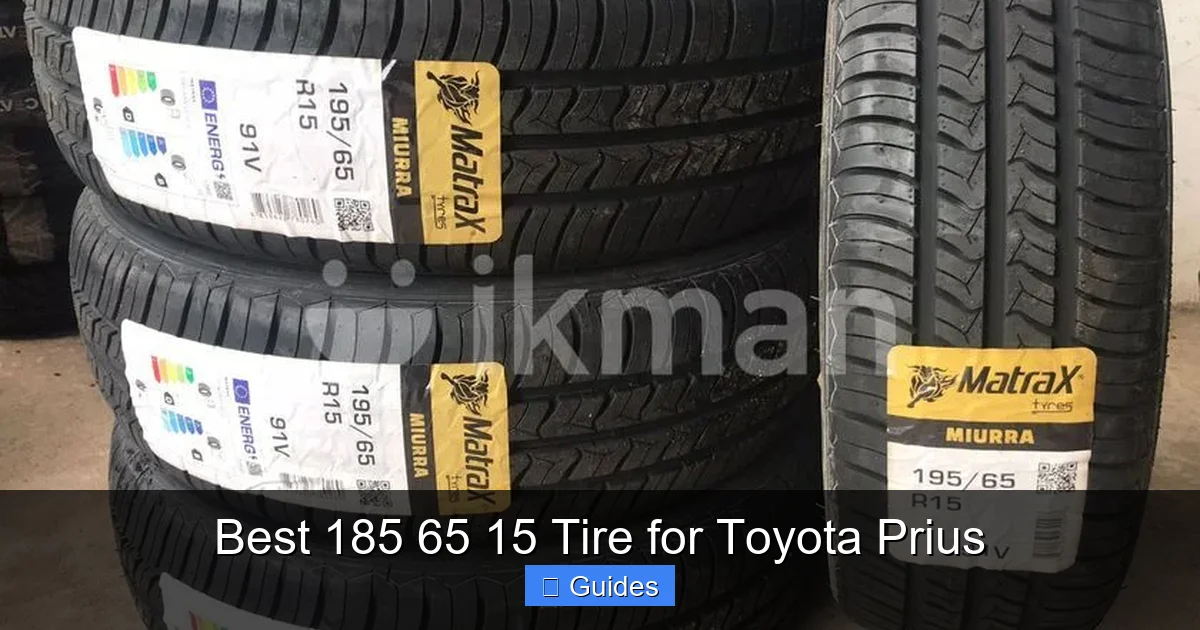
Visual guide about Best 185 65 15 Tire for Toyota Prius
Image source: i.ikman-st.com
Now for the fun part—our top picks! After researching performance reviews, customer feedback, and expert ratings, here are the five best 185 65 15 tires for your Toyota Prius.
1. Michelin Energy Saver A/S
The Michelin Energy Saver A/S is a favorite among hybrid drivers—and for good reason. It’s designed specifically for fuel-efficient cars, with low rolling resistance that can improve your Prius’s MPG.
Key features:
– Michelin Green X technology for maximum fuel efficiency
– Silica-enhanced tread compound for wet grip
– 65,000-mile treadwear warranty
– Quiet ride with noise-reducing tread design
Real-world feedback shows drivers noticing smoother acceleration and quieter cabins. It’s a premium tire, so it comes at a higher price, but the long-term savings in fuel and durability make it worth it.
2. Bridgestone Ecopia EP422 Plus
Bridgestone’s Ecopia line is built for eco-conscious drivers. The EP422 Plus offers excellent fuel economy, long tread life, and solid all-season performance.
Key features:
– Low rolling resistance for up to 4% better fuel economy
– 70,000-mile warranty
– All-season tread with 3PMSF snow rating
– Comfortable, quiet ride
Owners praise its reliability in rain and light snow, making it a great all-around choice. It’s also more affordable than some Michelin options, offering strong value.
3. Goodyear Assurance Fuel Max
Goodyear’s Assurance Fuel Max is another fuel-efficient option with a focus on everyday driving. It’s a solid pick for Prius owners who want a balance of performance and price.
Key features:
– Fuel-saving tread compound
– 65,000-mile warranty
– Good wet and dry traction
– Smooth, comfortable ride
While not as quiet as Michelin or Bridgestone, it still delivers a pleasant driving experience. It’s a great mid-range option for budget-conscious buyers.
4. Continental PureContact with EcoPlus Technology
Continental is known for high-quality engineering, and the PureContact delivers. This tire combines fuel efficiency with excellent handling and comfort.
Key features:
– EcoPlus Technology for low rolling resistance
– 70,000-mile warranty
– Excellent wet braking and hydroplaning resistance
– Noise-reducing tread pattern
Drivers report confident handling in rain and a noticeably quiet cabin. It’s a premium tire with a premium feel—ideal for those who want top-tier performance.
5. General Altimax RT43
If you’re looking for value without sacrificing quality, the General Altimax RT43 is a standout. It’s one of the most affordable options on this list but still delivers strong performance.
Key features:
– Low rolling resistance design
– 75,000-mile warranty (one of the best in class)
– Good wet and dry traction
– Comfortable ride with minimal noise
It may not have the brand name of Michelin or Bridgestone, but it holds its own in real-world tests. A great choice for drivers who want long life and efficiency at a lower price.
Installation, Maintenance, and Tips for Longevity
Buying the right tire is only half the battle. Proper installation and maintenance are key to getting the most out of your investment.
Professional Installation
Always have your tires installed by a certified technician. This ensures proper mounting, balancing, and alignment. Poor installation can lead to vibration, uneven wear, and reduced performance.
Ask the shop to check your wheel alignment after installation. The Prius’s lightweight design can make it sensitive to alignment issues, which can cause rapid tire wear.
Regular Tire Rotation
Rotate your tires every 5,000 to 7,500 miles. This helps ensure even wear across all four tires. Front tires on front-wheel-drive cars like the Prius tend to wear faster, so rotation extends overall tread life.
Most tire shops include rotation in their service packages, so take advantage of it.
Maintain Proper Tire Pressure
Underinflated tires increase rolling resistance, reduce fuel economy, and wear out faster. Overinflated tires reduce grip and can lead to a harsh ride.
Check your tire pressure monthly—especially before long trips. Use the pressure listed on your door jamb placard, not the max pressure on the tire sidewall.
The Prius’s recommended pressure is usually around 35 PSI, but always double-check your model year.
Inspect for Damage and Wear
Look for cuts, bulges, or uneven wear patterns. Feathering (smooth on one edge, rough on the other) can indicate alignment issues. Cupping (scalloped dips) may point to suspension problems.
If you notice any issues, have them checked by a professional. Catching problems early can prevent costly repairs.
Store Spare Tires Properly
If you carry a spare (some Prius models don’t), store it in a cool, dry place away from sunlight. Check its pressure regularly—spares can lose air over time.
Cost Comparison and Value Analysis
Tire prices vary widely, from under $100 to over $200 per tire. But the cheapest option isn’t always the best value. Consider the total cost of ownership, including fuel savings, tread life, and warranty.
For example, the General Altimax RT43 might cost $90 per tire, while the Michelin Energy Saver A/S could be $160. But if the Michelin saves you 2% in fuel and lasts 10,000 miles longer, it may pay for itself over time.
Use this formula to compare value:
(Cost per tire × 4) ÷ (Warranty miles ÷ 1000) = Cost per 1,000 miles
A lower number means better long-term value.
Also, look for promotions. Many retailers offer rebates, free installation, or buy-three-get-one deals. Sign up for newsletters or check sites like Tire Rack and Discount Tire for current offers.
Conclusion
Choosing the best 185 65 15 tire for your Toyota Prius isn’t just about finding a fit—it’s about enhancing everything you love about your hybrid. The right tires can boost fuel economy, improve comfort, and keep you safe in all conditions.
From low rolling resistance to long tread life, the features we’ve covered are essential for maximizing your Prius’s performance. Whether you go with a premium option like the Michelin Energy Saver A/S or a value pick like the General Altimax RT43, make sure it aligns with your driving needs and budget.
Remember to maintain your tires properly—rotate them, check pressure, and inspect for wear. A little care goes a long way in extending their life and keeping your Prius running smoothly.
With the right tires, your Prius will continue to be the efficient, reliable, and comfortable ride you depend on. So take the time to choose wisely—your car (and your wallet) will thank you.
Frequently Asked Questions
What does 185 65 15 mean on a tire?
The numbers 185 65 15 describe the tire’s size: 185mm wide, 65% aspect ratio (sidewall height), and fits a 15-inch wheel. This size is common on Toyota Prius models from 2004 to 2015.
Can I use a different tire size on my Prius?
It’s not recommended. Using a different size can affect speedometer accuracy, handling, and safety. Always use the size specified in your owner’s manual or door placard.
Do I need special tires for a hybrid car?
Not necessarily, but low rolling resistance tires are ideal. They help maximize fuel economy, which is a key benefit of hybrid vehicles like the Prius.
How often should I replace my Prius tires?
Most tires last 50,000 to 80,000 miles. Check tread depth regularly—replace when it reaches 2/32 of an inch. Also inspect for damage or uneven wear.
Are all-season tires good for snow?
All-season tires handle light snow, but for heavy snow or ice, consider all-weather or winter tires. Look for the 3PMSF symbol for better winter performance.
Should I buy the most expensive tires?
Not always. While premium tires often offer better performance and longevity, mid-range options like the General Altimax RT43 provide excellent value. Compare features, warranties, and cost per mile.

At CarLegit, we believe information should be clear, factual, and genuinely helpful. That’s why every guide, review, and update on our website is created with care, research, and a strong focus on user experience.