
Choosing the right all season tires for your 2013 Ford Escape can dramatically improve handling, fuel efficiency, and ride comfort in any weather. This guide breaks down top-rated options, key features to consider, and expert tips to help you pick the perfect set for your driving needs.
In This Article
- 1 Key Takeaways
- 2 📑 Table of Contents
- 3 Why All Season Tires Are Perfect for the 2013 Ford Escape
- 4 Top All Season Tires for the 2013 Ford Escape
- 5 How to Choose the Right Tire Size for Your 2013 Ford Escape
- 6 Performance Factors to Consider When Buying Tires
- 7 Installation and Maintenance Tips for Long-Lasting Performance
- 8 Final Thoughts: Making the Right Choice for Your Escape
- 9 Frequently Asked Questions
Key Takeaways
- All season tires offer balanced performance in dry, wet, and light snow conditions, making them ideal for most 2013 Ford Escape owners. They provide reliable year-round traction without the hassle of seasonal swaps.
- Look for tires with high treadwear ratings, low rolling resistance, and strong wet-weather grip to maximize safety and fuel economy. These features directly impact long-term value and performance.
- The 2013 Ford Escape typically uses P225/65R17 or P235/55R19 tire sizes, so always confirm your wheel size before purchasing. Incorrect sizing can affect speedometer accuracy and handling.
- Top brands like Michelin, Bridgestone, Goodyear, and Continental consistently rank high for comfort, durability, and all-weather capability. Investing in quality pays off in longevity and peace of mind.
- Proper tire maintenance—including regular rotation, alignment, and pressure checks—extends tire life and improves performance. Don’t overlook these simple habits.
- Consider your local climate: if you face heavy snow or frequent rain, prioritize tires with advanced siping and silica-enhanced compounds. Not all all season tires are created equal.
- Online reviews and professional ratings from sources like Consumer Reports and Tire Rack can guide your decision. Real-world feedback is invaluable.
📑 Table of Contents
- Why All Season Tires Are Perfect for the 2013 Ford Escape
- Top All Season Tires for the 2013 Ford Escape
- How to Choose the Right Tire Size for Your 2013 Ford Escape
- Performance Factors to Consider When Buying Tires
- Installation and Maintenance Tips for Long-Lasting Performance
- Final Thoughts: Making the Right Choice for Your Escape
Why All Season Tires Are Perfect for the 2013 Ford Escape
The 2013 Ford Escape is a versatile compact SUV designed for city driving, weekend getaways, and everything in between. Whether you’re commuting to work, hauling groceries, or taking a road trip, your tires play a crucial role in how the vehicle performs. All season tires strike the ideal balance between comfort, durability, and all-weather capability, making them the go-to choice for most Escape owners.
Unlike summer or winter-specific tires, all season tires are engineered to handle a wide range of conditions. They provide solid grip on dry pavement, perform well in rain, and even manage light snow—perfect for drivers in temperate climates or those who don’t want the hassle of seasonal tire changes. For the 2013 Ford Escape, which isn’t built for extreme off-roading or racing, all season tires deliver the reliability and efficiency most drivers need.
What Makes All Season Tires Stand Out?
All season tires are built with a unique tread compound that stays flexible in cooler temperatures while resisting wear in heat. This balance allows them to perform consistently across seasons. They also feature deeper grooves and siping—tiny slits in the tread blocks—that improve traction on wet and slightly snowy roads. For Escape drivers, this means safer braking, better cornering, and a smoother ride, whether you’re navigating pothole-ridden city streets or cruising down the highway.
Another advantage is fuel efficiency. Many modern all season tires are designed with low rolling resistance, which means your engine doesn’t have to work as hard to move the vehicle. This translates to better gas mileage—a big plus for a vehicle like the Escape, which already aims for efficiency. Plus, with proper care, quality all season tires can last 50,000 to 70,000 miles, offering excellent long-term value.
Top All Season Tires for the 2013 Ford Escape
With so many options on the market, it’s easy to feel overwhelmed. To simplify your search, we’ve rounded up some of the best all season tires that deliver outstanding performance, comfort, and durability for the 2013 Ford Escape. These picks are based on expert reviews, customer feedback, and real-world testing.
Visual guide about Best All Season Tires for 2013 Ford Escape
Image source: discounttire.scene7.com
Michelin Defender T+H
The Michelin Defender T+H consistently ranks as one of the top all season tires for SUVs and crossovers. Known for its exceptional tread life—often exceeding 80,000 miles—it’s a favorite among drivers who want long-lasting performance. The tire features Michelin’s MaxTouch Construction, which evenly distributes weight and stress across the tread for improved wear and handling.
In wet conditions, the Defender T+H shines thanks to its wide circumferential grooves and silica-enhanced compound, which channel water away and reduce hydroplaning risk. Drivers also praise its quiet, comfortable ride, making it ideal for daily commuting. While it’s on the pricier side, the longevity and reliability make it a smart investment for Escape owners who plan to keep their vehicle for years.
Bridgestone Turanza QuietTrack
If you value a smooth, quiet ride, the Bridgestone Turanza QuietTrack is hard to beat. Designed specifically for luxury crossovers and SUVs, this tire combines comfort with impressive all-weather performance. Its asymmetric tread pattern enhances grip in both dry and wet conditions, while the optimized pitch sequencing reduces road noise—perfect for long drives.
The Turanza QuietTrack also features Bridgestone’s EverBite technology, which uses flexible tread blocks to maintain traction as the tire wears. This means consistent performance over time, even as the tread depth decreases. With a 80,000-mile warranty, it’s a reliable choice for Escape drivers who want a premium feel without sacrificing durability.
Goodyear Assurance WeatherReady
For drivers in areas with unpredictable weather, the Goodyear Assurance WeatherReady offers true all-season versatility. Unlike traditional all season tires, this model is rated for severe snow conditions, earning the Three-Peak Mountain Snowflake symbol. That means it can handle more than just light snow—making it a great option if you live in a region with occasional winter storms.
The tire uses Goodyear’s Weather Reactive Technology, which adapts to changing conditions. Its tread compound remains flexible in cold weather, while the siping pattern enhances grip on ice and slush. Drivers report excellent braking performance and a comfortable ride, even on rough roads. It’s a bit more expensive than standard all season tires, but the added confidence in winter makes it worth considering.
Continental PureContact LS
The Continental PureContact LS is a top pick for eco-conscious drivers. It features Continental’s EcoPlus Technology, which reduces rolling resistance to improve fuel economy without sacrificing performance. The tire also includes a silica and rubber compound that enhances wet traction and braking.
With a 70,000-mile treadwear warranty, the PureContact LS offers solid longevity. Its asymmetric tread design provides responsive handling, while the ComfortRide technology absorbs road vibrations for a smoother ride. Many Escape owners appreciate the balance of efficiency, comfort, and safety this tire delivers.
Pirelli Scorpion Verde All Season Plus II
The Pirelli Scorpion Verde All Season Plus II is designed specifically for SUVs and crossovers, making it a natural fit for the 2013 Ford Escape. It emphasizes low rolling resistance and reduced CO2 emissions, aligning with Pirelli’s focus on sustainability. Despite its eco-friendly design, it doesn’t compromise on performance.
The tire features an optimized tread pattern that improves wet and dry grip, while the reinforced shoulder blocks enhance cornering stability. Drivers note its quiet operation and comfortable ride, especially on highways. With a 65,000-mile warranty, it’s a strong contender for those who want a greener tire without giving up quality.
How to Choose the Right Tire Size for Your 2013 Ford Escape
One of the most common mistakes drivers make is buying tires that don’t match their vehicle’s specifications. The 2013 Ford Escape comes in several trim levels, and each may have different wheel and tire sizes. Using the wrong size can affect handling, speedometer accuracy, and even void your warranty.
Visual guide about Best All Season Tires for 2013 Ford Escape
Image source: akintrends.com
Standard Tire Sizes for the 2013 Escape
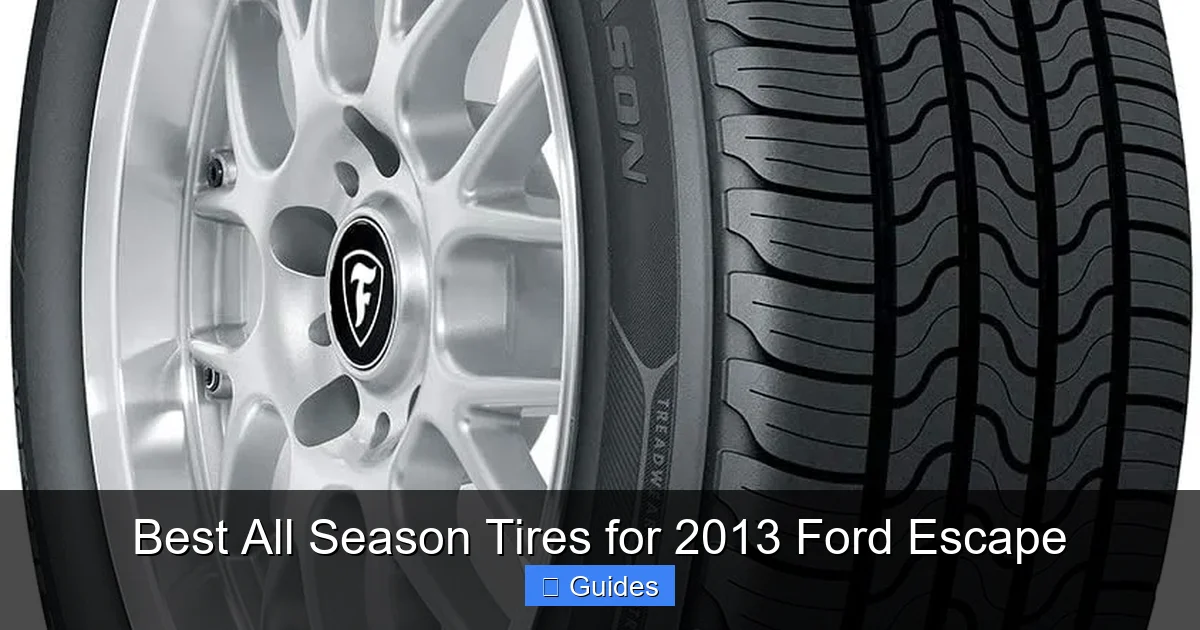
The most common tire size for the 2013 Ford Escape is P225/65R17. This size fits the base S, SE, and SEL trims with 17-inch wheels. The “P” indicates it’s a passenger vehicle tire, “225” is the width in millimeters, “65” is the aspect ratio (sidewall height as a percentage of width), “R” means radial construction, and “17” is the wheel diameter in inches.
If your Escape has 19-inch wheels—typically on the Titanium trim—you’ll need P235/55R19 tires. This size offers a slightly sportier look and improved handling but may result in a firmer ride due to the lower sidewall. Always check your owner’s manual or the tire placard on the driver’s side door jamb to confirm your exact size.
Why Tire Size Matters
Using the correct tire size ensures your Escape’s suspension, braking, and steering systems work as intended. It also maintains the accuracy of your speedometer and odometer. For example, a tire that’s too large can cause your speedometer to read slower than your actual speed, potentially leading to speeding tickets. Conversely, a tire that’s too small can wear out faster and reduce ground clearance.
When shopping online or at a tire shop, always double-check the size. Many retailers allow you to enter your vehicle’s year, make, and model to filter compatible tires. This takes the guesswork out of the process and helps you avoid costly mistakes.
Performance Factors to Consider When Buying Tires
Not all all season tires are created equal. While they’re designed for year-round use, their performance can vary significantly based on design, materials, and technology. Here are the key factors to consider when choosing the best all season tires for your 2013 Ford Escape.
Visual guide about Best All Season Tires for 2013 Ford Escape
Image source: keilsgarage.com
Treadwear and Longevity
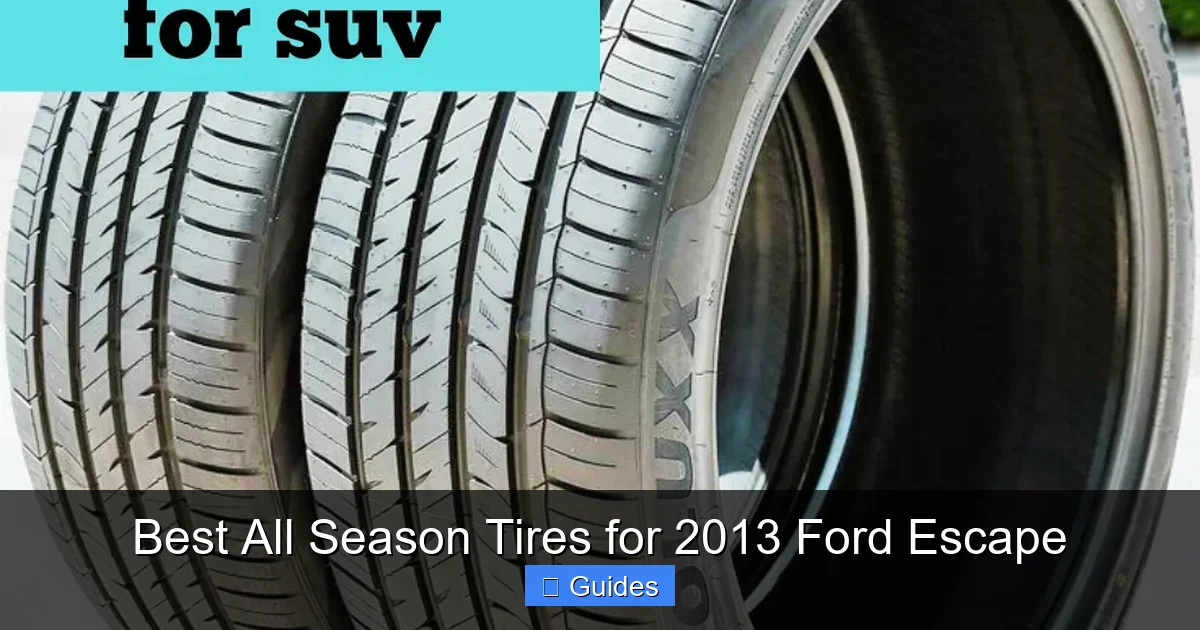
Treadwear ratings indicate how long a tire is expected to last. The higher the number, the longer the tire should perform. For example, a tire with a treadwear rating of 800 will typically last longer than one rated at 400. However, keep in mind that these ratings are based on standardized tests and may not reflect real-world conditions.
For the Escape, look for tires with a treadwear rating of at least 600. The Michelin Defender T+H, for instance, boasts a rating of 800, which explains its reputation for longevity. Keep in mind that aggressive driving, poor alignment, and underinflation can all reduce tire life, so maintenance is just as important as the tire itself.
Wet and Dry Traction
Traction is critical for safety, especially in emergency maneuvers. Tires with high traction ratings stop shorter and grip better during acceleration and cornering. Look for tires with strong wet traction scores, as hydroplaning is a real risk during heavy rain.
Silica-enhanced compounds and advanced tread patterns are key indicators of good wet performance. The Bridgestone Turanza QuietTrack and Continental PureContact LS both excel in this area, thanks to their innovative designs. Dry traction is usually strong across all season tires, but performance can vary during high-speed driving or sharp turns.
Comfort and Noise
A comfortable ride makes a big difference, especially on long trips. Tires with noise-reducing technology, like optimized tread blocks and sound-absorbing materials, create a quieter cabin. The Pirelli Scorpion Verde and Goodyear Assurance WeatherReady are known for their smooth, quiet performance.
Comfort also relates to how well the tire absorbs bumps and road imperfections. Tires with flexible sidewalls and advanced cushioning systems, like Michelin’s Comfort Control Technology, provide a more pleasant driving experience. If you frequently drive on rough roads, prioritize comfort in your decision.
Fuel Efficiency
Low rolling resistance tires help improve gas mileage by reducing the energy needed to keep the vehicle moving. This is especially beneficial for the 2013 Ford Escape, which already emphasizes fuel economy. Tires like the Continental PureContact LS and Pirelli Scorpion Verde are designed with efficiency in mind.
While the difference may seem small—typically 1-2 MPG—it adds up over time. For drivers who log high mileage, choosing a fuel-efficient tire can result in significant savings at the pump.
Installation and Maintenance Tips for Long-Lasting Performance
Buying the best all season tires is only half the battle. Proper installation and maintenance are essential to get the most out of your investment. Here’s how to keep your tires in top shape for years to come.
Professional Installation
Always have your tires installed by a certified technician. Improper mounting can lead to vibration, uneven wear, and even tire failure. A professional will also ensure the tires are balanced and aligned correctly, which improves handling and extends tread life.
When you get new tires, ask for a wheel alignment check. Misaligned wheels cause uneven wear and can reduce fuel efficiency. Most shops include this service with tire installation, so take advantage of it.
Regular Tire Rotation
Tire rotation involves moving tires from one position to another (e.g., front to back) to ensure even wear. Front tires typically wear faster due to steering and braking forces, so rotating them every 5,000 to 7,500 miles helps extend their life.
Follow the rotation pattern recommended in your owner’s manual. For most front-wheel-drive vehicles like the Escape, a forward cross pattern (front tires move straight back, rear tires cross to the front) works best.
Check Tire Pressure Monthly
Underinflated tires increase rolling resistance, reduce fuel economy, and cause uneven wear. Overinflated tires can lead to a harsh ride and reduced traction. Check your tire pressure at least once a month using a reliable gauge.
The correct pressure for your Escape is listed on the tire placard (usually 32–35 PSI). Don’t rely on the number printed on the tire sidewall—that’s the maximum pressure, not the recommended level.
Inspect for Damage and Wear
Regularly inspect your tires for cuts, bulges, nails, or uneven wear patterns. These signs can indicate alignment issues, suspension problems, or internal damage. If you notice anything unusual, have it checked by a professional.
Use the penny test to check tread depth: insert a penny into the tread with Lincoln’s head upside down. If you can see the top of his head, it’s time for new tires. Most all season tires have a tread depth of 10/32” when new and should be replaced at 2/32”.
Final Thoughts: Making the Right Choice for Your Escape
Choosing the best all season tires for your 2013 Ford Escape doesn’t have to be complicated. By focusing on your driving habits, local climate, and performance priorities, you can find a set that enhances safety, comfort, and efficiency. Whether you prioritize longevity, quiet operation, or all-weather capability, there’s a tire out there that fits your needs.
Remember, the best tire is one that matches your lifestyle and delivers consistent performance over time. Don’t just go for the cheapest option—invest in quality. With proper care, a great set of all season tires can serve you well for years, making every drive in your Escape safer and more enjoyable.
Frequently Asked Questions
What size tires does a 2013 Ford Escape use?
The 2013 Ford Escape typically uses P225/65R17 tires on 17-inch wheels or P235/55R19 on 19-inch wheels. Always check your owner’s manual or door placard to confirm your specific size.
Can I use all season tires in snow?
Yes, all season tires can handle light snow and slush. However, for heavy snow or icy conditions, consider all-weather or winter tires for better traction and safety.
How long do all season tires last on a Ford Escape?
With proper maintenance, quality all season tires can last 50,000 to 80,000 miles. Factors like driving habits, road conditions, and tire pressure affect longevity.
Are more expensive tires worth it?
Generally, yes. Higher-priced tires often offer better materials, longer tread life, improved fuel efficiency, and superior performance in wet or snowy conditions.
Do I need to replace all four tires at once?
It’s best to replace all four tires together to maintain balanced handling and traction. If only one or two are worn, you can replace them in pairs on the same axle, but match the tread depth closely.
How often should I rotate my tires?
Rotate your tires every 5,000 to 7,500 miles or as recommended in your owner’s manual. Regular rotation promotes even wear and extends tire life.

At CarLegit, we believe information should be clear, factual, and genuinely helpful. That’s why every guide, review, and update on our website is created with care, research, and a strong focus on user experience.