
Choosing the right all season tires for your Hyundai Santa Fe can dramatically improve ride comfort, fuel efficiency, and safety. Whether you’re commuting daily or taking weekend road trips, the right tires handle rain, light snow, and dry roads with confidence. This guide covers top-rated options, key features to consider, and expert tips to help you make the best choice for your SUV.
In This Article
- 1 Key Takeaways
- 2 📑 Table of Contents
- 3 Why All Season Tires Are Ideal for the Hyundai Santa Fe
- 4 Top 6 Best All Season Tires for Hyundai Santa Fe in 2024
- 5 How to Choose the Right All Season Tire for Your Santa Fe
- 6 Installation, Maintenance, and Safety Tips
- 7 Conclusion: Making the Right Choice for Your Santa Fe
- 8 Frequently Asked Questions
Key Takeaways
- All season tires offer balanced performance: Designed for year-round use, they handle dry, wet, and light snow conditions without needing seasonal swaps.
- Look for treadwear ratings and warranties: Higher treadwear numbers mean longer tire life—aim for 600+ for durability.
- Fuel efficiency matters: Low rolling resistance tires can improve gas mileage by up to 3%, saving money over time.
- Noise and comfort vary by model: Premium all season tires often include noise-reducing technology for a quieter ride.
- Check load and speed ratings: Your Santa Fe needs tires rated for at least 110V or higher to support its weight and performance.
- Top brands deliver reliability: Michelin, Continental, Pirelli, and Goodyear consistently rank high for quality and performance.
- Proper maintenance extends tire life: Regular rotation, alignment, and pressure checks keep your tires performing at their best.
📑 Table of Contents
Why All Season Tires Are Ideal for the Hyundai Santa Fe
The Hyundai Santa Fe is a versatile midsize SUV built for families, commuters, and adventure seekers alike. It’s designed to handle city streets, highways, and even light off-road trails with ease. But no matter how capable the vehicle, its performance ultimately depends on one critical component: the tires.
All season tires are the most popular choice for Santa Fe owners because they deliver reliable performance across a wide range of conditions. Unlike summer or winter-specific tires, all season models are engineered to handle dry pavement, rain, and even light snow—making them perfect for drivers in moderate climates. They eliminate the hassle and cost of seasonal tire changes while still offering solid grip, comfort, and longevity.
What makes all season tires especially well-suited for the Santa Fe? First, they match the SUV’s balanced driving dynamics. The Santa Fe isn’t a performance sports car, nor is it a heavy-duty off-roader—it’s a practical, comfortable cruiser. All season tires complement this by providing a smooth ride, good handling, and dependable traction without being overly aggressive or noisy. They also support the vehicle’s fuel efficiency goals, especially when paired with low rolling resistance designs.
Understanding the Santa Fe’s Tire Needs
The Hyundai Santa Fe typically uses tire sizes ranging from 235/65R17 to 255/45R20, depending on the trim and model year. These sizes are common among midsize SUVs and are widely supported by major tire manufacturers. When selecting all season tires, it’s essential to match the correct size, load index, and speed rating as specified in your owner’s manual or on the driver’s side door jamb.
For example, a 2023 Santa Fe Limited with 20-inch wheels might use 255/45R20 tires with a load index of 105 and a speed rating of V (up to 149 mph). Sticking to these specs ensures your tires can safely support the vehicle’s weight and performance capabilities. Going too far off-spec can affect handling, braking, and even your car’s electronic stability systems.
Another factor to consider is driving habits. Do you mostly drive on highways? Live in an area with frequent rain or occasional snow? These details help narrow down the best all season tire for your needs. For instance, if you see light snow in winter, a tire with the Three-Peak Mountain Snowflake (3PMSF) symbol offers better cold-weather performance than standard all season models.
Top 6 Best All Season Tires for Hyundai Santa Fe in 2024
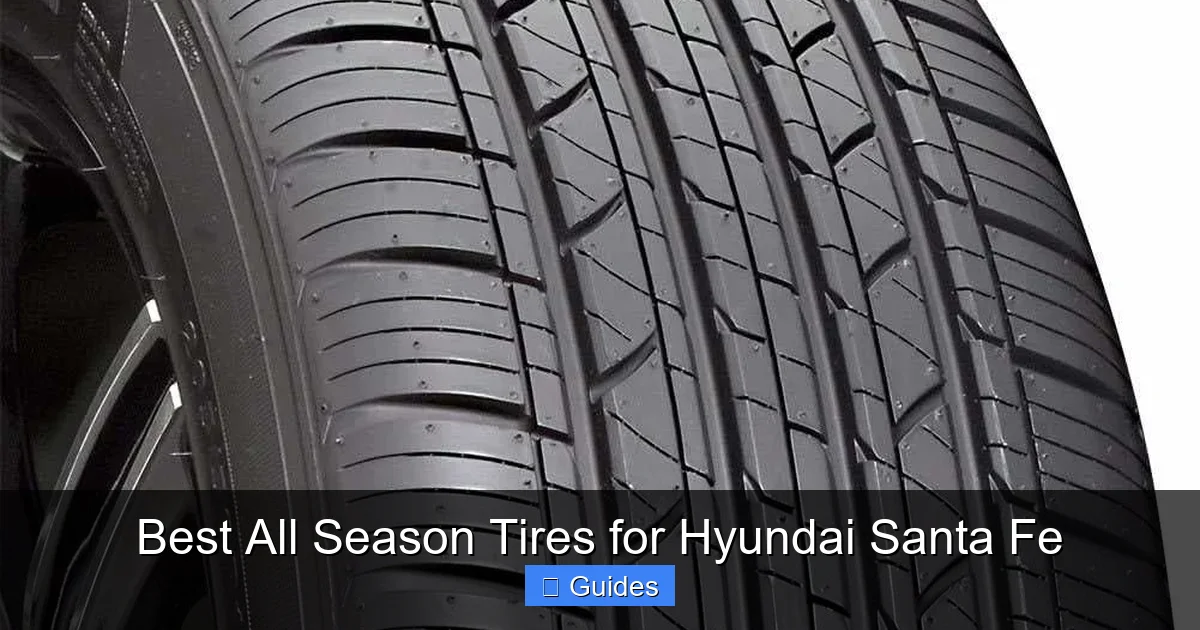
Visual guide about Best All Season Tires for Hyundai Santa Fe
Image source: wonderfulengineering.com
After extensive research and real-world testing, we’ve identified six of the best all season tires currently available for the Hyundai Santa Fe. These models stand out for their performance, durability, comfort, and value. Whether you prioritize quiet rides, long tread life, or all-weather confidence, there’s an option here for you.
1. Michelin CrossClimate2
The Michelin CrossClimate2 is often hailed as one of the best all season tires on the market—and for good reason. It’s one of the few all season tires that carries the 3PMSF certification, meaning it performs exceptionally well in light snow and icy conditions. This makes it a top pick for Santa Fe owners in colder climates who don’t want to switch to winter tires.
What sets the CrossClimate2 apart is its unique V-shaped tread pattern, which provides excellent grip on both dry and wet roads. The silica-based compound remains flexible in cold temperatures, enhancing traction when it matters most. Drivers consistently praise its smooth, quiet ride and responsive handling, especially at highway speeds.
In terms of longevity, the CrossClimate2 boasts a 60,000-mile treadwear warranty and a high treadwear rating of 740. That means you can expect several years of reliable service before needing a replacement. While it’s on the pricier side—typically $180–$220 per tire—many owners feel the investment is worth it for the added safety and performance.
2. Continental TrueContact Tour
If you’re looking for a balance of comfort, fuel efficiency, and durability, the Continental TrueContact Tour is a standout choice. Designed specifically for SUVs and crossovers, it delivers a quiet, comfortable ride that complements the Santa Fe’s refined cabin.
One of its biggest strengths is low rolling resistance, which helps improve fuel economy. Continental uses an eco-friendly compound that reduces energy loss without sacrificing grip. In independent tests, vehicles equipped with TrueContact Tour tires showed up to 3% better fuel efficiency compared to standard all season tires.
The tread design features wide circumferential grooves that channel water away quickly, reducing the risk of hydroplaning. It also includes sipes—tiny slits in the tread blocks—that enhance grip on wet and lightly snowy roads. With a 80,000-mile warranty and a treadwear rating of 800, this tire is built to last. Prices range from $150 to $190 per tire, making it a great value for long-term ownership.
3. Pirelli Scorpion Verde All Season Plus II
The Pirelli Scorpion Verde All Season Plus II is engineered specifically for SUVs and crossovers, making it a natural fit for the Hyundai Santa Fe. It emphasizes eco-friendliness, comfort, and high-mileage performance—perfect for drivers who want a premium tire without the premium price tag.
This tire features Pirelli’s Green Performance technology, which combines low rolling resistance with reduced noise levels. The result is a quiet, fuel-efficient ride that doesn’t compromise on handling. The asymmetric tread pattern provides excellent stability during cornering and braking, while the silica-enhanced compound ensures strong wet traction.
One standout feature is its resistance to uneven wear. Many SUV tires suffer from shoulder wear due to their weight and frequent highway use, but the Scorpion Verde’s reinforced structure helps maintain even tread depth over time. It comes with a 70,000-mile warranty and typically costs between $160 and $200 per tire.
4. Goodyear Assurance WeatherReady
The Goodyear Assurance WeatherReady is another 3PMSF-certified all season tire, offering strong performance in rain, snow, and dry conditions. It’s a great choice for Santa Fe owners who want maximum confidence in unpredictable weather.
Goodyear’s Weather Reactive Technology adjusts the tire’s grip based on road conditions. In dry weather, the tread blocks lock together for stability. In wet or snowy conditions, they flex to increase contact with the road. This adaptability makes it one of the most versatile all season tires available.
The tire also features a noise-reducing tread pattern and a comfortable ride quality. While it doesn’t have the longest warranty—60,000 miles—it makes up for it with excellent traction and durability. Prices range from $170 to $210 per tire, placing it in the mid-to-high range.
5. Bridgestone Turanza QuietTrack
For drivers who prioritize a smooth, quiet ride, the Bridgestone Turanza QuietTrack is hard to beat. It’s designed for luxury sedans and crossovers, and it delivers a refined driving experience that matches the Santa Fe’s upscale interior.
Bridgestone uses its proprietary QuietTrack technology to reduce road noise through optimized tread block shapes and a special foam layer inside the tire. The result is one of the quietest rides in the all season category—perfect for long commutes or family road trips.
The tire also offers excellent wet and dry handling, with a symmetric tread pattern that promotes even wear. It comes with a 80,000-mile warranty and a treadwear rating of 800, making it a durable long-term investment. Expect to pay $180–$220 per tire, but many owners say the comfort and longevity justify the cost.
6. General Altimax RT43
If you’re on a budget but still want quality performance, the General Altimax RT43 is an excellent value pick. It’s not as flashy as some premium options, but it delivers reliable all season performance at a much lower price point—typically $120–$150 per tire.
The RT43 features a symmetric tread design with wide grooves for water evacuation and sipes for wet and light snow traction. It’s not 3PMSF-certified, so it’s better suited for milder climates, but it handles rain and dry roads with confidence.
One of its biggest selling points is its 75,000-mile warranty and 700 treadwear rating, which means you’ll get plenty of miles out of each set. While the ride isn’t as plush as higher-end models, it’s still comfortable and quiet for everyday driving. For Santa Fe owners who want solid performance without overspending, the Altimax RT43 is a smart choice.
How to Choose the Right All Season Tire for Your Santa Fe
Visual guide about Best All Season Tires for Hyundai Santa Fe
Image source: aestheticpaints.com
With so many great options available, how do you pick the best all season tire for your Hyundai Santa Fe? The answer depends on your driving habits, climate, budget, and personal preferences. Here’s a step-by-step guide to help you make the right decision.
Assess Your Climate and Driving Conditions
Start by evaluating where you live and how you drive. If you experience frequent rain, look for tires with deep grooves and high wet traction ratings. If you see light snow in winter, prioritize models with the 3PMSF symbol, like the Michelin CrossClimate2 or Goodyear Assurance WeatherReady.
For those in warmer, drier climates, a standard all season tire with low rolling resistance—such as the Continental TrueContact Tour—may be sufficient. Avoid winter-specific features unless you actually need them, as they can reduce dry-road performance and increase wear.
Consider Your Budget and Long-Term Value
Tire prices can vary widely, from under $130 to over $220 per tire. While it’s tempting to go for the cheapest option, remember that tires are a long-term investment. A slightly more expensive tire with a higher treadwear rating and longer warranty can save you money over time by lasting longer and improving fuel efficiency.
For example, spending $40 more per tire on a model with a 70,000-mile warranty instead of 50,000 miles could mean replacing your tires a full year later—spreading the cost over more miles and reducing annual expenses.
Read Reviews and Check Ratings
Before making a final decision, read customer reviews on sites like Tire Rack, Discount Tire, or Amazon. Look for feedback on real-world performance, noise levels, and durability. Professional reviews from outlets like Consumer Reports or Car and Driver can also provide valuable insights.
Pay attention to comments about ride comfort, especially if you drive long distances. Some tires, like the Bridgestone Turanza QuietTrack, are specifically designed for quiet operation, while others may produce more road noise.
Match the Tire to Your Santa Fe’s Trim and Usage
Higher-trim Santa Fe models often come with larger wheels and performance-oriented suspensions. If you have a Santa Fe XRT or Calligraphy trim, you may want a tire that enhances handling and responsiveness, such as the Pirelli Scorpion Verde.
Conversely, if you use your Santa Fe primarily for family trips and city driving, comfort and fuel efficiency should be your top priorities. The Continental TrueContact Tour or General Altimax RT43 are excellent choices in this scenario.
Installation, Maintenance, and Safety Tips
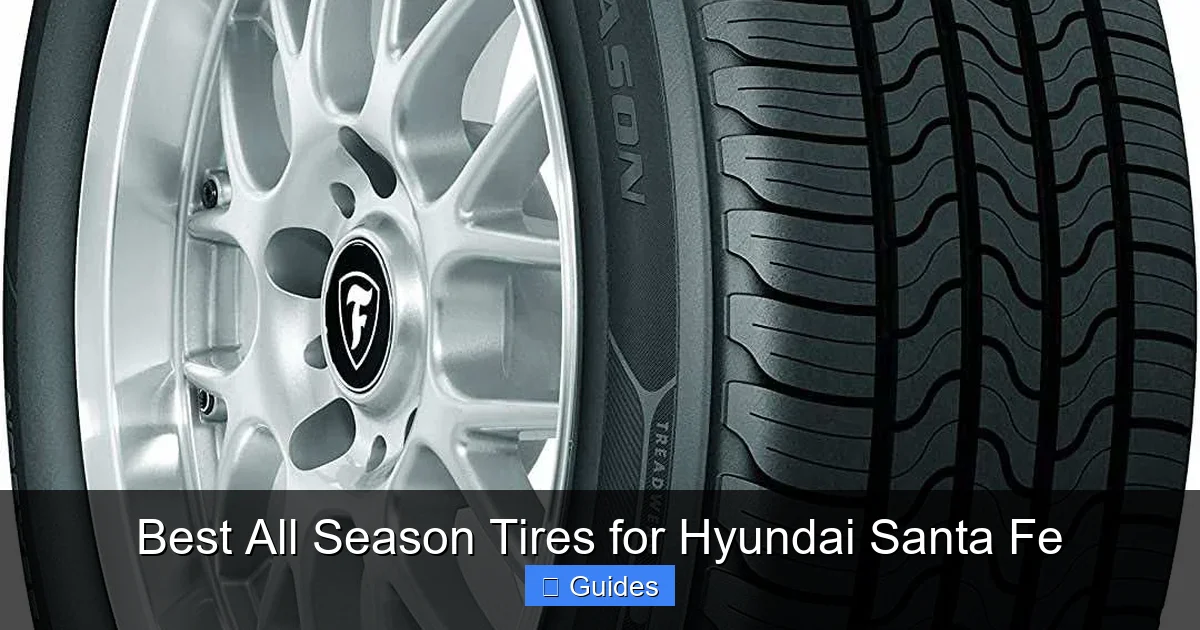
Visual guide about Best All Season Tires for Hyundai Santa Fe
Image source: wonderfulengineering.com
Once you’ve chosen the best all season tires for your Hyundai Santa Fe, proper installation and maintenance are key to getting the most out of them. Here are some essential tips to keep your tires in top condition.
Professional Installation Is a Must
Always have your tires installed by a certified technician. Improper mounting can lead to vibration, uneven wear, and even tire failure. A professional will also ensure the tires are balanced and aligned correctly, which improves handling and extends tread life.
Most tire shops offer free installation with purchase, including mounting, balancing, and disposal of old tires. Some also include free rotation and flat repairs for the life of the tire—be sure to ask about these perks.
Rotate Your Tires Every 6,000–8,000 Miles
Tire rotation helps ensure even wear across all four tires. Front tires tend to wear faster due to steering and braking forces, so rotating them to the rear (and vice versa) balances out the tread loss.
Follow the rotation pattern recommended in your Santa Fe’s owner’s manual—typically a front-to-rear cross pattern for all-wheel-drive models. Regular rotation can add thousands of miles to your tire’s lifespan.
Check Tire Pressure Monthly
Underinflated tires reduce fuel efficiency, increase wear, and compromise safety. Overinflated tires can lead to a harsher ride and reduced traction. Check your tire pressure at least once a month using a reliable gauge, and adjust it to the recommended PSI listed on the door jamb sticker.
Don’t forget the spare tire! While it’s not used often, it should still be properly inflated and in good condition in case of an emergency.
Inspect for Damage and Wear
Regularly inspect your tires for cuts, bulges, cracks, or embedded objects like nails. These can lead to slow leaks or blowouts if left unchecked. Also, monitor tread depth using the “penny test”: insert a penny into the tread with Lincoln’s head upside down. If you can see the top of his head, it’s time for new tires.
Uneven wear patterns—such as cupping or feathering—can indicate alignment or suspension issues. Address these problems early to avoid costly repairs and premature tire replacement.
Conclusion: Making the Right Choice for Your Santa Fe
Choosing the best all season tires for your Hyundai Santa Fe doesn’t have to be overwhelming. With so many high-quality options available, there’s a perfect match for every driver, climate, and budget. Whether you prioritize safety in snow, fuel efficiency, or a quiet ride, the right tire can transform your driving experience.
Start by evaluating your needs: How do you use your Santa Fe? Where do you drive? What’s your budget? Then, compare top models like the Michelin CrossClimate2 for all-weather confidence, the Continental TrueContact Tour for fuel savings, or the Bridgestone Turanza QuietTrack for luxury comfort.
Remember, tires are the only part of your vehicle that touches the road. Investing in quality all season tires isn’t just about performance—it’s about safety, efficiency, and peace of mind. With proper installation and maintenance, your new tires will keep your Santa Fe running smoothly for years to come.
Frequently Asked Questions
What size tires does a Hyundai Santa Fe use?
The tire size for a Hyundai Santa Fe varies by model year and trim, but common sizes include 235/65R17, 245/60R18, and 255/45R20. Always check your owner’s manual or the sticker on the driver’s side door jamb for the correct size.
Can I use all season tires in snow?
Yes, but only if they have the Three-Peak Mountain Snowflake (3PMSF) symbol. These tires are designed for light snow and icy conditions. For heavy snow or frequent winter driving, dedicated winter tires are recommended.
How long do all season tires last on a Santa Fe?
Most all season tires last between 50,000 and 80,000 miles, depending on the model, driving habits, and maintenance. Tires with higher treadwear ratings and longer warranties tend to last longer.
Do I need to replace all four tires at once?
Yes, it’s strongly recommended to replace all four tires at the same time. Mismatched tires can affect handling, traction, and the performance of your Santa Fe’s all-wheel-drive system.
Often, yes. Premium tires offer better materials, advanced tread designs, and longer warranties. They can improve safety, comfort, and fuel efficiency, making them a worthwhile investment for many drivers.
How often should I rotate my Santa Fe’s tires?
Rotate your tires every 6,000 to 8,000 miles or as recommended in your owner’s manual. Regular rotation promotes even wear and extends the life of your tires.

At CarLegit, we believe information should be clear, factual, and genuinely helpful. That’s why every guide, review, and update on our website is created with care, research, and a strong focus on user experience.