
Choosing the right all terrain motorcycle tires for desert riding can mean the difference between a smooth adventure and a breakdown in the middle of nowhere. The harsh conditions of desert terrain—loose sand, sharp rocks, extreme heat, and long stretches of rough ground—demand tires that balance grip, durability, and heat resistance. This guide breaks down the top options, key features to look for, and expert tips to help you pick the perfect set for your next desert expedition.
In This Article
- 1 Key Takeaways
- 2 📑 Table of Contents
- 3 Why Desert Riding Demands Specialized All Terrain Motorcycle Tires
- 4 What Makes a Great All Terrain Tire for Desert Conditions?
- 5 Top 5 All Terrain Motorcycle Tires for Desert Riding
- 6 How to Choose the Right Tire for Your Bike and Riding Style
- 7 Installation, Maintenance, and Safety Tips
- 8 Final Thoughts: Ride Smart, Ride Safe
- 9 Frequently Asked Questions
- 9.1 What’s the difference between all terrain and off-road motorcycle tires?
- 9.2 Can I use all terrain tires for daily commuting?
- 9.3 How often should I replace my desert motorcycle tires?
- 9.4 Do I need tubeless or tube-type tires for desert riding?
- 9.5 What tire pressure is best for desert sand?
- 9.6 Are expensive tires worth it for desert riding?
Key Takeaways
- Prioritize tread design: Look for aggressive, widely spaced knobs that shed sand and grip loose terrain without clogging.
- Choose durable compounds: Desert heat can melt softer rubber—opt for heat-resistant, puncture-proof materials.
- Consider tire width and profile: Wider tires offer better flotation on sand, while a lower profile improves handling on rocky trails.
- Balance on-road and off-road performance: True all terrain tires should handle pavement transitions smoothly without sacrificing off-road capability.
- Check load and speed ratings: Desert trips often mean heavy gear—ensure your tires can handle the weight and sustained speeds.
- Regular maintenance is crucial: Inspect for cuts, wear, and proper inflation before and during your ride.
- Brand reputation matters: Trusted names like Michelin, Dunlop, and Pirelli consistently deliver reliable desert-ready tires.
📑 Table of Contents
- Why Desert Riding Demands Specialized All Terrain Motorcycle Tires
- What Makes a Great All Terrain Tire for Desert Conditions?
- Top 5 All Terrain Motorcycle Tires for Desert Riding
- How to Choose the Right Tire for Your Bike and Riding Style
- Installation, Maintenance, and Safety Tips
- Final Thoughts: Ride Smart, Ride Safe
Why Desert Riding Demands Specialized All Terrain Motorcycle Tires
Desert riding is not your average weekend trail adventure. It’s a high-stakes environment where the terrain shifts from soft sand dunes to sharp, sun-baked rocks, all under temperatures that can exceed 110°F. In these conditions, your motorcycle tires aren’t just accessories—they’re your lifeline. Standard street tires will fail fast, and even some off-road tires aren’t built to handle the extreme heat and abrasive surfaces of the desert.
That’s where all terrain motorcycle tires for desert riding come in. These tires are engineered to perform across multiple surfaces—sand, gravel, hardpack, and occasional pavement—without compromising safety or performance. They offer a sweet spot between aggressive off-road capability and everyday usability, making them ideal for riders who explore remote desert regions, go on multi-day adventures, or simply want the freedom to roam beyond paved roads.
But not all all terrain tires are created equal. The desert demands specific features: deep, self-cleaning treads, reinforced sidewalls, heat-resistant rubber compounds, and a balance of grip and durability. In this guide, we’ll walk you through what makes a tire truly desert-ready, review the top performers on the market, and share practical tips to help you choose and maintain the best set for your bike and riding style.
What Makes a Great All Terrain Tire for Desert Conditions?
Before diving into specific tire models, it’s important to understand what separates a good desert tire from a mediocre one. The desert is unforgiving. One wrong choice can lead to a flat tire, loss of traction, or even a dangerous fall. So, what should you look for?
Visual guide about Best All Terrain Motorcycle Tires for Desert Riding
Image source: motorcycleguidelines.com
Tread Pattern and Design
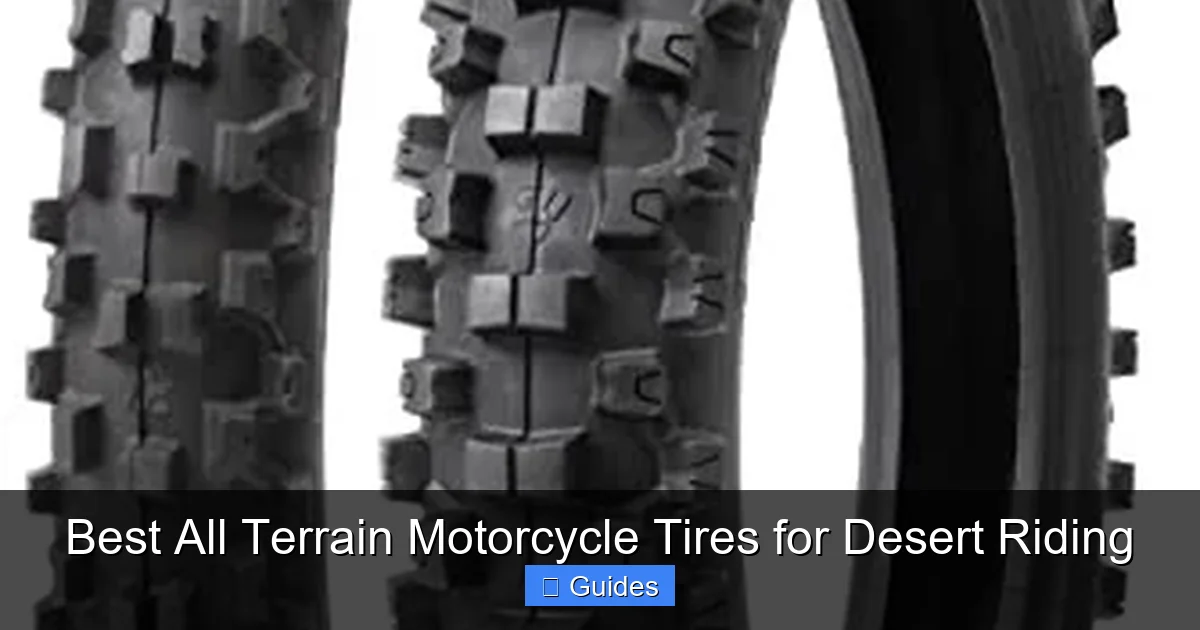
The tread is the first line of defense against sand, rocks, and heat. For desert riding, you want an aggressive, open-lug design with widely spaced knobs. These knobs dig into loose sand and provide traction when climbing dunes or navigating soft washes. At the same time, they need to shed sand quickly—clogged treads lose grip and increase rolling resistance.
Look for tires with a directional or multi-directional tread pattern. These designs channel sand and debris away from the contact patch, improving stability. Some top models feature staggered knobs or stepped edges that enhance cornering grip on hardpack and rocky sections. Avoid overly dense or street-focused treads—they’ll pack with sand and perform poorly off-road.
Rubber Compound and Heat Resistance
Desert temperatures can soar, and prolonged exposure to heat can degrade tire rubber. Softer compounds may offer better grip in cooler conditions, but they wear out fast and can even melt or blister under intense sun. That’s why the best all terrain tires for desert use feature heat-resistant rubber compounds designed to maintain flexibility and integrity in extreme heat.
Manufacturers often blend synthetic and natural rubber with additives like silica to improve heat dissipation and reduce rolling resistance. These compounds also resist cracking and ozone degradation, which is crucial when tires are exposed to dry, sunny conditions for days on end.
Sidewall Strength and Puncture Resistance
Desert terrain is littered with sharp rocks, cactus spines, and hidden debris. A single puncture can leave you stranded miles from help. That’s why sidewall strength is non-negotiable. Look for tires with reinforced sidewalls—often labeled as “2-ply,” “reinforced,” or “extra tough.” These layers add durability without significantly increasing weight.
Some tires also feature cut-resistant belts or Kevlar reinforcements. While these add cost, they’re worth it for long-distance desert tours. A strong sidewall also improves handling on rocky trails, reducing the risk of pinch flats when hitting obstacles at speed.
Tire Width and Profile
Wider tires (typically 90/90-21 front and 120/80-18 rear or larger) offer better flotation on soft sand. They distribute the bike’s weight over a larger surface area, preventing sinking and improving stability. However, too wide a tire can make steering sluggish on tight trails or pavement.
The profile—or aspect ratio—also matters. A lower profile (like 80 or 70 series) provides a stiffer sidewall, which improves responsiveness and cornering on hard surfaces. But for desert riding, a slightly taller profile (90 or 100 series) can absorb bumps better and reduce the risk of rim damage on rocky terrain. It’s all about balance.
Load and Speed Ratings
Desert adventures often mean carrying extra gear—water, tools, camping equipment, and spare parts. This increases the load on your tires. Always check the load index and speed rating to ensure your tires can handle the weight and sustained speeds you’ll encounter.
Most adventure and dual-sport motorcycles come with tires rated for 50+ mph and loads up to 400 lbs per tire. But if you’re loading up for a week-long trip, consider upgrading to a higher-rated tire. Look for ratings like “54L” or “56M”—the first number is the load index, and the letter is the speed rating (L = 75 mph, M = 81 mph).
Top 5 All Terrain Motorcycle Tires for Desert Riding
Now that you know what to look for, let’s explore the best all terrain motorcycle tires currently available for desert conditions. These models have been tested by riders in real-world desert environments and consistently deliver performance, durability, and reliability.

Visual guide about Best All Terrain Motorcycle Tires for Desert Riding
Image source: m.media-amazon.com
1. Michelin Anakee Wild
The Michelin Anakee Wild is a favorite among adventure riders tackling desert trails. It features an aggressive, open-lug tread with deep, widely spaced knobs that excel in sand and loose gravel. The dual-compound rubber uses a harder center for longevity and softer shoulders for cornering grip.
What sets the Anakee Wild apart is its heat resistance. Michelin uses advanced silica-rich compounds that stay stable even in scorching temperatures. The reinforced sidewalls resist cuts and punctures, and the tire maintains excellent stability at highway speeds. It’s available in popular sizes like 90/90-21 and 150/70-17, making it compatible with bikes like the BMW GS series and KTM Adventure models.
Riders report excellent performance in sand dunes and rocky canyons, with minimal wear after long trips. The only downside? It’s on the pricier side. But for serious desert explorers, it’s a worthy investment.
2. Dunlop D606
The Dunlop D606 is a legendary tire in the dual-sport world, and for good reason. Designed specifically for off-road use, it’s one of the most durable all terrain tires you can buy. The tread pattern features tall, aggressive knobs with deep grooves that shed mud and sand efficiently.
While it’s more off-road focused than some hybrids, the D606 handles pavement well enough for occasional street use. The rubber compound is tough and heat-resistant, and the 4-ply casing offers excellent puncture protection. It’s a top choice for riders who spend 80% or more of their time off-road.
Popular sizes include 90/90-21 and 120/90-18. It’s a favorite on bikes like the Honda CRF300L and Suzuki DR650. Some riders note it can feel a bit stiff on pavement, but in the desert, that stiffness translates to confidence on rocky terrain.
3. Pirelli Scorpion Rally STR
The Pirelli Scorpion Rally STR strikes a great balance between off-road capability and on-road comfort. It’s designed for adventure bikes that see mixed use—perfect for riders who want to explore desert backroads but still commute or tour on pavement.
The tread features a hybrid pattern: aggressive shoulder knobs for off-road grip and a more continuous center rib for smooth highway riding. The rubber compound is heat-resistant and long-lasting, and the reinforced carcass handles heavy loads well.
Available in sizes like 110/80-21 and 150/70-17, it fits bikes like the Triumph Tiger and Yamaha Tenere. Riders praise its stability in sand and its quiet, comfortable ride on pavement. It’s not the most extreme off-road tire, but for all-around desert adventure, it’s hard to beat.
4. Continental TKC 70
The Continental TKC 70 is a newer entry that’s quickly gaining a reputation for versatility. It’s designed for riders who want serious off-road performance without sacrificing too much on-road manners. The tread pattern is aggressive but not overly knobby, with a mix of large shoulder blocks and smaller center lugs.
What makes the TKC 70 stand out is its advanced rubber compound. Continental uses a silica-enhanced formula that resists heat and wear, even in desert conditions. The tire also features a reinforced sidewall and cut-resistant belts, making it durable on rocky trails.
It’s available in popular adventure bike sizes and fits models like the Kawasaki Versys and Aprilia Tuareg. Riders report excellent grip in sand and hardpack, with smooth handling on pavement. It’s a great all-rounder for mixed-terrain desert riding.
5. Metzeler Karoo 4
The Metzeler Karoo 4 is built for long-distance adventure touring, including desert expeditions. It features a hybrid tread design with aggressive shoulder knobs and a more continuous center for reduced noise and vibration on pavement.
The rubber compound is heat-resistant and designed for high mileage. The tire also includes Metzeler’s “Enduro Belt” technology, which adds a layer of reinforcement to prevent punctures and improve stability. It’s available in sizes like 110/80-21 and 150/70-17, fitting bikes like the Ducati Multistrada and Honda Africa Twin.
Riders love its comfort on long rides and its confidence-inspiring grip in sand and gravel. It’s not the most extreme off-road tire, but for riders who want a balanced, durable option for desert touring, the Karoo 4 is a top pick.
How to Choose the Right Tire for Your Bike and Riding Style
With so many great options, how do you pick the right one? The answer depends on your bike, your riding style, and the type of desert terrain you’ll encounter.
Visual guide about Best All Terrain Motorcycle Tires for Desert Riding
Image source: m.media-amazon.com
Match the Tire to Your Bike
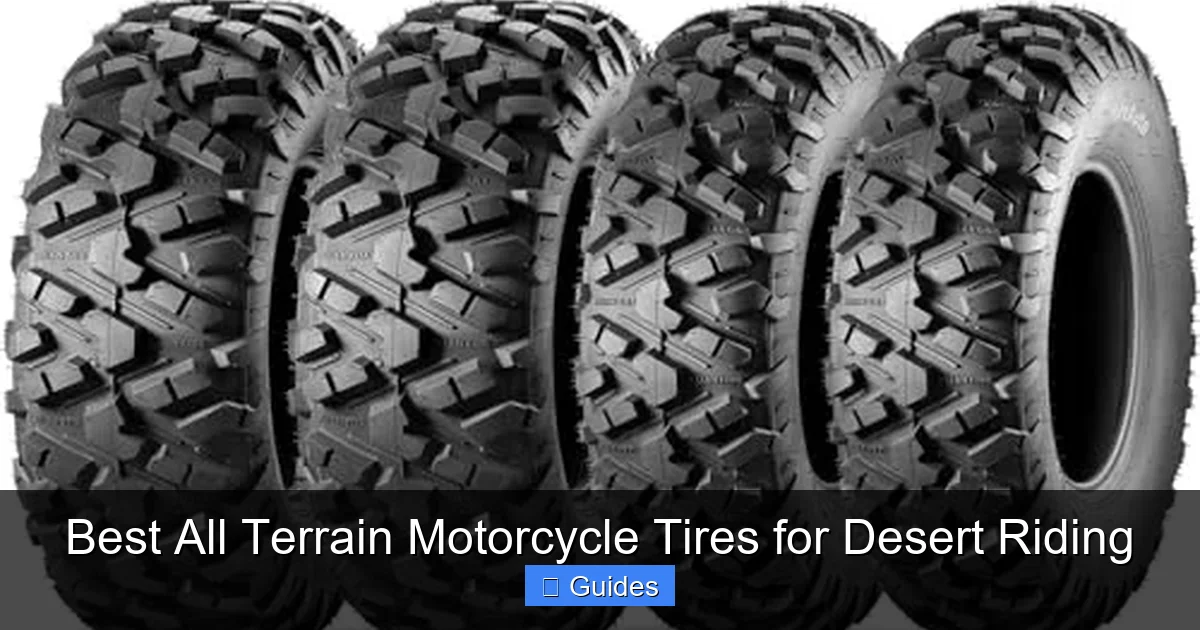
Not all tires fit all bikes. Check your owner’s manual or the sidewall of your current tires for the correct size and load rating. For example, a 90/90-21 front and 120/80-18 rear is common on dual-sport bikes, while adventure tourers often use 110/80-21 and 150/70-17.
Also consider your bike’s weight and power. Heavier bikes like the BMW R 1250 GS need tires with higher load ratings and stronger sidewalls. Lighter bikes like the KTM 390 Adventure can get away with slightly less robust options.
Consider Your Riding Style
Are you a weekend warrior who sticks to established trails? Or a hardcore explorer pushing into remote dunes? Your answer will influence your tire choice.
If you ride mostly on hardpack and gravel, a tire like the Pirelli Scorpion Rally STR or Continental TKC 70 offers a great balance. If you’re tackling deep sand and rocky canyons, go for something more aggressive like the Dunlop D606 or Michelin Anakee Wild.
Riders who do long-distance touring should prioritize comfort, heat resistance, and mileage—tires like the Metzeler Karoo 4 excel here.
Think About Terrain and Climate
Different deserts pose different challenges. The Mojave has hardpack and rocks, while the Sahara features vast sand dunes. If you’re riding in deep sand, wider tires with open treads are essential. For rocky terrain, focus on sidewall strength and puncture resistance.
Also consider the season. Summer desert rides demand maximum heat resistance. If you ride in cooler months, you might get away with a slightly softer compound—but always err on the side of durability.
Installation, Maintenance, and Safety Tips
Even the best tire won’t perform well if it’s installed or maintained incorrectly. Follow these tips to get the most out of your all terrain tires.
Proper Installation
Always have your tires installed by a professional, especially if you’re new to motorcycle maintenance. Incorrect installation can lead to imbalance, poor handling, or even tire failure. Make sure the tire is mounted in the correct direction—most have an arrow indicating rotation.
Use a high-quality tire pressure gauge and check pressure when the tires are cold. Desert heat can cause pressure to rise, so starting with the correct cold pressure is crucial.
Regular Inspections
Before every ride, inspect your tires for cuts, cracks, embedded objects, and uneven wear. Pay special attention to the sidewalls—sun and heat can cause dry rot over time.
Check tread depth regularly. Most all terrain tires should be replaced when tread reaches 2/32” or less. In the desert, deeper tread is better for sand traction.
Maintain Proper Inflation
Tire pressure is critical in the desert. Too low, and you risk pinch flats or overheating. Too high, and you lose grip and comfort. Most manufacturers recommend 22–28 psi for off-road use, but check your bike’s manual.
Adjust pressure based on terrain. Lower pressure (18–22 psi) improves flotation in sand but increases the risk of rim damage on rocks. Use a portable compressor or CO2 inflator to make adjustments on the go.
Carry a Repair Kit
No matter how tough your tires are, flats can happen. Always carry a tire repair kit, including plugs, a reamer, and a portable pump. Practice using it before you head out.
For serious trips, consider a spare tube (if your bike uses tubes) or a tire boot for sidewall repairs. A small toolkit and tire levers are also essential.
Final Thoughts: Ride Smart, Ride Safe
Choosing the best all terrain motorcycle tires for desert riding is about more than just performance—it’s about safety, confidence, and peace of mind. The right tires can turn a daunting desert journey into an unforgettable adventure. The wrong ones can leave you stranded in the heat with no help in sight.
Focus on tread design, rubber compound, sidewall strength, and proper fit. Invest in quality—your life may depend on it. And remember, no tire is indestructible. Regular maintenance, proper inflation, and smart riding habits are just as important as the tire itself.
Whether you’re exploring the dunes of Utah, the canyons of Arizona, or the vast expanses of North Africa, the right all terrain tires will keep you moving forward. So gear up, check your pressure, and hit the trail with confidence. The desert is waiting.
Frequently Asked Questions
What’s the difference between all terrain and off-road motorcycle tires?
All terrain tires are designed to perform well on both pavement and off-road surfaces, offering a balance of grip, comfort, and durability. Off-road tires are more aggressive and focused solely on dirt, mud, or sand, often sacrificing on-road performance and longevity.
Can I use all terrain tires for daily commuting?
Yes, many all terrain tires are suitable for daily use. Models like the Pirelli Scorpion Rally STR and Metzeler Karoo 4 offer smooth, quiet rides on pavement while still handling off-road conditions well.
How often should I replace my desert motorcycle tires?
Replace tires when tread depth reaches 2/32” or if you notice cracks, bulges, or uneven wear. In harsh desert conditions, tires may wear faster—inspect them before every long trip.
Do I need tubeless or tube-type tires for desert riding?
Both work, but tubeless tires are more common on modern bikes and allow for lower pressures without pinch flats. If you ride tube-type, carry spare tubes and a repair kit.
What tire pressure is best for desert sand?
Lower pressure (18–22 psi) improves flotation in soft sand. Always check your bike’s manual and adjust based on load and terrain. Use a gauge and avoid going too low on rocky sections.
Are expensive tires worth it for desert riding?
Yes. High-quality tires use better materials, last longer, and perform more reliably in extreme conditions. The cost is justified by safety, durability, and reduced risk of breakdowns.

At CarLegit, we believe information should be clear, factual, and genuinely helpful. That’s why every guide, review, and update on our website is created with care, research, and a strong focus on user experience.