
Finding the perfect tilt for your solar panels is one of the smartest ways to boost your energy harvest. The best angle for solar panels by zip code varies throughout the year based on your location and the sun’s path. Instead of complex calculations, specialized tools called solar angle guides make this easy. This roundup reviews the top products that help you find that optimal angle, maximizing your system’s output and getting the most from the sun.
In This Article
- 1 Quick Product Comparison
- 2 Our Top 10 Best Angle For Solar Panels By Zip Code Reviews – Expert Tested & Recommended
- 2.1 1. Upgraded 200 Watt Portable Solar Panel with Solar Angle Guide
- 2.2 2. Universal Y Branch Solar Panel Connectors, 10 AWG
- 2.3 3. Solar Angle Guide for Solar Panels – Accessory to Find Optimal Angle
- 2.4 4. Solar Angle Guide for Solar Panels – Pack of Two
- 2.5 5. Metal Solar Angle Guide for Solar Panels
- 2.6 6. Magnetic Solar Angle Guide, Made of Aluminum and PC, Pack of Two
- 2.7 7. Universal Solar Mounting Bracket for Pole or Wall
- 2.8 8. Solar Angle Guide for Portable and Foldable Solar Panels
- 2.9 9. Solar Angle Guide – Solar Tracker Tool to Find Optimal Angle
- 2.10 10. 115-Pack NEC Code Compliant Solar System Label Kit
- 3 Complete Buying Guide for Best Angle For Solar Panels By Zip Code
- 4 Frequently Asked Questions
Quick Product Comparison
Our Top 10 Best Angle For Solar Panels By Zip Code Reviews – Expert Tested & Recommended
1. Upgraded 200 Watt Portable Solar Panel with Solar Angle Guide
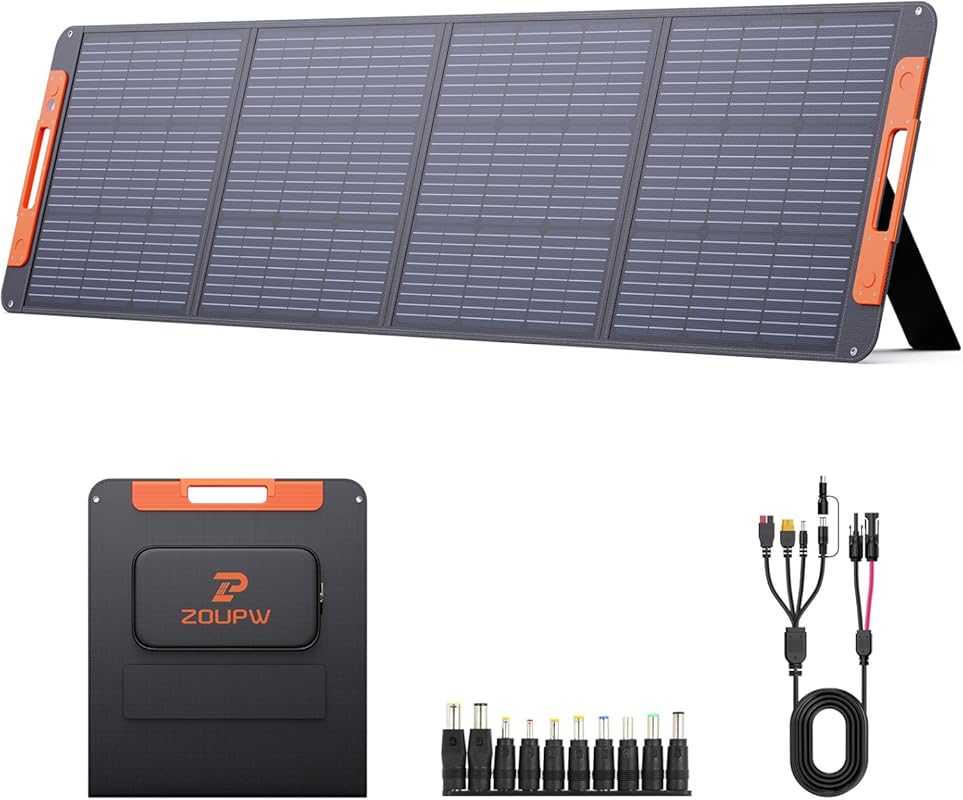
This is more than just an angle guide; it’s a complete portable power solution. The upgraded 200W foldable panel comes with a built-in angle finder, high-efficiency cells, and a ton of adapters. It takes the guesswork out of finding the best angle for solar panels by zip code on the go.
Key Features That Stand Out
- ✓ Built-in Solar Angle Guide: Has a dedicated tool to set the optimal tilt without extra gadgets.
- ✓ 23.5% High-Efficiency Monocrystalline Cells: Converts more sunlight into usable power.
- ✓ Ultra-Portable & Foldable: Folds to a compact size for easy transport and storage.
- ✓ Wide Device Compatibility: Includes multiple adapter cables for power stations, batteries, and more.
Why We Recommend It
It solves two problems at once: providing serious portable power and ensuring you capture every watt by using the correct panel angle. The integration of the guide is seamless and super handy for camping or RV trips.
Best For
Outdoor enthusiasts, RV owners, and anyone needing a powerful, portable solar array who also wants to maximize its efficiency with proper angling.
Pros and Cons
Pros:
- All-in-one solution with high power output and angle guidance.
- Excellent efficiency and build quality.
- Extremely portable and comes with a carrying case.
- Versatile charging for many devices and power stations.
Cons:
- Higher price point than a standalone angle guide.
- The panel is heavier than some smaller portable options.
Customer Reviews
Customer Review: “The angle guide built right in is a game-changer. I used to just guess, but now I can see an immediate jump in charging speed when I adjust it properly.”
Customer Review: “Powerful and well-made. The fact that it tells me the perfect angle means I’m not wasting precious sunlight when I’m off-grid.”
2. Universal Y Branch Solar Panel Connectors, 10 AWG
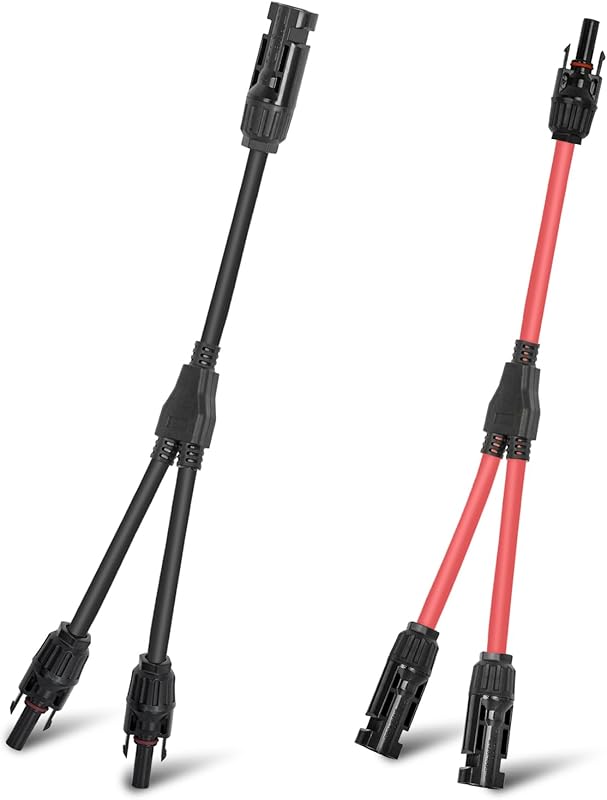
While not an angle finder itself, these robust connectors are a critical supporting component. Once you’ve found the perfect angle using a guide, you need reliable wiring to connect multiple panels in parallel safely and efficiently.
Key Features That Stand Out
- ✓ Heavy-Duty 10 AWG Wiring: Handles high current (30A) with minimal power loss.
- ✓ IP67 Weatherproof Rating: Built to withstand rain, snow, and dust for outdoor use.
- ✓ Wide Temperature Range: Operates from -40°F to 221°F, perfect for all climates.
- ✓ Superior Conductivity: Stranded copper wire ensures efficient and safe power transfer.
Why We Recommend It
Maximizing your solar harvest isn’t just about the angle; it’s also about minimizing system losses. These high-quality connectors ensure the power your perfectly angled panels produce gets to your battery without unnecessary resistance.
Best For
DIY solar installers expanding their array or anyone needing to parallel-connect multiple panels for increased amperage.
Pros and Cons
Pros:
- Excellent build quality with thick, durable wires.
- Weatherproof design inspires confidence for permanent outdoor installation.
- Easy to connect and install with standard MC4 compatibility.
- Improves overall system efficiency by reducing connection resistance.
Cons:
- Purely a wiring component, does not help with angle alignment.
- The connectors can be stiff to assemble initially.
Customer Reviews
Customer Review: “Worked perfectly for my solar panel set-up. They seem to be well built and a decent price for the quality.”
Customer Review: “Essential for wiring my panels together. The IP67 rating gives me peace of mind leaving them outside year-round.”
3. Solar Angle Guide for Solar Panels – Accessory to Find Optimal Angle
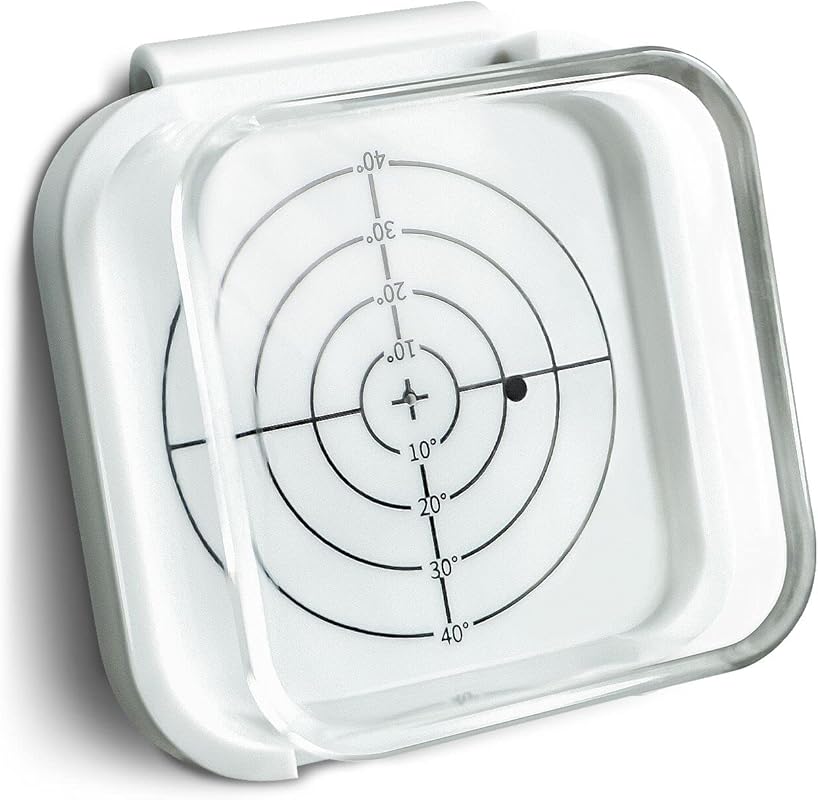
This is the essence of simplicity for finding the best angle for solar panels by zip code. It’s a single, straightforward tool that clips onto your panel. You adjust the panel until the shadow aligns, and you’re done. No apps, no math.
Key Features That Stand Out
- ✓ Simple Shadow Alignment: Adjust panel until the black dot’s shadow is centered on the scale.
- ✓ Universal Clip Design: Attaches securely to most panel frames without tools.
- ✓ Durable Construction: Made from impact-resistant materials for long-term outdoor use.
- ✓ Instant Visual Feedback: Immediately shows if your panel is perpendicular to the sun’s rays.
Why We Recommend It
It’s affordable, foolproof, and works every time. For the price, it’s the easiest upgrade you can make to boost your solar output without any technical knowledge.
Best For
Homeowners with fixed or seasonally adjusted rooftop/ground-mounted panels, and DIYers looking for a no-fuss efficiency boost.
Pros and Cons
Pros:
- Extremely easy to use and understand.
- Very affordable price point.
- Durable and weather-resistant.
- Works with virtually any type of solar panel.
Cons:
- Needs direct sunlight to cast a shadow (doesn’t work on cloudy days).
- The clip may not fit extremely thick or oddly shaped panel frames.
Customer Reviews
Customer Review: “The guide is easy to use and is impact resistant. I dropped it on the patio and it was not even scratched.”
Customer Review: “Forget complicated formulas. This little tool shows you the perfect angle in seconds. Saw a noticeable difference in my afternoon power generation.”
4. Solar Angle Guide for Solar Panels – Pack of Two
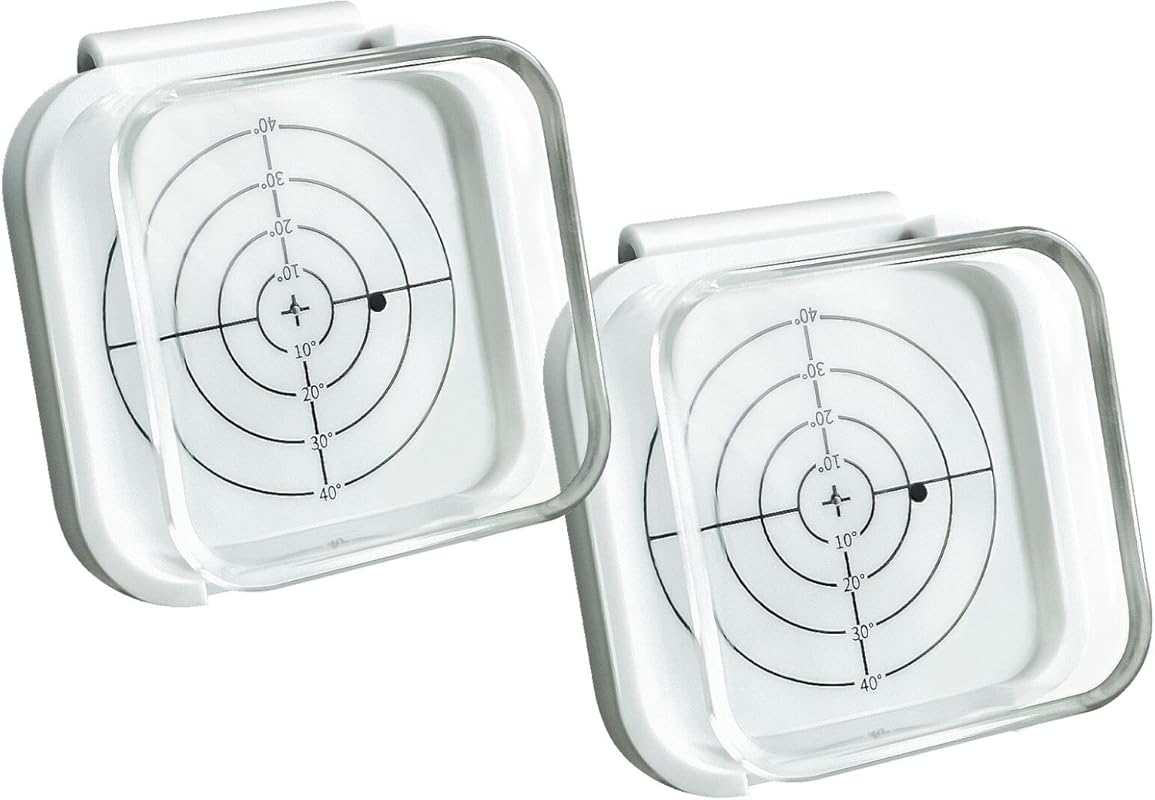
Why buy one when you can get two? This twin-pack offers fantastic value if you have multiple solar arrays or want a backup. It provides the same simple shadow-alignment functionality, letting you optimize several setups at once.
Key Features That Stand Out
- ✓ Value Pack of Two: Optimize two separate panels or arrays simultaneously.
- ✓ Easy Clip-On Design: Quick attachment to panel frames for instant use.
- ✓ Clear Visual Guidance: The centered crosshair makes alignment precise and simple.
- ✓ Universal Compatibility: Works with fixed, portable, and foldable solar panels.
Why We Recommend It
The two-pack is perfect for households with multiple small systems, like one on an RV and another for a shed, or for ensuring a perfectly aligned backup panel. It’s economical and practical.
Best For
Users with more than one solar panel setup, or anyone who wants a spare angle guide on hand.
Pros and Cons
Pros:
- Great value with two guides for a low price.
- Identical easy-to-use function as the single version.
- Lightweight and easy to store.
- Saves time when adjusting multiple panels.
Cons:
- Same limitation of requiring bright sunlight to function.
- The plastic clip, while durable, may feel less premium than metal options.
Customer Reviews
Customer Review: “Bought these for my two ground-mounted panels. Took me 5 minutes to get both perfectly angled. The pack of two was the right choice.”
Customer Review: “Simple and effective. I keep one in my camper and one in the garage for my home backup panel. They just work.”
5. Metal Solar Angle Guide for Solar Panels
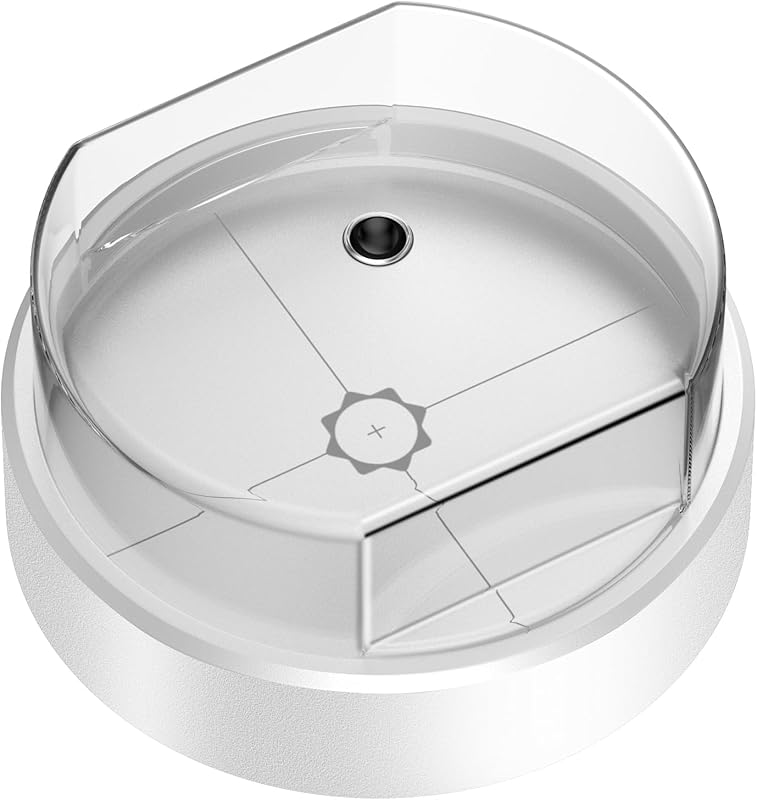
For those who prefer a more robust and versatile tool, this metal and PC combo guide is a standout. It offers multiple mounting options, including a strong magnet, making it adaptable to different panel surfaces without scratching them.
Key Features That Stand Out
- ✓ Strong Magnet Adsorption: Securely attaches to metal panel frames without clips.
- ✓ Hybrid Aluminum & PC Build: Aluminum for durability, clear polycarbonate for easy reading.
- ✓ Multiple Mounting Options: Includes adhesive patches and suction cups for non-magnetic surfaces.
- ✓ Compact Protective Case: Comes in its own metal tin for safe storage.
Why We Recommend It
The magnetic attachment is a game-changer for quick adjustments. It feels premium in hand and the multiple mounting methods mean it will work on almost any panel, glass included.
Best For
Users with portable or rigid panels who want a durable, multi-attachment tool that won’t damage their equipment.
Pros and Cons
Pros:
- Very durable metal and plastic construction.
- Magnet allows for easy on-and-off placement.
- Clear visibility of the shadow from all angles.
- Includes a handy storage case.
Cons:
- Slightly higher price than basic plastic models.
- The magnet only works on ferrous metal frames.
Customer Reviews
Customer Review: “Different mounting options are quite useful. I like that it is easy to read while making panel adjustments in full sun. Device seems to be of good quality.”
Customer Review: “The magnet is super strong. I can slap it on my panel’s frame, adjust the angle, and pop it off. It’s simple and well-made.”
6. Magnetic Solar Angle Guide, Made of Aluminum and PC, Pack of Two
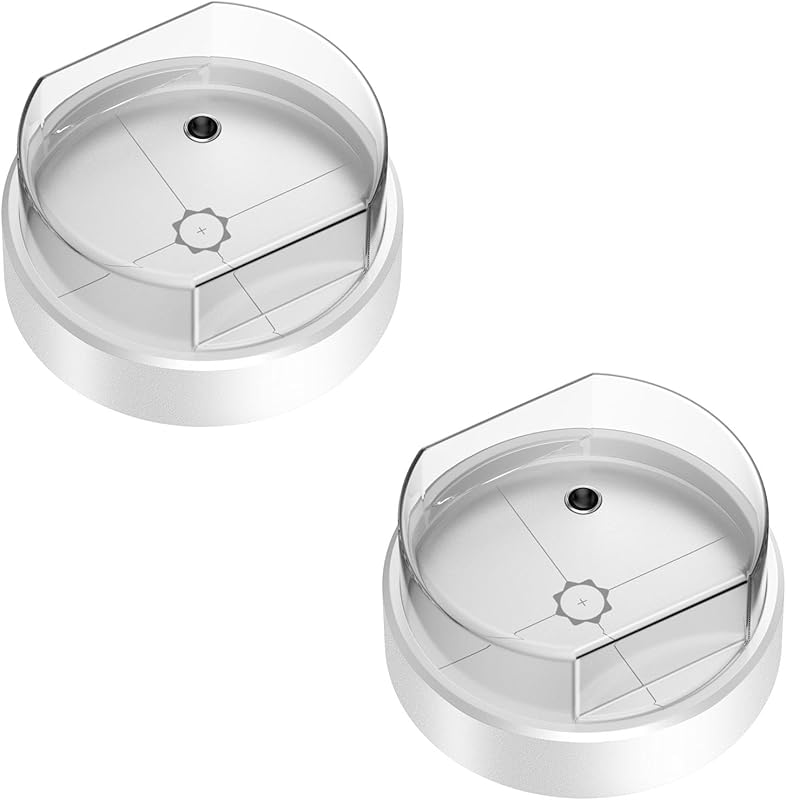
This pack combines the premium feel of metal construction with the convenience of a two-pack. You get the durability and magnetic convenience of the single metal guide, but for multiple panels. It’s a professional-grade option for serious users.
Key Features That Stand Out
- ✓ Twin Pack with Magnets: Two durable magnetic angle finders in one purchase.
- ✓ Scratch-Free Design: The magnet allows placement without harming the panel’s surface.
- ✓ Ultra-Compact and Light: Small enough to fit in a pocket, each weighing less than an ounce.
- ✓ Clear Shell for Easy Reading: The transparent PC material makes the shadow alignment very clear.
Why We Recommend It
If you have a multi-panel array and want the quick-adjust capability of magnets, this twin pack offers excellent value and performance without sacrificing quality.
Best For
Owners of multiple metal-framed solar panels who want a fast, high-quality tool for optimizing their entire setup.
Pros and Cons
Pros:
- Premium two-pack of durable metal/PC tools.
- Magnetic attachment is incredibly convenient.
- Extremely compact and portable.
- No risk of scratching expensive panels.
Cons:
- Higher cost than plastic clip-on twin packs.
- Primarily useful only for panels with a magnetic surface.
Customer Reviews
Customer Review: “Perfect for my two ground-mounted arrays. The magnets hold strong in the wind. The build quality is impressive for the size.”
Customer Review: “Tiny but mighty. I keep one in my tool bag. The magnet makes it so much faster to use than fumbling with clips.”
7. Universal Solar Mounting Bracket for Pole or Wall
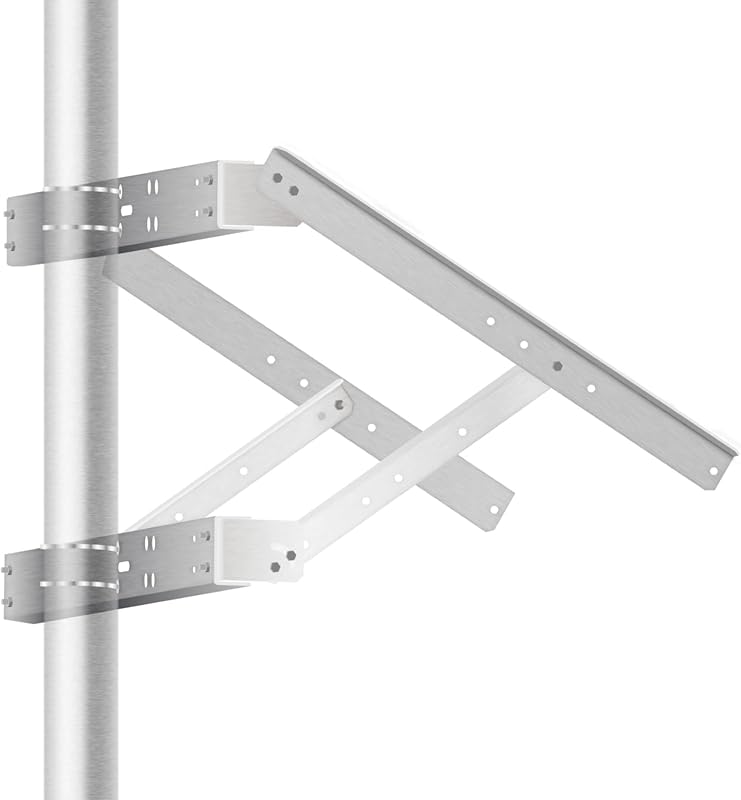
An angle guide tells you the perfect tilt, but you need a sturdy mount to hold that position. This universal bracket provides the physical framework, offering a full 0-90 degrees of tilt adjustment to hit that best angle for solar panels by zip code precisely.
Key Features That Stand Out
- ✓ Full 0-90° Tilt Adjustment: Allows for precise seasonal angle changes from flat to vertical.
- ✓ Pole or Wall Mountable: Versatile installation options for different locations.
- ✓ Heavy-Duty Steel Construction: Powder-coated for weather resistance and long life.
- ✓ Fits 100-220W Panels: Compatible with a wide range of common panel sizes and weights.
Why We Recommend It
It’s the robust backbone for your optimization efforts. Paired with an angle guide, this mount lets you securely set and forget (or easily change) your panel’s angle for maximum harvest.
Best For
DIY installers setting up ground-mounted or side-wall systems for cabins, sheds, or off-grid homes.
Pros and Cons
Pros:
- Very sturdy and well-constructed.
- Easy to adjust and lock in place.
- Versatile mounting options increase installation flexibility.
- Good value for a robust metal mounting solution.
Cons:
- Requires tools and some DIY skill to install.
- Only the mount; panels and angle guide are sold separately.
Customer Reviews
Customer Review: “This is a quality mount and exceeded my expectations. I would buy again. Holds my 200W panel solidly at the perfect angle.”
Customer Review: “Worked great. Not much for instructions but easy enough to figure out. Well built!!”
8. Solar Angle Guide for Portable and Foldable Solar Panels

Designed with the camper and adventurer in mind, this guide is tailored for thin, portable panels. Its low-profile clip is perfect for folding solar blankets and briefcase-style panels, ensuring your portable power source is always working at its peak.
Key Features That Stand Out
- ✓ Designed for Thin Panels: The clip fits snugly on the slim frames of foldable/portable units.
- ✓ UV-Resistant Materials: Built from high-transparency PC and ABS to withstand constant sun exposure.
- ✓ Simple Shadow Alignment: The classic dot-and-crosshair system for foolproof use.
- ✓ Lightweight and Compact: Adds virtually no weight or bulk to your portable kit.
Why We Recommend It
Portable panels often lose efficiency because they’re laid flat. This tool makes it trivial to prop them up at the perfect angle, dramatically improving charge times for phones, lights, and power stations outdoors.
Best For
Campers, hikers, and overlanders using foldable solar panels or solar blankets with brands like EcoFlow, Jackery, or Goal Zero.
Pros and Cons
Pros:
- Perfect fit for portable solar panel designs.
- Made from durable, sun-resistant plastic.
- Extremely easy to use in the field.
- Can also sit flat on a panel frame if clipping isn’t possible.
Cons:
- Specialized for portable panels, may not fit thick residential panel frames.
- Small size could be easy to misplace.
Customer Reviews
Customer Review: “Clipped on as expected. Much easier than the coke can method for my portable panel.”
Customer Review: “Very simple device that can clip on my thin portable panel. I used it for the first time and was able to get the angle quickly… This helped me get the best wattage.”
9. Solar Angle Guide – Solar Tracker Tool to Find Optimal Angle
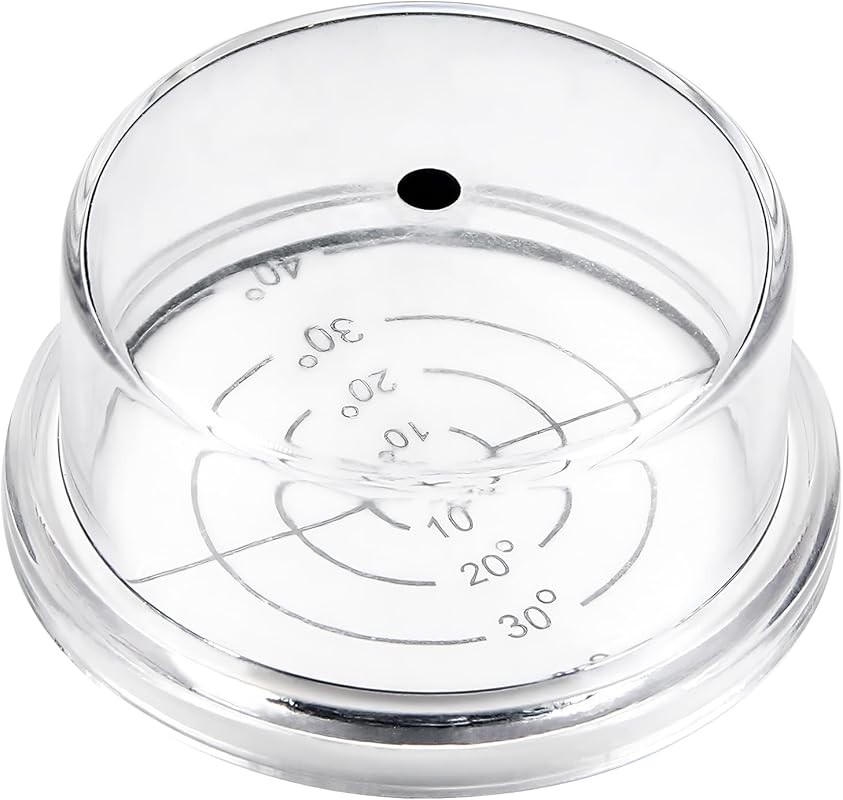
This polycarbonate guide emphasizes clarity and precision. Its fully transparent shell allows for easy viewing from any angle, ensuring you get an accurate perpendicular alignment to the sun’s rays for maximum energy capture.
Key Features That Stand Out
- ✓ High-Quality Polycarbonate: Durable and clear for excellent visibility of the shadow.
- ✓ Precise Perpendicular Alignment: Ensures the panel surface is exactly 90 degrees to incoming sunlight.
- ✓ Easy-to-Understand Design: When the black dot shadow centers on the cross, you have the optimal angle.
- ✓ Compact and Functional: A no-nonsense tool focused purely on accurate angle finding.
Why We Recommend It
Its simplicity is its strength. Made from tough PC, it’s built to last and provides a very clear, unambiguous signal when your panel is perfectly positioned.
Best For
Users who want a straightforward, reliable, and clear angle finder without extra features like magnets or multiple mounting options.
Pros and Cons
Pros:
- Very clear and easy-to-read display.
- Made from strong, durable plastic.
- Accurate and reliable performance.
- Simple design means there’s little to go wrong.
Cons:
- Typically comes with a clip, which may not suit all panels.
- Lacks the alternative mounting methods of some other models.
Customer Reviews
Customer Review: “Does exactly what it says. The clear plastic makes it super easy to see the shadow line up. My panel’s output increased noticeably.”
Customer Review: “A solid, well-made little tool. It clips on, you adjust until the shadow is centered, and you’re done. Perfect for seasonal adjustments on my home array.”
10. 115-Pack NEC Code Compliant Solar System Label Kit
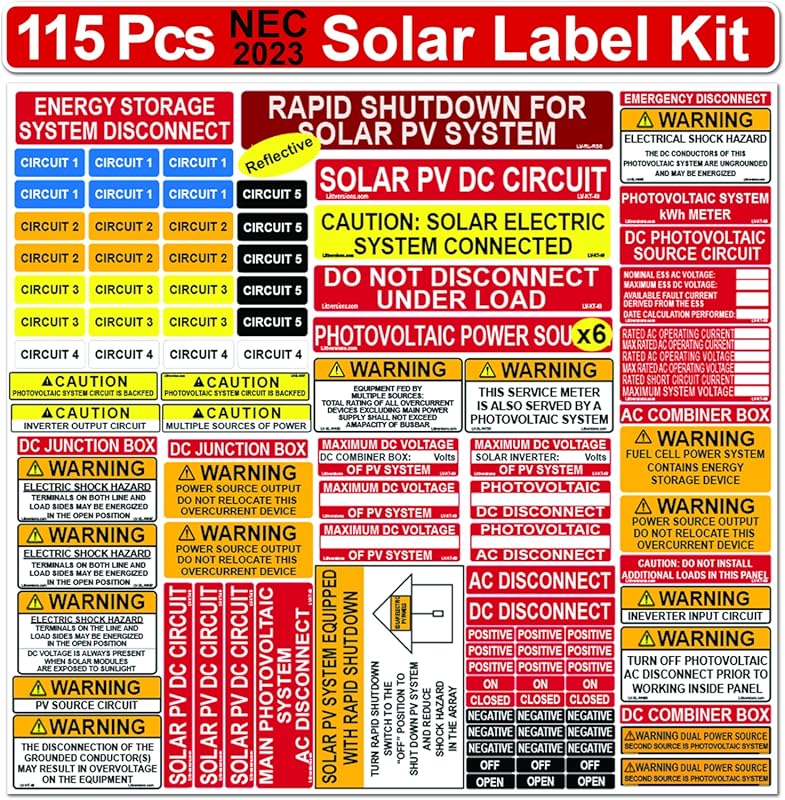
Safety and compliance are just as important as efficiency. After you’ve optimized your panel angles, this comprehensive label kit ensures your system is clearly marked for inspectors, firefighters, and future owners. It’s the finishing touch for a professional installation.
Key Features That Stand Out
- ✓ Comprehensive 115-Piece Kit: Includes all NEC-required labels for a complete solar system.
- ✓ Weather-Resistant & Waterproof: Vinyl labels withstand sun, rain, snow, and extreme temperatures.
- ✓ Meets 2017-2023 NEC Codes: Ensures your installation passes electrical inspection.
- ✓ Clear Safety Warnings: Critical for alerting first responders to the presence of live solar circuits.
Why We Recommend It
A perfectly angled system is great, but a safe and code-compliant one is essential. This kit provides peace of mind and is a must for any permanent grid-tied or off-grid installation.
Best For
DIY installers completing a permanent home solar installation that requires inspection, or anyone wanting to bring an existing system up to code.
Pros and Cons
Pros:
- Extremely comprehensive; includes every label you’ll likely need.
- High-quality, durable vinyl material.
- Helps ensure system safety and regulatory compliance.
- Provides professional polish to a DIY project.
Cons:
- Not related to panel angle optimization.
- May be overkill for very small, temporary systems.
Customer Reviews
Customer Review: “This kit had everything. My inspector commented on how professional the labeling looked. The stickers are thick and seem like they’ll last for years outdoors.”
Customer Review: “A necessary purchase for my DIY solar install. The labels are clear, easy to apply, and give me confidence that my system is safely marked.”
Complete Buying Guide for Best Angle For Solar Panels By Zip Code
Essential Factors We Consider
Choosing the right tool to find the best angle for your solar panels isn’t hard if you know what to look for. First, consider your panel type. Is it a permanent rooftop array, a ground-mounted system, or a portable foldable panel? Clip-on guides work for most, but magnetic ones are best for metal frames and portable use. Next, think about ease of use. The simplest tools use a shadow alignment method—just center a dot. No batteries or apps needed. Durability is key too. Look for UV-resistant materials like polycarbonate (PC) or aluminum that can live outdoors. Finally, consider if you need just one or a multi-pack for several panels.
Budget Planning
Your budget can guide your choice nicely. Basic plastic clip-on angle guides are very affordable, often under $15, and do the job perfectly for most homeowners. If you want more convenience and durability, magnetic or metal guides cost a bit more, typically $20-$30. For a complete solution, a portable solar panel with a built-in guide is a larger investment but delivers power and optimization in one package. Remember, even a small investment in an angle guide can pay for itself by boosting your system’s energy output by 10% or more over a year.
Final Thoughts
Optimizing your solar panel angle is one of the highest-return, lowest-effort upgrades you can make. Whether you buy a simple plastic clip or a premium magnetic tool, the goal is the same: capture more free energy from the sun. Pair your chosen angle guide with sturdy mounts and safe wiring for a complete, efficient, and reliable solar power system. Start with the tool that matches your panels and your needs—you’ll see the difference on your power meter or in your battery’s charge level.
Frequently Asked Questions
Q: How does a solar angle guide work?
A: It’s beautifully simple. The guide has a small raised dot or gnomon. When placed on your solar panel, this dot casts a shadow. The tool has a marked scale or target. You physically tilt your panel until the shadow falls on the center mark. When it does, the panel’s surface is perpendicular to the sun’s rays, which is the optimal angle for maximum energy absorption at that exact moment. It’s a real-time, physical solar tracker.
Q: Do I need to adjust my panels every day?
A: For absolute maximum efficiency, yes, the sun’s angle changes slightly daily. But for most people, that’s not practical. A great strategy is to adjust your panel angle seasonally—four times a year. Use your angle guide on the first day of each season to find and set the new optimal tilt. This captures most of the available gain without daily hassle. Portable panel users, however, should adjust each time they set up camp.
Q: Can I just use an app instead of buying a physical guide?
A: Yes, there are smartphone apps that use your GPS (zip code) and gyroscope to suggest an angle. They can be helpful for calculating a fixed annual or seasonal angle. However, a physical guide has major advantages: it works without a phone battery, gives you live visual feedback as you adjust, and accounts for local horizon obstructions like trees or hills that an app’s formula might miss.
Q: Will an angle guide work on cloudy days?
A> This is the main limitation. Solar angle guides need a clear, sharp shadow from direct sunlight to work accurately. On overcast or cloudy days, the diffuse light won’t cast a definitive shadow, making alignment difficult or impossible. For those days, you would rely on a previously set angle or use a seasonal angle calculated for your zip code.
Q: Is the “best angle” the same as my latitude?
A: That’s a great starting point! A common rule of thumb is to set your panel’s tilt angle equal to your geographic latitude for year-round average performance. But this isn’t perfect. For winter optimization, you’d add about 15 degrees; for summer, subtract about 15 degrees. A solar angle guide removes the guesswork and gives you the precise, real-world optimal angle for your exact location and time of day/year.
Finding the best angle for solar panels by zip code doesn’t require an engineering degree. As we’ve seen, a simple, affordable tool can unlock significant extra power from your existing solar setup. Whether you choose our Best Choice portable panel with its built-in guide, the easy Editor’s Choice connectors for a solid system, or the straightforward Best Budget angle finder, you’re taking a smart step toward energy independence and lower bills. The sun is sending free energy your way—make sure your panels are positioned to catch every last bit of it. Check out the top products above and start optimizing your solar harvest today.

At CarLegit, we believe information should be clear, factual, and genuinely helpful. That’s why every guide, review, and update on our website is created with care, research, and a strong focus on user experience.