
Choosing the best brake pads and rotors for your Honda Civic can dramatically improve stopping power, reduce noise, and extend brake life. Whether you drive a daily commuter or a sporty Si model, the right setup ensures safety, reliability, and confidence on the road.
In This Article
- 1 Key Takeaways
- 2 📑 Table of Contents
- 3 Why Upgrading Your Honda Civic’s Brakes Matters
- 4 Understanding Brake Pads: Types and Benefits
- 5 Choosing the Right Rotors for Your Honda Civic
- 6 Top Brake Pad and Rotor Combinations for Honda Civic
- 7 Installation Tips and Maintenance Advice
- 8 Conclusion: Make the Right Choice for Your Civic
- 9 Frequently Asked Questions
- 9.1 What are the best brake pads for a daily-driven Honda Civic?
- 9.2 Can I mix different brands of brake pads and rotors?
- 9.3 How often should I replace brake pads and rotors on my Civic?
- 9.4 Are drilled and slotted rotors worth it for a Honda Civic?
- 9.5 Do I need to bleed the brakes when replacing pads and rotors?
- 9.6 Will upgrading my brakes improve my Civic’s performance?
Key Takeaways
- Match brake components to your driving style: Daily drivers benefit from ceramic pads and OEM-style rotors, while performance models like the Civic Si need high-friction pads and slotted rotors.
- Ceramic brake pads offer quiet operation and low dust: Ideal for city driving and long-term cleanliness, they provide consistent performance without squealing.
- Semi-metallic pads deliver superior stopping power: Best for spirited driving or track use, though they may produce more noise and rotor wear.
- Drilled and slotted rotors improve heat dissipation: Great for high-performance driving, they reduce brake fade and enhance wet-weather grip.
- OEM-quality aftermarket parts offer great value: Brands like Akebono, Power Stop, and EBC provide reliable performance at a fraction of dealer prices.
- Always replace pads and rotors together: Mixing old rotors with new pads can lead to uneven wear, noise, and reduced braking efficiency.
- Check compatibility by year and trim: Honda Civics vary significantly across generations—ensure your parts fit your specific model.
📑 Table of Contents
Why Upgrading Your Honda Civic’s Brakes Matters
Your Honda Civic is known for its reliability, fuel efficiency, and smooth ride—but when it comes to safety, nothing beats a well-maintained braking system. Whether you’re navigating busy city streets, cruising down the highway, or pushing your Civic Si around a twisty backroad, your brakes are your first line of defense in an emergency. Over time, brake pads wear down and rotors become scored or warped, reducing stopping power and increasing the risk of brake fade.
Upgrading to the best brake pads and rotors for Honda Civic isn’t just about performance—it’s about peace of mind. Modern aftermarket options offer significant improvements over stock components, including better heat resistance, quieter operation, and longer lifespan. Even if you’re not a performance enthusiast, investing in high-quality brake parts can make everyday driving safer and more enjoyable.
The good news? You don’t need to be a mechanic to make the right choice. With a little guidance, you can select brake pads and rotors that match your driving habits, budget, and Civic model. From daily commuters to weekend warriors, there’s a perfect setup out there. Let’s dive into what makes a great brake system and how to pick the best components for your Honda Civic.
Understanding Brake Pads: Types and Benefits
Visual guide about Best Brake Pads and Rotors for Honda Civic
Image source: carglassadvisor.com
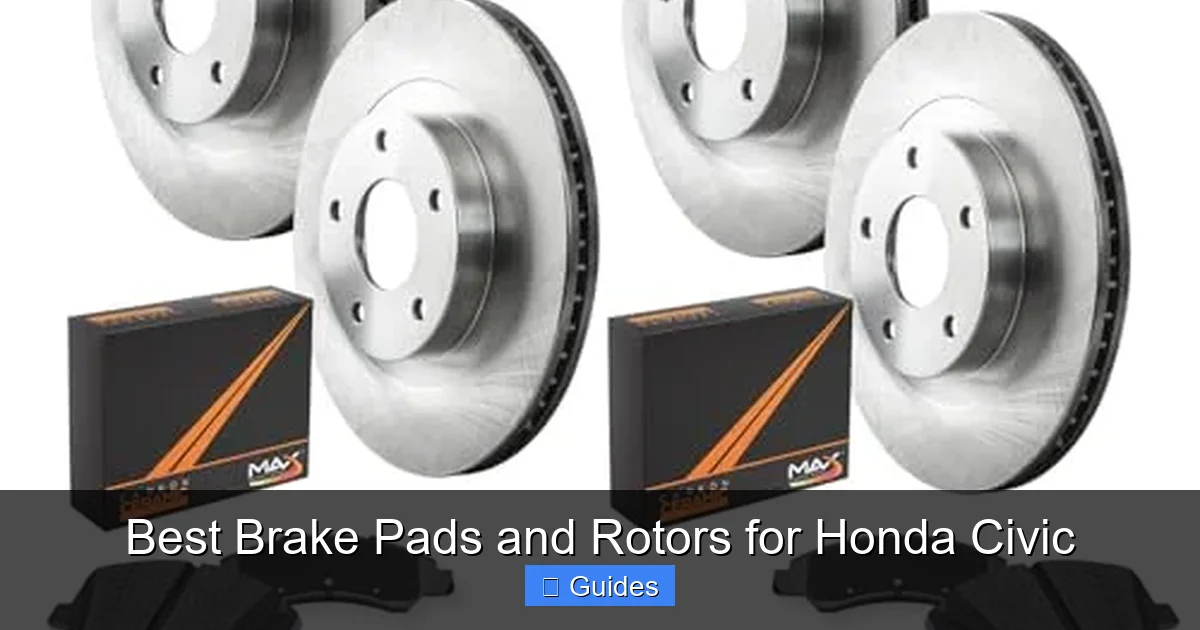
Brake pads are the heart of your braking system. When you press the pedal, calipers squeeze the pads against the rotors, creating friction that slows your car. Over time, these pads wear down and need replacement—usually every 30,000 to 70,000 miles, depending on driving style and conditions. But not all brake pads are created equal. The material they’re made from plays a huge role in performance, noise, and longevity.
Ceramic Brake Pads: The Quiet Performer
Ceramic brake pads are a popular choice for Honda Civic owners who prioritize comfort and cleanliness. Made from a dense ceramic compound with copper fibers, these pads produce minimal dust and operate almost silently. They’re ideal for daily driving, especially in stop-and-go traffic, where frequent braking can cause other pad types to squeal.
One of the biggest advantages of ceramic pads is their consistent performance across a wide temperature range. Unlike some organic pads that can fade under heavy use, ceramic pads maintain their bite even when hot. They also last longer than many alternatives, often outlasting semi-metallic pads by 10,000 to 20,000 miles.
For example, the Akebono ProAct Ultra-Premium Ceramic Brake Pads are a top pick for Civic owners. Designed to meet or exceed OEM specifications, they offer excellent stopping power with minimal noise and dust. Many users report that their wheels stay cleaner longer—a big plus if you’re tired of constant brake dust buildup.
Semi-Metallic Brake Pads: Built for Performance
If you drive aggressively or own a higher-performance model like the Civic Si or Type R, semi-metallic pads might be your best bet. These pads contain 30% to 70% metal—typically iron, steel, copper, and graphite—giving them exceptional heat resistance and stopping power.
Semi-metallic pads excel in high-stress situations, such as mountain driving or track days, where brakes are subjected to repeated hard stops. They’re more durable than ceramic or organic pads and can handle higher temperatures without fading. However, they do come with trade-offs: they tend to be noisier, produce more dust, and can wear down rotors faster.
That said, for spirited drivers, the extra grip and confidence are worth it. Brands like Power Stop Z23 Evolution Sport offer semi-metallic pads specifically engineered for performance Civics. These pads feature a carbon-fiber-infused compound that enhances bite while reducing noise—making them a great middle ground between comfort and performance.
Organic (Non-Asbestos) Brake Pads: The Budget Option
Organic brake pads are made from natural materials like rubber, glass, and Kevlar, bound together with resin. They’re the softest and quietest option, making them a good fit for light-duty driving. However, they wear out faster and can struggle under heavy loads or high heat.
While organic pads are often the cheapest upfront, they may cost more in the long run due to frequent replacements. They’re best suited for older Civics or drivers who rarely brake hard. For most modern Civic owners, ceramic or semi-metallic pads offer better value and performance.
Choosing the Right Rotors for Your Honda Civic
Visual guide about Best Brake Pads and Rotors for Honda Civic
Image source: wonderfulengineering.com
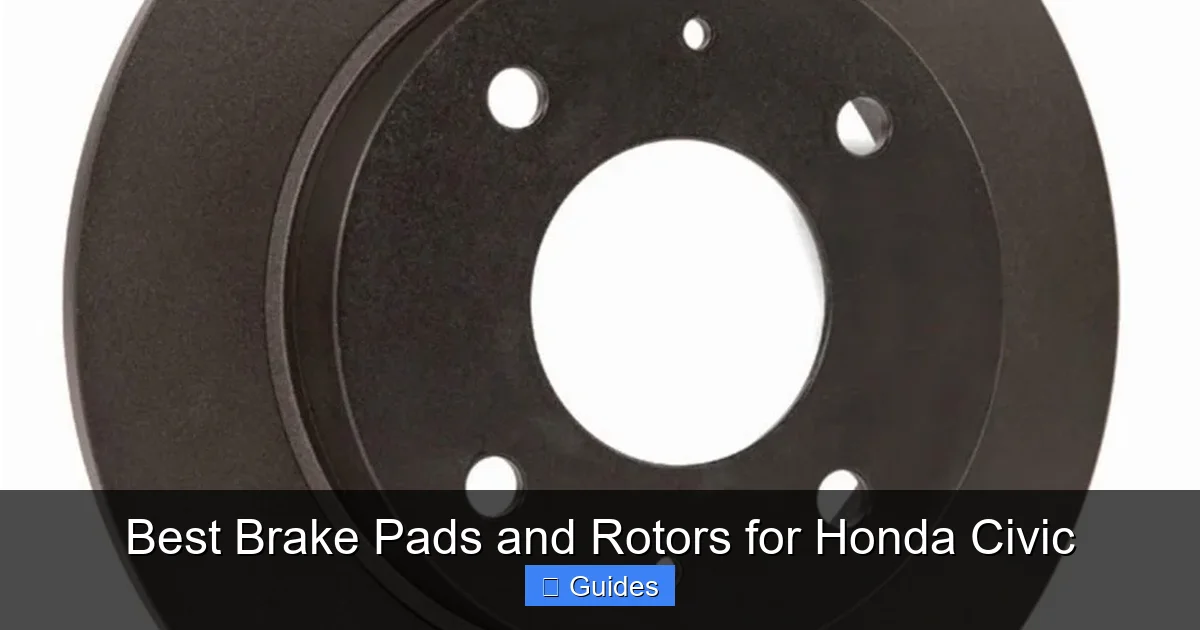
Rotors—also called brake discs—work hand-in-hand with your pads to slow your car. While pads create friction, rotors absorb and dissipate the heat generated during braking. Over time, rotors can become warped, scored, or unevenly worn, leading to vibrations, noise, and reduced braking efficiency.
Just like pads, rotors come in different styles, each designed for specific driving conditions. Let’s break down the most common types and how they perform on a Honda Civic.
OEM-Style (Smooth) Rotors: Reliable and Affordable
OEM-style rotors are the most common type found on factory-equipped Civics. They feature a smooth, flat surface and are designed for everyday driving. These rotors are cost-effective, easy to install, and work well with ceramic or organic pads.
If you’re looking for a direct replacement that maintains your Civic’s original braking feel, OEM-style rotors are a solid choice. Brands like Bosch QuietCast and Centric Premium offer high-quality aftermarket rotors that match or exceed OEM standards. They’re precision-machined for smooth operation and come with protective coatings to resist rust.
One tip: Always resurface or replace rotors when installing new pads. Even if your current rotors look fine, microscopic grooves can prevent proper pad bedding, leading to noise and uneven wear.
Drilled Rotors: Better Cooling and Wet Weather Performance
Drilled rotors feature holes drilled through the surface, which help vent gases and moisture that can build up between the pad and rotor. This design improves wet-weather braking and reduces the risk of brake fade during repeated hard stops.
The holes also help dissipate heat more efficiently, making drilled rotors a good option for drivers in hot climates or those who frequently drive in hilly areas. However, the holes can create stress points that may lead to cracking over time—especially if the rotors are subjected to extreme heat cycles.
For most Civic owners, drilled rotors offer a nice balance of performance and aesthetics. The Power Stop Drilled and Slotted Rotors are a popular upgrade, offering improved cooling and a sporty look. Just be sure to pair them with compatible pads to avoid excessive wear.
Slotted Rotors: Enhanced Grip for Performance Driving
Slotted rotors have grooves cut into the surface instead of holes. These slots help wipe away debris, water, and gas buildup, maintaining consistent pad contact. They’re especially effective during aggressive driving or track use, where maintaining brake bite is critical.
Unlike drilled rotors, slotted designs are less prone to cracking because the slots don’t penetrate the entire rotor. This makes them a durable choice for performance-oriented Civics. The EBC Brakes USR Series Slotted Rotors are a favorite among Civic Si and Type R owners, offering excellent heat management and a aggressive look.
Drilled and Slotted Rotors: The Best of Both Worlds
As the name suggests, drilled and slotted rotors combine both features—holes for cooling and slots for debris removal. They’re ideal for drivers who want maximum performance without sacrificing daily drivability.
These rotors are a great match for semi-metallic or performance ceramic pads, especially on sportier Civic trims. However, they tend to be more expensive and may produce slightly more noise than smooth rotors. If you’re upgrading for style as much as function, drilled and slotted rotors give your Civic a race-inspired look that turns heads.
Top Brake Pad and Rotor Combinations for Honda Civic
Visual guide about Best Brake Pads and Rotors for Honda Civic
Image source: wonderfulengineering.com
Now that you understand the different types of pads and rotors, let’s look at some of the best combinations available for the Honda Civic. These pairings are designed to maximize performance, durability, and value based on real-world testing and user feedback.
Best Overall: Akebono ProAct + Centric Premium Rotors
For daily drivers who want a quiet, reliable, and long-lasting setup, the Akebono ProAct Ceramic Brake Pads paired with Centric Premium Rotors is hard to beat. This combo delivers OEM-level performance with reduced noise and dust. It’s perfect for commuters, families, and anyone who values a smooth, comfortable ride.
Installation is straightforward, and the parts are widely available for most Civic models from 2006 to 2023. Users consistently praise the quiet operation and clean wheels—ideal if you’re tired of scrubbing brake dust off your rims every week.
Best for Performance: Power Stop Z23 Evolution + Drilled & Slotted Rotors
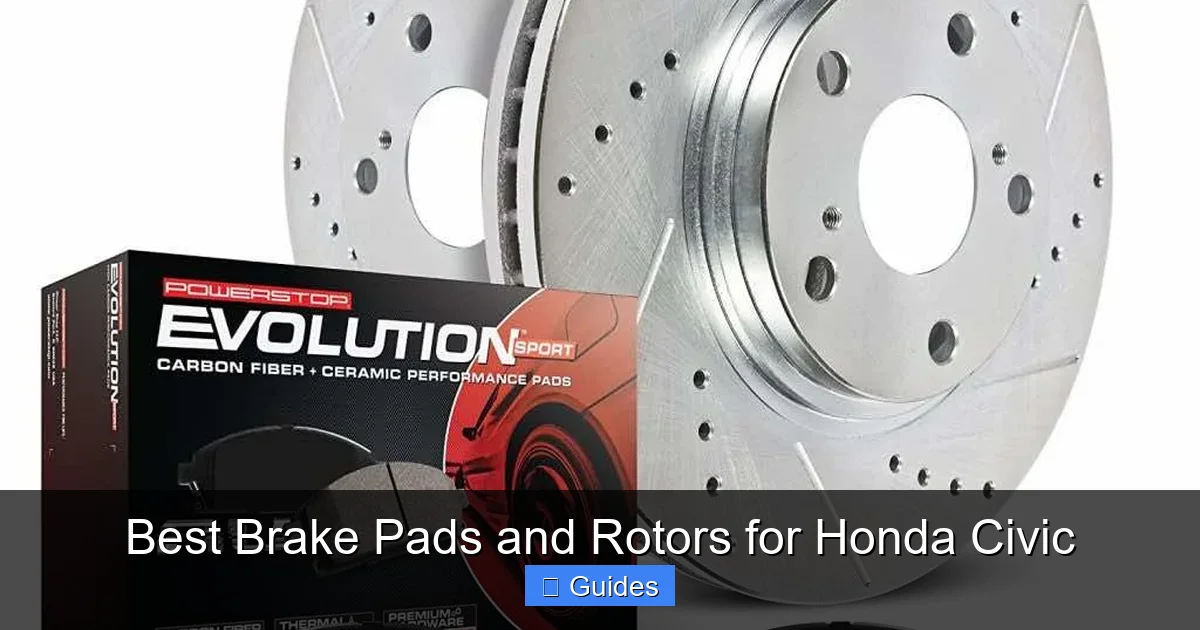
If you drive a Civic Si or enjoy spirited driving, the Power Stop Z23 Evolution Sport Brake Kit is a top contender. This all-in-one package includes carbon-fiber ceramic pads and drilled and slotted rotors, designed to handle high temperatures and aggressive braking.
The Z23 pads offer 15% more stopping power than stock, with minimal noise and dust. The rotors feature a zinc plating for corrosion resistance and improved heat dissipation. Many users report a noticeable improvement in pedal feel and confidence during hard stops.
This kit is available for a wide range of Civic models, including the 8th, 9th, and 10th generations. It’s a great upgrade for weekend canyon runs or track days.
Best Budget Option: Wagner ThermoQuiet + Wagner Premium Rotors
Don’t let a tight budget stop you from upgrading your brakes. The Wagner ThermoQuiet Ceramic Brake Pads offer excellent value, combining quiet operation with strong stopping power. Paired with Wagner Premium Rotors, this setup provides reliable performance at a fraction of the cost of premium brands.
ThermoQuiet pads use an integrated insulator to reduce noise and vibration, making them a great choice for noise-sensitive drivers. The rotors are precision-machined and come with a protective coating to prevent rust.
This combo is ideal for older Civics or drivers who want a cost-effective upgrade without sacrificing safety.
Best for Track Use: EBC Yellowstuff Pads + USR Slotted Rotors
For Civic Type R owners or track enthusiasts, the EBC Yellowstuff Brake Pads are a game-changer. These high-performance semi-metallic pads are designed for extreme heat and repeated hard braking, making them perfect for circuit driving.
Paired with EBC USR Series Slotted Rotors, this setup delivers unmatched stopping power and fade resistance. The slotted design keeps the pads clean and maintains consistent contact, even under heavy use.
While these parts are more expensive and may produce more noise on the street, they’re unmatched when it comes to performance. If you’re serious about pushing your Civic to its limits, this is the setup to choose.
Installation Tips and Maintenance Advice
Upgrading your brake pads and rotors is one thing—installing them correctly is another. Even the best components won’t perform well if they’re not installed properly. Here are some practical tips to ensure a smooth, safe installation.
Always Replace Pads and Rotors Together
It might be tempting to save money by reusing old rotors, but this is a false economy. New pads need a smooth, even surface to bed in properly. Worn or warped rotors can cause vibration, noise, and uneven wear, reducing the effectiveness of your new pads.
If your current rotors are within specification (check thickness with a micrometer), you can have them resurfaced—but for most drivers, replacing them is the safer, more reliable option.
Follow the Bedding-In Procedure
After installation, it’s crucial to bed in your new brake pads and rotors. This process transfers a thin, even layer of pad material onto the rotor surface, ensuring optimal contact and performance.
To bed in your brakes:
– Drive at a moderate speed (30–40 mph).
– Apply the brakes firmly (but not to a full stop) to slow to about 10 mph.
– Repeat this process 5–10 times, allowing time for the brakes to cool between applications.
– Avoid coming to a complete stop during the process to prevent pad material from sticking to the rotor.
After bedding, avoid hard braking for the first 200 miles to allow the transfer layer to stabilize.
Use Quality Brake Fluid and Bleed the System
Old or contaminated brake fluid can reduce braking performance and damage components. When replacing pads and rotors, consider flushing and replacing your brake fluid—especially if it’s been more than two years.
Use DOT 3 or DOT 4 fluid (check your owner’s manual) and bleed the system to remove air bubbles. This ensures a firm pedal feel and consistent braking.
Inspect Regularly and Listen for Warning Signs
Even with high-quality parts, regular inspection is key. Check your brake pads every 10,000 miles or during tire rotations. Look for uneven wear, cracking, or thinning below 3mm.
Listen for squealing, grinding, or vibration when braking—these are signs that your pads or rotors need attention. Address issues early to avoid costly repairs down the road.
Conclusion: Make the Right Choice for Your Civic
Upgrading your Honda Civic’s brake pads and rotors is one of the most impactful modifications you can make. Whether you’re looking for quieter operation, better stopping power, or longer lifespan, there’s a setup that fits your needs and budget.
For daily drivers, ceramic pads and smooth rotors offer the best balance of comfort and reliability. Performance enthusiasts should consider semi-metallic pads with drilled or slotted rotors for maximum grip and heat resistance. And no matter your choice, always prioritize quality, compatibility, and proper installation.
Remember: your brakes are not the place to cut corners. Investing in the best brake pads and rotors for Honda Civic ensures that every stop is safe, confident, and controlled. So take the time to research, choose wisely, and enjoy the peace of mind that comes with a well-maintained braking system.
Frequently Asked Questions
What are the best brake pads for a daily-driven Honda Civic?
Ceramic brake pads like the Akebono ProAct or Wagner ThermoQuiet are ideal for daily driving. They offer quiet operation, low dust, and long life, making them perfect for city commutes and highway driving.
Can I mix different brands of brake pads and rotors?
While it’s technically possible, it’s not recommended. Mixing brands can lead to compatibility issues, uneven wear, and reduced performance. For best results, use matched sets from reputable manufacturers.
How often should I replace brake pads and rotors on my Civic?
Brake pads typically last 30,000 to 70,000 miles, depending on driving style. Rotors can last 60,000 to 100,000 miles if properly maintained. Always inspect them during routine maintenance and replace as needed.
Are drilled and slotted rotors worth it for a Honda Civic?
They’re worth it if you drive aggressively or in hot climates. Drilled and slotted rotors improve heat dissipation and wet-weather performance, but they may produce more noise and cost more than smooth rotors.
Do I need to bleed the brakes when replacing pads and rotors?
Not always, but it’s a good idea. If you open the brake system or notice a spongy pedal, bleeding removes air and ensures optimal performance. Consider a full fluid flush every 2–3 years.
Will upgrading my brakes improve my Civic’s performance?
Yes—especially if you choose performance-oriented pads and rotors. Upgrades can reduce stopping distance, prevent brake fade, and improve pedal feel, making your Civic safer and more responsive.

At CarLegit, we believe information should be clear, factual, and genuinely helpful. That’s why every guide, review, and update on our website is created with care, research, and a strong focus on user experience.