
Choosing the right brake pads and rotors for your Toyota Camry can dramatically improve stopping power, reduce noise, and extend brake life. This guide breaks down the top-rated options, from OEM replacements to high-performance upgrades, so you can drive with confidence and peace of mind.
In This Article
- 1 Key Takeaways
- 2 📑 Table of Contents
- 3 Why Brake Pads and Rotors Are Critical for Your Toyota Camry
- 4 Understanding Brake Pads: Types, Materials, and Performance
- 5 Choosing the Right Rotors for Your Camry
- 6 Top Brake Pad and Rotor Brands for Toyota Camry
- 7 How to Choose the Best Brake Pads and Rotors for Your Camry
- 8 Installation Tips and Maintenance
- 9 Conclusion: Drive Safe with the Right Brakes
- 10 Frequently Asked Questions
- 10.1 What are the best brake pads for a Toyota Camry?
- 10.2 Can I mix different brands of brake pads and rotors?
- 10.3 How often should I replace brake pads and rotors on my Camry?
- 10.4 Are drilled rotors better than smooth rotors?
- 10.5 Do I need to replace all four brake pads and rotors at once?
- 10.6 Can I install brake pads and rotors myself?
Key Takeaways
- OEM vs. Aftermarket: OEM parts offer factory-matched reliability, while aftermarket options often provide better performance and value.
- Material Matters: Ceramic pads are quiet and clean, while semi-metallic pads deliver superior stopping power in demanding conditions.
- Rotor Types: Drilled, slotted, or smooth rotors each have pros and cons—choose based on driving style and climate.
- Year and Trim Matter: Brake components vary by Camry model year and trim level—always verify compatibility before buying.
- Professional Installation Recommended: Proper installation ensures safety and optimal performance; consider a trusted mechanic.
- Brake Fluid Check: Replace brake fluid every 2–3 years to maintain hydraulic efficiency and prevent corrosion.
- Bedding-In Process: Follow the manufacturer’s break-in procedure to maximize pad and rotor lifespan.
📑 Table of Contents
- Why Brake Pads and Rotors Are Critical for Your Toyota Camry
- Understanding Brake Pads: Types, Materials, and Performance
- Choosing the Right Rotors for Your Camry
- Top Brake Pad and Rotor Brands for Toyota Camry
- How to Choose the Best Brake Pads and Rotors for Your Camry
- Installation Tips and Maintenance
- Conclusion: Drive Safe with the Right Brakes
Why Brake Pads and Rotors Are Critical for Your Toyota Camry
Your Toyota Camry is known for its reliability, comfort, and fuel efficiency—but none of that matters if your brakes aren’t up to the task. Brake pads and rotors are the unsung heroes of your vehicle’s safety system. They work together to slow and stop your car, converting kinetic energy into heat through friction. Over time, these components wear down, and replacing them with quality parts isn’t just about maintenance—it’s about protecting yourself, your passengers, and others on the road.
Think of your brakes like the tires on your feet. You wouldn’t run a marathon in worn-out sneakers, right? The same logic applies to your Camry. Whether you’re commuting daily, driving in stop-and-go traffic, or taking long highway trips, your brakes are constantly working. Choosing the best brake pads and rotors ensures consistent performance, reduces stopping distance, and prevents dangerous brake fade during heavy use. Plus, high-quality parts can reduce noise, dust, and vibration—making every drive smoother and quieter.
Understanding Brake Pads: Types, Materials, and Performance
Visual guide about Best Brake Pads and Rotors for Toyota Camry
Image source: wonderfulengineering.com
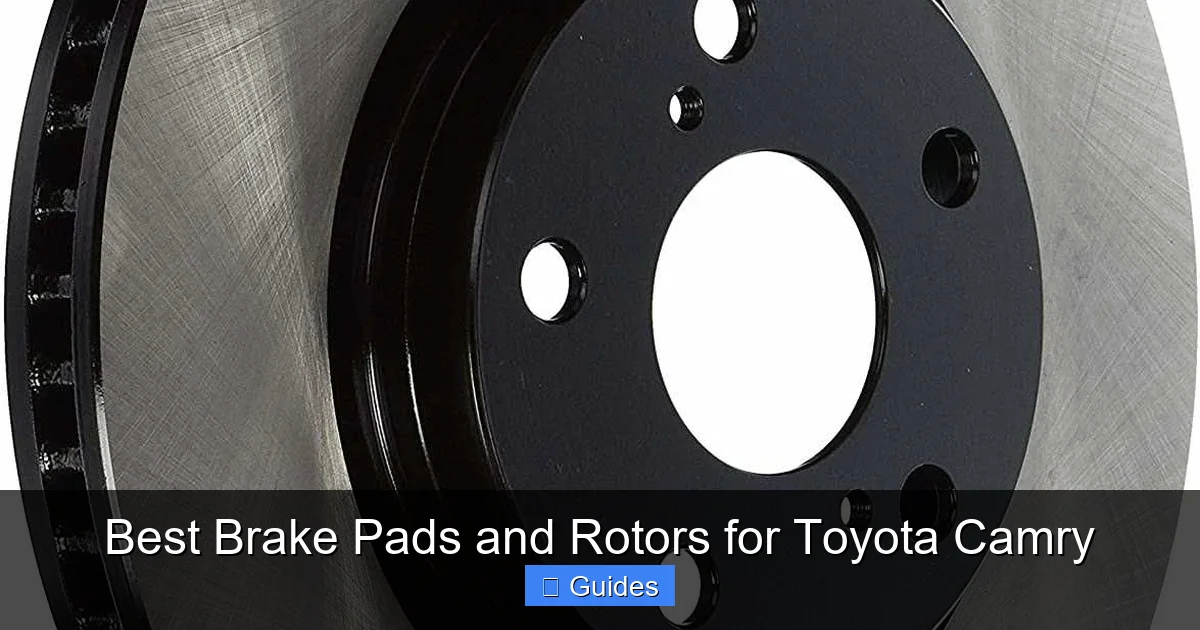
Brake pads are the friction material that presses against the rotors to slow your wheels. The type of pad you choose directly affects how your Camry handles braking in different conditions. There are three main types of brake pad materials: ceramic, semi-metallic, and organic (non-asbestos). Each has unique advantages and trade-offs.
Ceramic Brake Pads
Ceramic brake pads are a popular choice for Toyota Camry owners who prioritize quiet operation and clean wheels. Made from a dense mixture of ceramic fibers, bonding agents, and non-ferrous fillers, these pads produce minimal dust and are less likely to squeal. They also perform well in a wide range of temperatures, making them ideal for everyday driving in moderate climates.
One of the biggest benefits of ceramic pads is their longevity. They tend to last longer than other types because they wear down more slowly and are less abrasive on rotors. However, they can be more expensive upfront. If you drive mostly in city traffic and want a smooth, quiet ride, ceramic pads are a smart investment. Brands like Akebono and Power Stop offer excellent ceramic options designed specifically for the Camry.
Semi-Metallic Brake Pads
Semi-metallic pads contain 30% to 70% metal, including steel, iron, copper, and graphite. These pads are known for their exceptional stopping power and heat dissipation, making them ideal for performance driving, towing, or driving in mountainous areas. They’re more durable than ceramic pads and can handle high temperatures without fading.
The downside? Semi-metallic pads can be noisier and produce more brake dust. They may also wear down rotors faster, especially if the rotors aren’t high quality. But if you frequently drive in demanding conditions or want maximum braking performance, semi-metallic pads are worth considering. Brembo and EBC are trusted brands that offer semi-metallic pads compatible with various Camry models.
Organic (Non-Asbestos) Brake Pads
Organic brake pads are made from natural materials like rubber, glass, and resin. They’re the quietest and softest option, but they also wear out the fastest. Because they generate less heat and friction, they’re best suited for light-duty driving and older vehicles. However, they’re not recommended for modern Camrys, especially newer models with higher performance demands.
Organic pads are less common today due to environmental concerns and shorter lifespans. Most drivers opt for ceramic or semi-metallic pads instead. Still, if you’re on a tight budget and drive very lightly, organic pads might be a temporary solution—but don’t expect long-term reliability.
Choosing the Right Rotors for Your Camry
Visual guide about Best Brake Pads and Rotors for Toyota Camry
Image source: wonderfulengineering.com
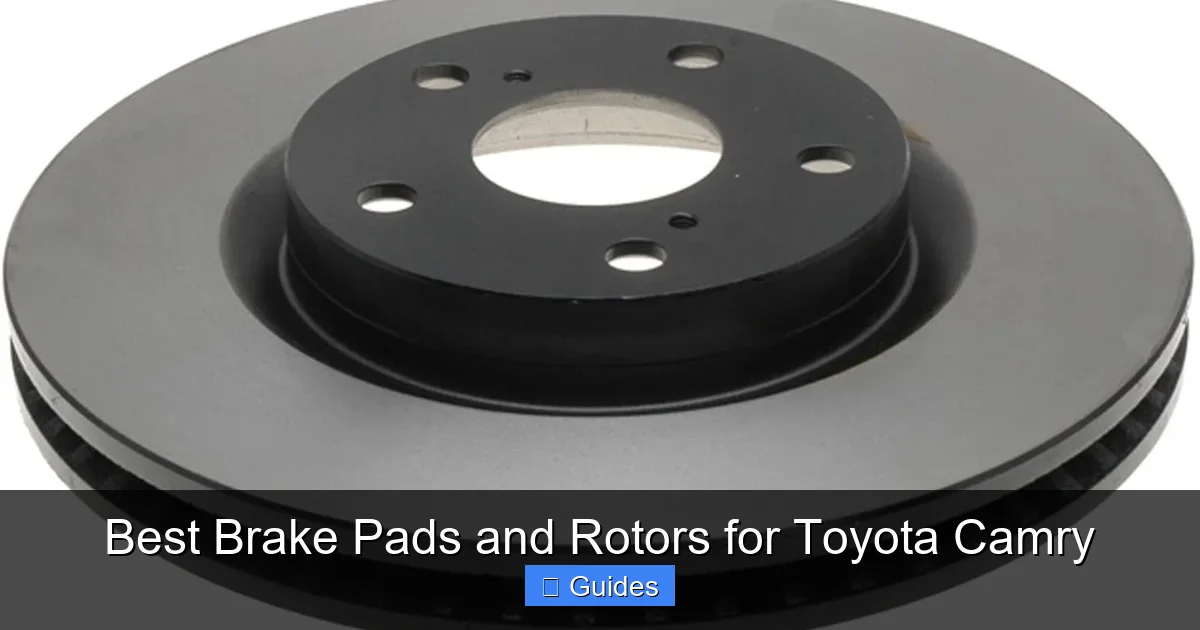
Rotors, also known as brake discs, are the metal discs that the brake pads clamp onto to slow the wheels. Just like pads, rotors come in different styles and materials, each designed for specific driving needs. The right rotor can improve braking efficiency, reduce warping, and extend the life of your brake system.
Smooth (Solid) Rotors
Smooth rotors are the most common type found on standard Toyota Camrys. They’re made from cast iron and have a flat, even surface. These rotors are cost-effective, reliable, and perfect for everyday driving. They’re less prone to cracking under normal conditions and are easy to maintain.
However, smooth rotors can overheat during aggressive braking, leading to brake fade. They also don’t dissipate heat as efficiently as drilled or slotted rotors. If you drive conservatively and stick to city or highway cruising, smooth rotors are a solid choice. Many OEM replacements and aftermarket brands like Bosch and Wagner offer high-quality smooth rotors for the Camry.
Drilled Rotors
Drilled rotors have holes drilled through the surface to allow heat, gas, and water to escape. This design improves cooling and helps prevent brake fade in wet or high-temperature conditions. The holes also reduce the risk of hydroplaning on wet roads by channeling water away from the pad contact area.
The downside? Drilled rotors are more prone to cracking under extreme stress, especially if you drive aggressively or tow heavy loads. The holes can act as stress concentrators, leading to fractures over time. Still, for Camry drivers in rainy climates or those who want a slight performance edge, drilled rotors are a popular upgrade. Brands like StopTech and DBA offer durable drilled rotors designed for sedans like the Camry.
Slotted Rotors
Slotted rotors feature grooves cut into the surface to sweep away gas, debris, and water. They offer better bite than smooth rotors and are more resistant to cracking than drilled rotors. Slotted rotors are ideal for drivers who want improved performance without sacrificing durability.
They’re a great middle ground between smooth and drilled rotors—offering enhanced braking without the risk of cracking. However, they can be slightly noisier and may wear down brake pads faster. If you drive in varied conditions or want a sportier feel, slotted rotors are worth considering. Power Stop and EBC Brakes offer slotted rotors that fit many Camry models.
Drilled and Slotted Rotors
Combining both designs, drilled and slotted rotors offer the best of both worlds: superior heat dissipation, water evacuation, and debris clearing. They’re often used in performance vehicles but can benefit Camry owners who want maximum braking efficiency.
These rotors are more expensive and may not be necessary for everyday driving. But if you frequently drive in challenging conditions—like mountain roads or heavy rain—they can make a noticeable difference. Just remember to pair them with high-quality pads to avoid uneven wear.
Top Brake Pad and Rotor Brands for Toyota Camry

Visual guide about Best Brake Pads and Rotors for Toyota Camry
Image source: wonderfulengineering.com
With so many brands on the market, it’s easy to feel overwhelmed. To help you narrow it down, we’ve highlighted some of the most trusted and reliable brands that offer brake components specifically for the Toyota Camry.
Akebono
Akebono is a Japanese manufacturer known for its premium ceramic brake pads. They’re often used as OEM parts in many Toyota vehicles, including the Camry. Akebono pads are engineered for quiet operation, low dust, and long life. Their ACT (Advanced Ceramic Technology) formula provides consistent performance in all weather conditions.
If you want a factory-like experience with improved durability, Akebono is a top choice. Their ProAct and EURO Ultra-Premium lines are especially popular among Camry owners. These pads are designed to reduce noise and vibration while maintaining strong stopping power.
Power Stop
Power Stop is an American brand that specializes in high-performance brake kits. They offer complete brake pad and rotor packages designed for specific Camry models and years. Their Z23 Evolution Sport kit includes carbon-fiber ceramic pads and drilled/slotted rotors—perfect for drivers who want a sporty upgrade.
Power Stop kits are easy to install and come with all necessary hardware. They’re also backed by a 3-year/36,000-mile warranty. If you’re looking for a complete solution that improves both performance and appearance, Power Stop is a great option.
Brembo
Brembo is an Italian brand famous for its performance braking systems used in race cars and high-end vehicles. Their aftermarket brake pads and rotors are engineered for superior heat resistance and stopping power. Brembo offers both ceramic and semi-metallic pads, along with slotted and drilled rotors.
While Brembo parts are on the pricier side, they deliver exceptional quality and performance. They’re ideal for Camry owners who want a premium upgrade and don’t mind spending a bit more for peace of mind.
Bosch
Bosch is a German engineering giant known for reliable automotive parts. Their brake pads and rotors are built to last, with a focus on safety and efficiency. Bosch QuietCast pads are ceramic-based and designed for quiet, smooth braking. Their rotors are precision-machined for a perfect fit and consistent performance.
Bosch offers excellent value for money, making them a favorite among budget-conscious drivers who still want quality. Their parts are widely available and compatible with most Camry models from 2007 onward.
EBC Brakes
EBC Brakes is a UK-based company that specializes in performance and heavy-duty braking solutions. They offer a range of pads and rotors for the Camry, including their popular Greenstuff and Redstuff ceramic pads. Greenstuff pads are ideal for daily driving, while Redstuff pads are designed for sportier performance.
EBC also offers slotted and drilled rotors with their own unique cooling technology. If you want a brand that balances performance, durability, and innovation, EBC is worth checking out.
How to Choose the Best Brake Pads and Rotors for Your Camry
Now that you know the types and brands, how do you pick the right combination for your Toyota Camry? The answer depends on several factors, including your driving habits, climate, budget, and vehicle model.
Consider Your Driving Style
Are you a daily commuter who drives mostly in stop-and-go traffic? Or do you take long highway trips and occasionally drive aggressively? Your driving style plays a big role in determining the best brake setup.
For city driving, ceramic pads and smooth or slotted rotors are ideal. They provide quiet, reliable performance without excessive wear. If you drive in hilly areas or tow a trailer, semi-metallic pads and drilled or slotted rotors will offer better heat management and stopping power.
Check Your Camry’s Model Year and Trim
Not all brake components fit every Camry. The brake system varies by model year, engine size, and trim level. For example, a 2020 Camry Hybrid may have different rotor dimensions than a 2015 Camry LE. Always check your owner’s manual or use an online fitment guide before purchasing.
Websites like RockAuto, AutoZone, and Amazon allow you to enter your vehicle details to find compatible parts. Some brands also offer fitment tools on their websites. Taking a few minutes to verify compatibility can save you time, money, and frustration.
Set a Budget
Brake pads and rotors range from budget-friendly to premium. OEM replacements can cost $200–$400 for a full set, while high-performance kits may run $500 or more. Decide how much you’re willing to spend and prioritize quality over price.
Remember: cheap parts may save money upfront but can wear out faster or perform poorly. Investing in quality components can extend the life of your brake system and improve safety.
Look for Warranties and Reviews
Reputable brands often offer warranties on their brake products. A 2-year or 24,000-mile warranty is common. Check customer reviews on sites like Amazon, YouTube, and automotive forums to see real-world performance.
Look for feedback on noise, dust, wear, and ease of installation. A product with hundreds of positive reviews is usually a safe bet.
Don’t Forget the Brake Fluid
When replacing pads and rotors, it’s a good idea to flush and replace your brake fluid. Old fluid can absorb moisture, leading to corrosion and reduced braking efficiency. Most mechanics recommend changing brake fluid every 2–3 years.
Use DOT 3 or DOT 4 fluid, as specified in your owner’s manual. Never mix different types of brake fluid.
Installation Tips and Maintenance
Even the best brake pads and rotors won’t perform well if they’re not installed correctly. While some DIYers can handle brake jobs, it’s often best to have a professional mechanic do the work—especially if you’re not experienced with brake systems.
Professional Installation
A certified mechanic will ensure proper torque, alignment, and bleeding of the brake system. They’ll also inspect other components like calipers, hoses, and sensors. Improper installation can lead to brake failure, so don’t take shortcuts.
If you do install the parts yourself, follow the manufacturer’s instructions carefully. Use a torque wrench to tighten bolts to the correct specification. Never reuse old hardware unless it’s in perfect condition.
Bedding-In the Brakes
After installation, you’ll need to “bed in” the new pads and rotors. This process transfers a thin layer of pad material onto the rotor surface, creating optimal friction.
To bed in your brakes:
– Drive at moderate speed (30–40 mph).
– Apply the brakes firmly but not abruptly to slow to 10 mph (do not stop completely).
– Repeat 5–10 times, allowing 30 seconds between applications.
– Avoid hard braking for the first 200 miles.
This process ensures even wear and maximum performance.
Regular Maintenance
Inspect your brakes every 6 months or 6,000 miles. Look for signs of wear, such as thin pads, grooves in the rotors, or unusual noises. Listen for squealing, grinding, or pulsating when you brake—these are red flags.
Clean your wheels regularly to remove brake dust, which can corrode rims and reduce visibility. Use a dedicated brake cleaner and avoid spraying it on painted surfaces.
Conclusion: Drive Safe with the Right Brakes
Your Toyota Camry is a dependable vehicle, but its safety depends on well-maintained brakes. Choosing the best brake pads and rotors isn’t just about performance—it’s about protecting your life and the lives of others. Whether you go with OEM parts for reliability or aftermarket upgrades for enhanced performance, make sure your choice matches your driving needs and vehicle specifications.
From quiet ceramic pads to high-performance drilled rotors, there’s a perfect setup for every Camry owner. Take the time to research, compare brands, and consult a professional if needed. With the right brakes, you’ll enjoy smoother stops, greater confidence, and peace of mind on every journey.
Frequently Asked Questions
What are the best brake pads for a Toyota Camry?
The best brake pads for a Toyota Camry depend on your driving style. Ceramic pads like Akebono or Power Stop are ideal for quiet, clean daily driving, while semi-metallic pads from Brembo or EBC offer superior stopping power for performance or heavy use.
Can I mix different brands of brake pads and rotors?
It’s not recommended to mix brands unless they’re specifically designed to work together. Mismatched components can lead to uneven wear, noise, or reduced performance. Stick to a complete kit or compatible parts from the same manufacturer.
How often should I replace brake pads and rotors on my Camry?
Brake pads typically last 30,000 to 70,000 miles, depending on driving habits. Rotors can last 60,000 to 100,000 miles but may need resurfacing or replacement sooner if they warp or wear unevenly. Inspect them regularly.
Are drilled rotors better than smooth rotors?
Drilled rotors offer better heat and water dissipation, making them great for wet climates or performance driving. However, they’re more prone to cracking under stress. Smooth rotors are more durable and better for everyday use.
Do I need to replace all four brake pads and rotors at once?
It’s best to replace pads and rotors in pairs (front or rear) to maintain balanced braking. If one side is worn, the other likely is too. Replacing all four at once ensures even performance and safety.
Can I install brake pads and rotors myself?
Yes, if you have mechanical experience and the right tools. However, brake systems are critical for safety, so many drivers prefer professional installation to ensure proper torque, alignment, and bleeding.

At CarLegit, we believe information should be clear, factual, and genuinely helpful. That’s why every guide, review, and update on our website is created with care, research, and a strong focus on user experience.