
Choosing the right brake pads and rotors for your Toyota Highlander can dramatically improve stopping power, reduce noise, and extend brake life. This guide breaks down top-rated options, key features to consider, and expert tips to help you make the best decision for your SUV.
In This Article
- 1 Key Takeaways
- 2 📑 Table of Contents
- 3 Why Brake Pads and Rotors Matter for Your Toyota Highlander
- 4 Understanding Brake Pads: Types, Materials, and Performance
- 5 Choosing the Right Rotors: Features That Make a Difference
- 6 Top Brake Pad and Rotor Combinations for Toyota Highlander
- 7 Installation Tips and What to Expect
- 8 Maintenance Tips to Extend Brake Life
- 9 Final Thoughts: Making the Right Choice for Your Highlander
- 10 Frequently Asked Questions
- 10.1 How often should I replace brake pads on a Toyota Highlander?
- 10.2 Can I mix different brands of brake pads and rotors?
- 10.3 Are drilled rotors better than solid rotors?
- 10.4 Do I need to replace all four rotors at once?
- 10.5 Will aftermarket brake pads void my Toyota warranty?
- 10.6 How do I know if my rotors need to be resurfaced or replaced?
Key Takeaways
- Match brake components to your driving style: City drivers may prefer low-dust, quiet ceramic pads, while off-road or towing enthusiasts benefit from semi-metallic options.
- OEM-quality aftermarket parts offer great value: Many brands match or exceed Toyota’s original specs at a lower price.
- Drilled and slotted rotors improve heat dissipation: Ideal for high-performance driving or frequent braking in hilly areas.
- Always replace pads and rotors together: Mismatched components can cause uneven wear, noise, and reduced braking efficiency.
- Look for corrosion-resistant coatings: Especially important if you live in snowy or coastal regions with salted roads.
- Professional installation ensures safety: Even the best parts won’t perform well if not installed correctly—consider a trusted mechanic.
- Check compatibility by model year: Highlander brake systems vary slightly between 2001–2007, 2008–2013, 2014–2019, and 2020+ generations.
📑 Table of Contents
- Why Brake Pads and Rotors Matter for Your Toyota Highlander
- Understanding Brake Pads: Types, Materials, and Performance
- Choosing the Right Rotors: Features That Make a Difference
- Top Brake Pad and Rotor Combinations for Toyota Highlander
- Installation Tips and What to Expect
- Maintenance Tips to Extend Brake Life
- Final Thoughts: Making the Right Choice for Your Highlander
Why Brake Pads and Rotors Matter for Your Toyota Highlander
Your Toyota Highlander is a reliable, family-friendly SUV built for comfort, space, and everyday versatility. But no matter how smooth the ride, one thing remains non-negotiable: safety. And when it comes to safety, your braking system is front and center.
Brake pads and rotors are the heart of that system. Every time you press the brake pedal, the pads clamp down on the rotors (also called discs), creating friction that slows your vehicle. Over time, both components wear down. Ignoring worn brakes doesn’t just risk costly repairs—it can lead to longer stopping distances, brake fade, or even total failure in emergency situations.
Upgrading to high-quality brake pads and rotors isn’t just about maintenance—it’s about performance. The right set can reduce noise, minimize dust on your wheels, improve responsiveness, and last significantly longer than budget options. Whether you’re commuting daily, hauling kids to soccer practice, or towing a trailer, investing in the best brake pads and rotors for your Toyota Highlander ensures peace of mind on every mile.
Understanding Brake Pads: Types, Materials, and Performance
Visual guide about Best Brake Pads and Rotors for Toyota Highlander
Image source: wonderfulengineering.com
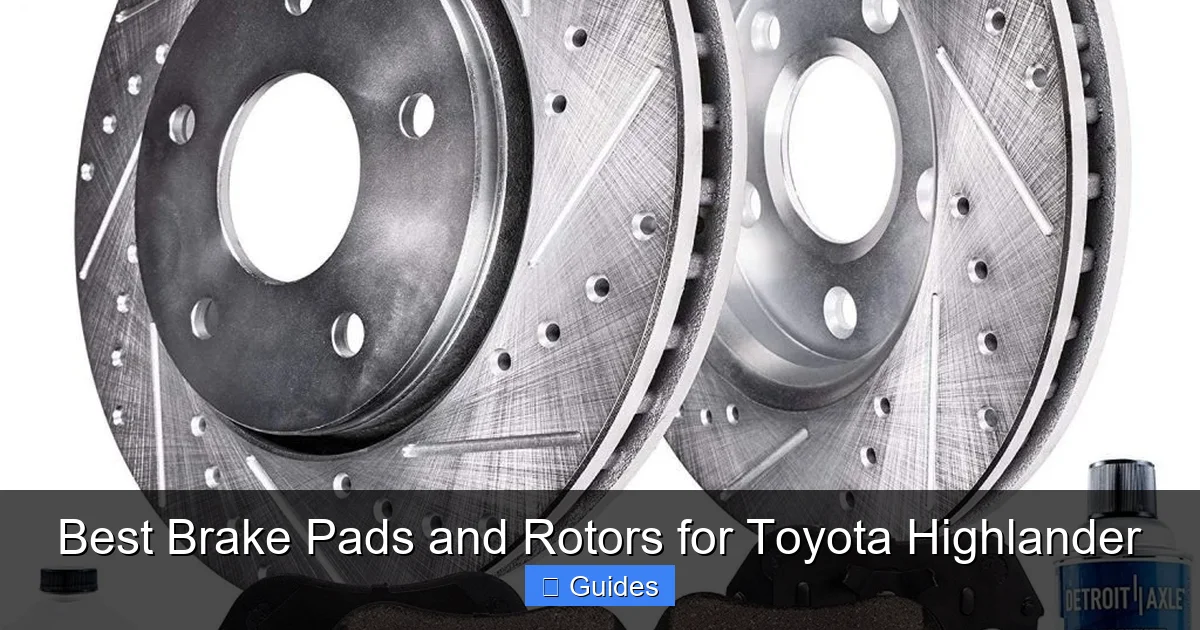
Not all brake pads are created equal. The material they’re made from directly affects how they perform, how long they last, and how they feel under your foot. Let’s break down the three main types of brake pad materials and how they fit into the Toyota Highlander’s braking needs.
Ceramic Brake Pads
Ceramic pads are a popular choice for modern SUVs like the Highlander. Made from a dense ceramic compound with copper fibers, they offer excellent stopping power with minimal noise and dust. They run cooler than other types, which helps prevent brake fade during repeated use—perfect for city driving or stop-and-go traffic.
One of the biggest advantages? Clean wheels. Ceramic pads produce far less brake dust than semi-metallic options, so you won’t be scrubbing your rims every week. They’re also gentle on rotors, helping extend rotor life. The downside? They tend to be more expensive upfront. But for many Highlander owners, the quiet, clean, and smooth performance is worth the investment.
Semi-Metallic Brake Pads
If you drive aggressively, tow frequently, or live in a hilly area, semi-metallic pads might be your best bet. These pads contain 30–70% metal—usually steel, iron, or copper—mixed with friction modifiers. That makes them extremely durable and excellent at handling high heat.
They’re ideal for performance driving or heavy loads, but they do have trade-offs. Semi-metallic pads are noisier, produce more dust, and can wear down rotors faster. They also take longer to warm up, so they may feel less responsive in cold weather. Still, for Highlander owners who push their SUV to its limits, the added durability and heat resistance make them a solid choice.
Organic (Non-Asbestos) Brake Pads
Organic pads are made from natural materials like glass, rubber, and resin. They’re the softest and quietest option, often used in OEM (original equipment manufacturer) applications. They’re affordable and gentle on rotors, but they wear out faster and can’t handle high temperatures as well as ceramic or semi-metallic pads.
These are best suited for light-duty driving—think occasional errands or short commutes. If you’re looking for long-term value and performance, organic pads usually aren’t the best fit for a vehicle as capable as the Highlander.
Choosing the Right Rotors: Features That Make a Difference
Visual guide about Best Brake Pads and Rotors for Toyota Highlander
Image source: wonderfulengineering.com
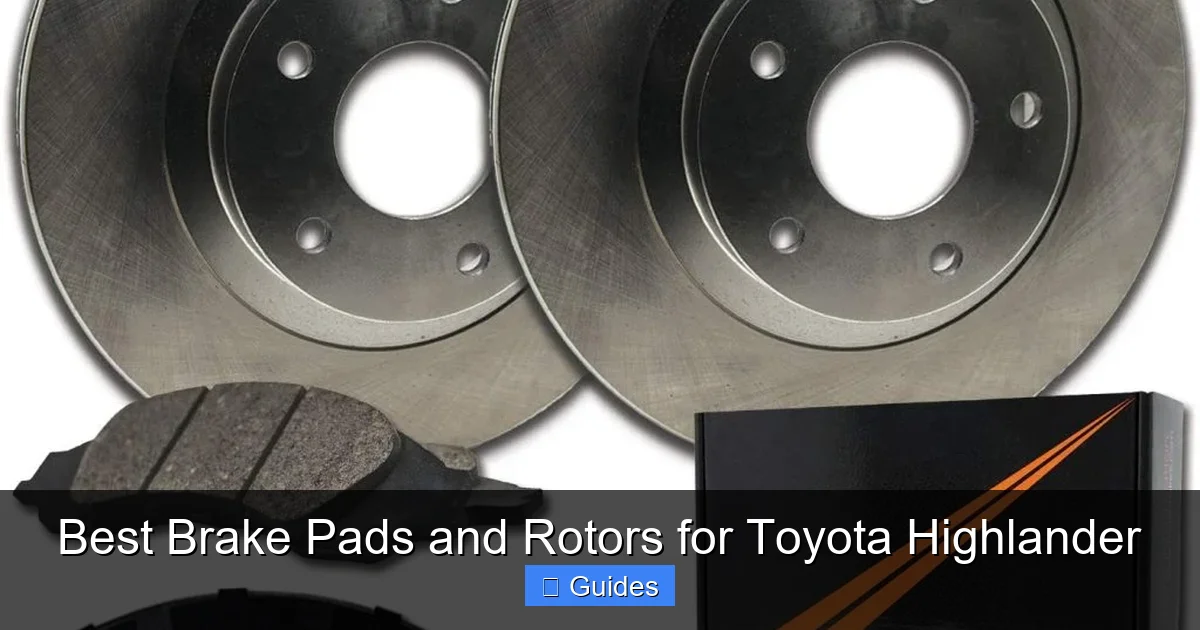
While brake pads grab attention, rotors play an equally critical role. A high-quality rotor ensures even heat distribution, resists warping, and provides a smooth surface for the pads to grip. Here’s what to look for when selecting rotors for your Toyota Highlander.
Solid vs. Vented Rotors
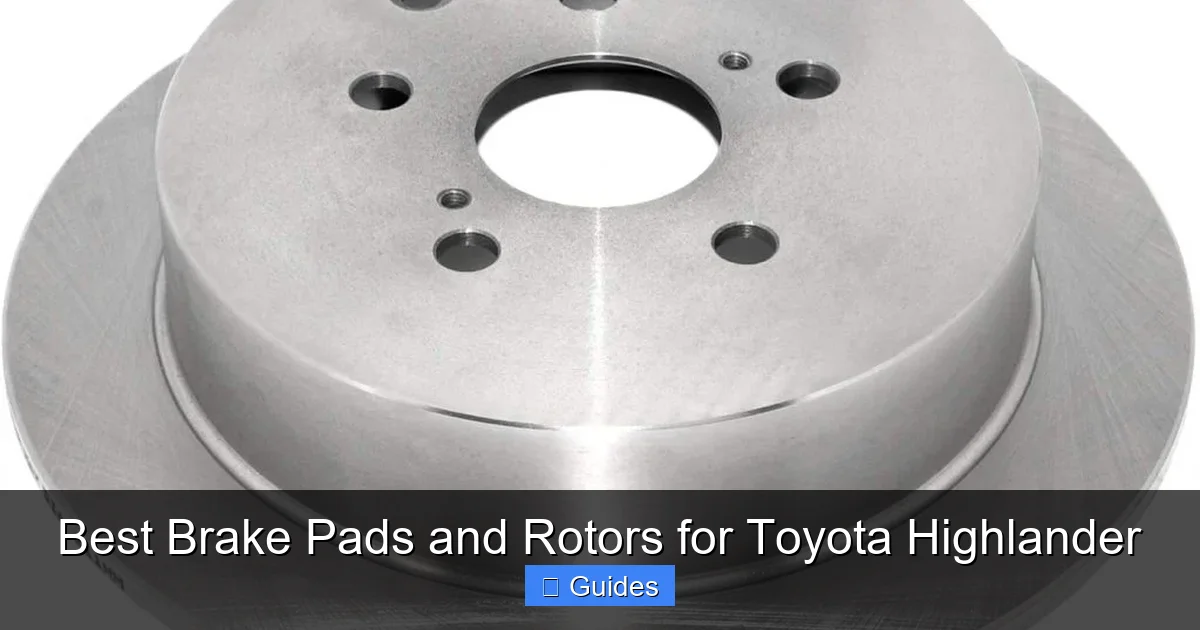
Most Highlanders come equipped with vented front rotors and solid rear rotors. Vented rotors have internal vanes that allow air to flow through, improving cooling—essential for the front brakes, which do about 70% of the work. Solid rotors are simpler and cheaper but can overheat under heavy use.
If you’re upgrading, stick with vented rotors for the front axle. They’re a must for towing, mountain driving, or frequent braking.
Drilled and Slotted Rotors
Drilled rotors have holes punched through the surface, while slotted rotors have grooves cut into them. Both designs help vent gases and water that can build up between the pad and rotor, improving bite in wet conditions. They also help dissipate heat more efficiently.
Drilled rotors offer better initial bite and are great for performance driving, but the holes can create stress points that lead to cracking over time—especially in cold climates. Slotted rotors are more durable and better at clearing debris, making them a favorite for off-road or winter driving.
For most Highlander owners, a combination of drilled and slotted rotors (often called “drilled and slotted” or “cross-drilled”) offers the best balance of performance and longevity—especially if you live in a rainy or snowy area.
Coated Rotors for Rust Prevention
Rust is the enemy of brake performance. Over time, rotors can develop surface rust, especially if your Highlander sits for long periods or is driven in salty winter conditions. That’s where coated rotors come in.
Many premium rotors now feature a protective zinc or aluminum coating on the non-friction surfaces (like the hat and vanes). This prevents corrosion without affecting braking performance. If you live near the coast or in a region with harsh winters, coated rotors are a smart upgrade that can save you from premature replacement.
Top Brake Pad and Rotor Combinations for Toyota Highlander
Visual guide about Best Brake Pads and Rotors for Toyota Highlander
Image source: wonderfulengineering.com
Now that you understand the basics, let’s look at some of the best brake pad and rotor combinations available for the Toyota Highlander. These kits are designed to work together, ensuring optimal performance, compatibility, and value.
Power Stop Z23 Evolution Sport Kit
The Power Stop Z23 kit is a favorite among Highlander owners for its balance of performance and affordability. It includes carbon-ceramic brake pads and drilled and slotted rotors with a zinc coating.
The carbon-ceramic pads offer excellent stopping power with low noise and minimal dust—perfect for daily driving. The rotors are precision-machined for a smooth, vibration-free ride and resist warping even under heavy use. Plus, the zinc coating fights rust, making this kit ideal for wet or snowy climates.
This kit fits most 2008–2019 Highlanders and is a direct bolt-on replacement. Many users report noticeable improvements in braking responsiveness and a significant reduction in brake dust. It’s a great all-around choice for families and commuters.
Brembo Premium Brake Kit
Brembo is a name synonymous with high-performance braking. Their premium kit for the Highlander includes ceramic pads and high-carbon rotors designed for superior heat dissipation and durability.
High-carbon rotors are more resistant to thermal cracking and warping, making them ideal for towing or spirited driving. The ceramic pads are engineered for quiet operation and long life. While this kit is pricier than some alternatives, it’s built to last and performs exceptionally well under stress.
This is a top-tier option for Highlander owners who want OEM-plus performance without the dealership price tag. It’s especially recommended for 2014–2020 models, where Brembo’s engineering shines.
ACDelco Gold (Professional) Brake Kit
If you prefer a trusted OEM-style replacement, the ACDelco Gold kit is a reliable choice. These pads and rotors meet or exceed original equipment specifications and are designed for a direct fit on most Highlander models.
The semi-metallic pads offer strong stopping power and durability, while the rotors are precision-balanced to reduce vibration. ACDelco also includes a corrosion-resistant coating, which helps extend rotor life.
This kit is ideal for owners who want a no-fuss, dependable upgrade that mirrors what came from the factory—but with improved materials and performance. It’s a great middle-ground option between budget and premium.
EBC Brakes Yellowstuff Kit
For Highlander owners who demand maximum performance, the EBC Yellowstuff kit is worth considering. These are high-friction, semi-metallic pads paired with EBC’s premium rotors, designed for aggressive driving and heavy loads.
Yellowstuff pads are known for their instant bite and excellent heat resistance—perfect for towing trailers, driving in the mountains, or frequent highway braking. They do produce more noise and dust than ceramic options, but the performance gains are hard to ignore.
This kit is best suited for 2014–2020 Highlanders used for performance or utility purposes. If you’re not towing or driving hard, you might find the noise and dust excessive.
Installation Tips and What to Expect
Even the best brake pads and rotors won’t perform well if they’re not installed correctly. Here’s what you need to know before you start—or before you hand the job over to a mechanic.
DIY vs. Professional Installation
Replacing brake pads and rotors is a job many DIYers can handle with basic tools and some patience. You’ll need a jack, jack stands, lug wrench, C-clamp or brake caliper tool, and torque wrench. However, if you’re not confident working on brakes, it’s always safer to let a professional do it.
Brake systems are critical for safety, and mistakes—like over-tightening bolts or failing to bleed air—can lead to dangerous failures. If you’re unsure, spend the extra $100–$200 for a certified mechanic. It’s a small price to pay for peace of mind.
Break-In Procedure (Bedding In)
After installation, new brake pads and rotors need to be “bedded in” to transfer a thin, even layer of pad material onto the rotor surface. This ensures smooth, consistent braking.
To bed in your brakes:
– Drive at moderate speed (30–40 mph).
– Apply the brakes firmly (but not to a full stop) about 10 times, allowing 30 seconds between each application.
– Then, drive at 55 mph and brake firmly 3–5 times, coming to a complete stop each time.
– Avoid hard braking for the next 100 miles.
Skipping this step can lead to uneven wear, noise, or reduced performance.
Common Installation Mistakes to Avoid
– Not cleaning the caliper slide pins—this can cause sticking and uneven pad wear.
– Forgetting to apply brake grease to contact points—this leads to squeaking.
– Over-torquing lug nuts—this can warp rotors or damage wheels.
– Installing pads and rotors that aren’t compatible—always double-check fitment by year and trim.
Taking your time and following the manufacturer’s instructions will save you headaches down the road.
Maintenance Tips to Extend Brake Life
Great brakes don’t just come from great parts—they come from great care. With a few simple habits, you can keep your Toyota Highlander’s braking system in top shape for years.
Regular Inspections
Check your brake pads and rotors every 10,000 miles or during oil changes. Look for:
– Uneven pad wear (one side thinner than the other)
– Deep grooves or scoring on the rotor
– Excessive rust or pitting
– Unusual noises (squealing, grinding, or clicking)
If you notice any of these signs, it’s time for an inspection or replacement.
Keep It Clean
Brake dust and road grime can build up on rotors and calipers, leading to corrosion and noise. Rinse your wheels regularly, especially in winter. Avoid using harsh chemicals directly on brakes—stick to mild soap and water.
Avoid Riding the Brakes
Holding your foot lightly on the brake pedal (“riding the brakes”) generates excess heat and wears down pads faster. Instead, anticipate stops and coast when possible. This is especially important when driving downhill.
Use Quality Brake Fluid
Brake fluid absorbs moisture over time, which lowers its boiling point and can lead to spongy brakes. Replace it every 2–3 years or as recommended in your owner’s manual. Use only DOT 3 or DOT 4 fluid rated for your Highlander.
Final Thoughts: Making the Right Choice for Your Highlander
Choosing the best brake pads and rotors for your Toyota Highlander doesn’t have to be overwhelming. Start by considering your driving habits, climate, and budget. If you’re a daily commuter in the city, ceramic pads with coated, drilled rotors offer a quiet, clean, and reliable solution. If you tow or drive in mountains, semi-metallic pads and high-carbon rotors will give you the extra stopping power you need.
Always prioritize quality over price. A $200 brake kit that lasts 60,000 miles is a better value than a $100 kit that fails at 30,000. And remember: safety comes first. Whether you install them yourself or hire a pro, make sure the job is done right.
Your Highlander is built to go the distance—don’t let worn brakes slow you down. With the right brake pads and rotors, you’ll enjoy smoother stops, quieter rides, and the confidence that comes from knowing your SUV is ready for whatever the road throws at it.
Frequently Asked Questions
How often should I replace brake pads on a Toyota Highlander?
Most Highlander owners need new brake pads every 30,000 to 70,000 miles, depending on driving habits. City driving with frequent stops wears pads faster than highway driving. Check them during routine maintenance.
Can I mix different brands of brake pads and rotors?
It’s not recommended. Mixing brands can lead to uneven wear, noise, and reduced performance. For best results, use a matched set designed to work together.
Are drilled rotors better than solid rotors?
Drilled rotors offer better heat dissipation and wet-weather performance, making them ideal for performance or rainy climates. However, they can crack under extreme stress. Solid rotors are more durable but can overheat.
Do I need to replace all four rotors at once?
Not necessarily, but it’s best practice to replace front and rear rotors as a set. Replacing only one side can cause uneven braking and safety issues.
Will aftermarket brake pads void my Toyota warranty?
No, using aftermarket parts won’t void your warranty as long as they meet OEM specifications. The Magnuson-Moss Warranty Act protects your right to use quality aftermarket components.
How do I know if my rotors need to be resurfaced or replaced?
If rotors have deep grooves, warping (causing pedal pulsation), or excessive rust, they should be replaced. Minor surface rust or light scoring can often be resurfaced, but only if the rotor is thick enough to safely machine.

At CarLegit, we believe information should be clear, factual, and genuinely helpful. That’s why every guide, review, and update on our website is created with care, research, and a strong focus on user experience.