
Choosing the right brake pads and rotors for your Toyota RAV4 can dramatically improve stopping power, reduce noise, and extend brake life. This guide covers top-rated options across different driving styles and budgets, helping you make an informed decision.
In This Article
- 1 Key Takeaways
- 2 📑 Table of Contents
- 3 Why Upgrading Your Toyota RAV4 Brakes Matters
- 4 Understanding Brake Pads: Types, Materials, and Performance
- 5 Exploring Brake Rotors: Design, Function, and Upgrades
- 6 Top Brake Pad Recommendations for Toyota RAV4
- 6.1 Best Overall: Akebono ProAct Ultra-Premium Ceramic Brake Pads
- 6.2 Best for Performance: Power Stop Z23 Evolution Sport Ceramic Brake Pads
- 6.3 Best Budget Option: Bosch QuietCast Premium Ceramic Brake Pads
- 6.4 Best for Towing and Heavy Loads: Wagner ThermoQuiet Semi-Metallic Brake Pads
- 6.5 Premium Pick: Brembo P85036N Ceramic Brake Pads
- 7 Top Brake Rotor Recommendations for Toyota RAV4
- 8 Installation Tips and Maintenance Best Practices
- 9 Final Thoughts: Making the Right Choice for Your RAV4
- 10 Frequently Asked Questions
- 10.1 How often should I replace brake pads on my Toyota RAV4?
- 10.2 Can I mix different brands of brake pads and rotors?
- 10.3 Are drilled and slotted rotors worth it for a RAV4?
- 10.4 Do I need to replace both front and rear brakes at the same time?
- 10.5 Can I install brake pads and rotors myself on a RAV4?
- 10.6 What’s the difference between OEM and aftermarket brake parts?
Key Takeaways
- Match brake components to your driving style: City drivers benefit from low-dust ceramic pads, while off-roaders may prefer semi-metallic options for durability.
- OEM-quality aftermarket parts offer great value: Brands like Akebono, Power Stop, and Brembo deliver performance close to factory parts at lower prices.
- Slotted and drilled rotors improve wet-weather braking: These designs help dissipate water and gases, enhancing grip in rainy or snowy conditions.
- Always replace pads and rotors together: Mismatched components can cause uneven wear, noise, and reduced braking efficiency.
- Consider warranty and installation support: Some brands offer lifetime warranties or free professional installation through partner shops.
- Check compatibility by model year: Brake systems vary between RAV4 generations (e.g., 2013–2018 vs. 2019–2024), so verify fitment before buying.
- Regular maintenance extends brake life: Inspect pads every 10,000 miles and clean calipers to prevent sticking or corrosion.
📑 Table of Contents
- Why Upgrading Your Toyota RAV4 Brakes Matters
- Understanding Brake Pads: Types, Materials, and Performance
- Exploring Brake Rotors: Design, Function, and Upgrades
- Top Brake Pad Recommendations for Toyota RAV4
- Top Brake Rotor Recommendations for Toyota RAV4
- Installation Tips and Maintenance Best Practices
- Final Thoughts: Making the Right Choice for Your RAV4
Why Upgrading Your Toyota RAV4 Brakes Matters
Your Toyota RAV4 is more than just a reliable SUV—it’s your daily companion for commuting, weekend adventures, and family road trips. But no matter how well-engineered it is, one system stands above all others when it comes to safety: the brakes. Whether you’re navigating busy city streets or cruising down the highway, having responsive, quiet, and long-lasting brake pads and rotors can mean the difference between a smooth stop and a close call.
Many RAV4 owners stick with factory-installed brakes until they start squeaking or vibrating. But waiting too long can lead to costly repairs—or worse, compromised safety. Upgrading to high-quality brake pads and rotors not only restores peak performance but can also enhance it. Modern aftermarket options often outperform OEM (Original Equipment Manufacturer) parts in areas like noise reduction, dust control, and heat dissipation. Plus, with so many great choices available today, there’s no reason to settle for subpar stopping power.
In this guide, we’ll walk you through everything you need to know about selecting the best brake pads and rotors for your Toyota RAV4. From understanding different materials and designs to comparing top brands and installation tips, you’ll be equipped to make a smart, confident decision—whether you’re a DIY enthusiast or planning to visit a trusted mechanic.
Understanding Brake Pads: Types, Materials, and Performance
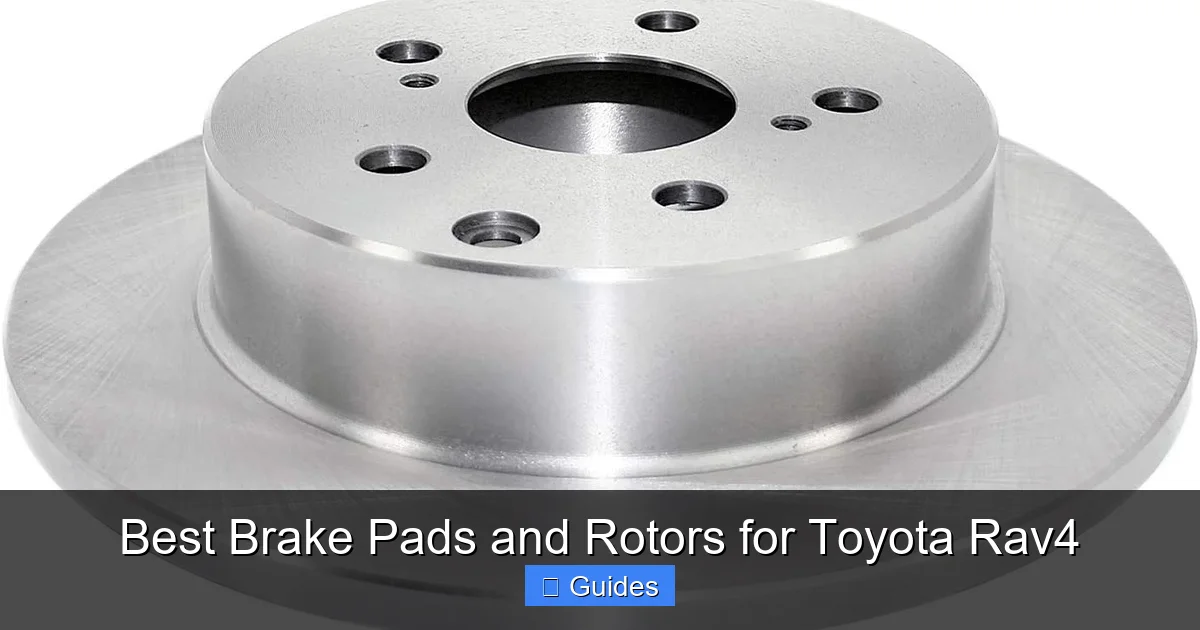
Visual guide about Best Brake Pads and Rotors for Toyota Rav4
Image source: wonderfulengineering.com
Brake pads are the heart of your braking system. When you press the pedal, hydraulic pressure forces the caliper to clamp the pads against the rotor, creating friction that slows your vehicle. Because they endure extreme heat and pressure, the material they’re made from greatly affects performance, noise, wear, and dust production.
There are three main types of brake pad materials: organic, semi-metallic, and ceramic. Each has its strengths and ideal use cases.
Organic Brake Pads
Made from non-metallic fibers like rubber, carbon, and glass bonded with resin, organic pads are the softest option. They’re quiet and gentle on rotors, making them a common choice for older vehicles or light-duty driving. However, they wear out faster and can produce more dust. They also tend to fade under heavy braking, so they’re not ideal for performance driving or towing.
Semi-Metallic Brake Pads
These contain 30–70% metal, including steel, iron, and copper. They offer excellent heat resistance and strong stopping power, making them popular among performance drivers and those who frequently drive in hilly areas or tow trailers. The downside? They’re noisier, produce more brake dust, and can wear down rotors faster than other types. Still, for RAV4 owners who prioritize durability and consistent performance, semi-metallic pads are a solid choice.
Ceramic Brake Pads
Ceramic pads are the premium option. Made from dense ceramic fibers and non-ferrous filler materials, they deliver smooth, quiet braking with minimal dust. They handle heat well and last longer than organic or semi-metallic pads. While they’re more expensive upfront, their longevity and clean operation make them a favorite among daily drivers. For most Toyota RAV4 owners—especially those in urban environments—ceramic pads strike the perfect balance between performance and comfort.
Choosing the Right Pad for Your RAV4
So which type should you pick? If you drive mostly in the city and want a quiet, clean ride, go with ceramic. If you frequently haul gear, tow a small trailer, or drive in mountainous regions, semi-metallic pads may serve you better. Organic pads are rarely recommended for modern SUVs like the RAV4 due to their shorter lifespan and lower heat tolerance.
Pro tip: Always check the manufacturer’s recommended pad type for your specific RAV4 model year. Mixing incompatible materials can lead to poor performance or damage.
Exploring Brake Rotors: Design, Function, and Upgrades
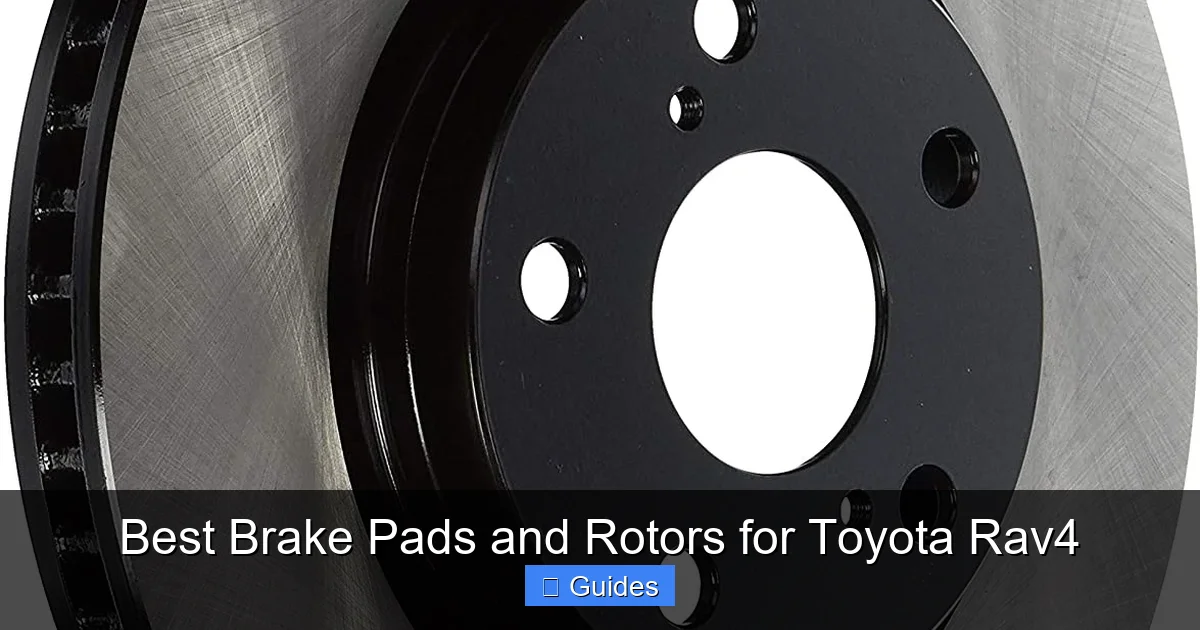
Visual guide about Best Brake Pads and Rotors for Toyota Rav4
Image source: wonderfulengineering.com
While brake pads create the friction, rotors (also called discs) provide the surface that gets clamped. A well-designed rotor ensures even heat distribution, resists warping, and maintains consistent contact with the pads. Like pads, rotors come in several styles, each suited to different driving conditions.
Solid vs. Vented Rotors
Most RAV4 models use vented front rotors and solid rear rotors. Vented rotors have internal vanes that allow air to flow through, improving cooling—critical for front brakes, which do about 70% of the stopping work. Solid rotors are simpler and cheaper but can overheat under heavy use. If you’re upgrading, stick with vented rotors for the front axle.
Drilled Rotors
Drilled rotors feature holes punched through the surface. These holes help vent gases and water that can build up between the pad and rotor during hard braking, especially in wet conditions. They also reduce weight slightly. However, drilling can create stress points that lead to cracking over time, particularly in cold climates or with aggressive driving. Still, for RAV4 owners in rainy or snowy areas, drilled rotors offer improved wet-weather performance.
Slotted Rotors
Slotted rotors have grooves cut into the surface instead of holes. These slots serve a similar purpose—clearing away debris, water, and gas—but are less prone to cracking than drilled designs. They’re a popular choice for performance-oriented drivers and those who want durability without sacrificing function.
Drilled and Slotted Rotors
Combining both features, drilled and slotted rotors offer maximum gas and water evacuation. They’re ideal for drivers who want enhanced performance in varied conditions. Just remember: these rotors may produce more noise and wear pads slightly faster due to the aggressive surface texture.
Coated vs. Uncoated Rotors
Many aftermarket rotors come with anti-corrosion coatings (usually zinc or e-coat). These help prevent rust on the non-contact surfaces, especially in humid or salty environments. While the coating doesn’t affect braking performance, it keeps your wheels looking cleaner and extends rotor life.
When to Upgrade Your Rotors
You don’t always need to replace rotors when changing pads—especially if they’re within thickness specifications and show no signs of warping, scoring, or cracking. However, upgrading to higher-quality rotors during a pad change is a smart move. Premium rotors often feature better metallurgy, improved cooling, and tighter manufacturing tolerances, resulting in smoother, more reliable braking.
Top Brake Pad Recommendations for Toyota RAV4
Visual guide about Best Brake Pads and Rotors for Toyota Rav4
Image source: wonderfulengineering.com
Now that you understand the basics, let’s dive into specific products. Below are some of the best brake pads available for the Toyota RAV4, categorized by driving needs and budget.
Best Overall: Akebono ProAct Ultra-Premium Ceramic Brake Pads
Akebono is a trusted name in braking, and their ProAct line is a favorite among RAV4 owners. These ceramic pads deliver OEM-level performance with reduced noise and dust. They’re engineered to match or exceed factory specifications, making them a direct replacement for most RAV4 models from 2006 to 2024.
Why we love them:
– Exceptionally quiet operation
– Low dust keeps wheels cleaner
– Long lifespan (often 50,000+ miles)
– Excellent cold and hot performance
Ideal for: Daily drivers, commuters, and families who value comfort and reliability.
Best for Performance: Power Stop Z23 Evolution Sport Ceramic Brake Pads
If you want a noticeable upgrade in stopping power without sacrificing daily drivability, the Power Stop Z23 series is a top pick. These carbon-ceramic pads offer increased friction for shorter stopping distances, especially during repeated hard braking.
Why we love them:
– 15% more stopping power than standard ceramic pads
– Includes stainless steel hardware and lubricant
– Designed for sporty driving and light towing
– Compatible with slotted/drilled rotors
Ideal for: Enthusiasts, weekend adventurers, and RAV4 owners who want a sportier feel.
Best Budget Option: Bosch QuietCast Premium Ceramic Brake Pads
Bosch delivers high-quality engineering at an affordable price. The QuietCast line uses a proprietary ceramic formula that reduces noise and vibration while maintaining strong braking performance.
Why we love them:
– Great value for the price
– OE-fit design ensures easy installation
– Minimal dust and smooth engagement
– Backed by Bosch’s reputation for reliability
Ideal for: Cost-conscious drivers who still want quality and quiet operation.
Best for Towing and Heavy Loads: Wagner ThermoQuiet Semi-Metallic Brake Pads
Wagner’s ThermoQuiet pads combine semi-metallic strength with advanced noise-dampening technology. They’re built to handle the extra heat generated when towing or carrying heavy loads—common scenarios for RAV4 owners with trailers or camping gear.
Why we love them:
– Superior heat resistance
– Integrated insulating layer reduces noise
– Durable construction for long-term use
– Excellent for hilly terrain and frequent braking
Ideal for: RVers, campers, and anyone who regularly tows or hauls.
Premium Pick: Brembo P85036N Ceramic Brake Pads
Brembo is synonymous with high-performance braking. Their ceramic pads are engineered for precision and consistency, offering smooth modulation and excellent fade resistance.
Why we love them:
– Trusted by performance car manufacturers
– Exceptional build quality and materials
– Quiet, responsive braking
– Perfect for RAV4 Hybrid and TRD Off-Road models
Ideal for: Drivers who want the best available performance and are willing to invest in premium components.
Top Brake Rotor Recommendations for Toyota RAV4
Pairing the right rotors with your brake pads is just as important as choosing the pads themselves. Here are some of the best rotor options to complement your RAV4’s braking system.
Best Overall: Power Stop Evolution Drilled & Slotted Rotors
These rotors combine drilled and slotted designs for maximum performance in wet and dry conditions. Made from high-carbon cast iron, they offer improved heat dissipation and reduced brake fade.
Why we love them:
– Enhanced wet-weather braking
– Reduced risk of warping under heat
– Direct bolt-on replacement for most RAV4 models
– Often sold as a complete kit with pads
Ideal for: All-around driving, especially in rainy or mountainous regions.
Best for Daily Driving: Akebono Coated Premium Brake Rotors
Akebono doesn’t just make great pads—they also produce top-tier rotors. Their coated rotors resist rust and corrosion while maintaining smooth, quiet operation.
Why we love them:
– Zinc-coated for long-lasting protection
– Precision-machined for perfect fit
– Works seamlessly with Akebono pads
– Minimal runout and vibration
Ideal for: City drivers and those in humid or snowy climates.
Best Budget Option: Detroit Axle Drilled & Slotted Rotors
Detroit Axle offers high-value rotors at a fraction of the cost of premium brands. Their drilled and slotted rotors are a popular choice for DIYers looking to upgrade without breaking the bank.
Why we love them:
– Affordable price point
– Good performance for the cost
– Includes installation hardware
– Available in front and rear sets
Ideal for: Budget-minded RAV4 owners who want an upgrade over stock rotors.
Best for Performance: Brembo UV Coated Brake Rotors
Brembo’s UV-coated rotors are engineered for high performance and durability. The uniform coating prevents rust, while the high-carbon content improves thermal stability.
Why we love them:
– Premium materials and construction
– Excellent heat management
– Smooth, consistent braking feel
– Trusted by performance vehicle owners
Ideal for: RAV4 TRD or Hybrid owners seeking a sportier driving experience.
Best for Off-Roading: EBC Brakes GD Series Rotors
If you take your RAV4 off the beaten path, EBC’s GD rotors are built to handle the abuse. These rotors feature a unique groove pattern that helps clear mud and debris while maintaining strong braking power.
Why we love them:
– Aggressive slot design for off-road conditions
– High resistance to warping and cracking
– Compatible with EBC Greenstuff or Yellowstuff pads
– Ideal for RAV4 Adventure and TRD Off-Road trims
Ideal for: Off-road enthusiasts and overlanders.
Installation Tips and Maintenance Best Practices
Even the best brake components won’t perform well if installed incorrectly. Whether you’re tackling the job yourself or hiring a professional, here are some essential tips to ensure a safe and effective brake job.
DIY Installation: What You Need to Know
If you’re comfortable working on your vehicle, replacing brake pads and rotors on a RAV4 is a manageable weekend project. Here’s what you’ll need:
– Jack and jack stands (never rely on a jack alone)
– Lug wrench and torque wrench
– C-clamp or brake caliper tool
– Brake cleaner and lint-free rags
– High-temperature brake grease
– New brake hardware (springs, clips, shims)
Step-by-step tips:
1. Always work on one wheel at a time to avoid mixing up parts.
2. Before removing the caliper, loosen the lug nuts while the car is on the ground.
3. Use a C-clamp to compress the caliper piston before installing new, thicker pads.
4. Clean the rotor hub surface with brake cleaner to ensure proper seating.
5. Torque lug nuts to the manufacturer’s specification (usually 85–100 ft-lbs for RAV4).
6. Bed in your new brakes properly—see below.
Professional Installation: When to Call a Mechanic
If you’re unsure about any part of the process—especially bleeding brakes or dealing with ABS systems—it’s wise to consult a professional. Many auto shops offer brake service packages that include inspection, pad/rotor replacement, and testing. Some retailers (like AutoZone or O’Reilly) even provide free installation with the purchase of certain brake kits.
Bedding In Your New Brakes
Bedding in (or burnishing) new brake pads and rotors is crucial for optimal performance. This process transfers a thin, even layer of pad material onto the rotor surface, improving friction and reducing noise.
How to bed in your brakes:
1. Find a safe, open road with minimal traffic.
2. Accelerate to 35 mph and apply moderate brake pressure to slow to 10 mph. Repeat 5–6 times.
3. Drive for a few minutes without using the brakes to let them cool.
4. Repeat the process at 50 mph, braking to 15 mph.
5. Avoid coming to a complete stop during the process to prevent pad material from sticking unevenly.
Routine Maintenance Tips
To extend the life of your brakes:
– Inspect pads every 10,000 miles or during oil changes.
– Clean caliper slides and pins to prevent sticking.
– Check brake fluid level and condition annually.
– Address squeaks or vibrations immediately—they’re often early warning signs.
– Avoid riding the brake pedal, which causes unnecessary wear.
Final Thoughts: Making the Right Choice for Your RAV4
Upgrading your Toyota RAV4’s brake pads and rotors isn’t just about safety—it’s about enhancing your driving experience. Whether you prioritize quiet operation, maximum stopping power, or long-term value, there’s a combination of pads and rotors that fits your needs perfectly.
Remember, the best setup depends on how you use your vehicle. A city commuter will have different priorities than an off-road adventurer or someone who tows regularly. Take the time to assess your driving habits, climate, and budget before making a decision.
And don’t forget: quality matters. While it’s tempting to go for the cheapest option, investing in reputable brands like Akebono, Power Stop, or Brembo pays off in performance, durability, and peace of mind. Plus, many of these companies offer excellent warranties and customer support.
Finally, always replace pads and rotors as a matched set. Mixing old and new components can lead to uneven wear, noise, and reduced efficiency. Treat your RAV4 to a complete brake refresh, and you’ll enjoy smoother, safer, and more confident driving for miles to come.
Frequently Asked Questions
How often should I replace brake pads on my Toyota RAV4?
Most RAV4 owners should replace brake pads every 30,000 to 50,000 miles, depending on driving habits. City driving with frequent stops wears pads faster than highway driving. Always inspect them during routine maintenance.
Can I mix different brands of brake pads and rotors?
It’s not recommended. Mixing brands can lead to inconsistent performance, noise, and uneven wear. For best results, use matching pads and rotors from the same manufacturer or a compatible high-quality pair.
Are drilled and slotted rotors worth it for a RAV4?
Yes, especially if you drive in wet or snowy conditions. Drilled and slotted rotors improve water and gas evacuation, enhancing braking performance. Just ensure they’re paired with compatible pads to avoid excessive wear.
Do I need to replace both front and rear brakes at the same time?
Not necessarily. Front brakes typically wear faster and may need replacement first. However, if rear pads are below 3mm or show signs of damage, replace them too. Always check both axles during inspection.
Can I install brake pads and rotors myself on a RAV4?
Yes, if you have basic mechanical skills and tools. The process is straightforward, but safety is critical—use jack stands, follow torque specs, and bed in the brakes properly. If unsure, consult a professional.
What’s the difference between OEM and aftermarket brake parts?
OEM parts are made by the original manufacturer and match factory specs exactly. Aftermarket parts often offer improved performance, better materials, or lower prices. Many high-quality aftermarket options exceed OEM standards.

At CarLegit, we believe information should be clear, factual, and genuinely helpful. That’s why every guide, review, and update on our website is created with care, research, and a strong focus on user experience.