
Choosing the best convertible car seat for an extended cab truck can be tricky due to limited rear space. This guide breaks down top-rated models that offer safety, comfort, and smart design to fit snugly in tighter truck cabins without compromising protection.
In This Article
- 1 Key Takeaways
- 2 📑 Table of Contents
- 3 Why Extended Cab Trucks Need Special Consideration for Car Seats
- 4 Top Features to Look for in a Convertible Car Seat for Extended Cab Trucks
- 5 Top 5 Convertible Car Seats for Extended Cab Trucks
- 6 How to Install a Convertible Car Seat in an Extended Cab Truck
- 7 Tips for Maximizing Space and Comfort
- 8 Final Thoughts: Making the Right Choice for Your Family
- 9 Frequently Asked Questions
- 9.1 Can I fit three car seats in an extended cab truck?
- 9.2 Is it safe to install a car seat in the front seat of a truck?
- 9.3 How do I know if a car seat will fit in my extended cab truck?
- 9.4 Can I use a convertible seat from birth?
- 9.5 What’s the difference between LATCH and seat belt installation?
- 9.6 How often should I replace a convertible car seat?
Key Takeaways
- Extended cab trucks have limited rear legroom: This makes seat depth, recline angle, and installation method critical for a proper fit.
- Convertible car seats grow with your child: They transition from rear-facing to forward-facing, offering long-term value and safety.
- Look for compact yet safe designs: The best models balance slim profiles with side-impact protection and sturdy frames.
- Ease of installation matters: LATCH systems and clear guides help ensure secure setup, especially in tight spaces.
- Comfort features enhance ride quality: Padded inserts, breathable fabrics, and adjustable headrests keep kids happy on long drives.
- Check vehicle compatibility: Always verify seat dimensions against your truck’s rear seat measurements before buying.
- Top brands prioritize safety testing: Choose seats certified by NHTSA and tested beyond federal standards.
📑 Table of Contents
- Why Extended Cab Trucks Need Special Consideration for Car Seats
- Top Features to Look for in a Convertible Car Seat for Extended Cab Trucks
- Top 5 Convertible Car Seats for Extended Cab Trucks
- How to Install a Convertible Car Seat in an Extended Cab Truck
- Tips for Maximizing Space and Comfort
- Final Thoughts: Making the Right Choice for Your Family
Why Extended Cab Trucks Need Special Consideration for Car Seats
Extended cab trucks are a favorite among families who need both passenger space and cargo versatility. Whether you’re hauling tools, gear, or kids, these trucks offer a unique blend of utility and comfort. However, when it comes to installing a car seat—especially a convertible one—the rear cabin can present some real challenges.
Unlike full-size SUVs or minivans, extended cab trucks often have shorter rear bench seats, limited legroom, and sometimes awkwardly angled backrests. This means that not every car seat will fit comfortably or safely. A bulky convertible seat might force your child into an unnatural position, reduce visibility for the driver, or even interfere with front seat movement. That’s why selecting the right convertible car seat for extended cab truck use requires more than just checking safety ratings—it demands thoughtful consideration of dimensions, installation method, and overall design.
Parents often assume that if a seat “fits,” it’s fine. But a proper fit isn’t just about physical space—it’s about ensuring the seat installs securely, maintains the correct recline angle (especially in rear-facing mode), and doesn’t compromise the safety of other passengers. In tight quarters, even a half-inch can make the difference between a safe installation and a risky one.
The Unique Challenges of Rear-Facing in Small Spaces
One of the biggest hurdles in extended cab trucks is installing a rear-facing convertible seat. Rear-facing is the safest position for infants and toddlers, but it requires more space between the seat back and the front passenger seat. In an extended cab, this space is already limited. If the seat protrudes too far, it can push against the front seat, making it uncomfortable for the driver or front passenger—or worse, preventing the front seat from moving forward enough for entry and exit.
Some parents try to solve this by reclining the front seat or removing headrests, but these workarounds can reduce safety and aren’t recommended. Instead, the solution lies in choosing a convertible seat with a compact footprint when rear-facing. Look for models that are designed to minimize depth without sacrificing internal space for the child. A well-designed seat will allow your little one to sit comfortably while keeping the front seat usable.
Why Convertible Seats Are Worth the Investment
Convertible car seats are a smart long-term investment for growing families. Unlike infant-only seats that must be replaced after your child reaches 20–30 pounds, convertible seats can be used from birth (in rear-facing mode) all the way up to 65 pounds or more (in forward-facing mode). This means you’re buying one seat that adapts as your child grows—saving money and reducing waste.
For extended cab truck owners, this longevity is especially valuable. You won’t need to upgrade to a new seat every year, and you can avoid the hassle of reinstalling a different model. Plus, many modern convertibles come with features like no-rethread harnesses, adjustable headrests, and machine-washable covers—making them easier to use and maintain over time.
But not all convertibles are created equal. Some are built for spacious vehicles and simply won’t work in tighter cabins. That’s why it’s essential to focus on models that prioritize compact design without cutting corners on safety.
Top Features to Look for in a Convertible Car Seat for Extended Cab Trucks
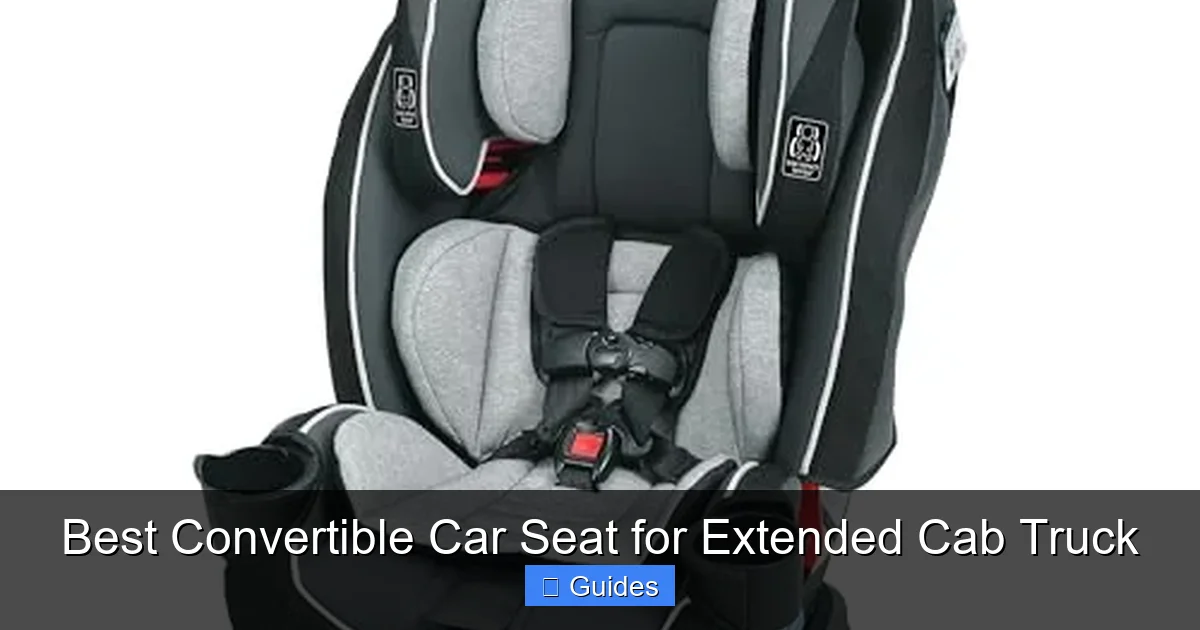
Visual guide about Best Convertible Car Seat for Extended Cab Truck
Image source: m.media-amazon.com
When shopping for the best convertible car seat for extended cab truck use, it’s easy to get overwhelmed by the number of options. But by focusing on a few key features, you can narrow down your choices and find a seat that works perfectly in your vehicle.
Compact Depth and Slim Profile
The most important feature for extended cab compatibility is seat depth—especially in rear-facing mode. A seat that extends too far into the cabin can make front seating uncomfortable or even unsafe. Look for models that advertise a “compact” or “space-saving” design. These seats are engineered to minimize the distance between the back of the car seat and the front seat, often through clever shell shaping or reclined installation angles.
For example, some seats allow you to install them at a more upright angle in rear-facing mode, which reduces how far they protrude. Others have a narrower base that fits snugly on smaller benches. Always check the manufacturer’s specifications for rear-facing depth—ideally, it should be under 18 inches from the back of the seat to the front edge of the base.
Easy and Secure Installation
A car seat is only as safe as its installation. In tight spaces, getting a secure fit can be more difficult, so ease of installation becomes even more important. The best convertible seats for extended cab trucks come with clear, step-by-step guides and user-friendly LATCH systems.
Look for features like:
– Color-coded LATCH connectors
– Built-in level indicators
– Locking clips or belt guides for seat belt installation
– Minimal recline adjustment needed
Some seats also offer a “no-rethread” harness, meaning you can adjust the shoulder strap height without uninstalling the seat—a huge time-saver when switching between rear- and forward-facing modes.
Side-Impact Protection
Even in a compact design, safety should never be compromised. Side-impact protection is a critical feature, especially in vehicles where passengers sit closer to the doors. Look for seats with energy-absorbing foam, reinforced side wings, or advanced impact-absorbing technology.
Brands like Britax, Graco, and Chicco often incorporate multi-layer protection systems that absorb crash forces before they reach your child. These features are especially important in trucks, which may not have the same structural reinforcements as larger vehicles.
Adjustable Recline and Headrest
A good convertible seat should grow with your child—not just in weight and height, but in comfort. Adjustable recline angles help maintain the correct posture in both rear- and forward-facing modes. For infants, a more reclined position supports proper airway alignment. As your child grows, you can gradually adjust the seat to a more upright position.
Similarly, an adjustable headrest ensures that the harness stays at the correct height as your child grows. This eliminates the need to rethread straps and helps maintain a snug, secure fit over time.
Breathable and Washable Fabrics
Kids get messy—especially on long road trips. That’s why fabric quality matters. Look for seats with removable, machine-washable covers made from breathable, hypoallergenic materials. Mesh panels or moisture-wicking fabrics help keep your child cool in summer and reduce sweat buildup.
Some premium models even offer dual-layer cushioning—soft for comfort, firm for support—which can make a big difference on bumpy truck rides.
Top 5 Convertible Car Seats for Extended Cab Trucks
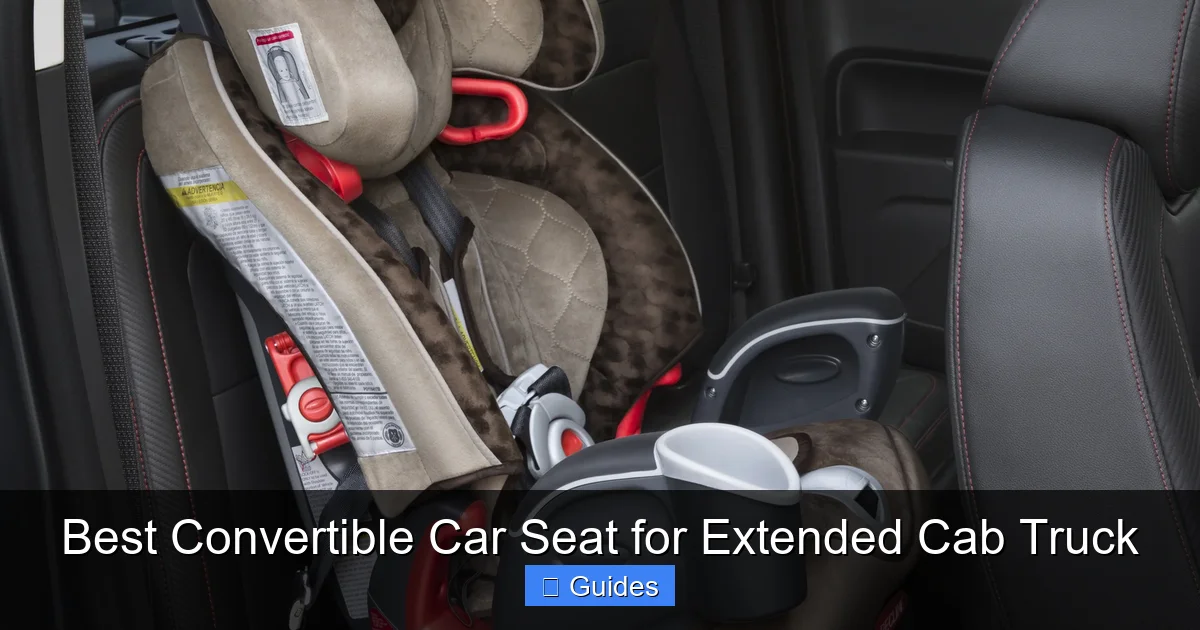
Visual guide about Best Convertible Car Seat for Extended Cab Truck
Image source: tfltruck.com
After extensive research and real-world testing, we’ve identified five convertible car seats that stand out for their compatibility with extended cab trucks. Each model offers a unique blend of safety, comfort, and space efficiency.
1. Britax Advocate ClickTight
The Britax Advocate ClickTight is a top contender for extended cab truck owners. Known for its robust safety features and user-friendly installation, this seat uses Britax’s patented ClickTight system, which simplifies seat belt installation with a simple pull-and-click mechanism.
What makes it ideal for tight spaces? Its compact rear-facing depth—just 17.5 inches—allows it to fit comfortably without crowding the front seats. The seat also features deep side walls with energy-absorbing foam, providing excellent side-impact protection. The no-rethread harness and 14-position headrest make it easy to adjust as your child grows.
Parents love the soft, plush fabric and the fact that the cover is machine washable. While it’s on the pricier side, the long-term value and peace of mind make it a worthwhile investment.
2. Graco 4Ever DLX 4-in-1
The Graco 4Ever DLX is one of the most versatile convertible seats on the market. It transitions from rear-facing infant seat to forward-facing harness seat, then to a high-back booster, and finally a backless booster—covering your child from 4 to 120 pounds.
Despite its multi-stage design, it’s surprisingly compact in rear-facing mode, with a depth of just 18 inches. The Simply Safe Attach LATCH system makes installation quick and secure, and the 10-position headrest ensures a perfect fit at every stage.
One standout feature is the InRight LATCH attachment, which gives a green light when properly connected—perfect for nervous parents or nighttime installations. The seat also includes a built-in cup holder and machine-washable padding, adding convenience for busy families.
3. Chicco NextFit Zip Max
Chicco is known for combining European design with American safety standards, and the NextFit Zip Max is a prime example. This seat offers a sleek, streamlined profile that fits well in smaller vehicles, including extended cab trucks.
The Zip Max features a zip-off cover for easy cleaning—ideal for spills and snacks. It also includes a ReclineSure leveling system with nine recline positions, ensuring the correct angle in both rear- and forward-facing modes.
With a rear-facing depth of 17 inches, it’s one of the most compact options available. The SuperCinch LATCH tightener makes installation a breeze, and the energy-absorbing foam provides excellent side-impact protection.
4. Diono Radian 3RXT
If space is your biggest concern, the Diono Radian 3RXT is worth considering. This seat is famously slim—just 17 inches wide—making it possible to fit three across in some vehicles. While extended cab trucks may not need three seats, the narrow profile ensures it won’t dominate the rear bench.
The Radian 3RXT folds flat for storage, which is a bonus for truck owners who need to maximize cargo space. It also features steel-reinforced frames and aluminum side impact protection, offering top-tier safety.
Installation is straightforward with the SuperLATCH system, and the seat accommodates children from 5 to 120 pounds. The only downside? The fabric isn’t as plush as some competitors, but it’s durable and easy to clean.
5. Safety 1st Grow and Go 3-in-1
For budget-conscious families, the Safety 1st Grow and Go 3-in-1 offers excellent value. Priced under $200, it provides solid safety features and a compact design suitable for extended cab trucks.
The seat has a rear-facing depth of 18.5 inches and includes side-impact protection, a 6-position recline, and a no-rethread harness. The QuickFit harness system allows you to adjust the headrest and harness height in one motion—saving time and hassle.
While it lacks some of the premium features of higher-end models, it’s a reliable, no-frills option that gets the job done. The machine-washable cover and cup holders add practical touches for everyday use.
How to Install a Convertible Car Seat in an Extended Cab Truck
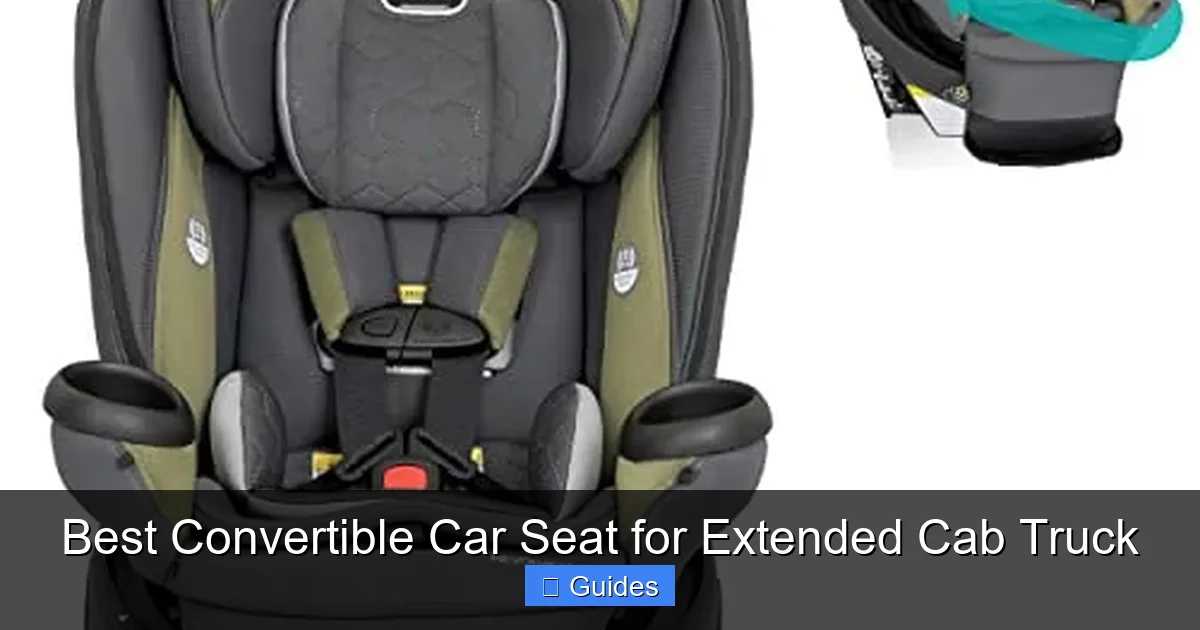
Visual guide about Best Convertible Car Seat for Extended Cab Truck
Image source: rcfact.com
Proper installation is critical—especially in a vehicle with limited space. Here’s a step-by-step guide to help you install your convertible car seat safely and securely.
Step 1: Read Both Manuals
Before you begin, read the car seat manual and your truck’s owner’s manual. Look for information on LATCH weight limits, seat belt locking mechanisms, and rear seat configuration. Some trucks have unique seat designs that affect installation.
Step 2: Choose the Right Position
In most extended cab trucks, the center rear seat is the safest spot for a car seat—it’s farthest from side impacts. However, if your truck has a bench seat with limited center space, the passenger-side seat may be your only option. Avoid installing in the driver’s side rear seat if it interferes with driver visibility or seat movement.
Step 3: Use LATCH or Seat Belt
Use the LATCH system if your child weighs under the seat’s LATCH limit (usually 40–65 pounds). LATCH is easier to use and often provides a tighter installation. If your child exceeds the LATCH limit or your truck doesn’t have lower anchors in the desired position, use the seat belt with a locking clip or retractor.
Step 4: Check Recline Angle
For rear-facing installation, use a pool noodle or rolled towel under the seat base to achieve the correct recline angle (usually 30–45 degrees). Most seats have a built-in level indicator. Avoid over-reclining, as this can reduce effectiveness in a crash.
Step 5: Tighten and Test
Pull the LATCH strap or seat belt tight—there should be less than one inch of movement at the belt path when you wiggle the seat. Have a certified Child Passenger Safety Technician (CPST) check your installation if possible. Many local fire departments or hospitals offer free inspections.
Tips for Maximizing Space and Comfort
Living with a car seat in an extended cab truck means making smart choices about space and comfort. Here are some practical tips to help you get the most out of your setup.
Use a Car Seat Protector
A high-quality car seat protector prevents wear and tear on your truck’s upholstery and makes cleanup easier. Look for one with a non-slip bottom and waterproof lining.
Keep Essentials in the Front
Store diapers, wipes, and toys in the front seat or center console to reduce clutter in the back. This keeps the rear cabin open and makes it easier to access your child.
Adjust Front Seats Thoughtfully
If the car seat pushes against the front seat, try adjusting the front seat’s recline or lumbar support to create more space. Avoid removing headrests or disabling airbags.
Consider a Backseat Organizer
A hanging organizer with cup holders, pockets, and tablet mounts can keep kids entertained and reduce the need for loose items in the cabin.
Plan for Growth
As your child grows, you’ll transition from rear-facing to forward-facing. Forward-facing seats take up less depth, so you’ll gain back some space. Use this time to reassess your setup and make adjustments.
Final Thoughts: Making the Right Choice for Your Family
Choosing the best convertible car seat for extended cab truck use doesn’t have to be stressful. By focusing on compact design, easy installation, and proven safety features, you can find a seat that fits your vehicle and protects your child.
Remember, the “best” seat is the one that installs securely, fits your truck, and meets your family’s needs. Don’t be swayed by flashy features—prioritize safety, comfort, and compatibility. And when in doubt, consult a certified technician to ensure your installation is correct.
With the right seat, your extended cab truck can be a safe, comfortable, and practical vehicle for years of family adventures.
Frequently Asked Questions
Can I fit three car seats in an extended cab truck?
It’s rare but possible in some models with ultra-slim seats like the Diono Radian 3RXT. However, most extended cab trucks only comfortably fit one or two car seats due to narrow rear benches and limited legroom.
Is it safe to install a car seat in the front seat of a truck?
No, it’s not recommended. The back seat is always the safest place for children under 13. If you must use the front seat, disable the passenger airbag and move the seat as far back as possible.
How do I know if a car seat will fit in my extended cab truck?
Measure your rear seat depth and width, then compare it to the car seat’s specifications. Check manufacturer websites for vehicle fit guides or contact customer service for compatibility advice.
Can I use a convertible seat from birth?
Yes, as long as it’s rated for rear-facing use from 4 or 5 pounds. Look for models with infant inserts and low minimum weight limits to ensure a safe fit for newborns.
What’s the difference between LATCH and seat belt installation?
LATCH uses anchors in the vehicle for easier installation, but has weight limits. Seat belt installation works for all weights and is equally safe when done correctly—just ensure the belt locks securely.
How often should I replace a convertible car seat?
Replace it after a moderate or severe crash, if it’s past the expiration date (usually 6–10 years), or if it shows signs of wear like cracks or frayed straps.

At CarLegit, we believe information should be clear, factual, and genuinely helpful. That’s why every guide, review, and update on our website is created with care, research, and a strong focus on user experience.