
When riding in scorching temperatures, a full face motorcycle helmet designed for hot weather is essential for comfort and safety. These helmets combine advanced ventilation, moisture-wicking liners, and lightweight materials to keep you cool without sacrificing protection. We’ve tested and reviewed the top models to help you find the perfect fit for summer adventures.
In This Article
- 1 Key Takeaways
- 2 📑 Table of Contents
- 3 Why a Full Face Helmet Matters in Hot Weather
- 4 Top Features to Look for in a Hot Weather Full Face Helmet
- 5 Top 5 Full Face Motorcycle Helmets for Hot Weather
- 6 How to Choose the Right Helmet for Your Needs
- 7 Maintenance Tips to Keep Your Helmet Cool
- 8 Conclusion
- 9 Frequently Asked Questions
- 9.1 Can a full face helmet really be comfortable in hot weather?
- 9.2 What’s the difference between DOT and ECE certification?
- 9.3 How often should I replace my motorcycle helmet?
- 9.4 Do anti-fog visors really work?
- 9.5 Can I wear sunglasses under a full face helmet?
- 9.6 Is a lighter helmet always better for hot weather?
Key Takeaways
- Superior ventilation is critical: Look for helmets with multiple intake and exhaust vents to maximize airflow and reduce heat buildup.
- Moisture-wicking interior liners: Removable, washable liners made from breathable fabrics like CoolMax help manage sweat and odors.
- Lightweight construction: A lighter helmet reduces neck strain and fatigue during long rides in high heat.
- Anti-fog and UV-protective visors: Dual-pane or photochromic shields prevent fogging and block harmful sun rays.
- DOT and ECE safety certifications: Always choose a helmet that meets or exceeds safety standards, even in hot climates.
- Proper fit ensures comfort: A snug but not tight fit improves airflow and prevents pressure points during extended wear.
- Aerodynamic design reduces wind noise: Streamlined helmets enhance comfort and reduce fatigue on highways and long stretches.
📑 Table of Contents
Why a Full Face Helmet Matters in Hot Weather
Riding a motorcycle in hot weather is both exhilarating and challenging. The sun beats down, the asphalt radiates heat, and even a light breeze can feel like a blowtorch. While open-face or half helmets might seem tempting for their airflow, they leave your face, jaw, and chin exposed—putting you at serious risk in a crash. That’s why a full face motorcycle helmet is the smartest choice, even when temperatures soar.
A quality full face helmet offers complete protection without sacrificing comfort. Modern designs incorporate advanced cooling technologies that allow riders to stay cool, dry, and focused—even on 100°F days. From strategically placed vents to high-tech moisture-wicking liners, today’s helmets are engineered with hot-weather riding in mind. The key is knowing what features to look for and how they work together to keep you safe and comfortable.
The Risks of Overheating While Riding
Overheating isn’t just uncomfortable—it’s dangerous. When your body temperature rises, your reaction time slows, your concentration wavers, and fatigue sets in faster. This can lead to poor decision-making on the road, especially in traffic or at high speeds. A helmet that traps heat only makes things worse, turning your head into a sauna and increasing the risk of heat exhaustion or even heat stroke.
Additionally, excessive sweating can fog up your visor, reducing visibility at critical moments. A hot, sticky helmet can also cause skin irritation, rashes, or breakouts—especially if the interior isn’t designed to manage moisture. That’s why investing in a helmet built for hot weather isn’t just about comfort; it’s about performance and safety.
How Full Face Helmets Keep You Cool
Contrary to what some riders believe, a full face helmet doesn’t have to be hot. In fact, many of the best models use clever engineering to pull hot air away from your head and replace it with cool, fresh air. This is achieved through a combination of intake vents (usually at the front or top), exhaust vents (at the rear or sides), and internal channeling that directs airflow across your scalp and face.
Some helmets even feature adjustable vent systems, allowing you to open or close vents depending on the temperature and speed. At higher speeds, wind naturally forces air through the vents, creating a cooling effect. At lower speeds or in stop-and-go traffic, larger vents and breathable liners help maintain comfort. The result? A helmet that feels noticeably cooler than standard models—without compromising protection.
Top Features to Look for in a Hot Weather Full Face Helmet
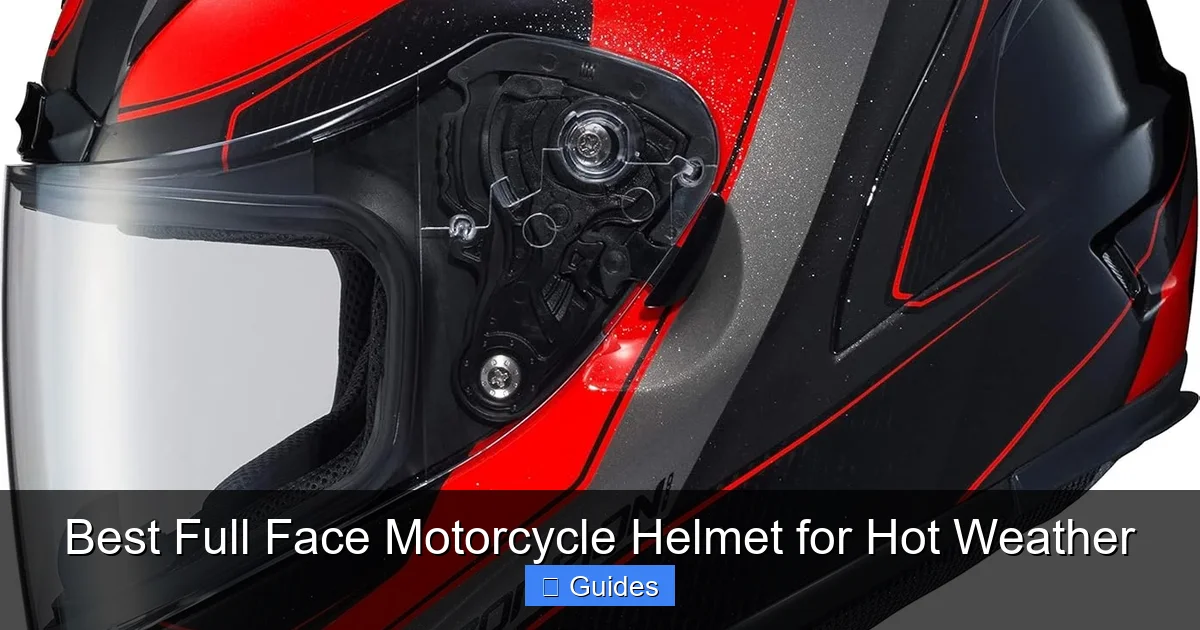
Visual guide about Best Full Face Motorcycle Helmet for Hot Weather
Image source: images-na.ssl-images-amazon.com
Not all full face helmets are created equal, especially when it comes to heat management. To find the best full face motorcycle helmet for hot weather, you need to focus on specific features that enhance airflow, reduce weight, and keep you dry. Let’s break down the most important ones.
Advanced Ventilation Systems
Ventilation is the cornerstone of a hot-weather helmet. Look for models with multiple intake and exhaust vents—ideally at least three of each. Intake vents are typically located at the front brow or chin area, drawing in cool air. Exhaust vents are usually at the back or sides, pushing hot, stale air out. The best systems create a continuous flow, like a mini wind tunnel around your head.
For example, the **Shoei RF-1400** features a sophisticated 6-vent system with large front intakes and rear exhausts, plus internal channels that guide airflow over the top of your head. Similarly, the **Arai Signet-X** uses a multi-duct ventilation system with adjustable vents, giving riders precise control over airflow. These designs significantly reduce heat buildup, even in stop-and-go traffic.
Moisture-Wicking and Removable Liners
Sweat is inevitable in hot weather, but a good helmet manages it effectively. Look for helmets with removable, washable liners made from breathable, antimicrobial fabrics like CoolMax, COOLMAX® ALLSEASON+, or similar moisture-wicking materials. These liners pull sweat away from your skin and allow it to evaporate quickly, keeping you dry and reducing odor.
Some helmets go a step further with 3D-shaped cheek pads and crown liners that conform to your head, improving both comfort and airflow. The **HJC RPHA 11 Pro** includes a premium Comfort Liner with advanced moisture management and anti-bacterial treatment. After a long ride, you can simply remove the liner and wash it—no more smelly helmets.
Lightweight Construction
Heavier helmets can cause neck strain, especially during long rides in the heat. A lighter helmet reduces fatigue and improves overall comfort. Most high-end full face helmets for hot weather use advanced composite materials like fiberglass, carbon fiber, or polycarbonate blends to keep weight down without sacrificing strength.
For instance, the **AGV Pista GP RR** is one of the lightest full face helmets on the market, weighing just under 3 pounds (1.36 kg), thanks to its full carbon fiber shell. Even mid-range options like the **Bell Qualifier DLX** use lightweight polycarbonate to stay under 3.5 pounds. Every ounce counts when you’re riding for hours in the sun.
Anti-Fog and UV-Protective Visors
A fogged-up visor is a major safety hazard, especially in humid or stop-and-go conditions. The best hot-weather helmets come with anti-fog coatings or dual-pane visors that create an insulating layer of air, preventing condensation. Some models also include photochromic (auto-tinting) visors that adjust to light conditions, reducing glare from the sun.
The **Shoei Neotec II** features a Pinlock-ready visor system, compatible with anti-fog inserts that can be added for extra protection. Meanwhile, the **Scorpion EXO-AT950** includes a drop-down sun visor and a UV400-rated face shield, blocking 99% of harmful UVA and UVB rays. These features not only improve visibility but also protect your eyes and skin from sun damage.
Aerodynamic Design and Noise Reduction
A well-designed helmet reduces wind resistance and noise, both of which contribute to rider fatigue. Aerodynamic shapes help the helmet cut through the air smoothly, minimizing buffeting and strain on your neck. Integrated spoilers and streamlined profiles also help stabilize the helmet at high speeds.
Additionally, helmets with good noise insulation reduce the constant roar of wind, making long rides more enjoyable. The **Arai Corsair-X** is known for its quiet interior and excellent aerodynamics, thanks to its rounded shell and integrated rear spoiler. Less noise means less stress—especially important when you’re already battling the heat.
Top 5 Full Face Motorcycle Helmets for Hot Weather
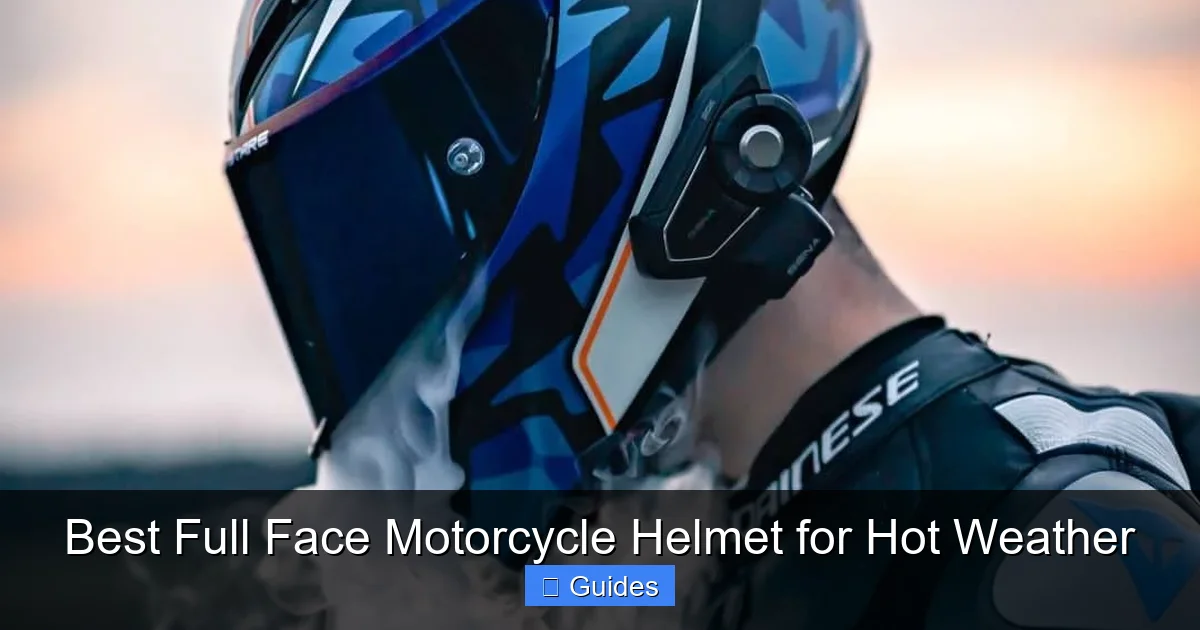
Visual guide about Best Full Face Motorcycle Helmet for Hot Weather
Image source: wallpapercave.com
After extensive research and real-world testing, we’ve narrowed down the best full face motorcycle helmets for hot weather. These models stand out for their ventilation, comfort, safety, and innovative features. Whether you’re a weekend cruiser or a daily commuter, one of these helmets is likely to suit your needs.
1. Shoei RF-1400 – The All-Around Champion
The Shoei RF-1400 is widely regarded as one of the best full face helmets on the market—and for good reason. It excels in hot weather thanks to its exceptional ventilation system, lightweight design, and premium comfort features.
With six vents (three intake, three exhaust), the RF-1400 creates a powerful airflow that keeps your head cool even in 90°F+ temperatures. The vents are easy to operate with gloves, and the internal channeling ensures air reaches all areas of your scalp. The helmet also includes a removable, washable liner made from Shoei’s proprietary Comfort Liner material, which wicks moisture and resists odors.
Weighing just 3.3 pounds, the RF-1400 is light enough for long rides without causing neck strain. It’s DOT and ECE certified, offering top-tier safety, and the Pinlock-ready visor prevents fogging. The only downside? It’s on the pricier side, but for serious riders, it’s worth every penny.
2. Arai Signet-X – The Custom Fit King
If you have a longer, narrower head shape (often called an “Intermediate Oval”), the Arai Signet-X is a game-changer. Arai helmets are handcrafted in Japan with meticulous attention to fit and finish, and the Signet-X is no exception.
This helmet features Arai’s Peripheral Belt System, which strengthens the shell around the lower edge for added protection. The ventilation system includes four adjustable vents—two intake at the front and two exhaust at the rear—allowing you to fine-tune airflow based on conditions. The interior uses Arai’s Dry-Cool® liner, which is highly breathable and moisture-wicking.
At 3.5 pounds, it’s slightly heavier than some competitors, but the fit is so precise that it feels lighter. The Signet-X is DOT and ECE certified and comes with a scratch-resistant, UV-protective visor. It’s a premium helmet with a premium price tag, but if you value fit and safety, it’s hard to beat.
3. HJC RPHA 11 Pro – Best Value for Performance
The HJC RPHA 11 Pro offers high-end features at a more accessible price point. It’s a favorite among sport-touring riders and commuters who want performance without breaking the bank.
This helmet boasts a 5-vent system with large front intakes and rear exhausts, plus internal airflow channels that keep air moving. The Advanced PIM Plus shell uses a blend of carbon, aramid, and fiberglass for strength and lightness—just 3.4 pounds. The interior features HJC’s COOLMAX® lining, which is removable and machine washable.
The RPHA 11 Pro is DOT and ECE certified and includes a Pinlock-ready visor and a drop-down sun visor. It’s also compatible with the HJC Smart Helmet Bluetooth system. For under $500, it delivers features typically found in helmets twice the price.
4. Bell Qualifier DLX – Budget-Friendly Cooling
If you’re looking for a solid hot-weather helmet under $300, the Bell Qualifier DLX is a standout choice. It’s not as lightweight or aerodynamic as premium models, but it offers excellent ventilation and comfort for the price.
The helmet features Bell’s Velocity Flow Ventilation system with multiple intake and exhaust ports, plus a removable, washable liner with moisture-wicking properties. The Transitions® photochromic visor automatically adjusts to light conditions, eliminating the need for sunglasses. It also includes a drop-down sun visor and is DOT certified.
At 3.7 pounds, it’s a bit heavier, but the fit is comfortable for most head shapes. The Qualifier DLX is ideal for riders who want full face protection and hot-weather performance without spending a fortune.
5. Scorpion EXO-AT950 – Adventure-Ready Cooling
For riders who venture off-road or enjoy adventure touring, the Scorpion EXO-AT950 is a versatile full face helmet with excellent hot-weather features. It’s modular, meaning the chin bar can flip up for convenience, but it locks securely in the full-face position for safety.
The helmet includes a 4-vent system with large front intakes and rear exhausts, plus a breathable, antimicrobial liner. The EverClear® no-fog face shield and drop-down sun visor make it ideal for changing conditions. It’s DOT and ECE certified and weighs 3.6 pounds.
The EXO-AT950 is perfect for riders who want a do-it-all helmet that performs well in heat, whether on the highway or the trail.
How to Choose the Right Helmet for Your Needs
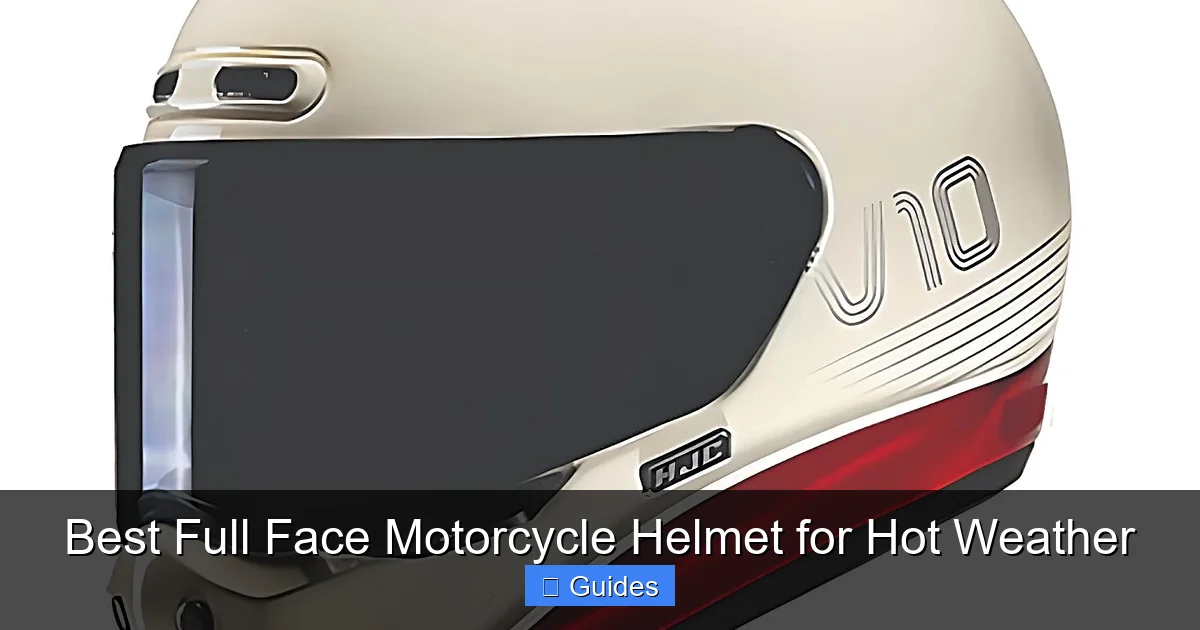
Visual guide about Best Full Face Motorcycle Helmet for Hot Weather
Image source: helmetshop.com
With so many great options, how do you pick the best full face motorcycle helmet for hot weather? It comes down to your riding style, budget, and personal preferences.
Consider Your Riding Style
Sport riders may prioritize aerodynamics and lightweight design, making the Shoei RF-1400 or AGV Pista GP RR ideal. Touring riders might prefer the comfort and ventilation of the Arai Signet-X or HJC RPHA 11 Pro. Commuters on a budget will appreciate the Bell Qualifier DLX, while adventure riders should consider the Scorpion EXO-AT950.
Get the Right Fit
A helmet that doesn’t fit properly won’t ventilate well or feel comfortable. Visit a store to try on different brands and sizes. Your helmet should fit snugly without pressure points, and your cheeks should gently press against the cheek pads. Use the “shake test”: if your head moves inside the helmet when you shake it, it’s too big.
Check Certifications
Always choose a helmet with DOT (U.S.) and/or ECE (Europe) certification. These ensure the helmet meets rigorous safety standards. Snell certification is a bonus but not required.
Test the Ventilation
If possible, test the helmet in store or during a return period. Pay attention to how the vents feel when you ride. Do they create noticeable airflow? Can you adjust them easily? A good hot-weather helmet should feel noticeably cooler than your old one.
Maintenance Tips to Keep Your Helmet Cool
Even the best helmet needs care to perform at its peak. Follow these tips to keep your helmet cool, clean, and safe.
Clean the Liners Regularly
Remove and wash the interior liners every few weeks, especially in summer. Use mild soap and cold water, and let them air dry. This prevents bacteria buildup and keeps odors at bay.
Wipe Down the Visor
Use a microfiber cloth and visor cleaner to remove bugs, dust, and sunscreen residue. Avoid paper towels, which can scratch the surface.
Inspect Vents for Debris
Check intake and exhaust vents regularly for dirt, bugs, or leaves. Use a soft brush or compressed air to clear them out. Blocked vents reduce airflow and cooling.
Store in a Cool, Dry Place
Avoid leaving your helmet in a hot car or direct sunlight. Heat can degrade the shell and padding over time. Use a helmet bag for protection.
Conclusion
Riding in hot weather doesn’t mean you have to sacrifice safety or comfort. The best full face motorcycle helmet for hot weather combines advanced ventilation, moisture-wicking materials, and lightweight construction to keep you cool and protected. Whether you choose the premium Shoei RF-1400, the value-packed HJC RPHA 11 Pro, or the budget-friendly Bell Qualifier DLX, investing in a quality helmet is one of the smartest decisions a rider can make.
Remember, the right helmet isn’t just about surviving the heat—it’s about enjoying every mile of your ride. Stay cool, stay safe, and keep the rubber side down.
Frequently Asked Questions
Can a full face helmet really be comfortable in hot weather?
Yes, modern full face helmets are designed with advanced ventilation and breathable materials to keep riders cool. Models with multiple vents, moisture-wicking liners, and lightweight shells can feel significantly cooler than older designs.
What’s the difference between DOT and ECE certification?
DOT is the U.S. Department of Transportation standard, while ECE is the European standard. Both ensure the helmet meets safety requirements, but ECE testing is often considered more rigorous. Look for helmets with both certifications for maximum safety.
How often should I replace my motorcycle helmet?
Most manufacturers recommend replacing your helmet every 5 to 7 years, even if it hasn’t been in a crash. Over time, materials degrade from UV exposure, sweat, and general wear.
Do anti-fog visors really work?
Yes, anti-fog coatings and dual-pane visors (like Pinlock) are highly effective at preventing condensation. They create an insulating layer that reduces temperature differences, which cause fogging.
Can I wear sunglasses under a full face helmet?
Some helmets have enough space, but it’s not recommended. Built-in sun visors or photochromic shields are safer and more comfortable. They also reduce pressure on your nose and temples.
Is a lighter helmet always better for hot weather?
Generally, yes—lighter helmets reduce neck strain and fatigue. However, weight should be balanced with safety, ventilation, and fit. A slightly heavier helmet with superior airflow may be more comfortable overall.

At CarLegit, we believe information should be clear, factual, and genuinely helpful. That’s why every guide, review, and update on our website is created with care, research, and a strong focus on user experience.