
Choosing the right motorcycle tires for wet and dry roads is essential for safety, control, and performance. This guide breaks down top-rated tires that deliver exceptional grip, stability, and longevity across both conditions, helping you ride with confidence no matter the weather.
When you’re out on the open road, your motorcycle tires are the only thing connecting you to the pavement. Whether you’re carving through mountain passes on a sunny day or navigating city streets during a sudden downpour, the right tires can mean the difference between a smooth ride and a dangerous situation. That’s why choosing the best motorcycle tires for wet and dry roads isn’t just a matter of preference—it’s a safety essential.
Motorcycle tires are engineered to handle a wide range of conditions, but no single tire is perfect for every scenario. Some prioritize dry grip for sport riding, while others focus on wet-weather performance for commuters. The sweet spot? A tire that delivers reliable traction, responsive handling, and long-lasting durability across both wet and dry surfaces. Fortunately, modern tire technology has made this balance more achievable than ever.
In this guide, we’ll explore what makes a great all-weather motorcycle tire, highlight top-performing models, and share practical tips to help you make the best choice for your riding style and environment. Whether you’re a weekend warrior, a daily commuter, or a long-distance tourer, you’ll find valuable insights to keep you safe and confident on two wheels.
In This Article
- 1 Key Takeaways
- 2 📑 Table of Contents
- 3 Understanding Tire Performance in Wet and Dry Conditions
- 4 Key Features to Look for in All-Weather Motorcycle Tires
- 5 Top Motorcycle Tires for Wet and Dry Roads
- 6 How to Maintain Your Tires for Optimal Performance
- 7 Choosing the Right Tire for Your Riding Style
- 8 Final Thoughts: Safety First, Always
- 9 Frequently Asked Questions
- 9.1 What’s the difference between sport and touring motorcycle tires?
- 9.2 Can I use the same tire in winter and summer?
- 9.3 How often should I replace my motorcycle tires?
- 9.4 Do expensive tires really make a difference?
- 9.5 Can I mix different tire brands on my motorcycle?
- 9.6 What’s the best way to break in new motorcycle tires?
Key Takeaways
- Dual-compound treads improve grip: Tires with dual or multi-compound construction offer better traction in both dry and wet conditions by using softer rubber on the edges and harder rubber in the center.
- Tread pattern matters for water dispersion: Deep grooves and siping help channel water away, reducing hydroplaning risk and improving wet-weather safety.
- Rubber compound determines performance: Softer compounds provide better grip but wear faster; harder compounds last longer but may sacrifice some traction.
- Sport-touring tires offer the best balance: Designed for long-distance riders, these tires perform well in varied weather and deliver consistent handling.
- Check tire pressure regularly: Proper inflation is critical for optimal performance, especially when switching between hot dry roads and cool wet conditions.
- Brand reputation and reviews count: Trusted brands like Michelin, Pirelli, and Bridgestone consistently deliver reliable, high-performance tires.
- Replace tires before they’re worn out: Even if tread looks okay, aging rubber loses grip—replace tires every 3–5 years regardless of wear.
📑 Table of Contents
Understanding Tire Performance in Wet and Dry Conditions
Riding in the rain is inherently more dangerous than riding in dry weather. Water on the road reduces traction, increases stopping distances, and raises the risk of hydroplaning. But even on dry roads, tire performance can vary dramatically based on temperature, road surface, and riding style. To choose the best motorcycle tires for wet and dry roads, it helps to understand how tires behave under different conditions.
How Tires Grip the Road
Traction—the friction between your tire and the road—is what allows you to accelerate, brake, and corner safely. This grip depends on several factors: the rubber compound, tread design, tire pressure, and road surface. In dry conditions, tires with softer rubber compounds can deform slightly to maximize contact with the pavement, creating more grip. But in wet conditions, that same soft rubber must also channel water away to prevent the tire from losing contact with the road.
The Challenge of Wet Roads
Water acts as a lubricant, reducing the friction between your tire and the road. When too much water builds up under the tire, it can cause hydroplaning—a dangerous situation where the tire rides on top of the water instead of gripping the pavement. To combat this, wet-weather tires feature deeper grooves, more siping (small slits in the tread blocks), and specialized compounds that stay flexible in cooler, wet conditions.
Dry Road Demands
On dry roads, especially during spirited riding or high-speed cornering, tires need to maintain consistent grip and stability. Harder rubber compounds are often used in the center of the tire to resist wear from straight-line riding, while softer compounds on the shoulders provide extra grip when leaned over. However, harder rubber can struggle in wet conditions, which is why many high-performance tires use dual-compound construction.
Finding the Balance
The ideal all-weather motorcycle tire strikes a balance between wet and dry performance. It should offer confident grip in the rain without sacrificing dry-road handling or longevity. This balance is especially important for riders who face unpredictable weather or travel long distances across varied climates.
Key Features to Look for in All-Weather Motorcycle Tires
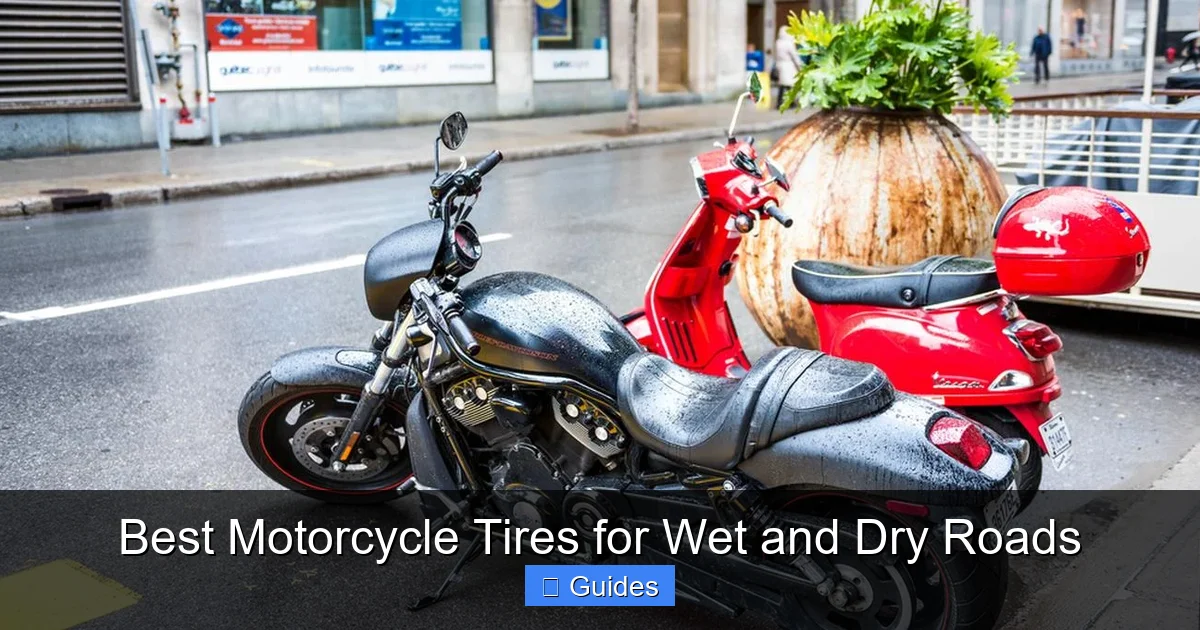
Visual guide about Best Motorcycle Tires for Wet and Dry Roads
Image source: assets.website-files.com
Not all motorcycle tires are created equal. When shopping for tires that perform well in both wet and dry conditions, focus on these critical features.
Rubber Compound
The rubber compound is the foundation of tire performance. Softer compounds provide better grip because they conform to the road surface, but they wear out faster. Harder compounds last longer but may feel slippery in wet or cold conditions. Many top-tier tires use dual- or triple-compound technology, where different parts of the tire are made from different rubber blends. For example, the center might use a harder compound for durability, while the edges use a softer compound for cornering grip.
Tread Pattern and Depth
Tread isn’t just for show—it’s essential for water evacuation. Deep, wide grooves help channel water away from the contact patch, reducing hydroplaning risk. Siping—tiny slits in the tread blocks—increases the number of biting edges, improving grip on wet or slippery surfaces. However, too much tread can reduce dry-road contact, so the best all-weather tires strike a balance with a pattern that works in both conditions.
Contact Patch Shape
The contact patch is the part of the tire that touches the road. A wider, more rounded patch improves cornering grip, while a flatter patch enhances straight-line stability. Sport-touring tires often feature a rounded profile that transitions smoothly from center to edge, making them ideal for both highway cruising and twisty roads.
Load and Speed Ratings
Always check the load and speed ratings on your tires. These indicate how much weight the tire can support and the maximum speed it’s designed for. Using tires with insufficient ratings can lead to overheating, blowouts, or poor handling. Most modern sport and touring bikes require high-speed-rated tires (like ZR or W ratings), so don’t skimp here.
Age and Storage
Even if a tire looks new, old rubber can lose elasticity and grip. Tires degrade over time due to exposure to UV light, heat, and oxygen. Most manufacturers recommend replacing tires every 3 to 5 years, regardless of tread depth. Always check the DOT date code on the sidewall—it tells you when the tire was manufactured.
Top Motorcycle Tires for Wet and Dry Roads
Visual guide about Best Motorcycle Tires for Wet and Dry Roads
Image source: carglassadvisor.com
Now that you know what to look for, let’s dive into some of the best motorcycle tires for wet and dry roads. These models have earned praise from riders and experts alike for their balanced performance, durability, and safety.
Michelin Road 6
The Michelin Road 6 is a standout in the sport-touring category, offering exceptional grip in both wet and dry conditions. It features Michelin’s XST+ siping technology, which creates hundreds of tiny edges to bite into wet pavement. The dual-compound construction uses a harder center for longevity and softer shoulders for cornering grip. Riders report confident handling in the rain and stable performance at highway speeds. It’s a top pick for riders who want one tire that does it all.
Pirelli Diablo Rosso IV
Designed for sport and sport-touring bikes, the Pirelli Diablo Rosso IV delivers aggressive dry performance without sacrificing wet-weather safety. Its silica-rich compound stays flexible in cooler temperatures, improving grip on damp roads. The asymmetric tread pattern features deep grooves for water evacuation and large shoulder blocks for cornering stability. While it’s more performance-oriented than some touring tires, it’s still a great choice for riders who want sporty handling with all-weather capability.
Bridgestone Battlax Hypersport S22
The S22 is Bridgestone’s flagship sport tire, built for riders who demand precision and control. It uses a dual-compound design with a high-grip silica compound on the shoulders and a durable center. The tread pattern includes wide grooves and fine siping for excellent wet performance. While it’s designed for sport bikes, it’s also a favorite among sport-touring riders who want responsive handling and strong wet-weather grip. Just be aware that its performance focus means it may wear faster than more touring-oriented tires.
Metzeler Roadtec 01 SE
Metzeler’s Roadtec 01 SE is a premium sport-touring tire that excels in varied conditions. It features a progressive tread design that adapts to different riding styles—smooth for cruising, aggressive for cornering. The multi-compound construction uses three different rubber blends across the tire profile, optimizing grip, wear, and stability. Riders praise its confidence-inspiring wet performance and long tread life, making it ideal for long-distance riders who face changing weather.
Continental RoadAttack 3
The RoadAttack 3 is a high-mileage sport-touring tire that doesn’t compromise on performance. It uses Continental’s 0° steel belt technology for stability and a silica-enhanced compound for wet grip. The tread pattern is designed to maintain consistent contact with the road, even in the rain. It’s a great option for riders who log serious miles and need a tire that lasts without sacrificing safety.
Dunlop Roadsmart IV
Dunlop’s Roadsmart IV is built for real-world riding—commuting, touring, and weekend adventures. It features a multi-compound design with a durable center and grippy shoulders. The tread includes deep grooves and siping for wet-weather performance, while the carcass is reinforced for stability at high speeds. It’s a reliable, well-rounded tire that offers excellent value for riders who want dependable all-weather performance.
How to Maintain Your Tires for Optimal Performance
Visual guide about Best Motorcycle Tires for Wet and Dry Roads
Image source: carglassadvisor.com
Even the best motorcycle tires won’t perform well if they’re not properly maintained. A few simple habits can extend tire life, improve safety, and ensure consistent performance in all conditions.
Check Tire Pressure Weekly
Proper inflation is critical. Underinflated tires overheat, wear unevenly, and reduce grip. Overinflated tires have a smaller contact patch and can feel harsh on rough roads. Check your tire pressure at least once a week, and always when the tires are cold (before riding). Use a quality gauge and follow the manufacturer’s recommended PSI, which is usually listed on the bike’s swingarm or in the owner’s manual.
Inspect for Wear and Damage
Regularly inspect your tires for signs of wear, cuts, cracks, or embedded objects. Look for uneven wear patterns, which could indicate alignment issues or improper inflation. The tread wear indicators (small raised bars in the grooves) will tell you when it’s time to replace the tire. Don’t wait until they’re completely worn—replace tires before they reach the wear bars.
Clean Tires Properly
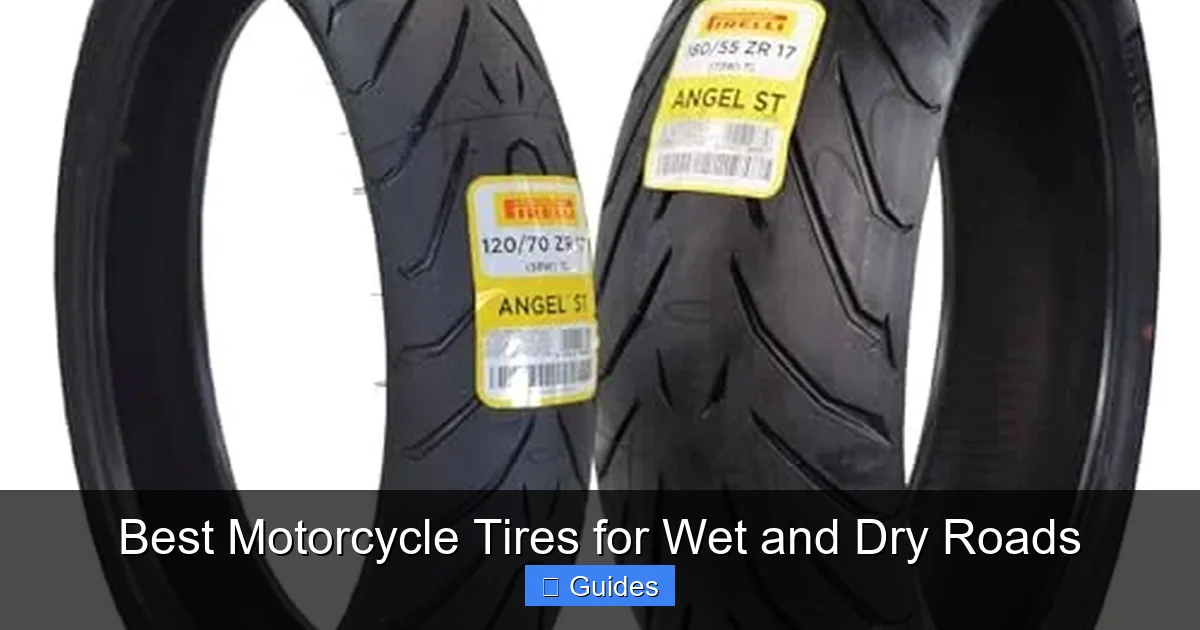
Dirt, oil, and grime can degrade rubber over time. Clean your tires with mild soap and water, and avoid harsh chemicals or petroleum-based cleaners. A soft brush can help remove debris from the tread without damaging the rubber.
Store Bikes Correctly
If you store your motorcycle for long periods, keep it off the ground using a stand to prevent flat spots. Store in a cool, dry place away from direct sunlight and ozone sources (like electric motors). Consider using tire covers for extra protection.
Rotate Tires (If Applicable)
While most motorcycles don’t allow tire rotation due to directional tread and fitment, some custom or vintage bikes may benefit from it. Check your owner’s manual or consult a mechanic if you’re unsure.
Choosing the Right Tire for Your Riding Style
Not every rider needs the same tire. Your choice should reflect how and where you ride most often.
Daily Commuters
If you ride to work every day, you need a tire that handles rain, potholes, and stop-and-go traffic. Look for a durable, all-weather tire with good wet grip and long tread life. The Michelin Road 6 or Dunlop Roadsmart IV are excellent choices.
Weekend Riders and Touring Enthusiasts
Long-distance riders need tires that offer comfort, stability, and reliability over thousands of miles. Sport-touring tires like the Metzeler Roadtec 01 SE or Continental RoadAttack 3 provide the perfect blend of performance and longevity.
Sport Riders
If you love twisty roads and aggressive riding, prioritize dry grip and cornering performance—but don’t ignore wet safety. The Pirelli Diablo Rosso IV or Bridgestone S22 offer sporty handling with respectable wet-weather capability.
Adventure and Dual-Sport Riders
For off-road capable bikes, consider dual-sport tires that handle both pavement and dirt. While not the focus of this guide, tires like the Michelin Anakee Adventure or Pirelli Scorpion Rally STR offer balanced performance for mixed terrain.
Final Thoughts: Safety First, Always
Your tires are your motorcycle’s only connection to the road. No matter how advanced your bike’s electronics or how skilled you are as a rider, poor tires can undo all that. Investing in the best motorcycle tires for wet and dry roads isn’t just about performance—it’s about safety.
Remember, the right tire depends on your bike, your riding style, and your local climate. Don’t just go for the cheapest option or the flashiest brand. Take the time to research, read reviews, and consult with experienced riders or mechanics. And once you’ve chosen your tires, maintain them diligently.
Riding is about freedom, adventure, and joy—but it’s also about responsibility. With the right tires, you can enjoy every mile with confidence, knowing you’re prepared for whatever the road throws your way.
Frequently Asked Questions
What’s the difference between sport and touring motorcycle tires?
Sport tires prioritize dry grip and cornering performance, often using softer compounds that wear faster. Touring tires focus on longevity, comfort, and all-weather reliability, making them better for long-distance or daily riding.
Can I use the same tire in winter and summer?
It depends on the tire and your climate. Some all-weather tires perform well year-round, but in areas with snow or extreme cold, dedicated winter tires or switching seasonally may be safer.
How often should I replace my motorcycle tires?
Replace tires every 3 to 5 years, even if tread looks good. Rubber degrades over time, reducing grip and increasing the risk of failure. Always check the DOT date code.
Do expensive tires really make a difference?
Yes—premium tires often use advanced compounds, construction, and tread designs that improve safety, performance, and longevity. The investment pays off in better handling and fewer replacements.
Can I mix different tire brands on my motorcycle?
It’s not recommended. Mixing brands or models can affect handling, balance, and safety. Always use matching tires front and rear, and consult your owner’s manual.
What’s the best way to break in new motorcycle tires?
Take it easy for the first 100 miles. Avoid hard braking, rapid acceleration, and aggressive cornering to allow the rubber to wear in evenly and develop full grip.

At CarLegit, we believe information should be clear, factual, and genuinely helpful. That’s why every guide, review, and update on our website is created with care, research, and a strong focus on user experience.