
Choosing the right oil filter for your 2016 Honda CR-V is essential for engine health and long-term performance. This guide breaks down the top-rated filters, what to look for, and why quality matters—so you can make a smart, informed decision without the guesswork.
In This Article
- 1 Key Takeaways
- 2 📑 Table of Contents
- 3 Why the Right Oil Filter Matters for Your 2016 Honda CR-V
- 4 Understanding Oil Filter Basics: What Makes a Good Filter?
- 5 Top 5 Oil Filters for the 2016 Honda CR-V
- 6 OEM vs. Aftermarket: Which Should You Choose?
- 7 How to Choose the Best Oil Filter for Your Driving Style
- 8 Installation Tips to Avoid Common Mistakes
- 9 Conclusion: Protect Your CR-V with the Right Oil Filter
- 10 Frequently Asked Questions
- 10.1 What oil filter fits a 2016 Honda CR-V?
- 10.2 Can I use a different oil filter on my CR-V?
- 10.3 How often should I change the oil filter in my 2016 CR-V?
- 10.4 Is it okay to go longer than 7,500 miles between oil changes?
- 10.5 What happens if I use the wrong oil filter?
- 10.6 Can I reuse an oil filter?
Key Takeaways
- Compatibility is critical: Not all oil filters fit the 2016 Honda CR-V—always verify thread size, gasket diameter, and height before buying.
- OEM vs. aftermarket: Honda Genuine filters offer exact fit and reliability, while quality aftermarket brands like Fram, K&N, and Mobil 1 provide excellent performance at lower prices.
- Filter media matters: Synthetic or multi-pass media traps more contaminants and lasts longer than standard cellulose filters.
- Anti-drainback valves prevent dry starts: This feature keeps oil in the filter when the engine is off, reducing wear during startup.
- Relief valves protect under pressure: A built-in bypass valve ensures oil flow continues if the filter clogs, preventing engine damage.
- Change intervals affect filter choice: If you follow Honda’s recommended 7,500-mile oil change schedule, choose a filter rated for extended use.
- Installation tips save time and leaks: Always lubricate the gasket with fresh oil and hand-tighten—never over-torque.
📑 Table of Contents
- Why the Right Oil Filter Matters for Your 2016 Honda CR-V
- Understanding Oil Filter Basics: What Makes a Good Filter?
- Top 5 Oil Filters for the 2016 Honda CR-V
- OEM vs. Aftermarket: Which Should You Choose?
- How to Choose the Best Oil Filter for Your Driving Style
- Installation Tips to Avoid Common Mistakes
- Conclusion: Protect Your CR-V with the Right Oil Filter
Why the Right Oil Filter Matters for Your 2016 Honda CR-V
Your 2016 Honda CR-V is a reliable, fuel-efficient SUV loved by families and commuters alike. But like any vehicle, its longevity depends heavily on regular maintenance—and one of the most overlooked yet vital components is the oil filter. While engine oil lubricates moving parts, the oil filter cleans that oil by trapping dirt, metal shavings, and other contaminants. Over time, a clogged or low-quality filter can lead to reduced oil flow, increased engine wear, and even catastrophic failure.
Think of the oil filter as your engine’s kidneys—it filters out the bad stuff so the good stuff (clean oil) can keep everything running smoothly. The 2016 CR-V, equipped with a 2.4L 4-cylinder engine, is designed to run efficiently with clean oil. Honda recommends changing the oil and filter every 7,500 miles under normal driving conditions, or every 3,750 miles if you frequently drive in severe conditions like stop-and-go traffic, extreme temperatures, or dusty environments. Using the right oil filter ensures that your engine stays protected throughout that interval.
But here’s the catch: not all oil filters are created equal. Some are built with cheap materials that degrade quickly, while others may not fit properly, leading to leaks or poor performance. That’s why choosing the best oil filter for your 2016 Honda CR-V isn’t just about picking the cheapest option—it’s about finding a balance of quality, compatibility, and value.
Understanding Oil Filter Basics: What Makes a Good Filter?
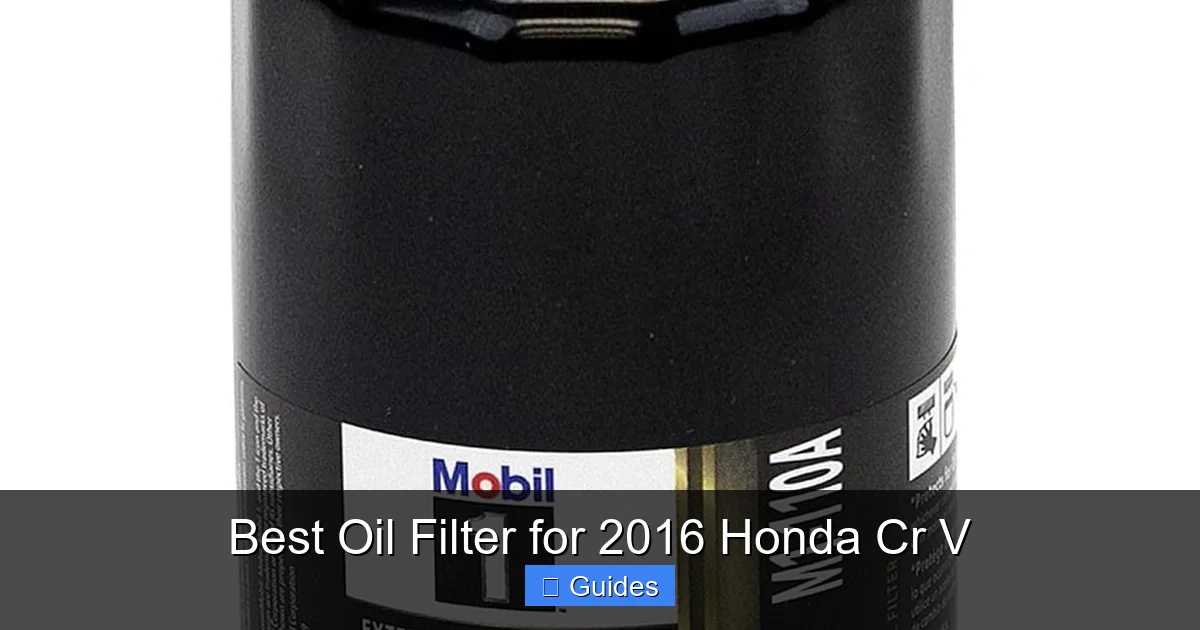
Visual guide about Best Oil Filter for 2016 Honda Cr V
Image source: i5.walmartimages.com
Before diving into specific recommendations, it helps to understand how oil filters work and what features set the best ones apart. At its core, an oil filter is a cylindrical canister that screws onto the engine block. Inside, a pleated filter media traps contaminants as oil passes through it. But the devil is in the details—literally.
Filter Media: The Heart of the Filter
The filter media is the material that actually captures dirt and debris. Most filters use either cellulose (paper), synthetic fibers, or a blend of both. Cellulose is affordable and effective for standard driving, but it can collapse under high heat or pressure. Synthetic media, on the other hand, is more durable, traps smaller particles, and maintains its structure longer—making it ideal for extended oil change intervals or harsh driving conditions.
For the 2016 Honda CR-V, a filter with synthetic or multi-pass synthetic media is a smart choice. It offers better filtration efficiency (often 99% or higher) and longer service life. Brands like K&N and Mobil 1 use high-flow synthetic media that doesn’t restrict oil flow, even when dirty.
Anti-Drainback Valve: Preventing Dry Starts
Ever started your car and heard a clattering noise from the engine? That’s often a sign of a dry start—when oil hasn’t reached critical components yet. This happens because oil drains out of the filter when the engine is off. An anti-drainback valve prevents this by sealing the filter and keeping oil inside when the engine shuts down.
This feature is especially important in the CR-V, which has a timing chain that relies on consistent oil pressure. A quality filter with a reliable anti-drainback valve reduces wear during startup and extends engine life.
Relief (Bypass) Valve: Safety Under Pressure
If the filter becomes clogged—say, from excessive sludge or debris—oil flow can be restricted. Without a relief valve, this could starve the engine of lubrication. A built-in bypass valve opens when pressure builds up, allowing unfiltered oil to circulate temporarily. While this isn’t ideal, it’s far better than no oil at all.
Most reputable filters include this safety feature. However, the spring tension and design vary. A well-engineered relief valve opens at the right pressure (usually around 8–12 psi) and reseals properly once the filter is changed.
Sealing Gasket and Canister Quality
The rubber gasket creates a tight seal between the filter and engine. A poor-quality gasket can harden, crack, or deform, leading to leaks. Look for filters with nitrile rubber gaskets, which resist heat and oil degradation.
The outer canister should also be sturdy. Thin metal can dent or puncture during installation, especially if you’re using a filter wrench. A robust housing protects the internal components and ensures a secure fit.
Top 5 Oil Filters for the 2016 Honda CR-V
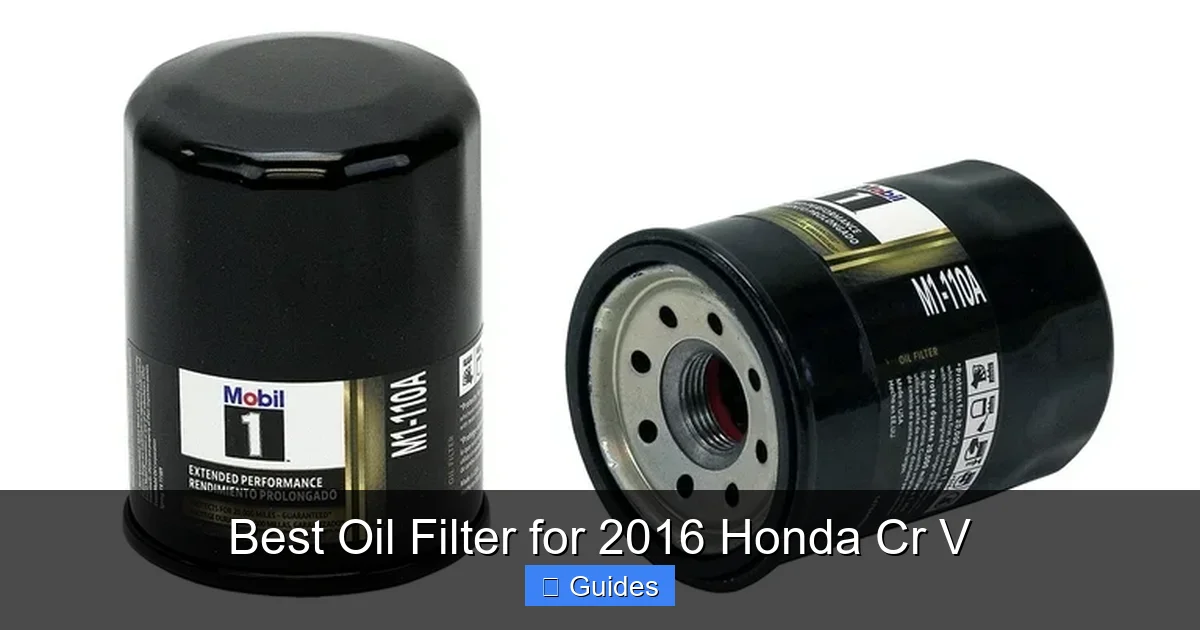
Visual guide about Best Oil Filter for 2016 Honda Cr V
Image source: i5.walmartimages.com
Now that you know what to look for, let’s explore the best oil filters available for your 2016 Honda CR-V. These picks are based on performance, reliability, customer reviews, and compatibility.
1. Honda Genuine 15400-PLR-A02 Oil Filter
If you want the exact filter designed for your CR-V, the Honda Genuine filter is the way to go. It’s engineered to meet Honda’s strict specifications and fits perfectly without modification. The filter uses high-quality synthetic media and includes both an anti-drainback valve and a relief valve.
Pros:
– Perfect fit and finish
– Trusted OEM quality
– Reliable performance and durability
Cons:
– More expensive than aftermarket options
– Limited availability at some retailers
This filter is ideal if you’re doing the oil change yourself and want peace of mind. It’s also a great choice if you’re selling your CR-V and want to show that it’s been maintained with genuine parts.
2. Fram PH7317 Extra Guard Oil Filter
Fram is one of the most recognized names in oil filtration, and the PH7317 is a top pick for the 2016 CR-V. It features a proprietary blend of synthetic and cellulose media, offering 98% filtration efficiency. The SureGrip textured exterior makes it easy to install and remove, even with oily hands.
Pros:
– Affordable price
– Excellent filtration for everyday driving
– Easy to install
Cons:
– Not ideal for extended oil change intervals
– Media may degrade faster under extreme conditions
The Fram PH7317 is a solid choice for drivers who stick to Honda’s recommended 7,500-mile oil change schedule and want reliable protection without breaking the bank.
3. K&N HP-1010 Performance Wrench-Off Oil Filter
K&N is known for high-performance filters, and the HP-1010 is no exception. It uses a premium synthetic media that captures 99% of contaminants and supports high oil flow rates. The built-in nut allows for wrench removal, making it a favorite among DIYers.
Pros:
– Superior filtration and flow
– Reusable gasket (in some models)
– Great for performance or extended drain intervals
Cons:
– Higher price point
– Slightly longer than some OEM filters (verify clearance)
The K&N HP-1010 is perfect if you’re looking for maximum engine protection, especially if you drive in harsh conditions or plan to keep your CR-V for many years.
4. Mobil 1 M1-212 Extended Performance Oil Filter
Mobil 1’s M1-212 is designed for extended oil change intervals—up to 15,000 miles when used with full synthetic oil. It features a multi-pass synthetic media and a robust anti-drainback valve. The filter is also tested to withstand high pressure and temperature extremes.
Pros:
– Excellent for long drain intervals
– High dirt-holding capacity
– Trusted brand with proven performance
Cons:
– More expensive
– Overkill for drivers who change oil frequently
If you use Mobil 1 synthetic oil and follow a 10,000–15,000-mile change schedule, this filter is a natural match. It’s also a great option if you want to reduce the frequency of oil changes without sacrificing protection.
5. WIX 51356XP Oil Filter
WIX is a respected aftermarket brand known for high-quality filters. The 51356XP uses a synthetic media with a 99.6% efficiency rating and includes a silicone anti-drainback valve for better heat resistance. The filter also has a high burst strength canister and a precision-molded gasket.
Pros:
– Excellent value for the performance
– Durable construction
– Great for both daily driving and severe conditions
Cons:
– Slightly harder to find in local stores
– May require a specific wrench for removal
The WIX 51356XP offers near-OEM performance at a fraction of the cost, making it a favorite among budget-conscious enthusiasts.
OEM vs. Aftermarket: Which Should You Choose?
Visual guide about Best Oil Filter for 2016 Honda Cr V
Image source: carglassadvisor.com
One of the biggest debates among car owners is whether to go with an OEM (Original Equipment Manufacturer) filter or an aftermarket alternative. Let’s break down the pros and cons.
OEM Filters: Precision and Peace of Mind
OEM filters, like the Honda Genuine 15400-PLR-A02, are made by the same company that supplies parts to Honda. They’re designed to exact specifications, ensuring a perfect fit and reliable performance. If you’re not experienced with car maintenance or want to avoid any risk of compatibility issues, OEM is the safest bet.
However, OEM filters are typically more expensive. For example, the Honda Genuine filter can cost $12–$18, while comparable aftermarket filters range from $6–$12. Over time, this adds up—especially if you change your oil twice a year.
Aftermarket Filters: Value and Performance
Quality aftermarket filters from brands like Fram, K&N, Mobil 1, and WIX often match or exceed OEM performance. Many use superior materials, such as synthetic media or silicone valves, and are rigorously tested. They’re also more widely available and cost less.
The key is to choose a reputable brand and verify compatibility. Look for filters that meet or exceed OEM specifications and have positive reviews from other CR-V owners. Avoid cheap, no-name filters—they may save you a few dollars upfront but could cost you thousands in engine repairs down the road.
When to Choose OEM
– You’re not confident in your mechanical skills
– You’re selling the vehicle and want to show OEM maintenance
– You prefer the assurance of factory-approved parts
When to Choose Aftermarket
– You want better performance or longer life
– You’re on a budget but still want quality
– You use synthetic oil and extended change intervals
Ultimately, both options can work well. The most important thing is to choose a filter that fits properly, has quality construction, and meets your driving needs.
How to Choose the Best Oil Filter for Your Driving Style
Not all drivers have the same needs. Your driving habits, environment, and maintenance routine should influence your oil filter choice.
City Driving and Short Trips
If you mostly drive in stop-and-go traffic or take frequent short trips, your engine doesn’t reach optimal operating temperature as often. This can lead to moisture buildup and sludge formation. In this case, choose a filter with excellent contaminant-holding capacity and a strong anti-drainback valve. The Mobil 1 M1-212 or WIX 51356XP are great options.
Highway and Long-Distance Driving
Highway driving is easier on the engine, but long distances can still generate heat and wear. A high-flow filter like the K&N HP-1010 ensures consistent oil pressure and protection, even at high speeds.
Severe Conditions
Honda defines “severe” driving as:
– Frequent short trips (less than 10 miles) in cold weather
– Driving in dusty or dirty environments
– Towing or carrying heavy loads
– Extreme temperatures (below 10°F or above 90°F)
In these cases, Honda recommends changing the oil every 3,750 miles. Use a filter rated for extended performance, such as the Mobil 1 M1-212 or K&N HP-1010, and consider using full synthetic oil for added protection.
DIY vs. Professional Oil Changes
If you change your own oil, you have more control over the filter choice. Look for filters with easy-grip designs (like Fram’s SureGrip) or wrench-off nuts (like K&N). If you go to a shop, ask what filter they use. Many shops use generic or low-cost filters unless you request otherwise.
Installation Tips to Avoid Common Mistakes
Even the best oil filter won’t help if it’s installed incorrectly. Here are some tips to ensure a smooth, leak-free oil change.
1. Always Use Fresh Oil to Lubricate the Gasket
Before installing the new filter, apply a thin layer of fresh engine oil to the rubber gasket. This helps create a better seal and prevents the gasket from sticking or tearing during removal next time.
2. Hand-Tighten Only
Screw the filter on by hand until the gasket touches the engine block. Then, give it an additional ¾ to 1 full turn. Over-tightening can crush the gasket, leading to leaks. Never use a wrench unless the filter has a built-in nut and you’re removing it.
3. Check for Double Gaskets
If you forget to remove the old gasket, the new filter won’t seat properly. Always inspect the mounting surface before installing the new filter.
4. Use the Correct Oil Type and Amount
The 2016 CR-V requires 4.4 quarts of 0W-20 oil (with filter change). Using the wrong viscosity or overfilling can cause pressure issues and reduce filter effectiveness.
5. Reset the Oil Life Monitor
After the oil change, reset the oil life indicator on your dashboard. This ensures you get accurate reminders for future changes.
Conclusion: Protect Your CR-V with the Right Oil Filter
Your 2016 Honda CR-V is a dependable vehicle, but its engine depends on clean oil to stay that way. Choosing the best oil filter isn’t just about filtering dirt—it’s about protecting your investment, improving performance, and extending the life of your engine.
Whether you go with the trusted Honda Genuine filter or a high-performance aftermarket option like the K&N HP-1010 or Mobil 1 M1-212, the key is to prioritize quality, compatibility, and your driving needs. Don’t skimp on the filter to save a few dollars—your engine will thank you in the long run.
Remember to follow Honda’s maintenance schedule, use the right oil, and install the filter correctly. With the right care, your CR-V can easily surpass 200,000 miles—and beyond.
Frequently Asked Questions
What oil filter fits a 2016 Honda CR-V?
The 2016 Honda CR-V uses a filter with a 3/4″-16 thread, 2.13″ gasket diameter, and 3.35″ height. Compatible models include Honda Genuine 15400-PLR-A02, Fram PH7317, K&N HP-1010, Mobil 1 M1-212, and WIX 51356XP. Always double-check fitment before purchasing.
Can I use a different oil filter on my CR-V?
Yes, as long as it matches the correct thread size, gasket diameter, and height. Many aftermarket filters are designed to be direct replacements. However, avoid cheap, unbranded filters that may not meet performance standards.
How often should I change the oil filter in my 2016 CR-V?
Honda recommends changing the oil and filter every 7,500 miles under normal driving conditions. If you drive in severe conditions (short trips, extreme temps, dust), change it every 3,750 miles.
Is it okay to go longer than 7,500 miles between oil changes?
Only if you use full synthetic oil and a high-quality filter rated for extended intervals, like the Mobil 1 M1-212. Even then, monitor oil condition and follow your owner’s manual guidelines.
What happens if I use the wrong oil filter?
An ill-fitting filter can leak, fail to seal, or even collapse under pressure. This can lead to oil loss, engine damage, and costly repairs. Always verify compatibility before installing.
Can I reuse an oil filter?
No. Oil filters are designed for single use. Reusing a filter can lead to clogging, poor oil flow, and engine damage. Always replace the filter with every oil change.

At CarLegit, we believe information should be clear, factual, and genuinely helpful. That’s why every guide, review, and update on our website is created with care, research, and a strong focus on user experience.