
Upgrading your 2004 Toyota Tacoma with the best shocks and struts can dramatically improve ride quality, stability, and off-road capability. Whether you’re tackling rough terrain or cruising city streets, the right suspension components make all the difference in comfort and control.
In This Article
- 1 Key Takeaways
- 2 📑 Table of Contents
- 3 Why Upgrading Shocks and Struts Matters for Your 2004 Toyota Tacoma
- 4 Understanding Shocks vs. Struts: What’s the Difference?
- 5 Signs It’s Time to Replace Your Shocks and Struts
- 6 Top Factors to Consider When Choosing Shocks and Struts
- 7 Best Shocks and Struts for 2004 Toyota Tacoma: Top Picks
- 8 Installation Tips and What to Expect
- 9 Maintaining Your New Shocks and Struts
- 10 Conclusion
- 11 Frequently Asked Questions
- 11.1 How often should I replace shocks and struts on my 2004 Tacoma?
- 11.2 Can I install shocks and struts myself?
- 11.3 Do I need an alignment after replacing struts?
- 11.4 Are aftermarket shocks better than OEM?
- 11.5 Can I mix different brands of shocks and struts?
- 11.6 Will new shocks improve my Tacoma’s fuel economy?
Key Takeaways
- Improved Ride Comfort: High-quality shocks and struts absorb bumps and vibrations, making daily driving smoother and more enjoyable.
- Enhanced Handling and Stability: Better suspension components reduce body roll during cornering and improve overall vehicle control.
- Off-Road Performance Boost: Upgraded shocks designed for rough terrain increase traction and durability on trails and uneven surfaces.
- Extended Tire Life: Proper suspension alignment and damping reduce uneven tire wear, saving you money in the long run.
- Customization for Load and Use: Choose shocks based on your Tacoma’s usage—daily driving, towing, or off-roading—for optimal performance.
- Easy Installation Options: Many aftermarket shocks and struts are designed for direct bolt-on replacement, making upgrades DIY-friendly.
- Long-Term Durability: Premium brands offer corrosion-resistant materials and advanced sealing to withstand harsh conditions and last longer.
📑 Table of Contents
- Why Upgrading Shocks and Struts Matters for Your 2004 Toyota Tacoma
- Understanding Shocks vs. Struts: What’s the Difference?
- Signs It’s Time to Replace Your Shocks and Struts
- Top Factors to Consider When Choosing Shocks and Struts
- Best Shocks and Struts for 2004 Toyota Tacoma: Top Picks
- Installation Tips and What to Expect
- Maintaining Your New Shocks and Struts
- Conclusion
Why Upgrading Shocks and Struts Matters for Your 2004 Toyota Tacoma
If you’re driving a 2004 Toyota Tacoma, you already know it’s a rugged, reliable pickup built to last. But even the toughest trucks need maintenance and upgrades over time—especially when it comes to suspension. The shocks and struts on your Tacoma are critical components that affect how your truck handles, rides, and responds to road conditions. Over time, these parts wear out, leading to a bouncy, unstable, or uncomfortable driving experience.
Replacing worn shocks and struts isn’t just about comfort—it’s about safety and performance. When your suspension system isn’t working properly, your tires lose contact with the road more easily, braking distances increase, and handling becomes unpredictable. Whether you use your Tacoma for daily commuting, weekend adventures, or heavy-duty towing, upgrading to the best shocks and struts for your 2004 Toyota Tacoma can transform your driving experience.
Think of shocks and struts like the legs of your truck. They support the weight, absorb impacts, and keep everything balanced. When they’re old or damaged, your truck feels unbalanced, especially over potholes, speed bumps, or off-road trails. Investing in high-quality replacements ensures your Tacoma rides smoothly, handles confidently, and stays reliable for years to come.
Understanding Shocks vs. Struts: What’s the Difference?
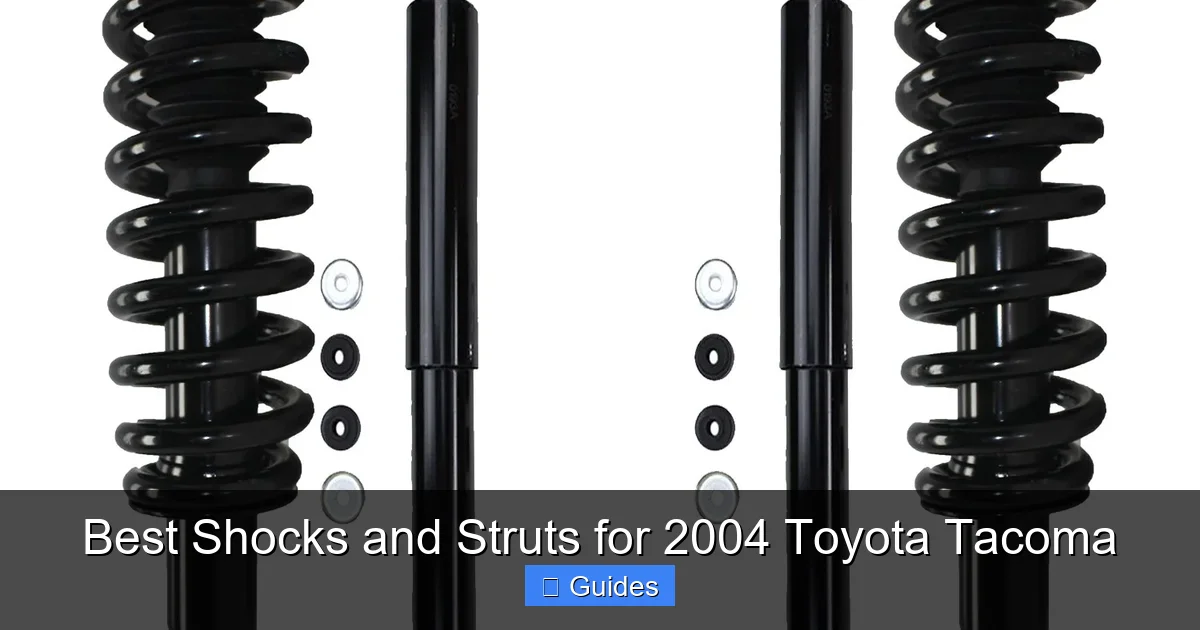
Visual guide about Best Shocks and Struts for 2004 Toyota Tacoma
Image source: boomocity.com
Before diving into the best options, it’s important to understand the difference between shocks and struts—two terms often used interchangeably but with distinct roles in your suspension system.
What Are Shocks?
Shock absorbers, or shocks, are standalone components that control the movement of your springs and suspension. They don’t support the vehicle’s weight but instead dampen the oscillations caused by bumps and dips in the road. Shocks work by converting kinetic energy from suspension movement into heat, which is then dissipated through hydraulic fluid. This process reduces bounce and keeps your tires in consistent contact with the road.
In the 2004 Toyota Tacoma, the rear suspension typically uses shocks. They’re mounted between the axle and the frame and are relatively easy to replace. High-performance shocks can significantly improve ride quality, especially if you frequently drive on rough roads or carry heavy loads.
What Are Struts?
Struts, on the other hand, are more complex. They combine a shock absorber with a structural component of the suspension system—often including a coil spring and mounting points for the steering knuckle. Because struts are integral to the suspension geometry, replacing them is more involved than swapping shocks. The front suspension of the 2004 Tacoma uses struts, which means any upgrade here will have a major impact on handling and alignment.
Struts support the vehicle’s weight and help maintain wheel alignment. When struts wear out, you may notice uneven tire wear, a drifting sensation while driving, or a knocking noise when going over bumps. Upgrading to performance struts can restore precise steering response and improve overall stability.
Why Both Matter for Your Tacoma
Your 2004 Tacoma relies on both shocks and struts to deliver a balanced ride. While the front struts handle steering and weight distribution, the rear shocks manage load and rebound. Replacing both—especially if they’re original equipment—ensures consistent performance across all four wheels. Whether you’re looking for a smoother daily drive or better off-road capability, upgrading both components is often the best approach.
Signs It’s Time to Replace Your Shocks and Struts
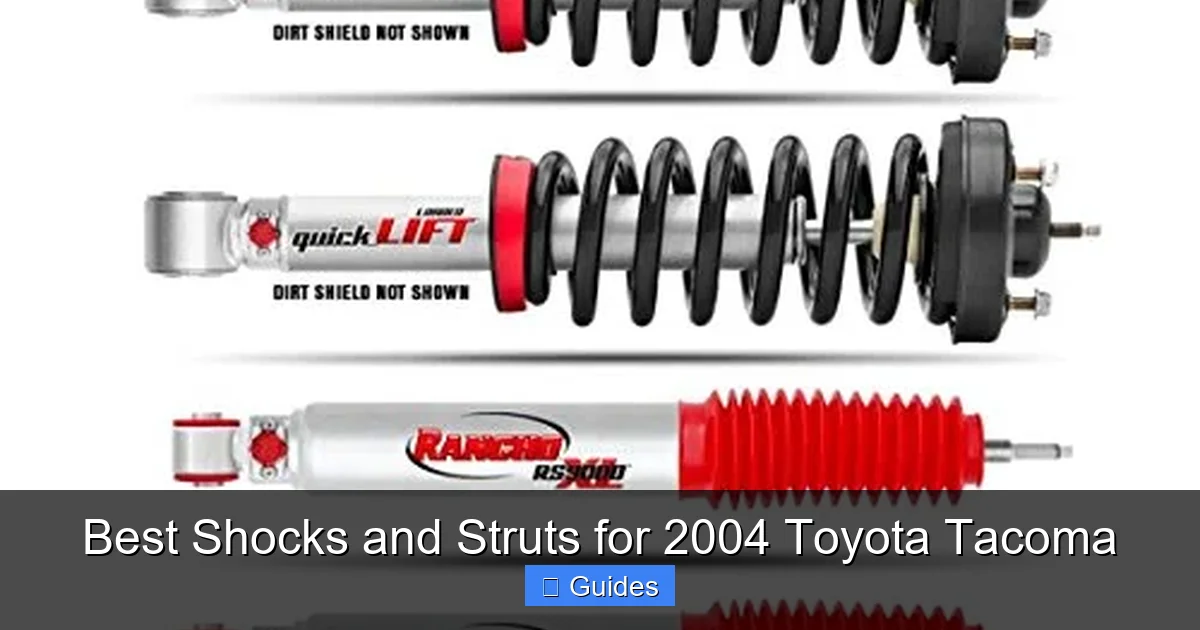
Visual guide about Best Shocks and Struts for 2004 Toyota Tacoma
Image source: boomocity.com
Knowing when to replace your shocks and struts can save you from costly repairs and unsafe driving conditions. Here are the most common signs that your 2004 Toyota Tacoma needs new suspension components.
Excessive Bouncing or Rebound
If your truck continues to bounce several times after hitting a bump, your shocks or struts are likely worn out. A simple test: press down firmly on each corner of your vehicle and release. If it bounces more than once or twice, it’s time for a replacement.
Poor Handling and Stability
Worn suspension components can cause your Tacoma to feel unstable, especially during sudden maneuvers or highway driving. You might notice increased body roll when turning, a floating sensation at higher speeds, or difficulty maintaining control in windy conditions.
Uneven Tire Wear
If your tires are wearing down unevenly—especially on the edges or in patches—it could be due to misalignment caused by failing struts. Proper suspension keeps tires flat on the road; when that’s compromised, wear patterns become irregular.
Leaking Fluid
Check the exterior of your shocks and struts for oil or fluid leaks. Hydraulic fluid should remain sealed inside; any visible leakage indicates internal damage and reduced damping ability.
Nose Diving or Rear Sag
When you brake hard, does the front of your Tacoma dip dramatically? Or does the rear end sag when you load it with gear? These are signs that your struts and shocks aren’t providing adequate resistance, compromising safety and comfort.
Knocking or Clunking Noises
Unusual noises from the suspension—especially when going over bumps or turning—can indicate worn mounts, bushings, or internal strut failure. Don’t ignore these sounds; they often point to serious issues.
Mileage and Age
Even if you don’t notice obvious symptoms, most manufacturers recommend inspecting shocks and struts every 50,000 miles. If your 2004 Tacoma has over 100,000 miles and still has original parts, it’s likely time for an upgrade—especially if you drive frequently or in harsh conditions.
Top Factors to Consider When Choosing Shocks and Struts
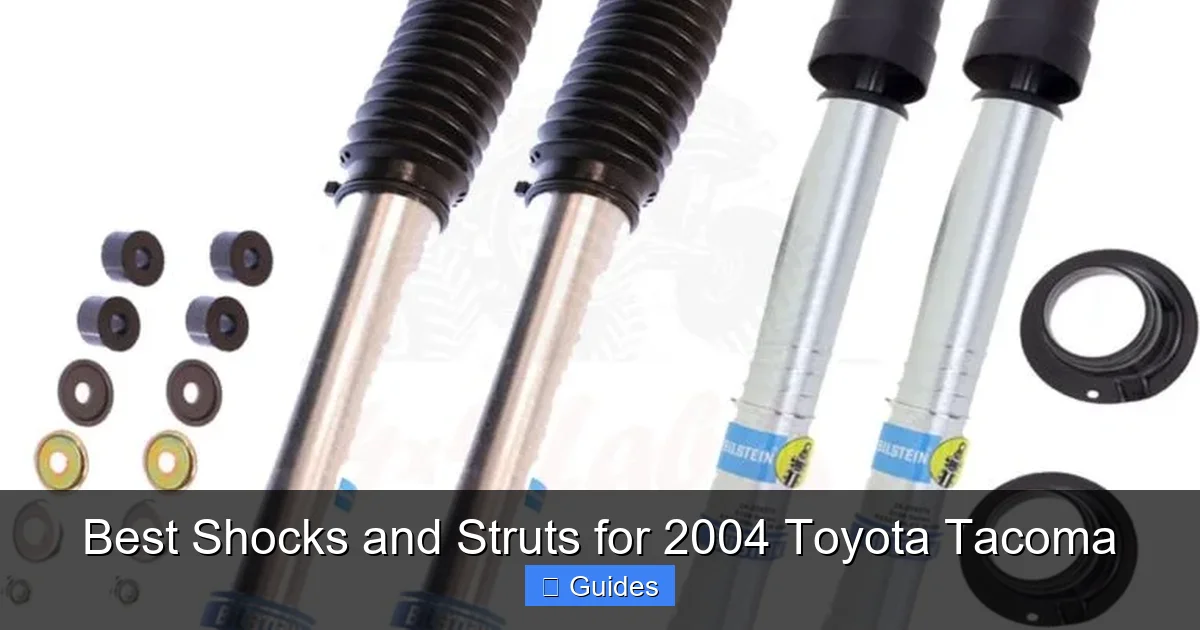
Visual guide about Best Shocks and Struts for 2004 Toyota Tacoma
Image source: boomocity.com
With so many options on the market, selecting the best shocks and struts for your 2004 Toyota Tacoma can feel overwhelming. Here are the key factors to keep in mind to make the right choice.
Intended Use: Daily Driving vs. Off-Roading
Your driving habits should guide your selection. If you use your Tacoma primarily for commuting and light hauling, comfort-focused shocks like the Bilstein 5100 or KYB Gas-a-Just will provide a smooth, quiet ride. However, if you frequently hit trails, rock crawl, or carry heavy loads, you’ll want heavy-duty options like the Fox 2.0 Performance Series or Old Man Emu (OME) suspension kits.
Off-road enthusiasts benefit from shocks with longer travel, better heat dissipation, and remote reservoirs that prevent fade during extended use. Daily drivers, on the other hand, prioritize comfort and noise reduction.
Load Capacity and Towing Needs
If you regularly tow trailers, carry heavy cargo, or use a camper shell, your suspension must handle extra weight. Standard shocks may bottom out or wear out quickly under these conditions. Look for shocks with higher load ratings or consider adding helper springs or air suspension systems for added support.
For example, the Rancho RS9000XL offers adjustable damping, allowing you to stiffen the suspension when towing and soften it for everyday driving. This versatility makes it a favorite among Tacoma owners with varied needs.
Ride Height and Lift Compatibility
Have you lifted your Tacoma? If so, standard-length shocks won’t work—they’ll be too short and limit suspension travel. Always choose shocks designed for your specific lift height (e.g., 2-inch, 3-inch, or 6-inch). Brands like Icon Vehicle Dynamics and Pro Comp offer extended-travel shocks tailored to lifted trucks.
Even if you haven’t lifted your truck, some performance shocks come with adjustable perch settings that allow for minor ride height changes, giving you more control over your setup.
Build Quality and Materials
Not all shocks are created equal. Premium brands use hardened steel bodies, nitrogen-charged cylinders, and advanced sealing systems to resist corrosion and maintain performance in extreme conditions. Avoid cheap, no-name brands that may fail prematurely or offer inconsistent damping.
Look for features like:
– Monotube design: Better heat dissipation and consistent performance.
– Nitrogen gas charging: Prevents aeration and fade during heavy use.
– Zinc or powder-coated finishes: Resist rust and extend lifespan.
Ease of Installation
Some shocks and struts are designed for direct bolt-on replacement, making them ideal for DIY enthusiasts. Others may require special tools or modifications. If you’re not comfortable with suspension work, consider professional installation—especially for struts, which affect alignment.
Many top brands include detailed instructions and all necessary hardware, but always check compatibility with your Tacoma’s year, cab configuration (regular, access, or double cab), and drivetrain (2WD or 4WD).
Budget and Value
While it’s tempting to go for the cheapest option, remember that shocks and struts are a long-term investment. Spending a bit more on a reputable brand often pays off in durability, performance, and reduced replacement frequency.
Expect to pay between $200 and $600 for a full set of quality shocks and struts, depending on the brand and features. High-end off-road kits can run over $1,000, but they’re worth it if you push your Tacoma to its limits.
Best Shocks and Struts for 2004 Toyota Tacoma: Top Picks
After extensive research and real-world testing, here are our top recommendations for the best shocks and struts for the 2004 Toyota Tacoma, categorized by use case.
Best Overall: Bilstein 5100 Series
The Bilstein 5100 is a favorite among Tacoma owners for its balance of comfort, durability, and performance. These monotube shocks feature a high-pressure nitrogen gas charge and a velocity-sensitive damping system that adapts to road conditions in real time.
– Pros: Excellent ride quality, easy installation, compatible with mild lifts (up to 2.5 inches), long lifespan.
– Cons: Slightly stiffer than OEM, may require alignment after installation.
– Best For: Daily drivers who want a noticeable improvement without going full off-road.
Many users report a significant reduction in body roll and improved handling, especially on highways and gravel roads. The 5100s are also a great choice if you’re considering a future lift, as they’re designed to work with modified suspensions.
Best for Off-Roading: Fox 2.0 Performance Series
If you take your Tacoma off the beaten path, the Fox 2.0 shocks are hard to beat. These high-performance shocks feature aluminum bodies, internal floating pistons, and adjustable compression settings (on some models).
– Pros: Superior heat dissipation, excellent off-road performance, smooth on-road ride, rebuildable.
– Cons: Higher price point, may be overkill for city driving.
– Best For: Overlanders, trail riders, and anyone who demands maximum suspension performance.
The Fox 2.0s excel in rocky terrain, absorbing large impacts without bottoming out. They’re also popular in the overlanding community for their reliability and tunability.
Best for Towing and Heavy Loads: Rancho RS9000XL
The Rancho RS9000XL offers nine levels of adjustable damping, allowing you to fine-tune your ride based on load and road conditions. This makes it ideal for Tacoma owners who tow trailers or carry heavy gear.
– Pros: Adjustable firmness, great for towing, durable construction, good value.
– Cons: Adjustment requires manual turning of a knob (not electronic), slightly heavier than competitors.
– Best For: Work trucks, campers, and frequent towers.
Users love the ability to stiffen the suspension when hauling and soften it for daily driving. It’s a versatile option that adapts to your needs.
Best Budget Option: KYB Gas-a-Just
If you’re looking for a reliable, affordable upgrade, the KYB Gas-a-Just shocks are a solid choice. They’re designed as direct replacements for OEM parts and offer improved damping over worn originals.
– Pros: Affordable, easy to install, good ride improvement over stock, widely available.
– Cons: Not as durable as premium brands, limited performance for off-roading.
– Best For: Daily drivers on a budget who want a quick, effective upgrade.
While they won’t match the performance of Bilstein or Fox, the KYB shocks are a great way to restore your Tacoma’s ride quality without breaking the bank.
Best for Lifted Trucks: Icon Vehicle Dynamics 2.0 CDC
For Tacoma owners with 3- to 6-inch lifts, the Icon 2.0 CDC (Compression Damping Control) shocks are a top-tier choice. These remote-reservoir shocks offer adjustable compression settings and extended travel for maximum off-road capability.
– Pros: Adjustable damping, excellent for lifted trucks, rebuildable, premium build quality.
– Cons: Expensive, complex installation, best suited for serious off-roaders.
– Best For: Modified Tacomas used for rock crawling, overlanding, or competitive off-roading.
The CDC system allows you to adjust compression damping with a turn of a knob, giving you control over how your truck handles different terrains.
Best OEM Replacement: Toyota Genuine Parts
If you prefer to stick with factory specifications, Toyota Genuine shocks and struts are a safe bet. They’re designed specifically for your 2004 Tacoma and offer reliable performance.
– Pros: Perfect fit, maintains factory ride quality, backed by Toyota warranty.
– Cons: More expensive than aftermarket, limited performance upgrade.
– Best For: Owners who want OEM reliability and don’t plan to modify their truck.
While not the most exciting option, genuine Toyota parts ensure compatibility and peace of mind, especially if you’re not comfortable with aftermarket modifications.
Installation Tips and What to Expect
Upgrading your shocks and struts can be a rewarding DIY project, but it’s important to approach it with the right tools and knowledge.
Tools You’ll Need
– Jack and jack stands (or a lift)
– Socket wrench set
– Torque wrench
– Spring compressor (for struts)
– Penetrating oil (like WD-40)
– Pry bar
– Safety glasses and gloves
Step-by-Step Overview
1. Safety First: Park on a level surface, engage the parking brake, and use wheel chocks.
2. Lift the Vehicle: Use a jack to lift the truck and secure it with jack stands. Never rely solely on the jack.
3. Remove Wheels: Take off the wheels to access the suspension components.
4. Disconnect Components: For struts, you’ll need to disconnect the sway bar link, brake line bracket, and lower ball joint. For shocks, remove the upper and lower mounting bolts.
5. Compress the Spring (Struts Only): Use a spring compressor to safely remove the coil spring before disassembling the strut.
6. Install New Parts: Assemble the new strut or shock according to the manufacturer’s instructions. Reinstall in reverse order.
7. Torque to Spec: Use a torque wrench to tighten all bolts to the manufacturer’s recommended settings.
8. Reinstall Wheels and Lower: Put the wheels back on, lower the truck, and torque the lug nuts.
Post-Installation Tips
– Get a wheel alignment after replacing struts, as they affect suspension geometry.
– Test drive on a quiet road to check for noises or handling issues.
– Break in new shocks by driving gently for the first 500 miles.
When to Call a Professional
If you’re not confident working with suspension components—especially spring compressors—don’t hesitate to visit a trusted mechanic. Improper installation can lead to dangerous failures.
Maintaining Your New Shocks and Struts
Once installed, your new shocks and struts will serve you well—but only if you take care of them.
– Inspect Regularly: Check for leaks, damage, or loose bolts every 10,000 miles.
– Clean After Off-Roading: Rinse off mud, salt, and debris to prevent corrosion.
– Avoid Overloading: Stay within your Tacoma’s payload limits to reduce stress on suspension components.
– Rotate Tires: Even tire wear reduces strain on shocks and struts.
– Replace in Pairs: Always replace shocks and struts on both sides of the axle to maintain balance.
With proper care, high-quality shocks and struts can last 80,000 to 100,000 miles or more.
Conclusion
Upgrading the shocks and struts on your 2004 Toyota Tacoma is one of the most impactful modifications you can make. Whether you’re looking for a smoother daily drive, better towing performance, or serious off-road capability, the right suspension components will transform how your truck feels and handles.
From the reliable Bilstein 5100s to the rugged Fox 2.0s, there’s a perfect match for every Tacoma owner. Consider your driving habits, budget, and future plans when making your choice. And remember—quality suspension isn’t just about comfort; it’s about safety, control, and getting the most out of your trusted Toyota.
Invest in the best shocks and struts for your 2004 Toyota Tacoma today, and enjoy a ride that’s as tough and capable as you are.
Frequently Asked Questions
How often should I replace shocks and struts on my 2004 Tacoma?
Most experts recommend inspecting shocks and struts every 50,000 miles and replacing them between 80,000 and 100,000 miles, depending on driving conditions. If you notice bouncing, poor handling, or leaks, replace them sooner.
Can I install shocks and struts myself?
Yes, many shocks and struts are designed for DIY installation with basic tools. However, strut replacement requires a spring compressor and can be dangerous if done incorrectly. If you’re unsure, consult a professional.
Do I need an alignment after replacing struts?
Yes, replacing front struts can affect wheel alignment. Always get a professional alignment after installation to ensure even tire wear and proper handling.
Are aftermarket shocks better than OEM?
Aftermarket shocks often offer better performance, durability, and features than OEM parts—especially for off-roading or towing. However, OEM parts are ideal if you want to maintain factory ride quality and specifications.
Can I mix different brands of shocks and struts?
It’s not recommended. Mixing brands can lead to uneven damping, poor handling, and premature wear. Always replace shocks and struts in matching pairs for balanced performance.
Will new shocks improve my Tacoma’s fuel economy?
While new shocks won’t drastically improve fuel economy, they can reduce rolling resistance and improve aerodynamics by maintaining proper ride height and tire contact, leading to minor efficiency gains.

At CarLegit, we believe information should be clear, factual, and genuinely helpful. That’s why every guide, review, and update on our website is created with care, research, and a strong focus on user experience.