
Choosing the best shocks and struts for your 2014 Toyota Tundra can dramatically improve ride comfort, handling, and safety. Whether you’re hauling heavy loads, off-roading, or just commuting daily, the right suspension upgrade makes all the difference.
In This Article
- 1 Key Takeaways
- 2 📑 Table of Contents
- 3 Why Upgrading Your 2014 Toyota Tundra’s Shocks and Struts Matters
- 4 Understanding Shocks vs. Struts: What’s the Difference?
- 5 Signs It’s Time to Replace Your Shocks and Struts
- 6 Top 5 Best Shocks and Struts for 2014 Toyota Tundra
- 7 Choosing the Right Shocks and Struts for Your Driving Needs
- 8 Installation Tips and Maintenance Advice
- 9 Conclusion: Make the Right Choice for Your Tundra
- 10 Frequently Asked Questions
- 10.1 How often should I replace shocks and struts on my 2014 Tundra?
- 10.2 Can I install shocks and struts myself?
- 10.3 Do I need to replace all four shocks and struts at once?
- 10.4 Will new shocks and struts improve gas mileage?
- 10.5 Are aftermarket shocks and struts better than OEM?
- 10.6 Do I need an alignment after replacing shocks and struts?
Key Takeaways
- Improved Ride Quality: Quality shocks and struts reduce bumps, vibrations, and body roll for a smoother drive.
- Enhanced Towing and Hauling: Heavy-duty options support increased payloads and improve stability when towing trailers or carrying cargo.
- Better Off-Road Performance: Off-road-specific shocks offer greater travel and durability on rough terrain.
- Extended Tire Life: Proper suspension reduces uneven tire wear, saving you money in the long run.
- Increased Safety: Responsive handling and reduced stopping distances improve overall vehicle control.
- Easy Installation: Many top brands offer direct-fit replacements that bolt on without major modifications.
- Longevity and Reliability: Premium shocks and struts last longer and perform better under stress than factory parts.
📑 Table of Contents
- Why Upgrading Your 2014 Toyota Tundra’s Shocks and Struts Matters
- Understanding Shocks vs. Struts: What’s the Difference?
- Signs It’s Time to Replace Your Shocks and Struts
- Top 5 Best Shocks and Struts for 2014 Toyota Tundra
- Choosing the Right Shocks and Struts for Your Driving Needs
- Installation Tips and Maintenance Advice
- Conclusion: Make the Right Choice for Your Tundra
Why Upgrading Your 2014 Toyota Tundra’s Shocks and Struts Matters
Your 2014 Toyota Tundra is a powerhouse—built for tough jobs, long hauls, and weekend adventures. But even the most rugged trucks can benefit from a suspension upgrade. Over time, factory-installed shocks and struts wear out, leading to a bouncy ride, poor handling, and reduced control. Whether you’re driving on city streets, hauling a trailer up a mountain pass, or tackling muddy trails, the right shocks and struts can transform your driving experience.
Think of your suspension system as the bridge between your truck and the road. It absorbs impacts, keeps your tires in contact with the pavement, and helps maintain stability during sudden maneuvers. When shocks and struts are worn, your Tundra may feel floaty, nose-dive when braking, or sway during cornering. Upgrading to high-performance components not only restores ride quality but can also enhance safety, comfort, and performance—especially if you use your truck for work or recreation.
Understanding Shocks vs. Struts: What’s the Difference?
Before diving into product recommendations, it’s important to understand the difference between shocks and struts—because they’re not interchangeable, even though people often use the terms loosely.
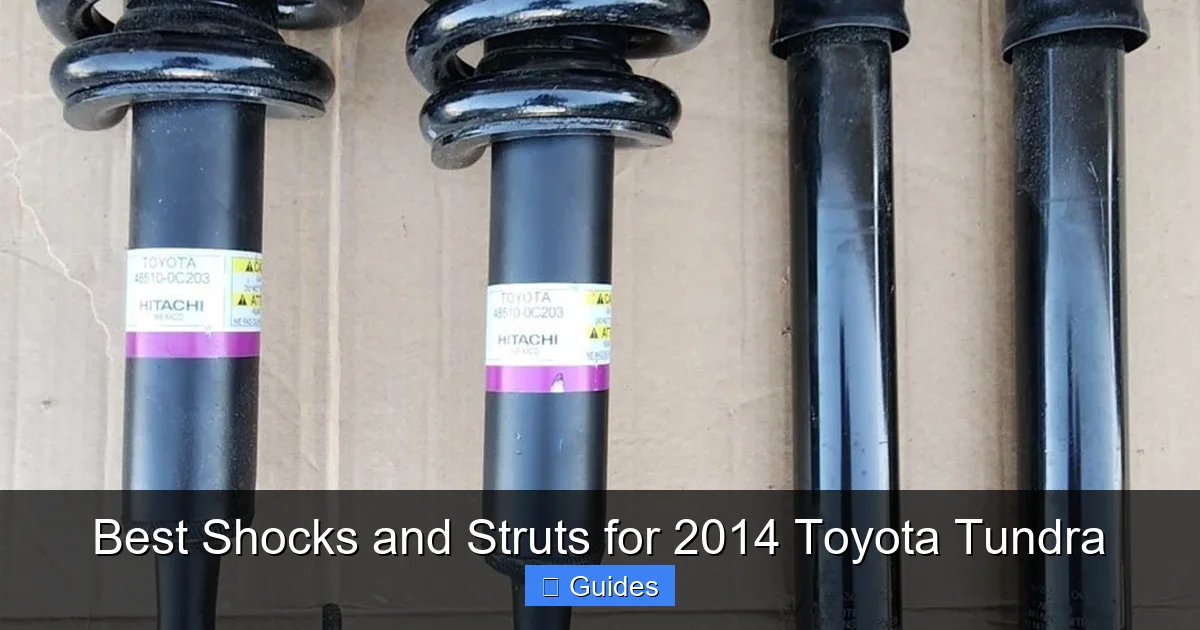
Visual guide about Best Shocks and Struts for 2014 Toyota Tundra
Image source: tnstatic.net
What Are Shocks?
Shock absorbers, or “shocks,” are standalone components that control the movement of your truck’s springs and suspension. They don’t support the vehicle’s weight but help dampen oscillations caused by bumps and road imperfections. On the 2014 Tundra, the rear suspension typically uses shocks.
What Are Struts?
Struts are more complex. They combine a shock absorber with a structural component that supports the vehicle’s weight and helps maintain wheel alignment. The front suspension of your Tundra uses struts, which means replacing them is a bigger job—but also offers a bigger payoff in terms of handling and ride quality.
Why Both Matter for Your Tundra
Because your Tundra uses struts in the front and shocks in the rear, you’ll likely need to replace both for a complete suspension refresh. Doing so ensures balanced performance—front and back. Skipping one end can lead to uneven handling, especially under load or during emergency braking.
Signs It’s Time to Replace Your Shocks and Struts
How do you know if your 2014 Tundra needs new shocks and struts? Factory components typically last 50,000 to 100,000 miles, but driving conditions play a big role. If you frequently drive on rough roads, tow heavy loads, or live in an area with extreme weather, wear can happen faster.
Common Symptoms of Worn Suspension
- Excessive Bouncing: After hitting a bump, your truck continues to bounce more than once or twice.
- Longer Stopping Distances: Worn shocks reduce tire contact with the road, increasing braking distance.
- Nose Diving or Rear Squat: The front dips sharply when braking, or the rear sags when accelerating or carrying weight.
- Uneven Tire Wear: Look for cupping, scalloping, or bald spots—signs that your suspension isn’t keeping tires flat on the road.
- Leaking Fluid: Visible oil or fluid on the shock or strut body indicates internal damage.
- Poor Handling: Your Tundra feels unstable, wanders on the highway, or leans heavily in corners.
DIY Inspection Tips
You don’t need a mechanic to check your suspension. Try the “bounce test”: push down firmly on each corner of your truck and release. A healthy shock or strut should rebound once and settle. If it bounces multiple times, it’s time for a replacement. Also, inspect for physical damage, leaks, or loose mounting hardware.
Top 5 Best Shocks and Struts for 2014 Toyota Tundra
Now that you know why and when to upgrade, let’s look at the best shocks and struts available for your 2014 Tundra. These options are chosen based on performance, durability, ease of installation, and real-world user feedback.
1. Bilstein 5100 Series Shocks and Struts
Bilstein is a trusted name in suspension, and the 5100 series is a favorite among Tundra owners. These monotube gas-charged shocks and struts offer excellent damping control, reducing body roll and improving ride comfort. They’re ideal for daily driving, light towing, and occasional off-roading.
The 5100s are direct replacements for your factory parts, so installation is straightforward. They come with a lifetime warranty and are known for their long service life. Many users report a noticeable improvement in handling, especially on uneven roads. If you want a balanced upgrade that enhances comfort without sacrificing capability, the Bilstein 5100s are a top pick.
2. KYB Gas-a-Just Shocks and Struts
KYB is another reputable brand, and the Gas-a-Just series is designed for heavy-duty use. These shocks and struts use high-pressure gas to provide consistent performance, even under load. They’re great for Tundra owners who frequently tow trailers, carry heavy cargo, or drive on rough terrain.
One standout feature is the “velocity-sensitive damping,” which adjusts resistance based on road conditions. This means a smoother ride on highways and firmer control on bumpy roads. KYB parts are also OE-quality, meaning they meet or exceed factory standards. Installation is simple, and they’re often more affordable than premium brands like Bilstein or Fox.
3. Fox 2.0 Performance Series Shocks
For serious off-roaders, the Fox 2.0 Performance Series is a game-changer. These aluminum-bodied shocks are built for durability and high performance. They feature internal floating piston (IFP) technology, which prevents aeration and maintains consistent damping over long, rough rides.
The Fox 2.0s offer increased suspension travel, allowing your Tundra to handle jumps, ruts, and rocky trails with ease. They’re also fully rebuildable, so you can service them yourself and extend their lifespan. While they’re pricier than standard shocks, the performance gain is worth it if you take your Tundra off the beaten path. Pair them with a leveling kit for even better ground clearance and stance.
4. Rancho RS9000XL Shocks
Looking for adjustability? The Rancho RS9000XL shocks let you fine-tune your ride with nine position damping settings. Whether you’re cruising on pavement or crawling over rocks, you can dial in the perfect stiffness.
These shocks are nitrogen-charged and feature a large piston for improved fluid flow and heat dissipation. They’re ideal for drivers who want versatility—smooth for daily commutes, firm for towing or off-roading. The RS9000XLs are also built to last, with a durable powder-coated finish and heavy-duty construction. Installation is bolt-on, and many Tundra owners use them with lift kits for a more aggressive look and improved performance.
5. Monroe Reflex Shocks and Struts
If you’re on a budget but still want a quality upgrade, the Monroe Reflex series is a solid choice. These shocks and struts use “Impact Sensor Technology” to respond instantly to road changes, improving stability and control.
They’re designed for trucks and SUVs, offering enhanced towing capacity and reduced body roll. While not as performance-oriented as Bilstein or Fox, they’re a great value for everyday drivers who want a smoother, safer ride without breaking the bank. Monroe also offers a limited lifetime warranty, adding peace of mind.
Choosing the Right Shocks and Struts for Your Driving Needs
Not all shocks and struts are created equal—and the best choice depends on how you use your Tundra. Here’s a quick guide to help you decide.
Daily Driving and Light Towing
If you use your Tundra for commuting, errands, and occasional weekend trips, go for a balanced option like the Bilstein 5100 or KYB Gas-a-Just. These provide a comfortable ride, improved handling, and good durability—perfect for mixed driving conditions.
Heavy Towing and Hauling
For frequent towing or carrying heavy loads, choose heavy-duty shocks like the KYB Gas-a-Just or Monroe Reflex. These are designed to handle extra weight without bottoming out or losing control. Consider upgrading to a rear sway bar or air helper springs for even better stability.
Off-Road Adventures
If you love hitting trails, deserts, or forest roads, invest in performance shocks like the Fox 2.0 or Rancho RS9000XL. These offer longer travel, better heat resistance, and superior damping for rough terrain. Pair them with skid plates, all-terrain tires, and a lift kit for maximum capability.
Budget-Friendly Upgrades
Don’t want to spend a fortune? The Monroe Reflex series offers excellent value. You’ll get improved ride quality and safety without the premium price tag. Just remember—cheaper isn’t always better. Avoid no-name brands or extremely low-cost options, as they may fail prematurely or offer poor performance.
DIY vs. Professional Installation
Most shocks and struts are designed for direct replacement, so many Tundra owners install them at home with basic tools. Front struts require a spring compressor, which can be dangerous if not used properly. If you’re not experienced, consider hiring a mechanic for the front end. Rear shocks are usually easier to swap out.
Always torque bolts to spec and check alignment after installation. Even a small misalignment can cause uneven tire wear and handling issues. Some shops offer free alignment checks with suspension work—take advantage of that.
Installation Tips and Maintenance Advice
Upgrading your shocks and struts is a smart move, but proper installation and maintenance are key to getting the most out of your investment.
Step-by-Step Installation Overview
- Prepare Your Truck: Park on a level surface, engage the parking brake, and use jack stands for safety.
- Remove Old Components: Loosen lug nuts, lift the truck, and remove wheels. Disconnect sway bar links and brake line brackets if needed.
- Compress Springs (Front Struts): Use a spring compressor to safely remove the strut assembly. Replace the strut and reassemble.
- Install New Shocks/Struts: Bolt in the new components, reconnect all links and brackets, and torque to manufacturer specs.
- Reinstall Wheels and Lower Truck: Tighten lug nuts in a star pattern and take your Tundra for a test drive.
Post-Installation Checks
After installation, listen for unusual noises and check for leaks. Drive gently for the first few miles to let the suspension settle. Schedule an alignment within a week to ensure even tire wear and optimal handling.
Maintenance Tips
- Inspect shocks and struts every 10,000 miles for leaks, damage, or loose hardware.
- Clean off mud, salt, and debris after off-roading or winter driving.
- Avoid overloading your truck beyond its rated capacity.
- Replace shocks and struts in pairs (both front or both rear) to maintain balance.
Conclusion: Make the Right Choice for Your Tundra
Upgrading the shocks and struts on your 2014 Toyota Tundra is one of the most effective ways to improve ride quality, safety, and performance. Whether you’re looking for a smoother daily drive, better towing stability, or off-road capability, there’s a suspension solution that fits your needs and budget.
From the reliable Bilstein 5100s to the high-performance Fox 2.0s, the options listed here are proven performers backed by real-world results. Take the time to assess your driving habits, choose quality components, and install them correctly. Your Tundra—and your passengers—will thank you with every mile.
Frequently Asked Questions
How often should I replace shocks and struts on my 2014 Tundra?
Most experts recommend inspecting shocks and struts every 50,000 miles and replacing them between 50,000 and 100,000 miles, depending on driving conditions. Heavy towing, off-roading, or rough roads can shorten their lifespan.
Can I install shocks and struts myself?
Yes, many Tundra owners install rear shocks at home with basic tools. Front struts require a spring compressor and more skill—consider professional help if you’re not experienced with suspension work.
Do I need to replace all four shocks and struts at once?
It’s best to replace them in pairs (both front or both rear) to maintain balanced handling. Replacing all four ensures even performance and prevents uneven wear.
Will new shocks and struts improve gas mileage?
While not a primary benefit, improved suspension can reduce rolling resistance and tire drag, potentially leading to slightly better fuel economy—especially if your old shocks were severely worn.
Are aftermarket shocks and struts better than OEM?
Aftermarket options often offer better performance, durability, and features than factory parts. Brands like Bilstein, Fox, and KYB are known for exceeding OEM standards in many cases.
Do I need an alignment after replacing shocks and struts?
Yes, especially after replacing front struts. Suspension changes can affect wheel alignment, so a professional alignment is recommended to prevent uneven tire wear and ensure safe handling.

At CarLegit, we believe information should be clear, factual, and genuinely helpful. That’s why every guide, review, and update on our website is created with care, research, and a strong focus on user experience.