
Choosing the best shocks for your 2016 Ford F-150 4×4 can dramatically improve ride quality, handling, and off-road capability. Whether you’re hauling heavy loads, towing, or tackling rugged trails, the right shock absorbers make all the difference in comfort and control.
If you own a 2016 Ford F-150 4×4, you already know it’s a beast of a truck—built for work, play, and everything in between. But even the toughest trucks can benefit from an upgrade, especially when it comes to something as crucial as your suspension system. One of the most impactful yet often overlooked upgrades? Replacing your factory shocks with a set of high-performance aftermarket ones.
Shocks might not be the flashiest part of your truck, but they play a vital role in how your F-150 feels on the road. They control the movement of your springs and suspension, absorbing impacts from bumps, potholes, and uneven terrain. Over time, factory shocks wear out, leading to a bouncy, unstable ride—especially when you’re carrying heavy loads or driving off the beaten path. Upgrading to the best shocks for your 2016 Ford F-150 4×4 can restore that smooth, confident feel and even improve safety and handling.
Whether you use your truck for daily commuting, weekend adventures, towing a trailer, or hauling gear, the right shocks can make a world of difference. In this guide, we’ll walk you through everything you need to know—from how shocks work to what features to look for, and which models deliver the best performance for your specific needs.
In This Article
- 1 Key Takeaways
- 2 📑 Table of Contents
- 3 Why Upgrading Your Shocks Matters
- 4 Types of Shocks for the 2016 Ford F-150 4×4
- 5 Top Shocks for 2016 Ford F-150 4×4
- 6 How to Choose the Right Shocks for Your Needs
- 7 Installation Tips and What to Expect
- 8 Maintenance and Longevity
- 9 Conclusion
- 10 Frequently Asked Questions
- 10.1 What are the best shocks for a 2016 Ford F-150 4×4?
- 10.2 Can I install shocks myself on my F-150?
- 10.3 How often should I replace my truck’s shocks?
- 10.4 Do I need different shocks if I have a lift kit?
- 10.5 Are adjustable shocks worth the extra cost?
- 10.6 Will new shocks improve my truck’s towing capacity?
Key Takeaways
- Enhanced Ride Comfort: Quality shocks reduce bumps and vibrations, making daily driving and long trips more comfortable.
- Improved Handling & Stability: Better shocks help maintain tire contact with the road, especially during cornering, braking, and off-road driving.
- Durability for Heavy Use: If you tow, haul, or drive off-road, heavy-duty shocks prevent sagging and extend suspension life.
- Adjustable Options Available: Some premium shocks offer adjustable settings for different driving conditions and load levels.
- Easy Installation: Most aftermarket shocks are direct replacements, requiring no special tools or modifications.
- Brand Matters: Trusted brands like Bilstein, Fox, and Rancho offer proven performance and reliability for the F-150.
- Budget-Friendly Upgrades Exist: You don’t need to spend a fortune—many high-performing shocks are available at reasonable prices.
📑 Table of Contents
Why Upgrading Your Shocks Matters
Let’s be honest—most truck owners don’t think about their shocks until something feels off. Maybe your truck bounces too much after hitting a bump, or the rear end sags when you load up the bed. These are classic signs that your shocks are worn out. But even if your ride feels okay, upgrading to better shocks can still bring noticeable improvements.
Factory shocks on the 2016 Ford F-150 4×4 are designed for average use—light loads, smooth roads, and typical driving conditions. But if you push your truck harder—whether it’s towing a camper, driving on gravel roads, or tackling muddy trails—those stock shocks simply aren’t built to handle the stress. They overheat, fade, and lose effectiveness, leading to a rougher ride and reduced control.
Upgrading to performance shocks means better damping, improved heat resistance, and more consistent performance under load. You’ll notice less body roll in corners, faster recovery from bumps, and a more planted feel at highway speeds. And if you’re into off-roading, the right shocks can turn your F-150 into a true trail conqueror.
Signs It’s Time to Replace Your Shocks
How do you know if your shocks need replacing? Here are a few telltale signs:
- Excessive bouncing: If your truck continues to bounce up and down after hitting a bump, your shocks aren’t doing their job.
- Poor handling: Notice more sway or instability when turning or braking? That’s a red flag.
- Uneven tire wear: Worn shocks can cause tires to lose contact with the road, leading to uneven tread patterns.
- Leaking fluid: If you see oil or fluid around the shock body, it’s time for a replacement.
- Nose diving or rear squatting: When braking or accelerating, the front or rear of the truck dips more than usual.
Even if you don’t see these signs, consider upgrading if you’ve added a lift kit, larger tires, or frequently carry heavy loads. Factory shocks aren’t designed for these modifications, and upgrading will help maintain ride quality and safety.
Types of Shocks for the 2016 Ford F-150 4×4
Visual guide about Best Shocks for 2016 Ford F 150 4×4
Image source: suspensionlifts.com
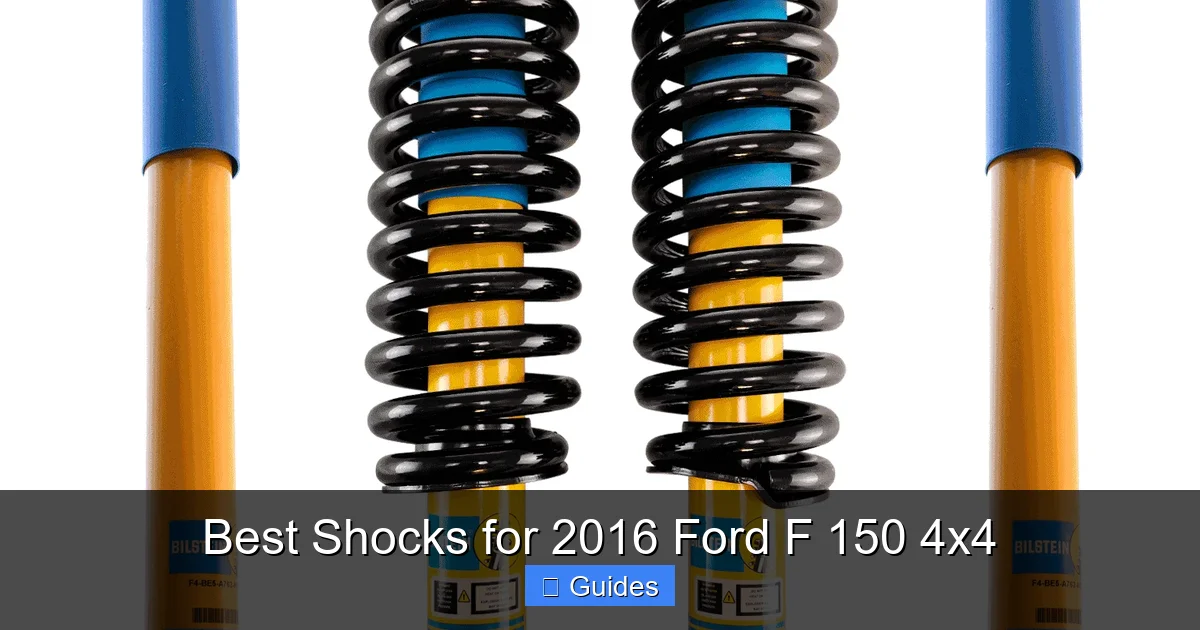
Not all shocks are created equal. There are several types available, each designed for different driving styles and needs. Understanding the differences will help you pick the best option for your truck.
Monotube Shocks
Monotube shocks are a popular choice for performance and durability. They feature a single tube with a floating piston that separates the oil and gas chambers. This design allows for better heat dissipation, which means they’re less likely to fade during prolonged use—like when you’re towing up a mountain or driving on rough terrain.
Because monotube shocks run cooler, they offer more consistent performance over time. They’re also less prone to cavitation (air bubbles forming in the fluid), which can reduce damping efficiency. Brands like Bilstein and Fox use monotube designs in many of their high-performance models.
Twintube Shocks
Twintube shocks have an inner and outer tube, with the piston moving inside the inner tube. They’re generally more affordable and offer a softer, more comfortable ride—great for daily driving and light-duty use. However, they’re more susceptible to heat buildup and fade under heavy loads or aggressive driving.
While twintube shocks are fine for stock applications, they may not be the best choice if you’re pushing your F-150 hard. That said, some modern twintube designs include features like low-friction seals and improved fluid dynamics to boost performance.
Adjustable Shocks
If you want maximum versatility, adjustable shocks are worth considering. These allow you to fine-tune the damping force to match your driving conditions. For example, you can set them softer for highway cruising or stiffer for off-roading or towing.
Some models offer manual adjustments via a knob or dial, while others use electronic controls that integrate with your truck’s onboard systems. Adjustable shocks are typically more expensive, but they’re ideal if your driving needs vary widely.
Remote Reservoir Shocks
For serious off-roaders, remote reservoir shocks are the gold standard. These shocks have a separate reservoir connected by a hose, which holds extra fluid and nitrogen gas. This design allows for even better heat management and prevents oil aeration during extreme use.
Remote reservoir shocks are heavier and more complex, but they’re built for durability and performance in harsh conditions. They’re commonly used in rock crawling, desert racing, and overlanding setups.
Top Shocks for 2016 Ford F-150 4×4
Visual guide about Best Shocks for 2016 Ford F 150 4×4
Image source: suspensionlifts.com
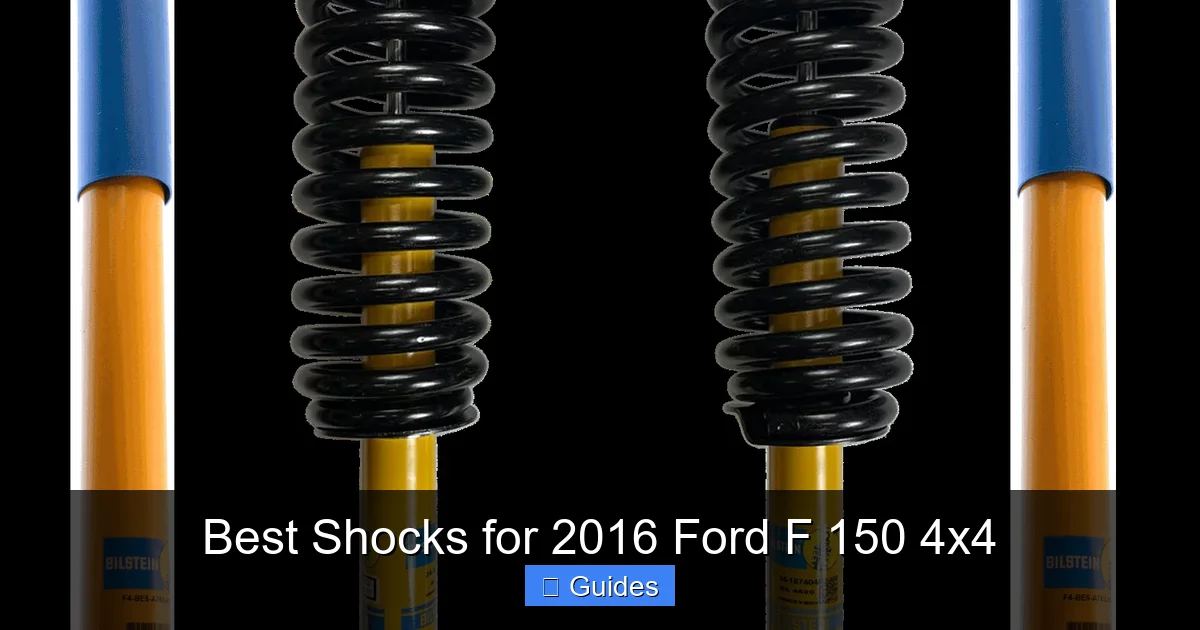
Now that you know the types, let’s look at some of the best shocks available for your 2016 Ford F-150 4×4. We’ve selected a range of options based on performance, value, and real-world feedback from truck owners.
Bilstein 5100 Series
The Bilstein 5100 Series is one of the most popular upgrades for the F-150. These monotube shocks are known for their reliability, smooth ride, and excellent off-road performance. They’re a direct replacement for your factory shocks and require no modifications.
One of the standout features of the 5100s is their adjustable front spring perch. This allows you to level the front of your truck if you’ve added a rear lift or frequently carry heavy loads. The rear shocks are also tuned for improved handling and reduced body roll.
Owners consistently praise the 5100s for their durability and ability to handle both city streets and dirt trails. They’re a great all-around choice for daily drivers who also like to get off the pavement.
Fox 2.0 Performance Series
If you’re looking for a step up in performance, the Fox 2.0 Performance Series shocks are hard to beat. These monotube shocks feature a high-flow piston and advanced valving for superior damping control. They’re designed for trucks that see a mix of street and off-road use.
The Fox 2.0s are particularly popular among overlanders and weekend warriors. They offer a noticeably smoother ride than stock shocks while maintaining excellent responsiveness. The aluminum bodies are lightweight and corrosion-resistant, adding to their longevity.
Installation is straightforward, and many users report improved handling and reduced sway—even when towing. While they’re more expensive than some alternatives, the performance justifies the cost for serious truck enthusiasts.
Rancho RS9000XL
For those who want adjustability without breaking the bank, the Rancho RS9000XL is a top pick. These shocks feature nine levels of compression and rebound adjustment, allowing you to dial in the perfect ride for any situation.
Whether you’re driving on pavement, gravel, or muddy trails, you can fine-tune the damping to match. The RS9000XL uses a monotube design with a high-pressure nitrogen charge for consistent performance. They’re also built with durable components, including a chrome-plated piston rod and polyurethane bushings.
One thing to note: the adjustment knob is located at the top of the shock, so you’ll need to remove the wheel to make changes. But for the flexibility they offer, many owners find it’s worth the effort.
KYB MonoMax
If you’re towing or hauling heavy loads, the KYB MonoMax shocks are designed specifically for that purpose. These monotube shocks are built with a larger piston and higher fluid capacity to handle increased stress.
They’re ideal for F-150 owners who frequently tow trailers, boats, or campers. The MonoMax shocks reduce rear sag and improve stability, making your truck feel more controlled under load. They also offer better heat resistance than many stock shocks, so they won’t fade during long hauls.
While they’re not as performance-oriented as the Fox or Bilstein models, they’re an excellent value for work trucks and daily drivers who need extra support.
Pro Comp ES9000
For budget-conscious buyers, the Pro Comp ES9000 shocks offer solid performance at an affordable price. These twintube shocks are designed for light to moderate off-road use and provide a comfortable ride on pavement.
They’re a good option if you’ve added a small lift kit or larger tires and want to improve ride quality without spending a lot. While they don’t match the performance of monotube shocks, they’re a significant upgrade over worn-out factory units.
Installation is simple, and they come with a limited lifetime warranty, adding peace of mind.
How to Choose the Right Shocks for Your Needs
Visual guide about Best Shocks for 2016 Ford F 150 4×4
Image source: suspensionlifts.com
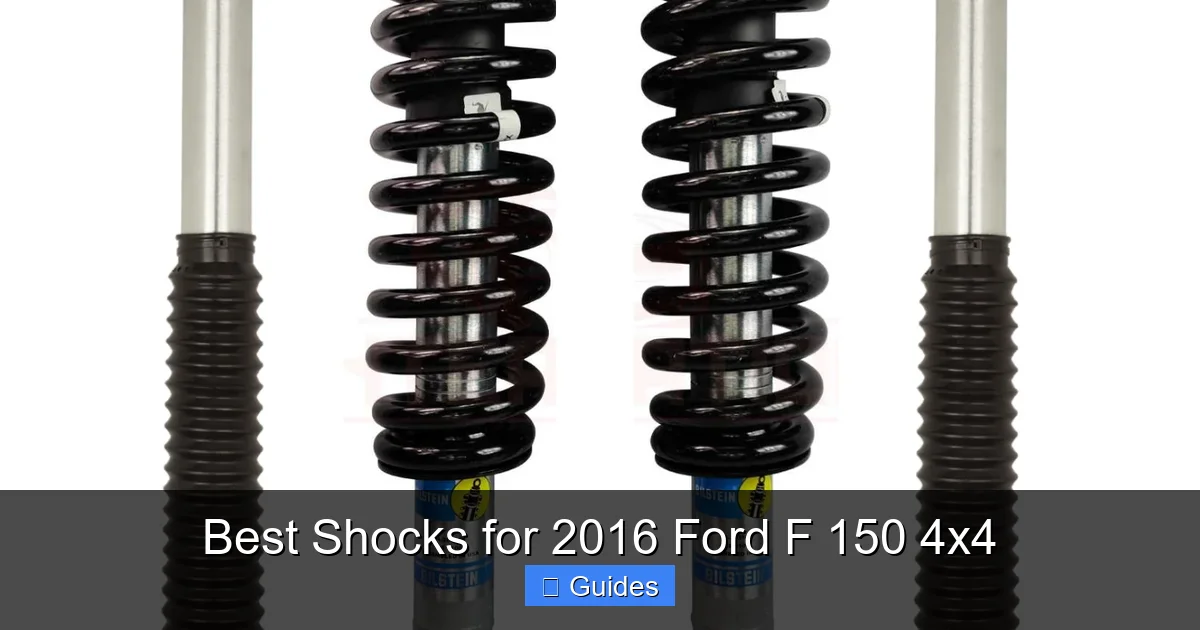
With so many options available, how do you decide which shocks are right for your 2016 Ford F-150 4×4? It all comes down to how you use your truck.
Daily Driving & Light Towing
If you use your F-150 mostly for commuting and occasional light towing, you don’t need the most extreme shocks on the market. Look for a balance of comfort and durability. The Bilstein 5100s or KYB MonoMax are excellent choices—they’re reliable, improve ride quality, and won’t break the bank.
Off-Roading & Overlanding
For off-road adventures, you’ll want shocks that can handle rough terrain without overheating or fading. Monotube designs like the Fox 2.0 or Bilstein 5100s are ideal. If you’re doing serious rock crawling or desert runs, consider remote reservoir shocks for maximum performance.
Heavy Towing & Hauling
If you regularly tow heavy trailers or carry large loads, prioritize shocks that reduce sag and improve stability. The KYB MonoMax or Rancho RS9000XL are great options. Adjustable shocks let you stiffen the rear when loaded and soften it for empty-bed driving.
Lifted Trucks
If you’ve installed a lift kit, your suspension geometry has changed, and factory shocks may not provide adequate travel or damping. Look for extended-length shocks designed for your lift height. Many brands offer specific kits for 2-inch, 4-inch, or 6-inch lifts.
Always check compatibility with your lift kit and tire size. Some shocks are only available in certain lengths, so make sure you get the right fit.
Installation Tips and What to Expect
Installing new shocks on your 2016 Ford F-150 4×4 is a job most DIYers can handle with basic tools. Here’s what you need to know.
Tools You’ll Need
- Jack and jack stands (or a lift)
- Socket wrench set
- Torque wrench
- Penetrating oil (like WD-40)
- Spring compressor (if replacing coilovers)
Most shocks are bolt-on replacements, so you won’t need to modify anything. Start by lifting the truck and removing the wheels. Spray the shock mounting bolts with penetrating oil to loosen any rust or corrosion.
Step-by-Step Installation
1. Remove the old shocks by unbolting the top and bottom mounts.
2. Compare the new shocks to the old ones to ensure they’re the correct size and type.
3. Install the new shocks, starting with the top mount and then the bottom.
4. Torque all bolts to the manufacturer’s specifications (usually found in your owner’s manual or shock instructions).
5. Reinstall the wheels and lower the truck.
What to Expect After Installation
Once your new shocks are installed, you’ll likely notice an immediate improvement in ride quality. The truck will feel more controlled, with less bouncing and sway. If you’ve upgraded to adjustable shocks, take some time to experiment with the settings to find your preferred balance of comfort and performance.
It’s also a good idea to have your alignment checked after installation, especially if you’ve changed the ride height.
Maintenance and Longevity
Even the best shocks won’t last forever. With proper care, however, you can extend their life and maintain peak performance.
Regular Inspections
Check your shocks every 10,000 to 15,000 miles. Look for signs of leaks, damage, or worn bushings. If you drive off-road frequently, inspect them more often—mud, rocks, and water can accelerate wear.
Cleaning
After off-road trips, rinse your shocks with water to remove dirt and debris. Avoid high-pressure washers directly on the seals, as they can force water into the shock body.
Replacing in Pairs
Always replace shocks in pairs (both front or both rear). Mismatched shocks can cause uneven handling and premature wear.
Most quality shocks will last 50,000 to 100,000 miles, depending on driving conditions. If you notice a decline in performance, it’s time for a replacement.
Conclusion
Upgrading the shocks on your 2016 Ford F-150 4×4 is one of the smartest and most cost-effective ways to improve your truck’s performance. Whether you’re looking for a smoother ride, better handling, or enhanced off-road capability, the right shocks can make a dramatic difference.
From the reliable Bilstein 5100s to the high-performance Fox 2.0s and the versatile Rancho RS9000XL, there’s a shock out there for every need and budget. Consider how you use your truck, choose a reputable brand, and don’t hesitate to invest in quality—your ride will thank you.
Remember, shocks are more than just a comfort upgrade—they’re a safety and performance enhancement. So don’t wait until your ride feels rough. Take control of your suspension today and enjoy every mile in your F-150.
Frequently Asked Questions
What are the best shocks for a 2016 Ford F-150 4×4?
The best shocks depend on your needs, but top picks include the Bilstein 5100 Series for all-around performance, Fox 2.0 Performance Series for off-roading, and KYB MonoMax for heavy towing. Each offers excellent durability and improved ride quality.
Can I install shocks myself on my F-150?
Yes, most shocks are direct bolt-on replacements and can be installed at home with basic tools. Just make sure to use a jack and jack stands, and torque all bolts to spec.
How often should I replace my truck’s shocks?
Shocks typically last 50,000 to 100,000 miles, but it depends on driving conditions. Inspect them regularly and replace if you notice bouncing, leaks, or poor handling.
Do I need different shocks if I have a lift kit?
Yes, lifted trucks require extended-length shocks to match the increased suspension travel. Make sure to get shocks designed for your specific lift height.
Are adjustable shocks worth the extra cost?
If your driving conditions vary—like switching between towing and off-roading—adjustable shocks offer great flexibility. They let you fine-tune the ride for comfort or performance as needed.
Will new shocks improve my truck’s towing capacity?
New shocks won’t increase your truck’s official towing capacity, but they will improve stability, reduce sag, and make towing safer and more comfortable—especially with heavy loads.

At CarLegit, we believe information should be clear, factual, and genuinely helpful. That’s why every guide, review, and update on our website is created with care, research, and a strong focus on user experience.