
Choosing the right tires for your 2019 Ford F-150 4×4 can dramatically improve handling, fuel efficiency, and off-road capability. Whether you’re hauling cargo, cruising highways, or tackling muddy trails, the best tires balance durability, traction, and ride comfort for your specific needs.
In This Article
- 1 Key Takeaways
- 2 📑 Table of Contents
- 3 Introduction: Why Tire Choice Matters for Your 2019 Ford F-150 4×4
- 4 Understanding Tire Types: Which One Fits Your Driving Style?
- 5 Top Tire Recommendations for the 2019 Ford F-150 4×4
- 6 Tire Sizes and Fitment for the 2019 Ford F-150 4×4
- 7 Performance Factors: What to Look for in a Tire
- 8 Installation, Maintenance, and Safety Tips
- 9 Conclusion: Making the Right Choice for Your F-150
- 10 Frequently Asked Questions
- 10.1 What tire size does the 2019 Ford F-150 4×4 come with?
- 10.2 Can I put larger tires on my 2019 F-150 4×4?
- 10.3 Are all-terrain tires good for snow?
- 10.4 How often should I rotate my F-150 tires?
- 10.5 Do I need different tires for towing?
- 10.6 What’s the difference between all-season and all-terrain tires?
Key Takeaways
- All-Terrain Tires Offer the Best Balance: Ideal for daily driving and light off-roading, all-terrain tires provide excellent traction on pavement, gravel, and dirt without excessive road noise.
- Mud-Terrain Tires Excel Off-Road: If you frequently drive through deep mud, rocks, or rough trails, mud-terrain tires deliver superior grip and rugged durability.
- Highway Tires Maximize Fuel Efficiency: Designed for smooth, quiet rides on paved roads, these tires reduce rolling resistance and improve gas mileage for city and highway commuters.
- Tire Size Matters for Performance: The 2019 F-150 4×4 supports multiple tire sizes—choosing the right one affects speedometer accuracy, ground clearance, and load capacity.
- Seasonal Tires Enhance Safety: Winter tires improve traction in snow and ice, while all-season tires offer year-round versatility in moderate climates.
- Brand Reputation and Warranty Count: Trusted brands like Michelin, BFGoodrich, and Goodyear offer reliable performance and strong warranties for peace of mind.
- Proper Maintenance Extends Tire Life: Regular rotation, alignment, and pressure checks keep your tires performing at their best and prevent premature wear.
📑 Table of Contents
- Introduction: Why Tire Choice Matters for Your 2019 Ford F-150 4×4
- Understanding Tire Types: Which One Fits Your Driving Style?
- Top Tire Recommendations for the 2019 Ford F-150 4×4
- Tire Sizes and Fitment for the 2019 Ford F-150 4×4
- Performance Factors: What to Look for in a Tire
- Installation, Maintenance, and Safety Tips
- Conclusion: Making the Right Choice for Your F-150
Introduction: Why Tire Choice Matters for Your 2019 Ford F-150 4×4
Your 2019 Ford F-150 4×4 is a powerhouse—built for work, adventure, and everything in between. But even the toughest truck is only as good as the tires it rides on. Think of tires as the only part of your vehicle that touches the road. They influence everything from braking distance and handling to fuel economy and ride comfort. Whether you’re towing a trailer up a mountain pass, navigating city streets, or exploring backcountry trails, the right set of tires can make all the difference.
Many F-150 owners overlook tire selection, assuming that any all-season tire will do. But the truth is, the 2019 F-150 4×4’s capabilities—like its available 3.5L EcoBoost engine, advanced 4×4 system, and high towing capacity—demand tires that can keep up. The wrong tires can lead to poor traction, increased wear, and even safety risks, especially in challenging conditions. That’s why choosing the best tires for your 2019 Ford F-150 4×4 isn’t just about performance—it’s about safety, efficiency, and getting the most out of your investment.
Understanding Tire Types: Which One Fits Your Driving Style?
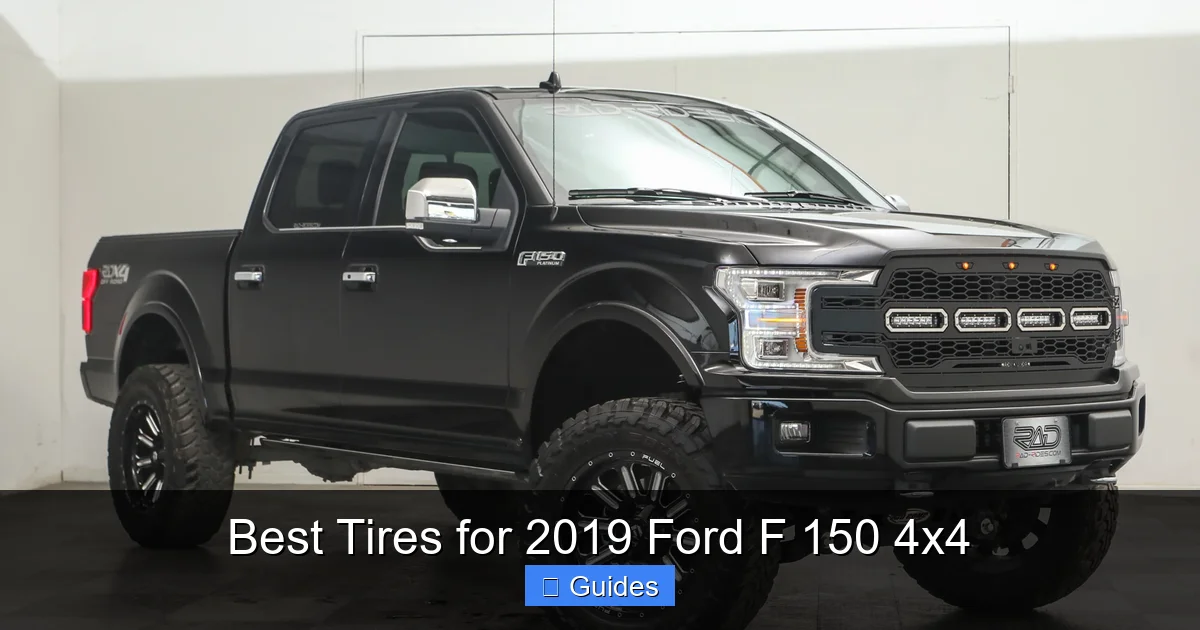
Visual guide about Best Tires for 2019 Ford F 150 4×4
Image source: dealerimages.dealereprocess.com
Not all tires are created equal, and understanding the different types is the first step in making the right choice. The 2019 Ford F-150 4×4 is versatile, but your driving habits will determine which tire category suits you best.
All-Terrain Tires: The Jack-of-All-Trades
All-terrain tires are the most popular choice for F-150 owners because they strike a perfect balance between on-road comfort and off-road capability. These tires feature a more aggressive tread pattern than highway tires but are quieter and more fuel-efficient than mud-terrain options. They perform well on gravel, dirt, light mud, and snow, making them ideal for drivers who occasionally venture off the pavement but spend most of their time on highways or city streets.
For example, the BFGoodrich All-Terrain T/A KO2 is a top pick among truck enthusiasts. It offers excellent traction in wet and dry conditions, resists punctures, and has a long tread life. Another great option is the Michelin LTX A/T2, which delivers a smooth, quiet ride with impressive durability. If you use your F-150 for weekend camping trips, light towing, or rural driving, all-terrain tires are likely your best bet.
Mud-Terrain Tires: Built for the Wild
If your adventures take you deep into the backcountry, over rocky terrain, or through thick mud, mud-terrain tires are the way to go. These tires have deep, aggressive tread blocks designed to dig into soft surfaces and self-clean as they spin. They provide unmatched grip in extreme off-road conditions but come with trade-offs: increased road noise, reduced fuel efficiency, and faster wear on pavement.
The Goodyear Wrangler MT/R with Kevlar is a standout in this category. It combines rugged construction with Kevlar reinforcement for added puncture resistance. Another excellent choice is the Cooper Discoverer STT Pro, known for its durability and ability to handle severe off-road challenges. Just remember—mud-terrain tires are overkill if you’re mostly driving on roads. Save them for serious off-roaders.
Highway Tires: Smooth Rides and Better Mileage
For F-150 owners who use their truck primarily for commuting, hauling, or long highway trips, highway tires (also called highway-terrain or H/T tires) are a smart choice. These tires are designed for maximum comfort, low rolling resistance, and quiet operation. They offer excellent fuel economy and long tread life, making them ideal for drivers who prioritize efficiency and a smooth ride.
The Michelin Defender LTX M/S is one of the best highway tires available. It provides outstanding wet and dry traction, a 70,000-mile tread warranty, and a surprisingly comfortable ride for a truck tire. Another solid option is the Continental CrossContact LX20, which delivers a quiet, refined driving experience with strong braking performance. If you’re not planning to go off-road often, highway tires will serve you well.
All-Season vs. Winter Tires: Seasonal Considerations
Climate plays a big role in tire performance. All-season tires are designed to handle a variety of conditions, including light snow, but they may struggle in severe winter weather. If you live in an area with heavy snowfall, icy roads, or freezing temperatures, consider investing in a set of winter tires.
Winter tires use softer rubber compounds that stay flexible in cold weather, providing better grip on snow and ice. The Bridgestone Blizzak DM-V2 is a top-rated winter tire for trucks, offering excellent traction and braking in snowy conditions. While you’ll need to swap them out in warmer months, the safety benefits are worth it for drivers in colder regions.
Top Tire Recommendations for the 2019 Ford F-150 4×4
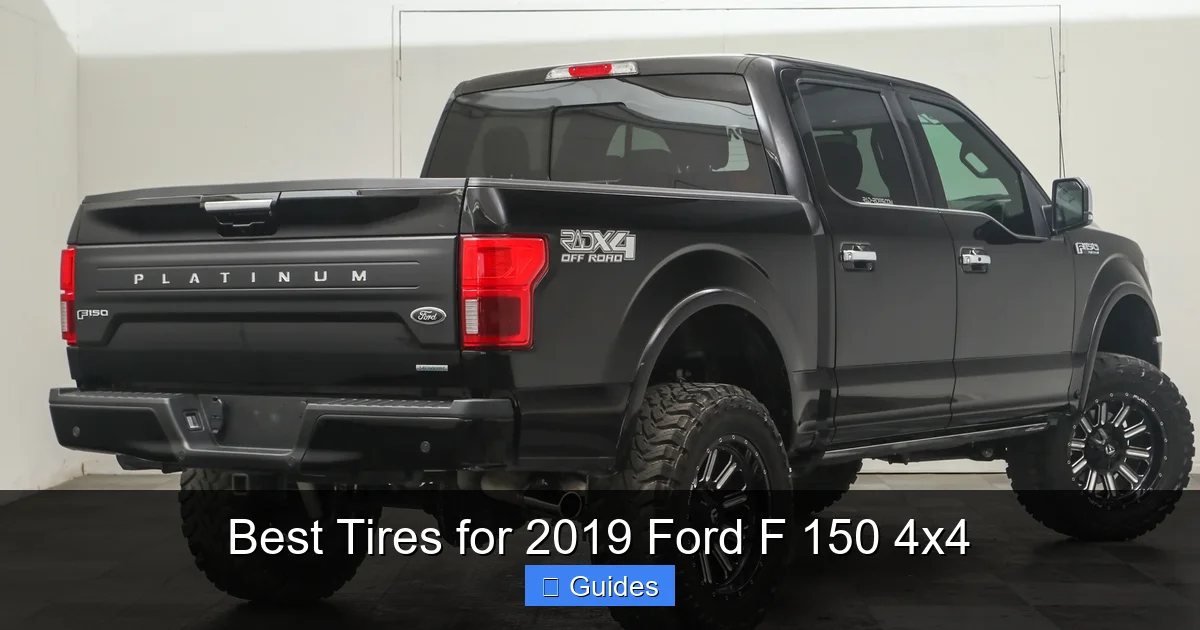
Visual guide about Best Tires for 2019 Ford F 150 4×4
Image source: dealerimages.dealereprocess.com
Now that you understand the different tire types, let’s dive into specific models that deliver outstanding performance for the 2019 F-150 4×4. These picks are based on expert reviews, user feedback, and real-world testing.
Best Overall: BFGoodrich All-Terrain T/A KO2
The BFGoodrich KO2 is widely regarded as one of the best all-terrain tires on the market. It’s built to handle everything from rocky trails to wet highways with ease. The tire features a tough sidewall with sidewall lettering that doubles as a scuff guard, protecting against rocks and debris. Its 3D siping technology improves traction on ice and snow, while the aggressive tread pattern ensures grip in mud and loose soil.
Owners love the KO2 for its durability—many report tread life exceeding 50,000 miles. It’s also relatively quiet for an all-terrain tire, making it a great daily driver. Whether you’re towing a boat or exploring a forest road, the KO2 delivers confidence and reliability.
Best for Off-Roading: Goodyear Wrangler MT/R with Kevlar
If you live for off-road adventures, the Goodyear MT/R is a beast. Its deep tread blocks and reinforced sidewalls make it nearly indestructible on tough terrain. The Kevlar layer adds extra protection against punctures, which is crucial when navigating sharp rocks or thorny brush.
While it’s louder on the highway than all-terrain tires, the MT/R shines when the pavement ends. It’s perfect for rock crawling, mud bogging, and desert driving. Just be prepared for a stiffer ride and slightly reduced fuel economy.
Best for Highway Driving: Michelin Defender LTX M/S
For those who spend most of their time on paved roads, the Michelin Defender LTX M/S is hard to beat. It offers a smooth, quiet ride, excellent wet and dry braking, and one of the longest tread warranties in its class. The tire’s silica-enhanced compound improves grip in wet conditions, while its optimized tread design reduces rolling resistance for better fuel economy.
Many F-150 owners report getting over 70,000 miles out of a set, making it a cost-effective choice in the long run. If you’re looking for comfort, efficiency, and reliability, this is the tire for you.
Best Budget Option: General Grabber HTS60
You don’t have to break the bank to get quality tires. The General Grabber HTS60 offers excellent value, combining highway performance with all-season capability. It provides a comfortable ride, good traction in wet conditions, and decent tread life—all at a lower price point than premium brands.
While it may not match the durability of Michelin or BFGoodrich, it’s a solid choice for drivers who want reliable performance without the high cost. It’s especially popular among fleet operators and budget-conscious truck owners.
Best for Winter: Bridgestone Blizzak DM-V2
When winter hits hard, the Blizzak DM-V2 steps up. Its multicell compound absorbs moisture on icy surfaces, creating a better grip than traditional rubber. The tire also features zigzag sipes that bite into snow and ice, improving acceleration and braking.
While it’s not designed for year-round use, the Blizzak is a must-have for F-150 owners in snowy regions. Pair it with a set of all-season or all-terrain tires for the other three seasons, and you’ll have year-round confidence on the road.
Tire Sizes and Fitment for the 2019 Ford F-150 4×4

Visual guide about Best Tires for 2019 Ford F 150 4×4
Image source: i.pinimg.com
Choosing the right tire size is just as important as selecting the right type. The 2019 F-150 4×4 comes in multiple trims and configurations, each with different recommended tire sizes. Using the wrong size can affect your speedometer accuracy, fuel economy, and even void your warranty.
Stock Tire Sizes
Most 2019 F-150 4×4 models come with one of the following stock tire sizes:
– P265/70R17 (common on XL and XLT trims)
– P275/55R20 (found on Lariat and higher trims)
– P275/65R18 (available on some 4×4 models)
These sizes are designed to work with the truck’s suspension, braking, and electronic systems. Sticking close to these dimensions ensures optimal performance.
Upgrading Tire Size: Pros and Cons
Many F-150 owners choose to upgrade to larger tires for a more aggressive look or improved off-road capability. For example, switching from a 265/70R17 to a 285/70R17 increases ground clearance and traction. However, larger tires can cause issues if not done correctly.
Potential problems include:
– Rubbing against fenders or suspension components
– Incorrect speedometer readings
– Reduced fuel economy
– Increased strain on the drivetrain
To avoid these issues, consult a tire professional or use a fitment guide. Some upgrades may require a leveling kit or suspension lift. Always ensure the new tires are within the manufacturer’s recommended load and speed ratings.
Load Range and Ply Rating
The 2019 F-150 4×4 is a heavy-duty vehicle, especially when towing or hauling. That’s why tire load capacity matters. Most F-150 tires are rated as Load Range E (10-ply equivalent), meaning they can handle heavy loads without overheating or failing.
When shopping, look for tires with a high load index (usually 121 or higher for the F-150). This ensures they can support the truck’s weight plus cargo, passengers, and trailers.
Performance Factors: What to Look for in a Tire
Beyond type and size, several performance factors determine how well a tire will work for your F-150.
Traction and Grip
Traction is critical for safety and performance. Look for tires with high UTQG (Uniform Tire Quality Grading) traction ratings—AA is the best, followed by A, B, and C. Tires with deeper treads and siping (small grooves) perform better in wet, snowy, or loose conditions.
Tread Life and Durability
Tread life is measured in miles and varies by tire type. Highway tires typically last the longest (60,000–80,000 miles), while mud-terrain tires may wear out in 30,000–40,000 miles. Check the manufacturer’s warranty—many premium brands offer 50,000-mile or longer tread warranties.
Noise and Comfort
Tire noise can make long drives uncomfortable. All-terrain and highway tires are generally quieter than mud-terrain options. Look for features like noise-reducing tread patterns or foam liners that dampen sound.
Fuel Efficiency
Rolling resistance affects fuel economy. Tires with low rolling resistance—like the Michelin Defender—help save gas. This is especially important for F-150 owners who drive long distances or tow frequently.
Warranty and Brand Reputation
Stick with reputable brands that offer strong warranties. Michelin, BFGoodrich, Goodyear, and Continental are known for quality and customer support. A good warranty can save you money if the tires wear out prematurely or suffer defects.
Installation, Maintenance, and Safety Tips
Even the best tires won’t perform well without proper care. Follow these tips to keep your F-150 rolling safely and efficiently.
Professional Installation
Always have your tires installed by a certified technician. Proper mounting, balancing, and alignment are essential for even wear and safe handling. Many shops offer free rotation and flat repairs with purchase.
Regular Tire Rotation
Rotate your tires every 5,000 to 7,500 miles to promote even wear. Front and rear tires wear differently due to weight distribution and drivetrain dynamics. Rotation extends tire life and improves performance.
Check Tire Pressure Monthly
Underinflated tires reduce fuel economy, increase wear, and raise the risk of blowouts. Use a quality tire gauge to check pressure monthly, especially before long trips. Refer to the sticker on your driver’s door jamb for the correct PSI.
Inspect for Damage
Look for cuts, bulges, cracks, or embedded objects. These can lead to air leaks or sudden failures. If you notice any damage, have it inspected immediately.
Wheel Alignment
Misaligned wheels cause uneven wear and poor handling. Get an alignment check if your truck pulls to one side, the steering wheel is off-center, or you notice rapid tire wear.
Conclusion: Making the Right Choice for Your F-150
Choosing the best tires for your 2019 Ford F-150 4×4 doesn’t have to be overwhelming. Start by evaluating your driving habits—do you stick to highways, or do you love off-road adventures? Consider your climate, towing needs, and budget. Then, match those factors to the right tire type and size.
For most owners, all-terrain tires like the BFGoodrich KO2 offer the best mix of performance, comfort, and durability. If you’re a serious off-roader, mud-terrain tires like the Goodyear MT/R are worth the trade-offs. Highway drivers will appreciate the smooth ride and fuel savings of the Michelin Defender.
No matter which tires you choose, remember that proper maintenance is key. Regular checks, rotations, and alignments will keep your F-150 safe and efficient for years to come. With the right tires, your truck will be ready for anything—from daily commutes to epic road trips.
Invest in quality, drive with confidence, and enjoy every mile.
Frequently Asked Questions
What tire size does the 2019 Ford F-150 4×4 come with?
The 2019 Ford F-150 4×4 typically comes with P265/70R17, P275/55R20, or P275/65R18 tires, depending on the trim and wheel package. Always check your door jamb sticker for the exact size.
Can I put larger tires on my 2019 F-150 4×4?
Yes, you can upgrade to larger tires, but ensure they don’t rub against fenders or suspension parts. A leveling kit or lift may be needed for significant size increases.
Are all-terrain tires good for snow?
All-terrain tires perform well in light to moderate snow, but winter tires like the Bridgestone Blizzak offer superior traction in deep snow and ice.
How often should I rotate my F-150 tires?
Rotate your tires every 5,000 to 7,500 miles to ensure even wear and extend their lifespan. This is especially important for 4×4 vehicles.
Do I need different tires for towing?
Not necessarily, but tires with a high load rating (like Load Range E) are better for towing. Ensure your tires are properly inflated and in good condition.
What’s the difference between all-season and all-terrain tires?
All-season tires are designed for paved roads and light weather conditions, while all-terrain tires have deeper treads for off-road use and better traction on dirt, gravel, and mud.

At CarLegit, we believe information should be clear, factual, and genuinely helpful. That’s why every guide, review, and update on our website is created with care, research, and a strong focus on user experience.