
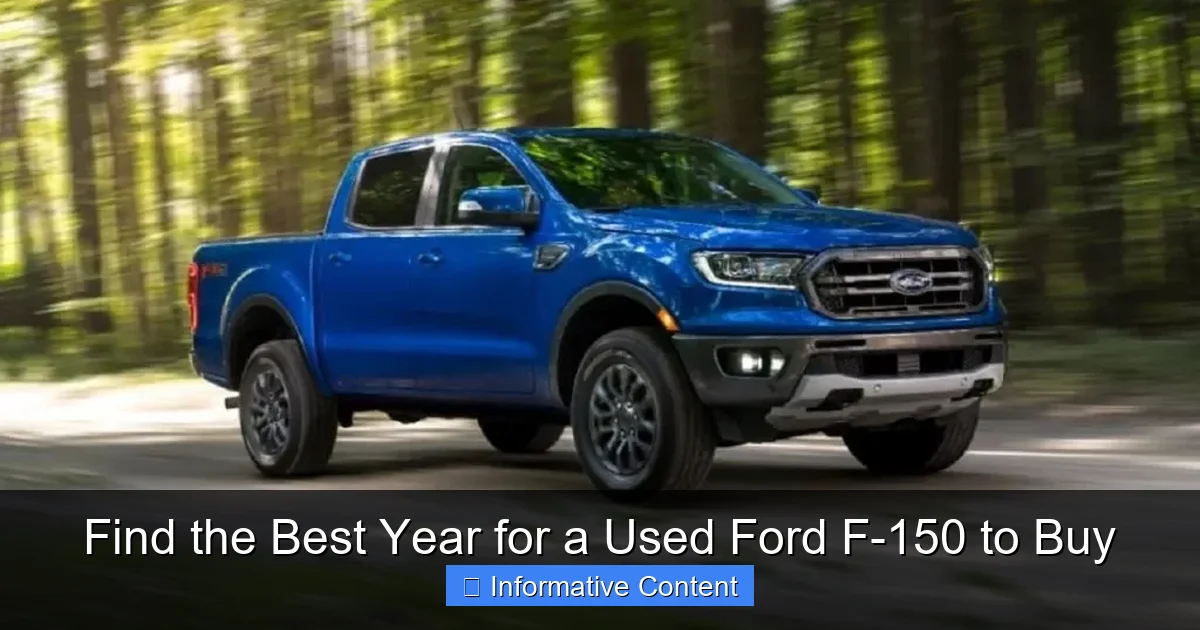
Featured image for What Is The Best Year For A Used Ford F150
Image source: motorbiscuit.com
Target the 2015-2017 model years for the best used Ford F-150, as they offer the ideal mix of modern aluminum-body efficiency, proven reliability, and strong value. These trucks refined the groundbreaking redesign, avoiding early issues while delivering capable performance. Focusing on this range ensures you get a dependable pickup without paying the premium for newer models.
So, you’re thinking about buying a used Ford F-150. That’s a smart move.
We’ve all been there. Scrolling through endless online listings. Seeing trucks with 50,000 miles, 150,000 miles, and every price in between. It’s exciting, but it can also feel overwhelming. Which one is the right one? Which year won’t leave you stranded or drain your wallet with surprise repairs?
Let’s talk about it like friends. I’ve spent a lot of time under hoods and talking to mechanics. The truth is, not all F-150 model years are created equal. Some are legendary for their toughness. Others have known issues that are best avoided. My goal here isn’t to sell you a specific truck. It’s to give you the honest, straightforward info you need to make a confident choice. Because the “best” year isn’t just one magic number. It’s about finding the perfect match for your needs, your budget, and your peace of mind.
In This Article
- 1 Key Takeaways
- 2 📑 Table of Contents
- 3 What Makes a Model Year “The Best”?
- 4 Top Recommended Years for a Used Ford F-150
- 5 Years to Tread Carefully With or Avoid
- 6 Best Value Picks for Different Budgets
- 7 A Quick Comparison of Top Picks
- 8 Your Action Plan: How to Buy the Right Used F-150
- 9 Wrapping It Up: Your Confidence on the Lot
- 10 Frequently Asked Questions
- 10.1 What is the best year for a used Ford F-150 to buy?
- 10.2 Are there any years I should avoid when buying a used Ford F-150?
- 10.3 Which model years of the Ford F-150 offer the best value?
- 10.4 How does the 2015 Ford F-150 compare to newer models?
- 10.5 What are the best years for a used Ford F-150 in terms of reliability?
- 10.6 Is the aluminum body on newer F-150s a good choice for used buyers?
Key Takeaways
- Focus on 2015-2017 models: They balance reliability, modern features, and value.
- Avoid 2004-2008 model years: Known for costly engine and spark plug issues.
- Prioritize the 5.0L V8 engine: It offers proven durability and fewer problems.
- Consider post-2018 trucks cautiously: They have newer tech but higher prices.
- Always verify maintenance records: Essential for assessing any used vehicle’s health.
📑 Table of Contents
What Makes a Model Year “The Best”?
Before we dive into specific years, let’s get on the same page about what we’re looking for. When I say “best year,” I’m not just talking about raw power or the fanciest interior. I’m talking about the whole package of reliability, value, and smart engineering.
A great used truck year hits a sweet spot. It has proven itself over time. The major kinks from a new design have been worked out. And it doesn’t come with hidden problems that turn a good deal into a money pit.
Key Factors to Consider
- Reliability & Common Issues: This is the big one. We want a truck known for going the distance without major, costly failures.
- Engine Lineup: The heart of the truck. Some engines are workhorses, others are more complex. The best year for a used Ford F-150 often has a proven, dependable powerplant.
- Major Redesigns: Ford typically redesigns the F-150 every 6-8 years. The first year or two of a new generation can have teething problems. The middle years are often the most refined.
- Safety & Tech Features: What modern comforts do you need? A backup camera? Advanced towing aids? This influences which generation you target.
- Resale Value & Cost: It’s a balance. A highly sought-after, reliable year might cost more upfront but hold its value better.
Top Recommended Years for a Used Ford F-150
Based on widespread owner feedback, mechanic reviews, and reliability data, a few model years consistently rise to the top. These are the trucks that have earned a reputation for being solid bets.
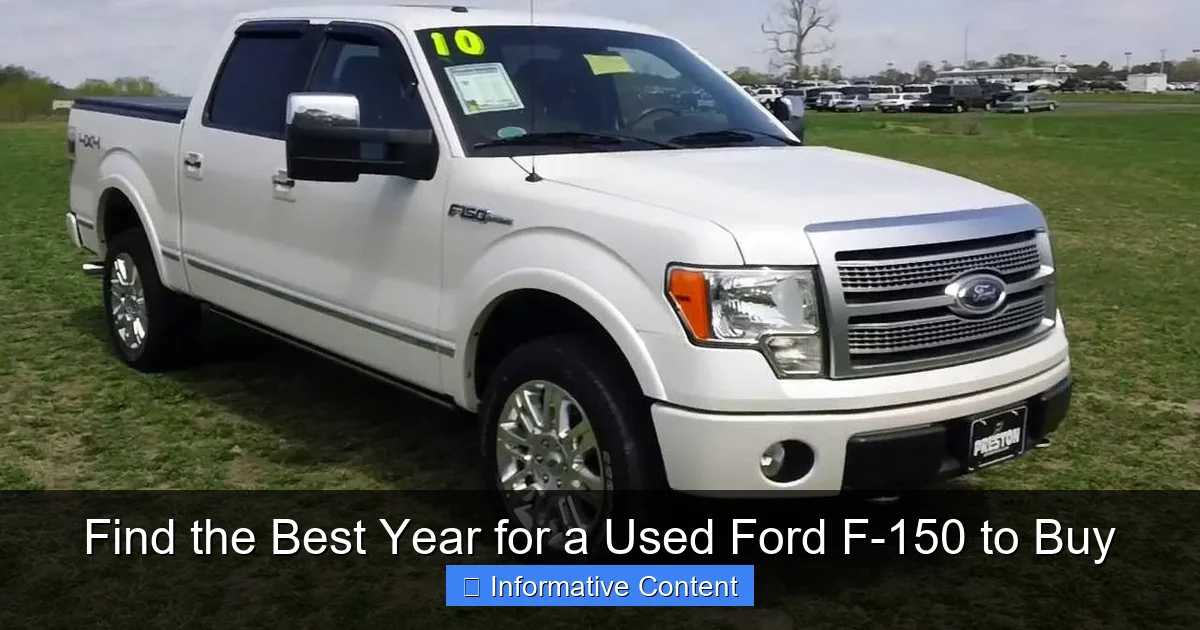
Visual guide about What Is The Best Year For A Used Ford F150
Image source: i.ytimg.com
The 2013-2014 F-150: The Tried-and-True Champions
If you want near-universal praise, look at the 2013 and 2014 models. These are the final years of the 12th generation (2009-2014). By this point, Ford had perfected this design. The 3.5L EcoBoost V6 had its early issues sorted out and became a fantastic, powerful, and efficient engine. The trusty 5.0L “Coyote” V8 is also an outstanding choice here. These trucks are simple by today’s standards but built tough. You get a comfortable interior, decent fuel economy, and a massive aftermarket for parts. For many, this is the absolute best year for a used Ford F-150 if your priority is minimizing hassle.
The 2015-2017 F-150: The Lightweight Innovators
The 2015 model year was a huge change. Ford introduced an all-aluminum body, shedding hundreds of pounds. This generation (13th gen: 2015-2020) is more modern, with better ride quality and interior tech. The 2016 and 2017 models are particularly strong picks. The 2.7L EcoBoost V6 proved to be remarkably reliable and peppy. The 5.0L V8 continued to shine. While there were some initial concerns about the aluminum body’s durability, they’ve proven to be exceptionally rust-resistant. Just be sure to check for any recalls related to the transmission, which had some software tweaks in these early years.
Years to Tread Carefully With or Avoid
Being honest means talking about the less stellar years, too. This isn’t to scare you, but to empower you. If you find a great deal on one of these, you just need to go in with your eyes wide open and get a thorough pre-purchase inspection.
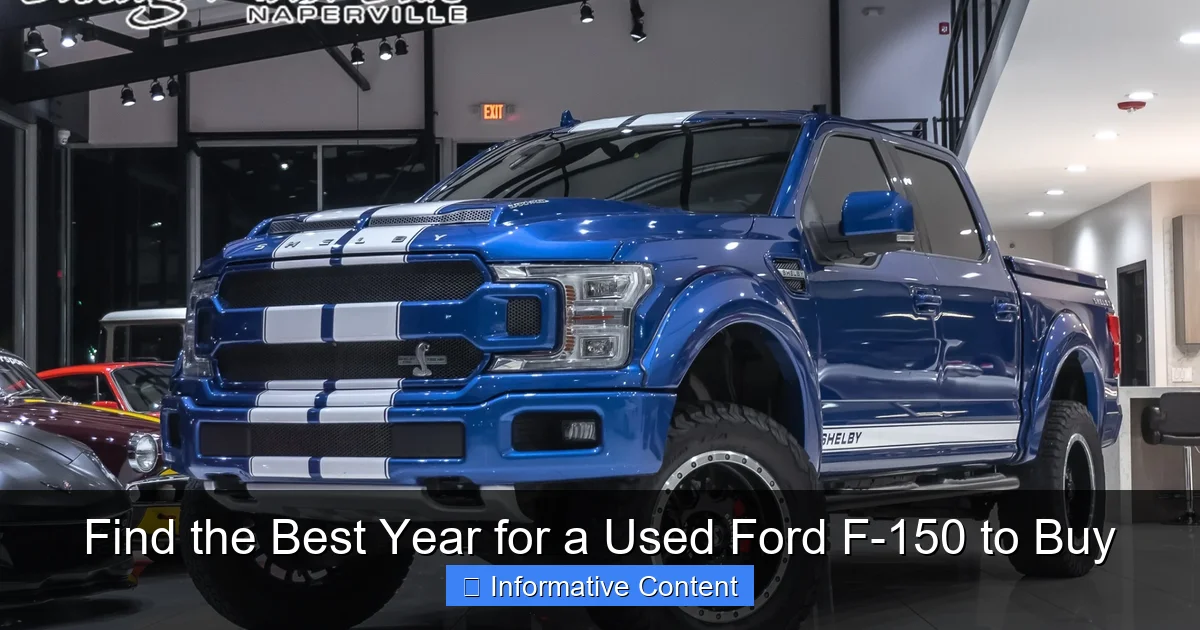
Visual guide about What Is The Best Year For A Used Ford F150
Image source: midwesttruckgroup.com
The 2004-2008 Era: Spark Plug & Cam Phaser Headaches
The 2004-2008 F-150s (11th generation) are known for two major engine issues. The 5.4L 3-valve Triton V8 had a notorious problem with spark plugs breaking off in the cylinder head during removal—a costly repair. It also commonly suffered from failing cam phasers, leading to a loud, diesel-like rattle on startup. These aren’t automatic deal-breakers if the repairs have already been done with documentation, but they’re significant red flags if not.
First Model Years of a New Generation
As a general rule, be extra cautious with the first year of any major redesign. The 2009 F-150 (first year of the 12th gen) had some early EcoBoost growing pains. The 2015 F-150 (first aluminum body) had some minor fit-and-finish and electrical gremlins. These were largely ironed out by the following model year. It’s often wiser to choose the second or third year of a generation.
Best Value Picks for Different Budgets
The best year for a used Ford F-150 for you depends heavily on what you can spend. Let’s break it down.
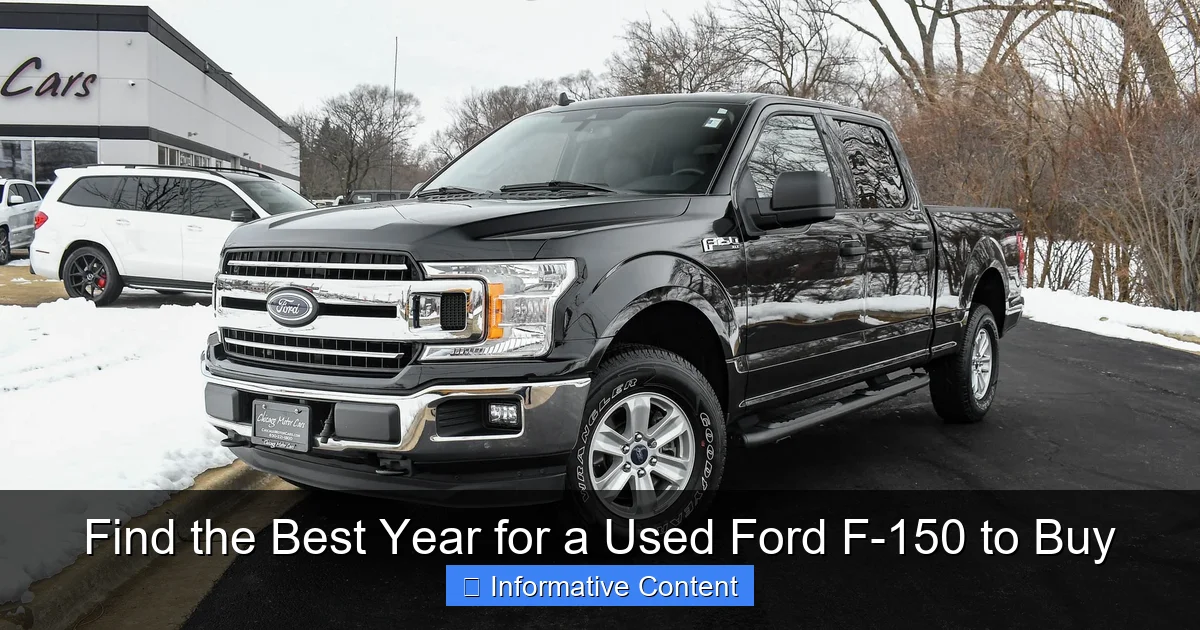
Visual guide about What Is The Best Year For A Used Ford F150
Image source: chicagomotorcars.com
Budget-Friendly Warrior (Under $15,000)
Look at the 2011-2012 F-150 with the 5.0L V8. You’re getting a later-year 12th-gen truck with the fantastic Coyote engine, avoiding the worst of the earlier 5.4L problems. These trucks are abundant, parts are cheap, and they have a straightforward, rugged feel. Expect higher mileage, but a well-maintained example can still have tons of life left.
The Sweet Spot ($18,000 – $28,000)
This is where our top picks, the 2013-2014 and 2016-2017 models, really live. For this price, you can find trucks with reasonable mileage (under 100k), in good condition, and with the engine of your choice. You’re paying for proven reliability and a more modern experience without the steep depreciation of a brand-new truck.
Nearly New Experience ($30,000+)
Here, you’re looking at the 2020 or 2021 F-150s. These are the final years of the 13th generation and are incredibly refined. You get all the latest safety tech (like standard automatic emergency braking), a beautiful interior, and the powerful 2.7L or 5.0L engines with all the bugs worked out. It’s a lot of truck for the money compared to new.
A Quick Comparison of Top Picks
This table sums up the key details of our recommended model years.
| Model Years | Generation | Key Strength | Engine to Look For | Consideration |
|---|---|---|---|---|
| 2013-2014 | 12th Gen (Final Years) | Peak reliability, simple & tough | 5.0L V8, 3.5L EcoBoost | Older interior tech |
| 2016-2017 | 13th Gen (Early/Mid) | Modern aluminum body, great fuel economy | 2.7L EcoBoost, 5.0L V8 | Check for transmission recall history |
| 2020-2021 | 13th Gen (Final Years) | Loaded with tech, refined ride | 2.7L EcoBoost, 5.0L V8 | Highest price point for “used” |
Your Action Plan: How to Buy the Right Used F-150
Knowing the best year for a used Ford F-150 is half the battle. Now, let’s make sure you pick a good individual truck.
Get the Vehicle History Report
Never skip this. A clean CarFax or AutoCheck report is your first line of defense. It shows accidents, title issues, service history, and how many owners it’s had. One with regular service records is a green flag.
Invest in a Pre-Purchase Inspection (PPI)
This is the most important $150 you will ever spend. Hire a trusted, independent mechanic to put the truck on a lift. They will check the frame for rust or damage, test the engine and transmission, look for leaks, and assess the brakes and suspension. They can spot problems you’d never see.
Know What to Look For On the Test Drive
- Transmission: It should shift smoothly, without hard clunks or hesitation. Test it in town and on the highway.
- 4×4 System: If equipped, test it. Make sure it engages and disengages smoothly.
- Listen for Noises: Rattles from the engine on startup (cam phasers). Whining from the rear end. Any unusual ticks or knocks.
- Test Everything: All windows, locks, the AC/heat, every button on the dash, the tailgate, and the towing connections.
Wrapping It Up: Your Confidence on the Lot
Choosing the best year for a used Ford F-150 doesn’t have to be a shot in the dark. It’s about balancing proven history with the features you want.
For bulletproof reliability, the 2013-2014 models are hard to beat. For a more modern feel with great efficiency, target a 2016 or 2017. And if your budget allows, the nearly-new 2020-2021 trucks offer an incredible blend of everything.
Remember, the “best” truck is the one that’s been cared for. A well-maintained 2012 can be a better buy than a neglected 2017. Use the model year as your guide, but let the vehicle history and a mechanic’s inspection make the final call.
Take this knowledge, be patient, and don’t rush. The right used F-150 is out there waiting for you. It’s the truck that will start every morning, handle your jobs and adventures, and become a trusted part of your life for years to come. Happy hunting!
Frequently Asked Questions
What is the best year for a used Ford F-150 to buy?
Many experts consider the 2015-2017 models as the best years for a used Ford F-150 due to the introduction of the lightweight aluminum body, which improved fuel efficiency and durability. However, the 2013-2014 models are also highly reliable and often come at a lower price point, offering great value.
Are there any years I should avoid when buying a used Ford F-150?
Some model years, such as 2004-2008 with the 5.4L Triton engine, are known for spark plug issues and other mechanical problems. It’s generally advised to avoid these years unless they have been thoroughly inspected and maintained, as repairs can be costly.
Which model years of the Ford F-150 offer the best value?
The 2011-2014 Ford F-150s often provide excellent value, balancing affordability with proven reliability and features. These years predate the aluminum body change, so they are typically less expensive but still offer strong performance and comfort for daily use.
How does the 2015 Ford F-150 compare to newer models?
The 2015 F-150 introduced the aluminum body, reducing weight and improving fuel economy, which was a significant update. Compared to newer models, it may lack some latest tech features, but it remains a solid choice for its durability and cost savings on the used market.
What are the best years for a used Ford F-150 in terms of reliability?
Based on consumer reports and reliability surveys, the 2013, 2014, and 2017 Ford F-150s are frequently cited as among the most reliable. These years have fewer widespread issues and are praised for their robust build quality and longevity, making them smart picks.
Is the aluminum body on newer F-150s a good choice for used buyers?
Yes, the aluminum body used from 2015 onward is beneficial for used buyers as it resists rust and corrosion better than steel. This leads to lower maintenance costs over time, making these models a smart investment for long-term ownership despite a higher initial price.

At CarLegit, we believe information should be clear, factual, and genuinely helpful. That’s why every guide, review, and update on our website is created with care, research, and a strong focus on user experience.