
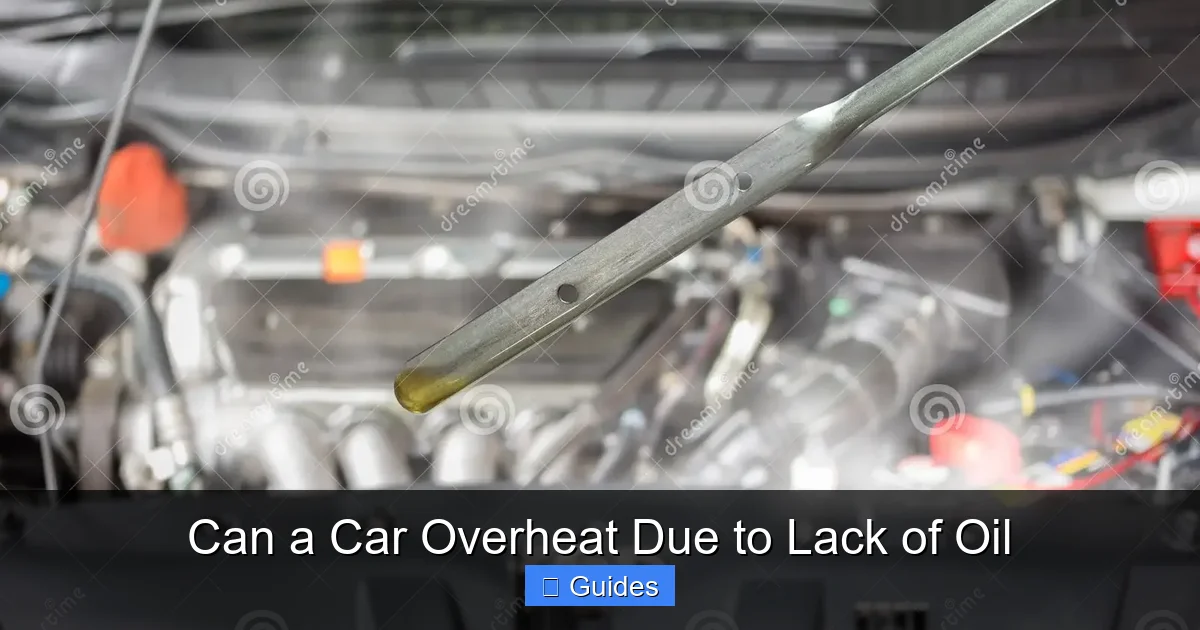
Yes, a car can overheat due to lack of oil. While coolant is the main factor in engine temperature, oil plays a critical role in reducing friction and heat. Low oil levels can lead to increased engine temperatures, potential damage, and even complete engine failure if ignored.
In This Article
- 1 Key Takeaways
- 2 📑 Table of Contents
- 3 Can a Car Overheat Due to Lack of Oil?
- 4 How Engine Oil Prevents Overheating
- 5 Signs Your Car Is Overheating Due to Low Oil
- 6 What Happens When You Drive with Low Oil?
- 7 How to Prevent Overheating from Low Oil
- 8 Real-Life Example: What Happens When You Ignore Low Oil
- 9 Coolant vs. Oil: Understanding the Difference
- 10 Conclusion: Don’t Ignore Your Oil
- 11 Frequently Asked Questions
- 11.1 Can a car overheat with full coolant but low oil?
- 11.2 How often should I check my oil to prevent overheating?
- 11.3 What does it sound like when an engine is low on oil?
- 11.4 Can I just add oil instead of changing it?
- 11.5 Will the check engine light come on for low oil?
- 11.6 How much does it cost to fix an engine damaged by low oil?
Key Takeaways
- Oil reduces engine friction: Engine oil lubricates moving parts, minimizing heat caused by metal-on-metal contact.
- Low oil increases heat buildup: Without enough oil, friction rises, generating excessive heat that can overwhelm the cooling system.
- Overheating can occur even with full coolant: A full radiator doesn’t protect against oil-related overheating.
- Warning signs include dashboard lights and strange noises: Watch for the oil pressure light, knocking sounds, or a rising temperature gauge.
- Regular oil checks prevent damage: Checking oil levels monthly and changing oil on schedule helps avoid overheating and engine wear.
- Ignoring low oil can lead to engine failure: Prolonged driving with low oil may result in seized pistons, warped heads, or total engine replacement.
- Both oil and coolant are essential: Maintaining both fluids is key to keeping your engine cool and running smoothly.
📑 Table of Contents
- Can a Car Overheat Due to Lack of Oil?
- How Engine Oil Prevents Overheating
- Signs Your Car Is Overheating Due to Low Oil
- What Happens When You Drive with Low Oil?
- How to Prevent Overheating from Low Oil
- Real-Life Example: What Happens When You Ignore Low Oil
- Coolant vs. Oil: Understanding the Difference
- Conclusion: Don’t Ignore Your Oil
Can a Car Overheat Due to Lack of Oil?
You’ve probably heard that low coolant causes engine overheating—and that’s true. But what many drivers don’t realize is that low engine oil can also cause a car to overheat. While coolant manages heat by circulating through the engine block and radiator, oil plays a different but equally vital role: it reduces friction between moving parts. When oil levels drop too low, friction increases, generating excess heat that the cooling system can’t handle alone. This can lead to overheating, even if your radiator is full.
Think of your engine as a high-performance machine with hundreds of metal components spinning and sliding against each other at high speeds. Without proper lubrication, these parts grind together, creating intense heat. Over time, this heat builds up, warping components and overwhelming the cooling system. In extreme cases, the engine can seize entirely. So yes—a car can overheat due to lack of oil, and it’s a problem that can sneak up on you if you’re not paying attention.
How Engine Oil Prevents Overheating
Engine oil does more than just lubricate—it’s a multitasking fluid that helps regulate temperature, clean internal parts, and protect against wear. To understand how low oil leads to overheating, it helps to know what oil actually does inside your engine.
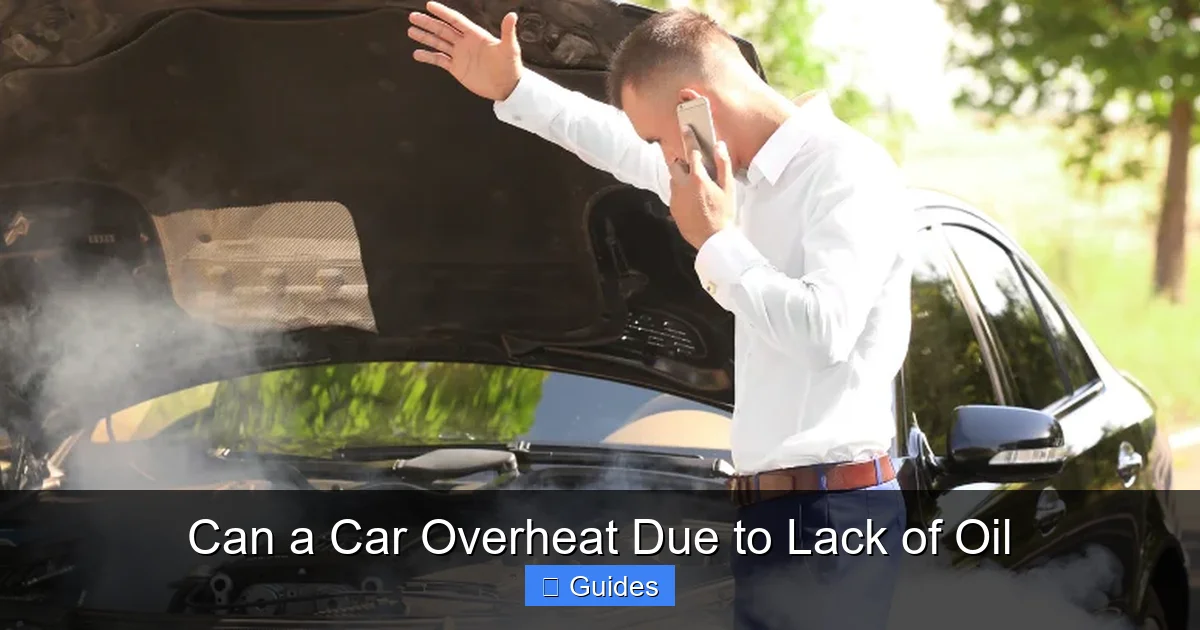
Visual guide about Can a Car Overheat Due to Lack of Oil
Image source: fordlincolncharlotte.com
Lubrication Reduces Friction and Heat
The primary job of engine oil is to create a thin, slippery film between metal surfaces like pistons, crankshafts, and camshafts. This film prevents direct contact, reducing friction. Less friction means less heat. When oil levels are low, this protective layer breaks down. Metal parts begin to rub directly against each other, creating intense heat through friction. This heat isn’t just a byproduct—it’s a major contributor to engine overheating.
Oil Carries Heat Away from Critical Components
While coolant handles most of the heat management, oil also absorbs and transfers heat away from high-friction areas. As oil circulates, it picks up heat from components like the pistons and cylinder walls. It then flows to the oil pan, where some of that heat dissipates. In vehicles with oil coolers, the oil passes through a small radiator-like device to cool down further. If there’s not enough oil, this heat transfer process becomes inefficient. The remaining oil overheats, loses its viscosity, and can’t protect the engine properly.
Oil Maintains Proper Engine Clearances
Engine components are designed to operate within tight tolerances. Oil helps maintain these clearances by filling microscopic gaps and preventing metal parts from expanding and binding due to heat. When oil is low, components can overheat and expand, leading to increased wear, scoring, or even seizing. This not only causes overheating but can also result in catastrophic engine damage.
Signs Your Car Is Overheating Due to Low Oil
Recognizing the symptoms early can save you from expensive repairs. While some signs are obvious, others are subtle and easy to miss. Here’s what to watch for.
Visual guide about Can a Car Overheat Due to Lack of Oil
Image source: takeuroil.com
Dashboard Warning Lights
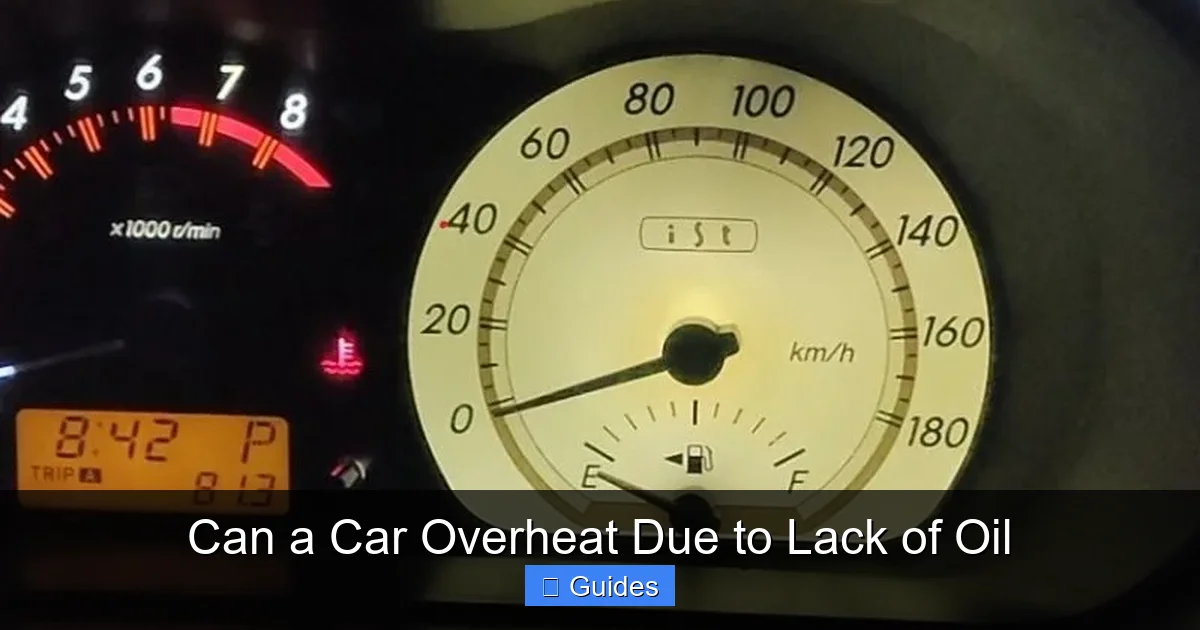
The most immediate clue is the oil pressure warning light on your dashboard. This light comes on when oil pressure drops below safe levels—often due to low oil. If you see this light, pull over immediately and check your oil level. Continuing to drive can cause severe engine damage. In some cases, the temperature gauge may also rise, indicating overheating. If both lights are on, it’s a red flag that low oil is causing heat buildup.
Unusual Engine Noises
Listen for knocking, ticking, or grinding sounds coming from the engine. These noises often indicate metal parts are grinding together due to insufficient lubrication. A knocking sound, in particular, can signal that the pistons are slapping against the cylinder walls—a sign of extreme friction and heat. If you hear these sounds, stop driving and inspect your oil level right away.
Burning Smell or Smoke
A burning oil smell or smoke under the hood can mean oil is leaking onto hot engine parts. While this doesn’t always mean low oil, it often leads to it. If oil levels are already low, the remaining oil may overheat and burn, producing a strong odor. Blue or gray smoke from the exhaust can also indicate oil burning inside the combustion chamber—another sign of serious engine stress.
Rising Temperature Gauge
If your temperature gauge climbs into the red zone, your engine is overheating. While coolant issues are the usual cause, low oil can also be the culprit—especially if the coolant level is fine. If you’ve ruled out radiator problems, a coolant leak, or a faulty thermostat, consider checking your oil level and condition.
Reduced Engine Performance
Low oil can cause the engine to run rough, lose power, or hesitate during acceleration. This happens because increased friction and heat reduce engine efficiency. You might notice sluggish response or difficulty maintaining speed. These performance issues often accompany overheating and should never be ignored.
What Happens When You Drive with Low Oil?
Driving with low oil is like running a marathon without water—it might work for a short time, but eventually, things break down. The consequences can range from minor wear to total engine failure.
Visual guide about Can a Car Overheat Due to Lack of Oil
Image source: takeuroil.com
Increased Friction and Heat
As mentioned earlier, low oil leads to metal-to-metal contact. This friction generates intense heat, which can warp engine components. For example, the cylinder heads may warp, causing leaks in the head gasket. This not only leads to overheating but can also mix oil and coolant, creating a milky sludge under the oil cap.
Oil Breakdown and Sludge Formation
When oil overheats, it breaks down chemically. It loses its lubricating properties and can turn into sludge—a thick, tar-like substance that clogs oil passages. Sludge prevents oil from reaching critical areas, worsening the overheating problem. Once sludge forms, it’s difficult to remove and often requires a full engine flush or even disassembly.
Component Damage and Engine Seizure
In severe cases, low oil can cause the engine to seize. This happens when pistons expand from heat and lock inside the cylinders. The engine stops turning, and the car won’t start. A seized engine usually requires a complete rebuild or replacement, costing thousands of dollars. Even if the engine doesn’t seize, components like bearings, camshafts, and crankshafts can wear out prematurely, leading to costly repairs.
Increased Risk of Catastrophic Failure
Ignoring low oil doesn’t just risk overheating—it risks total engine failure. Modern engines are precision machines, and they rely on consistent oil pressure and lubrication. When that’s compromised, the entire system can collapse. In worst-case scenarios, a connecting rod can break and punch a hole through the engine block—a repair that’s often more expensive than buying a new car.
How to Prevent Overheating from Low Oil
The good news? Preventing oil-related overheating is simple and inexpensive. With a few habits, you can protect your engine and avoid costly repairs.
Check Your Oil Regularly
Make it a habit to check your oil level at least once a month—or before long trips. Park on level ground, turn off the engine, and wait a few minutes for the oil to settle. Pull out the dipstick, wipe it clean, reinsert it, and check the level. It should be between the “min” and “max” marks. If it’s low, top it off with the correct type of oil for your vehicle.
Follow the Manufacturer’s Oil Change Schedule
Don’t skip oil changes. Most manufacturers recommend changing oil every 5,000 to 7,500 miles, depending on driving conditions and oil type. Synthetic oils last longer but still need regular changes. Sticking to the schedule ensures your oil stays clean and effective at reducing friction and heat.
Watch for Oil Leaks
Oil leaks are a common cause of low oil levels. Look for dark puddles under your car or oil stains on the driveway. Common leak points include the oil pan gasket, valve cover gasket, and oil filter. If you spot a leak, have it repaired promptly. Even a small leak can lead to low oil over time.
Use the Right Oil Type
Using the wrong oil can reduce its effectiveness. Check your owner’s manual for the recommended viscosity (e.g., 5W-30) and type (conventional, synthetic, or blend). Using oil that’s too thick or too thin can affect lubrication and heat management. In cold climates, thinner oils flow better; in hot climates, thicker oils provide better protection.
Monitor Dashboard Warnings
Never ignore warning lights. If the oil pressure light comes on, stop driving immediately. Continuing to drive can cause irreversible damage. Similarly, if the temperature gauge rises, pull over and investigate. Early action can prevent a minor issue from becoming a major repair.
Consider an Oil Additive (With Caution)
Some drivers use oil additives to improve lubrication or reduce wear. While some additives can help, others may do more harm than good. Stick to reputable brands and avoid overusing them. The best protection is still regular oil changes and proper maintenance.
Real-Life Example: What Happens When You Ignore Low Oil
Imagine a driver named Mike who skipped his last oil change. He noticed a small oil leak but figured it wasn’t serious. Over the next few weeks, his oil level dropped slowly. One day, while driving on the highway, his temperature gauge started climbing. He pulled over and checked the oil—it was nearly empty. The engine was making a loud knocking noise. By the time he got it towed, the damage was done. The pistons had overheated and scored the cylinder walls. The repair cost over $4,000.
Mike’s story isn’t rare. Many drivers underestimate the importance of oil until it’s too late. A simple $30 oil change could have prevented thousands in repairs. This example shows why regular maintenance is crucial—not just for performance, but for safety and longevity.
Coolant vs. Oil: Understanding the Difference
It’s easy to confuse coolant and oil because both help manage engine temperature. But they serve different purposes and work in different ways.
Coolant: The Heat Exchanger
Coolant (also called antifreeze) circulates through the engine block and radiator. It absorbs heat from the engine and releases it through the radiator. Coolant is essential for preventing overheating, especially in hot weather or during heavy use. Low coolant is a common cause of overheating, but it’s not the only one.
Oil: The Friction Fighter
Oil doesn’t circulate through the radiator. Instead, it stays inside the engine, coating moving parts and reducing friction. It also helps cool components by carrying heat to the oil pan. While coolant manages overall engine temperature, oil protects against localized hot spots caused by friction. Both are essential—neither can do the job alone.
Why Both Matter
A car can overheat even with full coolant if the oil is low. Similarly, full oil won’t prevent overheating if the coolant system fails. Maintaining both fluids is the best way to keep your engine cool and running smoothly. Think of coolant and oil as a team: one handles heat transfer, the other handles friction. Both are needed for optimal performance.
Conclusion: Don’t Ignore Your Oil
So, can a car overheat due to lack of oil? Absolutely. While coolant is the primary defense against overheating, oil plays a critical supporting role by reducing friction and managing heat from internal components. Low oil levels can lead to increased friction, heat buildup, and eventually, engine damage or failure.
The good news is that preventing oil-related overheating is simple. Regular oil checks, timely changes, and attention to warning signs can save you from expensive repairs and keep your car running reliably. Don’t wait for the temperature gauge to climb or the engine to knock—take action now. Your engine will thank you with years of smooth, trouble-free driving.
Frequently Asked Questions
Can a car overheat with full coolant but low oil?
Yes, a car can overheat even with full coolant if the oil level is low. Coolant manages overall engine temperature, but oil reduces friction and heat from moving parts. Without enough oil, friction increases, generating excess heat that can overwhelm the cooling system.
How often should I check my oil to prevent overheating?
Check your oil level at least once a month or before long trips. This simple habit helps you catch low oil early and prevents friction-related overheating. Also, follow your manufacturer’s oil change schedule.
What does it sound like when an engine is low on oil?
A low oil engine may make knocking, ticking, or grinding noises. These sounds indicate metal parts are grinding together due to insufficient lubrication. If you hear these noises, stop driving and check your oil immediately.
Can I just add oil instead of changing it?
Adding oil helps if the level is low, but it doesn’t replace an oil change. Old oil breaks down and loses its lubricating properties. Regular oil changes are necessary to maintain engine health and prevent overheating.
Will the check engine light come on for low oil?
Not always. The check engine light may not come on for low oil, but the oil pressure warning light will. This light is a more direct indicator of low oil pressure and should never be ignored.
How much does it cost to fix an engine damaged by low oil?
Repair costs vary, but engine damage from low oil can range from $1,000 to over $5,000. In severe cases, the engine may need a full rebuild or replacement. Regular maintenance is far cheaper than these repairs.

At CarLegit, we believe information should be clear, factual, and genuinely helpful. That’s why every guide, review, and update on our website is created with care, research, and a strong focus on user experience.