
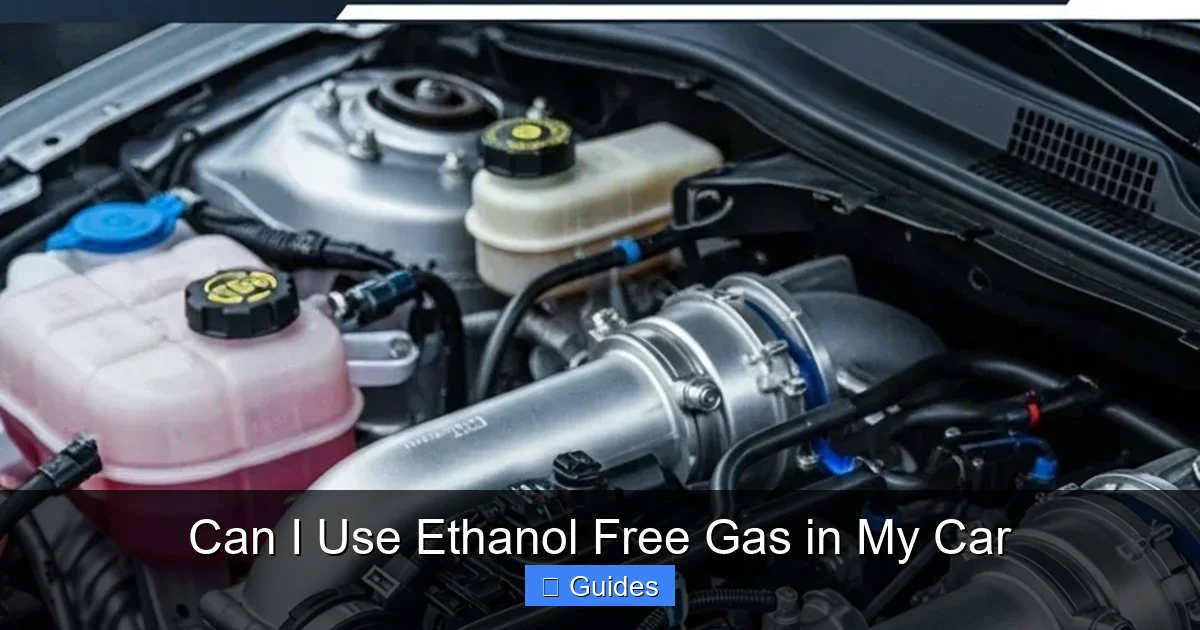
Using ethanol-free gas in your car is safe and often beneficial, especially for older vehicles, seasonal storage, or high-performance engines. While it may cost more and offer slightly lower fuel economy, it reduces moisture buildup, prevents corrosion, and keeps fuel systems cleaner over time.
In This Article
- 1 Key Takeaways
- 2 📑 Table of Contents
- 3 Can I Use Ethanol Free Gas in My Car?
- 4 What Is Ethanol-Free Gas?
- 5 Is Ethanol-Free Gas Safe for My Car?
- 6 Benefits of Using Ethanol-Free Gas
- 7 Drawbacks and Considerations
- 8 When Should You Use Ethanol-Free Gas?
- 9 How to Use Ethanol-Free Gas Safely
- 10 Conclusion
- 11 Frequently Asked Questions
Key Takeaways
- Ethanol-free gas is safe for most modern and older vehicles: It won’t harm your engine and can actually improve performance in certain cases.
- It reduces moisture and corrosion: Without ethanol, there’s less risk of water absorption, which helps prevent rust and fuel system damage.
- Better for long-term storage: Ethanol-free fuel lasts longer without degrading, making it ideal for seasonal vehicles like boats, motorcycles, or classic cars.
- May improve fuel efficiency slightly: Pure gasoline has a higher energy content than ethanol-blended fuels, potentially boosting miles per gallon.
- Higher cost at the pump: Ethanol-free gas typically costs 10–30 cents more per gallon due to reduced refining and blending requirements.
- Not always necessary for newer cars: Most modern vehicles are designed to run efficiently on E10 (10% ethanol) and can handle it without issues.
- Check your owner’s manual: Always confirm your vehicle’s fuel recommendations before switching to ethanol-free gas.
📑 Table of Contents
Can I Use Ethanol Free Gas in My Car?
If you’ve ever stood at the gas pump wondering whether that higher-priced “ethanol-free” option is worth it, you’re not alone. With more stations offering premium unleaded without ethanol, many drivers are curious: *Can I use ethanol-free gas in my car?* The short answer is yes—most cars can safely run on ethanol-free gasoline. But the real question is whether you *should*.
Ethanol-free gas, also known as pure gasoline or non-ethanol fuel, contains no alcohol additives. In contrast, the standard fuel sold across the U.S.—often labeled as “regular unleaded”—typically contains up to 10% ethanol (E10). Some pumps even offer E15 (15% ethanol) for compatible vehicles. Ethanol is added to reduce emissions and boost octane, but it comes with trade-offs. Ethanol-free gas, on the other hand, offers cleaner combustion, less moisture absorption, and better stability over time.
In this guide, we’ll dive deep into what ethanol-free gas is, how it affects your vehicle, and when it makes sense to use it. Whether you drive a brand-new sedan, a vintage muscle car, or a weekend motorcycle, understanding the pros and cons of ethanol-free fuel can help you make smarter decisions at the pump.
What Is Ethanol-Free Gas?
Visual guide about Can I Use Ethanol Free Gas in My Car
Image source: res.cloudinary.com
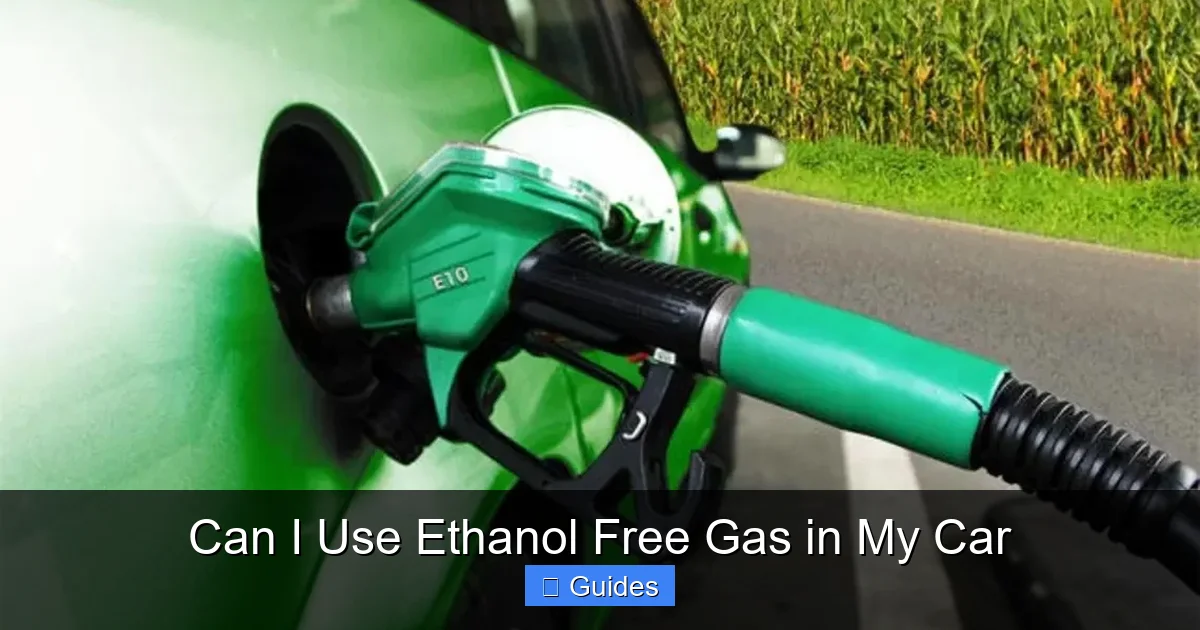
Ethanol-free gas is exactly what it sounds like: gasoline that contains no ethanol. It’s refined to meet standard gasoline specifications but skips the ethanol blending process. This type of fuel is often labeled as “recreational fuel,” “marine fuel,” or “non-ethanol gasoline” and is commonly used in boats, lawn equipment, classic cars, and performance vehicles.
How Is It Different from Regular Gas?
The main difference lies in the chemical composition. Regular gasoline sold in the U.S. is typically E10, meaning it contains 10% ethanol and 90% gasoline. Ethanol is an alcohol derived from corn or other plant materials, and it’s added to reduce carbon monoxide emissions and increase octane levels. However, ethanol has a lower energy density than pure gasoline—about 30% less energy per gallon. That means your engine has to burn more fuel to produce the same amount of power.
Ethanol-free gas, by contrast, delivers more energy per gallon. It also doesn’t attract water the way ethanol does. Ethanol is hygroscopic, meaning it absorbs moisture from the air. Over time, this can lead to phase separation in your fuel tank—where water and ethanol separate from the gasoline, potentially causing engine damage.
Where Can You Find Ethanol-Free Gas?
Ethanol-free gas isn’t available at every gas station, but it’s becoming more common. You’re most likely to find it at:
– Independent or local gas stations
– Marine fuel docks (especially near lakes or coastal areas)
– Rural stations that cater to farmers or outdoor enthusiasts
– Some premium fuel lanes at major chains (look for labels like “Top Tier” or “Recreational Fuel”)
Apps like Pure-Gas.org or GasBuddy can help you locate nearby stations offering ethanol-free fuel. Keep in mind that availability varies by region—rural areas and the Midwest (where corn-based ethanol is produced) may have more options.
Is Ethanol-Free Gas Safe for My Car?
Visual guide about Can I Use Ethanol Free Gas in My Car
Image source: rxmechanic.com
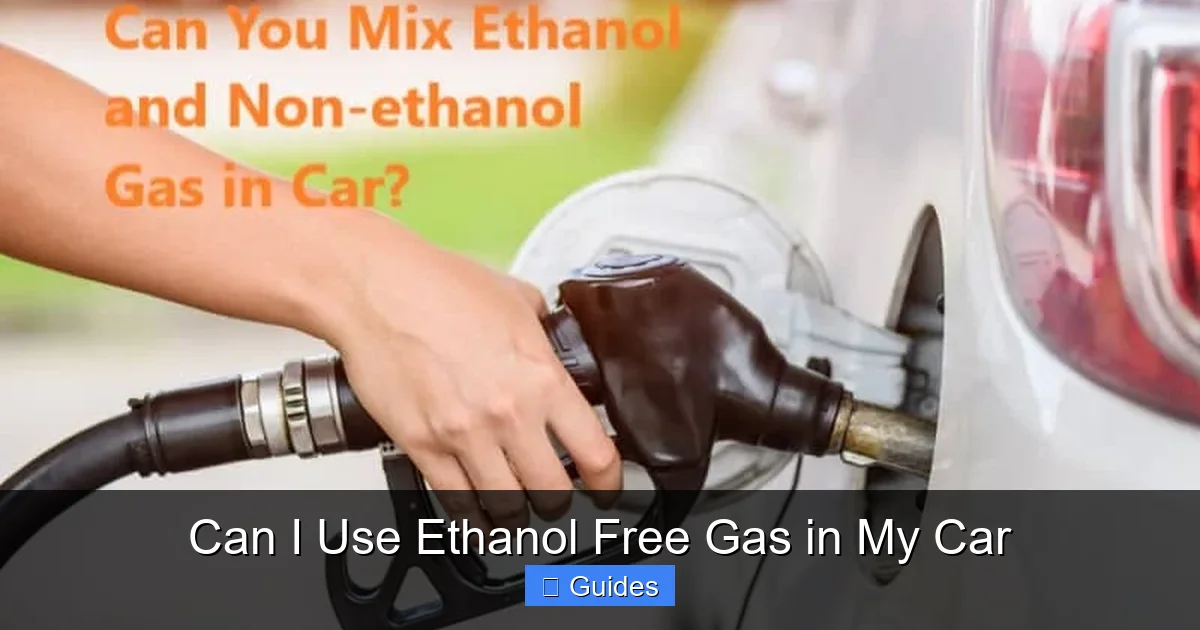
Yes, ethanol-free gas is safe for the vast majority of gasoline-powered vehicles, including cars, trucks, SUVs, and motorcycles. In fact, many manufacturers actually recommend or allow its use, especially for older models or vehicles used infrequently.
Modern Vehicles and Ethanol Compatibility
Most cars built after 2001 are designed to run on E10 without any issues. These vehicles have fuel systems made from materials resistant to ethanol corrosion, and their engine control units (ECUs) can adjust fuel mixture to compensate for ethanol’s lower energy content. In fact, the U.S. Environmental Protection Agency (EPA) approves E10 for use in all gasoline-powered vehicles.
That said, some newer high-performance or luxury vehicles may benefit from ethanol-free gas. For example, turbocharged engines or those with direct injection systems can experience carbon buildup over time when using ethanol-blended fuels. Ethanol-free gas burns cleaner, potentially reducing deposits on intake valves and fuel injectors.
Older and Classic Cars
For classic cars, muscle cars, or vehicles manufactured before the 1980s, ethanol-free gas is often the better choice. Older fuel systems used rubber hoses, cork gaskets, and metal components that can degrade when exposed to ethanol. Over time, ethanol can cause these materials to swell, crack, or corrode, leading to leaks or fuel system failure.
Additionally, classic cars often sit for long periods between uses. Ethanol-free gas is more stable and less likely to degrade or attract moisture during storage. This makes it ideal for seasonal vehicles like convertibles, vintage motorcycles, or weekend cruisers.
Warranty and Manufacturer Recommendations
Always check your vehicle’s owner’s manual before switching to ethanol-free gas. While most manufacturers permit its use, some may specify a minimum ethanol content for optimal performance or emissions compliance. For example, flex-fuel vehicles (FFVs) are designed to run on E85 (85% ethanol), but they can also use E10 or ethanol-free gas without issues.
Using ethanol-free gas will not void your warranty, as long as the fuel meets the required octane rating and doesn’t contain harmful additives. In fact, some manufacturers explicitly state that ethanol-free gas is acceptable—and even preferred—for certain applications.
Benefits of Using Ethanol-Free Gas
Visual guide about Can I Use Ethanol Free Gas in My Car
Image source: berwynlawnmower.com
There are several compelling reasons to consider ethanol-free gas, especially if you drive an older vehicle, store your car for long periods, or prioritize engine longevity.
Improved Fuel Stability and Shelf Life
One of the biggest advantages of ethanol-free gas is its stability. Ethanol-blended fuels can start to degrade within 60 to 90 days, especially if exposed to heat, air, or moisture. Ethanol attracts water, which can lead to phase separation—a condition where water and ethanol sink to the bottom of the fuel tank, creating a corrosive mixture that can damage fuel pumps and injectors.
Ethanol-free gas, on the other hand, can last six months to a year when stored properly. This makes it ideal for seasonal vehicles like snowmobiles, ATVs, boats, or classic cars that may sit idle for months. If you’re storing your car for the winter, filling up with ethanol-free gas and adding a fuel stabilizer can help prevent gum and varnish buildup in the fuel system.
Reduced Moisture and Corrosion
Ethanol’s hygroscopic nature is a double-edged sword. While it helps reduce emissions, it also pulls moisture from the air into your fuel tank. Over time, this water can cause rust in metal fuel tanks, corrode fuel lines, and damage sensitive components like fuel pumps and injectors.
Ethanol-free gas doesn’t attract water, significantly reducing the risk of corrosion. This is especially important for vehicles with older fuel systems or those stored in humid environments. For boat owners, ethanol-free gas is often required to prevent phase separation in marine fuel tanks, which can sink engines and ruin outboard motors.
Cleaner Combustion and Engine Performance
Ethanol burns hotter and can leave behind carbon deposits, especially in direct-injection engines. Over time, these deposits can clog intake valves, reduce airflow, and hurt performance. Ethanol-free gas burns cleaner, producing fewer deposits and helping maintain optimal engine efficiency.
Many drivers report smoother idling, better throttle response, and improved acceleration when using ethanol-free gas. While the difference may be subtle in everyday driving, it can be noticeable in high-performance or finely tuned engines.
Potential Fuel Economy Gains
Because ethanol has about 30% less energy than gasoline, ethanol-blended fuels can reduce fuel economy by 3–4%. For example, if your car gets 30 mpg on E10, it might get 31–32 mpg on ethanol-free gas. The improvement isn’t dramatic, but it can add up over time—especially for drivers who log high mileage.
Keep in mind that actual fuel economy depends on many factors, including driving habits, vehicle condition, and fuel quality. But if you’re looking to squeeze every mile out of a tank, ethanol-free gas is a logical choice.
Better for Small Engines and Equipment
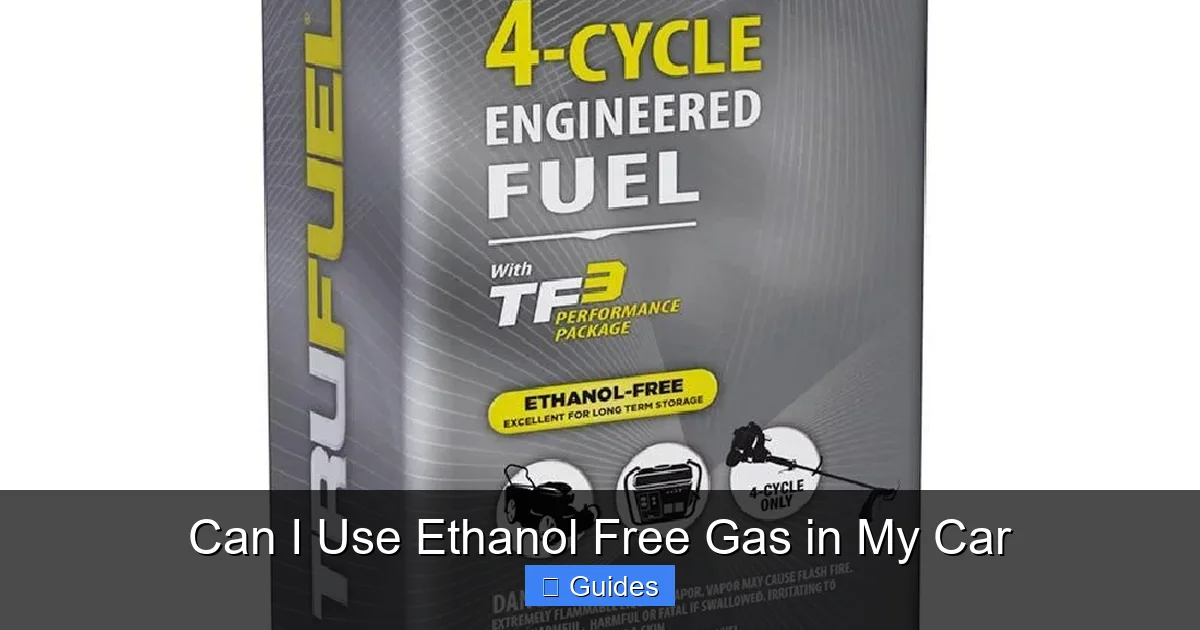
Ethanol-free gas isn’t just for cars—it’s also ideal for small engines like those in lawn mowers, chainsaws, generators, and pressure washers. These engines are more sensitive to fuel quality and often lack the advanced fuel systems found in modern vehicles.
Using ethanol-blended fuel in small engines can lead to carburetor clogs, hard starting, and reduced performance. Ethanol-free gas helps prevent these issues and extends the life of your equipment.
Drawbacks and Considerations
While ethanol-free gas has many benefits, it’s not the best choice for every driver or situation. There are some important drawbacks to consider before making the switch.
Higher Cost at the Pump
Ethanol-free gas typically costs 10 to 30 cents more per gallon than regular E10 fuel. The price difference varies by region and station, but it’s a consistent trend. For example, if regular gas is $3.50 per gallon, ethanol-free might be $3.70–$3.80.
Over time, this added cost can add up. If you drive 15,000 miles per year and your car gets 25 mpg, you’ll use about 600 gallons of fuel. At a 20-cent premium, that’s an extra $120 per year. For some, the benefits outweigh the cost. For others, especially those with modern vehicles that run fine on E10, it may not be worth it.
Reduced Environmental Benefits
Ethanol is added to gasoline partly to reduce greenhouse gas emissions and dependence on fossil fuels. It’s a renewable resource made from corn, sugarcane, or other biomass. By using ethanol-free gas, you’re burning a higher percentage of petroleum-based fuel, which has a larger carbon footprint.
If environmental impact is a priority, you may want to stick with E10 or consider alternative fuels like E85 (if your vehicle is flex-fuel compatible) or electric vehicles.
Not Always Necessary for Modern Cars
Most new cars are engineered to handle E10 without any problems. Their fuel systems are made from ethanol-resistant materials, and their ECUs can adjust fuel delivery to compensate for ethanol’s lower energy content. In many cases, the difference in performance or fuel economy between E10 and ethanol-free gas is negligible.
Unless you’re experiencing specific issues—like rough idling, fuel system corrosion, or storage concerns—there may be no compelling reason to switch.
Availability and Convenience
Ethanol-free gas isn’t available everywhere. If you rely on major chains or live in an urban area, you may have to go out of your way to find it. This can be inconvenient, especially on long road trips or when you’re in a hurry.
For drivers who value convenience, the extra effort may not be worth the benefits—especially if your car runs fine on regular gas.
When Should You Use Ethanol-Free Gas?
So, when does ethanol-free gas make the most sense? Here are some practical scenarios where it’s worth the extra cost and effort.
Classic and Vintage Vehicles
If you own a classic car, muscle car, or any vehicle built before the 1980s, ethanol-free gas is highly recommended. These cars weren’t designed for ethanol, and using E10 can damage rubber and metal components over time. Ethanol-free gas helps preserve your fuel system and keeps your engine running smoothly.
Seasonal or Infrequently Used Vehicles
Cars that sit for long periods—like convertibles, motorcycles, or RVs—benefit from ethanol-free gas. It resists degradation and moisture buildup, reducing the risk of fuel system problems when you finally take it out for a drive.
Boats and Marine Engines
Marine engines are especially vulnerable to ethanol-related issues. Water intrusion is common in boat fuel systems, and ethanol can make the problem worse. Many boat manufacturers recommend or require ethanol-free gas to prevent phase separation and engine damage.
High-Performance and Tuned Engines
If you drive a performance car, turbocharged vehicle, or a car with a modified engine, ethanol-free gas can help maintain optimal performance. It burns cleaner and reduces the risk of carbon buildup, which is especially important for direct-injection engines.
Small Engines and Outdoor Equipment
Lawn mowers, snow blowers, generators, and other small engines run better on ethanol-free gas. It prevents carburetor clogs and ensures reliable starting, even after long periods of storage.
How to Use Ethanol-Free Gas Safely
If you decide to use ethanol-free gas, follow these best practices to get the most benefit and avoid potential issues.
Check Your Owner’s Manual
Before making any changes, consult your vehicle’s owner’s manual. Confirm the recommended fuel type and octane rating. Most cars require 87 octane (regular), but some performance vehicles need 91 or higher.
Use a Fuel Stabilizer for Storage
Even ethanol-free gas can degrade over time. If you’re storing your vehicle for more than a few months, add a fuel stabilizer to the tank. This helps prevent oxidation and keeps the fuel fresh.
Don’t Mix Fuels Unnecessarily
While it’s safe to mix ethanol-free and ethanol-blended gas, it’s best to stick with one type if possible. Mixing can dilute the benefits of ethanol-free fuel and may affect performance.
Monitor Performance and Fuel Economy
Pay attention to how your car runs on ethanol-free gas. Note any changes in fuel economy, idle quality, or acceleration. If you notice improvements, it may be worth continuing. If not, you can always switch back.
Store Fuel Properly
If you buy ethanol-free gas in bulk (for equipment or storage), keep it in an approved fuel container, away from heat and direct sunlight. Use it within six months to a year for best results.
Conclusion
So, can you use ethanol-free gas in your car? Absolutely. For many drivers—especially those with older vehicles, seasonal cars, or high-performance engines—it’s not just safe, it’s beneficial. Ethanol-free gas offers cleaner combustion, reduced moisture, longer shelf life, and potentially better fuel economy.
However, it’s not a one-size-fits-all solution. Modern cars are designed to run efficiently on E10, and the environmental and economic trade-offs may not justify the switch for everyday drivers. The key is to evaluate your vehicle, your driving habits, and your priorities.
If you’re storing a classic car, boating on the weekends, or simply want to protect your engine from ethanol-related issues, ethanol-free gas is a smart choice. Just be prepared to pay a bit more and possibly go the extra mile to find it.
Ultimately, the decision comes down to what’s best for your car and your lifestyle. With the right information, you can make a confident choice at the pump—and keep your engine running strong for years to come.
Frequently Asked Questions
Is ethanol-free gas better for my car?
Ethanol-free gas can be better for older vehicles, seasonal storage, or high-performance engines because it reduces moisture, prevents corrosion, and burns cleaner. However, most modern cars run fine on E10, so it’s not always necessary.
Can I mix ethanol-free gas with regular gas?
Yes, you can safely mix ethanol-free gas with ethanol-blended fuel. Your engine will adjust, but mixing may reduce the benefits of using pure gasoline.
Does ethanol-free gas improve fuel economy?
It may improve fuel economy slightly—by 1–3%—because pure gasoline has more energy than ethanol. The difference is small but can add up over time.
Is ethanol-free gas bad for the environment?
Ethanol-free gas has a higher carbon footprint since it contains no renewable ethanol. If reducing emissions is a priority, E10 or alternative fuels may be better options.
Can I use ethanol-free gas in a flex-fuel vehicle?
Yes, flex-fuel vehicles can run on ethanol-free gas, E10, or even E85. Using non-ethanol fuel won’t damage the engine or void the warranty.
How long does ethanol-free gas last?
Ethanol-free gas can last 6–12 months when stored properly in a sealed container. Adding a fuel stabilizer can extend its shelf life even further.

At CarLegit, we believe information should be clear, factual, and genuinely helpful. That’s why every guide, review, and update on our website is created with care, research, and a strong focus on user experience.