
Yes, you can charge an electric car at home—and it’s often the most convenient and cost-effective way to keep your EV powered. With the right setup, from a simple wall outlet to a dedicated home charging station, you can wake up every morning to a fully charged vehicle. This guide walks you through everything you need to know to make home EV charging simple, safe, and smart.
In This Article
- 1 Key Takeaways
- 2 📑 Table of Contents
- 3 Can You Charge an Electric Car at Home?
- 4 How Home EV Charging Works
- 5 What You Need to Charge an Electric Car at Home
- 6 Installing a Home EV Charger: Step by Step
- 7 Cost of Charging an Electric Car at Home
- 8 Smart Charging and Future-Proofing Your Home
- 9 Safety Tips for Home EV Charging
- 10 Conclusion: Yes, You Can—and Should—Charge Your EV at Home
- 11 Frequently Asked Questions
- 11.1 Can I charge my electric car with a regular wall outlet?
- 11.2 Do I need a special charger to charge my EV at home?
- 11.3 How much does it cost to install a home EV charger?
- 11.4 Can I charge my EV at home if I live in an apartment?
- 11.5 Is it safe to charge an electric car at home?
- 11.6 Can I charge my EV with solar panels at home?
Key Takeaways
- Home charging is the most convenient way to power your EV: You can plug in overnight and start each day with a full battery, eliminating frequent trips to public chargers.
- You don’t need expensive equipment to start: Most EVs come with a portable Level 1 charger that plugs into a standard 120V outlet, perfect for overnight top-ups.
- Upgrading to a Level 2 charger speeds up charging significantly: A 240V home charging station can add 20–60 miles of range per hour, ideal for daily use and longer commutes.
- Installation is simple and often eligible for rebates: Many utility companies and governments offer incentives to offset the cost of buying and installing a home EV charger.
- Safety and electrical capacity matter: Always consult a licensed electrician to ensure your home’s wiring can handle the load and that installations meet local codes.
- Smart chargers offer added benefits: Features like scheduling, energy tracking, and integration with solar panels help you save money and reduce your carbon footprint.
- Home charging saves money over time: Electricity is generally cheaper than gasoline, and charging at home—especially during off-peak hours—can further reduce costs.
📑 Table of Contents
- Can You Charge an Electric Car at Home?
- How Home EV Charging Works
- What You Need to Charge an Electric Car at Home
- Installing a Home EV Charger: Step by Step
- Cost of Charging an Electric Car at Home
- Smart Charging and Future-Proofing Your Home
- Safety Tips for Home EV Charging
- Conclusion: Yes, You Can—and Should—Charge Your EV at Home
Can You Charge an Electric Car at Home?
So, you’ve got an electric car—or you’re seriously thinking about making the switch. One of the first questions that pops into your mind is probably: “Can I charge an electric car at home?” The short answer? Absolutely. In fact, for most EV owners, home charging isn’t just possible—it’s the preferred method.
Imagine this: You come home from work, plug in your car just like you plug in your phone, and wake up the next morning to a fully charged battery. No more stopping at gas stations, no more guessing where the nearest charger is, and no more waiting in line. That’s the reality of home EV charging. It’s convenient, reliable, and increasingly affordable.
But how does it actually work? What do you need? And is your home ready? Don’t worry—we’re going to break it all down in simple terms. Whether you live in a house with a garage, an apartment with a dedicated parking spot, or even a condo with shared charging, there’s a home charging solution that can work for you.
How Home EV Charging Works

Visual guide about Can You Charge an Electric Car at Home
Image source: hertz.com
At its core, charging an electric car at home is about converting electricity from your home’s power supply into stored energy in your car’s battery. But not all home charging is created equal. There are different levels of charging, each with its own speed, equipment, and setup requirements.
Level 1 Charging: The Basics
Level 1 charging is the simplest and most accessible form of home EV charging. It uses a standard 120-volt household outlet—the same kind you plug your lamp or TV into. Most electric cars come with a portable charging cord that fits right into these outlets.
Here’s how it works: You plug one end of the cord into the wall, and the other into your car’s charging port. The car then slowly draws power to recharge the battery. On average, Level 1 charging adds about 3 to 5 miles of range per hour. So if you drive 30 miles a day, it could take 6 to 10 hours to fully recharge.
This method is perfect for people with short commutes or who don’t drive every day. It’s also great as a backup option if you’re away from home and only have access to a regular outlet. The downside? It’s slow. If you drive a lot or have a larger battery (like in a Tesla Model S or Ford F-150 Lightning), Level 1 might not keep up with your needs.
Level 2 Charging: The Sweet Spot
For most EV owners, Level 2 charging is the real game-changer. This uses a 240-volt circuit—similar to what powers your dryer or oven—and requires a dedicated charging station, often called an EVSE (Electric Vehicle Supply Equipment).
A Level 2 charger can add 20 to 60 miles of range per hour, depending on your car and the charger’s power output (typically between 16 and 80 amps). That means you can fully recharge most EVs overnight, even after a long day of driving.
Installing a Level 2 charger at home involves mounting the unit on a wall or pedestal and connecting it to a 240-volt circuit. This usually requires a licensed electrician, especially if your home’s electrical panel needs an upgrade. But the investment pays off quickly in convenience and speed.
Level 3 Charging: Not for Home Use
You might have heard of Level 3 charging—also known as DC fast charging. These are the high-speed chargers you see at public stations, capable of adding 60 to 100 miles of range in just 20 minutes. But here’s the catch: Level 3 chargers require massive amounts of power and specialized equipment. They’re not practical (or safe) for home use.
So while Level 3 is great for road trips or quick top-ups on the go, it’s not something you’ll install in your garage. Stick with Level 1 or Level 2 for home charging.
What You Need to Charge an Electric Car at Home
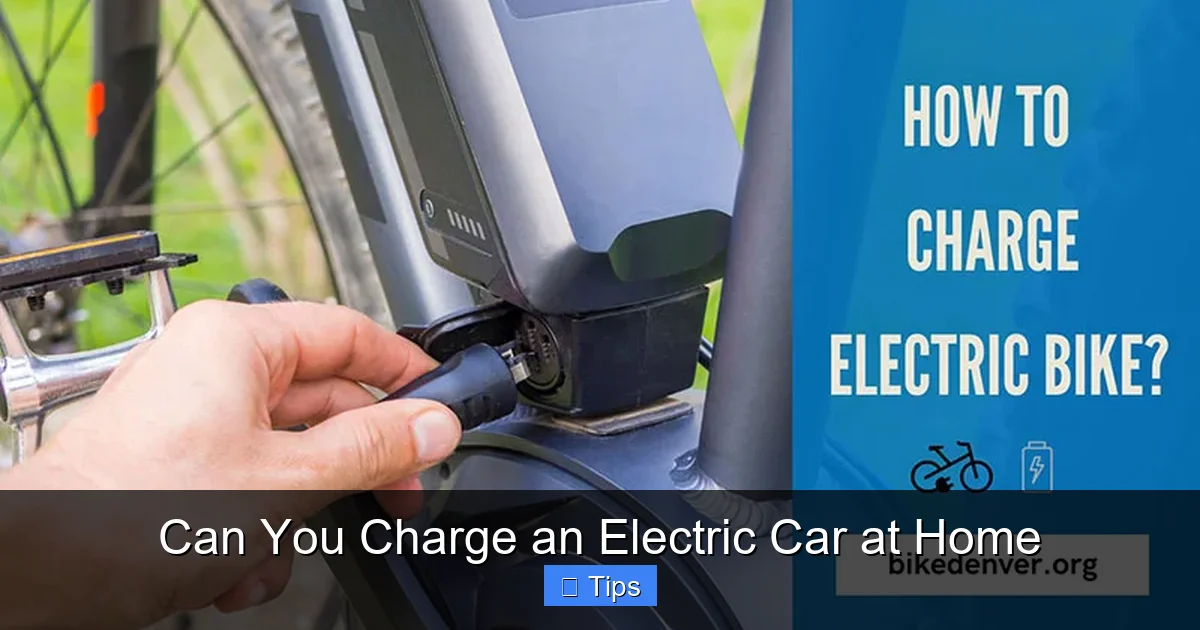
Visual guide about Can You Charge an Electric Car at Home
Image source: bikedenver.org
Now that you know how home charging works, let’s talk about what you actually need to get started. The good news? You probably already have some of it.
The Right Outlet
For Level 1 charging, all you need is a standard 120-volt outlet. But not just any outlet—make sure it’s on its own circuit and in good condition. Avoid using extension cords, as they can overheat and pose a fire risk. If your outlet is old or loose, have an electrician inspect it before plugging in your car.
For Level 2 charging, you’ll need a 240-volt outlet, similar to what’s used for electric dryers. Common types include NEMA 14-50 (50 amps) or NEMA 6-50 (50 amps). Your electrician can install one if you don’t already have it.
A Charging Cable or Station
Most EVs come with a portable Level 1 charging cord. It’s lightweight, easy to store, and plugs right into a wall outlet. Keep it in your trunk for emergencies or travel.
For Level 2 charging, you’ll need a dedicated home charging station. These are wall-mounted units that connect directly to your home’s electrical system. Popular brands include ChargePoint, JuiceBox, Tesla Wall Connector, and Grizzl-E. Prices typically range from $500 to $800, not including installation.
When choosing a charger, consider:
– Power output (amps): Higher amps mean faster charging, but your car and electrical system must support it.
– Cable length: A longer cord gives you more flexibility in where you park.
– Smart features: Some chargers let you schedule charging, track energy use, or integrate with solar panels.
Electrical Capacity and Upgrades
Before installing a Level 2 charger, have a licensed electrician assess your home’s electrical panel. Older homes may need an upgrade to handle the extra load. This could involve adding a new circuit breaker or even upgrading your main service panel.
Don’t skip this step. Overloading your electrical system can cause tripped breakers, damaged wiring, or even fires. A professional will ensure everything is safe, up to code, and optimized for your EV.
Installing a Home EV Charger: Step by Step
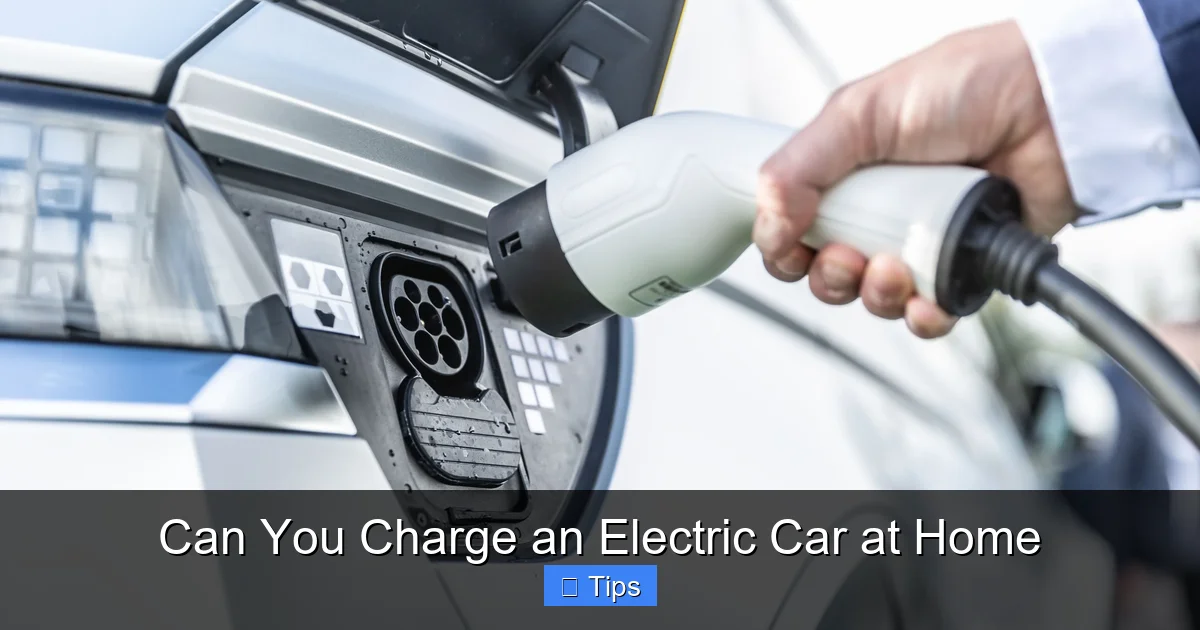
Visual guide about Can You Charge an Electric Car at Home
Image source: hertz.com
Ready to go beyond Level 1? Here’s what the installation process typically looks like.
1. Choose the Right Location
Pick a spot close to where you park your car—ideally within 15 to 25 feet of the charging port. It should be dry, protected from the elements, and easily accessible. Garages, carports, and driveways are all common choices.
2. Select Your Charger
Compare models based on power, features, price, and compatibility with your car. Read reviews and check for certifications like UL listing (safety standard) and Energy Star (efficiency).
3. Hire a Licensed Electrician
This isn’t a DIY project. A qualified electrician will:
– Inspect your electrical panel
– Run a new 240-volt circuit
– Install the outlet or hardwire the charger
– Ensure everything meets local building codes
Costs vary by location and complexity, but expect to pay $500 to $2,000 for installation, including labor and materials.
4. Schedule and Complete the Installation
Most installations take 2 to 4 hours. The electrician will test the system to make sure it’s working safely and efficiently. Once it’s done, you’re ready to charge!
5. Take Advantage of Rebates and Incentives
Many utility companies, states, and local governments offer rebates or tax credits for home EV charger installations. For example:
– The U.S. federal tax credit covers 30% of the cost (up to $1,000) for qualifying chargers and installation.
– California’s Clean Fuel Rewards program offers up to $1,000 for EV owners.
– Some utilities offer discounted electricity rates for EV charging during off-peak hours.
Check with your utility provider or visit websites like DSIRE (Database of State Incentives for Renewables & Efficiency) to find available programs.
Cost of Charging an Electric Car at Home
One of the biggest advantages of home charging is cost savings. Electricity is generally much cheaper than gasoline, and charging at home gives you more control over when and how you pay.
How Much Does It Cost?
The average cost to charge an electric car at home in the U.S. is about $0.15 per kilowatt-hour (kWh). Most EVs use around 30 kWh to travel 100 miles. So, charging a 75 kWh battery (like in a Tesla Model 3) from empty to full would cost about $11.25.
Compare that to gasoline: If your car gets 25 miles per gallon and gas costs $3.50 per gallon, driving 300 miles would cost $42. That’s nearly four times more than the equivalent EV charge.
Save More with Off-Peak Charging
Many utility companies offer time-of-use (TOU) rates, which charge less for electricity during off-peak hours (usually overnight). If you charge your car between 10 p.m. and 6 a.m., you could pay as little as $0.08 per kWh—cutting your charging cost by nearly half.
Smart chargers make this easy. You can set them to only charge during low-rate periods, so you wake up to a full battery at the lowest possible price.
Long-Term Savings
Over time, home charging can save you thousands of dollars. A 2023 study by the U.S. Department of Energy found that EV owners save an average of $1,000 per year on fuel compared to gas-powered cars. Add in lower maintenance costs (no oil changes, fewer moving parts), and the savings grow even more.
Smart Charging and Future-Proofing Your Home
As EVs become more advanced, so do home charging options. Smart chargers are leading the way, offering features that make charging safer, cheaper, and more sustainable.
What Is Smart Charging?
Smart chargers connect to your home Wi-Fi and can be controlled via a smartphone app. You can:
– Start or stop charging remotely
– Schedule charging for off-peak hours
– Monitor energy use and costs
– Receive alerts when charging is complete
Some models even integrate with home energy systems, like solar panels or home batteries. For example, you can set your charger to only use solar power during the day, reducing your reliance on the grid.
Solar-Powered Charging
If you have solar panels, you can charge your EV with clean, renewable energy. During sunny days, your panels generate excess electricity that can be stored in a home battery or used to charge your car. This not only saves money but also reduces your carbon footprint.
Some homeowners even go “off-grid” for EV charging, using solar and battery storage to power their cars entirely with renewable energy.
Vehicle-to-Home (V2H) Technology
The future of home EV charging is bidirectional—meaning your car can not only take power from your home but also send it back. Vehicle-to-home (V2H) systems allow your EV to act as a backup power source during outages.
For example, if the power goes out, your electric car can power your lights, refrigerator, or even your entire home for hours. This technology is still emerging but is already available in some models like the Ford F-150 Lightning and Hyundai Ioniq 5.
Safety Tips for Home EV Charging
Safety should always come first when charging an electric car at home. While EVs and chargers are designed with multiple safety features, a few simple precautions can prevent problems.
Use the Right Equipment
Only use chargers and cables that are certified and compatible with your vehicle. Avoid cheap, uncertified chargers—they may not meet safety standards and could damage your car or cause fires.
Inspect Cables and Outlets Regularly
Check your charging cable for fraying, cracks, or damage. Make sure outlets are clean, dry, and not overheating. If you notice any issues, stop using the equipment and have it inspected.
Avoid Extension Cords
Never use extension cords for EV charging. They can overheat and pose a serious fire hazard. If you need more reach, install a longer charging cable or relocate the charger.
Keep Chargers Dry and Protected
If your charger is outdoors, make sure it’s rated for outdoor use (look for “NEMA 3R” or higher). Keep it sheltered from rain, snow, and direct sunlight when possible.
Follow Manufacturer Guidelines
Always read your car’s manual and charger instructions. Follow recommended charging practices, such as not charging in extreme temperatures or leaving the car plugged in indefinitely.
Conclusion: Yes, You Can—and Should—Charge Your EV at Home
So, can you charge an electric car at home? The answer is a resounding yes. In fact, for most EV owners, home charging is the most practical, affordable, and convenient way to keep their vehicle powered.
Whether you start with a simple Level 1 charger or upgrade to a fast Level 2 station, the benefits are clear: lower fuel costs, greater convenience, and a smaller environmental footprint. With the right setup, you can wake up every morning to a fully charged car, ready for whatever the day brings.
And as technology advances, home charging is only getting smarter and more efficient. From solar integration to vehicle-to-home power, the future of EV charging is bright—and it starts right in your garage.
If you’re considering an electric car, don’t let charging concerns hold you back. With a little planning and the help of a professional, you can make home EV charging a seamless part of your daily routine. The road to cleaner, cheaper, and more convenient driving starts at home.
Frequently Asked Questions
Can I charge my electric car with a regular wall outlet?
Yes, you can charge your EV using a standard 120-volt outlet with the portable charger that comes with most electric cars. This is called Level 1 charging and is perfect for overnight top-ups, though it’s slower than other methods.
Do I need a special charger to charge my EV at home?
For basic charging, no—your car likely includes a portable Level 1 charger. But for faster charging, you’ll want a dedicated Level 2 home charging station, which requires a 240-volt circuit and professional installation.
How much does it cost to install a home EV charger?
Installation costs typically range from $500 to $2,000, depending on your home’s electrical setup. This includes labor, materials, and any necessary upgrades to your electrical panel.
Can I charge my EV at home if I live in an apartment?
Yes, many apartments and condos now offer shared or dedicated EV charging stations. If not, check with your landlord or homeowners’ association—some are open to installing chargers, especially with available rebates.
Is it safe to charge an electric car at home?
Yes, as long as you use certified equipment and follow safety guidelines. Always have a licensed electrician install Level 2 chargers and avoid using extension cords or damaged cables.
Can I charge my EV with solar panels at home?
Absolutely. If you have solar panels, you can use the electricity they generate to charge your EV. Some systems even let you charge directly from solar during the day, reducing grid dependence and saving money.

At CarLegit, we believe information should be clear, factual, and genuinely helpful. That’s why every guide, review, and update on our website is created with care, research, and a strong focus on user experience.