
Getting a car wash in the winter isn’t just possible—it’s essential. Cold weather, road salt, and grime can damage your vehicle if left unchecked. Regular washing helps prevent rust, preserves paint, and keeps your car looking great all season long.
In This Article
- 1 Key Takeaways
- 2 📑 Table of Contents
- 3 Can You Get a Car Wash in the Winter?
- 4 Why Winter Car Washes Are Important
- 5 Best Practices for Winter Car Washing
- 6 DIY vs. Professional Winter Car Washes
- 7 Protecting Your Car Beyond the Wash
- 8 Conclusion
- 9 Frequently Asked Questions
- 9.1 Is it safe to wash my car in freezing temperatures?
- 9.2 Can I use hot water to wash my car in winter?
- 9.3 How often should I wash my car in winter?
- 9.4 Do I need to dry my car after a winter wash?
- 9.5 Can I use a regular car wash in winter?
- 9.6 What should I do if my car doors freeze shut after washing?
Key Takeaways
- Winter car washes prevent rust: Road salt and moisture accelerate corrosion, but regular washing removes harmful buildup.
- Undercarriage cleaning is critical: Salt and debris accumulate underneath your car, so focus on this area during winter washes.
- Choose the right wash method: Touchless or hand washes are safer in cold weather to avoid ice damage to components.
- Timing matters: Wash your car on warmer days when temperatures are above freezing to prevent water from freezing on surfaces.
- Drying is essential: Always dry your car thoroughly after washing to avoid ice formation in door seals, locks, and mirrors.
- Protect your paint: Apply wax or sealant before winter to create a protective barrier against salt and moisture.
- Interior care counts too: Winter brings mud, snow, and salt indoors—use floor mats and clean spills quickly.
📑 Table of Contents
Can You Get a Car Wash in the Winter?
If you’ve ever looked at your snow-covered, salt-streaked car in January and thought, “There’s no way I’m washing this thing right now,” you’re not alone. Winter weather brings icy roads, freezing temperatures, and a whole lot of grime. But here’s the truth: **you absolutely can—and should—get a car wash in the winter**.
Many people assume that washing a car in cold weather is pointless. After all, it’ll just get dirty again, right? Or worse, the water might freeze and cause damage. While those concerns are understandable, they’re based on misconceptions. With the right approach, winter car washing is not only safe but highly beneficial. In fact, skipping washes during the colder months can lead to long-term damage like rust, paint deterioration, and even mechanical issues.
Think of your car like your skin. In winter, your skin gets dry, cracked, and irritated without proper care. Your car’s exterior faces similar stress—only instead of dry air, it’s battling road salt, ice melt chemicals, dirt, and moisture. These elements cling to your vehicle, seep into crevices, and slowly eat away at the metal and paint. Regular washing acts like a protective moisturizer, removing harmful substances before they cause harm.
So, whether you’re dealing with a light dusting of snow or a full-blown salt crust, don’t let winter stop you from keeping your car clean. With a few smart strategies, you can maintain your vehicle’s appearance and longevity—even in the coldest months.
Why Winter Car Washes Are Important
Visual guide about Can You Get a Car Wash in the Winter
Image source: thumbs.dreamstime.com
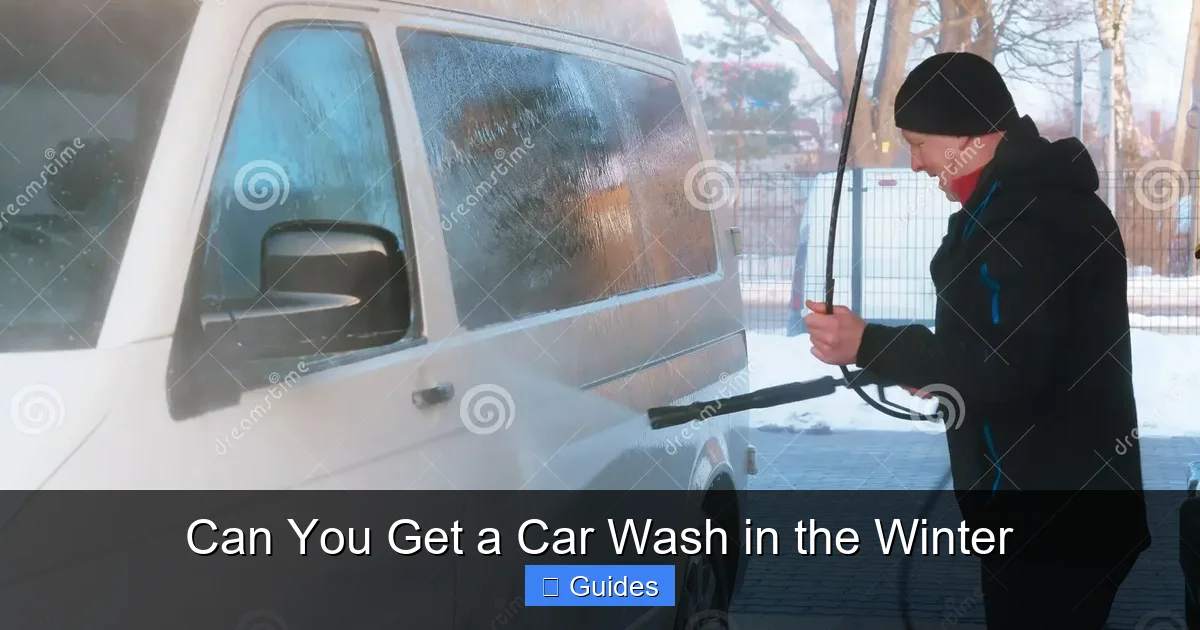
You might be wondering, “What’s the big deal? My car looks fine.” But looks can be deceiving. The real damage from winter driving isn’t always visible at first glance. It happens slowly, beneath the surface, and can cost you hundreds—or even thousands—in repairs down the line.
The Hidden Dangers of Road Salt
One of the biggest threats to your car in winter is road salt. Municipalities spread salt and other de-icing agents on roads to melt ice and improve traction. While this keeps you safer on the road, it’s a nightmare for your vehicle. Salt is highly corrosive. It accelerates rust formation on metal parts, especially the undercarriage, wheel wells, and door panels.
When salt mixes with moisture—from snow, rain, or melting ice—it creates a conductive solution that speeds up electrochemical corrosion. This process can eat through metal, weaken structural components, and damage electrical systems. Over time, untreated salt buildup can lead to costly repairs, such as replacing brake lines, exhaust systems, or even body panels.
Protecting Your Paint and Finish
Your car’s paint isn’t just about aesthetics—it’s a protective layer. When dirt, salt, and grime sit on the surface, they trap moisture against the paint. This creates a perfect environment for rust to form, even on areas that seem protected. Additionally, abrasive particles in winter grime can scratch the clear coat, leading to dullness, fading, and eventual paint failure.
Regular washing removes these contaminants before they have a chance to penetrate the surface. It’s like washing your hands to avoid getting sick—simple, effective, and essential for long-term health.
Improving Visibility and Safety
A clean car isn’t just about looking good—it’s about staying safe. Winter weather often means reduced visibility due to fog, snow, and ice. If your windows, mirrors, and lights are caked with salt and dirt, your ability to see and be seen drops significantly.
Washing your car ensures that all glass surfaces are clear, headlights are bright, and signals are visible. This is especially important during snowstorms or icy conditions when every second counts. Plus, clean windows reduce glare from streetlights and oncoming traffic, making night driving safer.
Preserving Resale Value
If you plan to sell or trade in your car someday, maintaining its condition is key to getting top dollar. A well-cared-for vehicle with minimal rust and clean paint will always fetch a higher price than one that’s been neglected.
Winter is a critical time for preservation. Salt damage can significantly reduce a car’s resale value, especially if it’s visible on the undercarriage or wheel wells. Regular washing helps maintain the vehicle’s structural integrity and appearance, protecting your investment.
Best Practices for Winter Car Washing
Visual guide about Can You Get a Car Wash in the Winter
Image source: i.ytimg.com
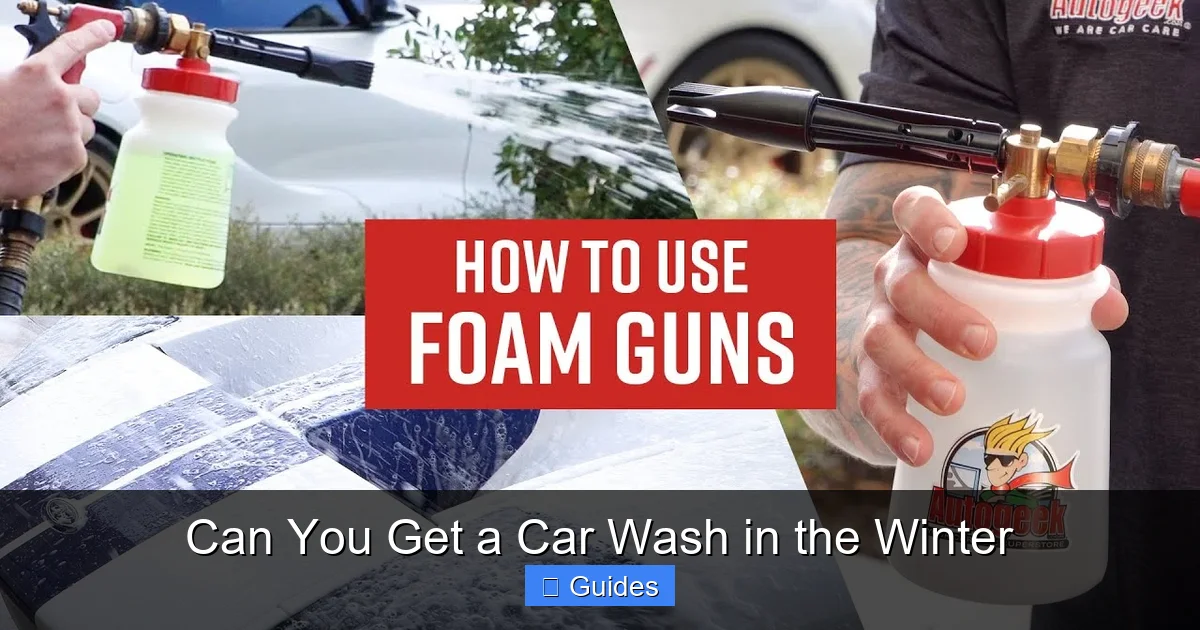
Now that you know why winter car washes matter, let’s talk about how to do them safely and effectively. Washing a car in cold weather requires a slightly different approach than in warmer months. The goal is to clean your vehicle without causing damage from ice, freezing water, or harsh conditions.
Choose the Right Time and Temperature
Timing is everything when it comes to winter car washing. Avoid washing your car when temperatures are below freezing (32°F or 0°C). Water can freeze on the surface, trapping dirt and causing ice buildup in door seals, locks, and mirrors. This not only makes it harder to dry your car but can also damage components over time.
Instead, aim to wash your car on a relatively warm day—ideally when temperatures are above 40°F (4°C). Midday is usually the warmest part of the day, so plan your wash between 10 a.m. and 2 p.m. if possible. Check the weather forecast to ensure no snow or rain is expected immediately after washing.
Use the Right Wash Method
Not all car wash methods are created equal, especially in winter. Here are the best options:
– **Touchless Car Washes:** These use high-pressure water and detergents without physical contact. They’re ideal for winter because they reduce the risk of scratching cold, brittle paint. Look for washes that offer undercarriage cleaning—this is crucial for removing salt buildup.
– **Hand Washing:** If you prefer to wash your car at home, use a soft microfiber mitt and a bucket of warm (not hot) soapy water. Avoid using brushes or sponges that can trap grit and scratch the paint.
– **Automatic Brush Washes:** These can be risky in winter. Cold paint is more prone to scratching, and brushes may not rinse thoroughly, leaving soap residue that can freeze. If you use one, choose a gentle setting and ensure the wash includes a rinse and dry cycle.
Focus on the Undercarriage
The undercarriage is the most vulnerable part of your car in winter. It’s constantly exposed to salt, slush, and road debris. Unfortunately, it’s also the most neglected during washes.
Make undercarriage cleaning a priority. Many touchless car washes offer an undercarriage rinse option—use it. If you’re washing at home, use a hose with a spray nozzle to blast away salt and grime from the chassis, suspension, and exhaust system. Pay special attention to wheel wells, where salt tends to accumulate.
Rinse and Dry Thoroughly
After washing, rinsing is just as important as the wash itself. Use clean, warm water to remove all soap and contaminants. Pay extra attention to door jambs, trunk seals, and mirror housings—these areas trap water and can freeze shut if not dried properly.
Drying is critical in winter. Use a clean, dry microfiber towel to wipe down all surfaces. Open doors and the trunk to dry the seals and prevent ice from forming. If possible, drive your car for a few minutes after washing to let the engine heat help evaporate any remaining moisture.
Avoid Common Winter Washing Mistakes
Even with the best intentions, it’s easy to make mistakes when washing your car in winter. Here are a few to avoid:
– **Using Hot Water:** Never use hot water on a cold car. The sudden temperature change can cause glass to crack or paint to warp.
– **Washing in Direct Sunlight:** While it might seem logical to wash on a sunny day, direct sunlight can cause soap to dry too quickly, leaving streaks and spots.
– **Skipping the Wax:** Applying a coat of wax or sealant before winter creates a protective barrier that repels water and salt. Reapply every few months for best results.
– **Ignoring the Interior:** Winter brings mud, snow, and salt indoors. Use all-weather floor mats and clean spills immediately to prevent stains and odors.
DIY vs. Professional Winter Car Washes
Visual guide about Can You Get a Car Wash in the Winter
Image source: shellroyal.co.za
When it comes to winter car washing, you have two main options: do it yourself or go to a professional. Both have pros and cons, and the best choice depends on your time, budget, and vehicle needs.
DIY Winter Car Washing
Washing your car at home gives you full control over the process. You can choose your products, focus on problem areas, and take your time. It’s also more cost-effective in the long run—no per-wash fees.
However, DIY washing has its challenges in winter. You’ll need access to a hose, which can freeze in cold weather. Outdoor water sources may shut off in freezing temperatures, and indoor washing isn’t practical for most people.
If you choose to wash at home, consider these tips:
– Use a heated garage or wash during the warmest part of the day.
– Keep your washing supplies (buckets, mitts, towels) indoors to prevent freezing.
– Use a waterless or rinse-free car wash product for quick touch-ups between full washes.
Professional Winter Car Washes
Professional car washes are convenient and often more thorough, especially for undercarriage cleaning. Many offer specialized winter packages that include salt removal, underbody rinses, and protective coatings.
Look for a wash that uses high-quality, eco-friendly detergents and has a good reputation for gentle handling. Touchless washes are generally safer for winter use, but always ask about their undercarriage cleaning process.
One downside is cost. Professional washes can add up, especially if you go weekly. However, the peace of mind and thorough cleaning may be worth the investment—particularly if you live in an area with heavy salt use.
Protecting Your Car Beyond the Wash
While washing is essential, it’s just one part of winter car care. To truly protect your vehicle, you need a comprehensive approach that includes prevention, maintenance, and smart habits.
Apply a Protective Coating
Before winter hits, apply a high-quality wax or paint sealant. These products create a hydrophobic barrier that repels water, salt, and dirt. They also make future washes easier and reduce the risk of scratches.
For even better protection, consider a ceramic coating. These long-lasting treatments bond with your paint and provide months of defense against the elements. While more expensive, they’re worth it for frequent drivers or those in harsh climates.
Use All-Weather Floor Mats
Winter weather means snow, slush, and salt will inevitably end up inside your car. Standard carpet mats trap moisture and can lead to mold, odors, and carpet damage.
Invest in heavy-duty, rubber all-weather floor mats. They’re easy to clean, waterproof, and designed to contain spills. Simply remove them, hose them off, and let them dry.
Keep a Winter Car Care Kit
Prepare for the unexpected with a winter car care kit. Include items like:
– Ice scraper and snow brush
– Microfiber towels
– Waterless car wash spray
– Tire de-icer
– Portable jump starter
– Flashlight and gloves
Having these on hand makes it easier to maintain your car during the season and handle emergencies.
Inspect and Maintain Regularly
Winter puts extra strain on your vehicle. Schedule regular inspections to check for rust, leaks, and wear. Pay attention to brakes, tires, and fluids—cold weather can affect performance.
If you notice any signs of corrosion or damage, address them immediately. Early intervention can prevent minor issues from becoming major problems.
Conclusion
So, can you get a car wash in the winter? Absolutely—and you should. Winter car washing isn’t just about keeping your vehicle looking good; it’s about protecting it from serious damage caused by salt, moisture, and grime.
By following best practices—like washing on warm days, focusing on the undercarriage, and drying thoroughly—you can safely maintain your car all season long. Whether you choose DIY or professional washes, the key is consistency and attention to detail.
Don’t let cold weather fool you into thinking your car doesn’t need care. With a little effort, you can keep your vehicle in top condition, extend its lifespan, and enjoy a cleaner, safer ride all winter.
Frequently Asked Questions
Is it safe to wash my car in freezing temperatures?
No, it’s not safe to wash your car when temperatures are below freezing. Water can freeze on the surface, causing ice buildup in door seals, locks, and mirrors, which may lead to damage. Always wash your car when temperatures are above 40°F (4°C).
Can I use hot water to wash my car in winter?
No, never use hot water on a cold car. The sudden temperature change can cause glass to crack or paint to warp. Use warm, soapy water instead, and rinse with clean, lukewarm water.
How often should I wash my car in winter?
Aim to wash your car every 1–2 weeks during winter, especially if you drive on salted roads. More frequent washes may be needed in areas with heavy snow and ice. Focus on removing salt and grime to prevent rust.
Do I need to dry my car after a winter wash?
Yes, drying is essential in winter. Use a clean microfiber towel to wipe down all surfaces and open doors to dry seals. This prevents water from freezing and causing doors or locks to stick.
Can I use a regular car wash in winter?
Yes, but choose a touchless or gentle automatic wash to avoid scratching cold paint. Make sure the wash includes an undercarriage rinse to remove salt and debris from beneath the vehicle.
What should I do if my car doors freeze shut after washing?
If doors freeze shut, avoid forcing them open. Use a de-icer spray or gently warm the seals with a hairdryer. To prevent this, dry door jambs thoroughly after washing and consider using a silicone-based lubricant on seals.

At CarLegit, we believe information should be clear, factual, and genuinely helpful. That’s why every guide, review, and update on our website is created with care, research, and a strong focus on user experience.