
Getting smoke smell out of a car is possible with the right approach. It takes more than just air fresheners—deep cleaning, odor-neutralizing products, and patience are key. With consistent effort, even strong cigarette or fire smoke odors can be removed for good.
In This Article
- 1 Key Takeaways
- 2 📑 Table of Contents
- 3 Can You Get Smoke Smell Out of a Car?
- 4 Why Smoke Smell Lingers in Cars
- 5 Step-by-Step Guide to Removing Smoke Smell
- 5.1 Step 1: Remove Trash and Personal Items
- 5.2 Step 2: Vacuum Thoroughly
- 5.3 Step 3: Clean All Hard Surfaces
- 5.4 Step 4: Treat Fabric and Upholstery
- 5.5 Step 5: Clean or Replace the Cabin Air Filter
- 5.6 Step 6: Use Odor Absorbers
- 5.7 Step 7: Steam Clean for Deep Penetration
- 5.8 Step 8: Run the AC on High with Fresh Air
- 6 DIY vs. Professional Detailing: Which Is Better?
- 7 Natural and Chemical Solutions for Smoke Odor
- 8 Preventing Smoke Smell in the Future
- 9 Final Thoughts: Is It Possible to Fully Remove Smoke Smell?
- 10 Frequently Asked Questions
- 10.1 How long does it take to remove smoke smell from a car?
- 10.2 Can ozone treatment damage my car’s interior?
- 10.3 Will washing the exterior help with interior smoke smell?
- 10.4 Can I use a regular vacuum to clean smoke residue?
- 10.5 Is it safe to use vinegar in my car?
- 10.6 What if the smoke smell comes back after cleaning?
Key Takeaways
- Act quickly: The sooner you start cleaning, the easier it is to remove smoke smell from your car.
- Clean all surfaces: Smoke particles cling to seats, carpets, vents, and even the headliner—don’t skip any area.
- Use odor absorbers: Baking soda, activated charcoal, and coffee grounds naturally trap and neutralize lingering smells.
- Replace cabin air filter: A dirty filter can recirculate smoke odor—swap it out for a fresh one.
- Steam cleaning works best: Heat and moisture lift embedded odors from fabric and upholstery.
- Professional detailing helps: For severe cases, pros use industrial-grade equipment to fully deodorize your vehicle.
- Prevent future odors: Avoid smoking in the car and use air purifiers to keep the interior fresh.
📑 Table of Contents
- Can You Get Smoke Smell Out of a Car?
- Why Smoke Smell Lingers in Cars
- Step-by-Step Guide to Removing Smoke Smell
- DIY vs. Professional Detailing: Which Is Better?
- Natural and Chemical Solutions for Smoke Odor
- Preventing Smoke Smell in the Future
- Final Thoughts: Is It Possible to Fully Remove Smoke Smell?
Can You Get Smoke Smell Out of a Car?
If you’ve ever ridden in a car that smells like an ashtray, you know how hard it is to ignore that lingering smoke odor. Whether it’s from cigarettes, cigars, or even a small fire incident, smoke smell in a car can be stubborn, unpleasant, and even unhealthy. The good news? Yes, you can get smoke smell out of a car—but it takes more than just spraying some air freshener and hoping for the best.
Smoke doesn’t just float in the air and disappear. It seeps into every porous surface: fabric seats, carpet fibers, seat belts, air vents, and even the headliner. Over time, these particles build up, creating a persistent smell that seems impossible to remove. But with the right tools, techniques, and a bit of patience, you can restore your car’s interior to a fresh, clean state.
This guide will walk you through everything you need to know about eliminating smoke odor from your vehicle. From quick fixes to deep-cleaning methods, we’ll cover the most effective ways to tackle the problem at its source. Whether you’re preparing to sell your car, moving on from a smoking habit, or just want a cleaner ride, these steps will help you breathe easier—literally.
Why Smoke Smell Lingers in Cars
Visual guide about Can You Get Smoke Smell Out of a Car
Image source: autocurious.com
Before diving into solutions, it’s important to understand why smoke smell sticks around so long. Smoke is made up of tiny particles and gases that easily penetrate soft materials. When someone smokes inside a car, those particles settle into upholstery, carpets, and even the dashboard. Over time, they become embedded deep within the fibers, making them hard to remove with surface cleaning alone.
How Smoke Particles Spread
When smoke is inhaled or exhaled in a confined space like a car, it doesn’t just stay in the air. It clings to everything. The heat from the cigarette or cigar helps the particles bond to surfaces, especially porous ones like cloth seats, floor mats, and the ceiling lining. Even after the windows are rolled down, the smell remains because the particles have already settled.
The Role of Temperature and Humidity
Heat and moisture can make the problem worse. On hot days, the interior of a car can reach extreme temperatures, causing trapped smoke particles to release more odor. Similarly, humidity can activate residual chemicals in the smoke, making the smell stronger. This is why smoke odor often seems worse in summer or after rain.
Why Air Fresheners Don’t Work
Many people try to mask the smell with air fresheners, sprays, or scented oils. While these may provide temporary relief, they don’t remove the source of the odor. In fact, layering strong fragrances over smoke smell can create an even more unpleasant mix. True odor removal requires eliminating the particles, not just covering them up.
Step-by-Step Guide to Removing Smoke Smell

Visual guide about Can You Get Smoke Smell Out of a Car
Image source: anewwayforward.org
Now that you understand why smoke smell persists, let’s get into the real work: removing it. The process involves several stages, from initial cleaning to deep treatment and prevention. Follow these steps in order for the best results.
Step 1: Remove Trash and Personal Items
Start by clearing out your car completely. Take out all trash, old receipts, food wrappers, and any personal items. Check under seats, in door pockets, and in the glove compartment. Even small bits of ash or cigarette butts can keep the smell alive. Dispose of anything that smells strongly of smoke.
Step 2: Vacuum Thoroughly
Use a powerful vacuum with attachments to clean every surface. Focus on carpets, floor mats, seats, and crevices. Don’t forget the back of seats, under the pedals, and around the gear shift. For best results, use a vacuum with a HEPA filter, which can trap fine smoke particles.
Step 3: Clean All Hard Surfaces
Wipe down every hard surface with a mixture of warm water and mild dish soap or an all-purpose cleaner. This includes the dashboard, steering wheel, door panels, cup holders, and windows. Use a microfiber cloth to avoid streaks. For sticky residue from smoke, a solution of vinegar and water (1:1 ratio) works well.
Step 4: Treat Fabric and Upholstery
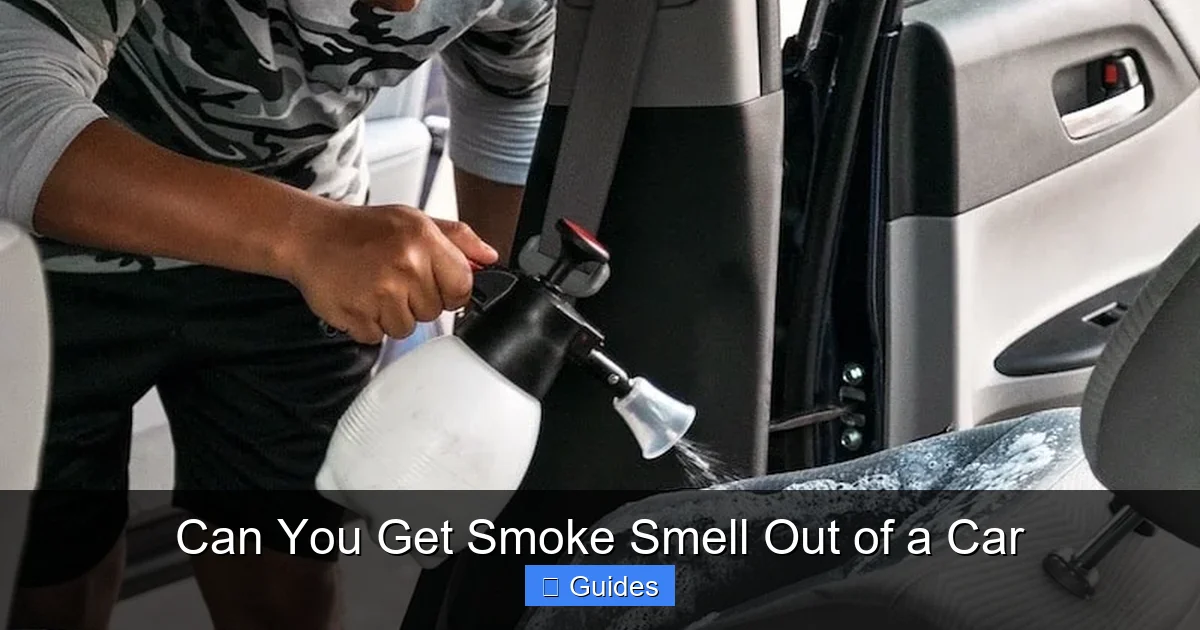
Fabric seats and carpets are the biggest culprits when it comes to holding onto smoke smell. Start by sprinkling baking soda liberally over all fabric surfaces. Let it sit for at least 4 hours—overnight is even better. Baking soda is a natural odor absorber and will pull the smell out of the fibers.
After the baking soda has done its job, vacuum it up thoroughly. For deeper cleaning, use a fabric cleaner or upholstery shampoo. Apply it with a soft brush, let it sit for 10–15 minutes, then blot with a clean, damp cloth. Avoid over-wetting, as this can lead to mold.
Step 5: Clean or Replace the Cabin Air Filter
The cabin air filter is often overlooked, but it plays a huge role in air quality. If it’s clogged with smoke particles, it will keep circulating the odor every time you turn on the AC or heater. Locate your filter (usually behind the glove box or under the hood), remove it, and inspect it. If it’s dark or smells smoky, replace it with a new one. This simple step can make a big difference.
Step 6: Use Odor Absorbers
After cleaning, place odor absorbers around the car to catch any remaining particles. Options include:
– Activated charcoal bags (place under seats or in footwells)
– Open containers of baking soda
– Bowls of white vinegar (leave overnight)
– Coffee grounds in breathable fabric bags
Leave these in the car for 24–48 hours with the windows closed. They work by attracting and trapping odor molecules, not just masking them.
Step 7: Steam Clean for Deep Penetration
For the most effective results, consider steam cleaning. Steam penetrates deep into fabric and upholstery, lifting out embedded smoke particles. You can rent a portable steam cleaner or hire a professional detailer. Focus on seats, carpets, and the headliner. The heat and moisture break down the odor at a molecular level.
Step 8: Run the AC on High with Fresh Air
After cleaning, run your car’s air conditioning on the highest setting with the recirculation off. This pulls in fresh outside air and helps flush out any remaining odors from the vents. Let it run for 20–30 minutes with the windows slightly open to allow circulation.
DIY vs. Professional Detailing: Which Is Better?
Visual guide about Can You Get Smoke Smell Out of a Car
Image source: i.pinimg.com
When it comes to removing smoke smell, you have two main options: do it yourself or hire a professional. Both have pros and cons, and the best choice depends on the severity of the odor and your budget.
DIY Cleaning: Pros and Cons
Doing it yourself is cost-effective and gives you full control over the process. You can take your time, use products you trust, and repeat steps as needed. However, DIY methods may not reach deep enough into materials like the headliner or seat cushions. Also, without professional equipment, some odors may linger.
Professional Detailing: What to Expect
Professional detailers have access to industrial-grade tools like ozone generators, thermal fogging machines, and high-powered extractors. These tools can eliminate odors that DIY methods can’t touch. Ozone treatment, for example, breaks down odor molecules at a chemical level. Many detailers also offer odor-neutralizing sprays that bond with smoke particles and neutralize them.
When to Call a Pro
Consider hiring a professional if:
– The smoke smell is very strong or has been present for months
– You’ve tried DIY methods and the odor remains
– The car has leather seats or a fabric headliner (these are harder to clean)
– You’re preparing the car for sale and want maximum value
While professional services cost more—typically $100–$300—they often deliver faster, more thorough results.
Natural and Chemical Solutions for Smoke Odor
There are many products and home remedies you can use to fight smoke smell. Some are natural and eco-friendly, while others rely on chemicals for stronger action. Here’s a breakdown of the most effective options.
Natural Remedies
– **Baking Soda:** A classic odor absorber. Sprinkle on carpets and seats, let sit, then vacuum.
– **White Vinegar:** Mix with water and wipe surfaces. Its acidity breaks down odor molecules.
– **Activated Charcoal:** Highly porous and excellent at trapping smells. Use in open containers.
– **Coffee Grounds:** Place in bowls around the car. They absorb odors and leave a mild coffee scent.
– **Lemon or Essential Oils:** Add a few drops to water and wipe surfaces for a fresh scent (but don’t rely on them to remove odor).
Commercial Odor Eliminators
For tougher jobs, consider products like:
– **OdorKlenz:** A powder that neutralizes odors at the molecular level.
– **Zep Smoke and Odor Eliminator:** A spray designed specifically for smoke and fire damage.
– **Febreze Fabric Refresher:** Helps on light odors but isn’t strong enough for heavy smoke.
– **Ozone Generators:** Available for rent or purchase, these machines produce ozone to destroy odors (use with caution and proper ventilation).
What to Avoid
Avoid using strong perfumes, aerosol sprays, or masking agents. They don’t remove the odor and can make the problem worse. Also, don’t use bleach or ammonia-based cleaners on fabric—they can damage materials and create harmful fumes.
Preventing Smoke Smell in the Future
Once you’ve successfully removed the smoke smell, the last thing you want is for it to come back. Prevention is key to keeping your car smelling fresh.
Establish a No-Smoking Rule
The most effective way to prevent smoke odor is to never allow smoking in the car. Make it a household rule. If you’re trying to quit smoking, use this as motivation—your car will stay cleaner and healthier.
Use Air Purifiers
Consider installing a car air purifier with a HEPA filter. These devices continuously clean the air and can catch smoke particles before they settle. Some models even have activated carbon filters designed to absorb odors.
Regular Cleaning Routine
Vacuum your car weekly and wipe down surfaces monthly. This prevents buildup of dust, dirt, and odor-causing particles. Keep a small trash bag in the car to avoid littering.
Use Seat Covers and Floor Mats
Protective covers and rubber floor mats make cleaning easier and reduce the chance of odors penetrating deep into materials. They’re also easy to remove and wash.
Keep Windows Cracked
On nice days, leave your windows slightly open when parked. This allows airflow and prevents moisture buildup, which can worsen odors.
Final Thoughts: Is It Possible to Fully Remove Smoke Smell?
So, can you get smoke smell out of a car? The answer is a resounding yes—but it requires effort, the right tools, and persistence. Light smoke odor can often be removed with basic cleaning and odor absorbers. Heavy or long-term smoke exposure may need professional treatment.
The key is to treat the problem at its source, not just cover it up. Clean every surface, replace filters, use absorbers, and consider steam or ozone treatment for deep cleaning. With consistent care, your car can smell as good as new.
Remember, prevention is always easier than cure. Once your car is odor-free, take steps to keep it that way. Your lungs—and your passengers—will thank you.
Frequently Asked Questions
How long does it take to remove smoke smell from a car?
It can take anywhere from a few days to several weeks, depending on the severity. Light odors may clear up in 2–3 days with thorough cleaning, while heavy smoke smell might require repeated treatments over a few weeks.
Can ozone treatment damage my car’s interior?
Ozone can degrade rubber and some plastics over time, so it should be used carefully and only by professionals. Always ventilate the car thoroughly after treatment and avoid overuse.
Will washing the exterior help with interior smoke smell?
No, washing the outside won’t affect interior odors. Smoke smell comes from particles inside the cabin, so focus on cleaning seats, carpets, and air systems.
Can I use a regular vacuum to clean smoke residue?
A regular vacuum can help, but a model with a HEPA filter is much better. HEPA filters trap fine particles that standard vacuums might recirculate into the air.
Is it safe to use vinegar in my car?
Yes, diluted white vinegar is safe for most surfaces. Avoid using it on leather without a leather-safe cleaner, as acidity can dry out the material over time.
What if the smoke smell comes back after cleaning?
If the odor returns, it may be trapped in hard-to-reach areas like the headliner or under carpet padding. Consider professional detailing or using an ozone generator for deeper treatment.

At CarLegit, we believe information should be clear, factual, and genuinely helpful. That’s why every guide, review, and update on our website is created with care, research, and a strong focus on user experience.