
No, you should never pump gas with the car on. Even though modern vehicles are designed with safety features, leaving the engine running during refueling poses serious fire and safety risks. Always turn off your engine, avoid using your phone, and follow proper gas station etiquette to protect yourself and others.
In This Article
- 1 Key Takeaways
- 2 📑 Table of Contents
- 3 Can You Pump Gas with the Car On? The Short Answer Is No
- 4 The Science Behind the Danger
- 5 What the Experts Say
- 6 Modern Cars and Safety Features
- 7 Common Misconceptions and Myths
- 8 Best Practices for Safe Refueling
- 9 The Bottom Line: Safety First
- 10 Frequently Asked Questions
- 10.1 Can you pump gas with the car on if it’s a hybrid?
- 10.2 Is it illegal to pump gas with the engine running?
- 10.3 Can static electricity really cause a gas station fire?
- 10.4 What should I do if I accidentally leave my car running while pumping gas?
- 10.5 Are electric cars safer at the pump?
- 10.6 Can I use my phone while pumping gas?
Key Takeaways
- Never pump gas with the engine running: Even a small spark from the ignition system can ignite fuel vapors, creating a fire hazard.
- Static electricity is a real danger: Turning off the engine reduces the chance of static discharge, which can occur when re-entering the vehicle during refueling.
- Modern cars have safety systems, but they’re not foolproof: While vehicles are built to minimize risks, no system is 100% safe under all conditions.
- Gas stations enforce strict rules: Most stations require engines to be off, and attendants may refuse service if you ignore this rule.
- Distractions increase risk: Using your phone, smoking, or leaving the car running can lead to accidents—stay alert and focused.
- Children and pets should stay in the car: Keep them inside with windows up to prevent them from touching fuel nozzles or wandering near pumps.
- Follow the “turn off and stay safe” rule: Make it a habit to shut off your engine every time you refuel—no exceptions.
📑 Table of Contents
Can You Pump Gas with the Car On? The Short Answer Is No
Let’s get straight to the point: **you should never pump gas with your car’s engine running.** It might seem harmless—after all, your car is designed to handle fuel, right? But the truth is, even a tiny spark or static discharge can ignite gasoline vapors, leading to dangerous fires or explosions. While modern vehicles come equipped with advanced safety systems, none of them completely eliminate the risks associated with refueling a running engine.
You might be thinking, “I’ve done it before and nothing happened.” And that’s true—many people have pumped gas with the engine on and walked away unscathed. But that doesn’t mean it’s safe. Just like driving without a seatbelt, it’s a gamble. The danger isn’t always immediate, but the consequences can be severe. Gasoline is highly flammable, and its vapors are even more volatile than the liquid itself. All it takes is one small ignition source—like a spark from the engine, a static shock, or even a hot catalytic converter—to start a fire.
Why This Myth Persists
Despite clear safety warnings, the idea that you can safely pump gas with the car on continues to circulate. Why? Part of the reason is convenience. Maybe you’re in a hurry, or it’s cold outside and you want to keep the heater running. Or perhaps you’re worried about your phone dying and want to keep it charged. These are understandable concerns, but they don’t outweigh the risks.
Another reason is misinformation. Some people believe that because their car has electronic fuel injection or anti-static systems, it’s safe to leave the engine running. While these features do reduce certain risks, they don’t make the practice safe. In fact, the U.S. Fire Administration and the National Fire Protection Association (NFPA) both strongly advise against it.
The Science Behind the Danger
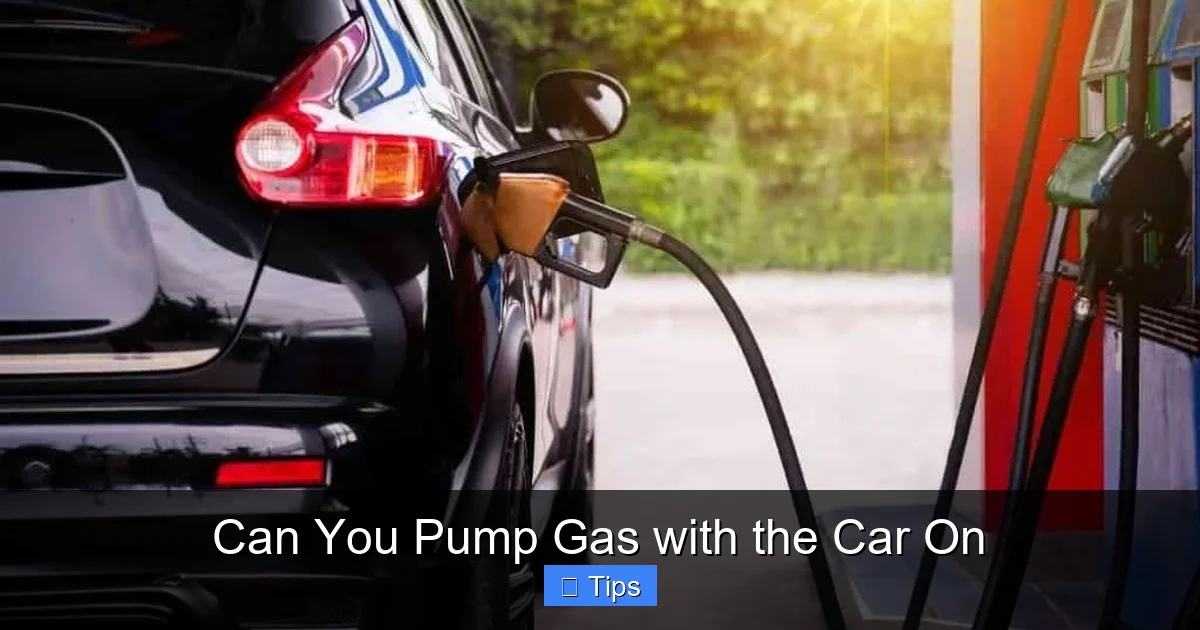
Visual guide about Can You Pump Gas with the Car On
Image source: autocareaids.com
To understand why pumping gas with the engine on is so risky, it helps to know a little about how gasoline behaves. Gasoline doesn’t burn in liquid form—it’s the vapors that ignite. When you pump gas, those vapors can escape from the fuel tank and mix with air. If that mixture encounters an ignition source, it can flash or even explode.
Ignition Sources in a Running Car
A running engine creates multiple potential ignition sources. The ignition system itself produces sparks to combust fuel in the cylinders. While these sparks are contained within the engine, there’s always a small chance of electrical arcing in wiring or components, especially in older or poorly maintained vehicles.
Additionally, the exhaust system—particularly the catalytic converter—can reach temperatures over 1,000°F (538°C). If gasoline vapors come into contact with a hot surface, they can ignite. Even a small drip of fuel on a hot manifold or exhaust pipe can create a fire hazard.
Static Electricity: The Silent Threat
One of the most common causes of gas station fires isn’t the engine—it’s static electricity. When you slide out of your seat, your clothes rub against the upholstery, building up a static charge. If you then touch the fuel nozzle or the car’s metal frame, that charge can discharge as a spark. If gasoline vapors are present, that spark can ignite them.
Turning off the engine doesn’t eliminate static electricity, but it reduces the overall risk. A running engine increases the chances of other ignition sources being present, making the combination of static discharge and engine operation especially dangerous.
What the Experts Say
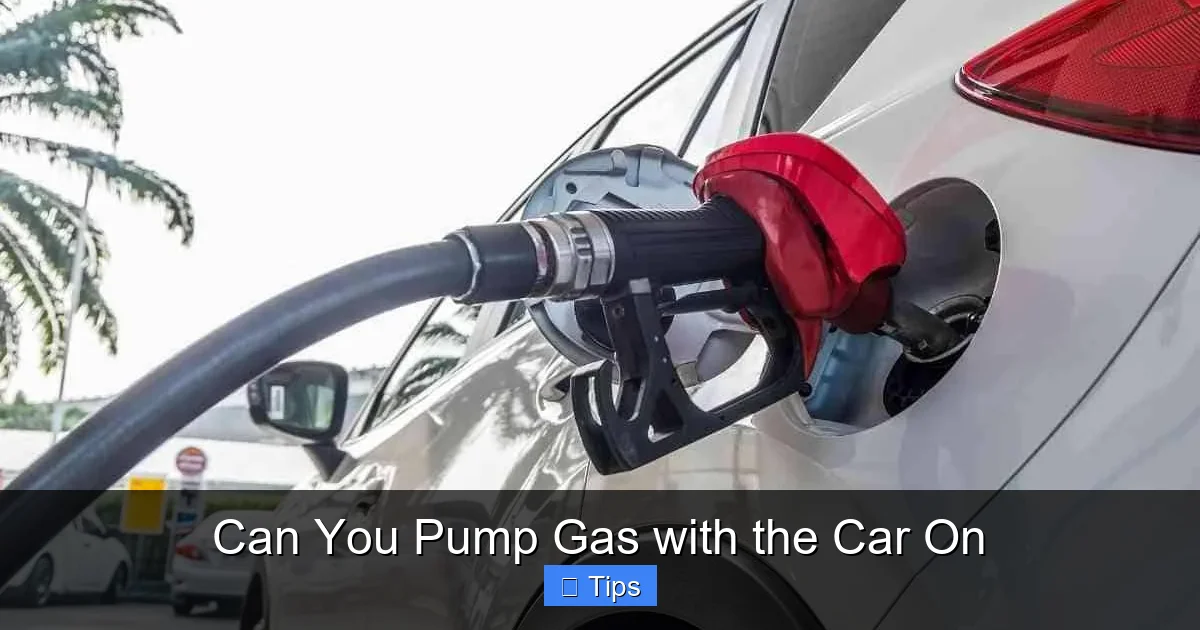
Visual guide about Can You Pump Gas with the Car On
Image source: autocareaids.com
Safety organizations around the world agree: **turn off your engine when refueling.** The NFPA, the U.S. Fire Administration, and the American Petroleum Institute (API) all emphasize this rule in their safety guidelines.
Official Safety Guidelines
According to the NFPA, “Motor vehicles should be turned off during refueling.” This is a standard rule at gas stations across the United States and many other countries. In fact, most gas pumps have signs clearly stating “Turn Off Engine” or “No Smoking.”
The U.S. Fire Administration reports that hundreds of gas station fires occur each year, and many are linked to static electricity or ignition sources from running vehicles. While fatalities are rare, injuries and property damage are not. In one notable incident in Texas, a woman re-entered her running SUV while pumping gas. When she touched the nozzle, a static spark ignited vapors, causing a flash fire that burned her hands and face.
Gas Station Policies
Most gas stations enforce a strict “engine off” policy. Attendants are trained to refuse service if a customer leaves their engine running. Some stations even have sensors or cameras to monitor compliance. In rare cases, emergency vehicles or vehicles with specialized equipment (like certain hybrid or electric models) may be exempt, but these are exceptions, not the rule.
Modern Cars and Safety Features
Visual guide about Can You Pump Gas with the Car On
Image source: autocareaids.com
You might wonder: if modern cars are so advanced, why can’t they handle refueling with the engine on? After all, many vehicles now have automatic start-stop systems, regenerative braking, and sophisticated fuel management. But even these innovations don’t make it safe to pump gas with the engine running.
Why Technology Isn’t Enough
Modern fuel systems are designed to minimize vapor escape and reduce the risk of leaks. However, they’re not foolproof. A loose gas cap, a cracked filler neck, or a malfunctioning vapor recovery system can still allow vapors to escape. And while electronic fuel injection reduces the chance of backfires, it doesn’t eliminate all electrical risks.
Moreover, hybrid and electric vehicles present unique challenges. Some hybrids can run on electric power with the gasoline engine off, but if the gas engine kicks in during refueling—even briefly—it could create a hazard. That’s why experts recommend turning off the entire vehicle, including the hybrid system, when pumping gas.
Manufacturer Recommendations
Car manufacturers consistently advise drivers to turn off the engine when refueling. For example, Toyota, Ford, and Honda all include this instruction in their owner’s manuals. Tesla, despite being fully electric, also recommends turning off the vehicle during charging or refueling (if using a gas generator).
Even if your car has a “refuel mode” or a fuel door release that works with the engine off, it’s still best to shut everything down. The few seconds it takes to turn the key or push the start button are worth the peace of mind.
Common Misconceptions and Myths
Despite the clear evidence, several myths about pumping gas with the car on persist. Let’s debunk the most common ones.
Myth 1: “My Car Is Safe Because It’s New”
Just because your car is new doesn’t mean it’s immune to fire risks. Newer vehicles may have better seals and vapor recovery systems, but they still produce heat, electricity, and potential sparks. Age isn’t the only factor—maintenance, weather, and user behavior also play a role.
Myth 2: “I Need the Engine On to Keep the Heater or AC Running”
It’s understandable to want comfort, especially in extreme temperatures. But modern cars retain heat for a while after the engine is off, and you can use seat warmers or portable heaters in cold weather. In hot weather, cracking a window or using a sunshade can help. The risk of fire far outweighs the discomfort of a few minutes without climate control.
Myth 3: “I’ve Done It a Hundred Times and Nothing Happened”
This is the “it won’t happen to me” mindset. Just because you’ve gotten away with it before doesn’t mean it’s safe. Gasoline fires can start in an instant, and by the time you notice, it might be too late. Safety isn’t about luck—it’s about reducing risk.
Best Practices for Safe Refueling
Now that we’ve covered the risks, let’s talk about how to refuel safely every time.
Step-by-Step Safe Refueling Guide
- Pull up to the pump and park safely. Turn off the engine, engage the parking brake, and remove the keys.
- Stay with your vehicle. Never leave the pump unattended while fueling.
- Ground yourself before handling the nozzle. Touch a metal part of the car (like the door frame) to discharge static electricity.
- Use the pump’s hold-open latch. Don’t try to wedge the nozzle open with a foreign object.
- Keep children and pets inside the car. This prevents them from touching the nozzle or wandering near the pump.
- Don’t use your phone. While not a major ignition source, it’s a distraction. Stay focused.
- Replace the gas cap securely. A loose cap can cause fuel evaporation and trigger the check engine light.
- Wash your hands after fueling. Gasoline can irritate the skin and contains harmful chemicals.
What to Do in an Emergency
If you smell gas, see a spill, or notice anything unusual, stop fueling immediately. Turn off the pump, leave the area, and notify the gas station attendant. If a fire starts, do not try to extinguish it yourself—evacuate and call 911.
The Bottom Line: Safety First
Pumping gas with the car on is never worth the risk. The few minutes of convenience or comfort you gain aren’t worth the potential for injury, fire, or even death. Turning off your engine is a simple, effective way to protect yourself, your passengers, and everyone at the gas station.
Make it a habit. Every time you pull up to the pump, turn off the engine. It’s a small action with a big impact. And remember: safety isn’t just about rules—it’s about respect for the power of the fuel you’re using.
Frequently Asked Questions
Can you pump gas with the car on if it’s a hybrid?
No, you should still turn off the vehicle. Even if the gasoline engine isn’t running, the hybrid system can activate it at any time, creating a potential ignition source. Always shut off the entire vehicle when refueling.
Is it illegal to pump gas with the engine running?
While it’s not a federal law, many states and local jurisdictions have regulations requiring engines to be off during refueling. Gas stations may also refuse service if you ignore the rule.
Can static electricity really cause a gas station fire?
Yes. Static discharge from your body can ignite gasoline vapors, especially in dry conditions. Always ground yourself by touching metal before handling the nozzle.
What should I do if I accidentally leave my car running while pumping gas?
Turn off the engine immediately. If you’ve already started fueling, stop the pump, notify the attendant, and wait a few minutes for vapors to dissipate before continuing—safely and with the engine off.
Are electric cars safer at the pump?
Electric vehicles don’t use gasoline, so they don’t pose the same fire risk. However, if you’re using a gas-powered generator or range extender, the same safety rules apply—turn off the engine.
Can I use my phone while pumping gas?
It’s best to avoid using your phone. While modern phones aren’t major ignition sources, they’re a distraction. Stay focused on the task and follow all safety guidelines.

At CarLegit, we believe information should be clear, factual, and genuinely helpful. That’s why every guide, review, and update on our website is created with care, research, and a strong focus on user experience.