
Putting coolant in a hot car can be dangerous and may damage your engine if done incorrectly. Always let the engine cool first, but in emergencies, follow safety steps to avoid injury or costly repairs.
In This Article
- 1 Key Takeaways
- 2 📑 Table of Contents
- 3 Can You Put Coolant in a Hot Car? The Truth Every Driver Should Know
- 4 How Your Car’s Cooling System Works
- 5 The Dangers of Adding Coolant to a Hot Engine
- 6 When Is It Safe to Add Coolant?
- 7 Emergency Coolant Top-Off: A Step-by-Step Guide
- 8 Preventing Coolant Issues: Maintenance Tips
- 9 Conclusion: Safety First When Dealing with Coolant
- 10 Frequently Asked Questions
Key Takeaways
- Never open the radiator cap on a hot engine: It can cause severe burns due to pressurized steam and hot coolant spraying out.
- Wait for the engine to cool down: Allow at least 30–60 minutes after turning off the engine before adding coolant.
- Use the overflow reservoir when possible: This is the safest way to add coolant without opening the radiator cap.
- Check coolant levels regularly: Prevent overheating by monitoring levels during routine maintenance.
- Use the correct type of coolant: Mixing incompatible coolants can cause clogs or corrosion in the cooling system.
- In emergencies, proceed with extreme caution: If you must add coolant to a hot car, wear gloves and eye protection, and open the cap slowly.
- Address overheating immediately: Continued driving with low coolant can lead to engine damage or failure.
📑 Table of Contents
- Can You Put Coolant in a Hot Car? The Truth Every Driver Should Know
- How Your Car’s Cooling System Works
- The Dangers of Adding Coolant to a Hot Engine
- When Is It Safe to Add Coolant?
- Emergency Coolant Top-Off: A Step-by-Step Guide
- Preventing Coolant Issues: Maintenance Tips
- Conclusion: Safety First When Dealing with Coolant
Can You Put Coolant in a Hot Car? The Truth Every Driver Should Know
You’re driving down the highway on a hot summer day when your temperature gauge suddenly spikes into the red. Panic sets in. You pull over, pop the hood, and see that your coolant level is dangerously low. Your first instinct? Grab the coolant bottle and top it off right away. But wait—should you really be adding coolant to a hot car?
The short answer is: **not safely, and not without serious risks.** While it might seem logical to refill coolant immediately when your engine is overheating, doing so on a hot engine can lead to injury, engine damage, or both. Understanding how your car’s cooling system works—and why timing matters—can save you from costly repairs and keep you safe on the road.
In this guide, we’ll break down everything you need to know about adding coolant to a hot car. We’ll cover the science behind engine heat, the dangers of opening a hot radiator, safe alternatives, and what to do in an emergency. Whether you’re a new driver or a seasoned mechanic, this information is essential for maintaining your vehicle and avoiding common mistakes.
How Your Car’s Cooling System Works
Visual guide about Can You Put Coolant in a Hot Car
Image source: aa1car.com
Before we dive into whether you can put coolant in a hot car, it helps to understand how your vehicle’s cooling system functions. Most modern cars use a liquid-cooled engine, which relies on a mixture of water and antifreeze (coolant) to regulate temperature.
The cooling system circulates this coolant through the engine block and cylinder head, absorbing heat generated by combustion. From there, the hot coolant flows to the radiator, where air passing through (either from driving or the radiator fan) cools it down. The cooled liquid then returns to the engine to repeat the cycle.
This system operates under pressure. The radiator cap is designed to maintain a specific pressure—usually between 13 and 18 psi (pounds per square inch)—which raises the boiling point of the coolant. Water boils at 212°F (100°C) at sea level, but under pressure, coolant can remain liquid at temperatures over 250°F (121°C). This allows the engine to run hotter and more efficiently without boiling over.
The Role of the Radiator Cap
The radiator cap is one of the most misunderstood parts of the cooling system. It’s not just a cap—it’s a pressure valve. When the system gets too hot, the cap releases excess pressure into the overflow tank. When the engine cools, it creates a vacuum that pulls coolant back from the overflow tank into the radiator.
Because of this pressurized design, opening the radiator cap on a hot engine is extremely dangerous. The sudden release of pressure can cause boiling coolant to erupt like a geyser, spraying scalding liquid and steam. This can result in severe burns to your hands, face, or eyes.
Why Coolant Levels Drop
Coolant doesn’t just disappear—it’s lost through evaporation, leaks, or consumption. Over time, small leaks in hoses, the radiator, water pump, or head gasket can allow coolant to escape. In some cases, a blown head gasket can cause coolant to burn off in the combustion chamber, leading to white smoke from the exhaust and a sweet smell.
Low coolant levels reduce the system’s ability to absorb and dissipate heat, which is why overheating is a common symptom. If you notice your temperature gauge climbing or see coolant puddles under your car, it’s time to investigate.
The Dangers of Adding Coolant to a Hot Engine
Visual guide about Can You Put Coolant in a Hot Car
Image source: i.ytimg.com
Now that you understand how the cooling system works, let’s address the main question: Can you put coolant in a hot car? The answer is technically yes—but it’s not recommended, and it comes with serious risks.
Risk of Burns and Injury
The biggest danger is the risk of burns. When the engine is hot, the coolant is under pressure and extremely hot—often over 200°F (93°C). Opening the radiator cap releases that pressure instantly. The result? A violent spray of steam and boiling coolant that can cause second- or third-degree burns.
Even if you’re careful, the cap can shoot off unexpectedly. The force of the pressure release can send the cap flying several feet, and the steam can obscure your vision, making it hard to react.
Thermal Shock and Engine Damage
Another risk is thermal shock. Pouring cold or room-temperature coolant into a hot engine can cause rapid temperature changes in metal components like the engine block, cylinder head, or radiator. This sudden contraction can lead to cracks or warping, especially in aluminum parts.
For example, imagine pouring ice water into a hot glass. The glass might shatter. The same principle applies to your engine. A cracked engine block or warped cylinder head can cost thousands of dollars to repair—far more than the price of a coolant top-off.
False Sense of Security
Adding coolant to a hot car might seem like a quick fix, but it can give you a false sense of security. If the engine is already overheating, the root cause—like a leak, faulty thermostat, or water pump failure—isn’t solved by just adding coolant. You might get a few more miles out of the car, but the problem will likely return, possibly worse.
In some cases, the overheating has already caused internal damage. Continuing to drive or adding coolant without addressing the underlying issue can lead to complete engine failure.
When Is It Safe to Add Coolant?

Visual guide about Can You Put Coolant in a Hot Car
Image source: gomechanic.in
So, when *can* you safely add coolant? The best time is when the engine is cool—ideally, after the car has been off for at least 30 to 60 minutes. This allows the coolant to settle and the pressure to release naturally.
Check the Coolant When Cold
Most manufacturers recommend checking and topping off coolant when the engine is cold. This ensures accurate readings and prevents injury. The coolant level should be between the “MIN” and “MAX” marks on the overflow reservoir.
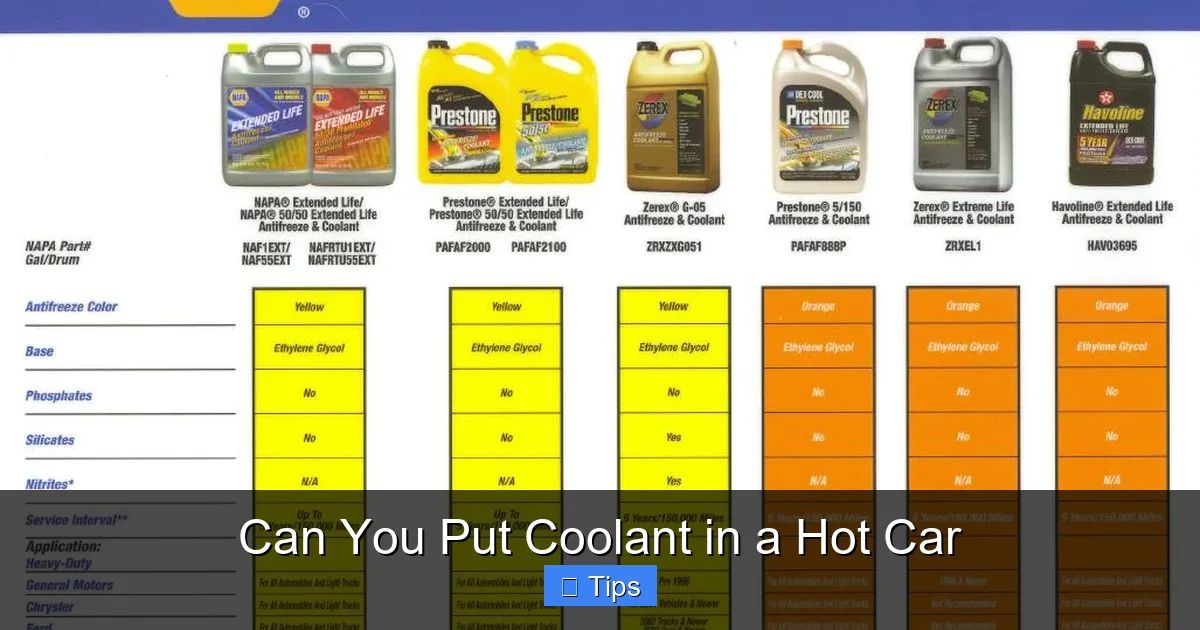
If the level is low, you can safely add the correct type of coolant. Always use the coolant specified in your owner’s manual. Mixing different types (like ethylene glycol and propylene glycol) can cause chemical reactions that clog the system or reduce effectiveness.
Use the Overflow Reservoir
In many modern cars, you don’t need to open the radiator cap at all. Instead, you can add coolant to the overflow reservoir, which is designed for this purpose. This tank is not pressurized, so it’s safe to open even when the engine is warm (though still best done when cool).
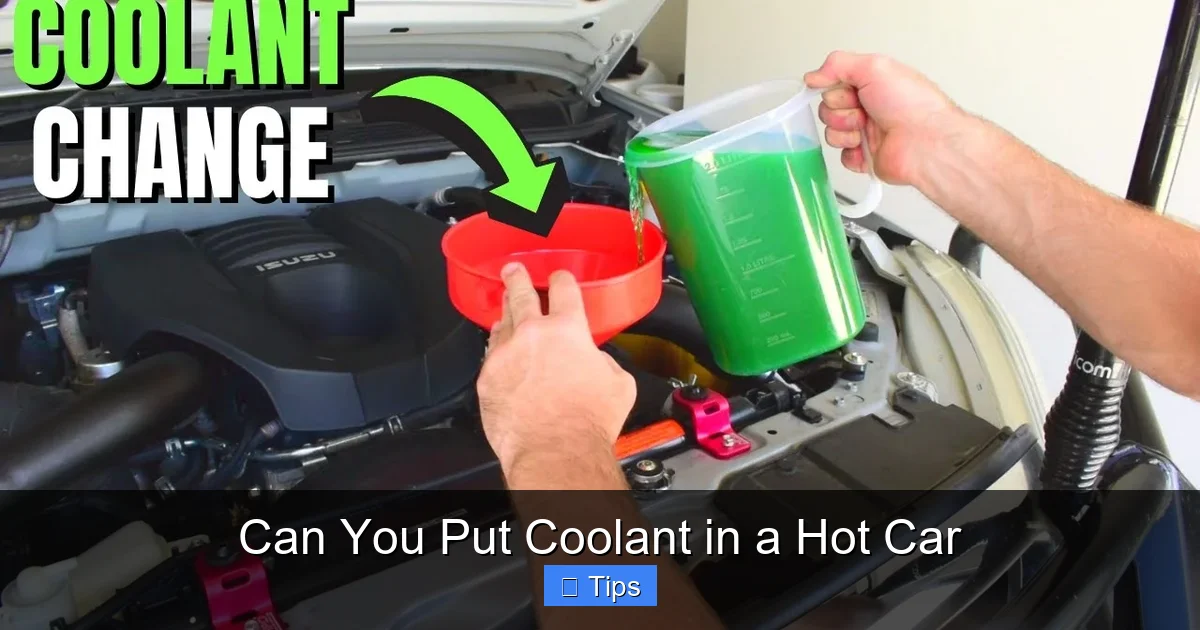
Simply remove the reservoir cap, pour in coolant until it reaches the “FULL” line, and replace the cap. The system will draw coolant back into the radiator as needed.
What If You’re on the Road?
If you’re stranded with low coolant and the engine is hot, resist the urge to open the radiator cap immediately. Instead, turn off the engine and let it cool. Use this time to call for roadside assistance or wait in a safe location.
If you must add coolant in an emergency, follow these steps:
1. Turn off the engine and let it sit for at least 30 minutes.
2. Place a thick towel over the radiator cap to catch any spray.
3. Slowly twist the cap counterclockwise to the first stop, allowing pressure to release gradually.
4. Wait until you no longer hear hissing, then remove the cap completely.
5. Add coolant slowly, using a funnel if needed.
6. Replace the cap and monitor the temperature gauge.
Even then, drive cautiously and head to the nearest service station.
Emergency Coolant Top-Off: A Step-by-Step Guide
Let’s say you’re in a pinch—your car is overheating, and you have coolant on hand. Here’s how to handle it safely.
Step 1: Pull Over Safely
As soon as you notice the temperature gauge rising, find a safe place to pull over. Turn on your hazard lights and move off the road if possible.
Step 2: Turn Off the Engine
Shut off the engine immediately. Continuing to run a hot engine can cause severe damage.
Step 3: Let It Cool
Wait at least 30–60 minutes for the engine to cool. You can speed up the process by opening the hood (from a safe distance) to allow heat to escape.
Step 4: Check the Overflow Tank
If your car has an overflow reservoir, check the coolant level there first. If it’s low, you can add coolant to this tank without opening the radiator.
Step 5: Open the Radiator Cap (If Necessary)
Only open the radiator cap if the overflow tank is full and the engine is still overheating. Use a thick towel to cover the cap, and turn it slowly to the first stop. Wait for pressure to release before removing it completely.
Step 6: Add Coolant Slowly
Pour coolant into the radiator until it reaches the neck. Use a funnel to avoid spills. Replace the cap securely.
Step 7: Monitor the Temperature
Start the engine and let it idle. Watch the temperature gauge. If it stays in the normal range, you can drive cautiously to a repair shop. If it overheats again, stop immediately.
Preventing Coolant Issues: Maintenance Tips
The best way to avoid the dilemma of adding coolant to a hot car is to prevent low coolant levels in the first place. Regular maintenance can keep your cooling system in top shape.
Check Coolant Levels Monthly
Make it a habit to check your coolant level once a month. Look at the overflow tank when the engine is cold. If the level is consistently low, there may be a leak.
Inspect for Leaks
Look under your car for puddles or stains. Coolant is usually green, orange, pink, or blue and has a sweet smell. Check hoses, the radiator, water pump, and radiator cap for cracks or wear.
Replace Coolant as Recommended
Most manufacturers recommend replacing coolant every 30,000 to 100,000 miles, depending on the type. Old coolant loses its protective additives and can become acidic, leading to corrosion.
Use the Right Coolant
Always use the coolant specified in your owner’s manual. Mixing types can cause sludge or reduce effectiveness. If you’re unsure, consult a mechanic.
Watch for Warning Signs
Be alert for signs of cooling system problems:
– Overheating
– Sweet smell from the engine
– White smoke from the exhaust
– Coolant leaks
– Low coolant levels
Addressing these early can prevent major repairs.
Conclusion: Safety First When Dealing with Coolant
So, can you put coolant in a hot car? Technically, yes—but it’s risky and not recommended. The pressurized, high-temperature environment of a hot engine makes adding coolant dangerous and potentially damaging.
The safest approach is to wait for the engine to cool, then add coolant to the overflow reservoir or radiator. In emergencies, take precautions like using a towel and releasing pressure slowly. But always prioritize safety over speed.
Regular maintenance is your best defense against coolant issues. By checking levels, inspecting for leaks, and using the right coolant, you can keep your engine running cool and avoid the stress of overheating.
Remember: a little prevention goes a long way. Your car—and your safety—are worth the wait.
Frequently Asked Questions
Can I add coolant to a hot car if I’m in an emergency?
Yes, but only with extreme caution. Let the engine cool for at least 30 minutes, use a towel to cover the radiator cap, and open it slowly to release pressure. Always wear gloves and eye protection.
What happens if I open the radiator cap on a hot engine?
The pressurized steam and hot coolant can spray out violently, causing severe burns. It can also damage engine components due to thermal shock.
Is it safe to drive with low coolant?
No. Low coolant can cause overheating, which may lead to engine damage, warped heads, or blown gaskets. Top it off as soon as possible and check for leaks.
Can I mix different types of coolant?
No. Mixing incompatible coolants can cause chemical reactions, sludge, or corrosion. Always use the type recommended in your owner’s manual.
How often should I check my coolant level?
Check it monthly, especially before long trips or during extreme weather. Low levels may indicate a leak or other issue.
What should I do if my car overheats?
Pull over safely, turn off the engine, and let it cool. Do not open the radiator cap immediately. Call for assistance or add coolant only when the engine is cool.

At CarLegit, we believe information should be clear, factual, and genuinely helpful. That’s why every guide, review, and update on our website is created with care, research, and a strong focus on user experience.