
Yes, you absolutely can put too much oil in your car—and it can cause serious engine damage. While oil is essential for lubrication and cooling, overfilling disrupts engine function, leading to foaming, reduced performance, and costly repairs. Knowing the right level and how to check it can save you time, money, and stress.
In This Article
- 1 Key Takeaways
- 2 📑 Table of Contents
- 3 Can You Put Too Much Oil in Your Car?
- 4 Why Engine Oil Levels Matter
- 5 Signs You’ve Put Too Much Oil in Your Car
- 6 What Happens When You Overfill Engine Oil?
- 7 How to Check Your Oil Level Correctly
- 8 How to Fix Overfilled Engine Oil
- 9 How to Prevent Overfilling in the Future
- 10 Conclusion
- 11 Frequently Asked Questions
Key Takeaways
- Overfilling engine oil can damage your engine: Excess oil causes foaming, which reduces lubrication and can lead to overheating and component failure.
- Check oil levels correctly: Always check oil when the engine is cool and on level ground using the dipstick for an accurate reading.
- Symptoms of too much oil include smoke, poor performance, and warning lights: Blue or white smoke from the exhaust and a strong oil smell are red flags.
- Modern engines are especially sensitive to oil levels: High-performance and turbocharged engines rely on precise oil pressure and volume.
- Draining excess oil is safer than ignoring it: If you overfill, remove the extra oil promptly using a pump or by draining from the oil pan.
- Prevention is easier than repair: Follow your owner’s manual guidelines and add oil gradually, checking frequently.
- Regular maintenance prevents overfilling: Stick to scheduled oil changes and use the correct oil type and amount.
📑 Table of Contents
Can You Put Too Much Oil in Your Car?
We’ve all been there—standing over the engine bay with a bottle of oil, trying to top off the engine after a long drive or a recent oil change. It’s easy to think, “A little extra won’t hurt, right?” But here’s the truth: yes, you can absolutely put too much oil in your car, and doing so can lead to serious mechanical problems.
Engine oil plays a vital role in keeping your car running smoothly. It lubricates moving parts, reduces friction, prevents overheating, and helps clean internal components. But like anything in life, too much of a good thing can be harmful. When oil levels rise above the recommended maximum, the engine can’t function properly. The crankshaft, which rotates rapidly inside the engine, begins to churn the oil instead of just moving through it. This creates air bubbles—known as foaming or aeration—which drastically reduce the oil’s ability to lubricate and cool.
Think of it like shaking a bottle of soda. When you agitate it, foam forms, and when you open it, it sprays everywhere. In your engine, that “spray” translates to poor lubrication, increased wear, and potential damage to seals, gaskets, and even the catalytic converter. Over time, this can lead to expensive repairs or even engine failure.
So, while it’s important to keep your oil at the right level, it’s equally important not to overdo it. In this guide, we’ll walk you through everything you need to know about engine oil levels—how to check them, what happens when you overfill, how to fix it, and how to avoid the problem altogether.
Why Engine Oil Levels Matter
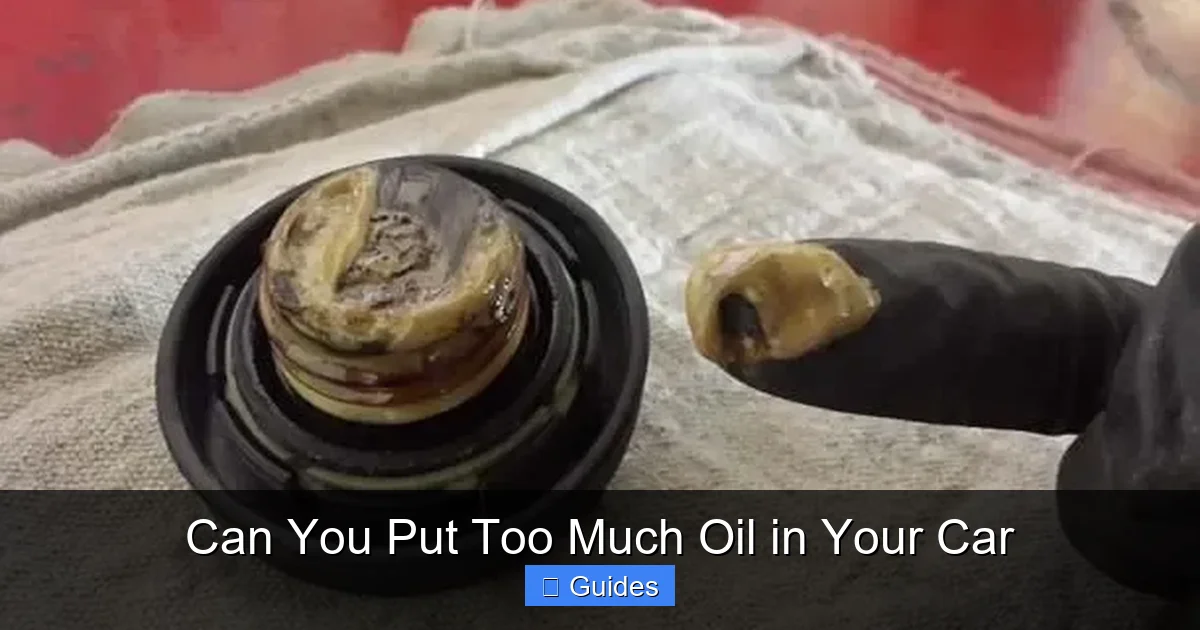
Visual guide about Can You Put Too Much Oil in Your Car
Image source: askcarmechanic.com
Your car’s engine is a complex machine with hundreds of moving parts working together at high speeds and temperatures. Without proper lubrication, these parts would grind against each other, generating excessive heat and wear. That’s where engine oil comes in—it forms a protective film between metal surfaces, reducing friction and preventing damage.
But oil doesn’t just lubricate. It also helps cool the engine by carrying heat away from critical components. It traps dirt and debris in suspension so they can be filtered out, and it protects against rust and corrosion. In short, oil is the lifeblood of your engine.
Now, here’s the catch: the engine is designed to operate with a very specific amount of oil. This amount is carefully calculated by engineers to ensure optimal performance, fuel efficiency, and longevity. The oil pan—located at the bottom of the engine—holds this oil, and the dipstick measures how much is present.
When the oil level is correct, the crankshaft dips into the oil just enough to splash it onto the moving parts below. But if there’s too much oil, the crankshaft starts whipping it into a froth. This foamy mixture can’t maintain the necessary pressure or lubricating properties. As a result, metal parts begin to rub directly against each other, leading to increased wear, overheating, and potential seizure.
Moreover, excess oil increases pressure inside the engine. This can force oil past seals and gaskets, causing leaks. It can also lead to oil entering the combustion chamber, where it burns and produces blue or white smoke from the exhaust. In severe cases, this can damage the catalytic converter—a costly component that helps reduce emissions.
Signs You’ve Put Too Much Oil in Your Car
Visual guide about Can You Put Too Much Oil in Your Car
Image source: askcarmechanic.com
So how do you know if you’ve overfilled your engine oil? The good news is that there are several warning signs to watch for. Catching them early can save you from major repairs down the road.
Blue or White Smoke from the Exhaust
One of the most obvious signs of too much oil is smoke coming from your tailpipe. If you notice blue or white smoke—especially when starting the engine or accelerating—it could mean oil is burning in the combustion chamber. This happens when excess oil gets past piston rings or valve seals and enters the area where fuel is burned. The smoke has a distinct oily smell and may be more noticeable on cold starts.
Strong Oil Smell Inside or Outside the Car
If you smell burning oil while driving or parked, it’s a red flag. This odor can come from oil dripping onto hot engine parts or from oil burning in the combustion chamber. It’s not just unpleasant—it’s a sign that something is wrong.
Engine Misfires or Poor Performance
Overfilled oil can cause the engine to run rough, misfire, or lose power. This happens because foamy oil disrupts the lubrication of critical components like the camshaft, lifters, and pistons. You might notice hesitation during acceleration, rough idling, or a noticeable drop in fuel efficiency.
Oil Leaks Around the Engine
Excess oil increases internal pressure, which can force oil past seals and gaskets. You might see oil spots under your car or notice oil dripping from the engine bay. Common leak points include the valve cover gasket, oil pan gasket, or rear main seal.
Dashboard Warning Lights
Modern cars are equipped with sensors that monitor oil pressure and engine performance. If the oil level is too high, it can trigger the check engine light or oil pressure warning light. Don’t ignore these alerts—they’re your car’s way of saying something’s wrong.
Bubbles in the Oil on the Dipstick
When you pull out the dipstick, look closely at the oil. If you see bubbles or foam, it’s a sign that air has been mixed into the oil—likely due to the crankshaft churning excess oil. This is a clear indicator of overfilling.
Reduced Fuel Economy
If your car suddenly starts using more gas than usual, overfilled oil could be the culprit. The engine has to work harder to turn through the thick, foamy oil, which reduces efficiency and increases fuel consumption.
What Happens When You Overfill Engine Oil?

Visual guide about Can You Put Too Much Oil in Your Car
Image source: askcarmechanic.com
Now that you know the signs, let’s dive into what actually happens inside your engine when there’s too much oil. Understanding the mechanics can help you appreciate why overfilling is such a serious issue.
Oil Foaming and Aeration
The primary problem with overfilling is oil foaming. As the crankshaft spins, it dips into the oil reservoir and splashes oil onto the moving parts. But when there’s too much oil, the crankshaft doesn’t just splash—it churns. This action whips air into the oil, creating a frothy mixture that looks like shaving cream.
Foamy oil can’t maintain the necessary pressure or film strength to protect engine components. Instead of forming a smooth, consistent layer between metal parts, it breaks down into bubbles that collapse under pressure. This leads to metal-to-metal contact, increased friction, and rapid wear.
Increased Engine Pressure
Excess oil takes up space in the crankcase, reducing the volume available for air. As the engine runs, it naturally creates pressure from combustion gases leaking past piston rings (a process called blow-by). Normally, this pressure is managed by the PCV (positive crankcase ventilation) system, which recirculates gases back into the intake.
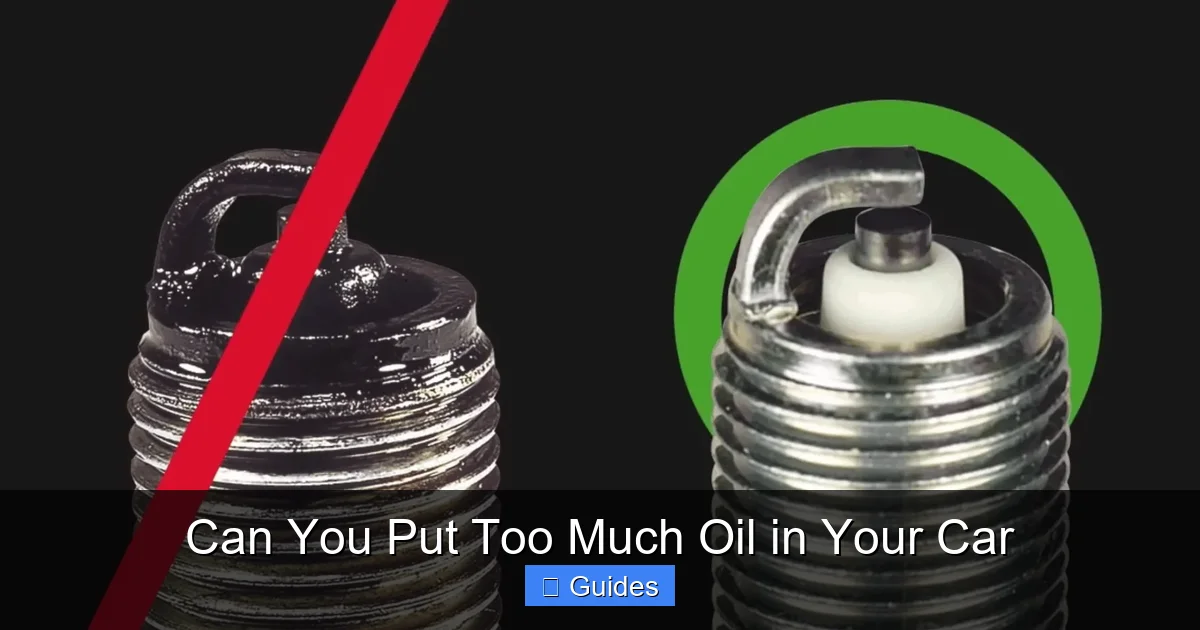
But with too much oil, the system can’t keep up. Pressure builds up, forcing oil past seals and gaskets. This can cause leaks, damage to the PCV valve, and even oil entering the intake manifold, where it can foul spark plugs and sensors.
Damage to Engine Components
Over time, the effects of overfilled oil can damage several key components:
– Piston Rings: Foamy oil reduces lubrication, causing rings to wear faster and lose their seal. This leads to blow-by and reduced compression.
– Camshaft and Lifters: These parts rely on a steady supply of clean, pressurized oil. Foam disrupts this, causing noise, wear, and potential failure.
– Valve Seals: Excess oil can seep past valve seals into the combustion chamber, leading to oil burning and smoke.
– Catalytic Converter: Burning oil sends unburned hydrocarbons into the exhaust system, which can clog and damage the catalytic converter. Replacing this part can cost hundreds or even thousands of dollars.
Reduced Engine Efficiency and Performance
Even if no major damage occurs, overfilled oil reduces engine efficiency. The engine has to work harder to turn through the thick, aerated oil, which increases drag and reduces power output. You might notice slower acceleration, reduced towing capacity, and poorer overall performance.
Long-Term Consequences
If left unaddressed, overfilled oil can lead to catastrophic engine failure. Components like bearings, pistons, and the crankshaft can wear out prematurely. In extreme cases, the engine may seize entirely, requiring a complete rebuild or replacement.
How to Check Your Oil Level Correctly
Preventing overfilling starts with knowing how to check your oil level the right way. It’s a simple process, but many people get it wrong. Here’s a step-by-step guide to ensure accuracy.
Step 1: Park on Level Ground
Always check your oil when your car is parked on a flat, level surface. If the car is tilted, the oil will pool to one side of the oil pan, giving you a false reading.
Step 2: Let the Engine Cool
Check the oil when the engine is cold or has been off for at least 10–15 minutes. Hot oil expands and can give a higher reading than actual. However, some manufacturers recommend checking oil when the engine is warm but off. Check your owner’s manual for specific instructions.
Step 3: Locate the Dipstick
Open the hood and find the dipstick—it usually has a bright yellow or orange handle labeled “Engine Oil.” Pull it out completely.
Step 4: Wipe and Reinsert
Wipe the dipstick clean with a rag or paper towel. Reinsert it all the way back in, then pull it out again. This ensures an accurate reading.
Step 5: Read the Oil Level
Look at the end of the dipstick. You’ll see two marks—usually labeled “L” (Low) and “H” (High), or “Min” and “Max.” The oil should be between these two marks. If it’s at or near the “Max” line, you’re fine. If it’s above, you’ve overfilled.
Step 6: Check Oil Condition
While you’re at it, take a moment to inspect the oil’s color and consistency. It should be amber to brown and relatively clear. If it’s black, gritty, or has a burnt smell, it’s time for an oil change.
Pro Tips for Accuracy
– Check oil at the same time each week to monitor changes.
– Don’t over-tighten the oil cap—it can cause leaks.
– Use the correct oil type and viscosity as specified in your owner’s manual.
– If you’re adding oil, pour it slowly and check the level frequently.
How to Fix Overfilled Engine Oil
If you’ve discovered that you’ve put too much oil in your car, don’t panic. The situation is fixable, but it’s important to act quickly to prevent damage.
Option 1: Use an Oil Extractor Pump
The safest and cleanest way to remove excess oil is with an oil extractor pump. These handheld devices suction oil out through the dipstick tube. Here’s how to use one:
1. Insert the pump’s tube into the dipstick tube.
2. Pump the handle to draw oil into the reservoir.
3. Stop when the oil level reaches the “Max” mark on the dipstick.
4. Dispose of the extracted oil properly at a recycling center.
This method is ideal because it doesn’t require draining the entire oil system, and it’s less messy.
Option 2: Drain from the Oil Pan
If you don’t have an extractor pump, you can drain some oil from the oil pan. This requires loosening the oil drain plug underneath the car. Here’s how:
1. Lift the car safely using jack stands or a hydraulic lift.
2. Place a drain pan underneath the oil pan.
3. Loosen the drain plug with a wrench and let some oil drain out.
4. Tighten the plug securely when done.
5. Lower the car and check the oil level.
Be careful not to drain too much—you only want to remove the excess, not all the oil.
Option 3: Visit a Mechanic
If you’re uncomfortable doing it yourself, take your car to a trusted mechanic. They can safely remove the excess oil and inspect for any damage.
After Fixing the Issue
Once you’ve corrected the oil level, start the engine and let it run for a few minutes. Check for leaks, listen for unusual noises, and monitor the oil pressure light. Take the car for a short drive to ensure everything is running smoothly.
How to Prevent Overfilling in the Future
The best way to deal with overfilled oil is to avoid it altogether. Here are some practical tips to keep your oil levels in check.
Follow the Owner’s Manual
Your car’s owner’s manual specifies the exact amount of oil your engine needs. It also recommends the correct oil type, viscosity, and change intervals. Always refer to it before adding oil.
Add Oil Gradually
When topping off, add oil in small increments—no more than half a quart at a time. After each addition, wait a few minutes, then check the dipstick. This prevents overfilling.
Use a Funnel
A funnel helps direct oil into the fill hole without spills. Choose one with a long spout for better control.
Keep Track of Oil Changes
Mark your calendar or use a maintenance app to track oil changes. This helps you remember when the oil was last changed and how much was added.
Check Oil Regularly
Make it a habit to check your oil level once a week. This helps you catch low or high levels early and ensures your engine is always properly lubricated.
Be Cautious After an Oil Change
If you’ve just had an oil change, double-check the level. Sometimes, service centers overfill by mistake. It’s your responsibility to verify.
Conclusion
So, can you put too much oil in your car? The answer is a resounding yes. While engine oil is essential for performance and longevity, overfilling can lead to foaming, increased pressure, component damage, and costly repairs. The good news is that with proper knowledge and habits, you can easily avoid this common mistake.
By checking your oil level correctly, adding oil gradually, and staying vigilant for warning signs, you can keep your engine running smoothly for years to come. Remember, a little extra oil might seem harmless, but in the world of engines, precision matters. Take care of your car, and it will take care of you.
Frequently Asked Questions
Can a little extra oil hurt my engine?
A small amount above the “Max” line may not cause immediate damage, but it can still lead to foaming and reduced lubrication over time. It’s best to keep the oil level between the “Min” and “Max” marks.
How much oil is too much?
Generally, more than half a quart above the “Max” mark is considered overfilled. However, even a small excess can cause problems in high-performance or turbocharged engines.
Will overfilled oil trigger a check engine light?
Yes, in some cases. Overfilled oil can cause low oil pressure or sensor issues, which may trigger the check engine light or oil pressure warning light.
Can I drive my car if it has too much oil?
It’s not recommended. Driving with overfilled oil can cause engine damage. Remove the excess oil as soon as possible to avoid costly repairs.
How often should I check my oil level?
Check your oil level at least once a month, or weekly if you drive frequently or notice any warning signs. Regular checks help prevent both low and high oil levels.
What should I do if I accidentally overfill my oil?
Stop driving and remove the excess oil using an extractor pump or by draining from the oil pan. Then, check the oil level and monitor the engine for any issues.

At CarLegit, we believe information should be clear, factual, and genuinely helpful. That’s why every guide, review, and update on our website is created with care, research, and a strong focus on user experience.