
Yes, you can use Clorox wipes on car interiors—but with caution. While effective at killing germs, they may damage certain materials like leather, touchscreens, and rubber over time. Always test a small area first and follow up with proper conditioning.
Keeping your car clean isn’t just about looking good—it’s about health, comfort, and preserving your investment. In today’s world, where germs and viruses are a constant concern, many drivers are reaching for convenient disinfecting tools like Clorox wipes to sanitize their vehicle interiors. After all, your car is a high-touch environment: steering wheels, door handles, seat belts, and gear shifts all see frequent contact throughout the day. But before you grab that bright yellow pack of Clorox wipes and start wiping down every surface, it’s important to ask: *Can you use Clorox wipes on car interior surfaces safely?*
The short answer is yes—but with important caveats. Clorox wipes are powerful disinfectants designed to kill 99.9% of bacteria and viruses, including cold and flu germs, E. coli, and even SARS-CoV-2 (the virus that causes COVID-19). That makes them tempting for car cleaning, especially during cold and flu season or after transporting sick passengers. However, their strength comes with risks. The active ingredients—typically quaternary ammonium compounds (quats), ethanol, and sometimes bleach—can be harsh on certain materials commonly found in car interiors. Using them incorrectly or too frequently might lead to fading, cracking, or deterioration of surfaces like leather, vinyl, rubber, and even some plastics.
So, while Clorox wipes can be a useful tool in your car cleaning arsenal, they’re not a one-size-fits-all solution. The key is knowing *where* and *how* to use them—and when to choose a gentler alternative. In this guide, we’ll walk you through everything you need to know about using Clorox wipes in your car, from safe application methods to material-specific precautions, and even better cleaning alternatives. Whether you’re a daily commuter, a rideshare driver, or just someone who wants a cleaner, healthier ride, this article will help you make smart, informed decisions.
In This Article
- 1 Key Takeaways
- 2 📑 Table of Contents
- 3 What Are Clorox Wipes and How Do They Work?
- 4 Safe Surfaces for Using Clorox Wipes in Your Car
- 5 Surfaces to Avoid or Use With Caution
- 6 Best Practices for Using Clorox Wipes in Your Car
- 7 Safer Alternatives to Clorox Wipes
- 8 Long-Term Care for Your Car Interior
- 9 Conclusion
- 10 Frequently Asked Questions
- 10.1 Can I use Clorox wipes on leather car seats?
- 10.2 Are Clorox wipes safe for touchscreens in cars?
- 10.3 How often should I disinfect my car interior?
- 10.4 Can Clorox wipes damage plastic dashboards?
- 10.5 What’s a good alternative to Clorox wipes for car cleaning?
- 10.6 Do I need to rinse surfaces after using Clorox wipes?
Key Takeaways
- Clorox wipes are safe for hard, non-porous surfaces like plastic dashboards, door handles, and gear shifts when used occasionally.
- Avoid using Clorox wipes on leather, vinyl, or fabric seats as the bleach and alcohol can dry out, crack, or discolor these materials.
- Never wipe touchscreens or infotainment displays directly—use a microfiber cloth dampened with water or a screen-safe cleaner instead.
- Always ventilate your car after cleaning to let harsh fumes dissipate and prevent respiratory irritation.
- Follow up with protectants like leather conditioner or UV protectant to maintain interior appearance and longevity.
- Consider alternatives such as isopropyl alcohol solutions (70%) or car-specific disinfectants for gentler, regular cleaning.
- Spot-test any cleaner first in an inconspicuous area to avoid irreversible damage.
📑 Table of Contents
What Are Clorox Wipes and How Do They Work?
Clorox wipes are pre-moistened disinfecting towelettes that come in a convenient canister or resealable pack. They’re widely available in grocery stores, pharmacies, and online, and are marketed as a quick and effective way to clean and sanitize surfaces in homes, offices, and vehicles. The most common active ingredients in Clorox wipes include benzalkonium chloride (a type of quat), ethanol (alcohol), and in some formulations, sodium hypochlorite (bleach). These chemicals work by breaking down the cell walls of bacteria and viruses, effectively killing them on contact.
One of the reasons Clorox wipes are so popular is their ease of use. You don’t need to mix solutions or wait for sprays to dry—just pull a wipe, wipe the surface, and let it air dry. The manufacturer recommends leaving the surface wet for a specific contact time (usually 30 seconds to 4 minutes, depending on the pathogen) to ensure full disinfection. This makes them ideal for quick cleanups, especially in high-traffic areas like cars.
However, it’s important to understand that “disinfecting” is different from “cleaning.” Cleaning removes dirt, dust, and grime, while disinfecting kills microorganisms. Clorox wipes do both to some extent, but they’re primarily designed for disinfection. That means they may not be the best choice for removing sticky spills, grease, or deep-set stains. For those, you’ll want a dedicated cleaner followed by a disinfectant.
Another thing to note is that not all Clorox wipes are created equal. Some are labeled “gentle” or “for sensitive surfaces,” while others are formulated for heavy-duty disinfection. Always check the label to see what surfaces the product is safe for. For example, Clorox’s “Disinfecting Wipes” are generally safe for hard, non-porous surfaces like stainless steel, glass, and sealed plastics—but not recommended for untreated wood, marble, or porous materials.
Safe Surfaces for Using Clorox Wipes in Your Car
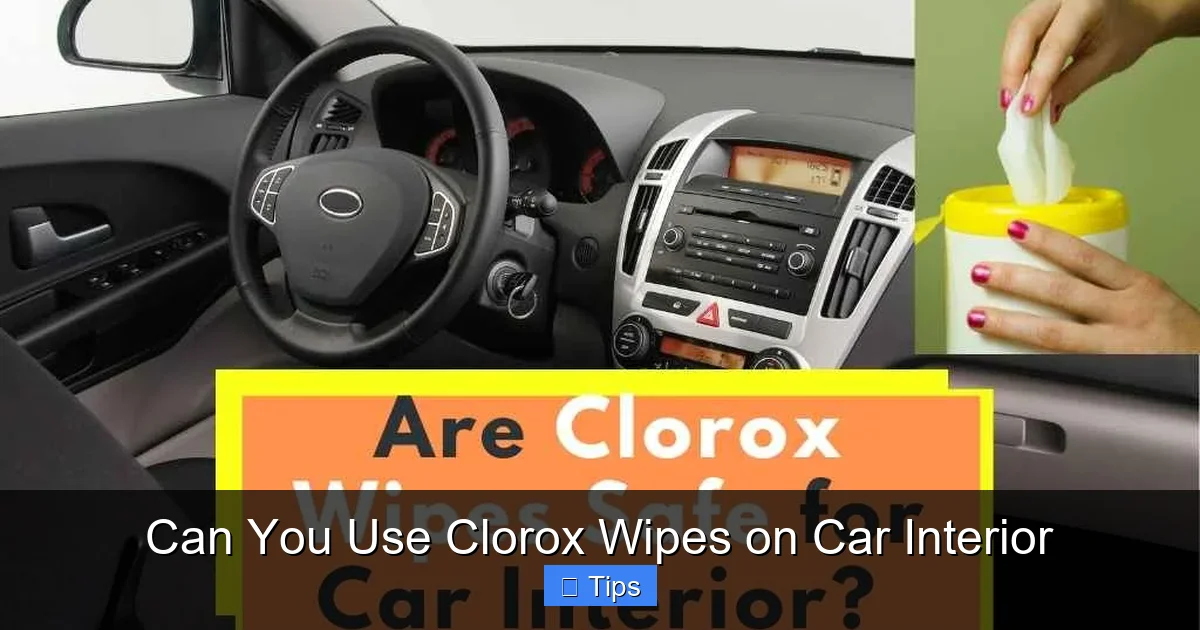
Visual guide about Can You Use Clorox Wipes on Car Interior
Image source: rvandplaya.com
Not all car interiors are created equal when it comes to chemical resistance. Some materials can handle the strong ingredients in Clorox wipes, while others will degrade over time. Knowing which surfaces are safe to clean with Clorox wipes is the first step toward maintaining a clean, healthy car without causing damage.
Hard Plastic Dashboards and Trim
The dashboard, center console, and door panels in most modern cars are made of hard plastic or composite materials. These are generally safe to clean with Clorox wipes, especially if they’re sealed or coated. The smooth, non-porous surface allows the wipe to glide easily and doesn’t absorb the liquid, reducing the risk of damage.
When cleaning plastic surfaces, use a single wipe and avoid oversaturating the area. Wipe in one direction to prevent streaking, and allow the surface to air dry completely. If you notice any cloudiness or discoloration after drying, it could be a sign that the wipe was too harsh or left behind a residue. In that case, follow up with a dry microfiber cloth to buff the surface.
One tip: avoid wiping near air vents or buttons with deep crevices. Liquid can seep into electronic components and cause malfunctions. Instead, use a cotton swab lightly dampened with the wipe to clean tight spaces.
Metal Accents and Door Handles
Chrome, stainless steel, and other metal trim pieces—like door handles, cup holders, and gear shift knobs—are excellent candidates for Clorox wipes. These materials are durable and non-porous, so they won’t absorb chemicals or degrade easily. In fact, disinfecting metal surfaces is one of the best uses for Clorox wipes in your car, since these are high-touch areas that harbor germs.
After wiping, use a dry cloth to polish the metal and prevent water spots or residue buildup. This also helps maintain the shine and prevents corrosion over time.
Gear Shifts and Steering Wheel (If Non-Leather)
If your gear shift or steering wheel is made of hard plastic or rubber, Clorox wipes can be used safely. These are among the most frequently touched parts of the car, so keeping them disinfected is important for hygiene. However, if your steering wheel is wrapped in leather or has a soft-touch coating, proceed with caution (we’ll cover that in the next section).
For plastic or rubber gear shifts, wipe thoroughly and allow to dry. Avoid getting moisture into the shift mechanism or around electronic buttons.
Cup Holders and Storage Compartments
Cup holders, glove boxes, and center console storage areas are often made of plastic and are safe for Clorox wipes—especially if they’re lined or sealed. These areas can accumulate spills, crumbs, and bacteria, so regular disinfection is a good idea.
Tip: Remove any loose items before wiping, and use a toothbrush or small brush to scrub crevices if needed. Let the area dry completely before replacing items to prevent mold or mildew.
Surfaces to Avoid or Use With Caution

Visual guide about Can You Use Clorox Wipes on Car Interior
Image source: marble.com
While Clorox wipes are effective, they’re not suitable for every surface in your car. Using them on the wrong materials can lead to irreversible damage, including fading, cracking, peeling, or loss of texture. Here’s what to watch out for.
Leather Seats and Steering Wheels
Leather is a natural material that requires gentle care. Clorox wipes contain alcohol and other harsh chemicals that can strip the natural oils from leather, causing it to dry out, crack, and fade. Over time, repeated use can ruin the finish and shorten the lifespan of your leather upholstery.
If you must disinfect a leather surface, use a product specifically designed for leather, such as a pH-balanced leather cleaner with disinfecting properties. Alternatively, you can use a solution of 70% isopropyl alcohol diluted with water (1:1 ratio) applied with a soft cloth. Always follow up with a leather conditioner to restore moisture and protect the surface.
Vinyl and Soft-Touch Coatings
Many modern cars use vinyl or soft-touch plastics on dashboards, door panels, and armrests. These materials feel nice but are often coated with a thin layer that can be damaged by strong chemicals. Clorox wipes may cause these surfaces to become sticky, discolored, or brittle over time.
If you need to clean vinyl, use a mild soap and water solution or a cleaner labeled safe for automotive interiors. Avoid abrasive wipes or anything with bleach or ammonia.
Fabric and Cloth Upholstery
Fabric seats, carpets, and headliners are porous and can absorb liquids quickly. Clorox wipes may leave behind residues that attract dirt or cause staining. Additionally, the bleach in some formulations can bleach or discolor colored fabrics.
For fabric interiors, vacuum regularly and use a fabric-safe cleaner or upholstery shampoo. For disinfection, consider a spray disinfectant designed for fabrics, or use a steam cleaner, which kills germs with heat rather than chemicals.
Touchscreens and Infotainment Displays
Never use Clorox wipes directly on touchscreens, GPS displays, or instrument clusters. The alcohol and chemicals can damage the anti-glare or oleophobic coatings, leading to cloudiness, reduced responsiveness, or permanent scratches.
Instead, power off the screen and use a microfiber cloth slightly dampened with water. For disinfection, use a screen-safe cleaner or a 70% isopropyl alcohol solution applied to the cloth—not directly to the screen. Gently wipe in circular motions and dry immediately.
Rubber Floor Mats and Weatherstripping
Rubber mats can usually handle Clorox wipes, but frequent use may cause them to become brittle or develop a sticky residue. If you use wipes on rubber, rinse the mats with water afterward and let them dry completely to prevent degradation.
Weatherstripping around doors and windows is also rubber-based and sensitive to harsh chemicals. Avoid wiping these areas with Clorox wipes to prevent cracking and loss of seal integrity.
Best Practices for Using Clorox Wipes in Your Car
Visual guide about Can You Use Clorox Wipes on Car Interior
Image source: yardandgardenguru.com
If you decide to use Clorox wipes in your vehicle, following best practices will help you clean effectively while minimizing the risk of damage. Here’s a step-by-step guide to safe and smart use.
1. Read the Label Carefully
Always check the product label before use. Look for warnings about sensitive surfaces and recommended contact times. Some Clorox wipes are labeled “safe for use on electronics” or “gentle formula,” which may be better suited for car interiors.
2. Test in an Inconspicuous Area
Before wiping down a large surface, test the wipe on a small, hidden area—like the back of a door panel or under the dashboard. Wait 24 hours to see if there’s any discoloration, stickiness, or damage.
3. Use One Wipe Per Surface
Don’t reuse wipes or go over the same area multiple times. This can spread germs and increase the amount of chemical residue left behind. Use a fresh wipe for each major surface.
4. Don’t Oversaturate
Clorox wipes are pre-moistened—there’s no need to soak surfaces. Excess moisture can seep into seams, buttons, or electronics and cause damage. Wipe gently and allow to air dry.
5. Ventilate the Cabin
The fumes from Clorox wipes can be strong and irritating, especially in an enclosed space like a car. Open the windows or run the ventilation system after cleaning to let fresh air circulate and fumes dissipate.
6. Follow Up with Protective Products
After disinfecting, consider applying a protectant to maintain your interior. Use a leather conditioner on leather seats, a UV protectant on plastic dashboards, and a fabric protector on cloth upholstery. This helps prevent future damage and keeps your car looking new.
7. Clean Regularly, But Not Excessively
Daily disinfection isn’t necessary for most drivers. Once or twice a week is usually sufficient, unless you transport sick passengers or use your car for ridesharing. Over-cleaning with harsh chemicals can do more harm than good.
Safer Alternatives to Clorox Wipes
If you’re concerned about the potential risks of Clorox wipes, there are several safer, car-friendly alternatives that still offer effective disinfection.
Isopropyl Alcohol (70%)
A 70% isopropyl alcohol solution is a great alternative. It’s effective at killing germs, evaporates quickly, and is less damaging to surfaces than bleach-based wipes. Mix it with water (1:1 ratio) and apply with a spray bottle and microfiber cloth. Avoid using on untreated wood or delicate fabrics.
Car-Specific Disinfectants
Many brands offer disinfectants specifically formulated for automotive use. These are designed to be safe for plastics, leather, and electronics while still providing germ-killing power. Look for products labeled “safe for car interiors” or “interior detailer with disinfectant.”
UV-C Sanitizing Lights
UV-C light devices can disinfect car interiors without chemicals. These portable lights emit ultraviolet radiation that kills bacteria and viruses on surfaces. They’re safe for all materials but require direct exposure and may take 10–15 minutes per area.
Steam Cleaners
Steam cleaning uses high-temperature vapor to sanitize surfaces. It’s chemical-free and safe for most materials, including fabric, plastic, and leather (with proper attachments). It’s especially effective for deep cleaning and removing odors.
Microfiber Cloths with Mild Soap
For everyday cleaning, a damp microfiber cloth with a drop of mild dish soap is often enough to remove dirt and germs. Follow up with a dry cloth to prevent water spots.
Long-Term Care for Your Car Interior
Cleaning is just one part of maintaining a healthy, attractive car interior. Long-term care involves regular maintenance, protection, and smart habits.
Regular Vacuuming
Vacuum your car at least once a week to remove dust, crumbs, and allergens. Use crevice tools to clean between seats and under mats.
Use Sunshades and Window Tints
UV rays can fade and crack interior materials. Use a sunshade when parked and consider window tinting to reduce heat and UV exposure.
Condition Leather and Vinyl
Apply leather conditioner every 3–6 months to keep seats soft and prevent cracking. Use vinyl protectant on dashboards and trim to maintain shine and flexibility.
Avoid Eating in the Car
Food crumbs and spills are a major source of bacteria and stains. If you must eat, use a tray and clean up immediately.
Keep Cleaning Supplies Handy
Store a small kit in your car with microfiber cloths, a spray bottle, and a gentle cleaner. This makes it easy to wipe down surfaces on the go.
Conclusion
So, can you use Clorox wipes on car interior surfaces? The answer is a cautious yes—*if* you use them correctly and on the right materials. Clorox wipes are excellent for disinfecting hard, non-porous surfaces like plastic dashboards, metal handles, and gear shifts. They’re convenient, effective, and can help keep your car free of harmful germs.
However, they’re not suitable for leather, fabric, vinyl, or electronic screens. Using them on these surfaces can lead to drying, cracking, discoloration, or coating damage. Always test first, avoid oversaturation, and follow up with protective products to maintain your interior’s appearance and longevity.
For regular cleaning, consider gentler alternatives like isopropyl alcohol, car-specific disinfectants, or steam cleaning. And remember: a clean car isn’t just about looks—it’s about health, comfort, and preserving your vehicle’s value.
By following the tips in this guide, you can keep your car interior fresh, sanitized, and in great condition for years to come. Whether you’re commuting to work, road-tripping with family, or driving for rideshare, a little care goes a long way.
Frequently Asked Questions
Can I use Clorox wipes on leather car seats?
No, it’s not recommended. Clorox wipes contain alcohol and other harsh chemicals that can dry out and damage leather, causing cracks and fading. Use a leather-safe cleaner and conditioner instead.
Are Clorox wipes safe for touchscreens in cars?
No, avoid using Clorox wipes directly on touchscreens. The chemicals can damage anti-glare coatings. Use a microfiber cloth with water or a screen-safe disinfectant instead.
How often should I disinfect my car interior?
For most drivers, once or twice a week is sufficient. Increase frequency if you transport sick passengers, use rideshare services, or have young children.
Can Clorox wipes damage plastic dashboards?
Occasional use on sealed plastic is generally safe, but frequent use may cause cloudiness or discoloration. Always test first and follow up with a protectant.
What’s a good alternative to Clorox wipes for car cleaning?
A 70% isopropyl alcohol solution or a car-specific disinfectant are safer alternatives. They’re effective at killing germs without damaging interior materials.
Do I need to rinse surfaces after using Clorox wipes?
No, Clorox wipes are designed to air dry. However, for sensitive surfaces like rubber or vinyl, you may want to wipe with a damp cloth afterward to remove residue.

At CarLegit, we believe information should be clear, factual, and genuinely helpful. That’s why every guide, review, and update on our website is created with care, research, and a strong focus on user experience.