
Using Goo Gone on car paint is possible but risky. While it can remove sticky residues, its solvents may damage clear coats or dull the finish if misused. Always test first, use sparingly, and follow up with wax or sealant.
In This Article
- 1 Key Takeaways
- 2 📑 Table of Contents
- 3 Can You Use Goo Gone on Car Paint? The Honest Answer
- 4 What Is Goo Gone and How Does It Work?
- 5 Risks of Using Goo Gone on Car Paint
- 6 When Is It Safe to Use Goo Gone on Car Paint?
- 7 How to Safely Use Goo Gone on Car Paint
- 8 Safer Alternatives to Goo Gone for Car Paint
- 9 Best Practices for Protecting Your Car’s Paint
- 10 Conclusion: Should You Use Goo Gone on Car Paint?
- 11 Frequently Asked Questions
Key Takeaways
- Goo Gone can be used on car paint in small amounts and with caution. It’s effective at removing adhesives, tar, and sap, but its solvent base may harm the clear coat over time.
- Always perform a spot test on a hidden area first. This ensures the product won’t cause discoloration, clouding, or peeling.
- Use the original Goo Gone Liquid sparingly—avoid aerosol versions. The liquid formula is easier to control and less likely to overspray onto trim or rubber.
- Never let Goo Gone sit on the paint for more than 30–60 seconds. Prolonged exposure increases the risk of damage.
- Immediately wash and wax the treated area after use. This restores protection and shine to the paint surface.
- Consider safer alternatives like isopropyl alcohol or dedicated automotive adhesive removers. These are gentler and formulated specifically for vehicle finishes.
- Protect surrounding areas with painter’s tape or microfiber cloths. Prevent accidental contact with plastic, rubber, or glass seals.
📑 Table of Contents
- Can You Use Goo Gone on Car Paint? The Honest Answer
- What Is Goo Gone and How Does It Work?
- Risks of Using Goo Gone on Car Paint
- When Is It Safe to Use Goo Gone on Car Paint?
- How to Safely Use Goo Gone on Car Paint
- Safer Alternatives to Goo Gone for Car Paint
- Best Practices for Protecting Your Car’s Paint
- Conclusion: Should You Use Goo Gone on Car Paint?
Can You Use Goo Gone on Car Paint? The Honest Answer
So, you’ve got a stubborn sticker residue on your car door, or maybe some tree sap that just won’t budge. You reach for that trusty bottle of Goo Gone—it’s worked on everything from kitchen counters to kids’ toys. But before you spray it on your car’s paint, stop and ask: *Can you use Goo Gone on car paint?*
The short answer is yes—but with major caveats. Goo Gone is a powerful adhesive remover designed to dissolve sticky substances like glue, tape residue, and gum. Its effectiveness comes from a blend of solvents, including citrus-based d-limonene and petroleum distillates. While these ingredients work wonders on household surfaces, they can be harsh on automotive paint, especially if used incorrectly.
Car paint isn’t just a single layer—it’s a multi-layer system: base coat, color coat, and a protective clear coat on top. The clear coat is what gives your car its glossy shine and shields the underlying paint from UV rays, dirt, and chemicals. Unfortunately, strong solvents like those in Goo Gone can break down this protective layer over time, leading to dullness, clouding, or even paint damage.
That doesn’t mean you can never use it. In fact, many car owners and detailers have used Goo Gone successfully—when done carefully. The key is understanding how to apply it safely, how long to leave it on, and what to do afterward. This guide will walk you through everything you need to know, from testing methods to safer alternatives, so you can make an informed decision without risking your vehicle’s finish.
What Is Goo Gone and How Does It Work?
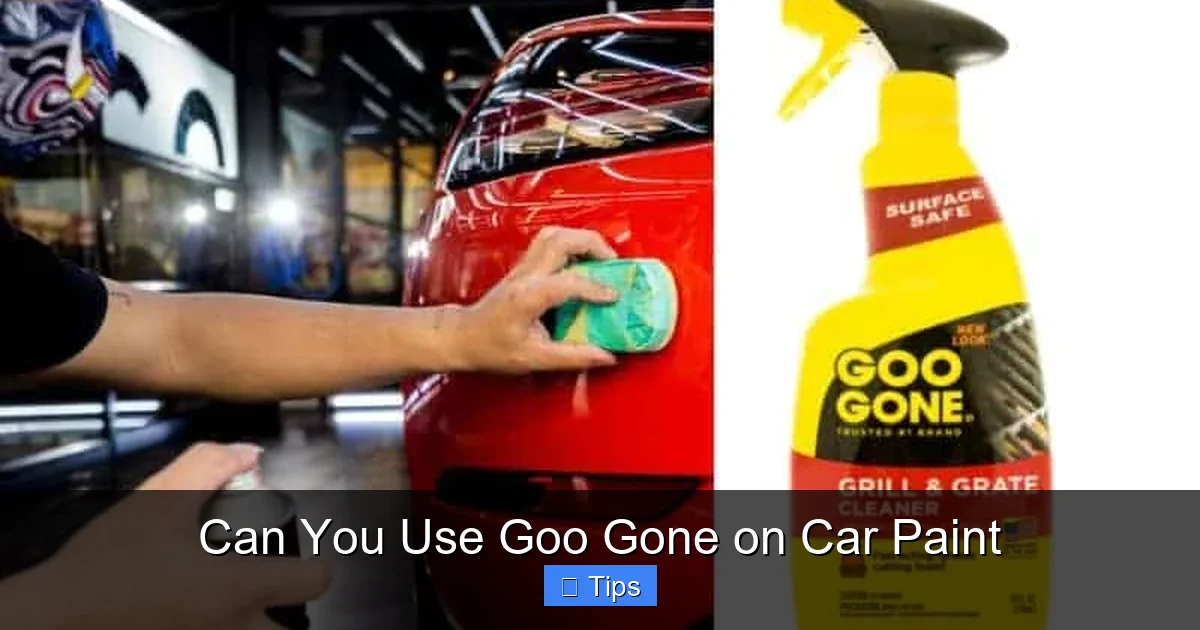
Visual guide about Can You Use Goo Gone on Car Paint
Image source: rxmechanic.com
Before we dive into whether Goo Gone is safe for car paint, let’s break down what it actually is. Goo Gone is a commercial adhesive remover first introduced in the 1990s. It was originally developed to remove sticky residues left behind by labels, stickers, and tapes. Over the years, it’s become a household staple for tackling everything from price tags on glassware to gum stuck on carpet.
The active ingredient in most Goo Gone formulas is d-limonene, a solvent derived from citrus peels. It’s what gives the product its signature orange scent and strong dissolving power. In addition to d-limonene, Goo Gone contains other solvents like aliphatic hydrocarbons and surfactants that help break down adhesives and lift them from surfaces.
When applied, Goo Gone works by penetrating the sticky substance and weakening the bonds that hold it to the surface. This allows the residue to be wiped away easily with a cloth or sponge. Because it’s so effective, people often wonder if it can be used on more delicate surfaces—like car paint.
But here’s the catch: while d-limonene is natural, it’s still a solvent. Solvents can soften or dissolve certain types of coatings, including automotive clear coats, especially if they’re old, thin, or already compromised. That’s why using Goo Gone on car paint requires caution.
Types of Goo Gone Products
Not all Goo Gone products are created equal—and some are riskier than others when it comes to car paint. Here’s a quick breakdown:
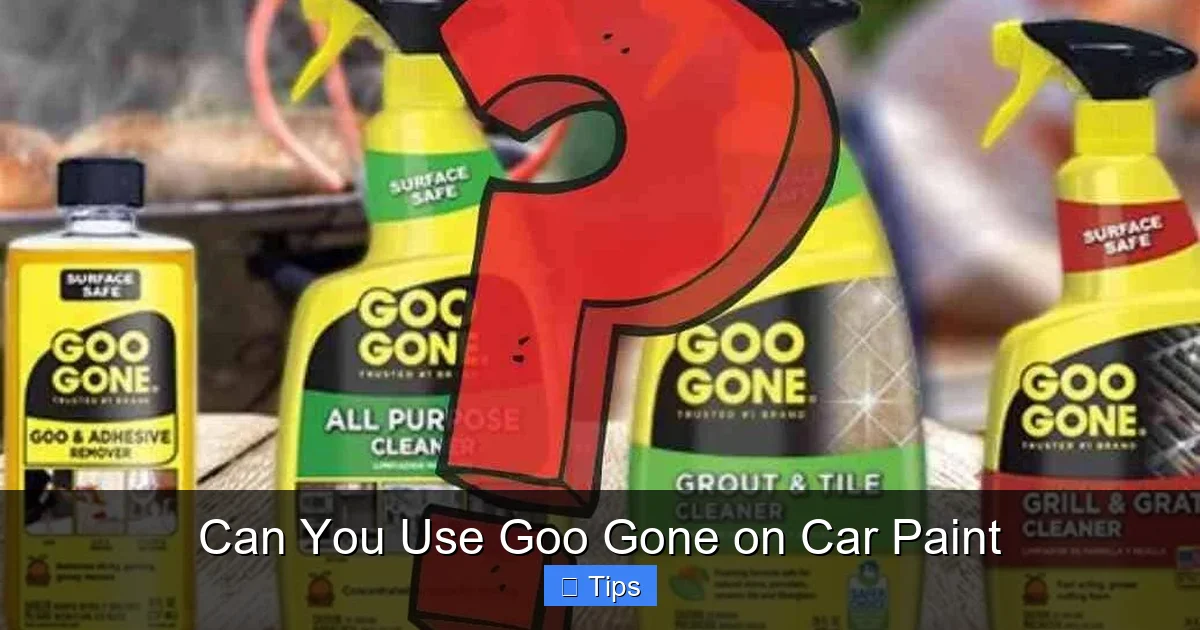
- Goo Gone Original Liquid: This is the most commonly used version. It’s a thick, gel-like liquid that’s easy to apply with a cloth or sponge. Because it doesn’t spray, it’s easier to control and less likely to drift onto trim or rubber parts.
- Goo Gone Spray: This aerosol version is convenient but harder to control. The fine mist can easily land on plastic, rubber seals, or glass, where it may cause clouding or degradation over time. It’s also harder to limit the amount applied to a small area.
- Goo Gone Pro-Power: A stronger industrial-strength formula, this version is not recommended for car paint. It contains more aggressive solvents and is intended for heavy-duty cleaning on non-porous surfaces.
- Goo Gone Degreaser: While useful for engine bays or garage floors, this product is too harsh for painted surfaces and should never be used on car exteriors.
For car paint, the Original Liquid is your safest bet—if you choose to use Goo Gone at all.
Risks of Using Goo Gone on Car Paint
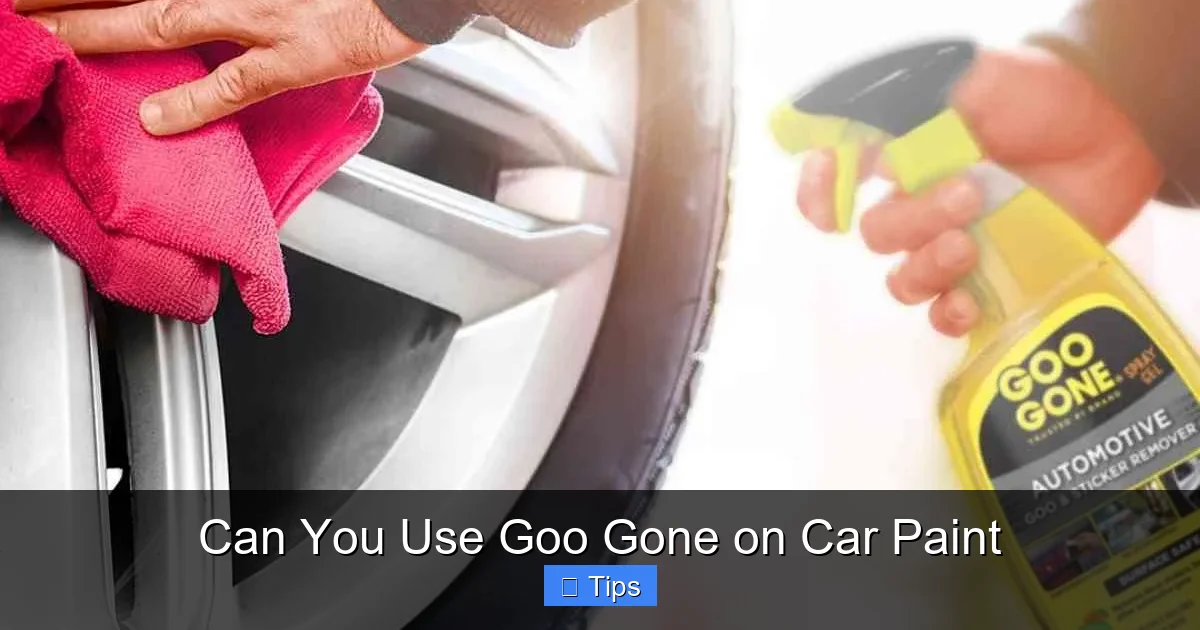
Visual guide about Can You Use Goo Gone on Car Paint
Image source: vehicleanswers.com
Now that you know what Goo Gone is made of, let’s talk about the potential risks. Even though it’s possible to use Goo Gone on car paint without immediate damage, there are several reasons to proceed with caution.
1. Clear Coat Damage
The biggest concern is damage to the clear coat. This thin, transparent layer sits on top of your car’s colored paint and is responsible for that glossy, showroom shine. It’s also the first line of defense against environmental contaminants, UV rays, and minor scratches.
Solvents like d-limonene can soften or dissolve the clear coat, especially if left on for too long. This can result in:
- A dull or hazy appearance in the treated area
- Clouding or “frosting” of the paint
- Weakened protection, making the paint more vulnerable to fading or oxidation
In severe cases, repeated use of Goo Gone can lead to clear coat failure, requiring costly repairs or repainting.
2. Discoloration and Swirl Marks
Even if the clear coat isn’t completely damaged, Goo Gone can leave behind subtle discoloration. This is especially true on darker paints, where any change in surface texture or gloss is more noticeable. Additionally, if you rub too hard while removing residue, you might introduce micro-scratches or swirl marks—especially if you’re using a rough cloth.
3. Damage to Trim and Rubber
Goo Gone doesn’t discriminate—it can affect more than just paint. If it gets on plastic trim, rubber seals, or weatherstripping, it may cause:
- Clouding or whitening of black plastic
- Brittleness or cracking in rubber components
- Discoloration of painted or chromed trim
These effects can be permanent and may require replacement parts to fix.
4. Long-Term Effects
Even if you don’t see immediate damage, repeated use of Goo Gone can weaken the paint system over time. Each application strips away a tiny amount of the clear coat, gradually thinning it. This makes the paint more susceptible to:
- UV damage and fading
- Water spots and mineral deposits
- Scratches and swirl marks from washing
Think of it like sanding a piece of wood—each pass removes a little material. Eventually, you’ll see the results.
When Is It Safe to Use Goo Gone on Car Paint?
Visual guide about Can You Use Goo Gone on Car Paint
Image source: vehicleanswers.com
Despite the risks, there are situations where using Goo Gone on car paint is acceptable—even recommended—as a last resort. The key is to use it sparingly, correctly, and only when safer alternatives have failed.
1. Removing Stubborn Adhesive Residue
One of the most common reasons people turn to Goo Gone is to remove sticky residues from stickers, decals, or bumper magnets. These residues can be tough to remove with soap and water alone, and scrubbing with abrasive tools can scratch the paint.
In these cases, a small amount of Goo Gone applied carefully can dissolve the glue without damaging the paint—if done right.
2. Tar, Sap, or Grease Stains
Tree sap, road tar, and grease can bond tightly to car paint and are difficult to remove with regular car wash soap. Goo Gone’s solvent action can break down these substances, making them easier to wipe away.
For example, if you park under a pine tree and find sap droplets on your hood, Goo Gone can help lift them off without needing to clay bar or polish the entire panel.
3. Aftermarket Modifications
If you’ve removed side markers, trim pieces, or aftermarket decals, you might be left with adhesive residue. Goo Gone can clean these areas quickly, especially in hard-to-reach spots.
Just remember: always test first, and never use it on large areas.
4. Emergency Situations
Sometimes, you’re in a pinch—like when you need to remove a parking permit sticker before a road trip. In these cases, Goo Gone can be a quick fix, as long as you follow the safety steps outlined below.
How to Safely Use Goo Gone on Car Paint
If you’ve decided to use Goo Gone on your car, follow these steps to minimize risk and protect your paint.
Step 1: Test in an Inconspicuous Area
Before applying Goo Gone to the affected spot, test it on a small, hidden area—like behind the fuel door, under the trunk lid, or along the edge of a door panel. Apply a tiny drop, wait 30 seconds, then wipe it off with a clean microfiber cloth.
Check for:
- Discoloration
- Clouding or hazing
- Softening or peeling of the paint
If you see any of these signs, do not proceed. Try a safer alternative instead.
Step 2: Clean the Area First
Wash the affected area with car soap and water to remove dirt, dust, and debris. This prevents scratching when you apply Goo Gone. Dry the surface completely with a clean microfiber towel.
Step 3: Apply Goo Gone Sparingly
Use the Original Liquid formula—not the spray. Apply a small amount to a clean, soft microfiber cloth or cotton ball. Do not pour it directly onto the paint.
Gently dab the residue with the cloth. Do not rub aggressively. Let the solvent do the work.
Step 4: Limit Exposure Time
Never let Goo Gone sit on the paint for more than 30–60 seconds. The longer it stays, the higher the risk of damage. If the residue isn’t coming off easily, reapply and wait another 30 seconds—but don’t exceed two applications.
Step 5: Wipe Away Immediately
Once the residue begins to dissolve, wipe it away with a clean part of the cloth. Use gentle, circular motions. Avoid pressing too hard.
Step 6: Wash and Wax the Area
After removing the residue, wash the treated area with car soap and water to remove any remaining Goo Gone. Dry it thoroughly.
Then, apply a coat of wax or sealant. This restores protection and shine to the paint and helps prevent future damage.
Step 7: Inspect and Monitor
Over the next few days, keep an eye on the treated area. Look for changes in gloss, color, or texture. If you notice any issues, consider having the area inspected by a professional detailer.
Safer Alternatives to Goo Gone for Car Paint
Given the risks, many car owners prefer to use gentler, paint-safe alternatives. These products are specifically formulated for automotive use and are less likely to damage clear coats.
1. Isopropyl Alcohol (70% or Higher)
Rubbing alcohol is a mild solvent that can dissolve adhesive residues without harming paint. It evaporates quickly and leaves no oily residue.
To use:
- Dampen a microfiber cloth with alcohol
- Gently rub the sticky area
- Wipe clean and follow with wax
Avoid using it on large areas or in direct sunlight, as it can dry too quickly.
2. Dedicated Automotive Adhesive Removers
Products like 3M Adhesive Remover, Goo Gone Automotive, or Turtle Wax Bug and Tar Remover are designed for car paint. They’re formulated to be safe on clear coats while still effective at removing tough residues.
These products often come with applicators and instructions tailored for vehicles.
3. Clay Bars
A clay bar can remove surface contaminants like sap, tar, and overspray without chemicals. It works by “grabbing” impurities as you glide it over the paint.
Use with a lubricant (like quick detailer) and follow with wax for best results.
4. WD-40
Surprisingly, WD-40 can help remove stickers and residues. Spray it on, let it sit for a minute, then wipe away. It’s less aggressive than Goo Gone but still effective.
Always wash the area afterward to remove any oily residue.
5. Heat and Plastic Razor Blades
For large decals or stickers, use a hairdryer to soften the adhesive. Once warm, gently lift the edge with a plastic razor blade. This method avoids chemicals altogether.
Be careful not to scratch the paint—plastic blades are safer than metal.
Best Practices for Protecting Your Car’s Paint
Whether you use Goo Gone or a safer alternative, protecting your car’s paint should always be a priority. Here are some tips to keep your finish looking its best:
1. Wash Regularly
Dirt and grime can act like sandpaper on your paint. Wash your car every 1–2 weeks with a pH-balanced car soap and a microfiber mitt.
2. Use a Wax or Sealant
Apply wax every 3–6 months to protect the clear coat. Sealants last longer and offer better UV protection.
3. Park in the Shade
UV rays break down clear coats over time. Whenever possible, park in a garage or under cover.
4. Avoid Harsh Chemicals
Stick to products labeled safe for automotive use. When in doubt, test first.
5. Address Stains Promptly
The longer sap, tar, or bird droppings sit on your paint, the more damage they can cause. Clean them as soon as you notice them.
6. Use Microfiber Cloths
Always use clean, soft microfiber towels for wiping. Avoid paper towels or rough rags that can scratch.
Conclusion: Should You Use Goo Gone on Car Paint?
So, can you use Goo Gone on car paint? Yes—but only with extreme caution. It’s a powerful tool that can remove tough residues, but its solvent base poses real risks to your vehicle’s clear coat and surrounding materials.
If you must use it, stick to the Original Liquid formula, apply it sparingly, limit exposure time, and always follow up with washing and waxing. And never, ever skip the spot test.
For most situations, though, safer alternatives like isopropyl alcohol, automotive adhesive removers, or clay bars are better choices. They’re gentler on your paint and just as effective when used correctly.
Your car’s paint is one of its most valuable features—both aesthetically and financially. Protecting it means making smart choices about the products you use. So the next time you’re tempted to reach for that orange bottle, ask yourself: is it worth the risk?
With the right approach, you can keep your car looking shiny and new—without compromising its finish.
Frequently Asked Questions
Can Goo Gone damage car paint?
Yes, Goo Gone can damage car paint if used incorrectly. Its solvents may soften or dissolve the clear coat, leading to dullness, clouding, or long-term paint degradation.
What’s the safest way to remove sticker residue from a car?
The safest method is to use isopropyl alcohol or a dedicated automotive adhesive remover. Apply with a microfiber cloth, let it sit briefly, then wipe clean and wax the area.
Can I use Goo Gone Spray on my car?
It’s not recommended. The spray version is harder to control and may drift onto trim, rubber, or glass, where it can cause clouding or damage.
How long can I leave Goo Gone on car paint?
No more than 30–60 seconds. Prolonged exposure increases the risk of clear coat damage. Always wipe it off as soon as the residue begins to dissolve.
Should I wax my car after using Goo Gone?
Yes. Waxing restores protection and shine to the paint after using any solvent-based cleaner. It helps seal the surface and prevent future damage.
Are there Goo Gone alternatives made for cars?
Yes. Products like 3M Adhesive Remover, Goo Gone Automotive, and Turtle Wax Bug and Tar Remover are formulated specifically for vehicle paint and are safer to use.

At CarLegit, we believe information should be clear, factual, and genuinely helpful. That’s why every guide, review, and update on our website is created with care, research, and a strong focus on user experience.