
Using Goof Off on car paint is generally not recommended due to its strong solvents that can strip wax, damage clear coats, and dull the finish. While it may remove stubborn adhesives or stains, the risks often outweigh the benefits—especially on modern automotive finishes.
In This Article
- 1 Key Takeaways
- 2 📑 Table of Contents
- 3 Can You Use Goof Off on Car Paint? A Detailed Look
- 4 What Is Goof Off and How Does It Work?
- 5 The Risks of Using Goof Off on Car Paint
- 6 When Might Someone Consider Using Goof Off on Car Paint?
- 7 Safer Alternatives to Goof Off for Car Paint
- 8 Best Practices for Protecting Your Car’s Paint
- 9 What to Do If You’ve Already Used Goof Off on Your Car
- 10 Conclusion: Think Twice Before Using Goof Off on Car Paint
- 11 Frequently Asked Questions
- 11.1 Is Goof Off safe for car paint if I rinse it off quickly?
- 11.2 Can I use Goof Off on plastic car parts?
- 11.3 What’s the safest way to remove bumper stickers from a car?
- 11.4 Will Goof Off remove tree sap from car paint?
- 11.5 How long can Goof Off stay on car paint before it causes damage?
- 11.6 Can I fix paint damage caused by Goof Off?
Key Takeaways
- Goof Off contains harsh solvents: Ingredients like acetone and toluene can break down protective wax and clear coat layers, leading to paint damage.
- Not formulated for automotive use: Unlike car-specific cleaners, Goof Off isn’t designed with paint safety in mind and lacks pH-balanced formulas.
- Risk of discoloration and dulling: Prolonged or repeated use may cause fading, cloudiness, or uneven shine, especially on dark-colored vehicles.
- Safe only with extreme caution: If used at all, apply sparingly, test in a hidden area first, and rinse immediately—never leave it on the surface.
- Better alternatives exist: Products like Goo Gone Auto, isopropyl alcohol, or dedicated adhesive removers are safer and more effective for car paint.
- Prevention beats correction: Regular washing, waxing, and using paint-safe detailing sprays help avoid the need for harsh chemical cleaners.
- When in doubt, consult a professional: For deep stains or unknown substances, seek help from a detailer to avoid costly paint repairs.
📑 Table of Contents
- Can You Use Goof Off on Car Paint? A Detailed Look
- What Is Goof Off and How Does It Work?
- The Risks of Using Goof Off on Car Paint
- When Might Someone Consider Using Goof Off on Car Paint?
- Safer Alternatives to Goof Off for Car Paint
- Best Practices for Protecting Your Car’s Paint
- What to Do If You’ve Already Used Goof Off on Your Car
- Conclusion: Think Twice Before Using Goof Off on Car Paint
Can You Use Goof Off on Car Paint? A Detailed Look
So, you’ve got a stubborn sticker residue, a blob of tree sap, or maybe some mysterious sticky spot on your car’s paint—and you’re staring at that bright yellow bottle of Goof Off, wondering if it’s the quick fix you need. It’s tempting. After all, Goof Off is famous for dissolving glue, paint, grease, and all kinds of tough messes. But here’s the real question: *Is it safe for your car’s paint?*
The short answer? **Probably not.** While Goof Off can technically remove certain substances from automotive surfaces, using it on car paint comes with serious risks. Modern car paint isn’t just a single layer of color—it’s a multi-layered system: primer, base coat, and a protective clear coat on top. This clear coat is what gives your car that glossy, shiny look, and it’s also the most vulnerable part when exposed to harsh chemicals.
Goof Off contains powerful solvents like acetone, toluene, and methylene chloride. These ingredients are great at breaking down adhesives and dried-on gunk, but they’re also aggressive enough to strip away wax, degrade the clear coat, and even soften the underlying paint if left too long. Think of it like using a sledgehammer to crack a nut—it might work, but you’ll likely damage more than just the problem area.
That said, some people *have* used Goof Off on car paint without immediate disaster—especially if they applied it carefully, diluted it, or rinsed it off quickly. But “no immediate damage” doesn’t mean “safe.” Over time, repeated exposure can lead to dullness, fading, or even permanent clouding of the finish. And once the clear coat is compromised, your car becomes more vulnerable to UV damage, oxidation, and rust.
So before you reach for that bottle, let’s dive deeper into what Goof Off actually does, why it’s risky for car paint, and what safer alternatives you can use instead.
What Is Goof Off and How Does It Work?
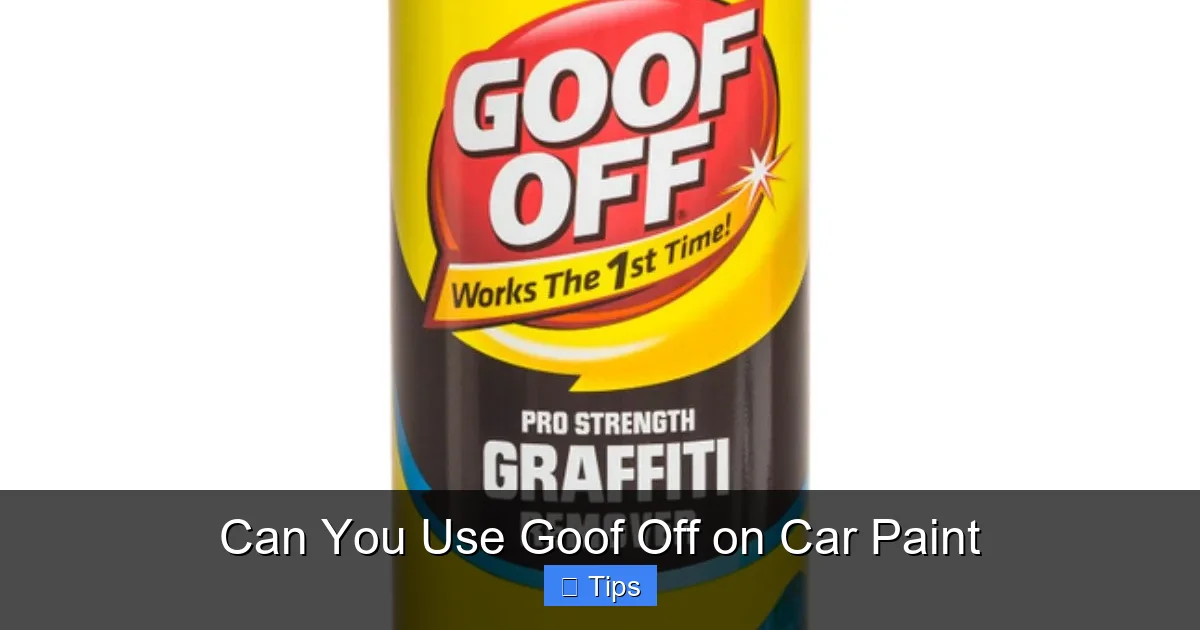
Visual guide about Can You Use Goof Off on Car Paint
Image source: jalopytalk.com
Goof Off is a heavy-duty adhesive and paint remover marketed for household and workshop use. It’s commonly used to clean up dried paint spills, remove stickers, dissolve glue, and tackle grease stains on surfaces like metal, glass, and concrete. The product comes in various formulations—original, heavy-duty, and even a “gentle” version—but all contain strong chemical solvents designed to break down stubborn residues.
Key Ingredients in Goof Off
The active ingredients in Goof Off vary slightly by formula, but the original version typically includes:
– **Acetone:** A fast-evaporating solvent that dissolves plastics, paints, and adhesives. It’s also found in nail polish remover.
– **Toluene:** A petroleum-based solvent used in paints and coatings. It’s effective at breaking down oils and resins.
– **Methylene Chloride (Dichloromethane):** A highly volatile solvent known for its strong stripping power. It’s been phased out of many consumer products due to health and environmental concerns but may still appear in industrial versions.
These solvents work by penetrating the molecular structure of adhesives, paints, and other contaminants, causing them to swell and loosen from the surface. Once the bond is broken, the residue can be wiped away.
Why These Ingredients Are Problematic for Car Paint
Car paint—especially the clear coat—is designed to be durable, but not indestructible. It’s meant to resist minor scratches, UV rays, and environmental contaminants, but it’s not built to withstand aggressive chemical solvents.
Here’s what happens when Goof Off meets car paint:
– **Wax and sealant removal:** The solvents strip away protective waxes and sealants, leaving the paint exposed.
– **Clear coat degradation:** Prolonged contact can soften or dissolve the clear coat, leading to a dull, hazy appearance.
– **Paint softening:** In extreme cases, the base coat may become tacky or even peel if the clear coat is compromised.
– **Discoloration:** Dark-colored cars are especially prone to showing spots where the finish has been altered.
Even if you don’t see immediate damage, microscopic changes can occur that weaken the paint over time. And once the clear coat is damaged, there’s no easy fix—only costly repainting or professional correction.
The Risks of Using Goof Off on Car Paint
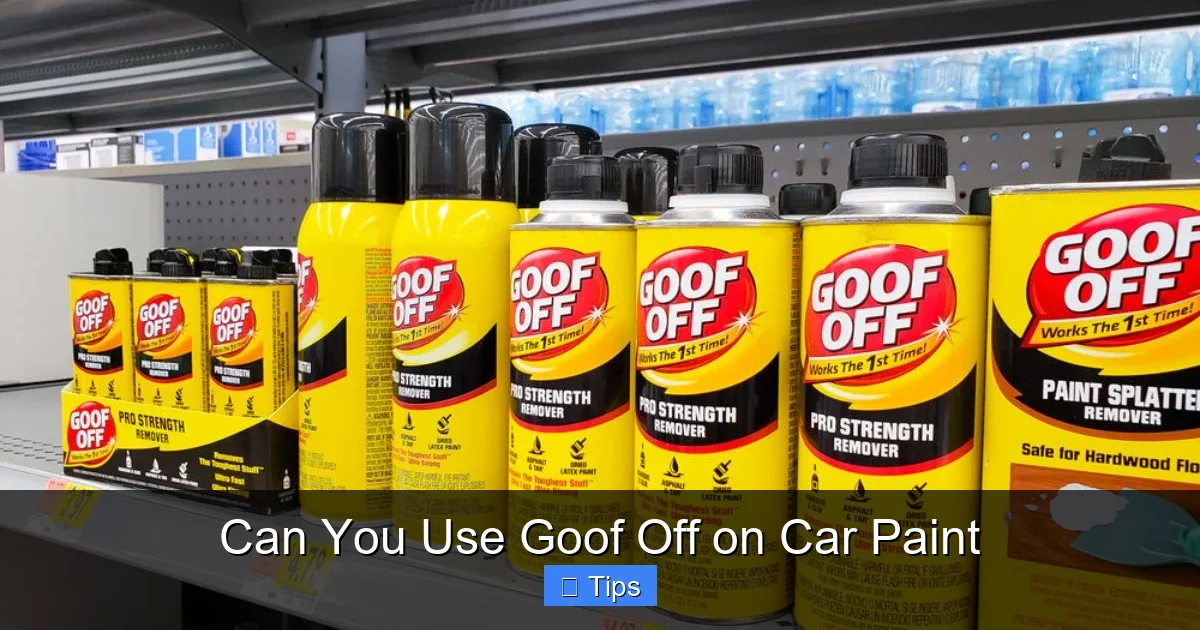
Visual guide about Can You Use Goof Off on Car Paint
Image source: jalopytalk.com
Now that we understand what Goof Off is made of, let’s talk about the real-world risks of using it on your vehicle.
1. Damage to the Clear Coat
The clear coat is the outermost layer of your car’s paint job. It’s a transparent, protective film that shields the colored base coat from UV rays, dirt, and minor abrasions. It’s also what gives your car that deep, glossy shine.
When Goof Off is applied, its solvents can penetrate the clear coat, especially if left on for more than a few seconds. This can cause:
– **Clouding or hazing:** The surface may appear milky or foggy, even after wiping.
– **Micro-cracks:** Tiny fractures can form, which trap dirt and moisture.
– **Loss of gloss:** The paint may look flat or dull, even after waxing.
Once the clear coat is compromised, it can’t be “repaired” with wax or polish. You’d need professional wet sanding and polishing—or worse, a full repaint.
2. Paint Discoloration and Fading
Different paint colors react differently to chemical exposure. Darker paints—like black, navy, or deep red—are more likely to show damage because any change in the clear coat is more visible.
For example, imagine using Goof Off to remove a bumper sticker from a black car. Even if you rinse it off quickly, you might notice a lighter patch where the sticker was—like a ghost image. That’s because the solvents altered the surface texture or removed a microscopic layer of the clear coat.
Over time, this area may fade faster than the rest of the car, creating an uneven appearance.
3. Risk of Paint Softening or Peeling
In severe cases, especially with older or poorly maintained paint, Goof Off can cause the paint to soften or even lift. This is more likely if:
– The car has been repainted with low-quality materials.
– The clear coat is already thin or damaged.
– The product is left on for too long.
If the paint becomes sticky or starts to wrinkle, you’ve got a serious problem. At that point, the only solution is professional intervention.
4. Harm to Trim and Plastic Parts
Cars have rubber seals, plastic trim, and rubberized components near the painted surfaces. Goof Off can damage these materials too, causing them to crack, discolor, or become brittle.
For instance, if you’re trying to remove adhesive from near the window trim, a little overspray or drip could ruin the rubber seal—leading to leaks or wind noise.
5. Health and Safety Concerns
Beyond paint damage, Goof Off poses health risks. The fumes are strong and can cause dizziness, headaches, or respiratory irritation. Methylene chloride, in particular, is a known carcinogen and should be handled with extreme care.
Always use Goof Off in a well-ventilated area, wear gloves, and avoid skin contact. And never use it near open flames—it’s highly flammable.
When Might Someone Consider Using Goof Off on Car Paint?
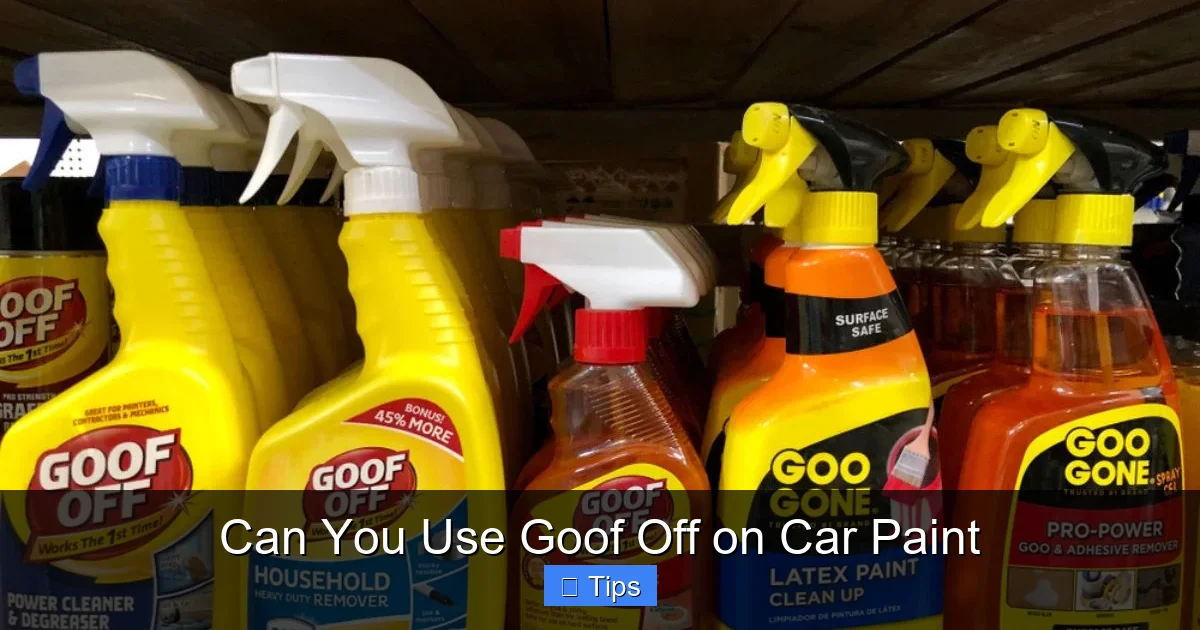
Visual guide about Can You Use Goof Off on Car Paint
Image source: jalopytalk.com
Despite the risks, there are rare situations where someone might consider using Goof Off on a car—usually as a last resort.
Extreme Adhesive Residue
Imagine you’ve tried everything: Goo Gone, rubbing alcohol, WD-40, even a plastic scraper. But that old dealership sticker or parking permit residue just won’t budge. In this case, a *tiny* amount of Goof Off, applied with extreme caution, might be considered.
But even then, it’s a gamble.
Non-Painted Metal Surfaces
Goof Off is safer on bare metal—like the underside of a bumper or a rusty bolt—but still not ideal. For unpainted automotive parts, consider using a dedicated metal cleaner or degreaser instead.
Test First, Apply Sparingly
If you absolutely must try Goof Off, follow these steps:
1. **Test in a hidden area:** Try it on a small, inconspicuous spot—like behind the fuel door or under the trunk lip.
2. **Use a cotton swab:** Apply a tiny drop with a swab, not a cloth or sponge.
3. **Wait 10–15 seconds max:** Don’t let it sit.
4. **Wipe immediately:** Use a clean, soft microfiber towel.
5. **Rinse with water:** Wash the area thoroughly to remove any residue.
6. **Inspect closely:** Look for clouding, dullness, or texture changes.
If there’s any sign of damage, stop immediately.
Safer Alternatives to Goof Off for Car Paint
The good news? You don’t need Goof Off to clean your car. There are plenty of safer, car-specific products that get the job done without risking your paint.
1. Goo Gone Auto
This is the automotive version of the popular Goo Gone formula. It’s specifically designed for cars and contains milder solvents that won’t harm clear coats. It’s great for removing stickers, tar, sap, and adhesive residue.
**How to use it:**
– Apply a small amount to a microfiber cloth.
– Gently rub the affected area.
– Wipe clean with a damp cloth.
– Follow up with wax to restore protection.
2. Isopropyl Alcohol (70% or higher)
Rubbing alcohol is a gentler solvent that can dissolve many adhesives and residues. It evaporates quickly and is less likely to damage paint—especially if used sparingly.
**Tip:** Dilute it with water (50/50) for extra safety, and always rinse afterward.
3. WD-40
Yes, the classic lubricant can also remove stickers and sap. Spray it on, let it sit for a minute, then wipe away. It’s safe for most automotive finishes and won’t strip wax.
**Bonus:** It also helps prevent water spots when used as a quick detailer.
4. Dedicated Adhesive Removers
Products like 3M Adhesive Remover or Mothers Back to Black are formulated for cars. They’re pH-balanced and safe for clear coats.
5. Clay Bars
For surface contaminants like tree sap or overspray, a detailing clay bar can lift them away without chemicals. Just lubricate the surface with a quick detailer spray and gently glide the clay over the area.
6. Heat and Plastic Scrapers
For stickers, use a hair dryer or heat gun to soften the adhesive. Then gently lift the edge with a plastic razor blade. This method is completely chemical-free and safe for paint.
Best Practices for Protecting Your Car’s Paint
The best way to avoid needing harsh cleaners is to prevent problems in the first place. Here’s how to keep your car’s paint in top condition:
Regular Washing and Drying
Wash your car every 1–2 weeks to remove dirt, bird droppings, and tree sap before they bond to the paint. Use a pH-neutral car shampoo and a microfiber wash mitt.
Always dry the car with a clean microfiber towel to prevent water spots.
Apply Wax or Sealant
Waxing every 2–3 months adds a protective layer that makes it harder for contaminants to stick. Synthetic sealants last even longer—up to 6 months.
Use Quick Detailers Between Washes
A spray detailer can safely remove light dust and fingerprints without water. Keep one in your glove box for touch-ups.
Park Smart
Avoid parking under trees (sap, bird droppings) or near construction sites (overspray). Use a car cover if you’ll be parked for long periods.
Inspect Regularly
Check your car weekly for new stains or damage. The sooner you address a problem, the easier it is to fix.
What to Do If You’ve Already Used Goof Off on Your Car
Accidents happen. If you’ve already used Goof Off and notice damage, don’t panic—but act quickly.
Step 1: Wash the Area
Rinse the spot thoroughly with water to remove any remaining solvent.
Step 2: Inspect for Damage
Look for:
– Cloudiness or haze
– Dull spots
– Texture changes
– Discoloration
If the paint looks normal, you may have gotten lucky. But monitor it over the next few weeks.
Step 3: Polish and Wax
If the area is dull but not damaged, use a mild polish to restore shine. Follow with a coat of wax to protect the surface.
Step 4: Seek Professional Help
If you see clouding, peeling, or deep scratches, take your car to a professional detailer. They can assess the damage and recommend correction methods like compounding or repainting.
Step 5: Prevent Future Mistakes
Store Goof Off away from your car care supplies. Label it clearly and remind yourself (and others) that it’s not for automotive use.
Conclusion: Think Twice Before Using Goof Off on Car Paint
So, can you use Goof Off on car paint? Technically, yes—but should you? Almost certainly not.
The risks far outweigh the benefits. With so many safer, car-specific alternatives available, there’s no good reason to gamble with your vehicle’s finish. A little patience and the right product will get the job done without the danger of permanent damage.
Remember: your car’s paint is one of its most valuable features. Protect it with care, use the right tools for the job, and when in doubt, consult a professional. Your paint—and your wallet—will thank you.
Frequently Asked Questions
Is Goof Off safe for car paint if I rinse it off quickly?
Even with quick rinsing, Goof Off can still damage car paint due to its harsh solvents. The risk of clear coat degradation or dulling remains, especially on dark or older finishes.
Can I use Goof Off on plastic car parts?
It’s not recommended. Goof Off can cause plastic trim, seals, and bumpers to crack, discolor, or become brittle. Use a plastic-safe cleaner instead.
What’s the safest way to remove bumper stickers from a car?
Use a hair dryer to heat the adhesive, then gently peel it off. For residue, apply Goo Gone Auto or isopropyl alcohol with a microfiber cloth.
Will Goof Off remove tree sap from car paint?
It might, but it’s risky. Safer options include detailing clay, rubbing alcohol, or a dedicated sap remover designed for automotive use.
How long can Goof Off stay on car paint before it causes damage?
Even 10–15 seconds can be enough to cause micro-damage. The longer it sits, the greater the risk of clouding, softening, or peeling.
Can I fix paint damage caused by Goof Off?
Minor dullness may be corrected with polishing and waxing. Severe damage—like clouding or peeling—usually requires professional repair or repainting.

At CarLegit, we believe information should be clear, factual, and genuinely helpful. That’s why every guide, review, and update on our website is created with care, research, and a strong focus on user experience.