

Car leasing is like renting a vehicle long-term, allowing you to drive a new car for a set period with lower monthly payments than buying. You pay for the car’s depreciation during the lease term, not the full price, and return it at the end—no long-term ownership required.
In This Article
- 1 Key Takeaways
- 2 📑 Table of Contents
- 3 What Is Car Leasing and How Does It Work?
- 4 The Basics of a Car Lease Agreement
- 5 Pros and Cons of Leasing a Car
- 6 Understanding Lease Fees and Charges
- 7 End-of-Lease Options: What Happens When Your Lease Ends?
- 8 Is Car Leasing Right for You?
- 9 Final Thoughts on Car Leasing
- 10 Frequently Asked Questions
Key Takeaways
- Leasing is not buying: You’re essentially renting the car for a fixed period, typically 2–4 years, and must return it in good condition.
- Lower monthly payments: Since you only pay for the car’s depreciation during the lease, monthly costs are usually lower than auto loan payments.
- Mileage limits apply: Most leases cap annual mileage (e.g., 10,000–15,000 miles); exceeding it incurs extra fees.
- Wear and tear matters: Excessive damage or modifications can result in end-of-lease charges, so maintain the vehicle properly.
- No equity buildup: Unlike buying, you don’t build ownership value—but you also avoid long-term repair costs after warranty expires.
- Early termination fees: Ending a lease early often comes with penalties, so plan your commitment carefully.
- Gap insurance is usually included: Most leases include gap coverage, protecting you if the car is totaled or stolen.
📑 Table of Contents
What Is Car Leasing and How Does It Work?
So, you’re thinking about getting a new car—but not sure whether to buy or lease? You’re not alone. Car leasing has become an increasingly popular alternative to traditional financing, especially for people who want lower monthly payments, drive newer models more often, or simply don’t want the hassle of selling a car down the road.
At its core, car leasing how does it work? Think of it as a long-term rental agreement. Instead of purchasing the vehicle outright, you pay to use it for a set period—usually 24 to 48 months. During that time, you make fixed monthly payments based primarily on the car’s expected depreciation (how much value it loses) over the lease term, plus interest and fees. At the end, you return the car to the dealership (or leasing company), assuming it’s in acceptable condition and within mileage limits.
Unlike buying, where you own the car and can keep it indefinitely (or sell it whenever you want), leasing means you never own the vehicle. But that trade-off comes with real benefits: lower upfront costs, predictable expenses, and the ability to drive a brand-new car every few years with the latest safety features, tech upgrades, and warranties still in effect.
The Basics of a Car Lease Agreement
Before you sign on the dotted line, it’s crucial to understand what’s actually in a lease contract. While every lease varies slightly depending on the manufacturer, dealership, or leasing company, most follow a similar structure. Here’s a breakdown of the key components you’ll encounter:
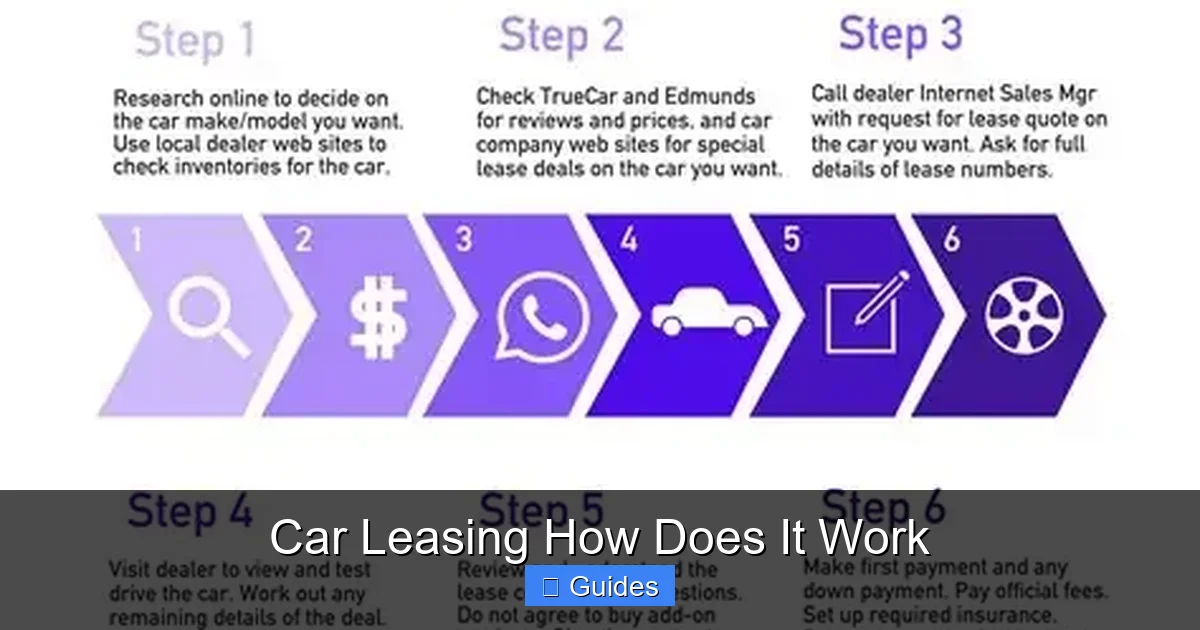
Visual guide about Car Leasing How Does It Work
Image source: autozonic.com
Lease Term
This is how long you agree to keep the car—commonly 24, 36, or 48 months. Shorter terms mean higher monthly payments but less total interest paid. Longer terms spread out costs but may lock you into older technology or higher mileage accumulation.
Capitalized Cost (Cap Cost)
This is essentially the negotiated price of the car—similar to the purchase price if you were buying. The lower your cap cost, the lower your monthly payments will be. Just like with a car purchase, you can (and should!) negotiate this number.
Residual Value
The leasing company estimates how much the car will be worth at the end of the lease. For example, a $30,000 car might have a 60% residual value after 36 months, meaning it’s expected to be worth $18,000. You only pay for the difference—the $12,000 in depreciation—plus fees and interest.
Money Factor (Interest Rate)
Leases use a “money factor” instead of an annual percentage rate (APR). To convert it to a more familiar APR, multiply by 2,400. For instance, a money factor of 0.0025 equals a 6% APR. A lower money factor means lower financing costs.
Monthly Payment Breakdown
Your monthly payment is calculated using three main elements: depreciation (cap cost minus residual value), finance charges (based on money factor), and taxes/fees. Most people focus only on the monthly number, but understanding the math helps you spot a good deal.
Example: Let’s say you lease a $35,000 SUV with a 36-month term and a 55% residual value ($19,250). Your depreciation cost is $15,750. Spread over 36 months, that’s about $438 per month before interest and taxes. Add in a modest money factor and fees, and your total payment might land around $520/month.
Pros and Cons of Leasing a Car
Like any financial decision, leasing has clear advantages and drawbacks. Whether it’s right for you depends on your driving habits, budget, and lifestyle preferences.
Visual guide about Car Leasing How Does It Work
Image source: dickhannah.com
Advantages of Leasing
- Lower monthly payments: Since you’re not paying for the entire vehicle, just its depreciation, payments are typically 20–30% lower than loan payments for the same model.
- Drive newer cars more often: Most leases last 2–4 years, so you can upgrade to the latest model with updated safety tech, infotainment systems, and fuel efficiency.
- Lower repair costs: New leased vehicles are usually under manufacturer warranty for the entire lease term, meaning major repairs are covered.
- Minimal down payment: Many leases require little or no down payment (though putting money down can reduce monthly costs).
- No resale hassle: You don’t have to worry about selling or trading in the car—just return it at the end.
Disadvantages of Leasing
- No ownership: You’re essentially renting forever unless you buy the car at the end (which is optional).
- Mileage restrictions: Exceeding your annual mileage limit (often 10,000–15,000 miles) results in per-mile charges—sometimes $0.15–$0.25 or more.
- Wear-and-tear fees: Dents, scratches, or interior damage beyond “normal use” can lead to costly end-of-lease charges.
- Early termination penalties: Want to get out of your lease early? Expect steep fees unless you transfer it to someone else (if allowed).
- Customization limits: You can’t modify a leased car (like adding performance parts or custom paint) without risking penalties.
Tip: If you drive a lot, plan to keep a car for 10+ years, or love personalizing your ride, buying might be a better fit. But if you prefer driving new cars every few years with minimal maintenance worries, leasing could save you money and stress.
Understanding Lease Fees and Charges
Leasing isn’t “free” beyond your monthly payment. Several fees are baked into the process—some upfront, some ongoing, and some only due at the end. Being aware of these helps avoid surprises.
Visual guide about Car Leasing How Does It Work
Image source: cdn.ramseysolutions.net
Acquisition Fee
Also called the “bank fee” or “lease initiation fee,” this covers the leasing company’s administrative costs. It typically ranges from $500 to $1,000 and can sometimes be rolled into your monthly payments (though paying it upfront reduces interest).
Down Payment (Cap Cost Reduction)
While not required, many lessees choose to put money down to lower monthly payments. This is called a capitalized cost reduction. However, if the car is totaled early, you may lose this money—so weigh the risk versus reward.
Security Deposit
Some leases require a refundable security deposit (often one month’s payment) to cover potential damages. It’s returned at the end if the car is in good shape.
Disposition Fee
Paid at the end of the lease when you return the car, this fee (usually $300–$500) covers the cost of reconditioning and reselling the vehicle. Not all leases include it, so check your contract.
Excess Mileage and Wear Charges
If you go over your mileage limit or return the car with excessive damage, you’ll pay extra. For example, driving 5,000 miles over a 36,000-mile allowance at $0.20/mile = $1,000 in fees. Similarly, a large dent or stained upholstery could cost hundreds to repair.
Pro Tip: Take detailed photos of the car before you drive it off the lot—and again before returning it. This documentation can help dispute unfair wear-and-tear charges.
End-of-Lease Options: What Happens When Your Lease Ends?
When your lease term wraps up, you typically have three choices—each with different financial implications.
Return the Car
This is the most common path. You schedule an inspection, pay any applicable fees (mileage, wear, disposition), and hand over the keys. As long as everything checks out, you walk away—no further obligations. This is ideal if you want to lease a new model or switch to buying.
Buy the Car
You can purchase the vehicle at its predetermined residual value. If the market value is higher than the residual (which happens when car values rise, like during supply shortages), you get a great deal. Use online tools like Kelley Blue Book to compare prices before deciding.
Lease a New Car from the Same Brand
Many dealerships offer loyalty incentives—like waived acquisition fees or discounted money factors—if you lease another vehicle from them. This is convenient if you love the brand and want to stay in a similar model.
Example: Sarah leased a Honda Accord for 36 months. At the end, the residual was $16,000, but similar used Accords were selling for $19,000. She bought it, saved $3,000, and now owns a reliable car with low mileage.
Is Car Leasing Right for You?
Deciding whether to lease comes down to your personal situation. Ask yourself:
- Do I drive less than 12,000–15,000 miles per year?
- Do I prefer driving a new car every few years?
- Am I okay with never owning the vehicle?
- Can I commit to maintaining the car in good condition?
- Do I want lower monthly payments and minimal repair worries?
If you answered “yes” to most, leasing might be a smart move. But if you’re a high-mileage driver, plan to keep a car long-term, or enjoy modifying your vehicle, buying could offer better value.
Also consider your financial discipline. Leasing requires consistent payments and adherence to rules. Missing payments or abusing the car can lead to penalties or credit damage.
Finally, always shop around. Compare lease offers from multiple dealerships and brands. Use online lease calculators to estimate payments based on cap cost, residual, and money factor. And don’t forget to negotiate—just like with a purchase, the advertised lease deal is rarely the best possible offer.
Final Thoughts on Car Leasing
Car leasing isn’t a one-size-fits-all solution—but for the right person, it’s a flexible, cost-effective way to enjoy driving new vehicles without the long-term commitment of ownership. By understanding how leases work, what fees to expect, and your end-of-lease options, you can make an informed decision that aligns with your lifestyle and budget.
Remember: car leasing how does it work? It’s simple—you pay to use a car, not own it. And if that fits your needs, it might just be the smartest way to get behind the wheel.
Frequently Asked Questions
Can I negotiate a car lease?
Yes! Just like buying a car, you can negotiate the capitalized cost, money factor, and even some fees. Dealers often advertise “special” lease deals, but there’s usually room to improve the terms.
What happens if I go over my mileage limit?
You’ll be charged a per-mile fee—typically $0.10 to $0.25—for every mile over your annual allowance. To avoid this, choose a higher mileage limit upfront or consider buying if you drive a lot.
Can I end my lease early?
It’s possible, but usually expensive. Most leases charge an early termination fee equal to several months of payments. Some allow lease transfers to another person, which can reduce or eliminate penalties.
Do I need full coverage insurance on a leased car?
Yes. Leasing companies require comprehensive and collision insurance with low deductibles to protect their asset. This is standard and non-negotiable.
Can I lease a used car?
Generally, no—most leases are for new vehicles only. However, some certified pre-owned programs or specialty lenders may offer limited used-car leasing options.
Is leasing cheaper than buying in the long run?
Not necessarily. While monthly payments are lower, you never build equity. Over decades, buying and keeping a car long-term usually costs less than continuously leasing new ones. But for short-term flexibility, leasing can be more economical.

At CarLegit, we believe information should be clear, factual, and genuinely helpful. That’s why every guide, review, and update on our website is created with care, research, and a strong focus on user experience.