
Window tints are almost always applied to the inside of glass surfaces—not the outside—for durability, safety, and performance. Installing on the interior protects the film from weather, debris, and physical damage while ensuring optimal adhesion and longevity. This guide breaks down why inside application is standard, what exceptions exist, and how to get professional results.
In This Article
- 1 Key Takeaways
- 2 📑 Table of Contents
- 3 Do Window Tints Go on the Inside or Outside? The Simple Answer
- 4 Why Interior Installation Is the Standard
- 5 Are There Any Exceptions? When Outside Tinting Might Be Used
- 6 How Window Tint Works: The Science Behind the Film
- 7 Choosing the Right Tint for Your Needs
- 8 Professional Installation vs. DIY: What You Need to Know
- 9 Maintaining Your Window Tint: Tips for Longevity
- 10 Legal Considerations: Know the Rules
- 11 Conclusion: Inside Is the Right Side
- 12 Frequently Asked Questions
Key Takeaways
- Window tints go on the inside in 99% of cases: Interior installation protects the film from environmental wear and ensures proper adhesion to the glass.
- Outside application is rare and risky: External tints are prone to peeling, scratching, and UV degradation, making them impractical for most vehicles and buildings.
- Professional installation is strongly recommended: DIY kits can lead to bubbles, creases, and poor adhesion; experts use precision tools and cleanroom-like conditions.
- Different films suit different needs: Ceramic, carbon, dyed, and metallic tints offer varying levels of heat rejection, privacy, and clarity—choose based on your climate and goals.
- Legal compliance matters: Tint darkness and reflectivity are regulated by state or country laws—check local rules before tinting.
- Proper care extends tint life: Wait 3–7 days before rolling down windows and use ammonia-free cleaners to avoid damage.
- Interior tints improve comfort and safety: They reduce glare, block UV rays, prevent interior fading, and can hold glass together if shattered.
📑 Table of Contents
- Do Window Tints Go on the Inside or Outside? The Simple Answer
- Why Interior Installation Is the Standard
- Are There Any Exceptions? When Outside Tinting Might Be Used
- How Window Tint Works: The Science Behind the Film
- Choosing the Right Tint for Your Needs
- Professional Installation vs. DIY: What You Need to Know
- Maintaining Your Window Tint: Tips for Longevity
- Legal Considerations: Know the Rules
- Conclusion: Inside Is the Right Side
Do Window Tints Go on the Inside or Outside? The Simple Answer
If you’re thinking about tinting your car windows or home glass, one of the first questions that pops up is: *Do window tints go on the inside or outside?* It’s a fair question—after all, you want the job done right the first time. The short answer? **Almost always on the inside.**
Window tints are designed to be applied to the interior surface of glass. Whether it’s your car’s side windows, rear windshield, or the windows in your home or office, the film is adhered to the side that faces inward. This might seem counterintuitive at first—after all, the sun hits the outside of the glass, so wouldn’t the tint need to be out there too? But the reality is that placing the tint on the inside offers far more protection, better performance, and longer-lasting results.
The reason is simple: the outside of your windows is exposed to rain, snow, dirt, road debris, car washes, and even vandalism. If tint were applied externally, it would quickly degrade, peel, or scratch. By installing it on the inside, the film stays safe from the elements while still doing its job—blocking heat, reducing glare, and enhancing privacy. Plus, modern tint films are engineered to work effectively from the interior side, using advanced materials that reflect or absorb solar energy before it penetrates deep into your vehicle or building.
Why Interior Installation Is the Standard
Visual guide about Do Window Tints Go on the Inside or Outside
Image source: thesupercarkids.com
There’s a very good reason why professional tint shops and manufacturers overwhelmingly recommend interior application: it’s simply the most practical and effective method. Let’s break down why this approach has become the industry standard.
Protection from the Elements
The exterior of your windows is a harsh environment. Think about it—your car drives through rain, sleet, and snow. It’s pelted by gravel on highways, splashed with mud, and exposed to bird droppings and tree sap. Even in homes, outdoor windows face wind, pollen, and pollution. If tint were applied to the outside, it would be constantly under assault.
Interior tints, on the other hand, are shielded from all of that. Once installed, they’re protected by the glass itself. This means the film stays cleaner, lasts longer, and maintains its appearance over time. You won’t have to worry about peeling edges or cloudy patches caused by weather exposure.
Better Adhesion and Longevity
Tint films are designed to bond directly to glass using a special adhesive layer. This adhesive works best when applied to a clean, dry, and stable surface—conditions that are much easier to achieve on the inside of a window. The interior side of glass is typically smoother and less contaminated than the outside, which may have residues from wiper fluid, road grime, or oxidation.
When applied correctly, interior tints can last 5 to 10 years or more, depending on the quality of the film and how well it’s maintained. External application, by contrast, often leads to premature failure. The adhesive can weaken due to temperature swings, moisture, and UV exposure, causing the film to bubble or detach.
Enhanced Safety and Functionality
Another key benefit of interior tinting is safety. In the event of an accident, some types of tint—especially ceramic and multi-layer films—can help hold shattered glass together, reducing the risk of injury from flying shards. This is particularly important for car windshields and side windows.
Additionally, interior tints allow for better control over heat and light. They can block up to 99% of harmful UV rays, which not only protects your skin but also prevents your car’s dashboard, seats, and home furnishings from fading. By reducing solar heat gain, they also help keep interiors cooler, which means less strain on your air conditioning and improved fuel efficiency in vehicles.
Are There Any Exceptions? When Outside Tinting Might Be Used
Visual guide about Do Window Tints Go on the Inside or Outside
Image source: northwestwindowtints.co.uk
While interior application is the norm, there are a few rare situations where external tinting is considered—or at least attempted. However, these cases come with significant caveats and are generally not recommended for everyday use.
Commercial or Industrial Applications
In some commercial buildings, especially those with large glass facades, external window films are sometimes used. These are typically high-strength, weather-resistant films designed for architectural use. They’re applied to the outside of skyscrapers or storefronts to reduce heat gain, improve energy efficiency, or enhance aesthetics.
These films are engineered differently from standard automotive tints. They’re thicker, more durable, and often include protective coatings to resist UV degradation and physical damage. Even then, they require professional installation and regular maintenance. For most homeowners or car owners, this level of film is unnecessary and impractical.
DIY or Temporary Solutions
You might come across DIY kits that claim to offer “external” tinting solutions—usually in the form of spray-on or peel-and-stick films. These products are marketed as quick fixes for privacy or heat reduction, but they’re notoriously unreliable.
Spray-on tints, for example, often look uneven, peel quickly, and can damage glass if not removed properly. Peel-and-stick films applied to the outside tend to bubble in the sun and lose adhesion within weeks. They’re also more visible to passersby, which can raise security or legal concerns.
In short, while external tinting is technically possible in niche scenarios, it’s not a viable option for most people. The risks far outweigh the benefits, and the results are rarely satisfactory.
How Window Tint Works: The Science Behind the Film
Visual guide about Do Window Tints Go on the Inside or Outside
Image source: tnwindowfilms.com
To truly understand why interior tinting is superior, it helps to know a little about how window tint actually works. It’s not just a colored piece of plastic—it’s a sophisticated product designed to manage light, heat, and UV radiation.
Layers of Protection
Modern window tint films are made up of multiple layers, each serving a specific purpose. A typical high-quality tint might include:
– A scratch-resistant coating on the outer layer (facing the interior)
– A dyed or metalized layer that absorbs or reflects solar energy
– An adhesive layer that bonds the film to the glass
– A protective liner that’s removed during installation
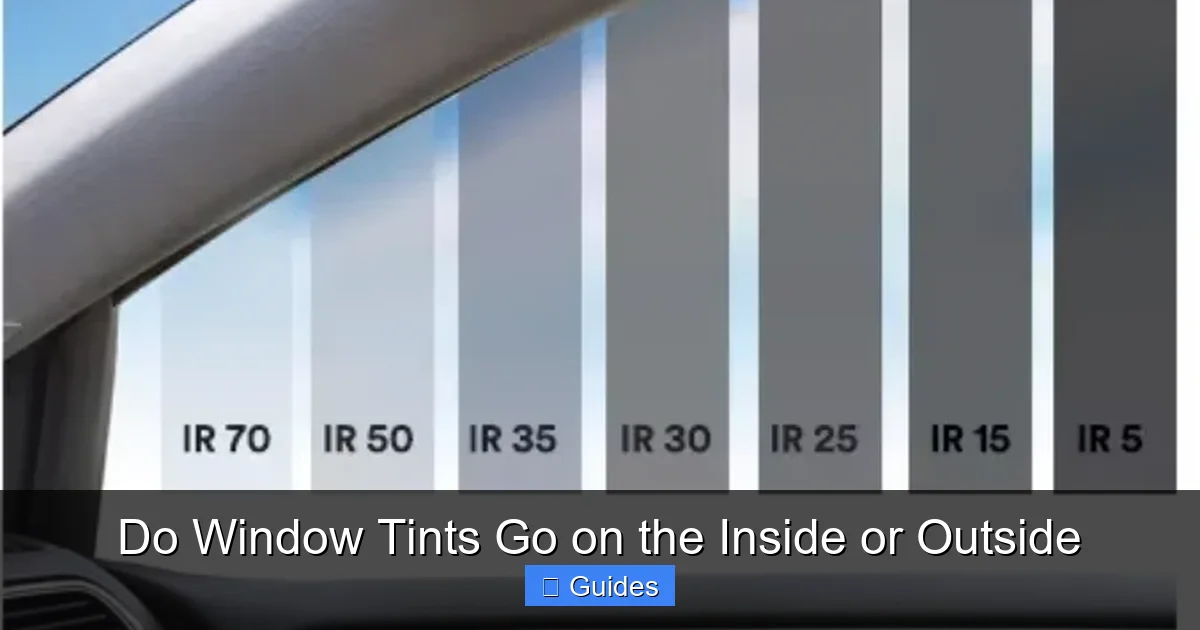
When sunlight hits the glass, the tint film intercepts it before it can penetrate deeply into the vehicle or room. Some films absorb the heat, while others reflect it back outward. Advanced options like ceramic tints use non-metallic nanoparticles to block infrared radiation—the part of sunlight that causes heat—without interfering with radio signals or GPS.
UV and Infrared Rejection
One of the biggest benefits of window tint is its ability to block ultraviolet (UV) rays. Prolonged exposure to UV radiation can cause skin damage, increase the risk of skin cancer, and accelerate aging. It also fades upholstery, carpets, and dashboards.
High-quality tints can block up to 99% of UV rays. They also reject a significant portion of infrared (IR) radiation, which is responsible for the sensation of heat. This means your car or home stays cooler, even on sunny days.
Visible Light Transmission (VLT)
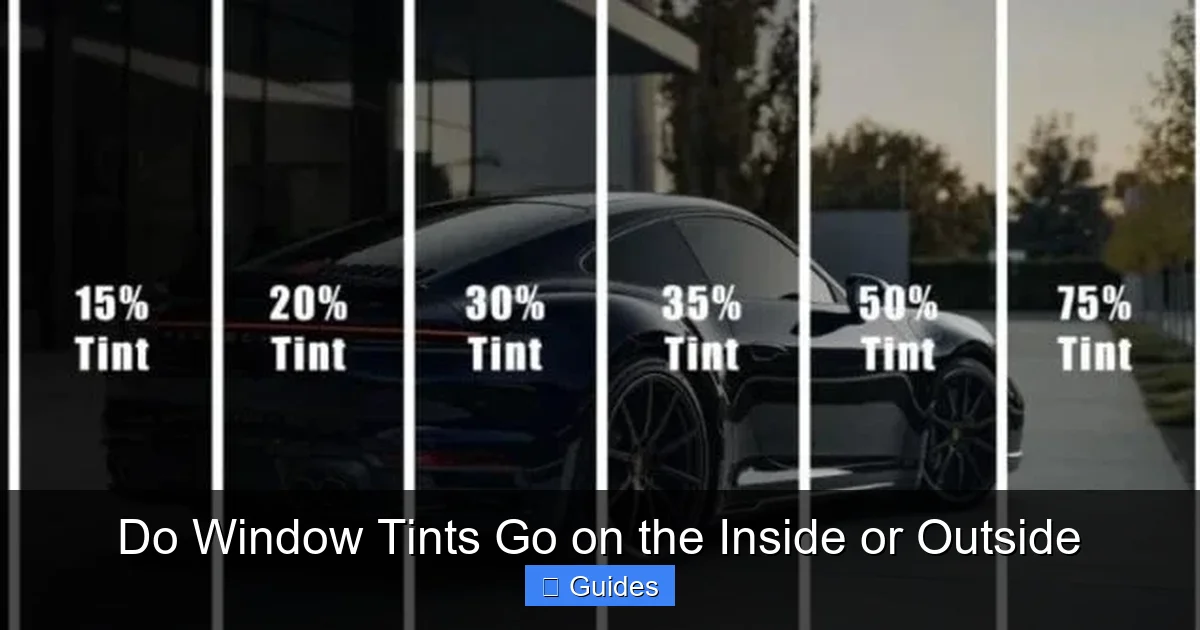
Another important factor is Visible Light Transmission (VLT), which measures how much light passes through the tint. It’s expressed as a percentage—so a 5% tint allows only 5% of visible light through, while a 50% tint allows half.
Darker tints (lower VLT) offer more privacy and reduce glare, but they can also make it harder to see at night or in low-light conditions. That’s why many states and countries have laws regulating how dark your tint can be, especially on front side windows.
Choosing the Right Tint for Your Needs
Not all window tints are created equal. The type you choose will depend on your goals—whether it’s reducing heat, increasing privacy, improving safety, or enhancing appearance. Here’s a quick guide to the most common types.
Dyed Window Tint
Dyed tint is the most affordable option. It uses a layer of dye between the adhesive and the protective coating to absorb heat and reduce glare. It’s great for basic privacy and UV protection, but it doesn’t reject as much heat as other types. Over time, the dye can fade, especially in sunny climates.
Best for: Budget-conscious drivers who want basic tint benefits.
Metallic Tint
Metallic tint contains tiny metal particles that reflect heat away from the glass. It’s more effective at heat rejection than dyed tint and tends to last longer. However, the metal can interfere with cell phone signals, GPS, and keyless entry systems.
Best for: People in hot climates who want strong heat protection.
Carbon Tint
Carbon tint uses carbon particles to block infrared light without metal. It offers excellent heat rejection, doesn’t interfere with electronics, and has a sleek, matte-black finish. It’s more durable than dyed tint and resists fading.
Best for: Those who want high performance without signal interference.
Ceramic Tint
Ceramic tint is the premium choice. It uses non-metallic ceramic nanoparticles to block up to 99% of UV rays and a large portion of infrared heat. It’s crystal clear, doesn’t fade, and doesn’t interfere with electronics. It’s also the most expensive option.
Best for: Luxury vehicles, homes, or anyone who wants the best performance and clarity.
Hybrid Tint
Some films combine dyed and metallic layers to balance cost and performance. These hybrid options offer better heat rejection than dyed tint without the signal-blocking issues of full metallic films.
Best for: Drivers who want a middle-ground solution.
Professional Installation vs. DIY: What You Need to Know
Now that you know where tint goes and what types are available, the next big decision is how to install it. Should you do it yourself or hire a pro?
The Risks of DIY Tinting
DIY tint kits are widely available online and in auto stores. They’re cheaper than professional services, and the idea of saving money is tempting. But there are several reasons why DIY tinting often leads to disappointment.
First, achieving a bubble-free, wrinkle-free application is extremely difficult without the right tools and environment. Even a tiny speck of dust can ruin the finish. Second, cutting the film to fit curved windows requires precision—most DIYers end up with jagged edges or gaps.
Third, improper installation can void warranties or even damage your windows. Some films require heat shrinking to conform to curved glass, and doing this incorrectly can crack the glass.
Why Professionals Do It Better
Professional tint installers have the experience, tools, and clean workspace needed to get flawless results. They use steamers, squeegees, and precision cutters to ensure a perfect fit. They also work in dust-free environments—often with air filtration systems—to minimize contamination.
Additionally, reputable shops offer warranties on their work, so if the tint bubbles, peels, or fades prematurely, you’re covered. Many also provide guidance on legal compliance, helping you choose a tint that meets local regulations.
What to Expect During Professional Installation
A typical professional tint job takes 2 to 4 hours, depending on the vehicle or number of windows. The process includes:
– Cleaning the glass thoroughly
– Measuring and cutting the film
– Applying a soapy solution to the glass
– Positioning the film and smoothing out bubbles
– Trimming excess material
– Drying and curing the tint
After installation, you’ll be advised to avoid rolling down windows for 3 to 7 days to allow the adhesive to fully cure.
Maintaining Your Window Tint: Tips for Longevity
Once your tint is installed, a little care goes a long way in keeping it looking great and performing well.
Wait Before Rolling Down Windows
This is crucial. The adhesive needs time to bond properly. Rolling down windows too soon can cause the film to shift or peel. Most installers recommend waiting at least 3 days, and up to a week in humid or cold conditions.
Use the Right Cleaning Products
Avoid ammonia-based cleaners, as they can break down the adhesive and cause clouding or peeling. Instead, use a mild soap and water solution or a tint-safe glass cleaner. Microfiber cloths are ideal—they’re gentle and won’t scratch the film.
Avoid Sharp Objects
Don’t use scrapers, razor blades, or abrasive pads on tinted windows. Even something as simple as a dog’s claws or a child’s toy can scratch the surface if dragged across it.
Inspect Regularly
Check your tint every few months for signs of damage—bubbling, peeling, or discoloration. Early detection can prevent small issues from becoming big problems.
Legal Considerations: Know the Rules
Before you tint, it’s important to understand the laws in your area. Tint regulations vary by state, country, and even city, and they typically cover:
– How dark the tint can be (measured by VLT)
– Which windows can be tinted (front, rear, side)
– Reflectivity (how much light the tint reflects)
– Medical exemptions (for people with light-sensitive conditions)
For example, in California, the front side windows must allow more than 70% of light in, while in Florida, they can be as dark as 28%. Some states also prohibit metallic or reflective tints on certain windows.
Violating these laws can result in fines, failed inspections, or even having to remove the tint. Always check with your local DMV or transportation authority before proceeding.
Conclusion: Inside Is the Right Side
So, do window tints go on the inside or outside? The answer is clear: **inside.** It’s the only method that offers lasting protection, optimal performance, and professional-quality results. While external tinting exists in rare cases, it’s not practical for everyday use.
By choosing interior installation, you’re investing in a solution that enhances comfort, protects your health, and preserves your vehicle or home’s interior. Whether you go with dyed, metallic, carbon, or ceramic tint, make sure it’s applied by a qualified professional who follows best practices.
And remember—tinting isn’t just about looks. It’s about creating a safer, cooler, and more private environment. So take the time to choose the right film, follow local laws, and care for your tint properly. Your windows—and your comfort—will thank you.
Frequently Asked Questions
Can you put window tint on the outside of a car?
Technically yes, but it’s not recommended. External tints are prone to damage from weather, debris, and car washes, and they rarely last more than a few months. Interior application is the standard for durability and performance.
Will outside tint void my car’s warranty?
It’s unlikely, but some manufacturers may argue that improper modifications—like external tinting—could affect glass integrity. To be safe, stick with professional interior tinting, which is widely accepted and won’t impact your warranty.
How long does window tint last when installed on the inside?
High-quality interior tint can last 5 to 10 years or more, depending on the film type and maintenance. Ceramic and carbon tints typically outlast dyed options, which may fade over time.
Can I install window tint myself?
You can, but it’s challenging. DIY kits often result in bubbles, wrinkles, or poor adhesion. For best results, especially on curved windows, professional installation is strongly recommended.
Does window tint really reduce heat?
Yes—especially ceramic and metallic tints. They can block up to 80% of solar heat, keeping your car or home significantly cooler and reducing the need for air conditioning.
Is it legal to have very dark tint on my windows?
It depends on your location. Most places have laws limiting how dark your tint can be, especially on front windows. Check your local regulations to avoid fines or required removal.

At CarLegit, we believe information should be clear, factual, and genuinely helpful. That’s why every guide, review, and update on our website is created with care, research, and a strong focus on user experience.