
Using the right toilet paper in your RV is crucial to avoid clogs, tank backups, and costly repairs. While you don’t *have* to use RV-specific toilet paper, it’s highly recommended because it breaks down faster in holding tanks than regular household paper.
In This Article
- 1 Key Takeaways
- 2 📑 Table of Contents
- 3 Do You Have to Use RV Toilet Paper? The Short Answer
- 4 How RV Plumbing Differs from Home Plumbing
- 5 What Makes RV Toilet Paper Different?
- 6 Can You Use Regular Toilet Paper in an RV?
- 7 Alternatives to RV Toilet Paper
- 8 Tips for Maintaining a Healthy RV Toilet System
- 9 Conclusion: Is RV Toilet Paper Worth It?
- 10 Frequently Asked Questions
Key Takeaways
- RV toilet paper dissolves faster: Designed to break down quickly in black water tanks, reducing the risk of clogs and system backups.
- Regular toilet paper can cause problems: Household paper is thicker and takes longer to decompose, increasing the chance of tank blockages.
- Not all “septic-safe” paper is RV-safe: Even if labeled septic-safe, some papers don’t dissolve fast enough for RV holding tanks.
- Proper disposal habits matter more than paper type: Flushing only toilet paper and avoiding wipes or feminine products is essential, regardless of paper choice.
- You can use alternatives in a pinch: In emergencies, small amounts of regular paper may be used, but it should be minimized and followed by extra tank treatment.
- Prevention is cheaper than repair: Investing in RV toilet paper and good habits saves money on pump-outs, repairs, and plumbing calls.
- Eco-friendly options exist: Many RV-specific papers are biodegradable and chlorine-free, making them safe for both your tank and the environment.
📑 Table of Contents
Do You Have to Use RV Toilet Paper? The Short Answer
If you’re new to RVing, one of the first questions that might pop into your head is: *Do I really need special toilet paper?* After all, it’s just paper, right? You’ve been using the same brand at home for years without any issues. So why should your RV be any different?
The truth is, while you technically *can* use regular household toilet paper in your RV, it’s not the best idea. Your RV’s plumbing and waste system are much more sensitive than a standard home septic or sewer system. RVs rely on a black water holding tank to collect waste, and this tank must be emptied manually at designated dump stations. Because of this closed-loop system, everything that goes down the toilet—especially toilet paper—needs to break down quickly and completely to avoid clogs, odors, and expensive repairs.
So, do you *have* to use RV toilet paper? Not legally, no. But if you want to keep your RV’s toilet functioning smoothly and avoid messy (and smelly) disasters, the answer is a resounding *yes*—you really should.
How RV Plumbing Differs from Home Plumbing
To understand why RV toilet paper matters, it helps to know how your RV’s plumbing system works—and how it’s different from what you have at home.
In a typical house, waste and toilet paper travel through large-diameter pipes directly into a municipal sewer system or a septic tank. These systems are designed to handle large volumes of waste and have natural bacteria and water flow that help break down materials over time. Even if you use thick, plush toilet paper, it usually doesn’t cause problems because the system is built to manage it.
But in an RV, the story is different. Your toilet flushes into a small, sealed black water tank—usually between 20 and 40 gallons in capacity. This tank holds all your waste until you’re ready to dump it. There’s no constant water flow, no natural drainage, and no built-in agitation like you’d find in a septic system. That means everything that goes into the tank—especially toilet paper—needs to dissolve quickly so it can be easily pumped out and won’t accumulate into a stubborn mass.
The Role of the Black Water Tank
The black water tank is the heart of your RV’s waste system. It’s where human waste and toilet paper collect, and it’s connected to the toilet via a valve. When you flush, the valve opens, and waste drops into the tank. Over time, solid materials can settle at the bottom, while liquids rise to the top. If toilet paper doesn’t break down, it can clump together with other solids, forming a “log” or “bridge” that blocks the drain valve or clogs the hose during dumping.
This is where RV-specific toilet paper comes in. It’s engineered to disintegrate rapidly when exposed to water and agitation—like when you drive down the road or add tank treatment chemicals. Regular toilet paper, on the other hand, is designed to stay strong when wet (so it doesn’t fall apart in the roll or during use), which means it can linger in your tank for days or even weeks.
Why Agitation Matters
One of the key factors in breaking down waste in an RV tank is movement. When you drive, the contents of the black water tank slosh around, helping to mix and dissolve solids. This natural agitation works best when the materials inside are already soft and breaking down. RV toilet paper is formulated to start dissolving almost immediately upon contact with water, so by the time you dump, it’s mostly liquid or fine particles.
Regular toilet paper, however, can remain intact for a long time—even after hours of driving. This increases the risk of buildup, especially if you’re boondocking (camping without hookups) for several days and the tank isn’t being emptied frequently.
What Makes RV Toilet Paper Different?
Visual guide about Do You Have to Use Rv Toilet Paper
Image source: gocarlife.com
So, what exactly sets RV toilet paper apart from the stuff you buy at the grocery store? It’s not just marketing hype—there are real differences in how it’s made and how it performs.
Faster Dissolution
The biggest difference is how quickly RV toilet paper breaks down. Most RV-specific brands are designed to dissolve in as little as 30 minutes to a few hours when submerged in water. This is achieved through a combination of thinner fibers, fewer binders, and a more open weave structure. In contrast, regular toilet paper is built for strength and absorbency, which means it’s more resistant to breaking down.
For example, if you take a square of RV toilet paper and drop it into a glass of water, it will start to fall apart within minutes. Do the same with a premium 3-ply household paper, and it might still be intact after an hour.
Septic-Safe vs. RV-Safe
You might see labels like “septic-safe” or “biodegradable” on regular toilet paper and assume it’s safe for your RV. But here’s the catch: “septic-safe” means the paper will eventually break down in a home septic system—which has bacteria, water flow, and time on its side. An RV tank doesn’t have those advantages.
RV-safe paper is specifically tested to dissolve quickly in holding tanks with minimal agitation. Some manufacturers even conduct “shake tests,” where they mix the paper with water and shake it to simulate tank movement, then measure how long it takes to dissolve.
Softness and Comfort
One common misconception is that RV toilet paper is rough or uncomfortable. While early versions may have been thin and scratchy, modern RV papers have come a long way. Many brands now offer soft, quilted, or even lotion-infused options that feel just as good as regular paper—without the risk of clogs.
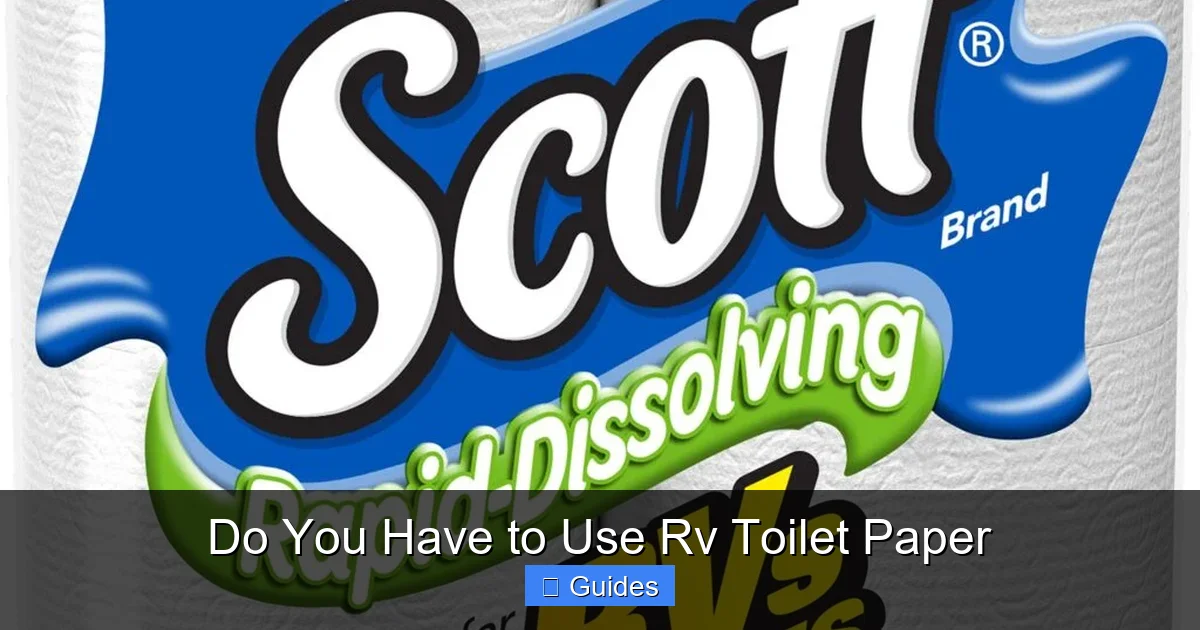
For instance, brands like Scott Rapid-Dissolving, Camco TST, and Thetford Aqua Soft are known for their balance of softness and quick breakdown. Some even come in recycled or eco-friendly packaging, appealing to environmentally conscious RVers.
Environmental Impact
Another benefit of RV toilet paper is its environmental friendliness. Because it breaks down quickly, it reduces the risk of contamination at dump stations and helps maintain healthy bacteria levels in your tank (especially if you use enzyme-based treatments). Many RV papers are also free from chlorine, dyes, and fragrances, making them safer for both your system and the planet.
Can You Use Regular Toilet Paper in an RV?
Now for the million-dollar question: *Can you get away with using regular toilet paper in your RV?*
The short answer is yes—but with major caveats.
When It Might Work
In a pinch—say, you’re on a long road trip and run out of RV paper—using a small amount of regular toilet paper probably won’t cause an immediate disaster. If you’re diligent about dumping your tank frequently (every 2–3 days), using tank treatments, and flushing with plenty of water, you might avoid major issues.
Some RVers report using regular paper for years without problems, especially if they use thin, single-ply brands or flush sparingly. However, this is more the exception than the rule, and it often comes down to luck and maintenance habits.
The Risks of Using Regular Paper
The problem arises when regular paper accumulates over time. Even if it doesn’t clog the tank immediately, it can contribute to:
– **Solid buildup** at the bottom of the tank, making it harder to empty completely.
– **Clogged drain valves**, which can lead to leaks or require professional cleaning.
– **Foul odors** due to incomplete breakdown and bacterial imbalance.
– **Increased pumping difficulty**, as thick sludge doesn’t flow easily through hoses.
One RVer shared a story of having to replace their entire toilet after months of using thick, quilted paper. The tank had become so packed with undissolved paper that it formed a solid mass, blocking the valve and causing backups. The repair cost over $800—far more than the savings from using cheaper paper.
Best Practices If You Must Use Regular Paper
If you absolutely must use regular toilet paper, follow these tips to minimize risk:
– **Use only small amounts**—limit yourself to 3–4 squares per flush.
– **Choose thin, single-ply paper**—avoid ultra-soft or 3-ply varieties.
– **Flush with extra water**—after each use, add a cup or two of water to help break down the paper.
– **Use a strong tank treatment**—enzyme or bacterial additives can help speed up decomposition.
– **Dump frequently**—don’t let the tank sit full for more than 3 days.
– **Agitate the tank**—drive around the block or shake the RV gently to mix contents before dumping.
Even with these precautions, regular paper should be a last resort—not a regular habit.
Alternatives to RV Toilet Paper
If you’re looking for options beyond traditional RV paper, there are a few alternatives worth considering—though each comes with pros and cons.
Biodegradable Wipes (Use with Caution)
Some RVers use biodegradable wipes labeled “flushable.” While these may break down faster than regular wipes, most are *not* safe for RV tanks. Even “flushable” wipes are often too thick and don’t dissolve quickly enough. They can clump together and cause blockages, especially in older or smaller tanks.
If you must use wipes, choose ones specifically labeled “RV-safe” or “septic-safe,” and use them sparingly. Always follow up with extra water and tank treatment.
Bidets and Sprayers
An increasingly popular alternative is installing a bidet or handheld sprayer in your RV bathroom. These devices use water to clean instead of paper, reducing or eliminating the need for toilet paper altogether.
Bidets are great for hygiene and can save money on paper in the long run. However, they require installation and may not be practical for small bathrooms. Also, any water used must still go into the black tank, so you’ll need to manage water levels carefully.
Reusable Cloth Wipes (For the Eco-Warriors)
Some full-time RVers use reusable cloth wipes—similar to those used for babies—washed after each use. While this is the most eco-friendly option, it requires access to laundry facilities and may not be practical for weekend campers.
If you go this route, use soft, cotton flannel and store used wipes in a sealed container until washing. Be sure to rinse the cloths thoroughly to avoid odors.
Composting Toilets
For off-grid RVers, composting toilets are a game-changer. These systems separate liquid and solid waste, composting the solids into harmless material that can be safely disposed of. Because they don’t use water or holding tanks, there’s no need for toilet paper at all—or you can use small amounts of regular paper, which composts naturally.
Composting toilets are more expensive and require more maintenance, but they’re ideal for long-term boondocking and environmentally conscious travelers.
Tips for Maintaining a Healthy RV Toilet System
Regardless of the toilet paper you use, good habits are key to keeping your RV’s waste system running smoothly.
Use the Right Tank Treatments
Tank treatments help break down waste, control odors, and maintain healthy bacteria levels. Look for enzyme- or bacteria-based products (avoid formaldehyde-based ones, which can harm the environment). Add treatment after each dump and follow the manufacturer’s instructions.
Flush with Enough Water
Always add water after flushing—especially if you’re using regular paper. A good rule of thumb is to add 1–2 cups of water per flush to help move waste into the tank and aid decomposition.
Don’t Overfill the Tank
Never let your black tank fill beyond 2/3 capacity. Overfilling can push solids into the drain valve, causing clogs. Use your tank monitor (or the “sniff test”) to check levels regularly.
Dump Properly
When it’s time to dump, follow the “black tank first, then gray” rule. This uses the gray water (from sinks and showers) to help rinse the hose and valve. Always use a dedicated sewer hose and wear gloves.
Clean the Tank Regularly
Even with the best habits, residue can build up. Use a tank cleaning wand or flush system to rinse the tank after dumping. Some RVers also do a “water-only” dump once a month to flush out lingering solids.
Conclusion: Is RV Toilet Paper Worth It?
So, do you *have* to use RV toilet paper? Technically, no. But should you? Absolutely.
The small extra cost of RV-specific paper is a minor investment compared to the potential headaches of clogs, odors, and repairs. It’s designed for the unique demands of RV living—breaking down quickly, working with tank treatments, and keeping your system clean and functional.
Think of it like using the right fuel in your car. You *could* put regular gas in a high-performance engine, but you’d risk damage and poor performance. Similarly, using the right toilet paper in your RV ensures smooth operation and peace of mind on the road.
Whether you’re a weekend warrior or a full-time RVer, making smart choices about what goes down the toilet is one of the simplest ways to protect your investment and enjoy your adventures without unexpected surprises. So next time you’re stocking up, grab a roll of RV toilet paper—your tank (and your nose) will thank you.
Frequently Asked Questions
Can I use Charmin in my RV?
Charmin is a thick, ultra-soft toilet paper designed for home use and does not break down quickly in RV tanks. While you *can* use it in small amounts, it’s not recommended because it can lead to clogs and buildup over time.
How often should I dump my black water tank?
You should dump your black water tank every 2–3 days, or when it’s about 2/3 full. Overfilling can cause solids to block the drain valve and make emptying difficult.
Is all “septic-safe” toilet paper safe for RVs?
No. “Septic-safe” means the paper will eventually break down in a home septic system, which has more time and natural processes. RV tanks need paper that dissolves much faster, so look for labels that say “RV-safe” or “rapid-dissolving.”
What happens if I flush wipes in my RV toilet?
Most wipes—even “flushable” ones—do not break down quickly enough and can cause serious clogs in your black tank or drain valve. It’s best to avoid flushing any wipes and dispose of them in the trash.
Can I use baby wipes in an RV?
No. Baby wipes are not designed to dissolve in water and can quickly clog your RV’s waste system. Always throw them in the trash, even if they’re labeled “biodegradable.”
What’s the best way to test if toilet paper is RV-safe?
Do a simple shake test: Place a square of paper in a jar with water, shake for 10–15 seconds, and see how quickly it breaks apart. If it’s still mostly intact after a minute, it’s not ideal for RV use.

At CarLegit, we believe information should be clear, factual, and genuinely helpful. That’s why every guide, review, and update on our website is created with care, research, and a strong focus on user experience.