
Car insurance may cover water damage from rain—but only if you have comprehensive coverage. This type of policy typically protects against floods, storms, and other weather-related incidents. However, liability or basic collision plans won’t help if your car is damaged by heavy rain or rising floodwaters.
Imagine this: You park your car outside during a heavy rainstorm, thinking it’s just a little water. The next morning, you open the door and find your seats soaked, the dashboard foggy, and a musty smell filling the cabin. Your first thought? “Will my car insurance cover this?”
The short answer is: it depends. Most standard auto insurance policies—like liability or basic collision coverage—won’t pay for water damage caused by rain. But if you’ve added comprehensive coverage to your plan, you’re likely protected against weather-related incidents, including flooding, hail, and yes, even heavy rain that leads to interior or mechanical damage. Understanding the difference between these coverage types can save you thousands in repair bills and a lot of stress down the road.
In This Article
- 1 Key Takeaways
- 2 📑 Table of Contents
- 3 What Is Comprehensive Car Insurance?
- 4 How Rain Causes Water Damage to Cars
- 5 When Does Car Insurance Cover Rain-Related Water Damage?
- 6 How to File a Claim for Water Damage
- 7 Tips to Prevent Water Damage from Rain
- 8 What If Your Claim Is Denied?
- 9 Conclusion
- 10 Frequently Asked Questions
- 10.1 Does liability insurance cover water damage from rain?
- 10.2 Will my insurance pay if my car floods while parked?
- 10.3 Can I claim water damage if I drove through a flooded road?
- 10.4 How long do I have to file a water damage claim?
- 10.5 Will insurance cover mold caused by rain damage?
- 10.6 Should I add comprehensive coverage if I live in a dry area?
Key Takeaways
- Comprehensive coverage is essential: Only this add-on protects against rain, flood, and storm-related water damage.
- Liability and collision insurance don’t cover water damage: These only handle accidents or injuries, not weather events.
- Flooding is a common cause of rain-related damage: Even a few inches of water can ruin electronics, upholstery, and the engine.
- Act quickly after water exposure: Drying your car within 24–48 hours reduces mold, corrosion, and long-term damage.
- Document everything for claims: Take photos, keep receipts, and file promptly to improve approval chances.
- Check your policy details: Coverage limits, deductibles, and exclusions vary by insurer and plan.
- Prevention is cheaper than repair: Park on higher ground during storms and use waterproof car covers when possible.
📑 Table of Contents
What Is Comprehensive Car Insurance?
Comprehensive coverage is an optional part of your auto insurance policy that protects your vehicle from non-collision events. Unlike liability insurance—which only covers damage you cause to others—or collision insurance—which pays for damage from accidents—comprehensive steps in when Mother Nature strikes.
What Does Comprehensive Cover?
This type of insurance typically includes protection against:
- Flooding from heavy rain or rising water
- Hailstorms that dent or break windows
- Falling objects like tree branches
- Theft or vandalism
- Fire or lightning strikes
- Animal collisions (like hitting a deer)
In the context of rain, comprehensive coverage is your best defense. If a storm causes water to seep into your car’s interior, ruin the electrical system, or flood the engine, comprehensive insurance may cover the cost of repairs—minus your deductible.
What Doesn’t It Cover?
Even with comprehensive coverage, there are limits. Most policies won’t pay for:
- Normal wear and tear from moisture over time
- Damage due to lack of maintenance (like old, cracked seals)
- Flood damage if you drove into standing water knowingly
- Personal belongings inside the car unless you have additional coverage
For example, if you ignore a leaking sunroof for months and mold develops, your insurer may deny the claim, calling it preventable neglect. But if a sudden downpour overwhelms your car’s drainage system during a storm, that’s usually covered.
How Rain Causes Water Damage to Cars
You might think rain just makes your car wet—but the damage can be far more serious than a few damp floor mats. Water intrusion can affect nearly every part of your vehicle, from the interior to the engine.
Visual guide about Does Car Insurance Cover Water Damage from Rain
Image source: clovered.com
Interior Damage
Water can soak into seats, carpets, and insulation. Over time, this leads to:
- Mold and mildew growth, which creates health hazards and foul odors
- Staining and warping of upholstery and dashboard materials
- Corrosion of metal components under the carpet or in door panels
Even if the water seems to dry, hidden moisture can linger in padding and crevices, causing long-term issues. A professional detailer or mechanic may need to remove seats and carpets to fully dry and sanitize the interior.
Electrical and Mechanical Damage
Modern cars rely heavily on electronics—sensors, control modules, infotainment systems, and more. When water gets into these components, it can cause short circuits, malfunctions, or complete failure.
For instance, water in the fuse box or under the dashboard can disable your power windows, locks, or even the engine’s computer. In severe cases, a flooded engine can lead to hydrostatic lock—where water prevents the pistons from moving, potentially cracking the engine block. This kind of damage is extremely expensive to fix and may total the car.
Transmission and Brake System Risks
Water can also enter the transmission through vents or seals, contaminating the fluid and causing slipping or failure. Similarly, brake lines and calipers can corrode if exposed to standing water for too long, reducing braking performance and safety.
When Does Car Insurance Cover Rain-Related Water Damage?
The key factor is whether the damage results from a sudden, unexpected weather event—and whether you have comprehensive coverage.
Visual guide about Does Car Insurance Cover Water Damage from Rain
Image source: motorbiscuit.com
Flooding from Heavy Rain
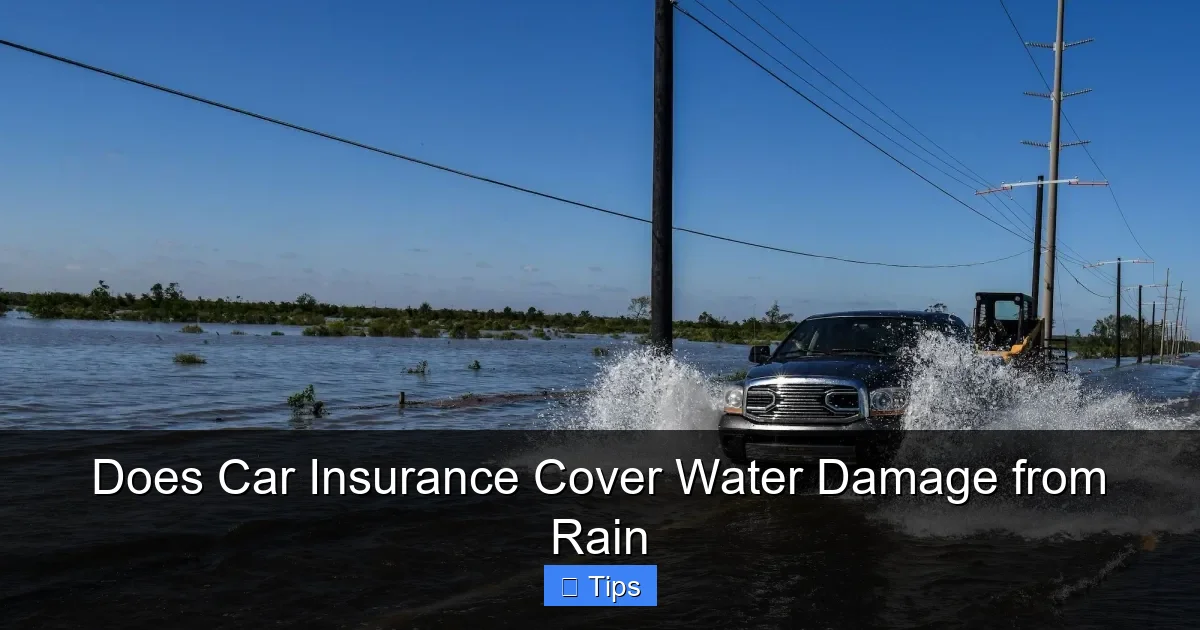
If a storm causes flash flooding that submerges your parked car, comprehensive insurance typically covers the damage. This includes water entering through doors, windows, or the air intake. Most insurers classify this as “acts of nature” and treat it like any other covered peril.
For example, if your car is parked in a garage that floods during a hurricane, and water reaches the dashboard, your insurer should pay for drying, cleaning, and repairs—assuming you have comprehensive coverage.
Leaks from Storm Damage
Sometimes, rain doesn’t flood the car but causes leaks due to damaged seals, broken windows, or clogged sunroofs. If the damage is directly tied to a storm—like a tree branch puncturing your roof—comprehensive coverage usually applies.
However, if the leak is due to aging weather stripping or poor maintenance, the claim may be denied. Insurers often argue that regular upkeep could have prevented the issue.
Driving Through Flooded Roads
This is where things get tricky. Most comprehensive policies do not cover damage if you drove into standing water and your car stalled or was damaged. Insurers consider this a preventable risk—you chose to drive into dangerous conditions.
For instance, if you ignore a “Road Closed” sign and drive into a flooded underpass, only to have your engine suck in water and seize, your claim will likely be denied. The logic? You assumed the risk by driving into known floodwaters.
That said, some insurers offer optional “flood damage coverage” or “water damage endorsements” that may extend protection in these cases—but it’s not standard. Always check your policy wording.
How to File a Claim for Water Damage
If your car suffers water damage from rain, acting quickly and correctly can make or break your insurance claim.
Visual guide about Does Car Insurance Cover Water Damage from Rain
Image source: res.cloudinary.com
Step 1: Don’t Start the Engine
If your car is flooded, do not attempt to start it. Turning the key can force water into the engine, causing catastrophic damage. Even if it starts, internal corrosion may occur later. Tow it to a mechanic instead.
Step 2: Document the Damage
Take clear photos and videos of:
- The water level inside the car
- Wet seats, carpets, and electronics
- Any visible mold or stains
- The weather conditions (e.g., flooded street, storm damage)
These images serve as evidence for your claim. The more detail, the better.
Step 3: Contact Your Insurer Immediately
File a claim as soon as possible—most insurers require prompt reporting. Provide your policy number, a description of the incident, and the documentation you’ve gathered.
Be honest and thorough. If you downplay the damage or wait too long, the insurer may suspect fraud or neglect.
Step 4: Get a Professional Inspection
Your insurer will likely send an adjuster to assess the damage. They may also require an independent inspection by a certified mechanic or body shop. This report will determine the extent of repairs and whether the car is salvageable.
Step 5: Dry and Clean the Vehicle
While waiting for approval, start the drying process. Use fans, dehumidifiers, and wet-vacuums to remove water. Remove floor mats and seat covers to speed up evaporation. However, avoid using heat sources like space heaters, which can warp materials or start fires.
Note: Some insurers may reimburse you for emergency drying services if you keep receipts.
Step 6: Review the Settlement Offer
Once the claim is processed, you’ll receive a settlement offer. This may cover:
- Interior cleaning and mold remediation
- Replacement of damaged electronics or upholstery
- Engine or transmission repairs (if applicable)
- Diminished value (in some cases)
If the offer seems low, you can negotiate or request a second opinion. Keep in mind that your deductible will be subtracted from the payout.
Tips to Prevent Water Damage from Rain
While insurance can help after the fact, prevention is always better—and cheaper—than repair.
Park Smart During Storms
Whenever possible, park your car in a garage or on higher ground during heavy rain. Avoid low-lying areas, underpasses, or streets known to flood. If you’re caught in a storm, seek shelter in a parking structure or elevated lot.
Use a Waterproof Car Cover
Invest in a high-quality, breathable car cover designed for outdoor use. These can protect against rain, snow, and UV damage. Make sure it fits snugly and is secured to prevent wind from lifting it.
Maintain Seals and Drains
Regularly inspect and clean door seals, sunroof drains, and windshield gaskets. Over time, dirt and debris can clog drainage channels, causing water to back up and leak inside. A quick wipe with a damp cloth and a check for cracks can prevent major issues.
Check for Recalls or Technical Service Bulletins
Some car models are prone to water leaks due to design flaws. Check the National Highway Traffic Safety Administration (NHTSA) website for recalls or service bulletins related to your vehicle. Manufacturers may offer free repairs for known issues.
Install Water Sensors or Alarms
For added peace of mind, consider installing a water detection sensor in your garage or near your parked car. These devices alert you via smartphone if moisture levels rise, giving you time to move the vehicle before damage occurs.
What If Your Claim Is Denied?
Even with comprehensive coverage, claims can be denied. Here’s what to do if that happens.
Review the Denial Letter
Insurers must provide a written explanation for claim denials. Common reasons include:
- Lack of comprehensive coverage
- Damage deemed due to negligence or wear
- Policy exclusions (e.g., driving into floodwater)
- Missed claim deadlines
Read the letter carefully. If the reason seems unfair or incorrect, you have options.
Appeal the Decision
Contact your insurer and request a review. Provide additional evidence—like weather reports, repair estimates, or expert opinions—to support your case. Sometimes, a polite but persistent follow-up can reverse a denial.
File a Complaint
If the insurer refuses to cooperate, file a complaint with your state’s Department of Insurance. They can investigate and mediate disputes. In some cases, they may pressure the company to honor the claim.
Consider Legal Action
For large claims or clear cases of bad faith, consult an attorney who specializes in insurance law. They can help you sue for the damages if necessary.
Conclusion
So, does car insurance cover water damage from rain? The answer is: yes—if you have comprehensive coverage and the damage results from a covered event like flooding or storm-related leaks. But if you only have basic liability or collision insurance, you’re on your own when the skies open up.
Water damage can be sneaky and expensive, affecting everything from your car’s comfort to its safety and resale value. That’s why understanding your policy, maintaining your vehicle, and acting quickly after exposure are so important. Don’t wait for the next storm to find out what’s covered. Review your insurance plan today, consider adding comprehensive coverage if you haven’t already, and take simple steps to protect your car from the elements.
After all, a little preparation now can save you from a soaked seat—and a soaked wallet—later.
Frequently Asked Questions
Does liability insurance cover water damage from rain?
No, liability insurance only covers damage you cause to other people’s property or injuries in an accident. It does not protect your own vehicle from any kind of damage, including water from rain or flooding.
Will my insurance pay if my car floods while parked?
Yes, if you have comprehensive coverage. Most insurers treat flooding from storms as a covered peril, even if your car is parked and unattended. Just make sure to file your claim promptly and document the damage.
Can I claim water damage if I drove through a flooded road?
Generally, no. Most comprehensive policies exclude damage caused by driving into standing water. Insurers consider this a preventable risk, so claims are usually denied unless you have special flood coverage.
How long do I have to file a water damage claim?
Most insurers require you to report damage within 30 days, but the sooner, the better. Delaying can lead to mold growth, further damage, and potential claim denial due to lack of timely notice.
Will insurance cover mold caused by rain damage?
Yes, if the mold results from a covered water intrusion event and is discovered within a reasonable time. However, insurers may deny claims if mold develops due to delayed drying or poor maintenance.
Should I add comprehensive coverage if I live in a dry area?
Even in dry climates, comprehensive coverage protects against hail, falling branches, theft, and unexpected storms. It’s often affordable and provides valuable peace of mind, especially if your car is newer or financed.

At CarLegit, we believe information should be clear, factual, and genuinely helpful. That’s why every guide, review, and update on our website is created with care, research, and a strong focus on user experience.