
Clear window tint does more than just reduce glare—it actively blocks up to 99% of harmful UV rays. Despite being nearly invisible, modern clear films offer powerful protection for your skin, interior furnishings, and vehicle upholstery without darkening your windows.
When you think of window tint, dark, sleek films might come to mind—the kind that give cars a mysterious edge or homes a modern vibe. But what if you could get all the benefits of tinting without changing the appearance of your windows at all? That’s where clear window tint comes in. It’s nearly invisible, yet it’s quietly doing heavy lifting when it comes to protecting you and your belongings from the sun’s harmful ultraviolet (UV) rays.
You might be wondering: Does clear window tint still protect against UV rays? The short answer is yes—absolutely. In fact, many high-quality clear films block up to 99% of UV radiation, just like their darker counterparts. The difference lies in how they achieve this. Instead of using dyes that darken the glass, clear tints rely on advanced materials like ceramics, metals, or carbon-based compounds that absorb or reflect UV light without altering visibility. This makes them a smart choice for anyone who wants protection without sacrificing natural light or curb appeal.
Whether you’re driving down the highway on a sunny day or relaxing in your living room, UV rays are constantly hitting your skin and surroundings. Over time, this exposure adds up—leading to sun damage, faded interiors, and even health risks. Clear window tint acts like a shield, filtering out the invisible threats while letting in the beauty of natural daylight. It’s a simple upgrade that delivers big results, and it’s more accessible and effective than ever before.
In This Article
- 1 Key Takeaways
- 2 📑 Table of Contents
- 3 How Clear Window Tint Blocks UV Rays
- 4 Benefits of UV Protection from Clear Window Tint
- 5 Clear Tint vs. Dark Tint: Which Is Better for UV Protection?
- 6 Installation and Maintenance Tips
- 7 Common Misconceptions About Clear Window Tint
- 8 Conclusion
- 9 Frequently Asked Questions
Key Takeaways
- Clear window tint blocks up to 99% of UV rays: Advanced ceramic and nano-ceramic films absorb or reflect UV radiation effectively, even without visible tint.
- Protects skin and prevents premature aging: Long-term UV exposure causes wrinkles, sunspots, and increases skin cancer risk—clear tint helps reduce this danger.
- Preserves interior surfaces: UV rays fade car dashboards, home furniture, and flooring; clear tint slows this damage significantly.
- Maintains visibility and aesthetics: Unlike dark tints, clear films don’t alter the look of your windows, making them ideal for homes, offices, and front windshields.
- Legal in most areas: Since they don’t reduce light transmission, clear tints often comply with local window tinting laws.
- Reduces heat and glare subtly: While not as effective as darker films, many clear tints still offer moderate heat rejection and glare reduction.
- Easy to maintain and long-lasting: High-quality clear tints resist peeling, bubbling, and discoloration for 10+ years with proper care.
📑 Table of Contents
How Clear Window Tint Blocks UV Rays
So, how exactly does a film that looks almost invisible manage to stop harmful UV rays in their tracks? The secret lies in the technology behind modern window films. Unlike older tints that relied heavily on dyes—which could fade over time and reduce visibility—today’s clear tints use advanced materials designed specifically for UV protection.
The Science Behind UV Protection
Ultraviolet radiation from the sun comes in three main types: UVA, UVB, and UVC. UVC is mostly absorbed by the ozone layer, but UVA and UVB reach the Earth’s surface and can penetrate glass. UVA rays, which make up about 95% of the UV radiation we encounter, are particularly sneaky—they pass through windows and contribute to skin aging and long-term damage. UVB rays are responsible for sunburn and play a key role in skin cancer development.
Clear window films are engineered to block these rays using one of two main methods: absorption or reflection. Some films contain UV-absorbing chemicals that trap UV radiation before it can pass through the glass. Others use thin layers of metal or ceramic particles that reflect UV light away from the window. Many high-end clear tints combine both approaches for maximum effectiveness.
Types of Clear Tint Materials
Not all clear tints are created equal. The level of UV protection depends largely on the materials used in the film. Here are the most common types:
– **Ceramic Films**: These use nano-ceramic particles that are incredibly effective at blocking UV and infrared (heat) rays without affecting visibility. They’re durable, don’t interfere with electronic signals (like GPS or cell phones), and offer excellent clarity.
– **Carbon Films**: Carbon-based tints provide strong UV protection and have a slight charcoal hue that’s barely noticeable. They’re also great at reducing heat and resist fading over time.
– **Metalized Films**: These contain microscopic layers of metal that reflect UV and heat. While highly effective, they can sometimes interfere with radio signals, so they’re less common in clear versions.
– **Dyed Films (Clear Variants)**: Some “clear” tints use very light dyes to block UV. These are less expensive but may not offer the same level of protection or longevity as ceramic or carbon films.
When shopping for clear tint, look for products that specify their UV rejection rate—ideally 99% or higher. Reputable brands will provide this information clearly, often backed by independent testing.
Real-World Performance
You don’t have to take the manufacturer’s word for it. Independent studies and consumer reports consistently show that quality clear window films significantly reduce UV transmission. For example, a 2022 study by the International Window Film Association found that top-tier clear ceramic films blocked 99.9% of UVA and UVB rays in standardized tests. That’s on par with many dark tints—but without the tint.
In practical terms, this means that on a sunny afternoon, your skin and eyes are far better protected inside a car or room with clear tint than one with untreated glass. You might not see the difference, but your body and belongings will feel it over time.
Benefits of UV Protection from Clear Window Tint
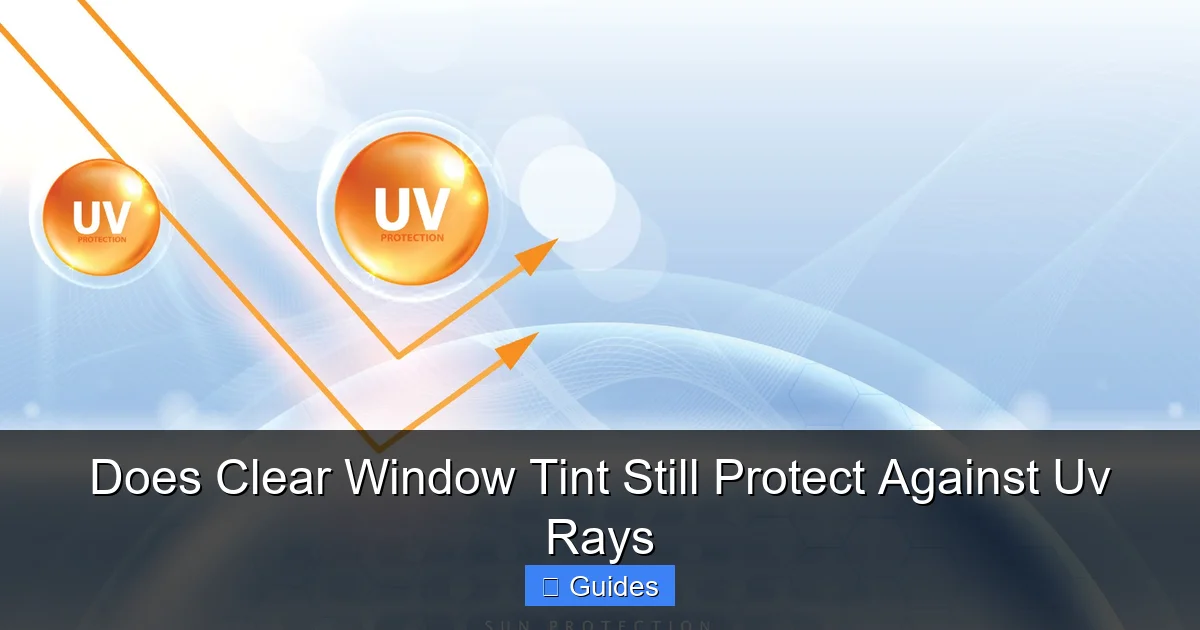
Visual guide about Does Clear Window Tint Still Protect Against Uv Rays
Image source: static.vecteezy.com
Now that we know clear window tint works, let’s talk about why it matters. The benefits go far beyond just feeling cooler in the car or reducing glare on your TV screen. UV protection touches nearly every aspect of your daily life—from your health to your home’s value.
Skin Protection and Health
One of the most compelling reasons to install clear window tint is skin protection. Many people don’t realize that you can still get sunburned or sustain UV damage while sitting in a car or working near a window. UVA rays, in particular, penetrate deep into the skin and are a major contributor to premature aging—think fine lines, wrinkles, and age spots. They’re also linked to a higher risk of skin cancer, including melanoma.
Clear window tint acts like a daily sunscreen for your indoor spaces. Whether you’re commuting, working from home, or relaxing in your living room, the film reduces your cumulative UV exposure. This is especially important for people with sensitive skin, a history of skin cancer, or conditions like lupus that are aggravated by sunlight.
Preserving Interior Furnishings
Sunlight might make a room feel warm and inviting, but it’s also one of the biggest enemies of your furniture, flooring, and decor. Over time, UV rays cause colors to fade, fabrics to weaken, and materials like wood and leather to crack or dry out. Think about that favorite armchair by the window—its once-vibrant upholstery now looks dull and worn. Or the hardwood floor that’s lighter near the glass than in the shaded areas.
Clear window tint helps prevent this kind of damage. By blocking up to 99% of UV rays, it slows the fading process and extends the life of your belongings. This is a big deal for car owners too. Dashboards, seat covers, and steering wheels are constantly exposed to sunlight, and UV damage can make them look old and brittle. With clear tint, your car’s interior stays newer, longer—and may even retain more resale value.
Energy Efficiency and Comfort
While clear tints aren’t primarily designed for heat rejection, many modern versions do offer moderate thermal insulation. Ceramic and carbon films, in particular, can block a significant amount of infrared radiation—the part of sunlight that creates heat. This means your car or home stays cooler in the summer, reducing the need for air conditioning and lowering energy costs.
Even a small reduction in heat gain can make a noticeable difference in comfort. Imagine driving in peak summer without your car feeling like an oven the moment you sit down. Or working in a sunlit office without constantly adjusting the blinds. Clear tint helps maintain a more consistent indoor temperature, making your space more pleasant and efficient.
Aesthetic and Legal Advantages
One of the biggest perks of clear window tint is that it doesn’t change the look of your windows. Unlike darker films, which can give a car a tinted or “smoked” appearance, clear films are virtually undetectable from the outside. This makes them ideal for homes, historic buildings, or vehicles where appearance matters.
They’re also often more compliant with local laws. Many states and countries have strict regulations about how dark window tint can be, especially on front windshields and driver-side windows. Clear tints typically meet these requirements because they don’t reduce visible light transmission (VLT). That means you can enjoy UV protection without worrying about fines or failed inspections.
Clear Tint vs. Dark Tint: Which Is Better for UV Protection?
Visual guide about Does Clear Window Tint Still Protect Against Uv Rays
Image source: raynofilm.com
This is a common question—and the answer might surprise you. While dark tints are often associated with better sun protection, clear tints can be just as effective at blocking UV rays. The key difference lies in what they’re designed to do.
UV Blocking: A Level Playing Field
Both clear and dark tints can block up to 99% of UV radiation, depending on the materials used. The darkness of a film doesn’t necessarily correlate with its UV protection. In fact, some very dark tints are primarily dyed for privacy and offer minimal UV blocking unless specifically engineered for it. On the other hand, high-quality clear films use advanced technology to target UV rays directly.
So, if your main goal is UV protection, both types can deliver—provided you choose a reputable product. Look for films that list their UV rejection percentage, and don’t assume darker means better.
Heat Rejection and Glare Reduction
Where dark tints often have an edge is in heat and glare control. Because they absorb more visible light, they reduce the amount of solar energy entering a space. This can make a car or room significantly cooler and more comfortable on hot days.
Clear tints, especially ceramic and carbon types, also reject heat—but usually to a lesser degree. They’re better at blocking infrared rays (heat) than visible light, so they reduce warmth without darkening the view. For many people, this balance is ideal: enough cooling to be comfortable, but not so much that it feels like you’re in a cave.
Privacy and Appearance
Dark tints offer more privacy, which is why they’re popular on rear windows and sunroofs. But they can also make it harder to see inside at night and may not be allowed on front windows in many areas.
Clear tints, by contrast, maintain full visibility day and night. They’re perfect if you want protection without sacrificing clarity or curb appeal. For homeowners, this means your view stays unobstructed. For drivers, it means better safety and compliance with the law.
Cost and Longevity
In general, high-performance clear tints (like ceramic) can be more expensive than basic dyed films—but they’re often comparable in price to quality dark tints. The investment pays off in durability. Ceramic and carbon films resist fading, peeling, and bubbling far better than dyed options, lasting 10 years or more with proper care.
When choosing between clear and dark, consider your priorities: Do you want maximum privacy and heat reduction? Go dark. Do you want UV protection without changing your windows’ look? Clear is the way to go.
Installation and Maintenance Tips
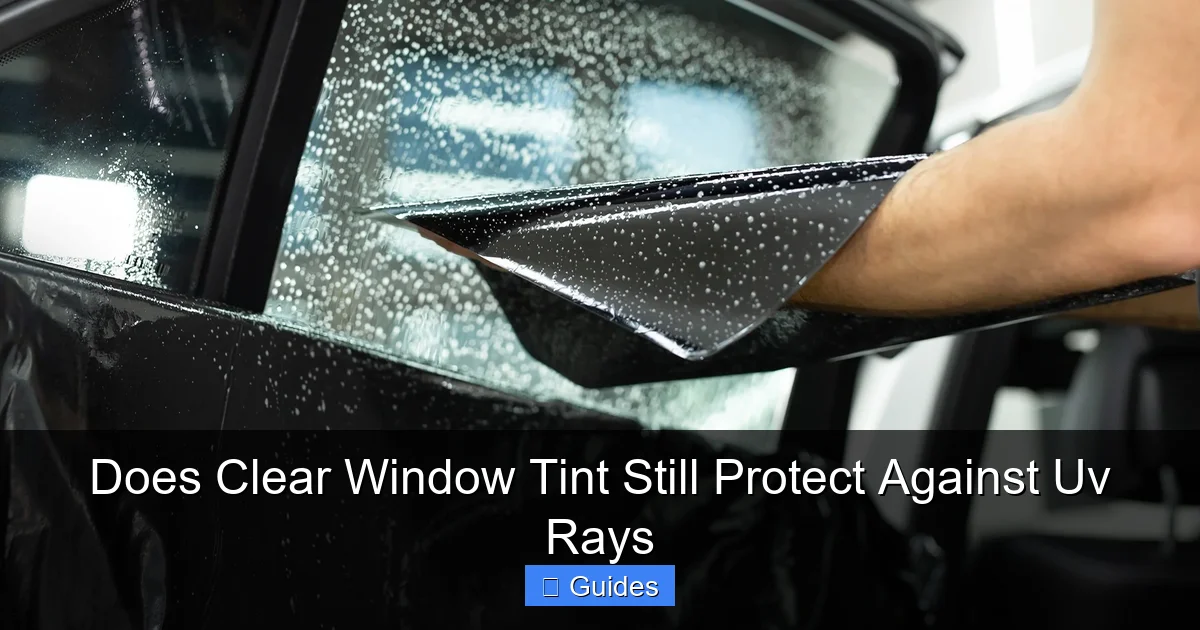
Visual guide about Does Clear Window Tint Still Protect Against Uv Rays
Image source: sound-fx.net
Getting the most out of your clear window tint starts with proper installation and care. Even the best film won’t perform well if it’s applied incorrectly or neglected over time.
Professional vs. DIY Installation
While DIY tint kits are available, we strongly recommend professional installation—especially for clear films. These films are often thinner and more delicate than dyed tints, making them harder to handle. A professional installer has the tools, experience, and clean environment needed to apply the film smoothly, without bubbles, dust, or wrinkles.
Professionals also ensure the film is cut precisely to fit your windows, which is crucial for a seamless look. And many offer warranties that cover peeling, discoloration, and performance—giving you peace of mind.
Caring for Your Clear Tint
Once installed, clear tint is surprisingly low-maintenance. Here are a few tips to keep it in top shape:
– **Wait to clean**: Avoid washing the windows for at least 30 days after installation to allow the adhesive to fully cure.
– **Use gentle cleaners**: Stick to ammonia-free glass cleaners and soft microfiber cloths. Ammonia can degrade the film over time.
– **Avoid abrasive tools**: Don’t use scrapers, rough sponges, or paper towels, which can scratch the surface.
– **Check for damage**: Inspect your tint regularly for peeling edges or bubbles. Small issues can often be repaired if caught early.
With proper care, high-quality clear tint can last a decade or more—making it a smart long-term investment.
Common Misconceptions About Clear Window Tint
Despite its growing popularity, clear window tint is still misunderstood by many. Let’s clear up some of the most common myths.
“Clear tint doesn’t do anything.”
This is the biggest misconception. Because clear tint doesn’t darken windows, people assume it’s just a marketing gimmick. But as we’ve seen, advanced films use sophisticated technology to block UV and heat. The proof is in the performance—not the appearance.
“It’s only for cars.”
While clear tint is popular in automotive applications, it’s equally effective in homes and offices. In fact, residential use is growing rapidly as people seek ways to protect their interiors without altering their home’s design.
“It’s too expensive.”
Yes, premium clear films cost more than basic dyed tints—but they’re comparable to other high-end options. When you factor in the long-term savings from reduced energy use, longer-lasting furnishings, and health benefits, the value is clear.
“It will bubble or peel quickly.”
This was true of older films, but modern clear tints are far more durable. With professional installation and proper care, they can last 10+ years without issues.
Conclusion
So, does clear window tint still protect against UV rays? The answer is a resounding yes. Far from being just a cosmetic upgrade, clear window film is a powerful tool for safeguarding your health, preserving your belongings, and improving comfort—all without changing the look of your windows.
Whether you’re driving, working, or relaxing at home, UV rays are always present. Clear tint gives you a simple, effective way to reduce your exposure and enjoy the benefits of natural light without the risks. With advances in ceramic and carbon technology, today’s clear films offer performance that rivals—and in some cases exceeds—that of traditional tints.
If you’ve been on the fence about window film, now is the time to consider clear tint. It’s legal, low-maintenance, and delivers real protection where it counts. Your skin, your car, and your home will thank you.
Frequently Asked Questions
Does clear window tint really block UV rays?
Yes, high-quality clear window tint can block up to 99% of harmful UV rays. Advanced materials like ceramics and carbon are designed to absorb or reflect UV radiation without darkening the glass.
Is clear tint legal in all states?
In most cases, yes. Because clear tints don’t reduce visible light transmission, they typically comply with local window tinting laws. However, it’s always best to check your state or country’s specific regulations.
Can clear tint reduce heat inside my car or home?
Yes, many clear films—especially ceramic and carbon types—block infrared rays, which are responsible for heat. While not as effective as dark tints, they still offer noticeable cooling benefits.
Will clear tint affect my view at night?
No. Unlike dark tints, clear films maintain full visibility day and night. You’ll enjoy the same clear view without glare or reduced light.
How long does clear window tint last?
With proper installation and care, high-quality clear tint can last 10 years or more. Ceramic and carbon films are especially durable and resist fading, peeling, and bubbling.
Can I install clear tint myself?
While DIY kits exist, professional installation is recommended for the best results. Clear films are delicate and require precision to avoid bubbles, dust, and imperfections.

At CarLegit, we believe information should be clear, factual, and genuinely helpful. That’s why every guide, review, and update on our website is created with care, research, and a strong focus on user experience.