
Yes, it absolutely matters on rear brakes for a car. While front brakes do most of the stopping work, rear brakes play a vital role in stability, balance, and overall braking efficiency. Ignoring rear brake maintenance can lead to longer stopping distances, uneven wear, and dangerous driving conditions.
When you press the brake pedal in your car, you expect a smooth, controlled stop. But have you ever wondered how much your rear brakes actually contribute to that process? Many drivers assume that since the front brakes do the heavy lifting, the rear ones are just along for the ride. But here’s the truth: does it matter on rear brakes for a car? The short answer is yes—absolutely. The rear brakes are not just backup components; they are critical to your vehicle’s overall braking performance, safety, and handling.
Think of your car’s braking system like a team. The front brakes are the star players, taking on the majority of the workload during deceleration. But the rear brakes are the supporting cast—essential for balance, coordination, and finishing the job safely. Without properly functioning rear brakes, your car could become unstable during hard stops, especially in wet or slippery conditions. You might notice the rear end swaying or the car pulling to one side. These aren’t just annoying quirks; they’re warning signs that your rear brakes need attention.
Understanding the role of rear brakes isn’t just about avoiding repairs—it’s about protecting yourself, your passengers, and others on the road. Whether you drive a compact sedan, an SUV, or a pickup truck, the principles remain the same. Rear brakes help distribute braking force evenly, prevent wheel lockup, and support advanced safety systems like ABS (Anti-lock Braking System) and electronic stability control. So, while they may not grab headlines like front brakes do, their importance cannot be overstated.
In This Article
- 1 Key Takeaways
- 2 📑 Table of Contents
- 3 How Car Braking Systems Work
- 4 Types of Rear Brakes and Their Functions
- 5 Signs Your Rear Brakes Need Attention
- 6 Why Rear Brake Maintenance Is Often Overlooked
- 7 Best Practices for Maintaining Rear Brakes
- 8 The Impact of Rear Brakes on Vehicle Safety Systems
- 9 Conclusion
- 10 Frequently Asked Questions
Key Takeaways
- Rear brakes are essential for balanced stopping: Even though front brakes handle 60–70% of braking force, rear brakes help maintain vehicle stability and prevent skidding.
- Ignoring rear brakes increases safety risks: Worn or damaged rear brakes can cause the car to pull to one side, increase stopping distance, and reduce control during emergency stops.
- Rear brake types vary by vehicle: Some cars use drum brakes in the rear, while others have disc brakes. Each type requires different maintenance and inspection routines.
- Proper maintenance extends brake life: Regular inspections, timely pad or shoe replacements, and fluid checks help keep rear brakes in top condition.
- Rear brakes affect ABS and traction systems: Modern safety systems rely on all four brakes working properly. Faulty rear brakes can trigger warning lights and reduce system effectiveness.
- DIY checks can prevent major issues: Listening for unusual noises, checking brake fluid levels, and monitoring pedal feel can help you catch rear brake problems early.
- Professional inspections are recommended annually: Even if you don’t drive much, having a mechanic inspect your rear brakes yearly ensures long-term safety and performance.
📑 Table of Contents
How Car Braking Systems Work
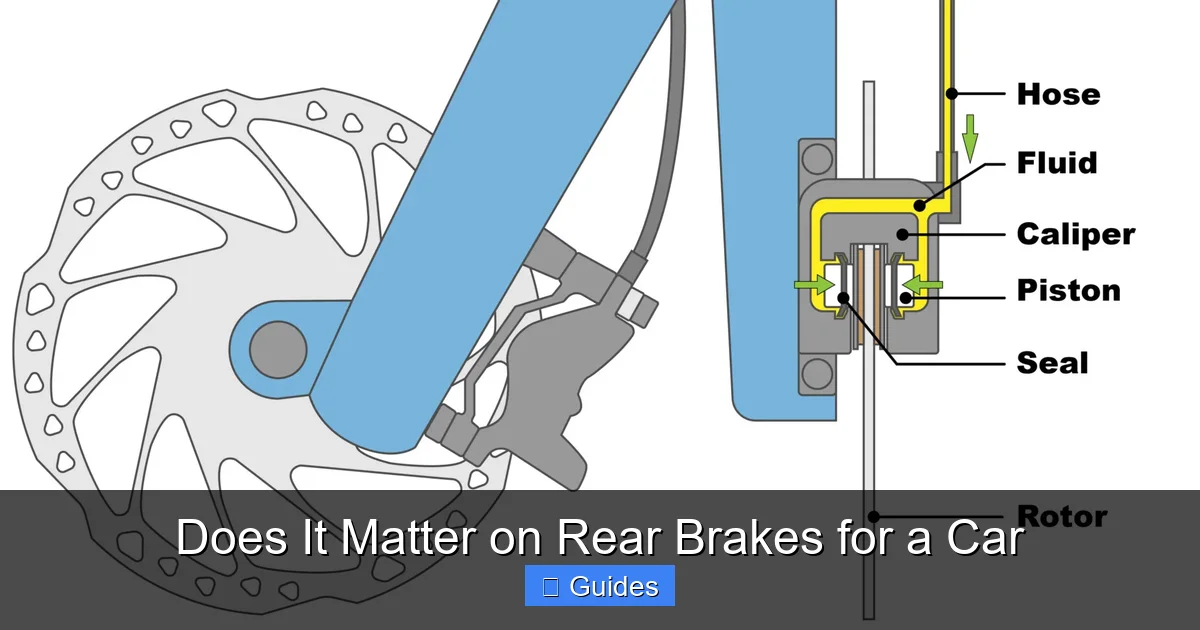
To truly grasp why rear brakes matter, it helps to understand how your car’s braking system operates as a whole. When you press the brake pedal, hydraulic pressure is sent through brake lines filled with brake fluid. This pressure activates the brake calipers (in disc brakes) or wheel cylinders (in drum brakes), which then squeeze the brake pads against the rotors or the brake shoes against the drums. This friction slows down the wheels and, ultimately, the vehicle.
Most modern cars use a split braking system, meaning the front and rear brakes are on separate hydraulic circuits. This design is a safety feature—if one circuit fails, the other can still provide some braking power. For example, if the front brakes lose pressure, the rear brakes can still help slow the car, and vice versa. This redundancy is crucial in emergency situations.
Now, here’s where the front vs. rear分工 comes in. During braking, the weight of the car shifts forward. This is called weight transfer. Because of this, the front tires bear more load and have more grip, allowing the front brakes to handle about 60–70% of the total braking force. That’s why front brake pads usually wear out faster than rear ones.
But that doesn’t mean the rear brakes are passive. They still contribute significantly—typically 30–40% of the braking force. More importantly, they help keep the car balanced. If the rear brakes are weak or failing, the front brakes have to work even harder, which can lead to overheating, reduced efficiency, and premature wear. In extreme cases, the car might nose-dive or become difficult to control.
The Role of Weight Transfer in Braking
Weight transfer is a key concept in understanding braking dynamics. When you brake hard, the momentum of the car pushes forward, causing the front suspension to compress and the rear to lift slightly. This shifts more weight onto the front wheels, increasing their traction and allowing them to generate more stopping power.
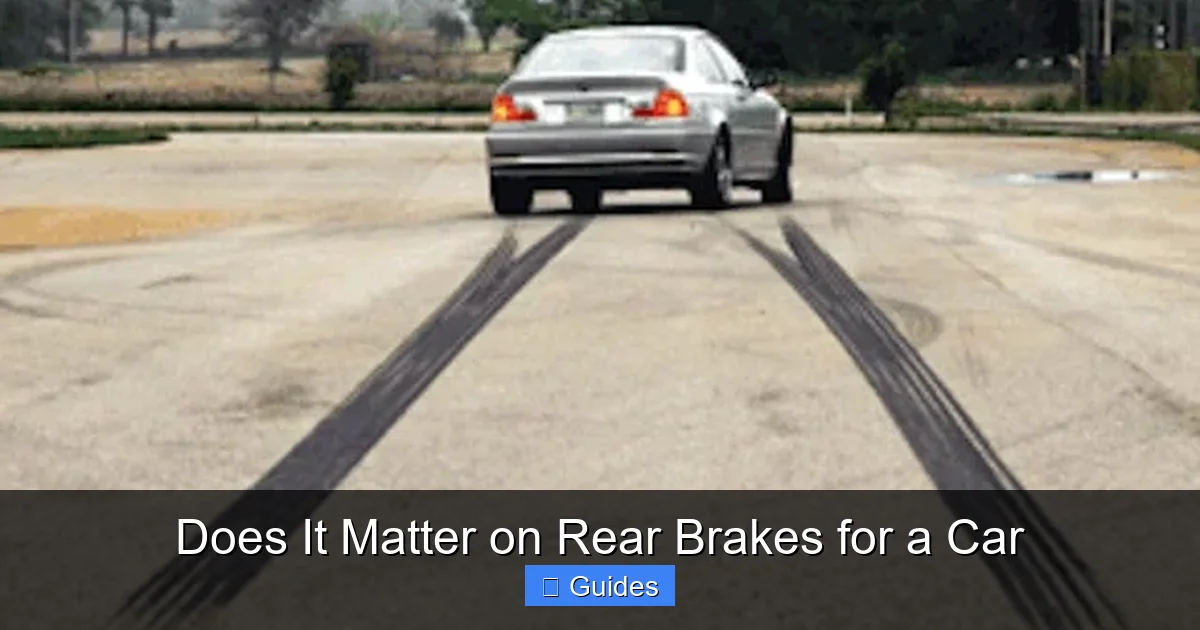
However, this also means the rear wheels have less grip. If the rear brakes are too strong or out of sync with the front, they can lock up easily, especially on slippery surfaces. That’s why modern cars use proportioning valves or electronic brakeforce distribution (EBD) systems to adjust how much pressure goes to the rear brakes based on driving conditions.
For example, during light braking, the rear brakes might receive less pressure to prevent skidding. But during heavy braking, the system increases rear brake force to maintain balance. This dynamic adjustment is only effective if all four brakes are in good condition. If your rear brakes are worn or malfunctioning, the EBD system can’t do its job properly, putting you at greater risk.
Front vs. Rear Brake Force Distribution
The ideal brake force distribution depends on the vehicle’s design, weight, and intended use. Sports cars, for instance, are tuned for aggressive braking and may have a more balanced front-rear split. Heavy trucks and SUVs, on the other hand, often rely more on front brakes due to their weight distribution.
But regardless of the vehicle type, the rear brakes must be functional. Even if they handle less force, their role in maintaining stability is non-negotiable. Imagine driving down a hill and needing to stop suddenly. If your rear brakes are weak, the car might fishtail or spin out because the rear end isn’t being slowed evenly with the front.
This is especially dangerous in rear-wheel-drive vehicles, where the rear wheels also provide propulsion. A loss of braking force at the rear can disrupt the delicate balance between acceleration and deceleration, making the car harder to control.
Types of Rear Brakes and Their Functions
Visual guide about Does It Matter on Rear Brakes for a Car
Image source: brakeexperts.com
Not all rear brakes are created equal. Depending on your vehicle’s make, model, and age, you might have either drum brakes or disc brakes in the rear. Each type has its own advantages, maintenance needs, and performance characteristics.
Drum Brakes: Common in Older or Economy Vehicles
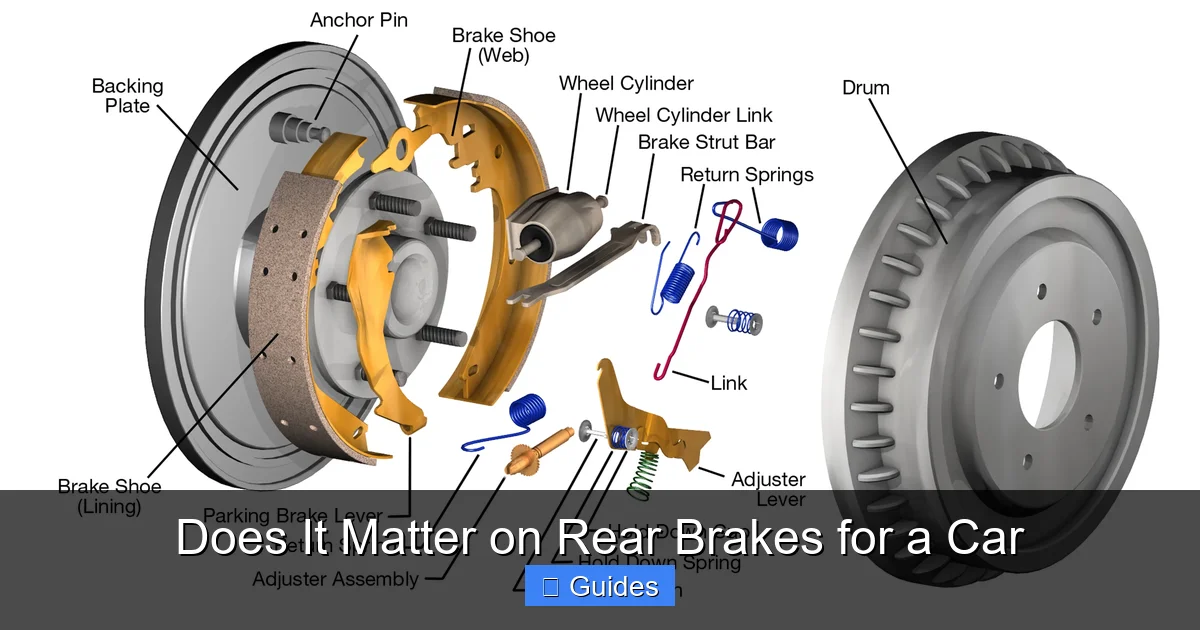
Drum brakes are a traditional braking system where brake shoes press outward against the inside of a rotating drum. They’re often found in the rear wheels of older cars, compact vehicles, and some budget-friendly models. Drum brakes are generally less expensive to manufacture and maintain, which is why they’re still used in certain applications.
One advantage of drum brakes is their self-energizing design. As the shoes contact the drum, friction helps pull them in tighter, increasing braking force. This can be helpful in low-speed situations. However, drum brakes tend to overheat more easily than disc brakes and are less effective in wet conditions because water can get trapped inside the drum.
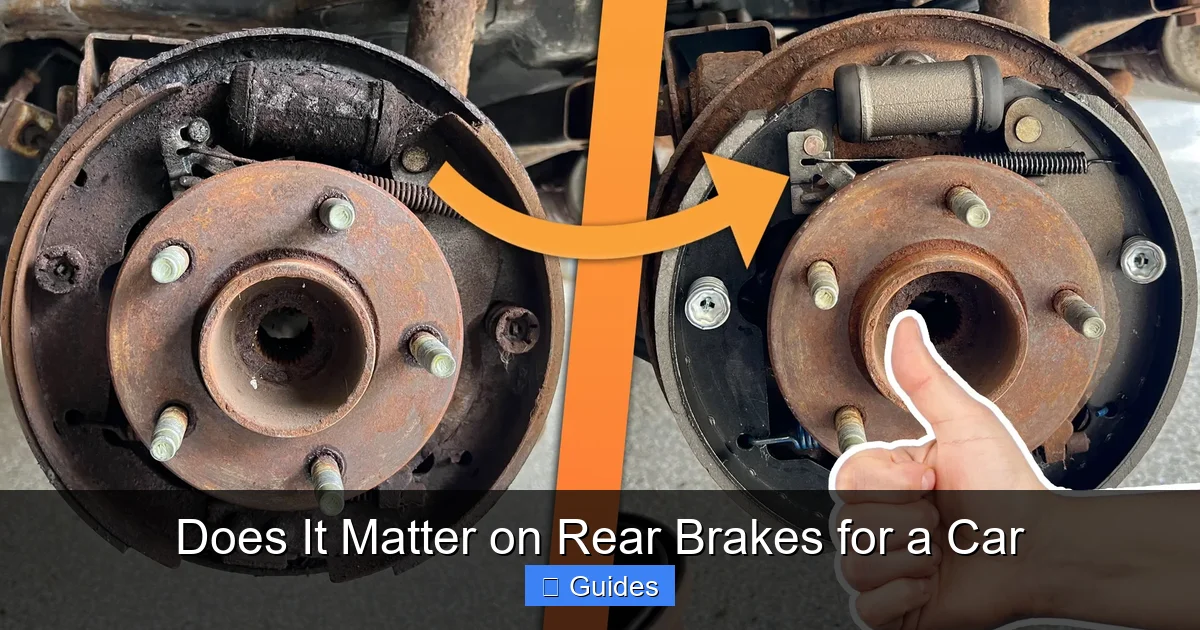
Maintenance-wise, drum brakes require periodic inspection and adjustment. The shoes can wear down over time, and the springs or wheel cylinders may fail. Because drum brakes are enclosed, it’s harder to see wear indicators, so regular professional checks are important.
Disc Brakes: Modern Standard for Performance and Safety
Disc brakes are the more advanced option, using a rotor (disc) that spins with the wheel and calipers that squeeze brake pads against it. Most modern cars use disc brakes on all four wheels, including the rear. Disc brakes offer better heat dissipation, more consistent performance, and easier inspection compared to drum brakes.
They’re also more responsive and provide stronger stopping power, which is why they’re preferred in performance and safety-critical applications. Rear disc brakes are especially common in SUVs, sedans, and vehicles with advanced driver assistance systems (ADAS).
One thing to note: rear disc brakes often use a parking brake mechanism integrated into the caliper or rotor. This can make replacement more complex than front brakes, so it’s important to follow manufacturer guidelines or consult a professional.
Parking Brakes and Rear Brake Integration
The parking brake, also known as the emergency brake, is almost always connected to the rear wheels. In drum brake systems, it typically actuates the same shoes used for service braking. In disc brake systems, it may use a separate drum inside the rotor (called a “drum-in-hat” design) or a mechanical lever inside the caliper.
This means that even when you’re not driving, your rear brakes are still in use—every time you park on a hill or secure your car. A malfunctioning parking brake can indicate underlying issues with the rear brakes, such as seized cables, worn shoes, or damaged components.
Regularly testing your parking brake is a simple way to check rear brake health. Try engaging it at low speed (around 5–10 mph) on a safe, flat surface. If the car doesn’t slow down noticeably, or if the lever feels loose, it’s time for an inspection.
Signs Your Rear Brakes Need Attention
Visual guide about Does It Matter on Rear Brakes for a Car
Image source: thedrive.com
Just like any part of your car, rear brakes wear out over time. But because they’re often overlooked, problems can go unnoticed until they become serious. Knowing the warning signs can help you catch issues early and avoid costly repairs or dangerous situations.
Unusual Noises from the Rear
One of the most common signs of rear brake trouble is noise. Squealing, grinding, or scraping sounds when you brake could indicate worn brake pads or shoes. Squealing is often caused by wear indicators—small metal tabs that contact the rotor when the pads are thin. Grinding usually means the pads are completely worn down, and metal is rubbing against metal.
If you hear a clicking or rattling noise, it might be due to loose components, such as caliper bolts or brake hardware. This can lead to uneven wear or even brake failure if not addressed.
Pulling to One Side During Braking
If your car pulls to the left or right when you brake, it could be a sign of uneven brake force. This might happen if one rear brake is sticking or not engaging properly. For example, a seized caliper on the right rear wheel might cause the car to pull to the right.
This issue can also be caused by uneven tire pressure, alignment problems, or suspension issues, but brakes should always be checked first. A simple test is to brake gently at low speed and see if the pull is consistent.
Longer Stopping Distances
If you notice that your car takes longer to stop than it used to, the rear brakes could be part of the problem. While front brakes handle most of the work, weak rear brakes reduce overall braking efficiency. This is especially noticeable in emergency stops or when driving downhill.
Keep in mind that tire condition, brake fluid levels, and ABS functionality also affect stopping distance. But if you’ve ruled out other factors, have your rear brakes inspected.
Vibrations or Pulsations in the Brake Pedal
A pulsating brake pedal can indicate warped rotors or uneven brake pad deposits. While this is more common in front brakes, it can also happen in the rear—especially if the rotors overheat or are improperly installed.
If the vibration occurs only when using the parking brake, it might be due to a warped drum or rotor in the rear. This can happen if the parking brake is applied while the brakes are hot, causing uneven cooling.
Brake Warning Lights or ABS Alerts
Modern cars are equipped with sensors that monitor brake performance. If your dashboard shows a brake warning light or ABS warning, it could be related to the rear brakes. For example, a faulty wheel speed sensor on a rear wheel can trigger the ABS light, even if the brakes themselves are fine.
Don’t ignore these warnings. Use an OBD2 scanner to check for trouble codes, and have a mechanic diagnose the issue promptly.
Why Rear Brake Maintenance Is Often Overlooked
Visual guide about Does It Matter on Rear Brakes for a Car
Image source: yourbrakes.com
Despite their importance, rear brakes are frequently neglected during routine maintenance. There are several reasons for this, many of which stem from misconceptions and practical challenges.
“Front Brakes Do All the Work” Myth
One of the biggest myths is that rear brakes are次要的 because front brakes handle most of the stopping power. While it’s true that front brakes wear out faster, this doesn’t mean rear brakes are expendable. They still contribute significantly to safety and performance.
Ignoring rear brakes because they “last longer” is like skipping oil changes because your car still runs. Eventually, the damage will catch up.
Harder to Inspect and Access
Rear brakes, especially drum brakes, are often harder to inspect than front ones. They’re tucked away behind the wheels and may require removing the drum or rotor to see the pads or shoes. This makes DIY inspections more challenging for the average driver.
Additionally, many people only check their brakes when they hear noise or notice a problem. By then, significant wear or damage may have already occurred.
Lower Visibility in Maintenance Routines
Most brake service guides and videos focus on front brakes because they’re more accessible and wear out faster. As a result, rear brakes don’t get the same attention during routine checks. Mechanics may also prioritize front brake service unless specifically asked to inspect the rear.
This creates a gap in maintenance that can lead to hidden issues. For example, a leaking wheel cylinder in a drum brake system might not be obvious until brake fluid is lost and the pedal feels spongy.
Cost and Time Considerations
Some drivers avoid rear brake service because they assume it’s expensive or time-consuming. While rear brake jobs can be more complex—especially with integrated parking brakes—the cost is often comparable to front brake service when done preventively.
Waiting until a major failure occurs can lead to higher repair bills, including rotor or drum replacement, caliper rebuilds, or even damage to other systems.
Best Practices for Maintaining Rear Brakes
Keeping your rear brakes in good condition doesn’t have to be complicated. With a few simple habits and regular checks, you can ensure they perform reliably for years.
Schedule Regular Inspections
Aim to have your rear brakes inspected at least once a year, or every 12,000 miles, whichever comes first. This is especially important if you drive in stop-and-go traffic, tow heavy loads, or frequently drive in hilly areas.
During the inspection, a mechanic should check:
– Brake pad or shoe thickness
– Rotor or drum condition
– Caliper or wheel cylinder function
– Brake fluid level and condition
– Parking brake operation
Listen and Feel for Changes
Pay attention to how your car behaves when you brake. Any new noises, vibrations, or changes in pedal feel should be investigated promptly. Early detection can prevent minor issues from becoming major problems.
For example, if you notice a slight pull to one side, don’t wait until it gets worse. Have it checked right away.
Check Brake Fluid Regularly
Brake fluid absorbs moisture over time, which can lead to corrosion and reduced performance. Most manufacturers recommend changing brake fluid every 2–3 years. Low or dirty brake fluid can affect both front and rear brakes, so keep an eye on the reservoir under the hood.
Test the Parking Brake Monthly
A simple way to check rear brake function is to test the parking brake. Find a safe, flat area, drive slowly, and gently apply the parking brake. The car should slow down noticeably. If it doesn’t, or if the lever feels loose, have it inspected.
Replace Components in Pairs
Always replace rear brake pads or shoes on both sides at the same time. This ensures even braking force and prevents the car from pulling to one side. The same goes for rotors or drums—replace them in pairs for balanced performance.
Use Quality Parts
Don’t skimp on brake components. Cheap pads or shoes may wear out faster or produce more noise and dust. Invest in high-quality parts that meet or exceed OEM specifications.
The Impact of Rear Brakes on Vehicle Safety Systems
Modern cars rely on advanced safety systems that depend on all four brakes working correctly. If your rear brakes are compromised, these systems may not function as intended.
Anti-Lock Braking System (ABS)
ABS prevents wheel lockup during hard braking by rapidly pulsing the brakes. It uses wheel speed sensors on all four wheels to detect when a wheel is about to lock. If a rear sensor detects a problem—or if the rear brakes aren’t responding—the ABS may not activate properly.
This can lead to longer stopping distances and loss of steering control during emergency stops.
Electronic Brakeforce Distribution (EBD)
EBD dynamically adjusts brake force between front and rear wheels based on load and driving conditions. If the rear brakes are worn or malfunctioning, the system can’t distribute force effectively, reducing overall braking performance.
Traction and Stability Control
These systems use braking force to help maintain control during skids or loss of traction. They often apply individual brakes to correct the vehicle’s path. If the rear brakes aren’t working, the system may not be able to stabilize the car, especially in rear-wheel-drive vehicles.
Adaptive Cruise Control and Autonomous Emergency Braking
Many newer cars use radar and cameras to detect obstacles and apply brakes automatically. These systems rely on precise brake response from all wheels. Weak rear brakes can delay or reduce the effectiveness of these features, increasing the risk of collision.
Conclusion
So, does it matter on rear brakes for a car? The answer is a resounding yes. While front brakes handle the majority of stopping power, rear brakes are essential for balance, stability, and overall safety. They support critical systems like ABS, EBD, and traction control, and help prevent dangerous situations like skidding or loss of control.
Neglecting rear brake maintenance can lead to longer stopping distances, uneven wear, and increased risk of accidents. But with regular inspections, timely replacements, and attention to warning signs, you can keep your rear brakes in top condition.
Remember, your car’s braking system is only as strong as its weakest component. Don’t let the rear brakes be that weak link. Whether you drive a daily commuter or a weekend cruiser, taking care of all four brakes ensures a safer, smoother, and more reliable ride.
Frequently Asked Questions
Can I drive with bad rear brakes?
Driving with bad rear brakes is unsafe and not recommended. While your car may still stop using the front brakes, you risk longer stopping distances, loss of control, and damage to other components. Have them inspected and repaired as soon as possible.
How often should rear brakes be replaced?
Rear brakes typically last longer than front ones—often 60,000 to 80,000 miles or more—but this varies by driving habits and vehicle type. Inspect them annually and replace pads or shoes when they reach the minimum thickness specified by the manufacturer.
Do rear brakes affect fuel efficiency?
Indirectly, yes. If rear brakes are dragging or not releasing properly, they can create resistance that forces the engine to work harder, reducing fuel economy. Properly functioning brakes ensure smooth, efficient driving.
Can I replace rear brake pads myself?
Yes, if you have mechanical experience and the right tools. However, rear brake jobs can be more complex due to parking brake integration. If you’re unsure, it’s safer to have a professional handle the job.
Why do some cars have drum brakes in the rear?
Drum brakes are cheaper to produce and take up less space, making them common in compact or economy vehicles. They’re also effective for parking brakes. However, disc brakes offer better performance and are becoming more standard.
What causes rear brakes to lock up?
Rear brakes can lock up due to excessive brake force, worn components, or a malfunctioning proportioning valve. This is more likely in wet or icy conditions. ABS helps prevent lockup, but only if all brakes are in good condition.

At CarLegit, we believe information should be clear, factual, and genuinely helpful. That’s why every guide, review, and update on our website is created with care, research, and a strong focus on user experience.