
Not all Jeep Renegade models come with a traditional spare tire. Depending on the year, trim level, and drivetrain, some Renegades include a full-size or compact spare, while others rely on a tire repair kit. Knowing what your specific model includes is essential for off-road safety and long trips.
If you’re a proud owner of a Jeep Renegade—or thinking about buying one—you’ve probably asked yourself: “Does the Jeep Renegade have a spare tire?” It’s a smart question, especially if you enjoy weekend adventures, road trips, or even just commuting in areas with rough roads. A flat tire can turn a fun outing into a stressful ordeal, and knowing whether your vehicle is equipped to handle it can make all the difference.
The short answer? It depends. Unlike older Jeeps that almost always came with a rugged rear-mounted spare, the modern Jeep Renegade takes a more mixed approach. Depending on the model year, trim level, drivetrain, and even the region where it was sold, your Renegade might have a full-size spare, a compact “donut” spare, a tire repair kit, or nothing at all. This variation can be confusing, especially since Jeep markets the Renegade as a capable, adventure-ready SUV.
But don’t worry—this guide will walk you through everything you need to know. We’ll break down which Renegade models include a spare tire, where it’s stored, what alternatives exist, and how you can prepare for a flat no matter what your vehicle came with. Whether you’re a city driver or a weekend warrior, understanding your Renegade’s tire setup is key to staying safe and confident on the road.
In This Article
- 1 Key Takeaways
- 2 📑 Table of Contents
- 3 Why Spare Tires Matter in Compact SUVs
- 4 Jeep Renegade Spare Tire by Model Year and Trim
- 5 Where Is the Spare Tire Located in the Jeep Renegade?
- 6 Tire Repair Kits vs. Spare Tires: Pros and Cons
- 7 Aftermarket Solutions for Adding a Spare Tire
- 8 How to Check If Your Renegade Has a Spare Tire
- 9 Tips for Maintaining and Using Your Spare Tire
- 10 Conclusion: Be Prepared, No Matter What Your Renegade Has
- 11 Frequently Asked Questions
- 11.1 Do all Jeep Renegade models come with a spare tire?
- 11.2 Where is the spare tire located on a Jeep Renegade?
- 11.3 Can I add a spare tire to my Jeep Renegade if it didn’t come with one?
- 11.4 Is the tire repair kit in the Renegade reliable?
- 11.5 What’s the difference between a compact spare and a full-size spare?
- 11.6 How often should I check my spare tire?
Key Takeaways
- Spare tire availability varies by model year and trim: Earlier Renegade models (2015–2018) often included a spare, especially in Trailhawk and 4×4 trims, while newer models may not.
- Compact and full-size spares exist: Some Renegades come with a temporary “donut” spare, while others include a full-size matching tire for true off-road capability.
- Tire repair kits are common in newer models: Many 2019+ Renegades use a sealant and compressor system instead of a physical spare to save weight and space.
- Spare location depends on drivetrain: Rear-mounted spares are typical on 4×4 models, while front-wheel-drive versions may store the spare under the cargo floor or omit it entirely.
- Aftermarket solutions are available: You can add a rear tire carrier or upgrade to a full-size spare with aftermarket kits if your Renegade lacks one.
- Check your owner’s manual: The best way to confirm whether your Renegade has a spare is to consult the manual or inspect the cargo area and under the vehicle.
- Off-roaders should plan ahead: If you frequently drive on rough terrain, consider upgrading to a full-size spare or carrying a portable tire repair kit for added safety.
📑 Table of Contents
- Why Spare Tires Matter in Compact SUVs
- Jeep Renegade Spare Tire by Model Year and Trim
- Where Is the Spare Tire Located in the Jeep Renegade?
- Tire Repair Kits vs. Spare Tires: Pros and Cons
- Aftermarket Solutions for Adding a Spare Tire
- How to Check If Your Renegade Has a Spare Tire
- Tips for Maintaining and Using Your Spare Tire
- Conclusion: Be Prepared, No Matter What Your Renegade Has
Why Spare Tires Matter in Compact SUVs
When most people think of spare tires, they picture a bulky, full-size tire mounted on the back of a truck or SUV—something you’d expect on a Wrangler or a Grand Cherokee. But compact SUVs like the Jeep Renegade are designed with different priorities: fuel efficiency, interior space, and cost. As a result, automakers often make trade-offs, and the spare tire is one of the first things to get cut.
Still, a spare tire isn’t just a convenience—it’s a safety net. Imagine driving down a remote forest road, miles from the nearest town, and suddenly hearing that dreaded *thump-thump-thump* of a flat tire. If you don’t have a spare, your options are limited: call a tow truck, wait for roadside assistance, or try to patch the tire yourself. None of these are ideal, especially if you’re in a hurry or far from help.
Even in urban settings, a flat tire can disrupt your day. Construction zones, potholes, and debris on the road can damage tires in an instant. While modern run-flat tires and tire repair kits help, they’re not foolproof. A traditional spare gives you the peace of mind that you can get back on the road quickly and safely.
For Jeep Renegade owners, this is especially important. The Renegade is marketed as a capable, trail-ready vehicle—especially in the Trailhawk trim. But capability means little if you’re stranded with a flat and no way to fix it. That’s why understanding whether your Renegade has a spare tire—and what kind—is crucial for both daily driving and off-road adventures.
Jeep Renegade Spare Tire by Model Year and Trim
Visual guide about Does the Jeep Renegade Have a Spare Tire
Image source: cdn11.bigcommerce.com
One of the most confusing aspects of the Jeep Renegade is how spare tire availability changes from year to year and trim to trim. Jeep hasn’t kept a consistent policy, so what’s true for a 2015 Renegade might not apply to a 2022 model. Let’s break it down by model year and trim to help you figure out what your Renegade includes.
2015–2018 Jeep Renegade Models
The early years of the Renegade (2015–2018) were more likely to include a spare tire, especially in higher trims and 4×4 versions. The Trailhawk trim, designed for off-road use, almost always came with a full-size spare tire mounted on the rear door. This made sense—Trailhawk buyers were expected to tackle rough terrain, and a full-size spare was essential for maintaining traction and balance.
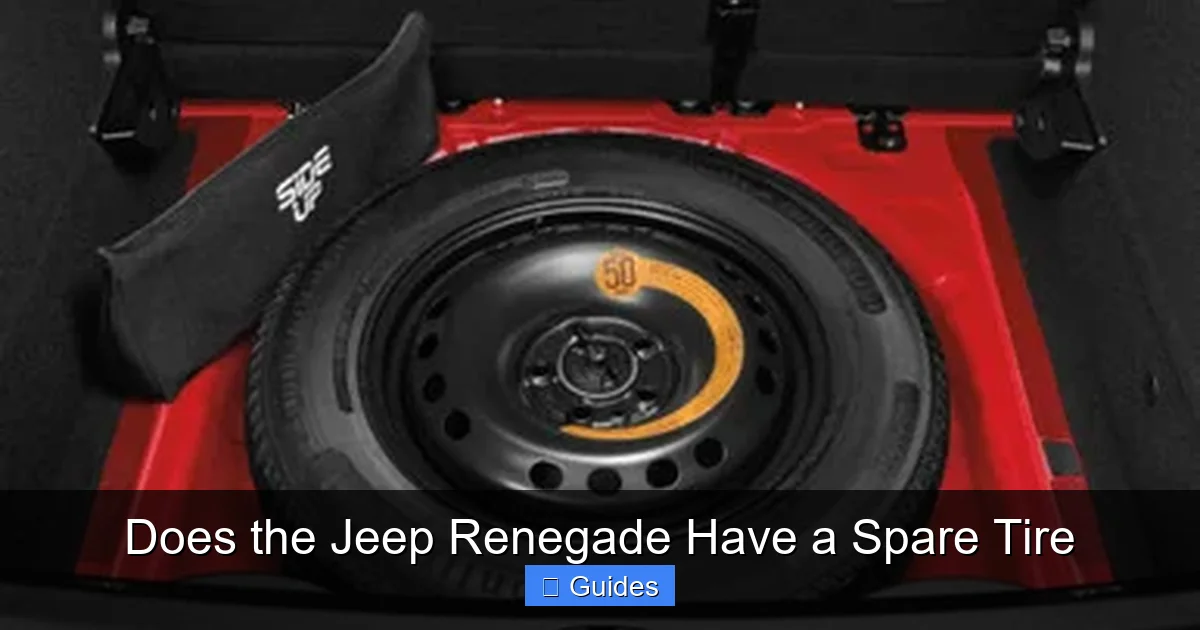
Other trims, like the Latitude and Limited, often included a compact spare tire stored under the cargo floor. These “donut” spares are smaller and lighter than full-size tires, but they’re only meant for short-term use—typically up to 50 miles at reduced speeds. They’re better than nothing, but not ideal for long trips or off-roading.
Front-wheel-drive (FWD) models were less likely to have a spare. Many FWD Renegades from this era relied on a tire repair kit instead, which uses sealant and a compressor to temporarily fix small punctures. While convenient for minor flats, these kits can’t handle larger tears or sidewall damage.
2019–2022 Jeep Renegade Models
Starting in 2019, Jeep began phasing out spare tires in many Renegade trims, even in 4×4 versions. The shift was part of a broader trend toward lighter, more fuel-efficient vehicles. By removing the spare, Jeep could reduce weight, improve gas mileage, and free up space in the cargo area.
As a result, most 2019–2022 Renegades—especially FWD models—come with a tire repair kit instead of a physical spare. The kit includes a can of sealant and a small air compressor that plugs into the 12V outlet. If you get a small puncture, you can inject the sealant and inflate the tire enough to drive to a repair shop.
However, some 4×4 models, particularly the Trailhawk, may still include a spare tire. It’s not guaranteed, though. The best way to confirm is to check your owner’s manual or inspect the vehicle yourself. Look under the cargo floor and around the rear bumper for signs of a spare.
2023 and Newer Jeep Renegade Models
As of 2023, the trend continues: most Renegades do not come with a spare tire. Even the Trailhawk trim often relies on the tire repair kit. This has sparked some frustration among off-road enthusiasts who expect a capable SUV to include a full-size spare.
That said, Jeep has made the repair kit more user-friendly. The sealant is designed to work with most common punctures, and the compressor is compact and easy to use. But again, it’s not a permanent solution—and it won’t help if your tire is shredded or the rim is damaged.
If you own a newer Renegade and plan to drive off-road or in remote areas, you may want to consider upgrading to a full-size spare or carrying a portable tire repair kit as a backup.
Where Is the Spare Tire Located in the Jeep Renegade?
Visual guide about Does the Jeep Renegade Have a Spare Tire
Image source: jeepexplorer.com
If your Jeep Renegade does have a spare tire, knowing where it’s stored is just as important as knowing it exists. The location varies depending on the drivetrain and trim level, so let’s go over the most common setups.
Rear Door Mount (4×4 Models)
The most iconic spare tire location—and the one most associated with Jeeps—is the rear door mount. On many 4×4 Renegades, especially the Trailhawk, the spare tire is mounted on the rear hatch. This gives the vehicle a rugged, off-road look and keeps the tire easily accessible.
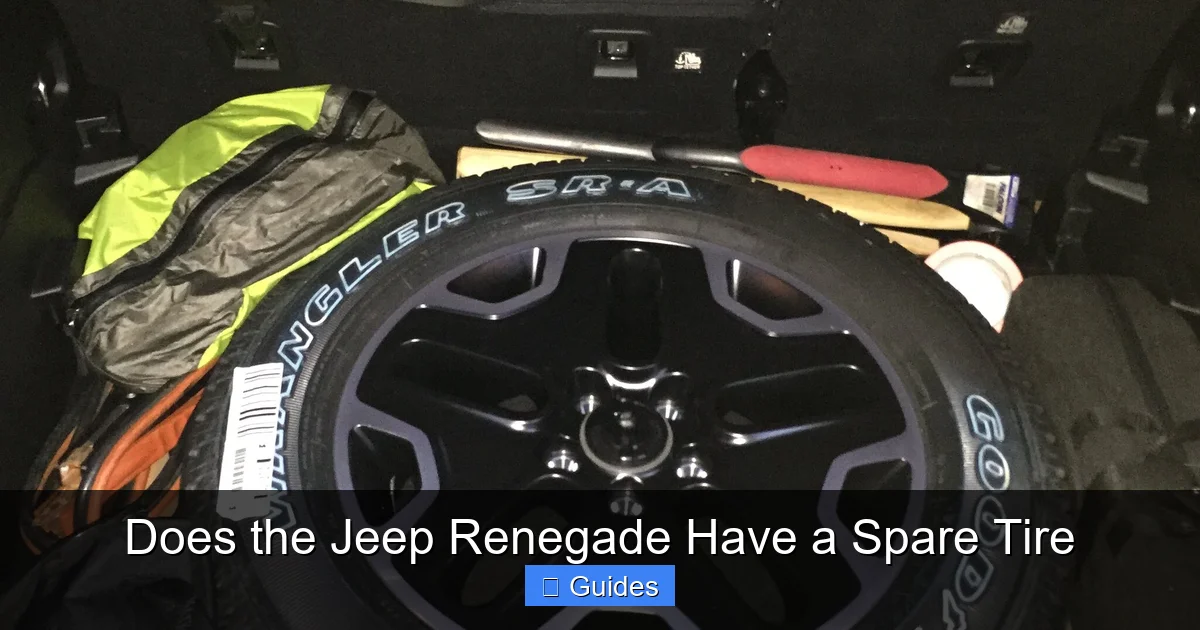
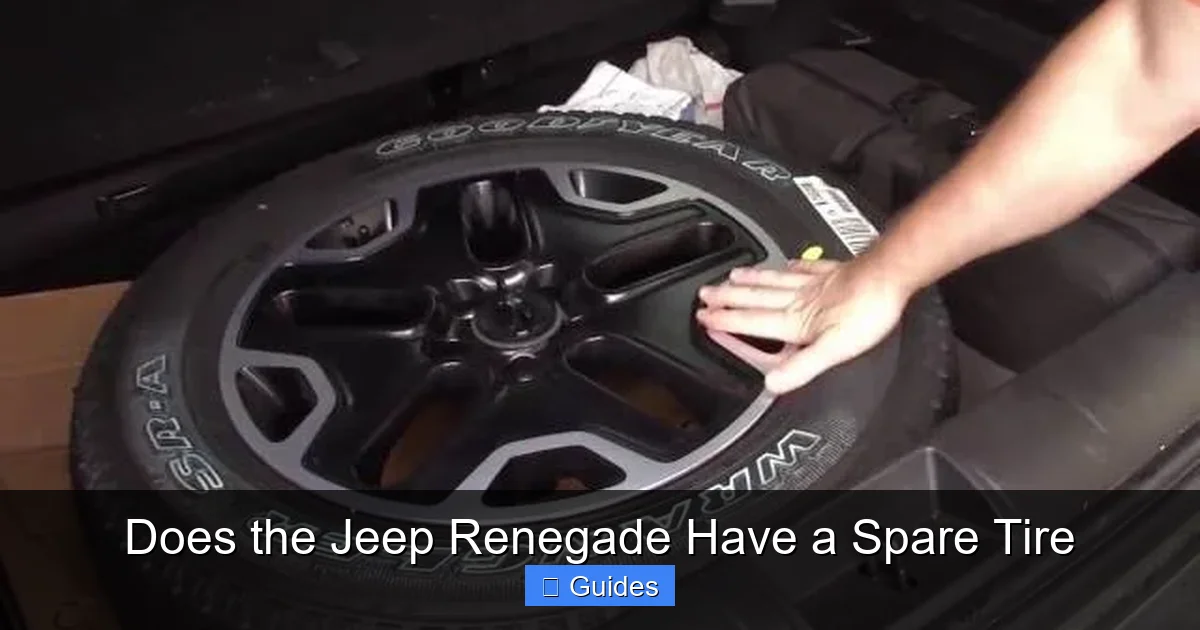
The rear-mounted spare is usually a full-size tire that matches the others on the vehicle. This is ideal for off-roading because it maintains the same rolling diameter and traction across all four wheels. It also means you can rotate the spare into regular use, extending the life of all your tires.
However, the rear-mounted spare does have some downsides. It adds weight to the rear door, which can make the hatch harder to open and close. It also reduces rear visibility slightly and can be a target for theft if not secured properly. Some owners install a locking mechanism or a protective cover to prevent theft.
Under the Cargo Floor (FWD and Some 4×4 Models)
On front-wheel-drive Renegades and some lower trims, the spare tire is often stored under the cargo floor in the trunk area. This keeps it out of sight and protects it from the elements, but it’s not always easy to access.
To reach the spare, you’ll need to remove the cargo mat and lift up the floor panel. Underneath, you’ll find a small compartment with the spare tire and a jack. This setup is common for compact spares, which are lighter and take up less space.
The downside? If you’re carrying a lot of gear, accessing the spare can be a hassle. And if the spare is buried under luggage, you might not realize it’s there until you need it. It’s a good idea to familiarize yourself with the location before you actually need it.
No Spare Tire (Most 2019+ Models)
In many newer Renegades, there is no spare tire at all. Instead, you’ll find a tire repair kit in the cargo area, often stored in a small bag or compartment. The kit includes a sealant canister and a compressor.
While this saves space and weight, it’s not a substitute for a real spare in serious situations. The sealant can only fix small punctures—typically up to 1/4 inch in diameter. It won’t work on sidewall damage, large tears, or bent rims.
If your Renegade doesn’t have a spare, it’s worth investing in a portable tire repair kit or even a compact spare that you can store in the trunk. We’ll cover aftermarket options later in this guide.
Tire Repair Kits vs. Spare Tires: Pros and Cons
Visual guide about Does the Jeep Renegade Have a Spare Tire
Image source: jeepexplorer.com
With so many Renegades now relying on tire repair kits instead of spare tires, it’s important to understand the trade-offs. Both options have their place, but they serve different needs.
Tire Repair Kits: Convenience Over Capability
Tire repair kits are lightweight, compact, and easy to use. Most come with a can of sealant that you inject into the tire through the valve stem, followed by air from a built-in compressor. The sealant coats the inside of the tire and plugs small holes, allowing you to drive to a repair shop.
Pros:
– Saves space and weight
– Easy to use—no lifting or tools required
– Works for most small punctures
– Included in most new Renegades
Cons:
– Only effective for small holes (not sidewall damage)
– Sealant can expire or dry out over time
– May not work on larger tears or rim damage
– Not a permanent fix—tire still needs professional repair
Spare Tires: Reliability and Peace of Mind
A traditional spare tire—especially a full-size one—gives you the ability to replace a damaged tire and continue driving without delay. It’s the gold standard for off-roaders and long-distance travelers.
Pros:
– Can handle any type of tire damage
– Full-size spares maintain vehicle balance and traction
– No expiration or maintenance required
– True peace of mind in remote areas
Cons:
– Takes up space and adds weight
– Requires physical effort to install
– May not be included in newer models
– Rear-mounted spares can affect visibility and aerodynamics
Which Is Right for You?
If you mostly drive in the city and stick to paved roads, a tire repair kit might be sufficient. But if you frequently drive on rough terrain, take long road trips, or live in an area with poor roadside assistance, a spare tire is worth the extra effort.
For many Renegade owners, the best solution is a hybrid approach: keep the repair kit for minor flats, but also carry a compact spare or upgrade to a full-size one if your vehicle allows it.
Aftermarket Solutions for Adding a Spare Tire
If your Jeep Renegade doesn’t come with a spare tire—or if you want to upgrade to a full-size spare—there are several aftermarket options available. These solutions let you add a spare without voiding your warranty or compromising safety.
Rear Tire Carriers
One of the most popular upgrades is a rear tire carrier. These are brackets that mount to the rear bumper or hitch receiver and hold a full-size spare tire. They’re especially common on Trailhawk owners who want to restore the classic Jeep look and capability.
Aftermarket carriers are made by brands like Rugged Ridge, Smittybilt, and TeraFlex. They’re designed to fit the Renegade’s body lines and often include features like locking mechanisms, LED lights, and adjustable tilt angles.
Installation usually requires drilling into the bumper or using a hitch receiver, so it’s best done by a professional. But once installed, a rear carrier gives you instant access to a full-size spare and improves off-road readiness.
Under-Vehicle Spare Mounts
For a cleaner look, some owners install under-vehicle spare mounts. These systems attach to the frame or suspension and hold the spare underneath the vehicle, similar to how many trucks store their spares.
Under-mounts are great because they don’t affect the vehicle’s appearance or aerodynamics. But they can reduce ground clearance, which is a concern for off-roaders. They also require more complex installation and may interfere with exhaust or suspension components.
Compact Spare Tire Kits
If you don’t need a full-size spare, a compact “donut” tire is a lightweight alternative. These are smaller and lighter than full-size tires but still give you the ability to drive to a repair shop.
Many aftermarket companies sell compact spare kits that include the tire, jack, and tools. Some even come with a custom storage bag that fits in the cargo area.
Compact spares are ideal for city drivers or those who want backup without the bulk. Just remember—they’re only for temporary use and should be replaced as soon as possible.
Portable Tire Repair and Inflation Kits
If you’re not ready to install a spare, a portable tire repair kit is a smart backup. These kits include a high-powered compressor, sealant, and sometimes even a plug kit for larger holes.
Brands like Slime, Fix-A-Flat, and VIAIR offer portable kits that plug into your 12V outlet or a portable battery. They’re small enough to store in the glove box or under a seat, and they can handle most common tire issues.
While not a replacement for a spare, a portable kit can get you back on the road in a pinch—especially if your factory repair kit fails.
How to Check If Your Renegade Has a Spare Tire
Not sure whether your Jeep Renegade has a spare tire? Here’s how to find out—without guessing.
Step 1: Check the Owner’s Manual
The easiest way to confirm is to consult your owner’s manual. Look for the “Wheels and Tires” or “Emergency Equipment” section. It will tell you whether your vehicle includes a spare tire, what type it is, and where it’s stored.
If you don’t have the manual, you can usually download a digital copy from Jeep’s website using your VIN.
Step 2: Inspect the Cargo Area
Open the rear hatch and look inside the cargo area. Lift up the floor panel and check under the mat. If there’s a spare, you’ll see a small tire and a jack. If not, you might find a tire repair kit in a bag or compartment.
Step 3: Look Under the Vehicle
For 4×4 models, check under the rear of the vehicle. Some Renegades store the spare underneath, though this is less common than rear-door or under-floor storage.
Step 4: Check the Rear Door
If your Renegade has a rear-mounted spare, you’ll see a tire mounted on the hatch. It might be covered with a protective cover or have a Jeep logo on it.
Step 5: Ask the Dealer or Previous Owner
If you bought your Renegade used, ask the dealer or previous owner about the spare tire. They should be able to tell you what was included when the vehicle was new.
Tips for Maintaining and Using Your Spare Tire
Once you know your Renegade has a spare, it’s important to keep it in good condition and know how to use it.
Check the Spare Regularly
Spare tires can lose air over time, especially if they’re stored in a hot or cold environment. Check the pressure every few months and inflate it to the recommended PSI (usually listed on the tire sidewall).
Inspect for Damage
Look for cracks, dry rot, or signs of wear. A damaged spare won’t help in an emergency.
Practice Changing a Tire
Don’t wait until you have a flat to figure out how to change a tire. Practice in your driveway so you’re prepared. Make sure you have all the tools: jack, lug wrench, and wheel chocks.
Store Tools Properly
Keep your jack, wrench, and other tools in a dry, secure place. If they’re buried under cargo, you might not be able to find them when you need them.
Know the Limits of Compact Spares
If you have a donut spare, remember it’s only for temporary use. Drive no more than 50 miles and keep your speed under 50 mph. Replace it with a full-size tire as soon as possible.
Conclusion: Be Prepared, No Matter What Your Renegade Has
So, does the Jeep Renegade have a spare tire? The answer isn’t simple—but now you know what to look for. Depending on your model year, trim, and drivetrain, your Renegade might have a full-size spare, a compact spare, a tire repair kit, or nothing at all.
While the trend toward lighter, more efficient vehicles has led many automakers to skip the spare, it’s still one of the most important safety features you can have—especially if you drive off-road or in remote areas. A flat tire doesn’t have to leave you stranded if you’re prepared.
Whether you rely on the factory repair kit, upgrade to a full-size spare, or carry a portable solution, the key is to know what your vehicle includes and plan accordingly. Check your owner’s manual, inspect your cargo area, and consider aftermarket options if needed.
At the end of the day, the Jeep Renegade is designed for adventure. And part of being adventure-ready means being ready for the unexpected—including a flat tire. With the right preparation, you can keep rolling no matter where the road takes you.
Frequently Asked Questions
Do all Jeep Renegade models come with a spare tire?
No, not all Jeep Renegade models include a spare tire. Availability depends on the year, trim, and drivetrain. Older 4×4 models, especially the Trailhawk, are more likely to have one, while newer models often use a tire repair kit instead.
Where is the spare tire located on a Jeep Renegade?
The spare tire can be mounted on the rear door (common on 4×4 models), stored under the cargo floor, or omitted entirely. Some newer models don’t have a spare at all and rely on a tire repair kit.
Can I add a spare tire to my Jeep Renegade if it didn’t come with one?
Yes, you can add a spare tire using aftermarket solutions like rear tire carriers, under-vehicle mounts, or compact spare kits. These upgrades require installation but restore full off-road capability.
Is the tire repair kit in the Renegade reliable?
The tire repair kit is effective for small punctures but won’t fix sidewall damage or large tears. It’s a temporary solution and should be followed by professional tire repair.
What’s the difference between a compact spare and a full-size spare?
A compact spare (donut) is smaller and lighter, meant for short-term use only. A full-size spare matches your other tires and can be used long-term, maintaining vehicle balance and traction.
How often should I check my spare tire?
Check your spare tire’s pressure every few months and inspect it for damage. A flat or damaged spare won’t help in an emergency, so regular maintenance is essential.

At CarLegit, we believe information should be clear, factual, and genuinely helpful. That’s why every guide, review, and update on our website is created with care, research, and a strong focus on user experience.